
The 8 September 2023 earthquake damaged homes and livelihoods across Al Haouz, yet the High Atlas remains defined by its mountain scenery, close-knit communities and Amazigh traditions. The challenge is to rebuild in ways that restore daily life whilst respecting local identity and the surrounding environment.
That balance matters for ecotourism, which depends on more than beautiful landscapes: local people must benefit, cultural traditions deserve respect, and nature needs careful protection. How can Morocco's recovery support all three? It begins with understanding what sustainable rebuilding means for homes, livelihoods and tourism in the region.

Key Takeaways
- The Al Haouz earthquake damaged homes and livelihoods across the High Atlas, so recovery must meet residents' needs before tourism promotion.
- Reconstruction can reduce future risks when it follows locally informed, safer building practices, as outlined in guidance on Morocco's earthquake recovery.
- Sustainable tourism works best when local people earn a fair share through guiding, guesthouses and community businesses, while Amazigh heritage receives respect.
- Visitors can support recovery by choosing locally owned services, limiting waste and water use, and following guidance that protects mountain trails and natural areas.
How Morocco Rebuilt Al Haouz While Preserving Its Ecotourism Identity
The 8 September 2023 earthquake changed daily life across Al Haouz, but its effects varied between villages. Recovery has therefore meant more than replacing damaged buildings: people also needed safe routes, functioning services and ways to restore livelihoods. For mountain communities, rebuilding must fit local needs and terrain, while tourism remains one part of a broader recovery.
What the 2023 earthquake changed for High Atlas communities
Some households lost homes or faced unsafe buildings; others dealt with damage to rooms, walls or utilities. The disruption also reached schools and healthcare, while road damage and blocked routes made travel and access to services harder in some areas. The scale and duration of these problems differed from one community to another.
For families who depend on farming, disrupted access to fields, water or local markets can affect income as well as food production. Visitor services faced their own setbacks: damaged accommodation, difficult transport and uncertainty about access could interrupt bookings and seasonal work. Those pressures do not make every village a tourism destination, or give every resident the same priorities.
Local residents need a say in decisions about repairs, public services and visitor activity. Their knowledge can help identify which routes matter most, which building methods suit the setting, and whether a tourism project brings practical benefits. That input is essential to protecting Amazigh culture and the mountain environment as recovery continues.
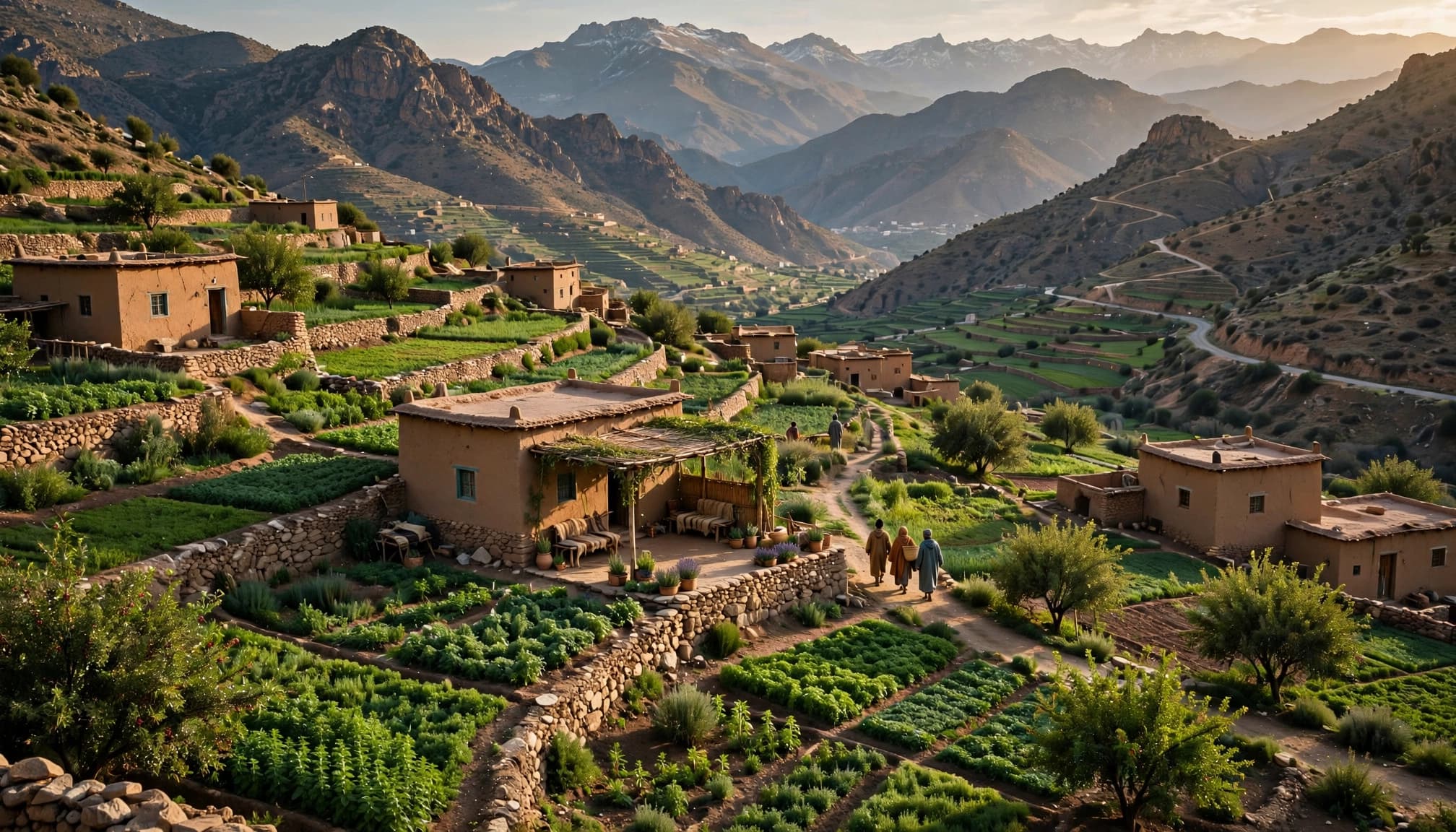
The recovery plan, and the work behind the headlines
Morocco's recovery effort covers housing, public services, infrastructure and economic support. The Global Facility for Disaster Reduction and Recovery's account of Morocco's recovery planning says its assessment informed the design of an US$11.8 billion recovery and reconstruction programme. That figure describes the programme's planned scale, not money already spent or work completed.
Infrastructure is part of that wider effort. The European Investment Bank's Morocco post-earthquake reconstruction project is intended to finance rehabilitation of schools, roads and hospitals in six affected Atlas provinces. Its scope shows why recovery cannot be measured only by the number of houses rebuilt: residents also need reliable access to education, healthcare and transport.
Progress will differ between communities, given their locations, damage and access to materials and services. In remote mountain areas, safer construction must also account for local building knowledge and difficult terrain. Ecotourism can support livelihoods when locally owned guesthouses, guiding and food businesses benefit residents, but it is not the purpose of the national reconstruction programme. The priority is restoring everyday life; responsible tourism can grow alongside that work when communities choose its role.
Rebuilding homes and heritage with local knowledge
Recovery in the High Atlas depends on safe homes and the everyday places that hold village life together. Local knowledge can guide where repairs begin and how they fit the mountain setting, while engineering review and building standards must shape every reconstruction decision.
Safer buildings that still belong to the mountains
Stone, earth and other locally available materials can suit the climate and retain the character of Amazigh villages. However, a familiar material or traditional method does not automatically make a building safe in an earthquake. The outcome also depends on material quality, how walls connect, the building's shape and workmanship.
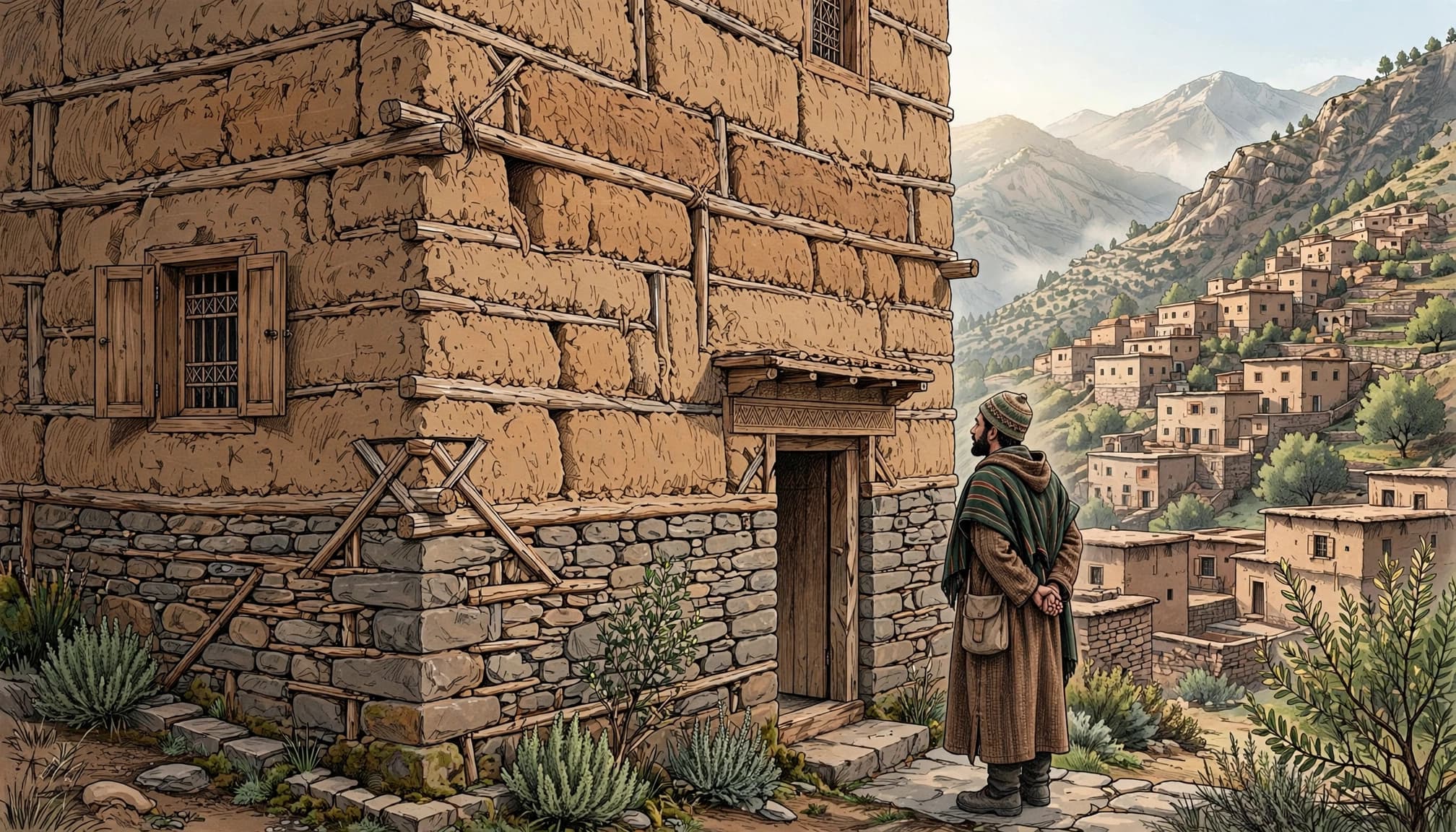
Local builders and craftspeople understand how homes respond to steep ground, seasonal weather and daily use. Their experience can help engineers adapt designs, choose practical materials and avoid details that clash with local needs. At the same time, qualified professionals should assess foundations and structural plans, and construction must meet applicable safety standards. Research on damage after the earthquake also points to material quality control and site practices as important parts of safer construction, as discussed in this study of building damage in Al Haouz.
Traditional knowledge is best treated as evidence to examine and improve, rather than either a guarantee of safety or a decorative feature. Miyamoto International's account of Morocco's reconstruction response describes the value of local building knowledge alongside technical assessment.
Repairs should also include shared spaces. Schools, community halls, places of worship and routes between homes help residents maintain social ties and access essential services. Consulting residents, local organisations and tradespeople can reveal which buildings and paths matter most, so recovery funding supports daily life as well as private housing.
Why cultural landscapes and living traditions matter
A village's identity is carried by more than the appearance of its houses. Its layout, courtyard life, food, Amazigh language, craft skills and seasonal routines all shape how residents live and how visitors experience the High Atlas. UNESCO's overview of cultural landscapes describes how human activity and the natural environment form connected places.
Repair and tourism planning can protect that connection when residents help set priorities. For example, maintaining traditional building skills can provide paid work for local craftspeople, while locally owned guesthouses and food businesses can keep more visitor spending within the community. These choices support livelihoods without requiring residents to stage everyday customs for tourists.
Tourism works best as one part of recovery, not as a reason to reshape village life around visitor expectations. Community consultation can guide where visitors stay, which routes remain suitable for walking, and how cultural knowledge is shared with consent. That approach lets local people decide what they wish to welcome, and what should remain private.
Keeping ecotourism alive while communities recover
Responsible tourism can support livelihoods in Al Haouz when residents choose to welcome visitors and can benefit fairly from their spending. It must remain secondary to local needs: a trip should not interrupt recovery work or turn damaged homes into attractions. The principles set out in UN Tourism's sustainable development guidance include respect for host communities and their cultural heritage.
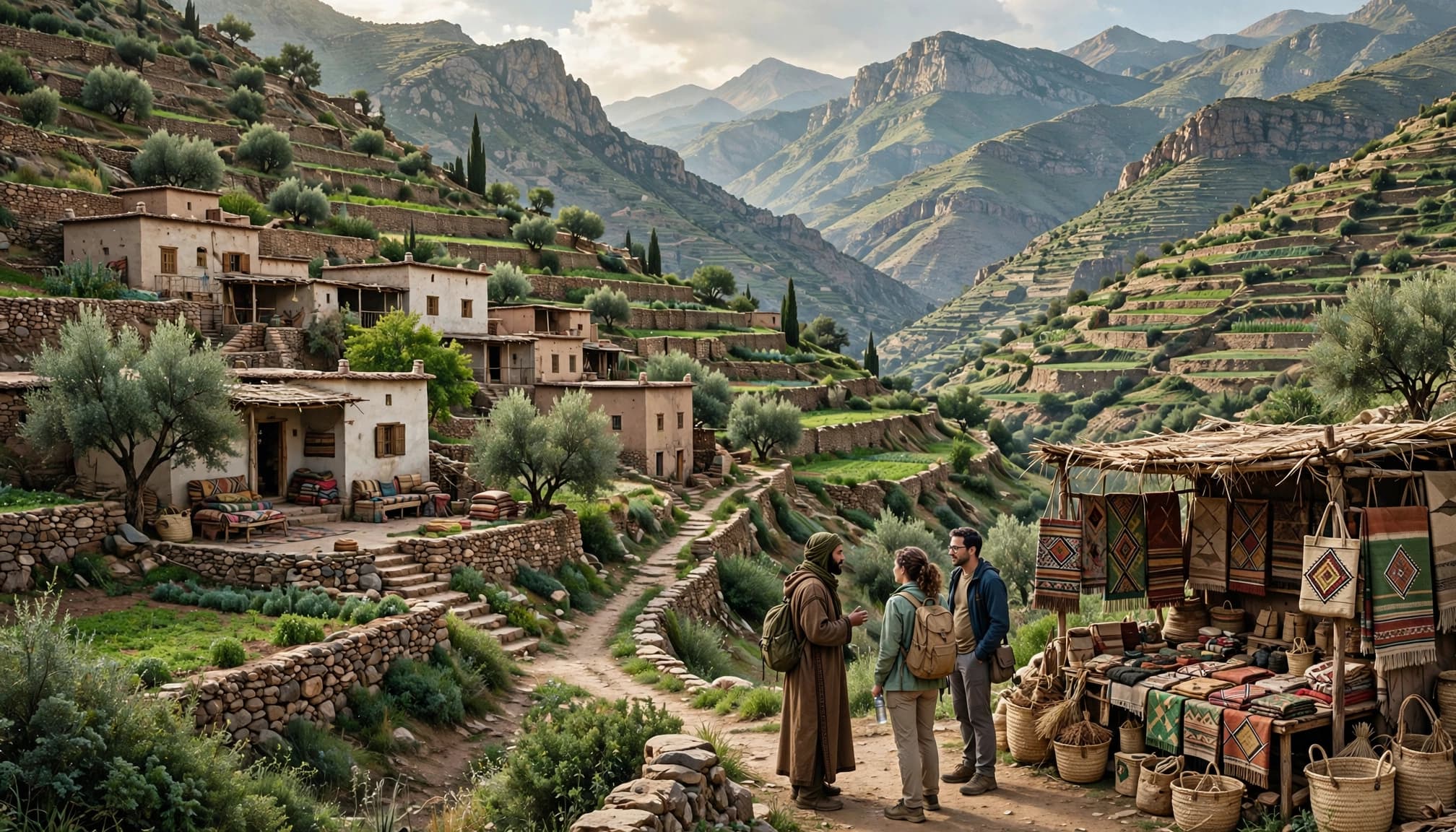
How visitors can support local livelihoods responsibly
Visitors can hire local guides who know the trails and can explain village customs, while locally owned guesthouses, cafés and transport providers may keep more spending within the area. That benefit should not be assumed, however. Travellers can ask who owns a business, who receives payment and whether local staff or suppliers are involved.
Buying directly from makers gives artisans a clearer route to customers. Toudarte Cooperative, for example, reports that more than 100 Amazigh women take part in its argan oil production and that members receive income alongside literacy classes and medical care. Visitors interested in its work can read the cooperative's account of its organisation.
Community-based activities should be offered with residents' consent, not arranged around outsiders' expectations. Visitors can follow local guidance on routes, photography and access, and should never enter damaged buildings, private land or homes without permission. These boundaries protect both residents' privacy and visitors' safety.
What ethical travel looks like in a recovering region
A village recovering from an earthquake is a place where people live, work and rebuild. Photographing damaged homes without permission or seeking out visible destruction for dramatic images can reduce residents' experience to a spectacle. Respect means asking before taking photographs and accepting a refusal without argument.
Uninvited volunteering can also create extra work. Unless a recognised local organisation has requested particular skills, visitors should not assume that residents need their help. Similarly, pressure on accommodation, water, transport or other services may be unwelcome where resources remain stretched. Checking current local advice before travelling helps visitors avoid adding strain.
Conditions and business operations can change during rebuilding, so plans need flexibility. Travellers should confirm which routes are open, whether a visit is welcome and what safety guidance applies. Operators who communicate clearly about access, cancellations and how their services involve local people make it easier to make informed choices. Respectful cultural behaviour, modest expectations and willingness to change plans allow tourism to continue without taking priority over recovery.
Protecting High Atlas nature as infrastructure returns
As roads, homes and visitor facilities return to the High Atlas, their location and daily resource use will shape the pressure placed on mountain ecosystems. Water, farmland, grazing areas and natural drainage all matter to communities as well as visitors. Planning infrastructure around these needs can protect the setting on which local livelihoods and nature-conscious tourism depend.
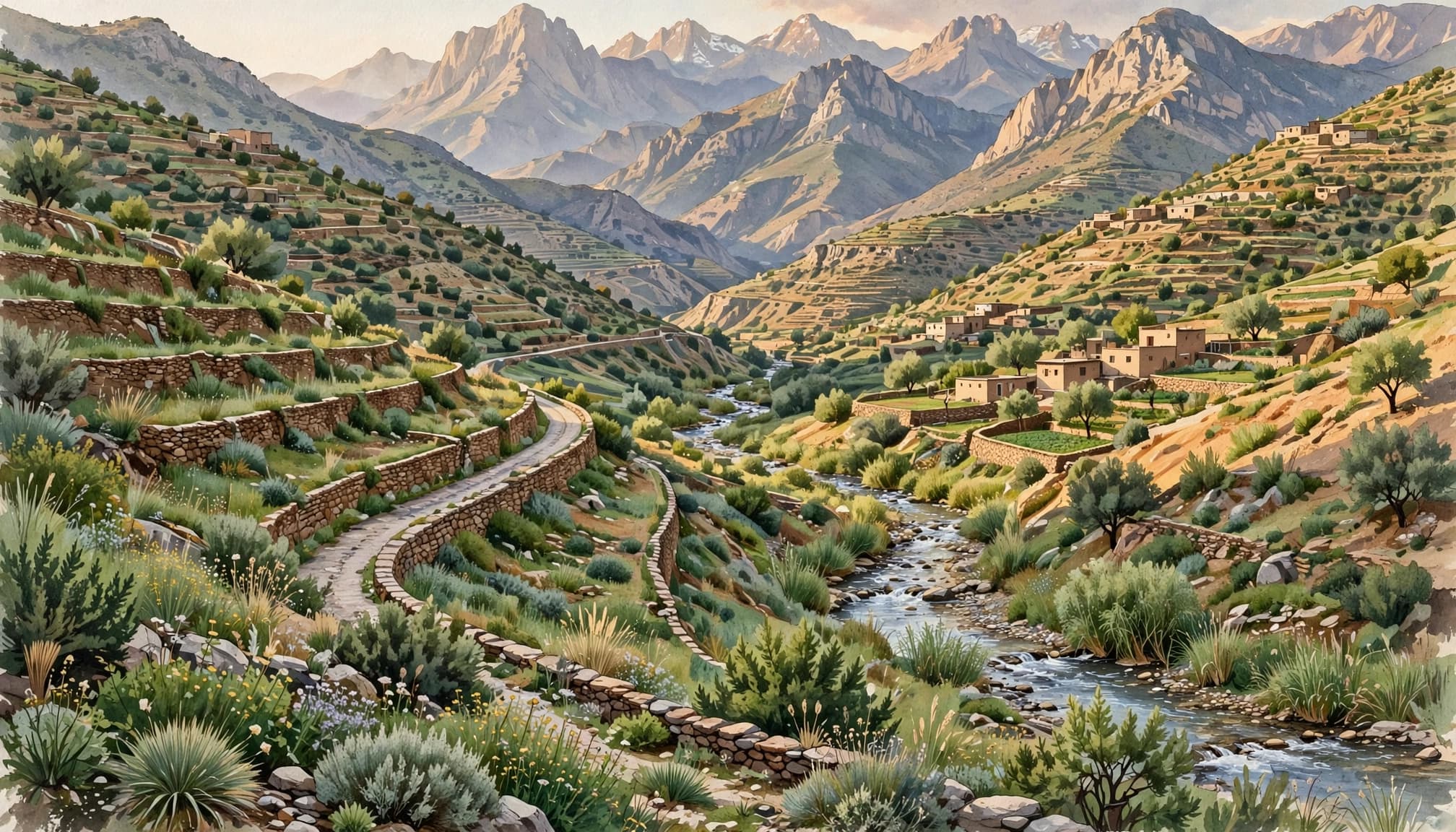
Build back with water, waste and landscape in mind
Water-efficient taps, showers and toilets can reduce demand in guesthouses and public buildings. Where local conditions allow, projects can also assess rainwater storage and safe greywater reuse. These measures need to fit community water systems, because household needs and farming already compete for supplies, and availability can change with the seasons. Research on locally governed irrigation in Al Haouz villages highlights why water planning should account for existing systems and local decision-making (study of irrigation governance in the High Atlas).
Waste needs similar forethought. Reliable collection, sorting and disposal should be in place before visitor numbers rise; otherwise, litter and untreated wastewater can reach streams and paths. New roads and accommodation should avoid fragile slopes, waterways and productive terraces where possible. Environmental checks before construction can identify sensitive areas, while residents can point planners towards seasonal routes, water sources and places that should remain undisturbed.
Transport choices count too. Shared transfers, locally operated shuttles and well-maintained walking routes can reduce reliance on individual vehicles for short journeys. These options work best when residents help choose routes and services, rather than having a tourism plan imposed from outside.
Make conservation part of long-term resilience
Healthy soils, vegetation and watercourses help sustain farming, grazing and the appeal of the mountain region. Protecting them also supports the tourism economy over time: trails remain usable, natural areas retain their character, and visitors can experience the landscape without damaging the places they came to see. Morocco faces wider pressures from water scarcity and climate change, making careful resource management relevant to both recovery and future planning.
Visitor access still matters, but it should suit each place. Clear trail guidance, limits on vehicle access in sensitive locations and seasonal closures where needed can reduce disturbance. Such decisions work best when local residents, land users and tourism operators agree how access will be managed and reviewed.
Heritage stewardship is part of the same responsibility. UNESCO describes the Amazigh agdal system as a traditional approach to managing natural resources and sustaining livelihoods. Its principles show how community rules and conservation can work together, while each village should shape measures around its own customs and needs (UNESCO on the agdal system). Sustainable tourism depends on that balance: visitors gain access to a living mountain region, while residents retain a central role in caring for it.
What a fair and lasting revival should be measured by
New roofs and reopened roads are visible signs of progress, but they cannot show whether recovery is reaching the people who need it most. A fair revival should also restore safety, daily services and livelihoods, while giving residents a real say in what happens next.
Signs that recovery is benefiting residents
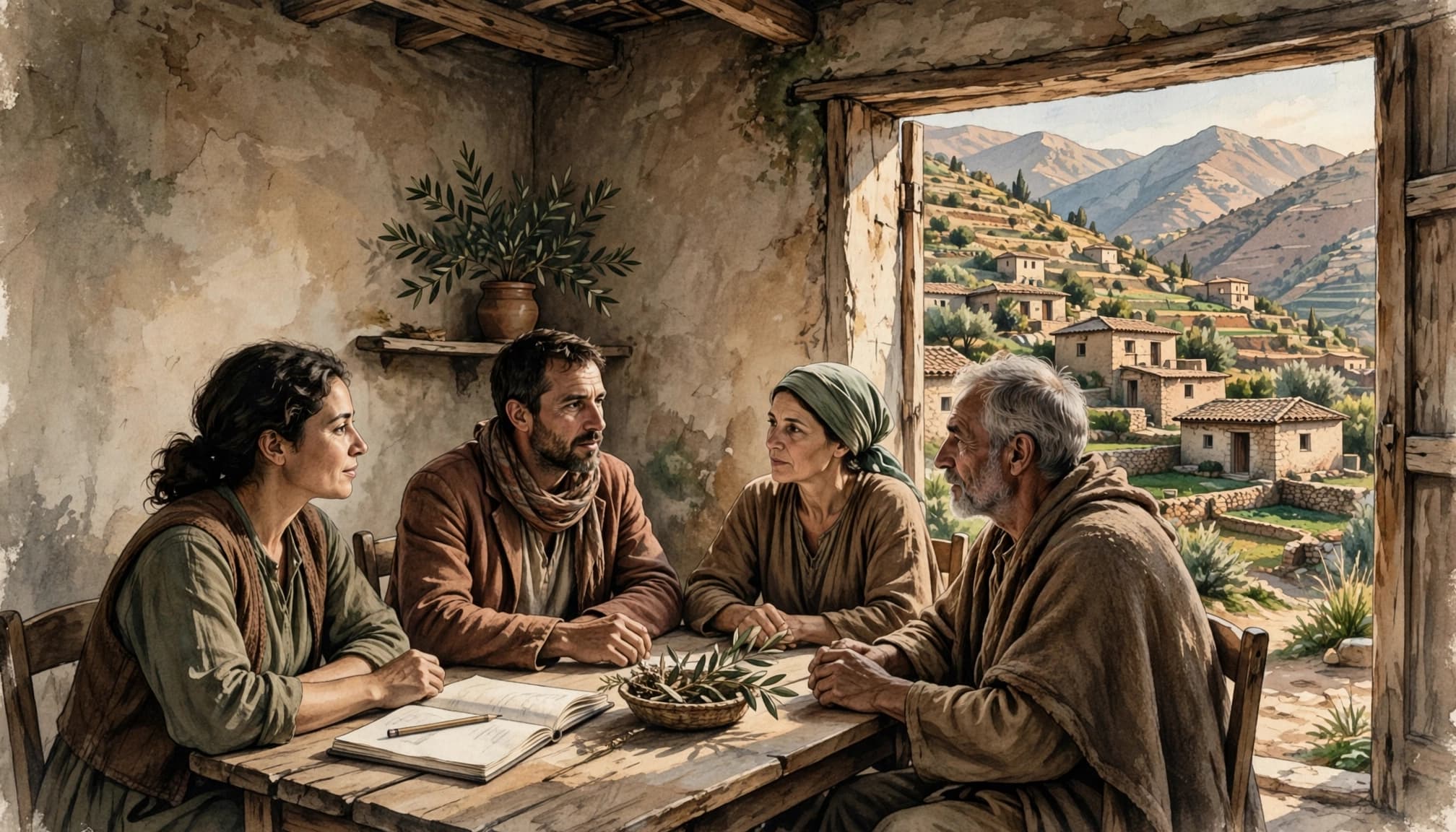
Useful measures start with daily life: how many households have safe, durable homes; whether people can reliably reach schools, healthcare, markets and transport; and whether local businesses and workers are earning from recovery and tourism. Progress should also account for cultural continuity and environmental health, including whether building work respects local needs and whether water, waste and land pressures remain manageable.
Numbers need context. A total for completed homes, for example, says little about families still waiting in remote villages or households whose repairs remain unfinished. Reporting should break results down by location and, where data allows, by factors such as age, gender or disability. That helps reveal who has been missed without treating all communities as if they face the same barriers.
Residents' participation is another measure, not a box to tick. They should be able to influence decisions about housing, shared facilities, visitor access and local services, then see how their feedback shaped the outcome. The Global Facility for Disaster Reduction and Recovery's account of Morocco's recovery planning explains how an assessment informed the national reconstruction programme; transparent reporting can help communities track what follows from those plans. Caritas also describes focusing on vulnerable zones and groups in its account of recovery two years after the earthquake, a reminder that need and progress can vary sharply between places.
Questions travellers and tourism businesses can ask
Tourism investment can create work and support local services, but its growth does not prove that households are benefiting. Travellers and operators can ask who owns a guesthouse or tour company, who receives payment, and whether local staff, guides, farmers or craftspeople supply the business. Clear answers matter more than broad claims about being "community-based".
Environmental practices deserve the same scrutiny. Businesses can explain how they manage water, waste and transport, and whether their activities follow local guidance on trails, land access and visitor conduct. A credible operator will be specific about what it does, rather than claiming that a trip is carbon-neutral or socially beneficial without explaining the basis for that claim.
Conditions may change as repairs continue. Before booking, travellers can check current access and safety advice, ask whether a visit is welcome, and follow any restrictions set by residents or local authorities. Businesses should communicate those limits honestly, including when a route or service is unavailable. That openness helps tourism support recovery without making promises residents cannot yet rely on.
Frequently Asked Questions
The High Atlas is recovering village by village, so visitors should check current conditions before making plans. These answers cover the earthquake, access and practical ways to travel with care.
When did the Al Haouz earthquake happen?
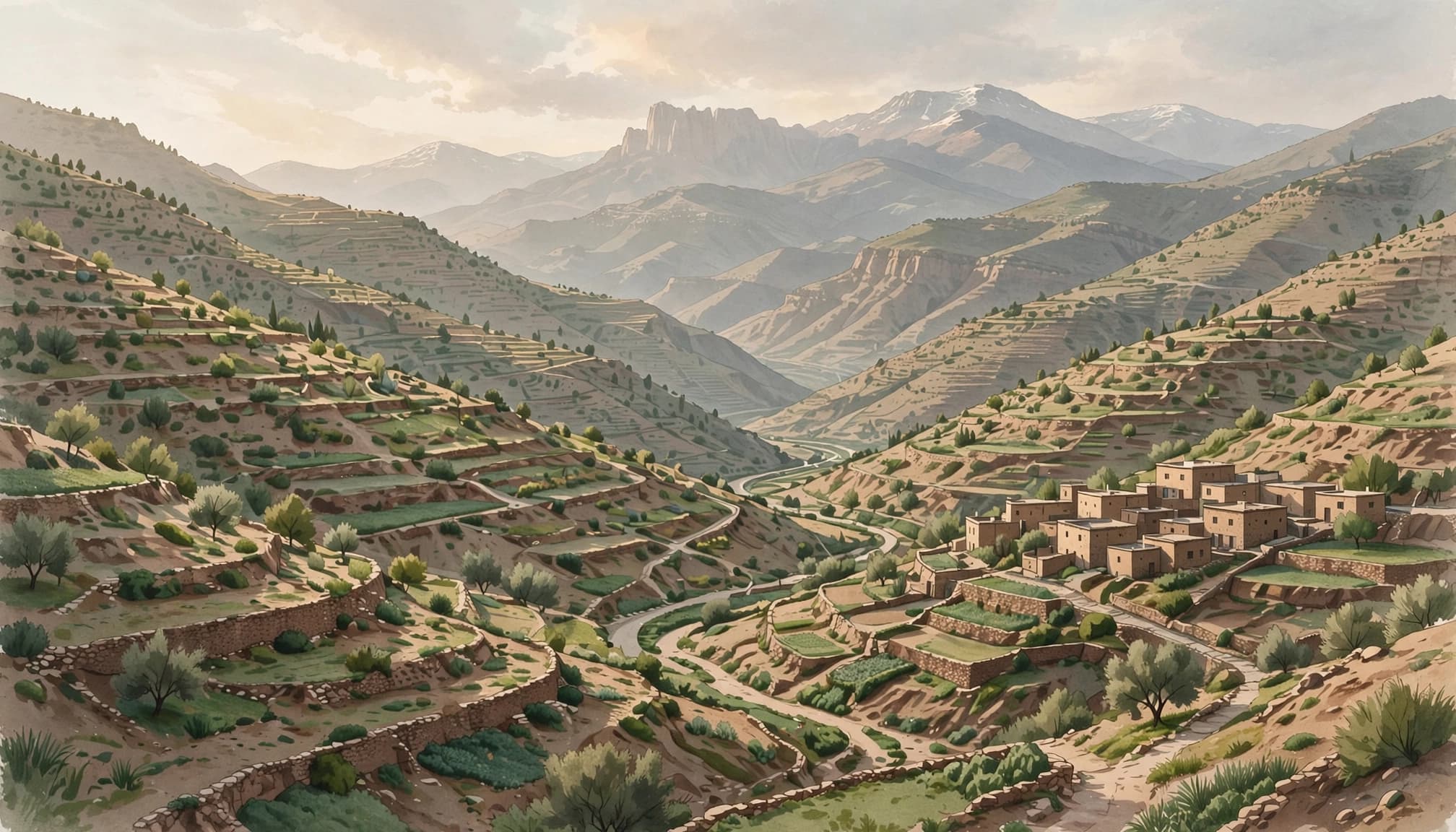
The Al Haouz earthquake happened on 8 September 2023, affecting communities in Morocco's High Atlas Mountains, including areas in Al Haouz Province. The US Geological Survey event record places the earthquake near Oukaïmedene.
Is Al Haouz open to visitors now?
Access and services vary by village, and conditions can change as recovery work continues. Before travelling, visitors should check the UK government's Morocco travel advice, then confirm road access, accommodation and local guidance with their host or guide. A route shown as open may still be affected by weather, repairs or local restrictions.
How can visitors make sure their spending supports local people?
Visitors can favour locally owned guesthouses and transport, hire local guides, and buy food or crafts directly from local producers where possible. They can also ask who owns a business, whether local people are employed, and how suppliers or community groups benefit. Clear answers offer a better indication of local benefit than a general claim of being community-based. EcotourismNet's guide to a community tourism trip offers further ideas for choosing locally rooted experiences.
Can traditional Moroccan homes be rebuilt to withstand earthquakes?
Traditional materials and building knowledge can inform reconstruction, but no material or architectural style is automatically earthquake-safe. Safety depends on sound structural design, skilled construction, suitable foundations and compliance with applicable engineering standards. Local builders and craftspeople can work with engineers to adapt designs to the setting and residents' needs.
What does ecotourism mean during recovery?
Ecotourism during recovery means travelling in ways that respect residents and Amazigh culture, limit environmental harm and contribute fairly to local livelihoods. Timing matters too: visitors should follow local guidance, avoid disrupting repair work and respect closures or requests for privacy. Responsible travel supports community priorities rather than treating recovery as an attraction.
Conclusion
Al Haouz's recovery is strongest when safe homes, local decision-making, Amazigh cultural continuity and healthy mountain landscapes advance together. Rebuilding is still under way, and ecotourism can support livelihoods only when it follows residents' priorities and respects the limits of local resources.
Readers can share how they choose responsible tourism in the comments, and should check current local guidance before planning a visit.