
How You Verify Truly Sustainable Hotels Through Green Certifications
Hotel green claims can sound convincing, yet words like "eco", "green" and "sustainable" often hide more marketing than proof. If you want a stay that matches your values, green certifications give you a better way to separate genuine action from polished promises.
True ecotourism is about responsible travel, protecting nature, and supporting local communities, not just adding a leaf logo to a booking page. You need simple checks before you book, because a real certification should come from an independent body, set clear standards, and be easy to verify.
That's where this guide helps. You'll learn how to spot trustworthy labels, question weak claims, and book hotels that back up their sustainability talk with real evidence.
What green hotel certifications actually mean
Green hotel certifications are the quickest way to separate a genuine sustainable stay from a polished claim. They tell you that a hotel has been checked against set standards, rather than simply naming itself "eco-friendly" on its own website.
That matters because real sustainability is measurable. A proper label looks at things like energy use, water saving, waste, cleaning products, and sometimes local hiring or community impact. In ecotourism, those details matter as much as a scenic view or a low room rate.

Third-party certification versus self-made claims
A hotel can call itself green without proving much at all. That is why independent verification carries far more weight than a self-awarded badge.
When a third party audits a property, you know someone outside the hotel has checked the evidence. By contrast, a home-made label can hide weak standards, vague wording, or no standards at all. It may look impressive, yet it can mean very little.
A simple example makes this clear. If one hotel says, "We are sustainable because we care", and another has approval from a recognised certifier, you can trust the second one far more. The first is marketing. The second is a claim backed by review.
A label is only useful when you can trace who gave it, what they checked, and how often they re-check it.
If you want a practical starting point, look for guidance from recognised tourism bodies such as the GSTC certification framework and hotel schemes listed by ABTA's sustainable certification schemes.
The most trusted labels to look for
You do not need to memorise every certification. Instead, learn a few names that carry real weight when you book.
- Green Key: A strong choice for hotels, resorts, and guest stays that want clear environmental standards.
- Green Globe: Often used by larger hotels and tourism businesses with wider sustainability reporting.
- EarthCheck: A good fit for properties that track energy, water, waste, and performance over time.
- GreenSign: Common in European and international hospitality, especially where operations are audited in detail.
- GSTC-recognised standards: Best seen as the benchmark behind the label, since GSTC sets the global standard rather than certifying hotels itself.
- LEED: More common for buildings and new developments, so it matters most when you want to check how a hotel was designed or refurbished.
If a hotel carries one of these names, you have a much better starting point. The label does not guarantee perfection, but it does show the property has moved beyond vague promises.
For a wider view of how eco stays fit into responsible trips, you can also explore sustainable travel spots in France, where green accommodation is part of the wider travel experience.
When you book, treat the certification like a passport stamp. It should tell you where the hotel has been checked, not just where it wants to be seen.
How to check whether a hotel's green claim is real
A hotel can sound sustainable and still fall short on proof. The quickest way to separate fact from polish is to check whether the claim can be traced to a named certification, an official listing, and a current status. If you cannot verify those three points, treat the claim with caution.

Start with the hotel website and certificate details
Begin on the hotel's own site, but read it like a fact-checker. A genuine claim should name the full certification scheme, not just say "eco", "green", or "sustainable". You want the exact label, such as Green Key, EarthCheck, or LEED, plus the logo that matches the certifier's brand.
Look for details that make the claim easier to verify, such as:
- the certificate number
- the expiry date or renewal date
- the scope of the certification
- the name of the certifying body
If those details are missing, that is a warning sign. Real certifications usually leave a paper trail, because independent schemes expect transparency. A hotel that only hides behind soft marketing words may be trying to sound responsible without showing you the evidence.
A quick sentence in the hotel's footer or sustainability page often tells you a lot. If it names the scheme clearly and links to the certifier, you are on firmer ground. If it doesn't, keep looking.
Confirm the hotel on the certifier's official site
The most reliable check is the certifier's own public directory, map, or property list. Search the hotel name there, then compare the location, property name, and status carefully. A hotel in London should not appear under a different city or a different trading name.
This step matters because a badge on a hotel website means little if the certifier never listed the property. A real listing usually shows the hotel as approved, certified, or registered within the programme. If the hotel cannot be found at all, don't trust the claim yet.
Some certifiers also explain what their labels cover, which helps you judge the strength of the claim. That can matter just as much as the badge itself. A property may have a solid environmental certificate, but you still want to know whether it covers the whole hotel or only one part of the business. For a broader view of how standards work in practice, see GSTC-recognised hotel standards.
If the certifier's site does not list the hotel, the badge on the booking page is not enough.
Check whether the certification is still current
A green badge can go stale. Certificates expire, get suspended, or lapse when renewal checks are missed, so an old logo is not proof of present-day performance. You need to know whether the certification is active right now.
The easiest signs of a current certification are:
- a recent audit date
- a renewal cycle shown on the listing
- a current year on the certificate
- a status page that says the property is active
If you only see an old award image with no date, dig deeper. A hotel may have earned certification years ago and never renewed it. That is common enough to matter, especially when a website still displays a badge long after the programme changed the status.
When you want a practical rule, use this one: if the date is missing, ask again. A hotel that is genuinely certified should be able to share proof quickly, because current verification is part of the system. For a useful comparison of how hotels should answer these questions, how to vet sustainability claims is a helpful reference point.
A current certification should feel easy to trace. If you have to chase vague replies, copied logos, or outdated pages, you are probably dealing with a weak claim rather than a solid one.
Greenwashing warning signs you should not ignore
A hotel can dress up its website with leafy icons, calming colours, and polished promises. That does not mean it runs a proper sustainability programme. You need to look for proof, because greenwashing often hides in plain sight.
The strongest hotel claims are specific, current, and easy to verify. Weak ones sound pleasant, but stay vague when you ask for details. If you can spot the warning signs early, you save yourself from booking a stay that talks green and acts ordinary.
Words that sound eco-friendly but prove nothing
Some words feel reassuring, but they mean little without evidence. Labels like green, natural, eco, conscious, responsible, or sustainable can be useful, but only when a hotel backs them up with data or certification.
A hotel might call itself eco-friendly and still waste energy, ignore local sourcing, or skip proper waste handling. The word itself is not the problem. The problem starts when the word does all the work and nothing supports it.
Watch for language that sounds polished but empty:
- Eco-friendly with no clear standard behind it
- Green with no explanation of what changed
- Sustainable with no report, certification, or targets
- Carbon neutral without showing how emissions were measured or reduced
- Zero waste while bins, disposables, and leftovers still pile up
- Natural when the hotel never explains what that means in practice
A careful reader treats these as prompts, not proof. If you want a useful comparison point, Wanderlust's guide to spotting hotel greenwashing shows how vague claims can hide a lack of substance.
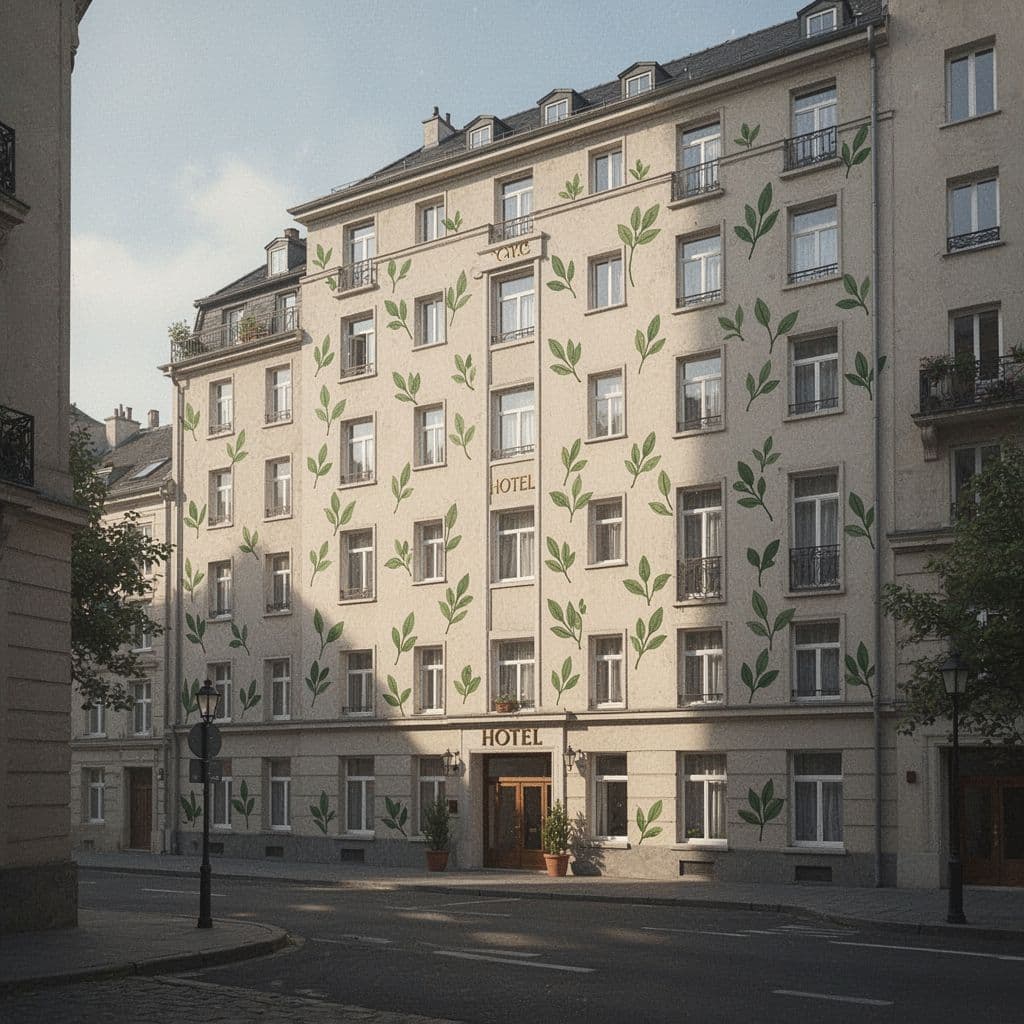
If a claim sounds good but gives you nothing to verify, treat it as marketing first and sustainability second.
Claims that should make you ask more questions
A few gaps tell you a lot. If a hotel mentions being eco-conscious but gives no named certifier, no expiry date, and no public listing, you should slow down. Real certification normally leaves a trail you can check.
Broad promises are another warning sign. Phrases like "helping the planet", "doing our part", or "committed to a greener future" can sound positive, yet they tell you very little. You need to know what the hotel actually changed, measured, or improved.
Be wary when a property talks only about small gestures, such as towel reuse or recycling bins, while offering no wider programme. Those steps are useful, but they do not equal a full sustainability plan. A hotel can reuse towels and still miss the bigger picture on energy, water, labour, and sourcing.
Ask yourself a simple question: Can you verify this claim without guessing? If the answer is no, trust the evidence, not the polish.
A quick red-flag check helps here:
- No official certificate number or public record.
- No date showing the certification is current.
- No named body behind the claim.
- Only vague language about being "planet-friendly" or "low-impact".
- Small green gestures, but no sign of wider action.
For a broader industry view, The Washington Post's guide to hotel greenwashing explains why some travel brands overstate tiny efforts while leaving the bigger issues untouched.
When you book, remember this: a real sustainable hotel makes it easy for you to check the facts. A weak one hides behind soft language and attractive branding.
What a genuinely sustainable hotel should be doing behind the scenes
A real sustainable hotel does more than place a green badge on its website. You should be able to see the logic behind the stay, where energy is saved, water is protected, waste is cut, and local benefit is built into daily operations.
That matters because responsible tourism is not just about comfort. It is about how the hotel runs when guests are not looking, in laundry rooms, kitchens, corridors, and supply cupboards.
Energy, water, and waste practices that matter most
The clearest signs of good practice are usually simple. You want to see LED lighting, motion sensors in back-of-house spaces, and room controls that stop heating or cooling from running all day. In many hotels, that also means well-kept HVAC systems and sensible insulation, because a leaky building wastes energy as quickly as an open window.
Water use should look just as practical. Low-flow showers, taps, and toilets show that the hotel takes everyday savings seriously, while linen and towel reuse systems help cut laundry loads without making guests feel pressured. Hotels that track leaks, use full laundry loads, and install refillable toiletries are usually thinking beyond surface-level claims.
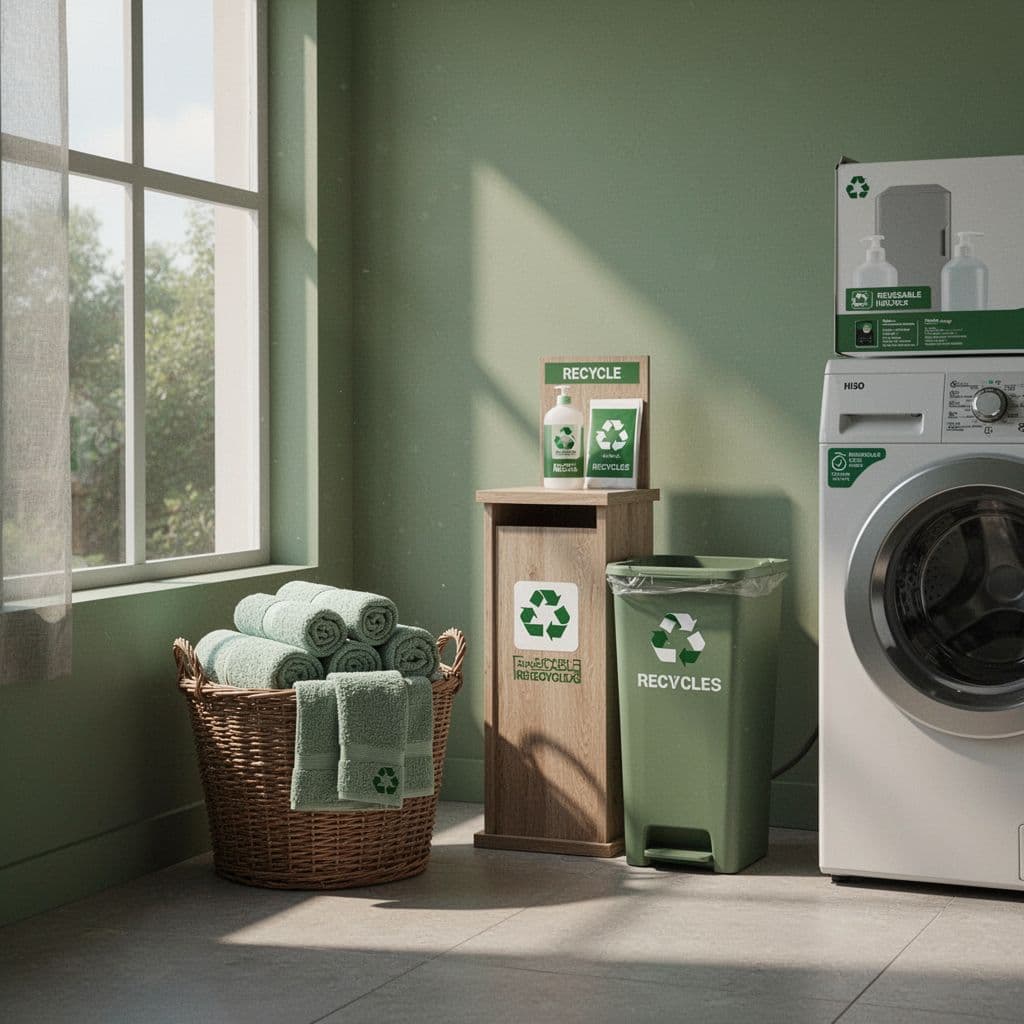
Waste handling should be visible in the hotel's operations, even if you never see the bins. Look for refillable soap dispensers, recycling stations, composting where possible, and a clear effort to reduce food waste in restaurants and buffets. A hotel that buys in bulk, avoids single-use plastics, and sorts waste properly is doing the unglamorous work that real sustainability needs.
For a practical benchmark, the US EPA's green hotels guidance and ENERGY STAR hotel checklist show the kind of actions that matter behind the scenes. If a hotel cannot point to these basics, its green claims are probably thin.
The best hotels do not just save resources. They make savings part of normal daily routine.
How local communities and wildlife should benefit
A genuinely sustainable hotel should help the place it sits in, not just trade on the scenery. That starts with fair local hiring, because local jobs keep more money in the area and build stronger links with the community. It also means choosing local suppliers for food, cleaning products, crafts, and services whenever possible.
Community partnerships matter too. A good hotel might support nearby guides, family-run farms, conservation projects, or cultural groups, so guests spend money in ways that spread wider benefit. This fits the wider ecotourism idea: you are not just booking a room, you are backing a destination.
Wildlife and habitats need the same care. Hotels near beaches, forests, wetlands, or protected areas should avoid light pollution, noise, and waste that disturb animals. They should respect trail access, seasonal restrictions, and local conservation rules, especially in places where tourism pressure is already high.
The strongest examples of responsible tourism are those that act with the local environment in mind. Organisations such as WWF's locally led conservation work and UNESCO's sustainable tourism programme reflect the same idea, which is simple: tourism should support nature and the people who live closest to it. If a hotel ignores that, it may be selling a nice stay, but it is not acting sustainably.
For a broader look at how destination support and conservation fit into responsible travel, you may also want to read how community tourism works in Mexico and Central America.
How to compare hotels before you book
When you compare hotels for a sustainable stay, you need more than a neat badge or a polished description. The best choice is the one that proves its green claims in more than one place, and that proof should be easy to follow. A quick check now can save you from booking a hotel that looks responsible but offers little substance.

Use booking platforms carefully, then verify elsewhere
Online travel sites are useful for first impressions. They let you compare prices, locations, amenities, and sometimes sustainability labels in one place. That makes the search easier, but the label on the booking page should never be your final check.
Treat platform tags as a starting point, not proof. A hotel marked as "eco" or "sustainable" on an OTA may still need proper verification on the certifier's own site. If the property claims to hold a real certificate, go straight to the original issuer and check the listing there. That simple step reduces the chance of being misled by outdated badges or loose marketing language.
If a booking site makes a hotel look green, confirm it on the certifier's website before you trust the claim.
A reliable comparison usually follows this order:
- Scan the booking platform for a first pass.
- Note the exact certification name, not just the badge.
- Check the certifier's directory for the hotel name and location.
- Confirm the status is current.
- Read what the label actually covers.
This extra minute matters because some labels only cover part of a property, while others apply to the whole site. A hotel that looks strong on a booking platform may turn out to have a narrow or expired credential once you check the source. For a wider comparison of trusted standards, the Conversation's guide to avoiding greenwashing gives a clear reminder to look for independent proof, not just nice wording.
Look for clear signs in reviews, photos, and hotel replies
Guest reviews can tell you far more than the hotel description. When people mention refill stations, towel reuse, recycling bins, local food, or easy transport links, you get a better sense of how the hotel behaves day to day. Those small details often reveal whether sustainability is part of normal operations or just a page on the website.
Photos help too. Reusable toiletries, water dispensers, bike racks, shaded outdoor spaces, and visible recycling points all give you clues about what the hotel actually does. If the images show plenty of green language but no visible signs of responsible practice, stay cautious.
The hotel's own replies matter as well. A property that takes sustainability seriously usually answers questions with clear facts, dates, and examples. If staff dodge the question, use vague praise, or copy and paste a broad statement, that tells you plenty.
When you read reviews, keep an eye out for comments about:
- Refill stations for toiletries or water
- Housekeeping choices, such as optional linen changes
- Local food in the restaurant or breakfast room
- Transport options, like bike hire or shuttle services
- Waste practices, such as bins for sorting rubbish
A hotel that welcomes these questions is usually more transparent. A hotel that avoids them may be relying on image rather than evidence. For a practical set of questions you can ask before booking, How to Vet a Hotel's Sustainability Claims is a useful reference point.
If you want a simple rule, use this one: compare what the hotel says, what guests see, and what the certifier lists. When those three match, you are much closer to a stay that genuinely supports eco-friendly travel.
Questions to ask the hotel before you make a booking
Once you start comparing sustainable hotels, the smartest move is to ask direct questions before you pay. A strong green certification is a good sign, but your own checks help you see whether the hotel follows through in daily operations.
You do not need a long script. A few polite, specific questions can tell you far more than a glossy booking page. If the hotel answers clearly, you are on safer ground. If the reply is vague, rushed, or packed with marketing language, take that as a warning.

Can you share your certification and renewal date?
This is the best first question because it cuts straight through vague claims. A hotel that truly holds a green certification should be able to name the certifier, explain what the label covers, and tell you whether the status is current.
A strong answer usually includes the certification name, the issuing body, and a date for the latest audit or renewal. If the hotel says it is certified but cannot tell you when that status was last checked, stay cautious. Green badges can expire, and old claims can linger on websites long after the real status has changed.
You can also ask whether the certificate applies to the whole property or only part of it. That detail matters, especially in larger hotels with multiple sites or mixed ownership. Clear, factual answers are a sign that the hotel understands its own standards, not just its branding.
If the reply sounds fuzzy, you should assume the claim needs more checking.
What do you do to reduce impact each day?
This is a polite, normal question, and it invites the hotel to talk about real operations rather than slogans. You want plain-language answers about energy, water, waste, laundry, and sourcing, because those are the areas where a hotel's footprint builds up quickly.
A good hotel should be able to say what it does without hiding behind broad phrases. For example, it might mention LED lighting, smart heating or cooling controls, low-flow showers, refillable toiletries, towel and linen reuse, recycling, composting, or local suppliers for food and cleaning products. Those details tell you more than "eco-conscious" ever will.
If you want a simple way to phrase it, try: "What do you do each day to reduce your environmental impact?" That keeps the tone friendly, while still asking for substance. Good hotels answer in practical terms, because they have nothing to hide.
For a useful benchmark on the type of questions that get real answers, see how to vet hotel sustainability claims.
How do local people benefit from my stay?
This question matters because sustainable travel should support the place you visit, not just the hotel itself. In ecotourism, the strongest stays create benefits that reach local households, local businesses, and local culture.
A thoughtful hotel should be able to explain how it helps nearby people in concrete ways. That might mean local hiring, fair pay, partnerships with nearby food suppliers, community projects, or paid work for local guides and drivers. It may also mean buying from local farms, artisans, and service providers so more of your money stays in the area.
You can also ask how the hotel shows cultural respect. Does it support local traditions? Does it work with community-led experiences? Does it avoid using culture as decoration while giving nothing back? The best properties can answer all of this in plain language, with examples.
A simple question works well here: "How do local people benefit from my stay?" If the hotel can point to real outcomes, that is a strong sign. If it only speaks in general promises, you have learned something important before booking.
In other words, you are not just checking whether the hotel is green. You are checking whether it is fair, local, and accountable. That is where genuine sustainable travel begins.
FAQ
A few clear answers can save you time when you compare hotel certifications. Use this section as a quick final check before you book, especially if a property sounds green but gives you little proof.

What makes a hotel certification trustworthy?
A trustworthy certification comes from a third party, not the hotel itself. It should have clear standards, independent audits, and a way to verify the property on the certifier's own site.
That is the difference between a real label and a decorative badge. If you can trace the certifier, the audit, and the current status, you are dealing with a stronger claim. For a useful reference point, the GSTC certified sustainable hotels page explains how third-party certification works for travellers.
Which hotel certifications should you recognise first?
You do not need to memorise every label. Start with the names that appear often and have a clear track record, such as Green Key, Green Globe, Green Seal, Travelife, and LEED for building standards.
A hotel can still be certified without using one of those names, but well-known schemes are easier to check. If you want to compare labels against practical hotel standards, the US EPA green hotels guide is a solid place to look.
Can a hotel be sustainable without a certification?
Yes, but you need more proof. Some smaller properties do excellent work on energy, water, waste, and local sourcing without joining a formal scheme.
Even then, ask for evidence. Look for a public sustainability page, current data, local partnerships, or a named audit process. If the hotel cannot show that, you should treat the claim as incomplete.
How do you check if a badge is current?
Go straight to the certifier's website and search the hotel name. Check the listing date, the renewal status, and the property location carefully.
If the hotel website shows a badge but the certifier does not list it, pause before you book. A current certificate should be easy to confirm, and the hotel should answer questions without hesitation. The Green Key Global FAQ page also gives a useful view of how verified sustainability claims should be supported.
What should you ask before you book?
Keep it simple and direct. Ask:
- What certification do you hold?
- Who issued it?
- When was the last audit or renewal?
- Is the hotel listed on the official certifier website?
- What do you do each day to reduce your impact?
A hotel with genuine standards will answer in plain language. If the replies stay vague, you already have your answer.
If you want your next booking to feel more responsible, use the certification name, the official listing, and the hotel's own answers together. That trio gives you a much clearer picture than a green logo alone.
Conclusion
You can spot a truly sustainable hotel when its green claims are backed by evidence, not just polished branding. The strongest checks are still the simplest ones, you look for a trusted certification, confirm the listing on the certifier's site, check that the status is current, and compare the hotel's daily practices with what it says on its booking page.
That habit matters because real ecotourism depends on accountability. A hotel that saves energy, reduces waste, supports local people, and opens its records to scrutiny gives you far more than a pleasant stay, it gives you confidence that your money supports responsible travel.
What's your experience with eco-friendly travel? Share your thoughts in the comments, your insight helps inspire more responsible travellers.