
Inside Eco-Lodges: The Future of Sustainable Stays
You know the feeling when you wake to birdsong, open a window to cool air and pine-scented paths, and find that your breakfast comes from nearby farms? That is the appeal of eco-lodges, where natural materials, low energy use, water-saving design, and local food all work together to keep your stay lighter on the land.
These places are no longer a fringe choice for keen environmental travellers, they're becoming a clear direction for the future of travel. If you care about responsible tourism, wildlife, and local communities, you'll want to know what eco-lodges are, how they work, why they matter, and how you can spot the genuine ones, whether you're planning eco-friendly getaways in France or heading somewhere wilder.
What makes an eco-lodge different from an ordinary hotel?
An eco-lodge is built around place, not just beds. When you stay in one, you are choosing a property that tries to lower its footprint, protect the setting around it, and put local people at the centre of the experience.
An ordinary hotel may still offer comfort, good service, and a lovely view. An eco-lodge goes further. It treats the building, the supply chain, and the guest experience as part of the same responsibility.
Design choices that tread lightly on the land
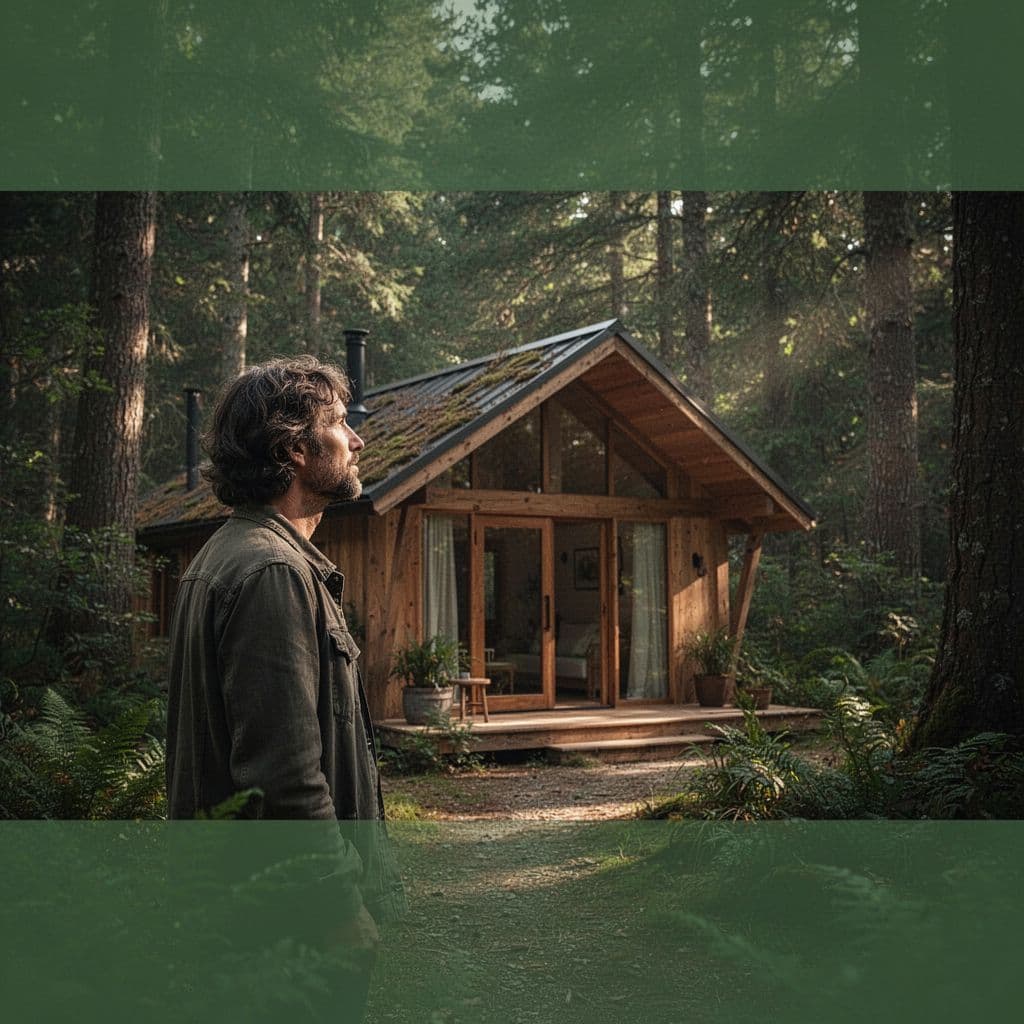
Eco-lodges often look as though they belong to the land already. You may see timber from managed forests, stone from nearby quarries, reclaimed wood, bamboo, or other local materials used in the build. That keeps transport miles lower and helps the lodge fit the character of the area.
Simple architecture matters too. A good eco-lodge uses shade, cross-ventilation, thick walls, and the natural shape of the site to keep rooms cooler without constant air conditioning. In warm places, wide eaves and open-air layouts reduce energy use. In cooler areas, careful insulation and smart window placement can do the same job with less power.
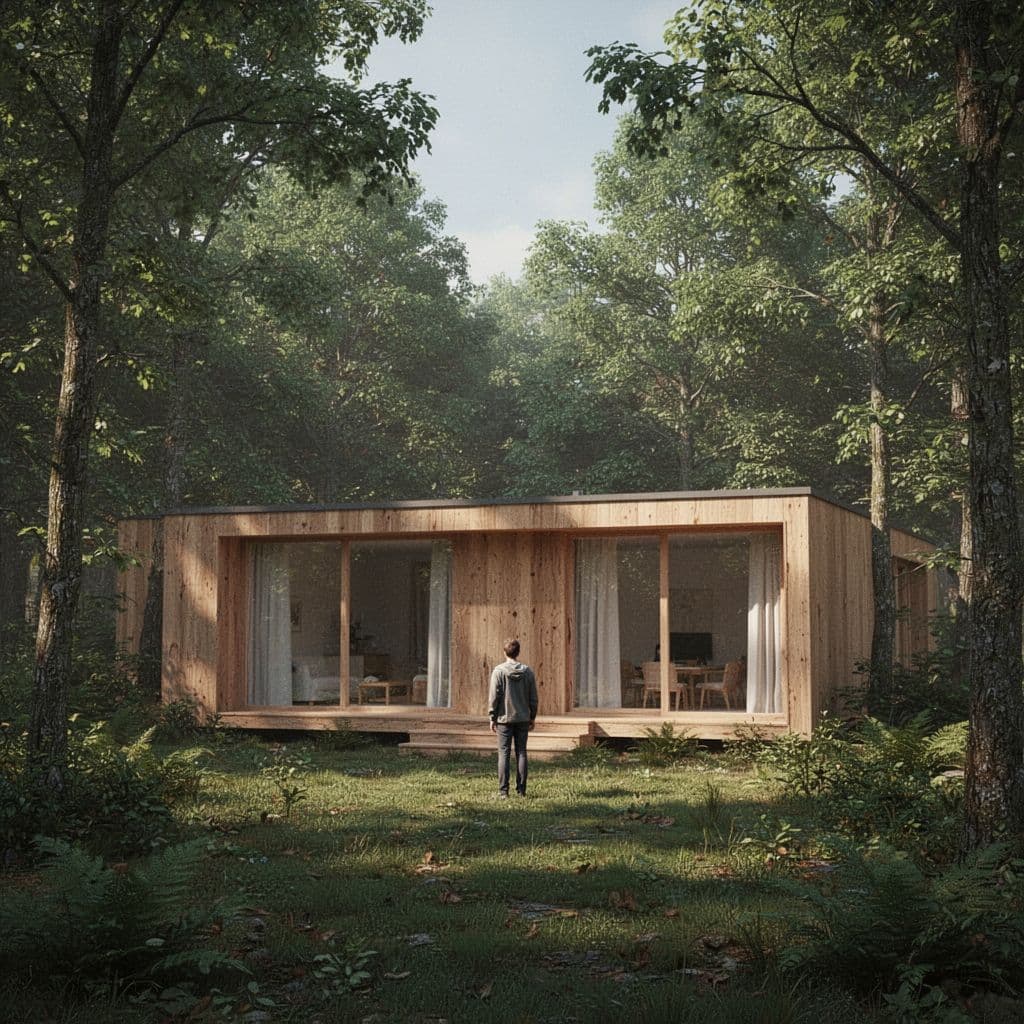
The difference shows up in the details. An ordinary hotel often arrives like a finished object. An eco-lodge is usually shaped to sit quietly in the landscape, with less excavation, less glare, and less visual noise. Good design protects roots, waterways, wildlife paths, and views, while also cutting energy use.
If you want a clear comparison, one useful guide is how ecolodges work, which highlights design, local materials, and environmental systems as part of the whole guest experience.
A genuine eco-lodge does not just sit in nature, it tries to fit into it with care.
Everyday systems that cut waste and save resources
The biggest difference often lies behind the scenes. An eco-lodge usually pays close attention to the small systems that shape daily use of water, power, and waste. Those choices may look minor, but they add up over hundreds of guest nights.
You might notice solar panels on the roof, low-energy lighting in the rooms, water-saving taps and showers, and refillable toiletries instead of single-use plastic bottles. Some lodges collect rainwater for gardens or cleaning. Others compost food waste, separate recyclables, and use natural cleaning products where possible.
These details matter because hospitality uses a lot of resources. If a lodge trims waste at every stage, the savings are real. The guest may only see a softer light or a shorter shower timer, but the property is cutting its load every day.
When you book, ask practical questions:
- Does the lodge use solar or another renewable energy source?
- Are toiletries refillable rather than single-use?
- How does the property handle waste sorting and composting?
- Does it reuse rainwater or manage water carefully?
- Are rooms cooled and lit with low-energy systems?
Those questions tell you far more than a glossy label. They help you spot whether sustainability is built into the stay or just printed on the website. For broader context on why careful land use and lower-impact tourism matter, WWF's work on locally led conservation shows how people and nature stay stronger when they are planned together.
The role of local people in making an eco-lodge truly sustainable
A lodge can look green and still miss the point. If it imports most of its food, pays low wages, and shuts out nearby businesses, it is not supporting sustainable travel in any meaningful way.
A true eco-lodge helps the local economy stay alive. That usually means hiring local staff, paying fair wages, and buying from nearby farmers, fishers, guides, drivers, and craftspeople. It may also mean offering guests local food, local tours, and locally made goods rather than generic imported options.
This is where responsible travel becomes practical. You are not just sleeping in a cleaner building. You are helping money stay in the area, where it can support families and community services.
Look for signs such as:
- Local hiring that gives people jobs and training.
- Local supply chains that bring food and materials from nearby producers.
- Guide partnerships that use knowledge already rooted in the place.
- Fair wages that show the lodge treats people properly.
- Community projects that create a benefit beyond the guesthouse gate.
The real test is simple. If a property talks about nature but leaves people out, the story is incomplete. If it protects wildlife, respects culture, and supports local livelihoods, it is much closer to genuine ecotourism.
You can also see this idea in action in community-based travel models, where tourism is designed to share income more fairly and give visitors a more honest connection to place. That is a much stronger model than green branding alone, because it helps both the environment and the people who live there.
Why the difference matters when you choose where to stay
Once you know what to look for, the gap between an eco-lodge and an ordinary hotel becomes much clearer. One may still be comfortable, but the other is built with a wider purpose.
An eco-lodge asks more of itself. It uses design to reduce harm, systems to save resources, and local partnerships to spread benefit. That is why the building matters just as much as the service. A friendly welcome is lovely, but it should sit on top of real care for land, water, energy, and people.
When you choose well, your stay becomes part of the place in a better way. You get a memorable trip, and the destination keeps more of what makes it special.
Why eco-lodges matter in the future of travel
Eco-lodges matter because travel is changing. You still want comfort, but you also want your trip to do less harm and, in the best cases, leave something useful behind. That shift is pushing eco-lodges from a niche choice into a practical model for the years ahead.
They answer three concerns at once: your footprint, your experience, and the health of the place you visit. When a stay uses less energy, supports local people, and protects the setting around it, it fits the direction responsible travel is taking.
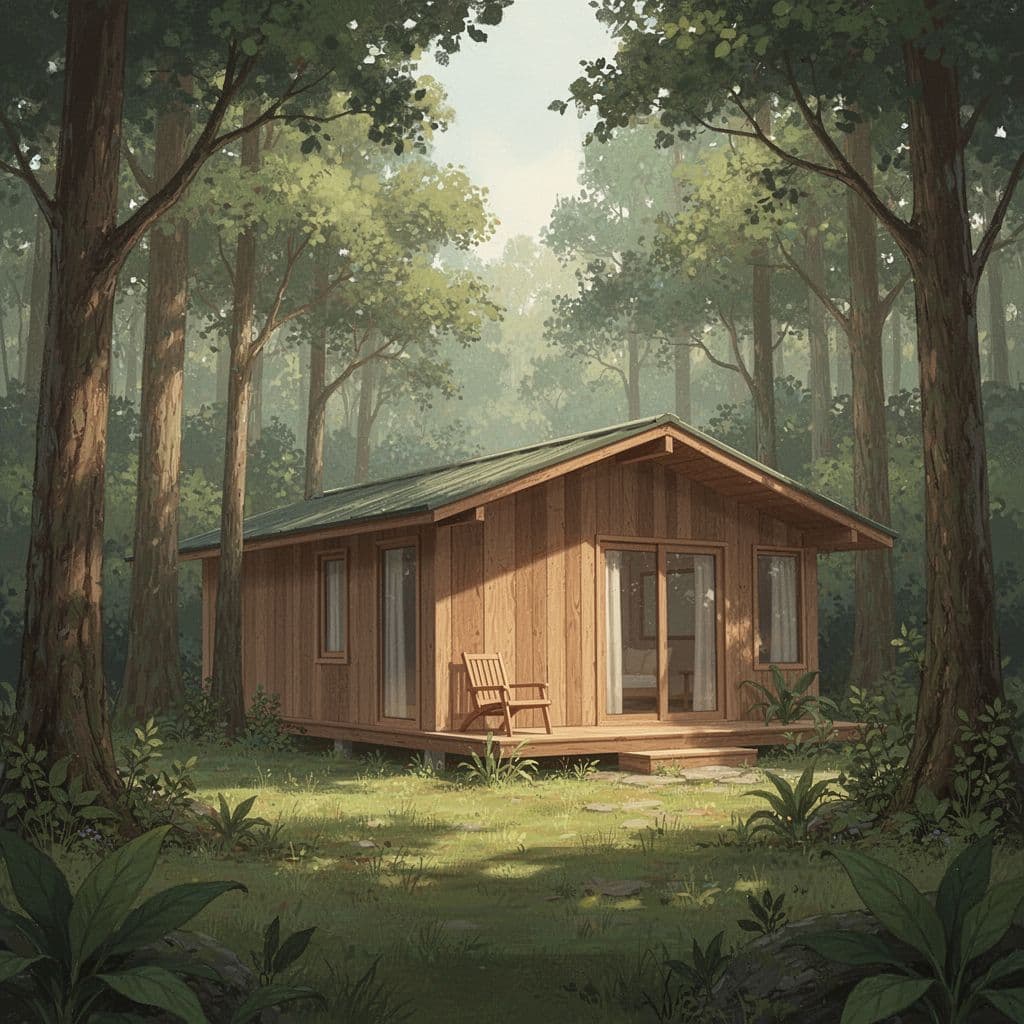
How eco-lodges can lower your travel footprint
An eco-lodge can reduce the impact of your holiday in ways you can actually see. Better insulation, solar power, and low-energy lighting mean less fuel burned just to keep you comfortable. Water-saving showers, rainwater use, and thoughtful laundry policies also cut the strain on local supplies, which matters in dry regions and remote areas.
Food is another big part of the picture. When your meals come from nearby farms, gardens, or fisheries, the lodge avoids long supply chains and heavy transport. That keeps emissions down and gives you fresher food on your plate. It also keeps more money in the local area, which makes the trip feel more grounded.
Eco-lodges often encourage slower travel, too. You stay longer, move less, and use fewer transfers between sights. That matters in fragile places, where constant vehicle movement, noise, and crowding can wear down the environment. A quieter rhythm is better for the land and often better for you as well.
In simple terms, the lodge becomes part of the solution. The details may seem small on their own, but together they make a holiday lighter, calmer, and easier on the places you came to enjoy.
Why more travellers want meaningful, place-based experiences
More travellers want a stay that feels tied to the place, not just a bed for the night. You may want birds at dawn, local food at dinner, and a guide who can point out tracks, plants, and stories you would never notice alone. That kind of trip feels richer because it gives you a real sense of where you are.
Eco-lodges are built for that. They often offer guided walks, wildlife watching with clear rules, and conversations with local hosts who know the land well. Instead of treating nature as a backdrop, they help you engage with it carefully and with more respect.
A good stay also brings local culture into view. Regional dishes, traditional building methods, and local stories give you something far more memorable than polished sameness. The World Bank has long recognised that ecolodges can support rural areas when they are run responsibly and tied to local development, not just visitor numbers, as outlined in its ecolodge publication.
That is why the future of travel looks less like rushed sightseeing and more like place-based experience. You are not just passing through. You are paying attention, and the destination feels the difference.
How conservation and tourism can work together
The strongest eco-lodges do more than reduce harm. They help fund the protection of the very habitats that make the trip worth taking. That may mean contributing to conservation projects, supporting habitat restoration, or working with local rangers and guides who know how to protect wildlife without pushing visitors too close.
This works best when tourism respects both nature and people. If a lodge protects a nesting site but ignores the nearby community, the model is incomplete. If it hires local staff, buys local goods, and follows local rules, then the benefits spread much further. That balance is what makes responsible tourism hold together over time.
Biodiversity needs active care, not just good intentions. WWF's work on locally led conservation shows why people and nature need to be planned together. Eco-lodges fit that idea well because they can support wildlife protection while giving visitors a chance to learn why fragile ecosystems need attention.
The best eco-lodges do not just sit beside nature, they help protect it.
As traveller demand grows, the lodges that last will be the ones that prove their claims with real action. Renewable energy, water care, local sourcing, and conservation support are not side benefits anymore. They are the reason eco-lodges matter now, and the reason they will matter even more in the future.
How to tell if an eco-lodge is genuinely green
A true eco-lodge is open about how it works. You should be able to see the difference in plain language, in daily operations, and in the way staff answer simple questions. If the answer feels vague, the claim probably is too.
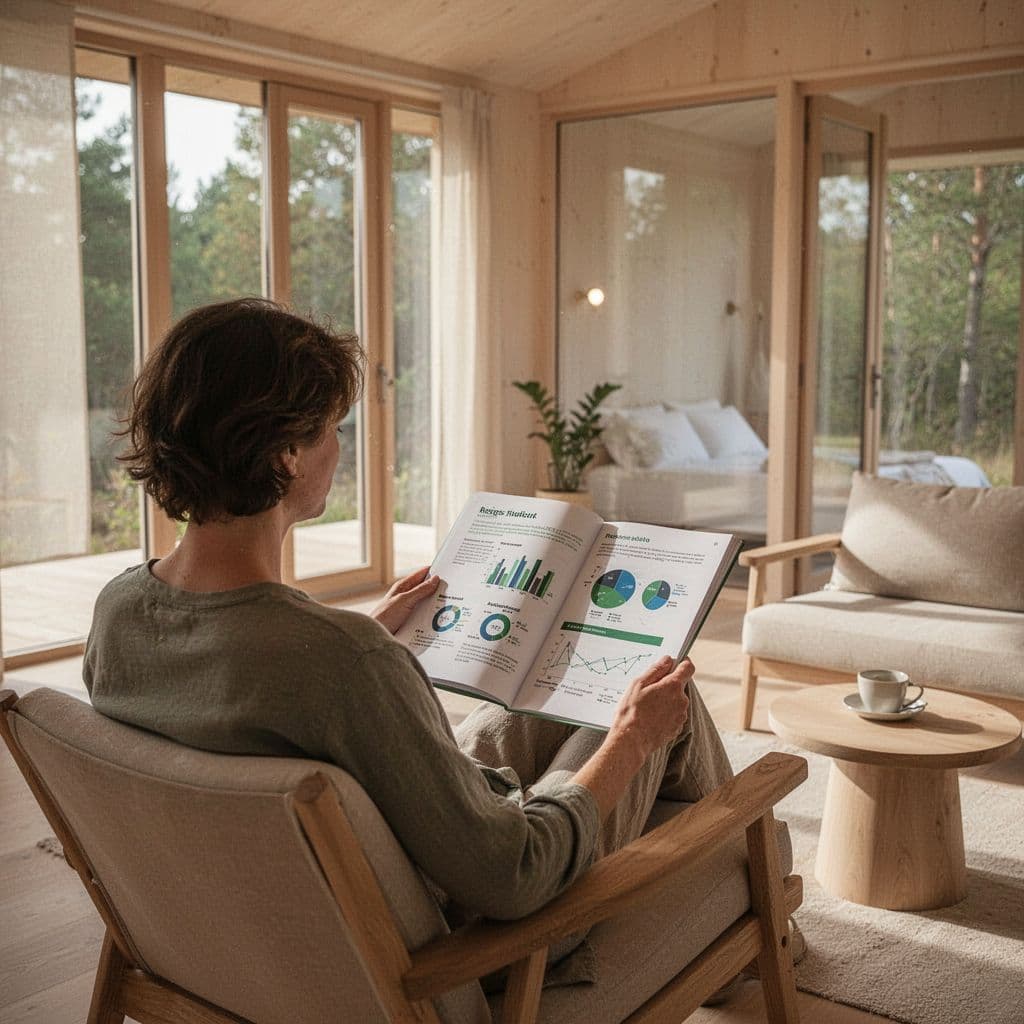
Questions to ask before you book
Start with questions that cut through the marketing. A genuine eco-lodge should be able to tell you where its energy comes from, how it saves water, what it does with waste, and how it supports the local area. If the property cannot answer these clearly, treat that as a warning sign.
Ask about food as well. Does the lodge buy from nearby farms or markets, or does most of the menu travel a long way before it reaches your plate? You can also ask whether the lodge hires local people, pays fair wages, and supports conservation work nearby.
A simple check list helps:
- Energy: What powers the lodge, and how much comes from renewables?
- Water: Does it use low-flow fittings, rainwater, or careful laundry policies?
- Waste: Are there refill stations, composting, and proper recycling?
- People: Who works there, and are local people employed and trained?
- Food: Where do meals and drinks come from?
- Conservation: Does the lodge support habitat protection or community projects?
Good lodges welcome these questions. They do not hide behind words like "eco-friendly" without proof. If you want a useful benchmark, The Conversation's guide to spotting greenwashing explains why specifics matter far more than slogans.
Signs of real environmental care on the ground
What you see on arrival often tells you a lot. Refill stations for water and toiletries, compost bins, shaded buildings, native planting, and careful lighting all point to a place that thinks about its footprint every day. So do solar panels, natural ventilation, and paths that follow the land rather than cut through it.
You should also look for what is missing. No single-use plastic, no glaring floodlights near wildlife areas, and no unnecessary paving are all good signs. Wildlife-safe lighting matters in particular, because harsh light can disturb birds, bats, insects, and nesting animals.
The best properties feel natural without being careless. They use local materials, sit lightly on the site, and match the climate around them. In a dry region, that may mean shade, water-saving systems, and drought-tolerant plants. In a forest, it may mean raised walkways, careful tree protection, and low-impact buildings that keep the ground intact.
A lodge can look beautiful and still be wasteful, so trust the details you can see.
Certifications, standards, and honest proof
Labels can help, but only when they come from trusted bodies and clear standards. A recognised certification gives you a starting point, yet it should never be the only thing you check. A badge without a public explanation is just decoration.
Look for published policies, impact reports, and concrete examples. A lodge that shares energy targets, water data, or waste results is giving you something real to judge. One that only uses polished phrases is asking you to trust the brochure.
That is why evidence matters more than tone. If a property says it is sustainable, it should be able to show how. Recent figures, third-party audits, or named certification schemes are far more useful than a glossy green leaf on a website.
A simple rule works well here, trust what is measurable. When a lodge explains its actions clearly, backs them with numbers, and admits where it still needs to improve, you are usually looking at genuine progress rather than green marketing.
What a stay at an eco-lodge can look like day by day
A stay at an eco-lodge usually moves at a gentler pace than a hotel break. Your day feels shaped by light, weather, wildlife, and local food, rather than by packed schedules and hard-edged routines.
You wake to birdsong, open the curtains to trees or water, and start the morning with a quieter kind of comfort. As the hours pass, the focus stays on simple pleasures, short walks, good meals, and time outdoors. That slower rhythm is part of the appeal, because it lets you notice the place around you instead of rushing through it.
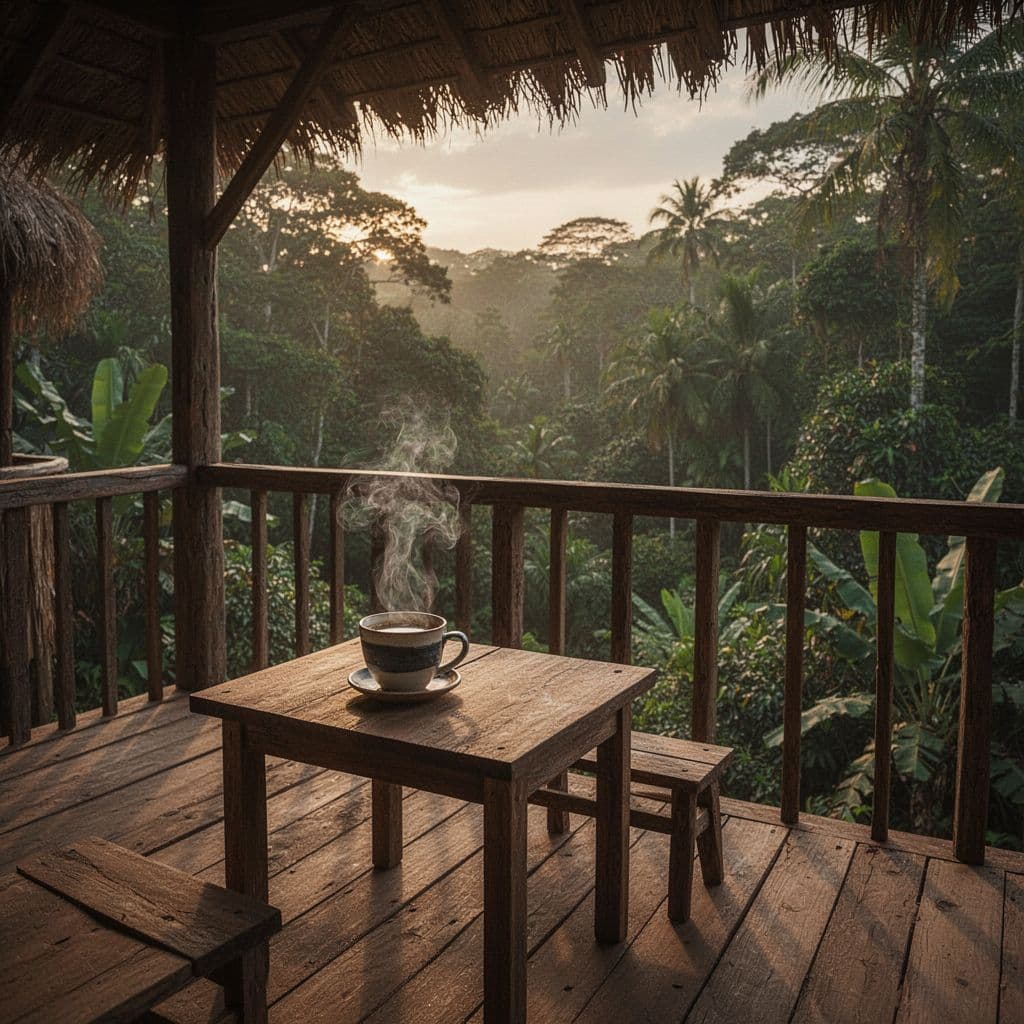
Simple comforts with a lower impact
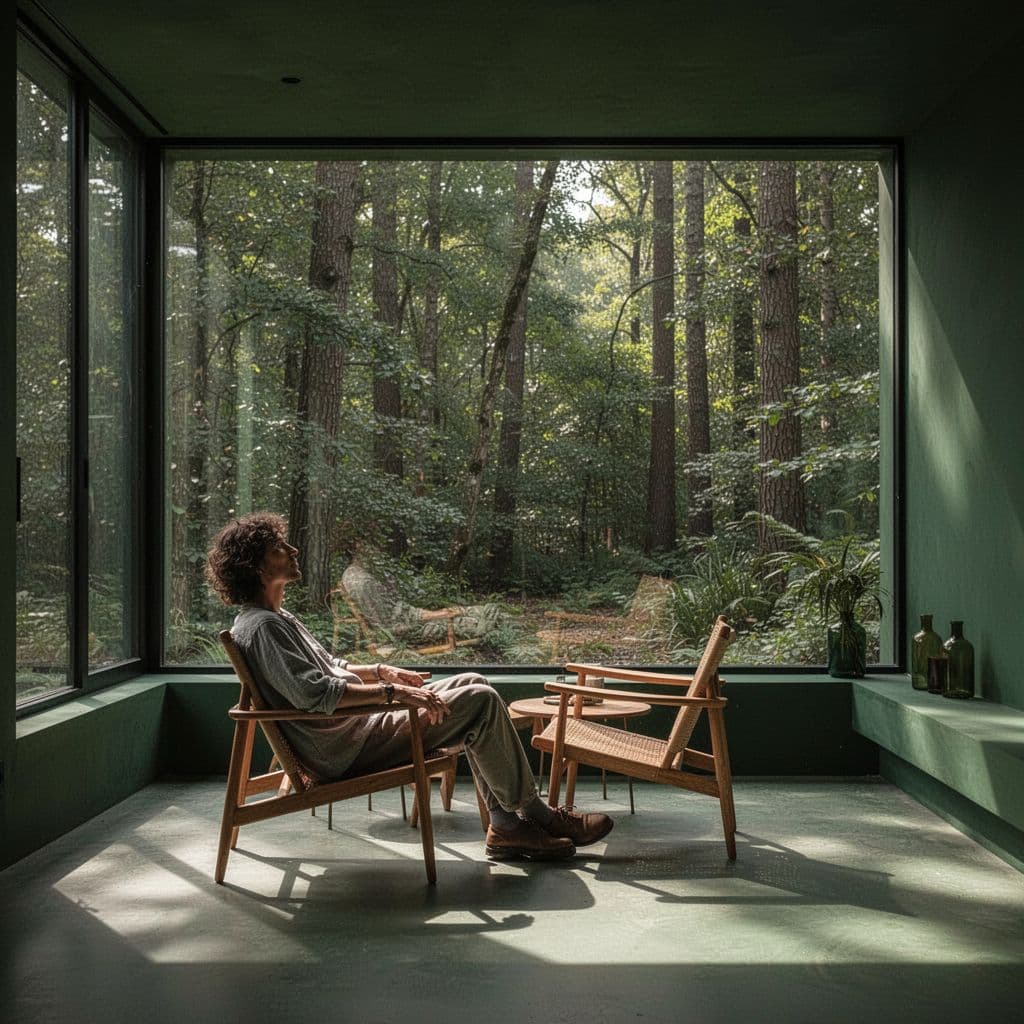
Eco-lodges often feel calm because they use fewer distractions and more natural detail. You may see timber walls, linen bedding, woven baskets, stone floors, and open windows that pull in fresh air. The comfort is still there, but it feels considered rather than excessive.
That quieter style often creates a better night's sleep as well. With less traffic noise, less artificial light, and fewer bulky gadgets, the whole space feels softer on the senses. You get the sense that the lodge has been built to sit within the setting, not dominate it.
Locally made touches also matter. A hand-thrown mug, a carved table, or soap made nearby gives the room a sense of place. If you enjoy stays that feel rooted in their surroundings, a family-friendly ecotourism trip can be a useful example of how comfort and responsibility can sit side by side.
Food, activities, and nature-based experiences
Breakfast at an eco-lodge usually reflects the area around you. Seasonal fruit, fresh eggs, local bread, garden herbs, and regional dishes often replace oversized buffets and heavy waste. Meals feel fresher because they are tied to what is available nearby.
During the day, your activities tend to follow the same pattern. You might join a guided nature walk, go birdwatching at first light, or take part in a short talk about the local habitat. Some lodges offer canoe trips, conservation visits, or village walks, which gives you a closer connection to the destination without adding much impact.
A responsible lodge also sets clear rules around wildlife. That means keeping a safe distance, staying on trails, and not feeding animals. For wider context on why nature protection matters, WWF's work on locally led conservation shows how tourism and habitat care work best when local people help lead the process.
By the end of the afternoon, you often feel more connected to the landscape. You have seen it at different hours, heard its sounds, and moved through it with more care. That sense of closeness is what many guests remember most.
The small habits that make your stay more sustainable
Your choices matter during the stay, and they are usually easy to make. Eco-lodges do their part with design and operations, but guest habits still shape the overall footprint.
A few simple actions make a real difference:
- Reuse towels and bedding when you can.
- Carry a refillable bottle instead of buying single-use plastic.
- Keep to marked paths, so plants and soil stay protected.
- Use water carefully, especially in dry or remote areas.
- Choose local guides, taxis, and shops, so money stays in the community.
These habits are small, yet they add up. A lodge can set the right tone, but sustainable travel works best when you join in with the same mindset. In other words, the host creates the framework, and you help bring it to life.
The most sustainable stay is often the one where both sides make small, sensible choices.
A typical day at an eco-lodge ends as gently as it begins. Dinner is often early, local, and unhurried, followed by a sunset walk, a quiet drink, or simply listening to the night outside your window. You sleep well because the day has been shaped by fresh air, good food, and a lighter touch on the land.
The big challenges eco-lodges still need to solve
Eco-lodges have come a long way, but the hardest work is still ahead. You may love the idea of sleeping close to nature, yet the reality is more complicated, because every eco-friendly choice has a cost, a trade-off, or a limit.
That is where the real test begins. A lodge can look sustainable on the surface, but it still has to deal with pricing, honest marketing, guest pressure, and the daily strain of running in sensitive places. If you want a stay that truly supports responsible travel, these are the weak points you should pay attention to.
Higher prices and the question of access
Eco-lodges often cost more, and there is a reason for that. Responsible materials, better insulation, solar power, water systems, fair wages, and local sourcing all push up costs. These are not cheap extras, they are part of doing the work properly.
That does not make higher prices wrong. In many cases, you are paying for better labour practices, lower waste, and a lighter footprint. Still, it can shut out travellers who care about sustainability but need a lower price point.
The challenge is fair access. If eco-lodges only serve wealthy guests, sustainable travel becomes a niche lifestyle instead of a broad habit. You may find more affordable options by choosing smaller rooms, off-peak dates, or lodges linked to community-based travel experiences that share value more widely.
Greenwashing and weak claims
Some businesses use green language without doing the hard work behind it. You might see words like "eco", "nature-led", or "sustainable" on a booking page, yet find no proof of energy savings, waste plans, or community benefit.
That kind of marketing damages trust fast. Once you realise a lodge is dressing up ordinary operations in green language, you start doubting everyone else too. Transparency matters because you need facts, not leaf icons and vague promises.
A good rule is simple, if the lodge claims to be sustainable, it should show how. Look for clear details, published policies, or independent checks. Guides like how to vet a sustainable luxury hotel can help you separate real action from polished branding.
Balancing visitor comfort with nature protection
This is where eco-lodges face their daily balancing act. Guests want comfort, but nature needs limits. Too much light can disturb wildlife, too much noise can change animal behaviour, and too much water use can strain local supplies.
The same applies to waste and crowding. Even a well-run lodge can leave a heavy mark if it fills every room, runs long laundry cycles, or encourages visitors too close to fragile habitats. Good management matters as much as good design.
You may have to accept that sustainability sometimes feels less luxurious. Shorter showers, less air conditioning, and fewer daily towel changes are part of the deal. That is not a flaw, it is a sign that the lodge is putting the site first. The best properties make those choices feel natural, while still keeping your stay comfortable enough to enjoy.
The strongest eco-lodges keep adjusting, because the balance never stays still. They need to serve guests, protect the setting, and support local people at the same time. That is not easy, but it is exactly why the best ones stand out.
How to choose the right eco-lodge for your next trip
The right eco-lodge should match both your destination and your values. A forest retreat, a coastal hideaway, a mountain cabin, and a wildlife-focused camp all ask for different choices, so a property that suits the setting usually gives you a better stay as well.
You want more than a pretty view. You want a place that respects the land, supports the people who live there, and makes your trip feel connected to nature rather than detached from it. That starts with location, then moves to community impact, then ends with proper proof.

Match the lodge to the place you want to visit
The best eco-lodge is the one that fits the landscape around it. In a forest, that might mean raised walkways, low-light paths, and buildings tucked between trees rather than cut into them. On the coast, you may want careful water use, dune protection, and a lodge that keeps noise and waste away from fragile shorelines.
Mountains call for something different again. Look for solid insulation, local stone or timber, and heating systems that work without wasting fuel. In wildlife areas, the main question is whether the lodge protects habitat, keeps a respectful distance from animals, and limits disturbance after dark.
You should also think about the kind of trip you want. If you want quiet and slow mornings, choose a small retreat with nature walks and local meals. If you want wildlife viewing, choose a lodge that works with guides and follows clear viewing rules. A good eco-lodge should feel like part of the place, not a separate layer dropped on top of it.
A useful check is simple, does the lodge help protect the very setting you came to see? If it supports local conservation, native planting, and low-impact design, that is a strong sign you have found a proper fit.
Look for community impact, not just low energy use
Sustainability is about people as well as power. A lodge can run on solar panels and still miss the point if it excludes the local community or sends most of its money elsewhere.
Look for local hiring, fair wages, and real partnerships with nearby suppliers. When a lodge buys food from local farms, uses nearby guides, and pays local craftspeople, your stay helps the area in a direct way. That matters because ecotourism works best when local people benefit from it.
You should also pay attention to cultural respect. A thoughtful eco-lodge does not turn local life into a show for guests. Instead, it offers a genuine exchange, with proper consent, fair payment, and room for local voices to lead the experience.
A few signs usually point in the right direction:
- The lodge employs local staff across different roles, not just front-of-house jobs.
- The menu uses seasonal food from nearby producers.
- Tours and activities are run with local guides.
- The property supports conservation, education, or community projects.
- Guests are encouraged to respect local customs and dress codes.
This is where ethical travel becomes real. A place that protects nature but forgets people is only half doing the job. For a wider view on why people and nature need to be planned together, WWF's work on locally led conservation is a useful reference point.
Use reviews, policies, and photos to check the truth
Do not rely on green language alone. Good eco-lodges usually explain their methods clearly, while weaker ones hide behind vague claims and polished photos. Your job is to see whether the story matches the evidence.
Start with guest reviews. Look for comments about waste, food, water use, and staff knowledge, not just room comfort. Then read the lodge's sustainability page, if it has one, and check whether it names concrete actions such as solar power, composting, refill stations, or habitat work.
Real photos help too. Search for images from guests, not only the lodge itself. If every picture looks heavily staged, ask yourself what might be missing. Natural, practical details often tell you more than a perfect brochure ever will.
If a lodge says it is sustainable, you should be able to see how in plain language.
It also helps to compare the property with recognised guidance on spotting greenwashing. The Conversation guide to greenwashing is useful because it shows why specific, measurable claims matter more than broad labels. When a lodge shares facts, answers questions directly, and shows the work behind its claims, you can book with more confidence.
The best choice is usually the place that feels honest. It should suit the landscape, treat local people fairly, and back up its promises with proof. When those three things line up, your stay becomes much more than a night in a nice room, it becomes part of a better kind of travel.
FAQ
If you are booking an eco-lodge for the first time, a few clear questions can save you money, time, and disappointment. The best properties answer openly, because sustainable travel should feel practical, not mysterious. In this section, you can check the basics fast and spot the difference between real care and polished marketing.
What makes an eco-lodge genuinely sustainable?
A genuine eco-lodge does more than use green language. It reduces energy use, saves water, manages waste properly, and supports local people through jobs, food, and services. You should also see proof, such as renewable power, refillable toiletries, native planting, or clear conservation work.
The strongest lodges are open about how they operate. If they can explain their building materials, supply chains, and community links in plain language, that is a good sign. If they stay vague, you should keep looking.
How can you tell if a lodge is just greenwashing?
Greenwashing often sounds glossy but stays thin on detail. A lodge may call itself eco-friendly while offering no facts about energy, water, waste, or community benefit. That is where careful reading matters.
Look for measurable actions, recent policies, and independent certification where possible. A useful reference is the GSTC guidance on eco-lodges, which shows why specific proof matters more than slogan-heavy claims. If the lodge cannot answer basic questions, treat that as a warning sign.
Do eco-lodges always cost more?
Often, yes, because better materials, fair wages, and resource-saving systems cost money. However, the price can reflect better value, not just a nicer room. You may be paying for a stay that uses less water, supports local workers, and leaves a lighter footprint.
You can still find options that fit your budget. Choose off-peak dates, smaller rooms, or lodges with simpler facilities. In many cases, the experience feels richer because it is more connected to the place around you.
What should you ask before you book?
You do not need a long checklist, just the right questions. Ask where the lodge gets its power, how it handles water and waste, whether it hires local staff, and where its food comes from. If wildlife is part of the experience, ask how the property protects animals and habitats.
A short conversation can tell you a lot. If the lodge answers clearly and without fuss, you are usually in safe hands. If you want a wider picture of what travellers commonly ask, these eco-lodge FAQs cover the basics in a simple way.
What should you expect once you arrive?
Expect comfort, but not waste. Many eco-lodges use natural ventilation, limited lighting, refill stations, and local food, so the stay feels calmer and more rooted in the environment. You may also find shorter showers, towel reuse, and gentle reminders to respect wildlife.
That is part of the experience. When the lodge is doing its job well, you feel close to nature without putting pressure on it. The best stays leave you rested, better informed, and more aware of how travel can do less harm.
Conclusion
Eco-lodges are moving from a niche choice to a clear part of responsible travel. You get lower-impact stays, better care for water and energy, stronger support for local people, and a closer link to the nature you came to see. That mix is why the best eco-lodges feel practical now, not aspirational.
The strongest places do the simple things well. They use cleaner power, local materials, fairer supply chains, and honest standards you can check. As travel shifts towards slower, more place-based trips, eco-lodges give you better long-term value for both your holiday and the destination itself.
If you want your next break to leave a lighter mark, choose a lodge that shows its work, not just its style. What's your experience with eco-friendly travel? Share your thoughts in the comments, and say what you look for in a sustainable stay.