
Ethiopia's Salt Caravans: An Ancient Journey Through the Danakil Desert
At the edge of the Danakil Depression, where heat shimmers off the ground and the air feels almost solid, Ethiopia's salt caravans still move across the flats in a line of camels, people, and hard-won salt. This is a living trade route, shaped by Afar life, severe desert conditions, and a rhythm of work that has lasted for centuries.
You're not looking at a relic for tourists alone, because the caravans still matter for income, culture, and daily survival around Lake Asale and beyond. At the same time, the landscape is fragile, so the way you visit matters as much as what you see.
This guide shows you how the caravan system works, why it has endured, what makes the Danakil so extreme, and how you can travel responsibly without adding harm.
What makes the Danakil Desert so harsh and unique?
The Danakil Desert feels almost unreal when you first picture it. The ground is raw, the air is fierce, and the light bounces off salt and rock as if the earth itself is burning white. That is exactly why the salt trade here developed around endurance, timing, and local knowledge rather than speed or comfort.
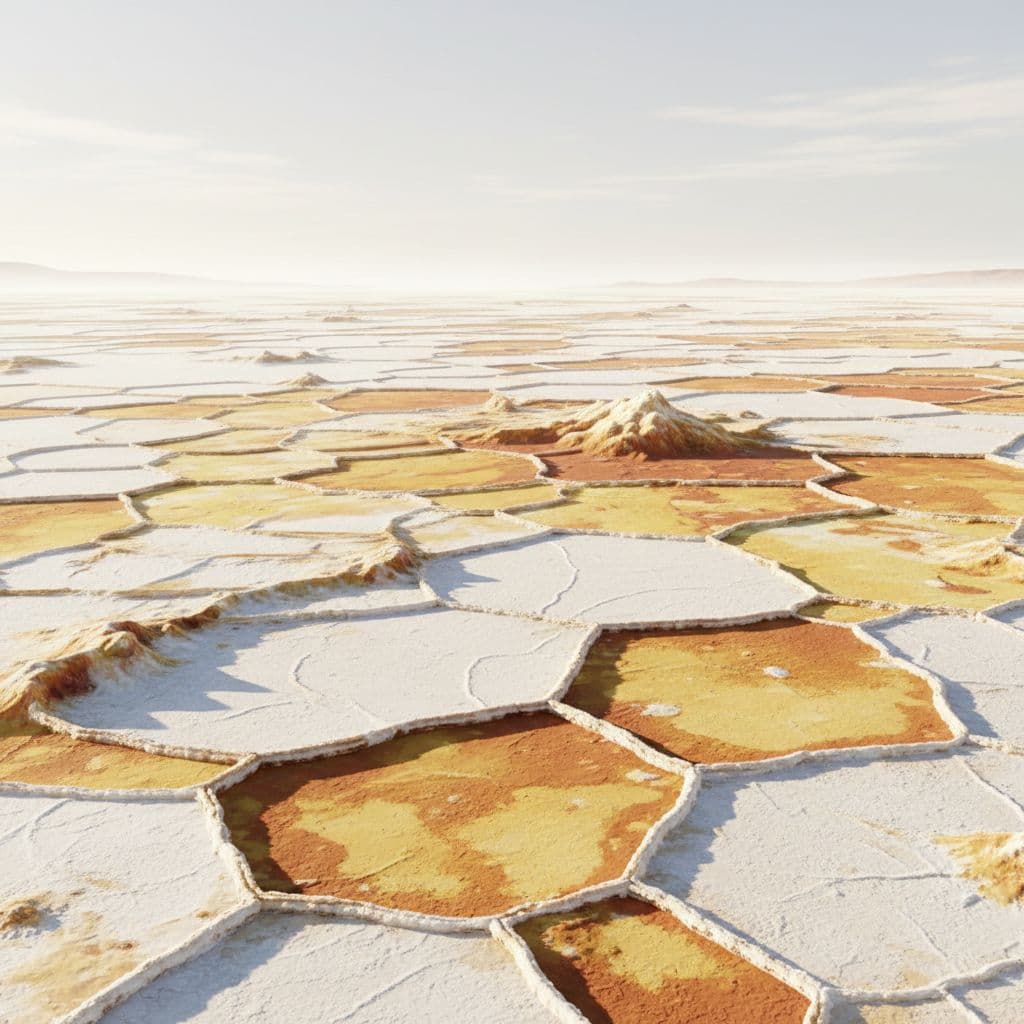
The desert landscape that shaped the salt trade
The Danakil is built for hardship. You walk across salt flats, sharp crusts, and mineral ground that can shine almost blindingly in the sun. There is little shade, little softness underfoot, and very little mercy in the heat. Every step costs energy, and every task takes longer than it would in a cooler place.
Because the land is so bare, the salt trade grew in a very direct way. People could not rely on forests, rivers, or easy roads, so they worked with what the desert gave them. Salt had to be cut by hand, carried with care, and moved along routes that followed the safest ground available. For a good overview of the region's volcanic setting, the BBC's Danakil feature helps explain why this place feels so extreme.
In the Danakil, the land sets the rules first. People adapt after that.
That is why the trade here looks different from trade in cooler regions. There are no wide, shaded marketplaces or easy roads through fertile land. Instead, you get a hard-working system shaped by heat, distance, and survival. The desert decides how far you can travel, how long you can stay, and how much you can carry before the day becomes too harsh.
Why salt became one of the region's most valuable resources
Salt matters here because it is not a luxury item. It is part of daily life. People need it for food, animals need it for health, and communities across dry areas have long depended on it as a basic resource. In a place where the environment strips away so much, salt keeps its value.
That practical need gave the trade its strength. Salt moved well beyond the Danakil because it could be stored, exchanged, and carried over long distances. It linked desert communities with markets across the Horn of Africa, and it gave the region a product that people always wanted. Historical accounts of the area describe salt bricks as a form of exchange in wider regional trade, which shows how important this mineral became over time.
The value of salt also explains why people kept returning to these harsh flats. When a resource is useful every day, it becomes part of the whole economy, not just a single market. It feeds people, supports livestock, and gives desert traders a dependable good that keeps its worth even when conditions are brutal.
If you want to explore the wider conservation context that surrounds fragile desert regions, UNESCO's World Heritage and climate change resources offer a useful lens on how extreme environments are affected by pressure, heat, and human use.
In the Danakil, that makes salt more than a mineral. It is a lifeline, a trade good, and a reason the desert has stayed connected to the wider world for centuries.
How the salt caravans work from quarry to market
The salt caravans in the Danakil Desert run on rhythm, skill, and hard labour. You can trace the whole chain in a few clear steps: cut the salt, load it, then move it towards buyers before the heat and distance wear people down.
What looks simple from afar is a careful system. Every stage depends on timing, strength, and local know-how, and each person has a role that keeps the trade moving.
Cutting salt blocks from the desert floor
Workers begin by breaking through the hard salt crust with hand tools such as axes, wedges, and poles. Once the crust gives way, they lift out slabs and trim them into regular blocks, so the salt can be stacked and sold without wasting space.
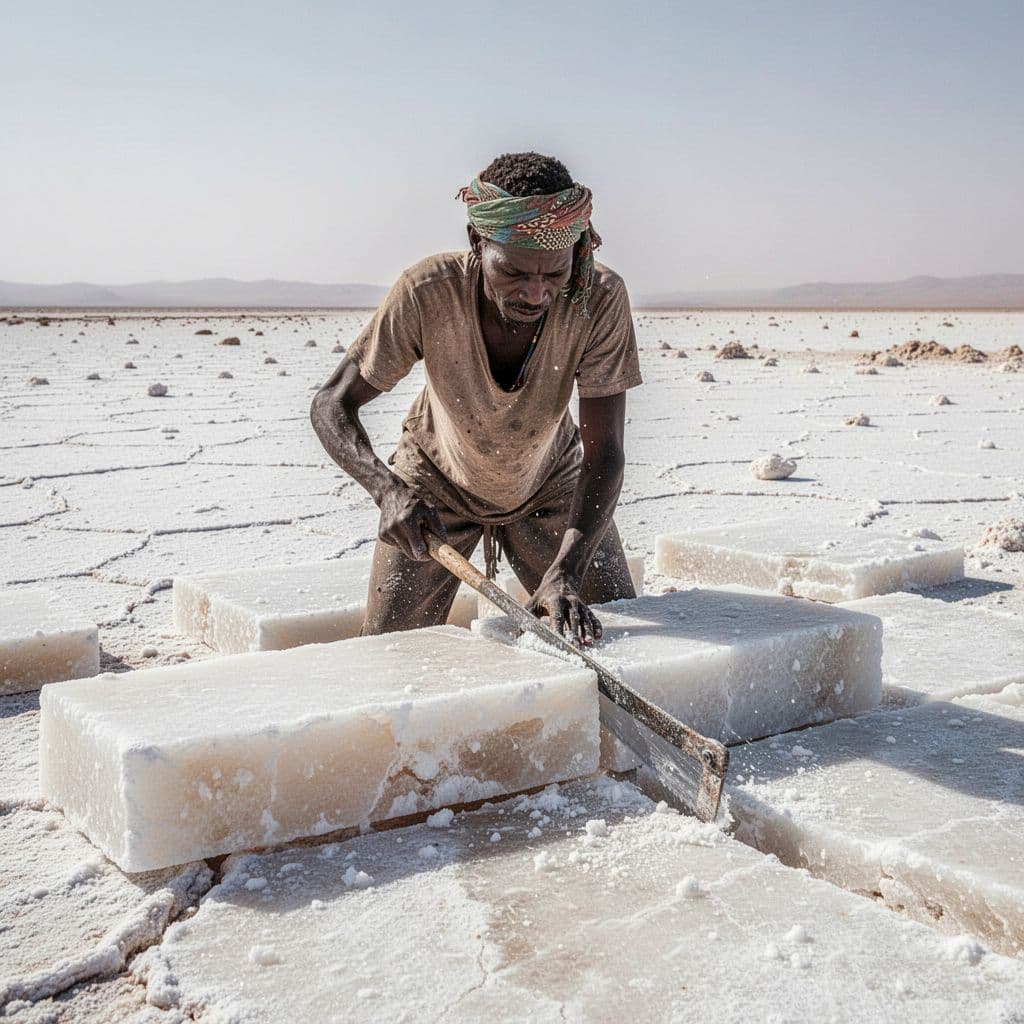
The work is physical and precise. A block has to be small enough to handle, but large enough to make the trip worthwhile. In practice, that means shaping the salt into pieces that can be lifted, bundled, and counted quickly at the quarry.
The cutting usually happens early, when the ground is a little less punishing. By midday, the heat turns the salt flats into a glare-filled furnace, so the pace matters as much as the tools. For a wider look at the old salt trade and its value, this account of ancient salt transport gives useful context.
Loading camels for the long journey ahead
Camels are the backbone of the caravan because they can carry weight, travel long distances, and cope with dry heat far better than most animals. You see that strength in the way they kneel, wait, and rise again with loads strapped across their backs.
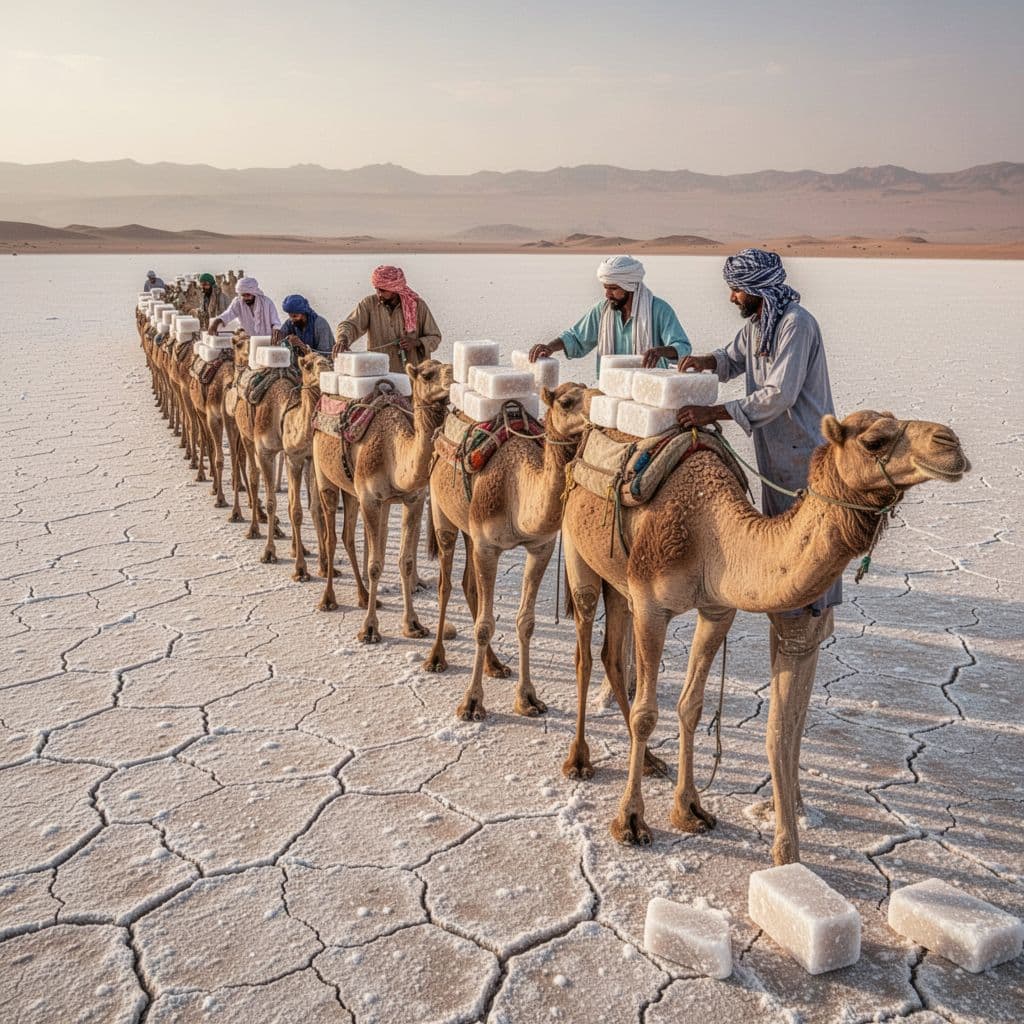
The salt blocks are stacked in balanced bundles, then tied securely so the camels can walk steadily over rough ground. A good load is not just heavy, it is also well matched to the animal, because an uneven pack can slow the whole line and cause strain.
The caravan works best when every load is steady, every knot holds, and every step is measured.
You can picture the scene as a moving line of patience. The camels do not rush, because the desert punishes haste. Their value lies in endurance, and that is exactly why they have carried salt across this region for generations.
From desert route to local market
Once the camels are loaded, the caravan sets off towards nearby towns and market points where salt can be traded for cash, grain, and other essentials. The journey links the quarry to the wider economy, and it keeps desert communities connected to people far beyond the flats.
In practical terms, the route is part trade and part survival. Salt brings income to miners and herders, while market exchange brings food and goods back into remote areas. That exchange matters because the desert gives little freely, so every successful trip supports more than one family.
The caravan system also depends on trust and community ties. People know the route, the loading methods, and the pace each section demands. In other words, the trade is not a one-off trek, it is a shared economic rhythm that holds the whole chain together.
When you watch the salt make its way from quarry to market, you are seeing a living network at work. The blocks begin as rough pieces cut from the earth, then travel across the desert as currency, carrying the weight of a local economy on camelback.
The Afar people and the living heritage behind the route
The salt caravans are more than a striking sight in the Danakil Desert. They sit at the centre of Afar life, carrying work, memory, and pride across a place that tests both people and animals every day. When you follow the route, you are not just watching trade, you are seeing a heritage system that still helps families stay rooted in one of the harshest environments on Earth.
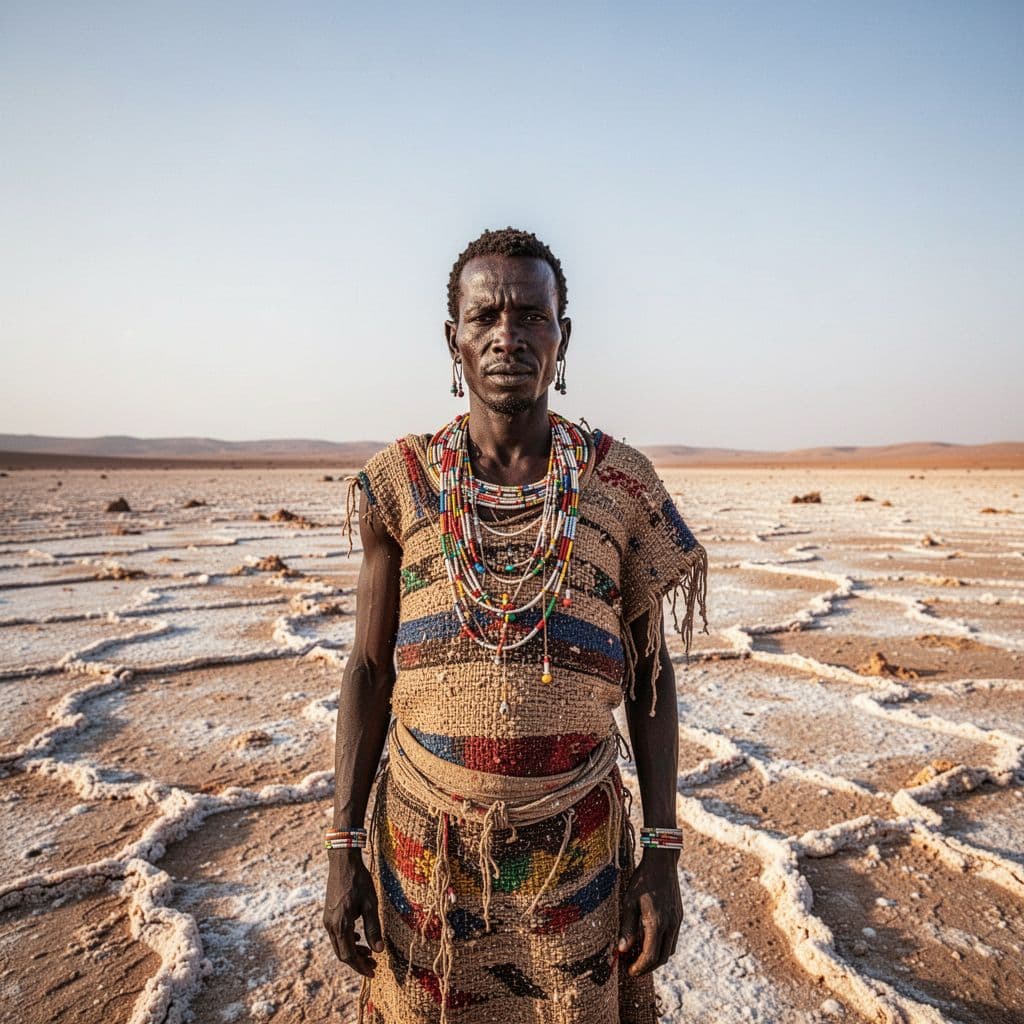
Why this trade still matters to local families
For many Afar households, salt is still a direct source of income. It pays for food, tools, transport, and the small costs that keep a family moving through a difficult season. In a region where farming is limited and the ground offers little comfort, the salt trade gives people a way to earn cash without leaving their home territory.
You can see why that matters. A single caravan trip can help support a family's daily needs, while also keeping livestock fed and market ties alive. The work may be harsh, but it gives people control over their own earnings, and that counts for a lot in a remote area where options are thin.
The trade also keeps local exchange alive beyond the desert edge. Salt is sold, bartered, and moved onwards, so money spreads through more than one household. That makes the caravan system feel less like a single job and more like a local web of survival.
When the desert gives you little, a steady trade can mean the difference between getting by and falling behind.
There is also a cultural weight here. According to historical research on the Afar salt trail, this route has carried value for centuries, not just in goods but in social life as well, linking salt sources with wider Highland needs and trade patterns, as discussed in the Afar salt trail study. That long continuity matters because it keeps the route alive as a working part of community life, not a staged display.
Skills, customs, and knowledge passed down over time
The route survives because knowledge survives with it. You do not learn desert trade from a book alone. You learn it by watching how older caravan workers read the land, judge the heat, and care for the animals that carry the load. That kind of learning begins early and stays practical.
Route knowledge is one of the most valuable skills. You need to know where the ground holds firm, where the salt crust breaks, and where the journey becomes unsafe in strong heat. A wrong turn can cost time, energy, and livestock strength, so experience matters as much as muscle.
Animal care is just as important. Camels and donkeys must be loaded with balance, fed properly, and paced with care. If you handle them badly, the whole trip slows down. If you handle them well, they can do what the desert demands, which is to keep going when people are tired.
The same is true of survival habits. Workers know when to start early, how to conserve water, and when to stop before the heat becomes dangerous. These habits are part of daily life, passed from one generation to the next through action, not lectures.
That living knowledge is what gives the caravan its strength. It stays practical, local, and deeply tied to the land. Even as roads improve and salt becomes more commercial in some areas, the Afar way of working still carries the memory of the desert, one step and one load at a time.
What the caravan journey feels like on the ground
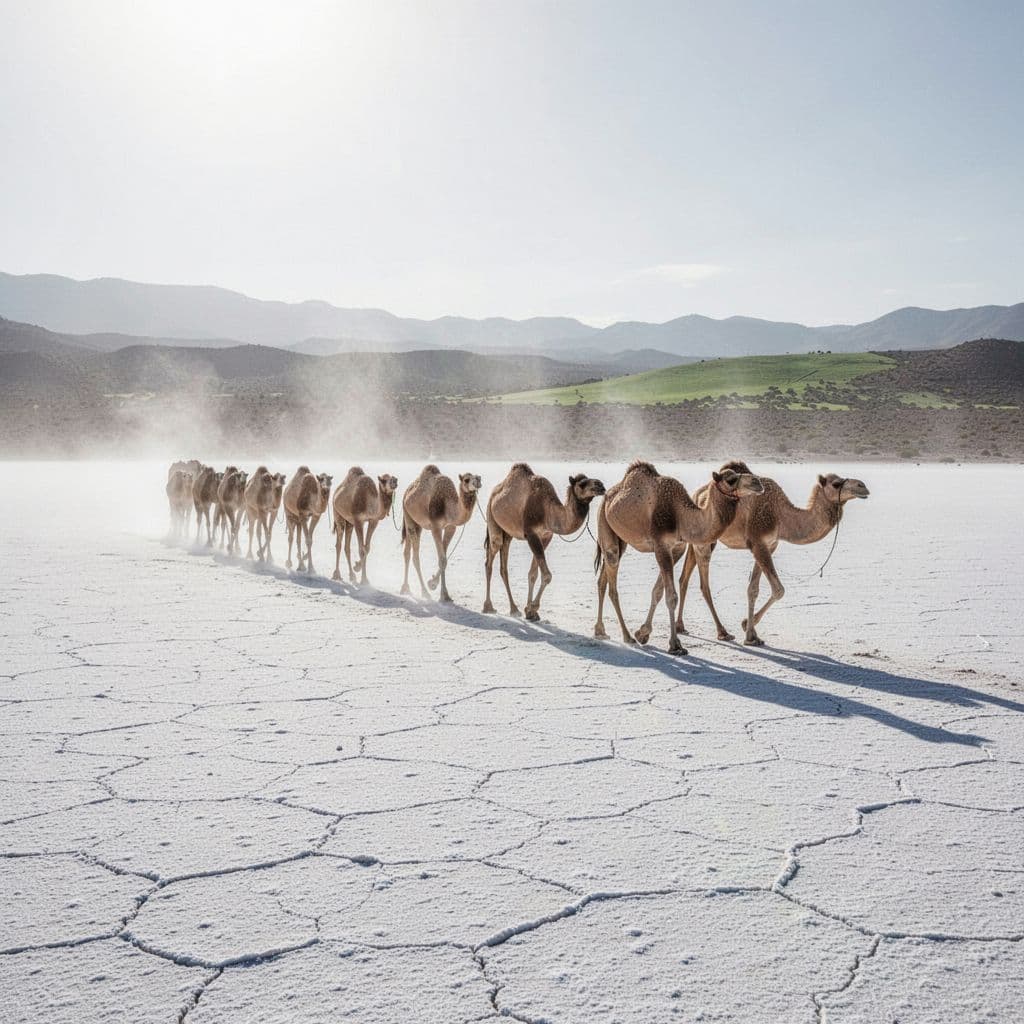
On paper, the salt caravan is a trade route. On the ground, it feels like a test of patience, balance, and nerve. You move through glare so strong it presses against your eyes, with heat rising from the salt crust and dry air pulling at your skin.
The pace is slow for a reason. Every step has to be placed with care, because the flats can be hard and sharp in one moment, then tiring and uneven in the next. If you want to understand why the route has lasted so long, start with how much effort it takes just to keep moving.
Heat, glare, and the challenge of moving through salt flats
The first thing you notice is the light. It bounces off the salt surface and turns the whole desert into a bright, flat mirror. That reflected glare makes distance hard to judge, while the sun above adds another layer of strain.
The air is dry enough to feel rough in your throat. Sweat disappears fast, yet the heat stays with you, clinging to your clothes and your back. You can see why caravan workers start early, keep steady, and avoid wasted movement.
That rhythm matters because the salt flats do not forgive mistakes. A missed footing, a delayed load, or a poor pace can drain strength quickly. The route rewards calm, measured effort, not speed.
If you want a wider sense of how harsh desert conditions shape movement and trade, this report on salt-laden caravans gives a useful snapshot of the pressures people face in the Danakil.
On the salt flats, the day feels longer than the journey itself.
You also begin to understand why the caravan is built around local knowledge. People read the ground, the light, and the wind before they commit to a path. That habit keeps the route workable in a place where the land can shift from useful to punishing in a matter of minutes.
Why camels remain the desert's best transport
Camels remain the best transport here because they do what vehicles struggle to do. They carry heavy salt blocks across rough ground, tolerate long stretches without water, and keep going in heat that strains both engines and people.
That makes them practical, not just traditional. A truck needs fuel, roads, and repairs. A camel needs care, rest, and steady loading, which suits a route that crosses soft, broken, and uneven desert ground.
The animals also move with a kind of desert logic. Their feet spread weight, so they do not sink or slip as easily on the flats. Their endurance matters too, because the trip can take hours or days depending on the route and market point.
The caravan system depends on that strength. Salt is loaded in blocks, then packed carefully so the load stays balanced on the animal's back. When the work is done well, the camels can keep a steady pace across ground that would exhaust many other forms of transport.
In some parts of Ethiopia, modern roads have changed how goods move, yet the caravan still makes sense where access is poor and conditions stay harsh. The route remains tied to the terrain, and the terrain still favours camels over machines.
The human side of endurance and teamwork
The caravan is not a solo effort. It runs on trust between miners, loaders, handlers, and traders, all of whom depend on one another to get the salt to market. One weak link slows the whole line, so everyone has to stay alert.
That teamwork starts before the journey begins. People cut, sort, and stack the salt with care, then check the loads so the camels can carry them safely. During the walk, the group watches the animals, the route, and the pace together.
You can see the social side of the journey in the small decisions. Someone adjusts a load. Someone else signals a stop. Another person reads the ground ahead. Those quiet actions keep the caravan moving when the heat tries to wear it down.
The work also carries shared responsibility. A load that shifts badly can hurt an animal. A late start can make the crossing harder for everyone. Because of that, the journey depends on discipline as much as strength.
If you're interested in how responsible travel connects with local livelihoods, you may also want to read about community tourism in Mexico and Central America, where visitor choices also shape local benefit.
This is why the caravan feels so human up close. It is built on co-operation, local skill, and the kind of trust that only grows when people work in demanding conditions for years. The salt may be the cargo, but the real force behind the journey is the people who keep it alive.
How to visit the Danakil responsibly and respectfully
The Danakil asks for a different kind of travel mindset. You are not just passing through a dramatic desert, you are entering a place where people live, work, and depend on the land every day. That means your choices matter, from who you book with to how you behave beside the salt flats.
Responsible travel here is simple in principle. Stay safe, reduce your footprint, respect local customs, and support the people who know this desert best. That approach protects the journey for you and protects the place for everyone else.
Travel with local guides and fair operators
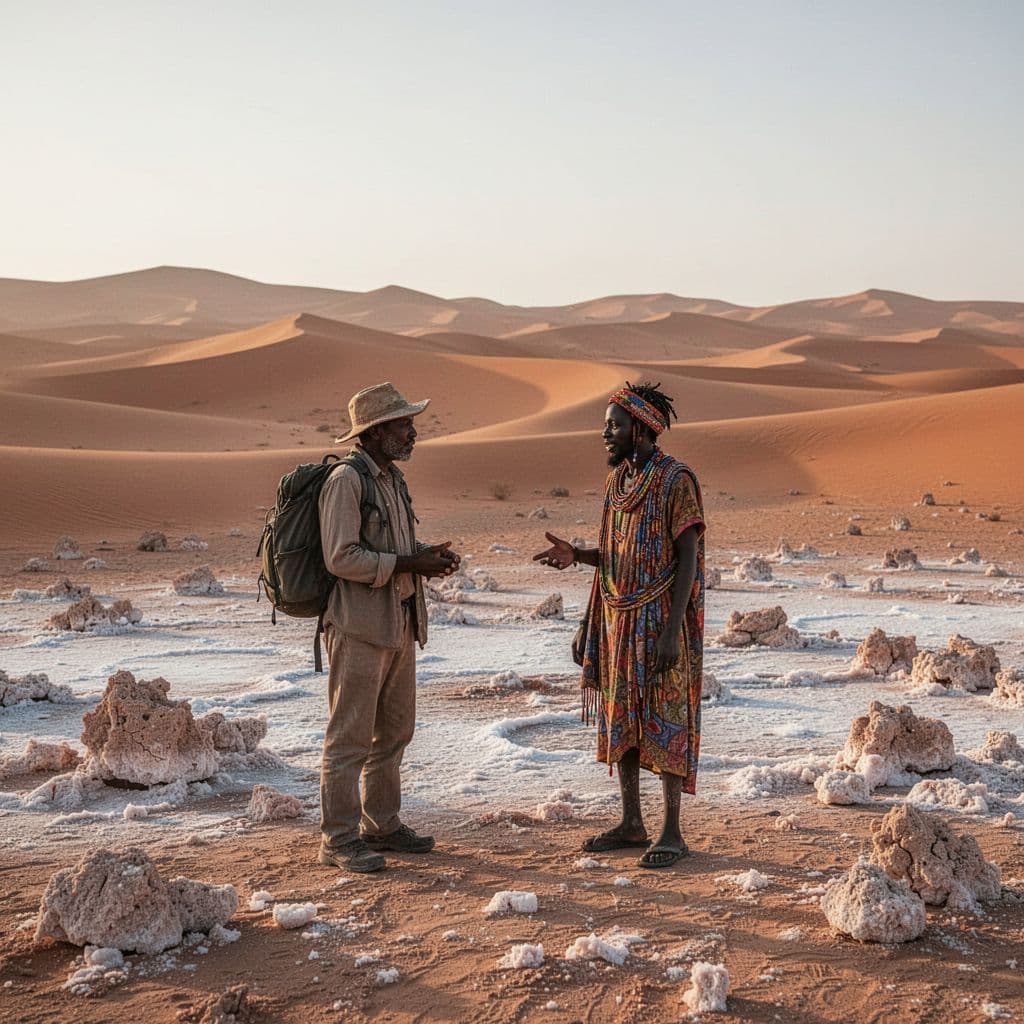
Local guides do more than lead the way. They read the ground, the heat, and the risks in ways no map can match. Their knowledge improves safety, helps you avoid restricted or fragile areas, and gives you a better understanding of Afar life and the salt trade.
Fair operators matter just as much. Choose companies that use local staff, pay fairly, and work with clear safety standards. If a tour feels rushed, vague, or suspiciously cheap, step back and ask more questions before you pay.
A good booking decision should also support the local economy. When your money stays with community-based guides, drivers, cooks, and hosts, the trip gives something back instead of taking everything out.
A quick checklist helps:
- Ask who will guide the trip on the ground.
- Confirm that local staff are paid fairly.
- Check that the operator follows current safety advice.
- Avoid tours that treat people or places like props.
For a useful reminder of how small tour choices affect fragile places, see Simien Eco Tours' Danakil clean-up initiative.
Protect fragile desert land by leaving no trace
The salt flats and mineral areas can look empty, but they are not invincible. Your footprints, waste, and water use all leave a mark in a place that recovers slowly. The rule is plain, leave the desert as you found it, or better.
Keep your waste with you at all times. Carry a reusable water bottle, bring reusable containers, and pack out every scrap of rubbish, including tissues, wrappers, and bottle tops. In a remote desert, even small litter becomes a lasting scar.
Stay on established paths whenever your guide gives you one. Salt crusts, mineral edges, and thermal ground can break, stain, or wear down under pressure. Do not step onto formations, hot spring areas, or quarry spaces unless you are clearly told it is safe.
Use water carefully too. The Danakil is harsh, and supplies are limited. Wash sparingly, avoid waste, and plan ahead so you are not drawing more than you need.
If you carry it in, carry it out. That rule matters even more in a desert.
Show cultural respect at every step
Respect starts with how you dress and move. Modest clothing is a sensible choice in the Danakil, especially around villages, camps, and working areas. Lightweight, covered clothing also helps with sun and dust, so it is practical as well as polite.
Your behaviour matters just as much. Speak calmly, avoid pushing for attention, and let local people set the pace of interaction. A relaxed greeting and patient attitude go a long way.
Always ask before taking photographs of people, camel caravans, or private work. Some people will be happy to agree, others will not, and both answers deserve respect. If someone says no, lower your camera and move on without fuss.
It also helps to remember that the salt route is part of daily life, not a performance. Watch with care, ask thoughtful questions, and avoid asking people to repeat tasks purely for your camera. That small shift keeps your visit respectful and far more meaningful.
For another example of tourism that depends on local trust and fair exchange, you can also look at community tourism in Mexico and Central America. The same basic idea applies here, local benefit should come first.
Why this ancient trade still matters today
Ethiopia's salt caravans still matter because they connect history, livelihood, and place in one working system. You are not looking at a frozen scene for visitors. You are looking at a trade that still pays families, keeps local knowledge alive, and gives the Danakil Desert a human rhythm.
That matters even more now, because the route is changing. Roads, trucks, and cheaper factory salt have reduced the caravan's role, yet the trade has not vanished. It has become a measure of what communities can hold onto when modern transport starts to push older systems aside.
A lesson in resilience, not just tourism
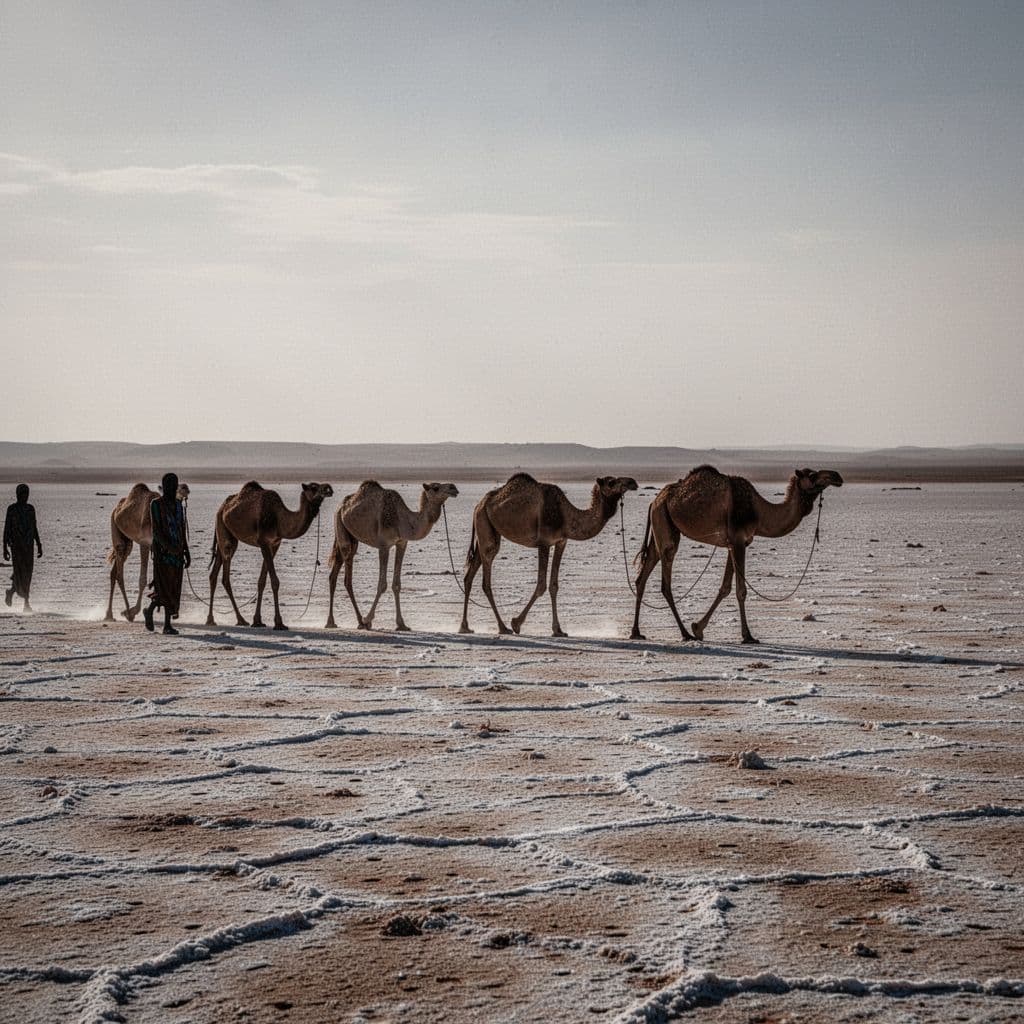
The salt caravan teaches patience in a place where haste gets punished. Every load takes effort, every crossing takes judgement, and every day depends on reading the heat, the ground, and the animals correctly. That is why the route feels so grounded in reality, it rewards discipline rather than speed.
You can learn a lot from that kind of work. It shows you how people adapt without wasting strength, how they share tasks, and how they keep going when conditions are harsh. The caravan is a practical lesson in endurance, but it is also a lesson in respect for labour that has real value.
A strong way to understand this is through the idea of measured effort. The work is slow because the desert demands it. The salt is cut by hand, packed carefully, and moved with discipline, which gives you a clear picture of how local knowledge keeps an old economy alive.
If you want a wider historical context, the Afar salt route has long linked the desert with highland markets and wider trade networks, as shown in research on the Afar salt trail. That continuity is part of the story. It reminds you that this is not just heritage in name, it is heritage in use.
The caravan survives because people still know how to work with the desert, not against it.
What responsible travellers can help preserve
If you visit the Danakil with care, you help protect more than a route. You help protect local dignity, fragile ground, and the income that still comes from this trade. Your choices matter because small decisions add up fast in a remote place.
Start with the basics. Travel with local guides, follow their pace, and respect the working spaces around the salt flats. Then keep your impact low by taking all rubbish away, staying on approved paths, and treating the desert as a living workplace, not a photo set.
Responsible travel also supports the people who keep the caravans moving. When you choose fair operators, eat locally where you can, and pay for real services instead of quick spectacle, your money stays closer to the community. That is the kind of travel that leaves something useful behind.
There is also a cultural side to protect. Ask before taking photos, dress modestly, and let local people decide how much contact they want. Those small courtesies matter because the salt route is part of daily life, not a performance for strangers.
A useful habit is to think in three simple steps:
- Respect the work by watching without interfering.
- Reduce pressure by leaving no trace.
- Support local livelihoods by paying for local knowledge and fair services.
That approach fits the wider direction of responsible travel as well. UNESCO's guidance on heritage, climate pressure, and sustainable tourism is a useful reminder that fragile places need careful visitors, not careless crowds. For more on that broader conservation view, see UNESCO's climate change and heritage resources.
The salt caravans matter because they show you what endurance looks like when it is shared by people, animals, and land. If you visit with care, you help keep that connection alive a little longer, which is no small thing in a desert that remembers everything.
FAQ
If you are planning a trip to Ethiopia's salt caravans, a few practical questions come up again and again. The answers below focus on safety, timing, and what you should expect on the ground, so you can travel with more confidence and less guesswork.
Is it safe to visit the Danakil Desert?
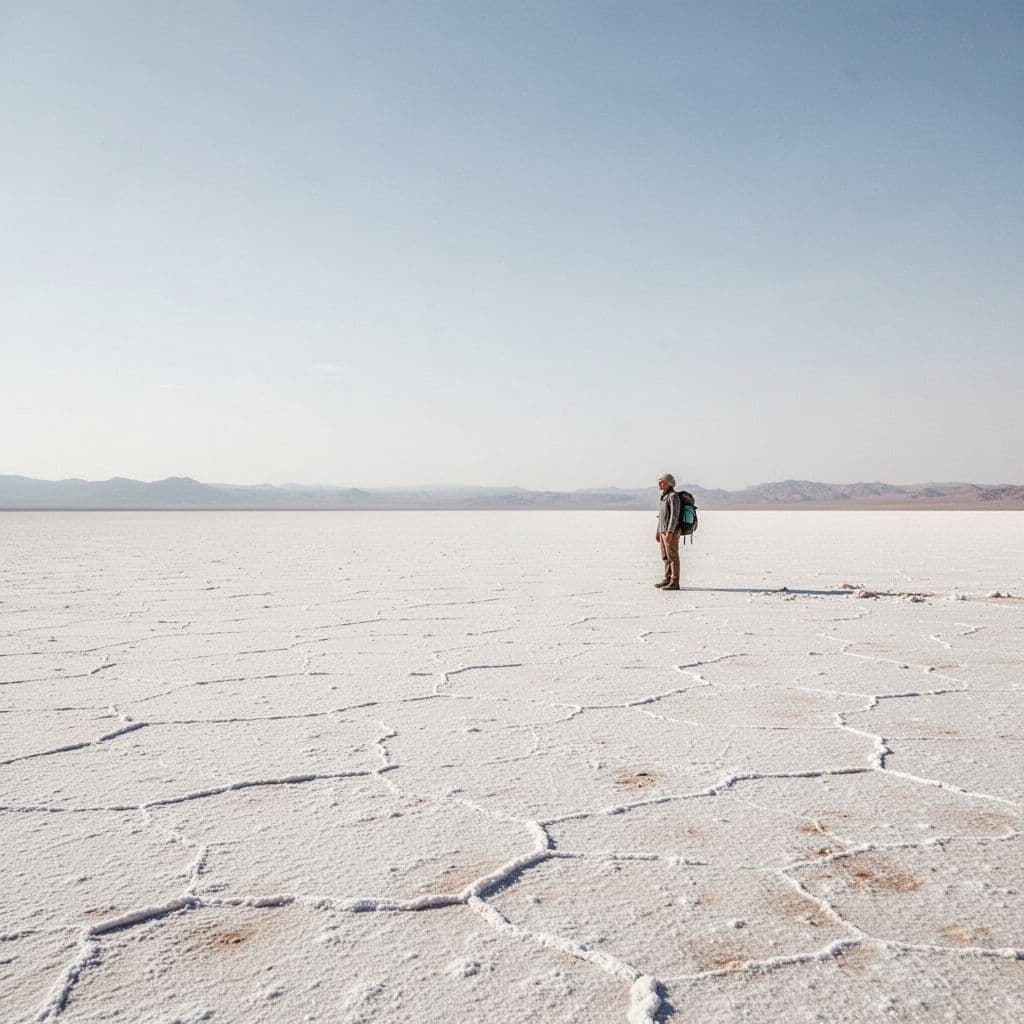
It can be safe if you travel with a licensed guide and a proper tour. You should not go alone, because the Danakil is remote, very hot, and hard to read without local knowledge.
Security and access can change, so always check current travel advice before you book. For a practical overview of tour conditions and local etiquette, see Danakil Depression tour advice.
When is the best time to see the salt caravans?
The cooler months are usually the best choice, often from late autumn to early spring. Even then, the desert still feels harsh, but the heat is less punishing than in the hottest part of the year.
Early starts also help. That is when caravan work is most active, and the light is better for watching the salt blocks being cut and loaded.
What should you bring for a Danakil trip?
Pack for heat, dust, and basic conditions. You will thank yourself later if you keep it simple and useful.
Bring:
- Plenty of water
- Sun cream and a wide-brimmed hat
- Light, modest clothing
- Sturdy walking shoes
- Sunglasses
- A head torch
- A sleeping bag, if your tour includes camping
You should also keep your luggage light, because travel in this region is rough and slow. A compact bag is easier to handle and less likely to become a burden.
Can you watch the salt caravans at work?
Yes, many trips include a stop where you can see salt being cut and camels being loaded. That is one of the main reasons people come to the Danakil, and it gives you a direct view of a trade system that still matters to local families.
Treat the scene with respect. Watch quietly, ask before taking photos, and keep out of the workers' way. If you want more context on why the route still matters, the Danakil salt caravan overview is a useful companion read.
Conclusion
Ethiopia's salt caravans still carry more than salt across the Danakil Desert. They carry memory, labour, and a way of life that has endured because people have learned how to work with one of the harshest places on Earth.
When you picture the camels moving across the white flats, you see an ancient survival system that is still alive today, even if it now shares space with roads and change. That is what makes the journey so powerful, it shows how people adapt, endure, and keep local knowledge moving with every load.
If you visit, do it with patience, respect, and care for the people who make this route possible. What's your experience with eco-friendly travel? Share your thoughts and stories, because your perspective can help inspire more responsible travellers.