
Eco-Tourism UK: Why You're Seeing a Global Green Travel Hub
You're seeing eco-tourism UK grow fast because more travellers want holidays that leave a lighter footprint and feel more rewarding than a standard city break. The draw is simple, fresh air, wildlife, local food, and trips that put money back into nearby communities.
The UK has a strong mix that suits that shift, from the Scottish Highlands and the Lake District to coastal paths, rewilding projects, and small-scale stays that put nature first. Add better rail links, greener transport choices, and a stronger focus on responsible travel, and the UK starts to look far more than a convenient escape.
The real appeal is balance, you get memorable landscapes without having to cross the world for them.
In the sections ahead, you'll see why that balance is putting the UK on the map as a serious hub for sustainable travel.
What is driving the rise of eco-tourism in the UK?
Eco-tourism in the UK is rising because your holiday choices are changing. You want trips that feel lighter, kinder, and more honest about their impact. That means fewer wasteful extras, more time in nature, and a stronger link between your spending and the places you visit.
The UK fits that shift well. It offers national parks, coast paths, wildlife-rich wetlands, and rural stays without the need for long-haul flights. Add better awareness around climate harm, and the appeal becomes clear.
Travellers now want holidays with a lighter footprint
You are more likely to ask how you will get there, where you will stay, and who benefits from your booking. That mindset has pushed eco-friendly travel from a niche interest into the mainstream.
For many people, a good break now includes:
- Lower-carbon transport, such as rail or shared travel
- Accommodation with clear eco-credentials
- Local food, local guides, and small businesses
- Activities that respect wildlife and reduce waste
This is also about trust. If a place says it is sustainable, you want proof, not polished marketing. A genuine eco stay usually shows it in simple ways, such as renewable energy, refill stations, reduced single-use plastics, and support for local suppliers.
Travellers are not just chasing greener labels, they are looking for holidays that feel right in practice.
You can see this in wider travel research too. VisitBritain's recent sustainable and regenerative tourism work shows growing interest in low-impact travel choices, even if people still move at different speeds when changing habits. For a useful snapshot of those trends, see VisitBritain's sustainable tourism research.
Shorter journeys are making UK getaways more attractive
Staying closer to home makes eco-tourism easier to choose. Fewer flights usually mean fewer emissions, and shorter trips also remove a lot of the hassle that comes with long travel days.
When you holiday in the UK, you can often swap a flight for a train journey, a coach trip, or even a car-free break. That saves time and often lowers costs too. It also makes spontaneous weekends away feel far more realistic.
The practical benefits are easy to feel:
- You spend less time in transit.
- You avoid airport queues and long connections.
- You can reach countryside and coast with less planning.
- You often spend more of your budget on the place itself, not the journey.
The UK's rail network is not perfect, but it gives you a solid base for greener short breaks. For many travellers, that balance of convenience and lower impact is the whole point.

Nature-led and wellness travel are now mainstream
A quiet cabin, a coastal walk, a forest trail, or a phone-free weekend now feels more appealing than a packed itinerary. You are not alone if you want fresh air, space, and a slower pace.
That shift has given eco-tourism even more momentum. Nature-led travel and wellness breaks often overlap, because both ask you to slow down and notice your surroundings. In the UK, that might mean a dawn walk in the Lake District, birdwatching in a wetland reserve, or a restorative stay in a rural retreat.
The UK is well placed for this kind of travel because variety is close at hand. You can move from rugged hills to calm beaches, then on to ancient woodland, all without crossing borders or booking a long-haul flight. That makes slow travel feel less like a luxury and more like a practical choice.
It also suits the way many people want to travel now. You may want a holiday that restores you, supports local communities, and leaves space to think. Eco-tourism answers that need without stripping away the pleasure of the trip.
Why the UK's landscapes work so well for sustainable travel
The UK is well suited to sustainable travel because so much of its best scenery is close, varied, and easy to reach without heavy infrastructure. You can move from hills to coast, woodland to wetland, and still keep the trip low-impact.
That matters if you want travel that feels calmer and more responsible. The country's protected places, coastal paths, and recovery projects give you plenty to do without turning every visit into a high-consumption escape.
National parks and protected places give you easy access to nature
National parks and conservation areas make eco-tourism feel practical, not complicated. You do not need luxury facilities or large resorts to enjoy them, because the main draw is already there, open hills, footpaths, wildlife, and wide views.
This is part of why they work so well for low-impact holidays. You can hike, watch birds, pause at a viewpoint, or simply spend time outdoors with very little pressure on the land. Many of these places also support local guides, small cafés, farm stays, and village shops, so your spending stays close to the area you came to enjoy.

The UK Government has also linked protected landscapes with better access, wellbeing, and sustainable tourism in its national parks and AONBs response, which reflects how these places are meant to work for both people and nature. You can read more in the GOV.UK landscapes review response.
The best part is simple, you get a proper sense of place without needing much more than walking boots, a bottle of water, and time.
For you, that means the holiday starts to feel lighter as soon as you arrive. There is less dependence on big transport links inside the destination, and more room for slow travel, quiet observation, and real connection with the countryside.
Coasts, islands, and waterways add a different kind of eco-experience
The UK's coast is a huge part of its sustainable travel appeal. Sea cliffs, estuaries, islands, and tidal inlets give you scenery that changes with the weather and the light, which makes each visit feel fresh.
These places suit walking, paddling, ferry travel, and wildlife watching far better than rushed, high-energy sightseeing. You can spend a morning on a cliff path, then an afternoon looking for seals, seabirds, or migratory birds, all at a gentler pace.
Island communities add another layer. They often rely on small-scale tourism, local food, and simple transport links, which fits eco-tourism well when you travel with care and spend locally. Waterways also invite slower movement, whether you are on a narrowboat route, a river walk, or a kayak trip with a guide who understands the habitat.
That slower rhythm matters. When you move at the pace of the place, you notice more and use less. You also tend to make better choices, because the journey itself becomes part of the experience rather than a quick transfer between stops.
Rewilding and habitat recovery are creating fresh reasons to visit
The UK's eco-tourism story is no longer just about pretty views. It also includes rewilding, habitat repair, and wildlife corridor work that gives you something real to see and support.
Travellers are increasingly drawn to places where conservation is happening in plain sight. That might mean wetlands coming back to life, native woodland being restored, or land being managed in ways that help birds, pollinators, and larger wildlife return. These are not polished attractions. They are living projects, and that is exactly why they feel meaningful.
You can also think of them as proof that travel and conservation do not have to sit apart. A visit can help fund paths, rangers, and local services, while also giving you a better understanding of what nature recovery looks like on the ground. National Parks UK has set out a shared vision for regenerative tourism, with a clear focus on low-carbon travel and nature-benefitting experiences, which fits this shift very well. See the National Parks regenerative tourism vision for a useful example.
This is where the UK feels especially relevant for sustainable travel now. You are not just looking at landscapes that were protected in the past, you are visiting places that are still being repaired, reconnected, and reimagined for the future.
How local communities benefit when you travel more responsibly
Responsible travel does more than reduce harm. It keeps money, attention, and opportunity close to the places you visit. When you choose local businesses, community-led activities, and low-impact transport, your trip can support the people who actually live there.
That matters across the UK, especially in rural villages, coastal towns, and smaller heritage places that rely on steady visitor income. You get a better trip too, because the experience feels more grounded, more personal, and far less generic.
Your spending can support local jobs and small businesses
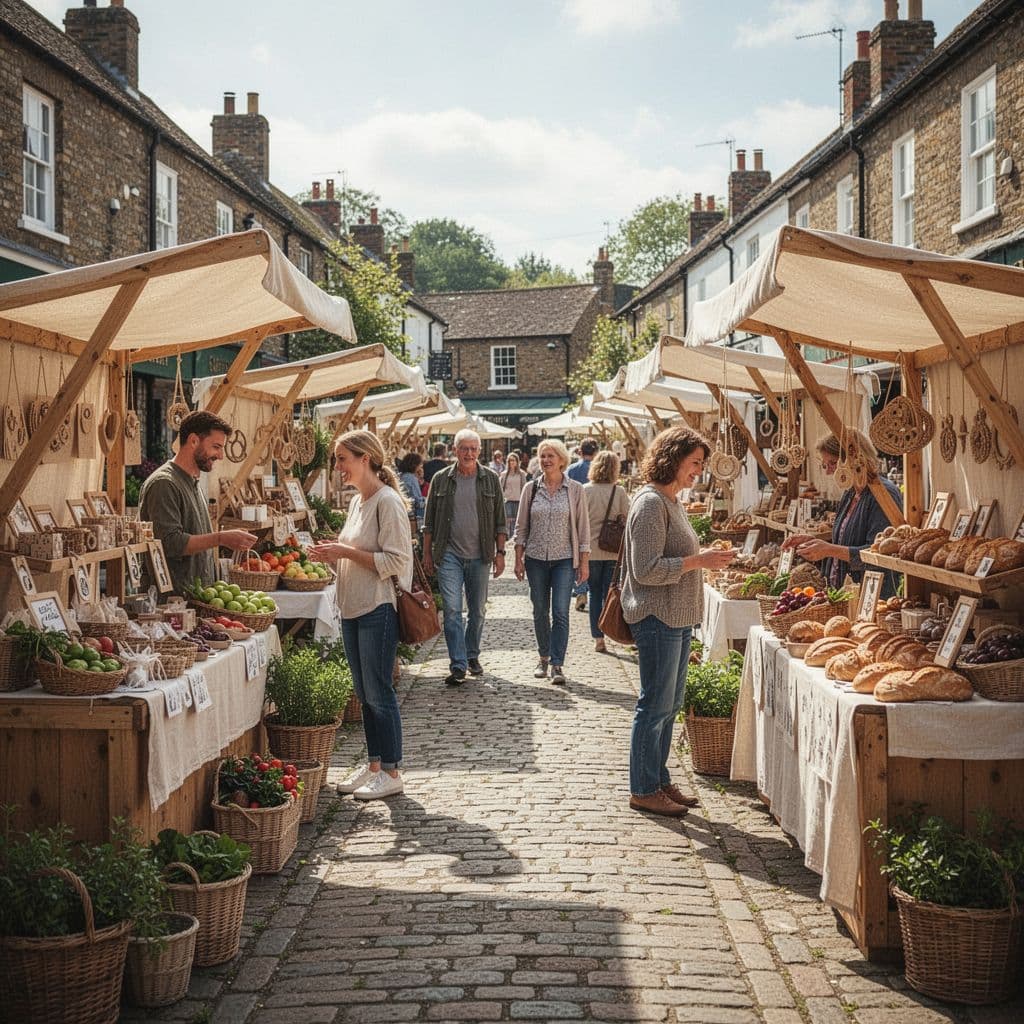
When you spend with care, your money travels through a place instead of skipping over it. A night in a family-run guesthouse, lunch in a village café, a minibus tour with a local guide, or a bottle of cider from a nearby farm shop all help different parts of the same local economy.
That spread matters. It supports cooks, cleaners, drivers, growers, artists, and hosts, not just the front desk of a large hotel chain. In places with fewer year-round income streams, that can help keep businesses open through quieter months.
You can see this pattern clearly in rural and coastal areas, where tourism often supports the shops and services that local residents also rely on. If you want a wider look at how community-focused travel is shaping eco destinations, the community tourism travel guide gives a useful starting point.
A responsible booking usually looks like this:
- Local accommodation instead of anonymous chain stays
- Independent cafés, bakeries, and pubs
- Guided walks, boat trips, or wildlife tours run by residents
- Shops that stock local produce or handmade goods
When you choose local first, your trip has a longer trail of benefits.
That money helps small places stay alive in practical ways. It keeps part-time jobs going, supports young people who want to stay nearby, and gives communities a reason to keep improving the visitor experience without losing their character.
Community-led experiences make travel feel more authentic
The best trips often come with a story attached. A local guide can explain a coastal path in a way a brochure never could. A family recipe, a village festival, or a working farm visit gives you something real, not a performance made for tourists.
That is where community-led travel stands out. It lets you join in respectfully, rather than stand at a distance and watch. You learn more because the people around you are sharing what matters to them, not a version shaped only for visitors.
Authentic experiences can be simple and memorable:
- A hands-on food workshop using local ingredients.
- A guided walk that includes oral history and place names.
- A craft demo where the maker explains the process.
- A harvest meal or community supper that welcomes guests properly.
These moments create connection because they feel human. They also protect culture, as long as you approach them with respect and curiosity. Travellers who listen, ask before taking photos, and buy fairly priced local goods help keep those traditions alive.
Community-based tourism works best when local people have control over how it runs. For a useful perspective on that approach, see National Geographic's guide to community-based tourism. It shows why local decision-making matters as much as visitor numbers.
Responsible travel helps protect the places you came to enjoy
When communities earn from nature in a fair way, they have a stronger reason to look after it. A healthy wetland, a restored woodland, a clean beach, or a well-managed footpath is not just scenery. It is part of local income, local identity, and local pride.
That link between income and care is powerful. If wildlife, habitats, and heritage sites bring steady benefits, people are more likely to protect them for the long term. You see this in places where tourism helps fund path repairs, conservation work, ranger roles, and heritage upkeep.
The wider tourism sector recognises this too. The responsible tourism benefits report highlights how visitor spending can help with jobs, conservation, and the preservation of historic places. In the UK, that logic fits neatly with nature recovery, because the same landscape that draws you in often supports local livelihoods as well.
Responsible travel also lowers pressure on fragile places when you use them carefully. Stay on marked trails, respect wildlife distances, avoid litter, and travel outside the busiest times when you can. Those small choices reduce wear on the environment and make the area easier to manage.
In short, you are not just visiting a place. You are helping shape what it can become next. When your travel supports people as well as scenery, the place is more likely to stay welcoming, distinctive, and well cared for.
What a strong UK eco-tourism trip actually looks like
A strong eco-tourism trip in the UK feels calm, practical, and thoughtful. You move with the place instead of pushing through it, so your travel choices support nature, local people, and a lower-carbon footprint.
That does not mean giving up comfort or fun. It means choosing smarter transport, staying in places that do less harm, and travelling in a way that leaves the landscape looking much the same as when you arrived.

Low-carbon travel choices make a real difference
Your transport choice shapes the whole trip before you even unpack. In the UK, trains often make the biggest difference for longer journeys, while buses, trams, cycling, and walking work well once you are there.
If you can, build the trip around rail first. The train is usually a much cleaner option than driving alone, and it also turns travel time into part of the holiday. You can sit back, read the view, and arrive ready to explore instead of worn out by traffic.
For shorter distances, active travel has real value. Walking and cycling cut emissions, save money, and help you notice details you would miss from a car window. The Met Office guide to active travel explains how leaving the car behind for short trips also reduces air pollution.
A sensible low-carbon trip might look like this:
- Train for the main journey, especially between cities, national park gateways, and coastal hubs.
- Bus or tram for local movement, which keeps parking stress and traffic out of the picture.
- Walking or cycling for short hops, trail access, and town centres.
- Car-sharing only when needed, especially for rural areas with limited public transport.
If you can swap one car journey for a walk, cycle ride, or bus trip, you lower the footprint of the whole holiday.
When driving is unavoidable, keep it efficient. Share the ride, group your stops, and choose one base rather than zig-zagging across the map. That simple shift can cut fuel use and make the trip feel less rushed. For a useful overview of lower-carbon options, see Energy Saving Trust's transport guide.
Eco-stays are more than just a marketing label
A genuine green stay shows its standards in daily choices, not just in the wording on a booking page. You want signs that the place is taking energy, water, and waste seriously, while also supporting local supply chains.
Look for practical features such as LED lighting, smart heating controls, good insulation, solar panels, low-flow showers, and refillable toiletries. These details may seem small, but together they show the property is reducing waste instead of simply talking about sustainability.
Food matters too. A strong eco-stay often uses local produce, seasonal menus, and fewer single-use items. If breakfast includes local jam, regional cheese, or bread from a nearby bakery, that is usually a better sign than a room full of branded plastic sachets.
You can also check for:
- Refill stations for water and soap
- Clear recycling and composting systems
- Linen and towel reuse options
- Honest information about wildlife and habitat care
- Local hiring or local partnerships
Surface claims are easy to print, but real effort is easier to spot when you look closely. A place that talks about conservation should also show how it reduces waste, respects water use, and supports the area around it. That is where trust begins.
Simple habits help you travel more lightly
A good eco-tourism trip also depends on what you do once you arrive. You do not need a perfect routine. Small, steady habits already make a clear difference.
Start with the basics. Carry a refillable bottle, stick to marked paths, and avoid picking up souvenirs from nature. In popular places, those habits protect fragile ground, keep litter down, and reduce pressure on wildlife.
Then keep your choices local. Eat in cafés that use regional ingredients, buy from independent shops, and book activities run by people who know the area well. That keeps your spend in the community and gives you a better feel for the place.
You can also travel more lightly by:
- Refusing extra plastic, bags, and packaging where you can.
- Keeping a small kit of reusable cutlery, cups, and containers.
- Watching wildlife from a respectful distance, without feeding or chasing it.
- Choosing one or two good meals at local spots instead of relying on chain food.
A trip like this feels more grounded because it has fewer wasteful extras. It also fits the whole spirit of ecotourism, which is about responsible travel, nature care, and supporting the communities that make these places worth visiting.
The best UK eco-tourism trip is not elaborate. It is well chosen, easy to follow, and respectful from start to finish. When you travel that way, the holiday feels better, and the impact stays lighter.
Which places in the UK show the eco-tourism movement best?
The UK has several places where eco-tourism feels natural rather than added on. You see it in quiet landscapes, low-impact transport choices, local food, and conservation-led days out. The strongest examples are the places that invite you to slow down, notice more, and spend in ways that help the area stay healthy.
Rural escapes for slow travel and wildlife watching

The Cairngorms National Park, The New Forest, and Dartmoor show this best. These places reward walking, birdwatching, and long pauses in the landscape, which is exactly why slow travel suits them so well.
In the Cairngorms, you can look for red deer, golden eagles, and wide open views without rushing between attractions. The New Forest gives you ancient woodland, heathland, and the chance to see ponies and deer with very little effort. Dartmoor feels raw and open, so a quiet hike or a simple camping stay often gives you more than a packed itinerary ever could.
The best rural eco-trips are the ones where you move at the pace of the land, not the clock.
These places also support eco-tourism because they work best with low-key visits, local guesthouses, and good footpath habits. If you want a broader view of how landscape recovery and wildlife care shape travel, WWF's work on locally led conservation gives useful context.
Coastal destinations that reward careful exploration
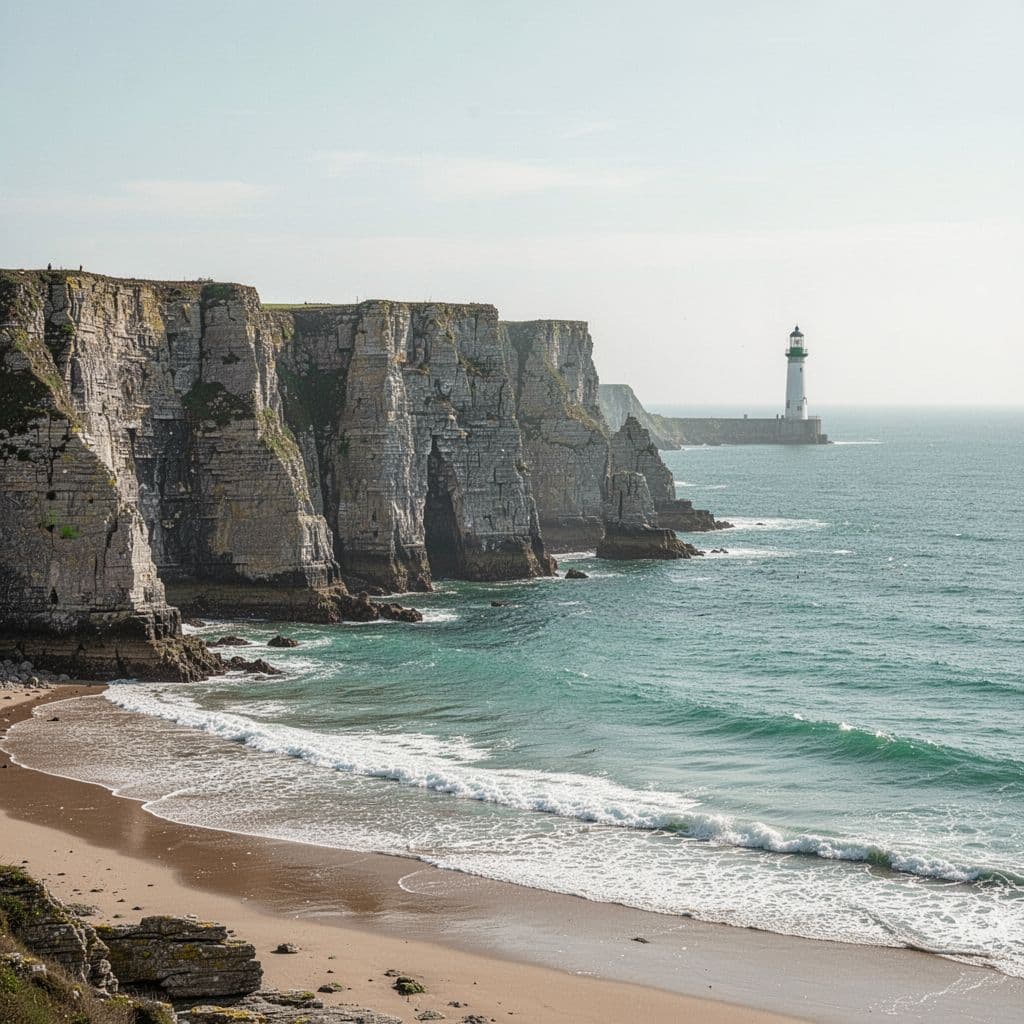
The coast is where the UK's eco-tourism movement feels especially clear. Pembrokeshire Coast National Park, Blakeney Point, and Spurn National Nature Reserve all show how beaches, dunes, cliffs, and marine habitats can create memorable trips when you tread lightly.
Pembrokeshire is ideal for cliff paths, seals, puffins, and dolphin spotting, especially if you book with local guides or boat operators who know how to avoid disturbing wildlife. Blakeney Point is famous for its seal colony, so careful viewing matters there. Spurn is a strong choice for birdwatching and long, quiet walks across a living landscape shaped by wind and tide.
These places work best when you keep your visit simple, stay on marked routes, and choose local businesses that understand the area. For a wider look at responsible coastal travel, Visit Britain's coastal and countryside guidance is a helpful reference.
Green city breaks can still fit an eco-friendly mindset

You do not need a remote lodge to travel well. Bath, London, and Manchester all show how urban trips can stay low-impact when you use public transport, stay in walkable areas, and support local food and culture.
Bath works well because it is compact, easy to explore on foot, and full of independent cafés and shops. London gives you places like Kew Gardens and Epping Forest, which let you mix city life with proper green space. Manchester's smaller parks and botanical spots, including Fletcher Moss, offer a quieter break without leaving the city behind.
A green city trip usually looks like this:
- You arrive by rail instead of flying or driving long distances.
- You stay near the centre, so you can walk more.
- You eat in local restaurants and market stalls.
- You spend time in museums, gardens, and neighbourhood spaces rather than relying on high-carbon day trips.
This approach keeps the trip lighter and often more enjoyable. You spend less time in traffic and more time in places that have a real sense of character.
In the UK, the eco-tourism movement works best where nature, community, and practical travel choices meet. Whether you are in the hills, on the coast, or in a walkable city, the pattern stays the same, keep your footprint small, and the experience becomes richer.
The challenges the UK still needs to solve
The UK has real momentum in eco-tourism, but the picture is not perfect. If you want sustainable travel to keep growing, the country still has to deal with weak claims, crowded hotspots, and transport gaps that push people back into cars.
That matters because eco-tourism only works when the experience protects the place you came to see. If the system is careless, the trip starts to wear down the very landscapes that make the UK attractive in the first place.
Not every green label is meaningful
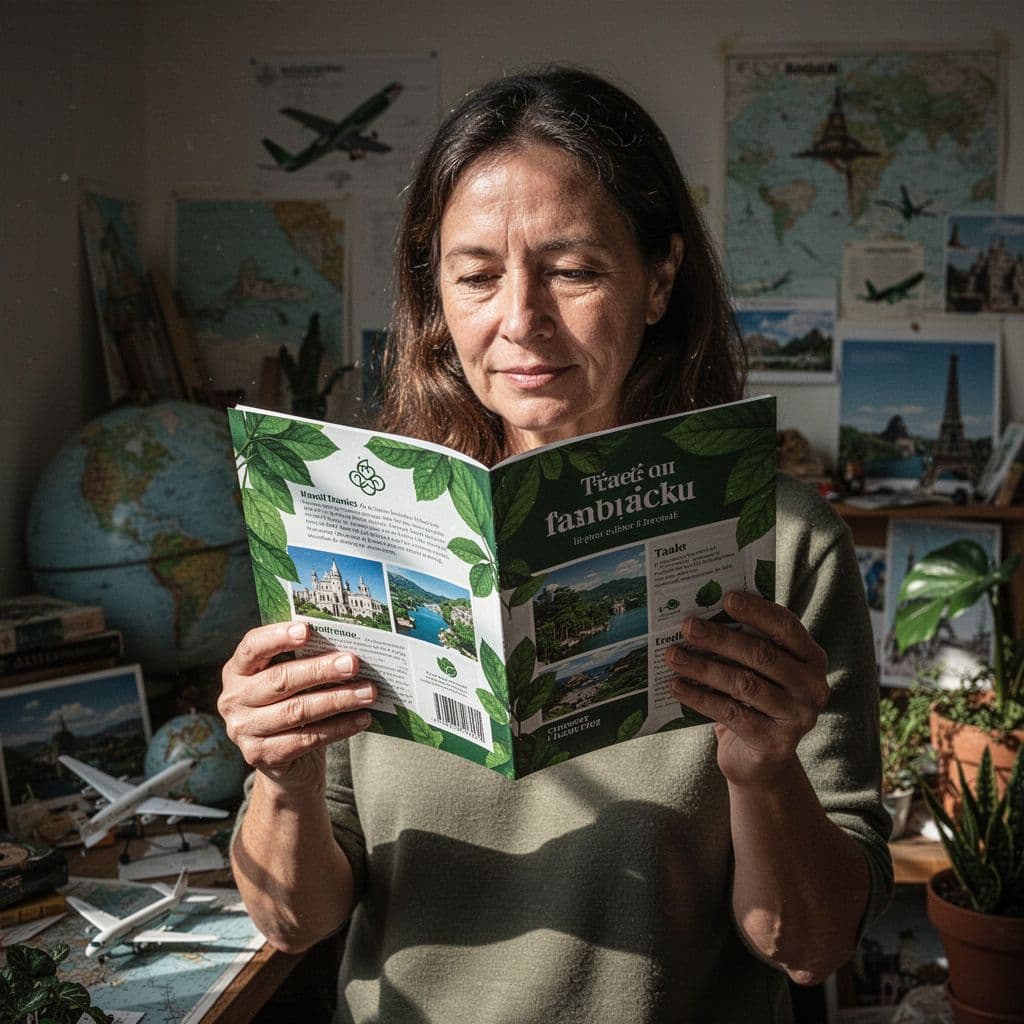
You should treat vague sustainability claims with caution. A leaf on a website, a soft green colour palette, or a few well-placed nature photos do not prove much on their own.
Real eco-tourism shows up in actions you can check. That includes lower energy use, refill systems, less single-use plastic, local sourcing, and clear information about how a business cuts waste. If a provider says it is sustainable, look for details, not slogans.
The warning signs are easy to spot when you know what to watch for:
- Broad claims such as "eco-friendly" without any proof
- No mention of energy, waste, or water use
- Beautiful nature imagery with little operational detail
- Claims that sound absolute rather than measured
If a business cannot explain what it does differently, the label is probably doing more work than the practice.
This is where trust can slip. Which? has a helpful guide on greenwashing in travel, and the advice is simple, look for evidence, not decoration. You should expect the same standard from UK eco-stays, tours, and attractions.
Busy hotspots can suffer without good visitor management
Popular places can buckle under pressure when visitor numbers rise too fast. Paths wear away, litter builds up, wildlife gets pushed back, and local services struggle to cope.
You see this most clearly in small coastal towns, fragile moorland, and heavily visited beauty spots. Car parks fill, toilets are overstretched, roads clog, and residents end up carrying the cost of someone else's holiday.
A well-run destination needs more than a welcome sign. It needs:
- Clear paths and route choices that spread footfall.
- Waste bins, toilets, and transport that match demand.
- Limits or timing systems in sensitive areas.
- Rangers and local staff who can guide behaviour.
When those pieces are missing, even a short visit can cause lasting harm. The ground gets compacted, erosion spreads, and the place feels less like a retreat and more like a queue.
Better transport and planning will shape the future
The UK can grow eco-tourism most successfully when rail, local planning, and visitor management work together. Stronger rail links make low-carbon travel easier, while joined-up planning helps attractions, councils, and transport providers avoid putting too much strain on one place.
That also means thinking beyond the site itself. You need parking, bus links, walking routes, and accommodation that all fit the same low-impact goal. When those systems connect properly, you can visit more places without adding more damage.
The future is already visible in the better examples. Travellers want options that are easy to reach, easy to understand, and easier on nature. The VisitBritain sustainable tourism research shows how travel habits are shifting, but also how much room remains for better infrastructure and clearer standards.
In practical terms, the UK still needs to do three things well:
- Improve rail and bus access to rural and coastal destinations
- Guide visitors away from overcrowded peaks and fragile routes
- Back businesses that can prove their sustainability claims
If that happens, you get the best of both worlds, better access for you, and less strain on the places you care about.
How you can travel more responsibly on your next UK trip
Responsible travel in the UK starts with small choices that add up fast. You do not need a perfect itinerary, just a better one. If you plan ahead, spend locally, and move with care, your trip will feel more grounded and leave a lighter mark.
The simplest rule is easy to remember, go slower, make less waste, and support the people who live there. That approach works in cities, along coasts, and in the countryside.
Choose experiences that put nature and local people first
Book with local operators, independent stays, and guides who know the area well. A family-run guesthouse, a village café, or a wildlife walk led by a local expert gives you more than a booking, it gives you context.
You also get a richer trip. A guide who lives nearby can explain the habits of the birds, the history of the path, or the best time to visit without crowding a fragile spot. That kind of knowledge turns a simple outing into something memorable.
Look for places and activities that:
- Hire local staff and use local suppliers
- Keep group sizes small
- Share clear guidance on wildlife and habitat care
- Put money back into the community
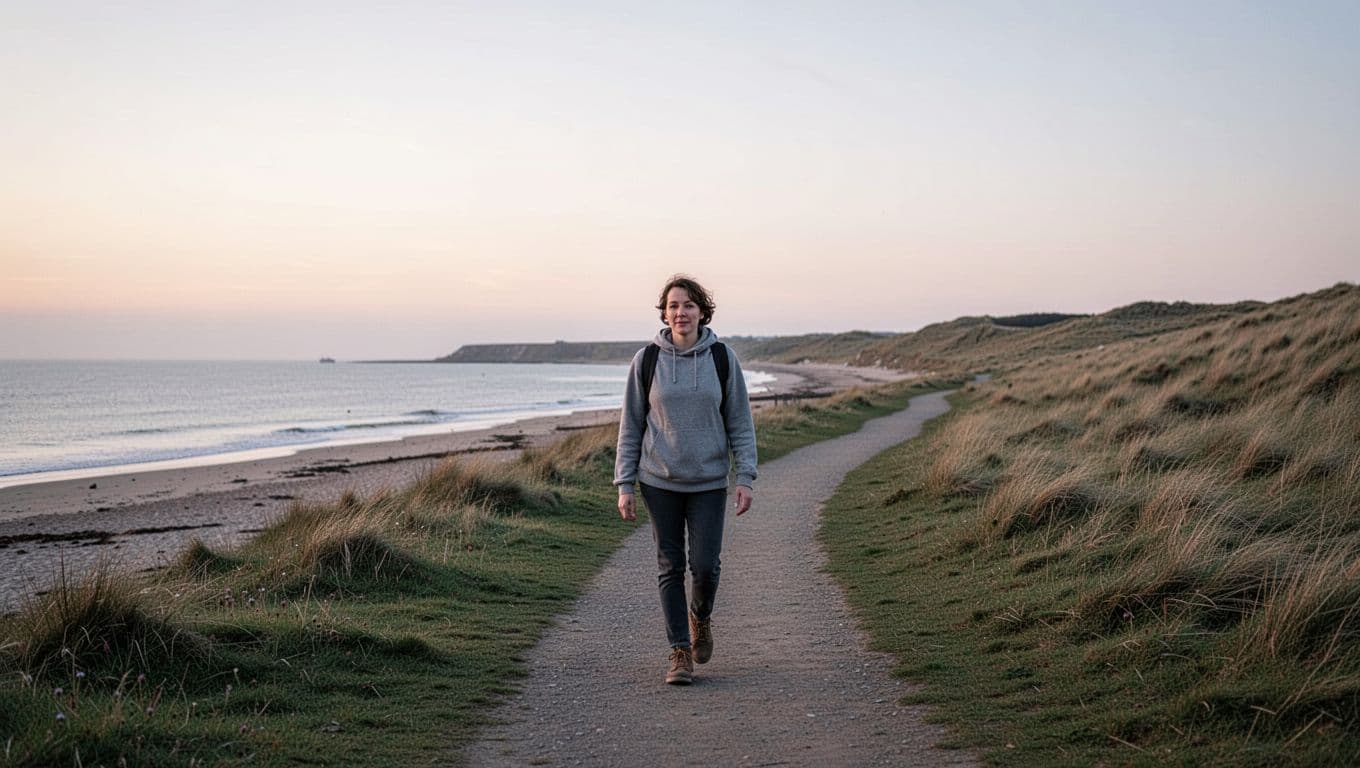
Responsible operators often make their values visible in plain ways. They talk about conservation, fair pay, and low-impact travel choices instead of hiding behind vague green claims. For a useful example of lower-carbon travel planning, the Met Office sustainable travel tips are a practical place to start.
The same logic applies to where you stay. A small inn that serves local food and cuts waste often gives you a better sense of place than a generic chain hotel. You notice the details more, and the place feels more alive because of it.
Pack and plan with low impact in mind
Light packing makes travel easier on you and on the place you visit. A smaller bag means less fuel use on transfers, less clutter in your room, and fewer single-use purchases when you arrive.
Start with a few reusable items. Bring a refillable water bottle, a coffee cup, a shopping bag, and any toiletries you know you'll use. Then check your route before you book, because the best eco-choice is often the one that avoids extra car miles or unnecessary changes.
A simple planning checklist helps:
- Compare train, coach, and shared transport before you book.
- Choose one base for several days, rather than moving constantly.
- Pack clothing you can layer, so you avoid overpacking.
- Bring only what you will actually use.
That kind of planning also saves money. If you travel by rail or coach and book close to where you want to explore, you often spend less on fuel and parking. The Which? guide to greener holiday habits is useful if you want more ideas that are realistic rather than idealised.
The cleanest trip is often the one with fewer unnecessary legs, fewer purchases, and fewer items in your bag.
You do not need to strip comfort out of the journey. You just need to remove the waste around it. That is where responsible travel becomes easy to repeat.
Leave places better than you found them
Respect starts with the ground under your feet. Stay on marked trails, keep your distance from wildlife, and take every bit of litter with you, even if it is not yours. These habits protect paths, nesting sites, and fragile ground that takes years to recover.
Be just as careful with local communities. Keep noise down, park where you should, ask before taking photos, and treat small towns and villages as places where people live, not backdrops for a weekend break. When you buy food or souvenirs, choose local and pay fairly.
A few actions make a clear difference:
- Stick to signed paths and access rules
- Avoid feeding or chasing wildlife
- Reduce packaging and single-use plastic
- Use bins, recycling points, and refill stations properly
- Support businesses that look after the area
The Countryside Code gives a solid guide for how to behave outdoors, especially if you are heading into rural England or Wales. The key point is simple, respect other people, protect the environment, and enjoy the outdoors safely.
If you keep that mindset, your trip gives something back. Trails stay usable, wildlife stays less disturbed, and local places keep their character. That is the kind of travel worth repeating, because it works for you and for the place itself.
FAQ
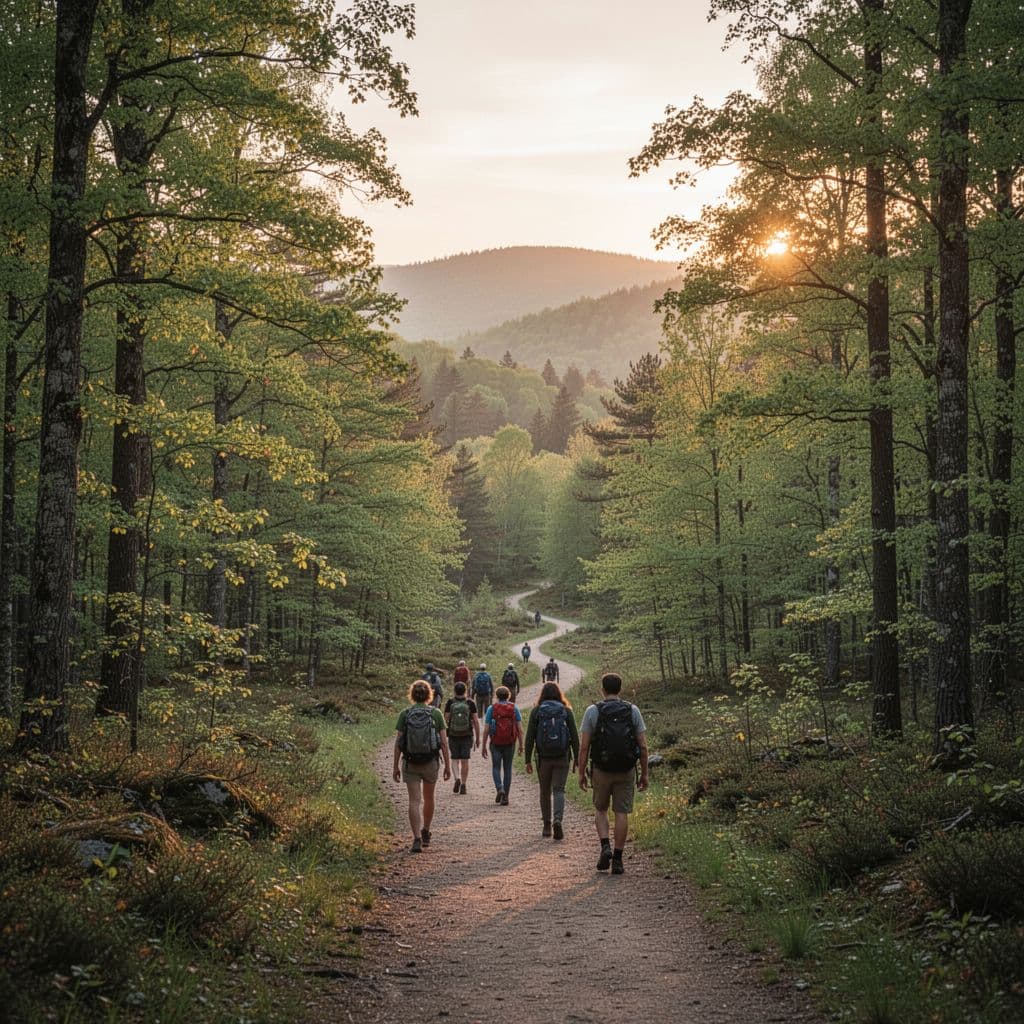
These quick answers cover the questions readers ask most often about eco-tourism in the UK. If you're planning a low-impact break, the best starting point is usually simple, choose transport that cuts emissions, stay somewhere with clear green practices, and support local businesses wherever you can.
What does eco-tourism mean in practice?
Eco-tourism means you travel with care for nature, local people, and the place itself. In the UK, that usually means taking the train when you can, staying in smaller lodgings, joining guided walks, and choosing activities that do not damage wildlife or habitats.
It also means looking past the label. A genuine eco-friendly trip should show real habits, such as waste reduction, local sourcing, and respect for protected areas. When a business explains its practices clearly, you can see the difference straight away.
Is eco-tourism in the UK expensive?
Not always. Some parts of eco-tourism cost less than standard holidays because you spend more time outdoors, use public transport, and book simple stays instead of large resorts. Walking holidays, national park visits, and local food markets can be very affordable.
Costs rise when you choose specialist tours, premium rail journeys, or boutique eco-lodges. Even then, your money often stays closer to the place you are visiting, which gives the trip more local value.
A cheaper trip is not automatically a greener one, but a greener trip is often easier to build on a sensible budget.
How can you tell if a travel company is truly sustainable?
Look for proof, not vague promises. A trustworthy operator will explain how it saves energy, reduces waste, supports local suppliers, and protects the environment it uses for business.
You can also check whether it works with local communities and follows clear visitor rules. The Met Office sustainable travel tips are useful if you want a simple guide to greener travel choices before you book.
What is the easiest first step for greener travel?
Start with transport. If you can swap one car journey or short flight for a train, coach, or walkable route, you lower the impact of the trip before it even begins.
After that, pack reusable items, book locally owned places, and choose one or two activities that support nature conservation. If you're looking for more ideas on where to go next, the eco-friendly destinations in France guide is a useful comparison for sustainable travel planning.
Can eco-tourism still feel like a proper holiday?
Yes, and often it feels better because it slows you down. You get more time in fresh air, more contact with local people, and fewer rushed transfers between attractions.
That is the real appeal of eco-tourism UK travel. You still get comfort, beauty, and variety, but with less waste and more purpose in every part of the trip.
Conclusion
You can see why eco-tourism UK keeps gaining ground. The country gives you strong natural appeal, easier low-carbon travel choices, and more ways to support local communities with every booking.
That mix matters. When you choose slower transport, smaller stays, and nature-led experiences, you get a trip that feels better and puts less pressure on the places you visit.
The UK is becoming a global eco-tourism hub because it offers something travellers now want more than polished sightseeing, a holiday that leaves space for wildlife, people, and place.
What has your own eco-friendly travel experience been like? Share your thoughts in the comments, and think about what your next responsible UK trip could look like.