
Morocco Desalination and Sustainable Tourism: A Water-Smart Future
Morocco's water pressure is no longer a distant warning, it is part of daily life for cities, farms, and coastal communities. After years of drought and uneven rainfall, the country is turning to Morocco desalination as a practical way to secure drinking water, ease strain on rivers and reservoirs, and reduce demand on fragile groundwater.
That shift matters well beyond supply alone. With renewable energy desalination projects expanding in places like Agadir, Casablanca, and Dakhla, Morocco is tying water security to lower pressure on ecosystems and stronger climate planning, which also supports sustainable tourism Morocco depends on. The real question now is how far this water strategy can go in protecting landscapes, food production, and the long-term goals of the Morocco 2030 strategy.
Why Morocco is turning to desalination for long-term water security
Morocco is changing how it thinks about water. Years of uneven rainfall, hotter seasons, and heavier demand have pushed the country towards seawater desalination as a long-term answer, not a short-term patch. For a nation that relies on farms, cities, wetlands, and coastal tourism, that shift is about far more than taps and pipes.
The real issue is balance. Morocco needs water for households and agriculture, but it also needs healthy rivers, full reservoirs, and functioning groundwater systems to keep landscapes alive. Desalination offers a way to reduce pressure on those natural stores, while giving planners a firmer base for the years ahead.
The pressure on rivers, reservoirs, and groundwater
Morocco's traditional water sources are under strain from both weather and overuse. Lower rainfall means rivers carry less water, dams refill less often, and surface water shrinks during dry spells. At the same time, groundwater is being pumped harder to keep farms and towns going, which lowers aquifers and weakens the natural systems that depend on them.
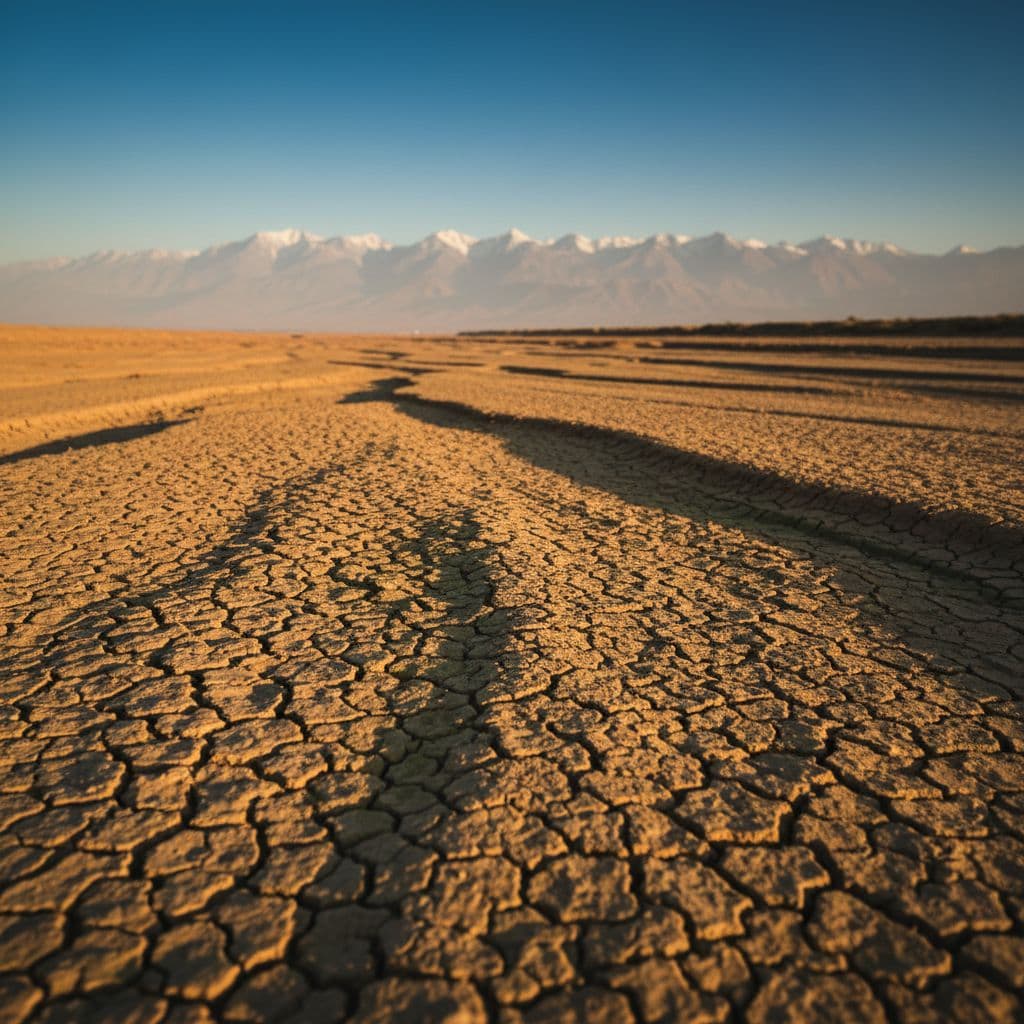
That matters for ecosystems as much as for supply. Wetlands dry out, river habitats contract, and plants that depend on underground moisture begin to fail. When water levels fall too far, the damage can spread through bird routes, fish stocks, and the wider food chain.
A recent overview of Morocco's water stress describes exactly this pattern, less rain, lower reservoir levels, and heavier groundwater use, with direct harm to habitats and biodiversity. Once those systems weaken, recovery is slow, especially in already dry areas.
How desalination fits into Morocco's 2030 strategy
Morocco's 2030 direction is simple, produce far more desalinated seawater and use it to reduce pressure on land-based sources. The national plan points towards a much larger share of drinking water coming from desalination, alongside support for irrigation where it is needed most. In plain terms, the country wants to turn the coast into a more dependable water source for both people and production.
One important part of that plan is energy. Morocco is pairing desalination with wind and solar power where possible, so the water it produces does not create a heavy fossil-fuel burden. That approach matters because water security and climate policy now sit side by side. A coastal plant that runs on cleaner power is easier to defend as a long-term public investment.
Desalination is not replacing every other water source, it is helping Morocco protect the ones that are already under strain.
A strong example is Dakhla, where renewable-powered desalination is tied to wind energy and long-term water planning. Nationally, projects in places such as Agadir, Casablanca, and Dakhla show how Morocco is building a broader water network, not relying on one region alone. For readers who want a technical angle, this study on wind energy and desalination in Dakhla shows how water, energy, and local development can be planned together.
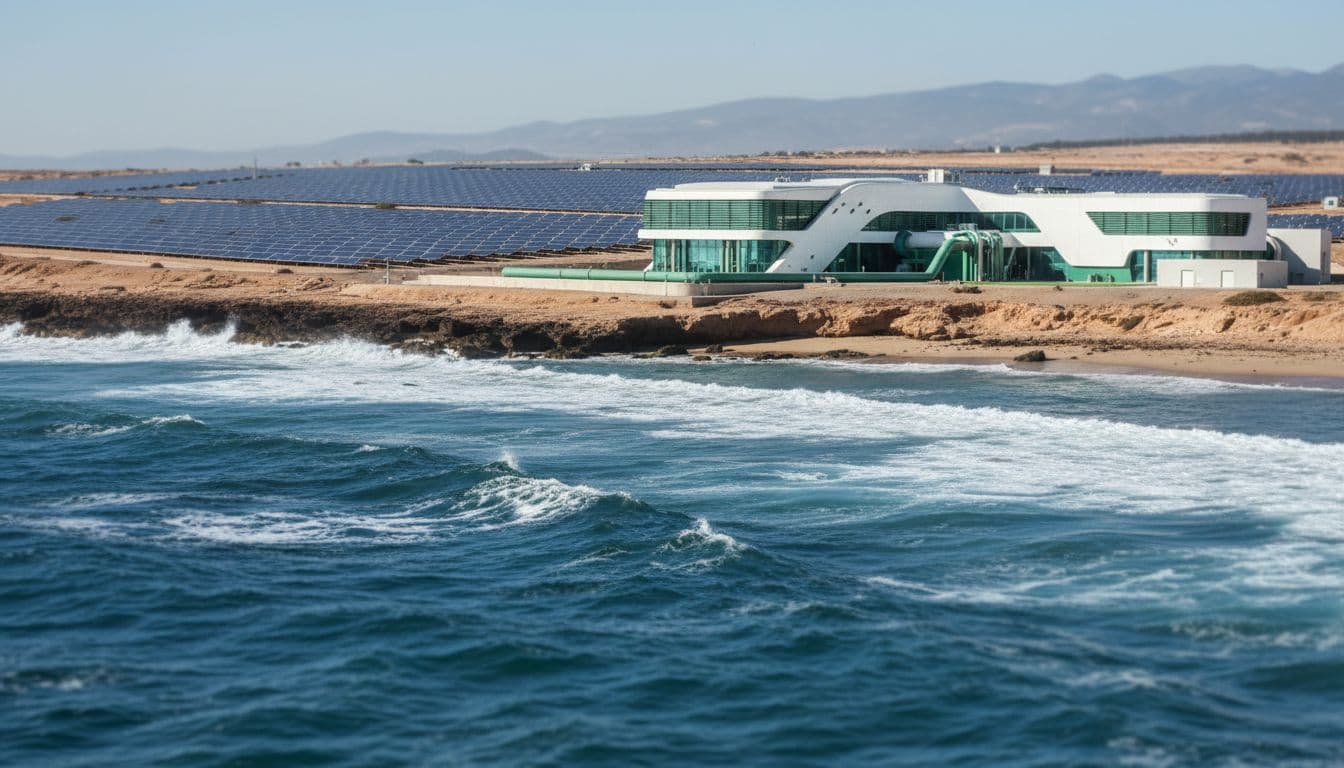
That is the heart of the policy shift. Morocco is not just chasing more water, it is trying to build water security Morocco can depend on, while shielding rivers, aquifers, and fragile habitats from further decline. In a country where every dry season leaves a visible mark, that kind of planning is no longer optional.
How reverse osmosis turns seawater into fresh water
Reverse osmosis is the part of desalination that does the heavy lifting. It takes seawater, pushes it through a very fine membrane, and removes most of the salt and other dissolved particles. The result is clean water that can go into public supply, while the leftover saltier waste stream is managed separately.
For Morocco, this matters because coastal desalination plants can turn the sea into a steadier source of drinking water. That matters even more when rainfall is unreliable and reservoirs run low. The process is simple in principle, but every stage has to work well for the system to stay efficient and safe.
What happens inside a reverse osmosis plant
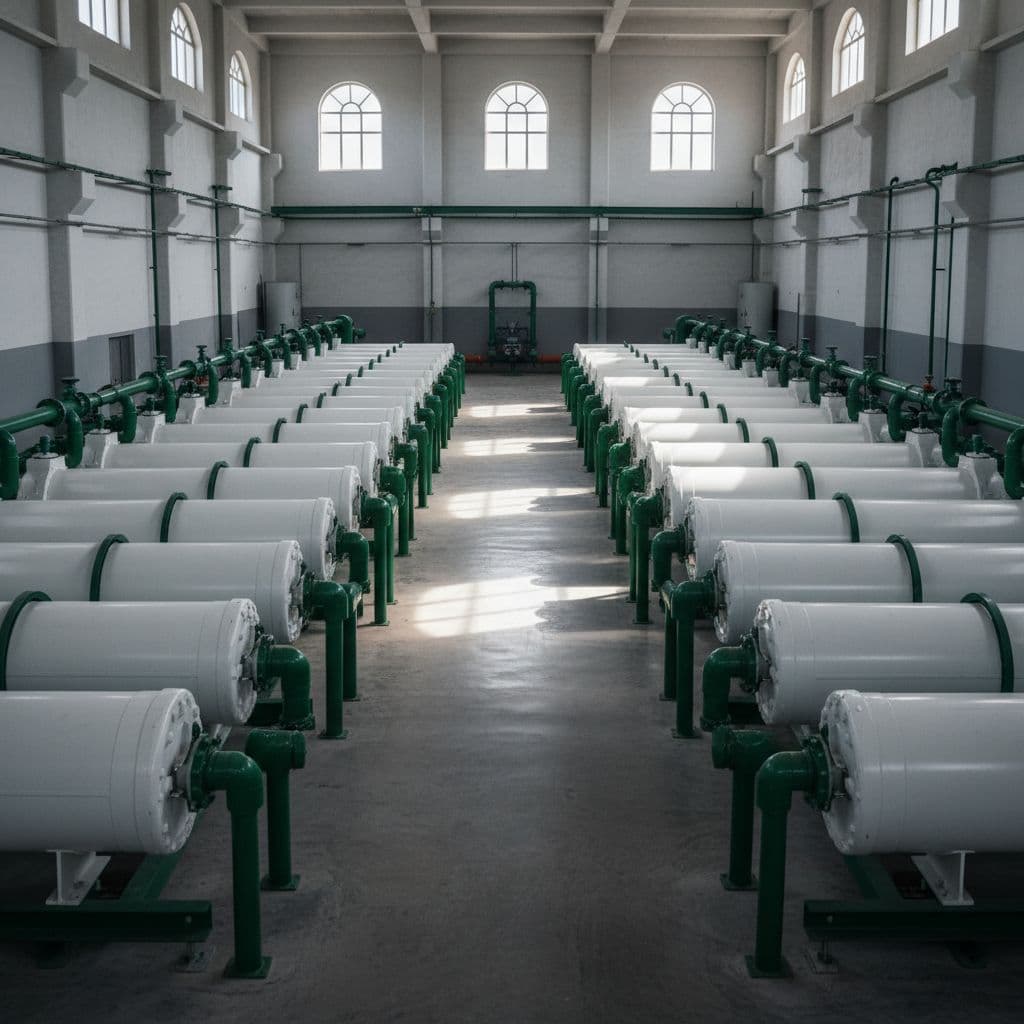
First, seawater is drawn in through an intake point. Before it reaches the main membranes, the water passes through filters that remove sand, silt, algae, and other debris. This early cleaning step matters because the membrane is delicate, and dirt can block it quickly.
Next, high-pressure pumps force the water through the reverse osmosis membrane. The pressure has to be strong enough to overcome the natural push of salt in seawater. The membrane lets water molecules through, but it holds back most salts, minerals, and many other impurities.
A simple explanation of the science helps here. In normal osmosis, water moves towards the saltier side. In reverse osmosis, pressure pushes water the other way. Britannica's overview of reverse osmosis explains this basic process clearly, and that is the same principle used in large-scale plants.
After filtration, the plant splits the flow into two streams:
- Freshwater, which is treated further if needed and sent to storage or the supply network.
- Brine, which is the concentrated salty leftover water.
The membranes do not stay clean on their own, so plants also need regular washing. Cleaning solutions remove scale, salt deposits, and organic build-up. Without that maintenance, output falls and energy use climbs. In other words, a plant is only as good as its upkeep.
Reverse osmosis does the separation, but filters, pressure, and cleaning keep the whole system working day after day.
Finally, the fresh water is tested and delivered for use. In a well-run plant, that water can support homes, hotels, farms, and public services without draining rivers or aquifers as heavily as before.
The trade-offs every desalination project must manage
Reverse osmosis solves one problem, but it also creates a set of trade-offs that need careful design. The biggest one is energy use. Pushing seawater through a membrane takes a lot of electricity, so a plant powered by fossil fuels can carry a large carbon burden. That is why renewable energy desalination matters so much in Morocco.
Cost is another issue. These plants need expensive equipment, skilled staff, constant maintenance, and secure power supply. They are not cheap to build or to run, which means planners have to think about long-term value rather than short-term fixes.
There is also the question of intake impacts. When seawater is drawn in, small marine life can be caught in the process. If the intake system is poorly designed, that can harm local ecosystems before the water even reaches the plant. Careful siting and gentler intake systems help reduce that risk.
Brine disposal is the final challenge, and it is a serious one. The leftover brine is much saltier than seawater, and it can harm marine life if it is released carelessly. It may also contain traces of treatment chemicals. For that reason, discharge has to be diluted, monitored, and managed with real attention to the coast around it.
Morocco's water strategy only works if these trade-offs stay visible. Desalination is useful because it protects overdrawn rivers, reservoirs, and groundwater. At the same time, it must avoid shifting pressure onto the sea. The best projects do both jobs well, they secure water for people and keep environmental damage in check.
Why renewable energy makes Morocco's desalination plan stronger
Morocco's desalination push becomes far more practical when clean power is part of the design. Seawater desalination needs a lot of electricity, so the source of that power shapes the whole project, from cost to climate impact.
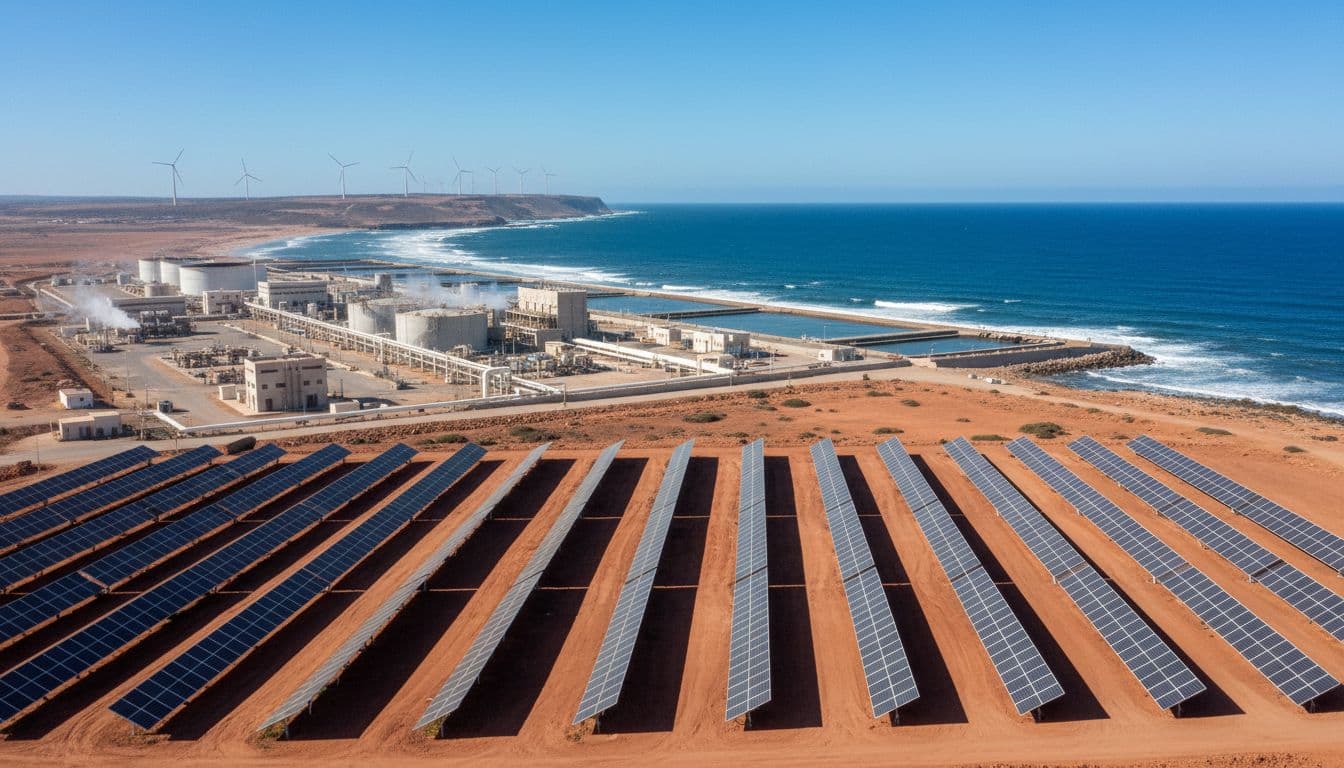
That is why solar and wind matter so much. Morocco already has active desalination capacity, and the country is expanding it while trying to cut the fuel use behind it. In a water-stressed country, that balance is hard to ignore.
Solar and wind power lower the carbon footprint
Desalination can solve a water problem, but it can also create a climate problem if it runs on fossil fuels. Every litre of fresh water takes energy, and that energy can add emissions if it comes from gas or coal. Clean electricity changes that equation.
When Morocco powers desalination with solar and wind, it keeps the water plan closer to its climate goals. The plant still does the same job, but it does so with less carbon attached. That matters in a country already dealing with hotter summers, drier seasons, and pressure on fragile coastal systems.
A cleaner power mix also makes the public case for desalination stronger. People are more likely to support a plant that protects reservoirs and aquifers without locking in avoidable emissions. Research on renewable-powered desalination points in the same direction, showing that lowering electricity emissions is one of the fastest ways to reduce the footprint of reverse osmosis plants. For a useful technical overview, see this review of renewable energy for desalination.
Clean energy does not just run the plant, it keeps the water solution aligned with Morocco's wider climate targets.
Why clean power can improve long-term reliability
Morocco's water planning has to cope with two kinds of uncertainty at once, drought and energy prices. Local renewable energy helps with both. Sun and wind are domestic resources, so they reduce dependence on imported fuel markets and the sharp swings that can hit operating costs.
That gives planners more room to think long term. If a desalination plant can rely on nearby solar fields or wind farms, its running costs become easier to predict. In a dry country, that stability matters as much as output.
It also helps coastal cities and tourism areas plan with more confidence. Agadir, Casablanca, and Dakhla need water systems that can keep working year after year, even when rainfall fails. Renewable energy desalination gives those places a steadier base, because the electricity supply is tied to local conditions rather than global fuel shocks.
In practice, that means fewer surprises for public budgets and water operators. It also means stronger support for water security Morocco can build on over time, instead of chasing short fixes after every dry spell.
For Morocco's Morocco 2030 strategy, this is the real strength of renewable energy desalination. It ties water supply to climate action, lowers exposure to fuel costs, and supports a more stable future for homes, farms, and visitor destinations alike.
What Morocco's biggest desalination projects can change on the ground
Morocco's largest desalination plants are changing more than supply figures. On the ground, they are easing pressure on wells, helping cities plan for dry years, and giving farmers a steadier base when rain fails. That matters most in coastal and southern regions, where demand is high and natural freshwater is limited.
The real shift is practical. Families need dependable drinking water, farms need irrigation, and local economies need fewer shocks when drought tightens its grip. Morocco desalination projects are stepping into that gap, one coastline at a time.
Agadir and the pressure on coastal water supplies
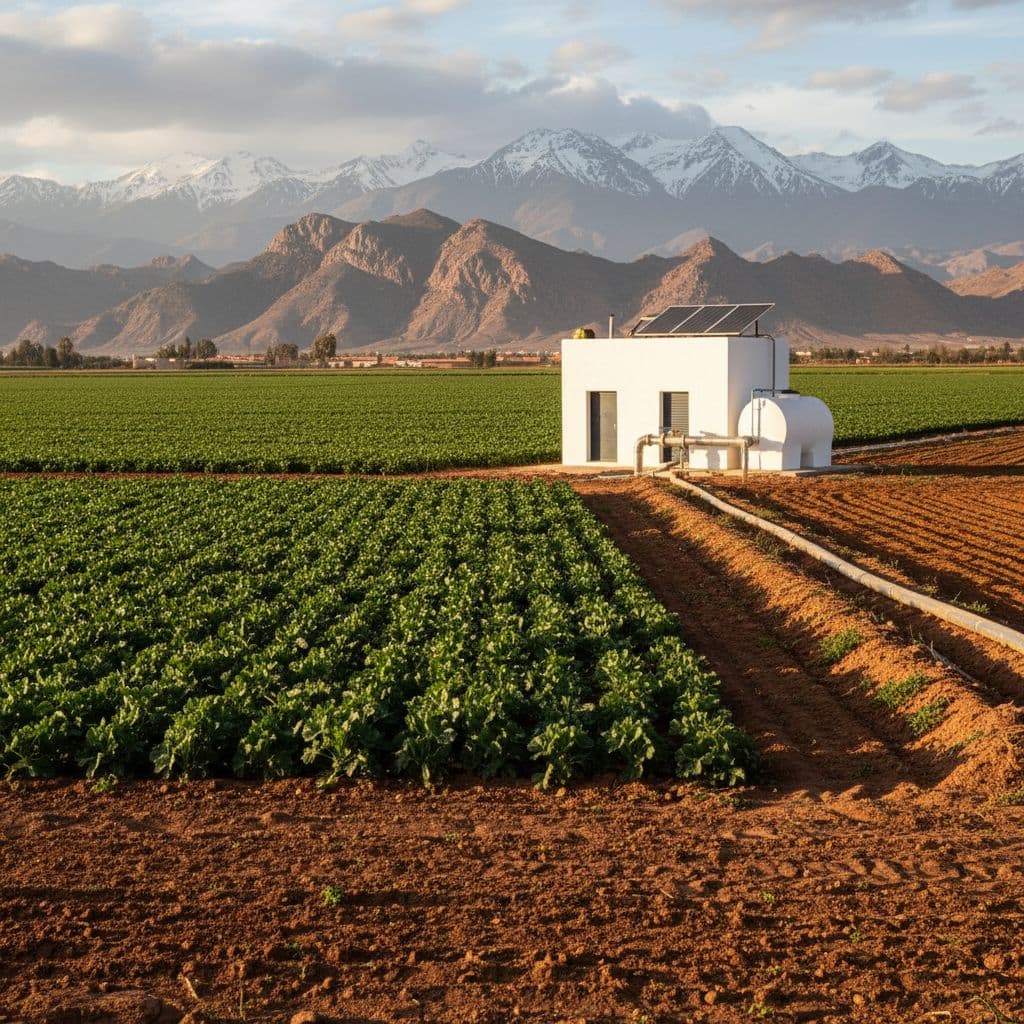
Agadir shows why coastal water security matters so much. The city and its surrounding farming belt depend on water that is already under strain, while tourism, homes, and agriculture all compete for the same limited sources. Coastal cities are especially exposed because they sit near the sea, yet they often have very little fresh water of their own.
The Agadir desalination project helps ease that pressure by adding a new source of water for both households and farming. It reduces demand on local aquifers, which is important because over-pumping can damage long-term supply and leave farmers with fewer options in dry spells.
That extra supply gives growers a safer margin during drought. It also helps keep water available for daily life in a region where every litre counts. In simple terms, the plant gives the coast a breathing space.
For a clear technical view of how this fits into Morocco's wider water planning, this study on desalination in Dakhla shows how new water projects can support both supply and local development.
Coastal desalination works best when it protects nearby groundwater, not when it simply adds another layer of demand.
Casablanca and the challenge of serving a large urban region
Casablanca is a different scale of problem. It is one of Morocco's biggest population centres, so a major desalination plant near the city matters for millions of people, not just one district. When a large urban region depends on a narrow mix of rivers, dams, and groundwater, any shortage spreads fast.
A plant near Casablanca strengthens the system by giving the city and nearby areas a more reliable back-up source. That matters for schools, hospitals, businesses, and homes, because water shortages in a large city quickly become public pressure.
It also improves security for the wider region around the city. If rainfall drops or demand rises sharply, desalinated water can help keep the supply network stable. In other words, the plant is not only about volume, it is about resilience.
For readers tracking broader water stress in the country, Morocco's growing water challenge gives useful background on why urban supply has become so tight.
Dakhla and water security in the south
Dakhla sits in a dry part of the country, where freshwater is scarce and supply can be fragile. That makes desalination more than a convenience. It becomes a basic support system for daily life, public services, and agriculture.
The Dakhla plant can supply drinking water while also supporting farming in a region that cannot rely on regular rainfall. That is especially important for crop growth, because stable water allows producers to plan ahead instead of reacting to each dry season. It also protects local groundwater, which is often the first source to suffer when demand climbs.
A steady supply changes how the south can develop. Farmers gain more certainty, households face less stress, and new economic activity becomes easier to support. For a region with scarce freshwater, that consistency is the real value.
Morocco's southern water plans are also tied to renewable energy and long-term development goals, which makes Dakhla a strong example of how water security Morocco can support both people and place.
The wider lesson is clear. These projects do not just make water available, they help decide which communities can grow, which farms can keep going, and which coastal areas can stay habitable as the climate gets harder to predict.
How sustainable desalination can protect ecosystems instead of harming them
Desalination often gets framed as a trade-off, but it does not have to be. When it is planned with care, it can give cities and farms a new water source while easing pressure on the rivers, springs, oases, and aquifers that keep Morocco's landscapes alive.
That matters because freshwater systems are not just supply lines. They are habitats, migration corridors, and the hidden support behind farming, tourism, and everyday life. A well-run desalination plant can help keep those systems fuller for longer, especially during dry years when every drop is pulled in too many directions.
Reducing stress on fragile freshwater habitats
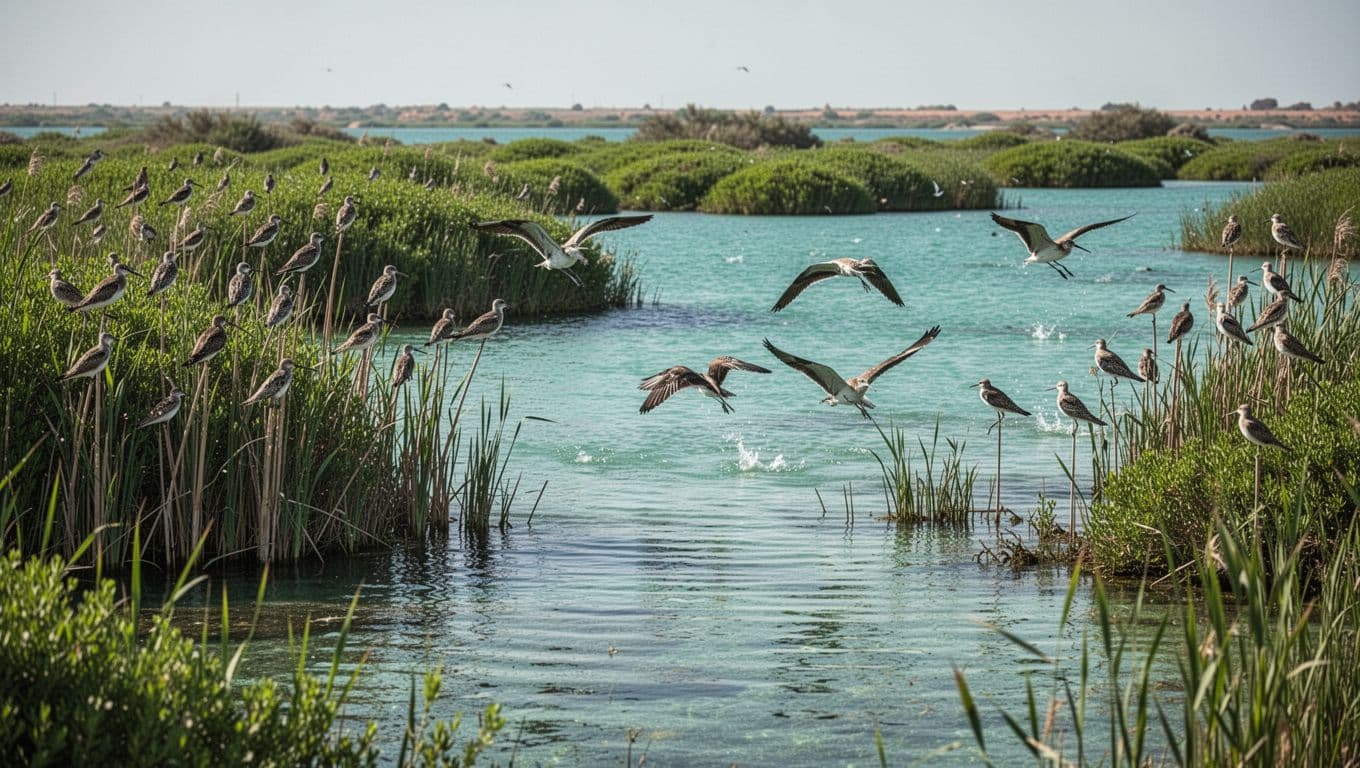
A new seawater source can act like a pressure valve for the land. Instead of drawing so heavily from rivers, springs, and groundwater, towns and resorts can shift part of their demand to the coast. That gives freshwater habitats more breathing space.
In Morocco, that protection matters for more than human use. Wetlands support birds, insects, amphibians, and plant life, while springs and oases keep dry zones green and productive. When water is overdrawn, those places shrink fast, and the damage spreads across the wider landscape.
Desalination helps break that cycle when it replaces, rather than adds to, freshwater extraction. Used well, it can support:
- River health, by leaving more flow in dry seasons
- Groundwater recovery, by slowing the pumping of aquifers
- Oasis survival, by easing competition for limited underground water
- Biodiversity protection, by keeping habitat conditions stable for wildlife
This is where water policy and nature protection meet. A healthier water system supports healthier soils, vegetation, and wildlife. For a broader scientific view, this review on desalination and the water cycle explains how desalinated water can support ecosystem recovery when it is paired with reuse and careful planning.
Managing brine and coastal impacts carefully
The environmental value of desalination depends on how the plant is built and run. Brine, the salty leftover water, needs proper handling because a careless discharge can harm marine life near the coast. The same goes for intake systems, which should be designed to reduce harm to small fish, larvae, and other sea organisms.
Good planning starts with the intake. A smarter intake sits in a lower-impact location, draws water more gently, and uses screens or slower flow rates to limit wildlife loss. After that, the brine needs to be diluted and released in a way that avoids heavy salt build-up in one spot.
A simple monitoring programme also matters. Operators should track:
- Salinity levels around the discharge area
- Water temperature and local currents
- Marine life health near the plant
- Chemical residues from treatment processes
Sustainable desalination is not just about making fresh water. It is about avoiding new damage while solving an old one.
The best projects treat the sea with the same care they give the land. Research on long-term brine management shows that careful intake choice, dilution, and science-based monitoring can keep impacts much lower over time. See this study on brine discharge and marine monitoring for a practical example of that approach.
When those safeguards are in place, desalination becomes part of ecosystem protection, not a threat to it. That is the standard Morocco needs if water security Morocco and sustainable tourism Morocco are going to grow together.
Why water security also supports sustainable tourism in Morocco
Tourism in Morocco depends on more than scenery and sunshine. It also depends on water that is clean, steady, and well managed. When supplies are secure, beaches stay pleasant, towns stay liveable, and nature-based destinations can keep welcoming visitors without draining the places they came to see.
That link matters across the country. From coastal resorts to oasis settlements and inland trails, water security protects the experience on the ground. It also helps keep local businesses open, which is why water security Morocco is now part of the wider case for sustainable tourism Morocco.
Protecting the places visitors come to experience
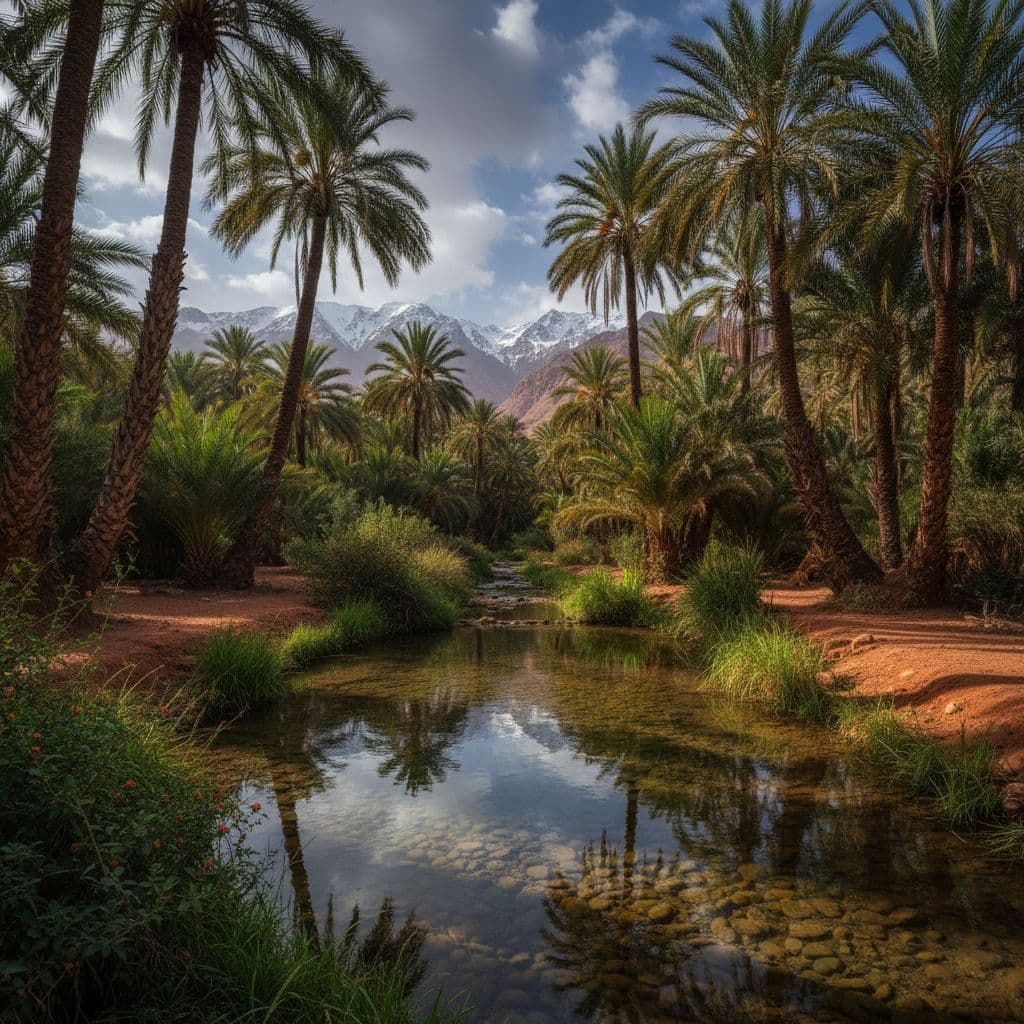
Water shapes the first impression of a destination. A clean beach, a shaded palm oasis, or a well-kept mountain village all look and feel different when water is scarce. If irrigation fails, palms dry out. If public supply is unreliable, litter and sanitation problems appear faster.
That is why desalination matters beyond cities. In coastal areas, it helps keep resorts, promenades, and public spaces in better condition. In oases and inland nature spots, it reduces pressure on springs and groundwater that support both people and wildlife.
For visitors, the result is simple. Landscapes stay greener, paths stay usable, and local services can meet basic needs without strain. That is also why Morocco's tourism planning must sit alongside the main goals of ecotourism, where conservation and community benefit go hand in hand.
A place can only welcome visitors for so long if its water base keeps shrinking.
Reliable water also supports the small details that shape a trip. Toilets work properly. Cafés can wash produce. Guides can run safe, comfortable excursions. Those basics matter because they turn a beautiful place into a place that feels cared for.
Helping eco-lodges, farms, and local businesses stay resilient
Eco-lodges and small guesthouses run on trust as much as bookings. Guests expect clean water for washing, cooking, gardens, and waste systems. If supply becomes erratic, operators face higher costs and more risk, especially in dry months. A steady water source gives them room to plan for the long term.
The same is true for farms that supply tourism businesses. Many lodges and restaurants depend on local fruit, vegetables, herbs, and olive oil. When water is available, nearby growers can keep producing, which keeps money in the area and shortens supply chains. That is a practical win for both sustainability and quality.
Community tourism also benefits. Guided walks, desert camps, and cultural stays work better when local households and cooperatives are not forced to compete with visitors for scarce water. Morocco has already shown how local enterprise can support livelihoods, such as through community-based tourism experiences, where the visitor economy depends on local capacity.
Reliable supply helps small operators do three things well:
- Plan ahead, instead of reacting to every dry spell.
- Use water-saving systems, such as efficient fixtures and reuse for gardens.
- Keep local sourcing alive, which supports farmers, drivers, guides, and craft sellers.
That is the real value of renewable energy desalination in a tourism economy. It does not just add water. It helps the whole local system stay upright when rainfall is low and demand is high.
Morocco's Morocco 2030 strategy will only hold if visitor destinations remain attractive, usable, and fair to the people who live there. Water security gives that strategy a solid base, because tourism cannot stay sustainable if the landscapes, farms, and communities behind it start to fray.
Can desalination help Morocco build a more resilient future?
Yes, if Morocco treats desalination as part of a wider water plan rather than a stand-alone fix. The country is already moving in that direction, with seawater plants, renewable energy, and irrigation reform pulling the same way. That matters because water security Morocco needs is about supply, but also about how wisely water is used on farms, in cities, and along the coast.
Morocco's Morocco 2030 strategy points towards a tougher, more disciplined water system. It is not only about making more water. It is about cutting waste, protecting soils, and giving farms and towns a better chance when rain is unreliable. That is where desalination fits, alongside efficiency, reuse, and better land management.
The role of agriculture, efficiency, and smart planning
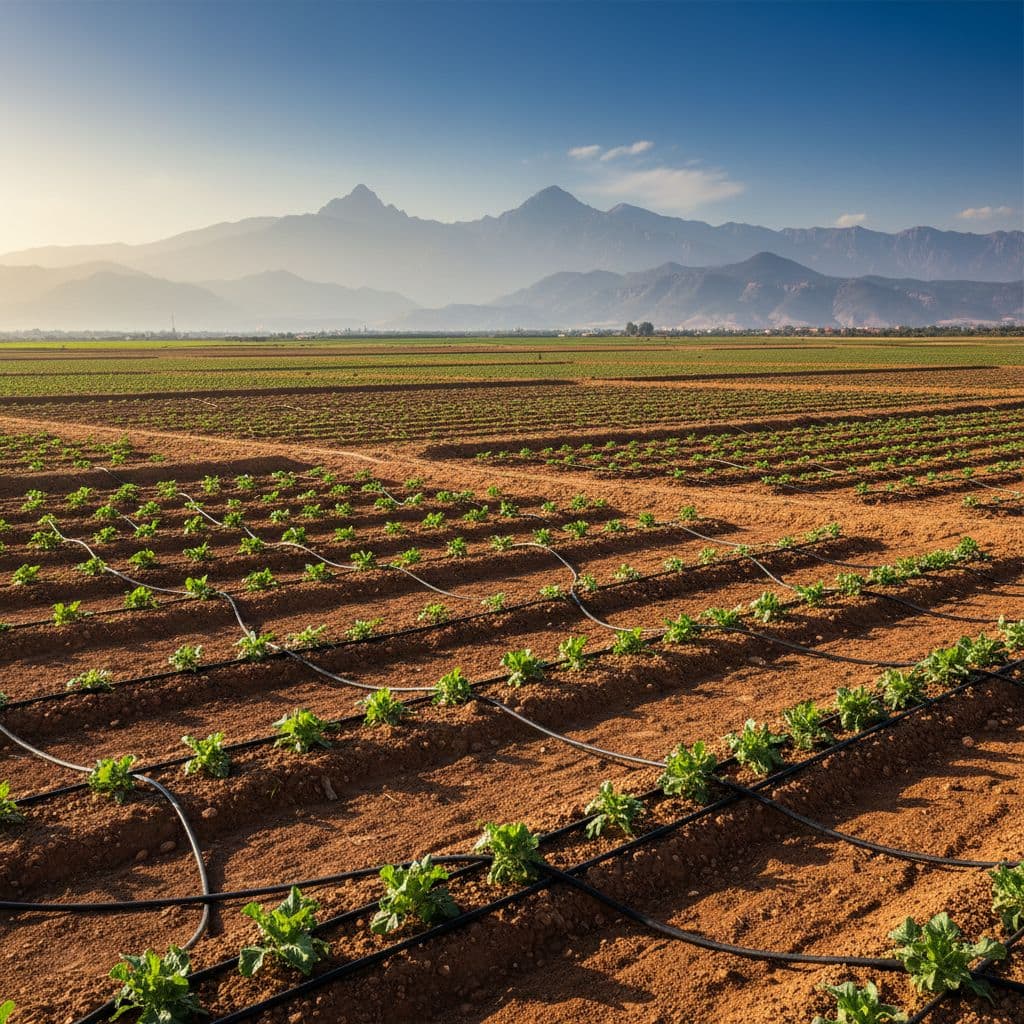
Agriculture uses most of Morocco's freshwater, so any serious water strategy has to start there. Producing more water helps, but it does not solve the whole problem if fields still lose too much through poor irrigation, weak canal systems, or bad timing. The real gain comes when desalination supports a farming model that uses less water per hectare and gets more value from every drop.
That is why drip irrigation, canal repair, and crop planning matter so much. Morocco's current direction, backed by its agricultural reform plans, is to expand modern irrigation, rehabilitate older schemes, and protect permanent crops that cannot simply be moved when drought hits. The World Bank's work on climate-resilient irrigation in Morocco shows how these reforms are tied to long-term food and water stability.
Reuse also has a place here. Treated wastewater can support landscaping, some farm uses, and non-drinking needs, which keeps higher-quality water for homes and drinking supply. Better land management matters too, because healthy soils hold moisture longer and reduce runoff. In practice, that means contour planting, soil cover, and careful crop choices can do part of the work that pumps and pipes alone cannot.
A water-smart Morocco will therefore look less like a country chasing every new source and more like one matching each use to the right kind of water. That is the difference between short-term relief and real resilience.
What a resilient Morocco could look like by 2030
By 2030, a more resilient Morocco could feel very different on the ground. Cities would have steadier supply, so schools, hospitals, hotels, and homes would face fewer disruptions during dry spells. Farms would have more dependable irrigation, especially in regions that depend on high-value crops and cannot afford repeated losses.
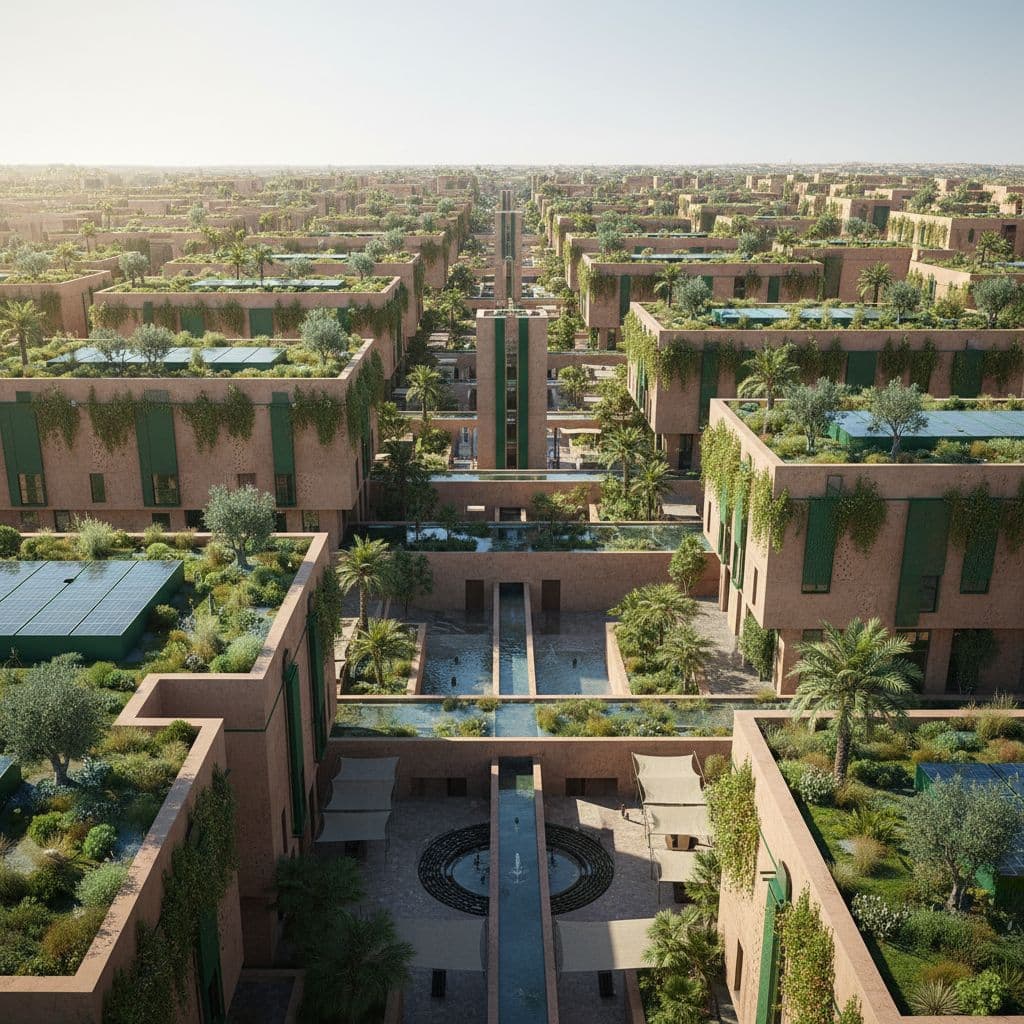
In that version of Morocco, aquifers would face less strain because coastal desalination would take pressure off groundwater. Rivers and wetlands would have a better chance of surviving dry years, since not every demand would fall on the same fragile sources. That gives ecosystems a bit more room to recover, even as the climate grows hotter and drier.
Tourism would also benefit. A dependable water base helps keep coastal towns, oases, and nature destinations attractive without draining the places people come to see. For sustainable tourism Morocco depends on, that means cleaner public spaces, healthier landscapes, and better living conditions for local communities.
The most convincing future is one where desalination, irrigation reform, and cleaner energy work together. Morocco does not need to choose between food, tourism, and ecosystems. It needs a system that gives each of them a fair share of water, without wasting the limited supply it already has.
The strength of Morocco's future water plan will be judged by what it protects, not just by what it produces.
For readers looking at the bigger picture of farming and water, Morocco's agricultural transformation shows how drip irrigation and modern farm practices are already reshaping the sector. The same logic applies to tourism and conservation, because a country with safer farms, steadier cities, and healthier ecosystems is also a country better placed to welcome visitors well.
If Morocco keeps aligning desalination with efficiency and land care, it can build a future that feels more stable, more productive, and more liveable. The question is no longer whether the sea can help. It is whether the rest of the water system is ready to make the most of it.
FAQ
These are the questions readers ask most often about Morocco desalination, water security Morocco, and the way both affect sustainable tourism Morocco depends on. The short answer is that desalination is giving Morocco more room to plan, but it works best when it sits alongside water-saving rules, renewable power, and careful coastal management.
Why is Morocco investing so heavily in desalination?
Morocco is investing in desalination because rainfall has become less reliable and pressure on rivers, dams, and groundwater keeps rising. Coastal plants give the country a steadier source of drinking water, which matters for cities, farms, and tourism areas that cannot afford repeated shortages.
The plan also fits the Morocco 2030 strategy, which links water supply with climate planning and long-term economic stability. As Smart Water Magazine reports, Morocco wants a far larger share of drinking water to come from desalination by 2030, and that shift is already reshaping how the country thinks about supply.
Does desalination help tourism, or only cities?
It helps both, because tourism depends on water more than many visitors realise. Hotels need water for rooms, kitchens, laundry, gardens, and waste systems. Coastal towns also need clean public supply if they want to stay attractive and functional during dry periods.
That is why renewable energy desalination matters for beach resorts, nature lodges, and oasis destinations. When water supply is more stable, local landscapes stay healthier, sanitation works better, and businesses can plan with less fear of sudden restrictions.
Is desalinated water expensive and energy-heavy?
Yes, desalinated water usually costs more to produce than conventional water, because the process needs pressure, membranes, maintenance, and power. However, the price becomes easier to manage when plants use solar or wind energy and when they reduce losses in the wider network.
Energy use is the main trade-off, so Morocco's cleaner power mix is important. A review of renewable energy for desalination shows why pairing the two can lower emissions and improve long-term viability. In plain terms, the water works best when the electricity behind it is cleaner too.
Can desalination protect nature as well as people?
It can, but only if it reduces pressure on freshwater habitats instead of adding to it. When coastal supply covers more demand, rivers, springs, wetlands, and aquifers get more breathing space. That helps wildlife, farmers, and communities that depend on those systems.
The risks also need care. Brine discharge, intake impacts, and local marine stress all need proper design and monitoring. A useful technical discussion is in this study on environmental impacts of seawater desalination in Morocco, which makes the point clearly, desalination is only as sustainable as the way it is built and run.
The best desalination projects do more than make water. They protect the land and sea that Morocco's future still depends on.
What is the biggest question for the future?
The real test is whether Morocco can match new water supply with smarter use. Desalination can support homes, tourism, and farming, but it will not solve wasteful irrigation or weak water management on its own. The country still needs efficient farms, careful urban planning, and strong environmental rules.
If Morocco gets that balance right, it can strengthen food supply and keep eco-tourism viable in the places visitors most want to see. That mix matters in a dry climate, because a destination only stays welcoming when its water base is stable. Share your view on how water security shapes sustainable tourism, and add your perspective in the comments to keep the discussion going.
Conclusion
Morocco's water shift is already changing the country's future. Sustainable desalination is helping protect drinking water supplies, ease pressure on rivers and aquifers, and give fragile ecosystems more room to recover.
The strongest version of this path depends on clean power, careful brine management, and steady water planning. When renewable energy desalination supports the Morocco 2030 strategy, it also strengthens water security Morocco needs for farms, cities, and the places visitors come to see.
That is why this story matters for sustainable tourism Morocco depends on. A stable water base keeps coastal areas, oases, and nature destinations liveable, while helping Morocco build a more climate-aware future.
Share your view on how water security affects sustainable tourism in Morocco, and leave your perspective in the comments.