
Regenerative Tourism: How You Can Restore Nature on Trips
Regenerative tourism is about leaving a place better than you found it, so your trip helps nature recover, supports local people, and protects the character of the destination. It goes further than sustainable tourism, which focuses on doing less harm, because it asks how your travel can actively repair and improve a place.
That shift matters because in 2026, you want more than a lower-impact holiday, you want travel with real purpose. When you choose trips that restore habitats, back local livelihoods, and respect culture, you get a richer experience as well as a lighter footprint.
The future of travel is not only about reducing damage, it's about creating visible good where you go.
If you want to see how that works in practice, the next section will show what regenerative travel looks like on the ground.
What regenerative tourism really means in everyday travel
Regenerative tourism changes the goal of your trip. You still want to tread lightly, but you also want to leave useful change behind. That might mean helping a habitat recover, supporting a family-run business, or adding value to a community that welcomes you.
In day-to-day travel, it shows up in small but practical choices. You might book a guesthouse that buys from nearby farms, join a beach clean-up, or choose a guide who works with local conservation projects. These choices may seem modest, yet they shift travel from passive consumption to active care.
How it differs from sustainable tourism
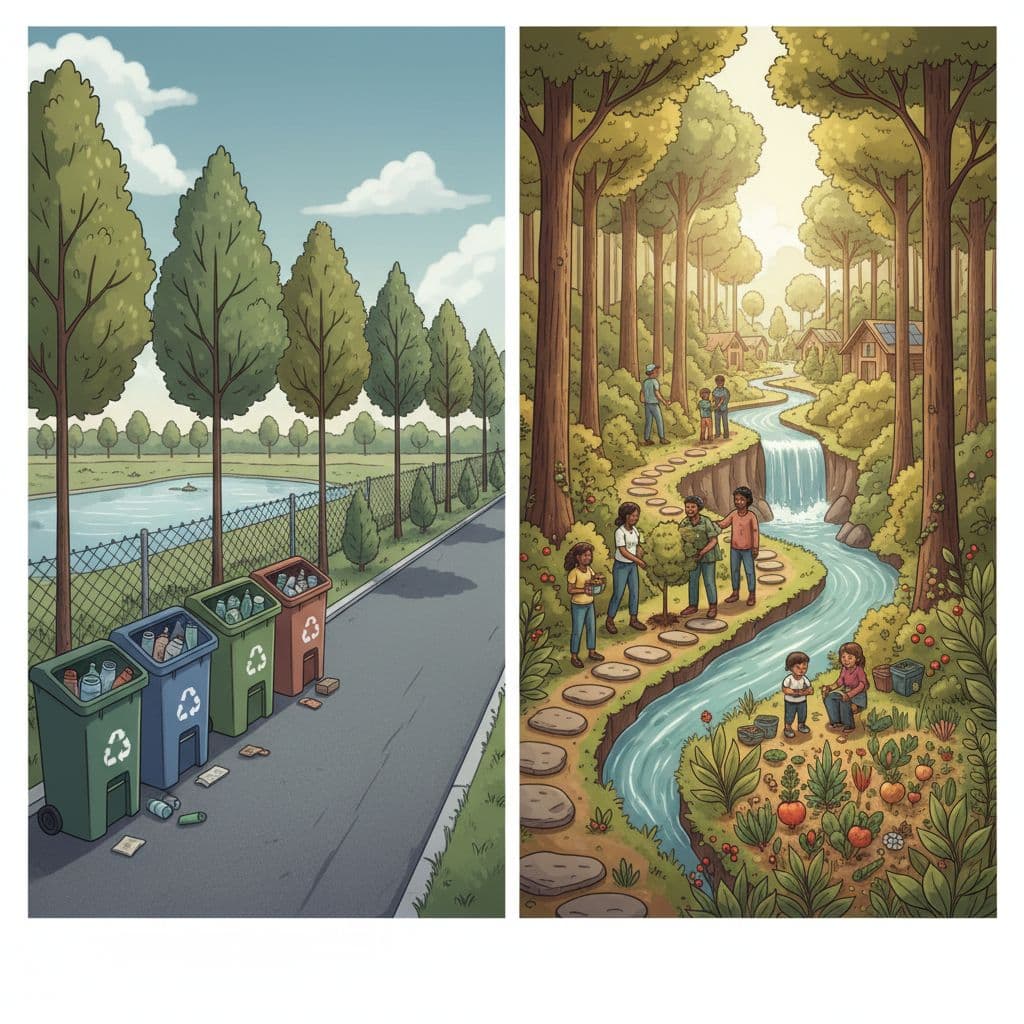
Sustainable tourism tries to reduce harm. Regenerative tourism goes further and helps a place recover. That difference matters because a low-impact trip can still leave a destination under pressure, while a regenerative one aims for a net positive result.
A simple example makes it clear. A hotel that cuts plastic use and saves water is practising sustainable tourism. A hotel that also restores native plants, funds local conservation work, and buys from nearby producers is moving into regenerative tourism. The first reduces damage. The second helps the place heal.
You can also see the difference in how money moves. Sustainable travel may focus on fewer emissions and less waste. Regenerative travel also asks where your spend goes, who benefits, and what gets stronger because you visited. If you want a wider view of how the concept is being defined, EarthCheck's regenerative tourism paper is a useful reference.
Why it matters for the future of travel
More travellers now want trips that feel ethical, local, and meaningful. That shift is not just about values, it is about pressure. Popular places can get worn down by too many visitors, too much waste, and too little return for residents.
Regenerative tourism offers a better path. It treats tourism as part of the solution, so your holiday can support habitat repair, local jobs, and cultural continuity. That matters in crowded national parks, coastal towns, and heritage sites where every extra visitor has an effect.
You do not need a grand expedition to take part. Choose local-owned stays, eat in family-run cafés, buy from makers in the area, and pick activities that protect wildlife rather than disturb it. Small choices add up, and they help turn travel into something that gives back instead of taking away.
The key principles that make travel restorative
Restorative travel works when your presence helps a place recover, not just cope. That means you look for trips that repair habitats, strengthen local livelihoods, and protect the feel of a destination.
The best journeys leave a trace you can see in healthier dunes, cleaner shorelines, stronger local businesses, and traditions that still feel alive. If your trip only avoids harm, it has missed the fuller point of regenerative tourism.
Leave the destination better than you found it
This is the central rule, and it has to be real, not symbolic. You want your visit to produce visible improvement, whether that means restoring native plants, helping a reef recover, or funding practical conservation work.
A good trip might include habitat clean-ups, tree planting, waste reduction, or volunteering with a local conservation group. On a coastal walk, that could mean removing litter from a dune system and protecting the plants that hold the sand in place. In a marine setting, it could mean supporting reef recovery work or choosing operators who contribute to habitat monitoring.
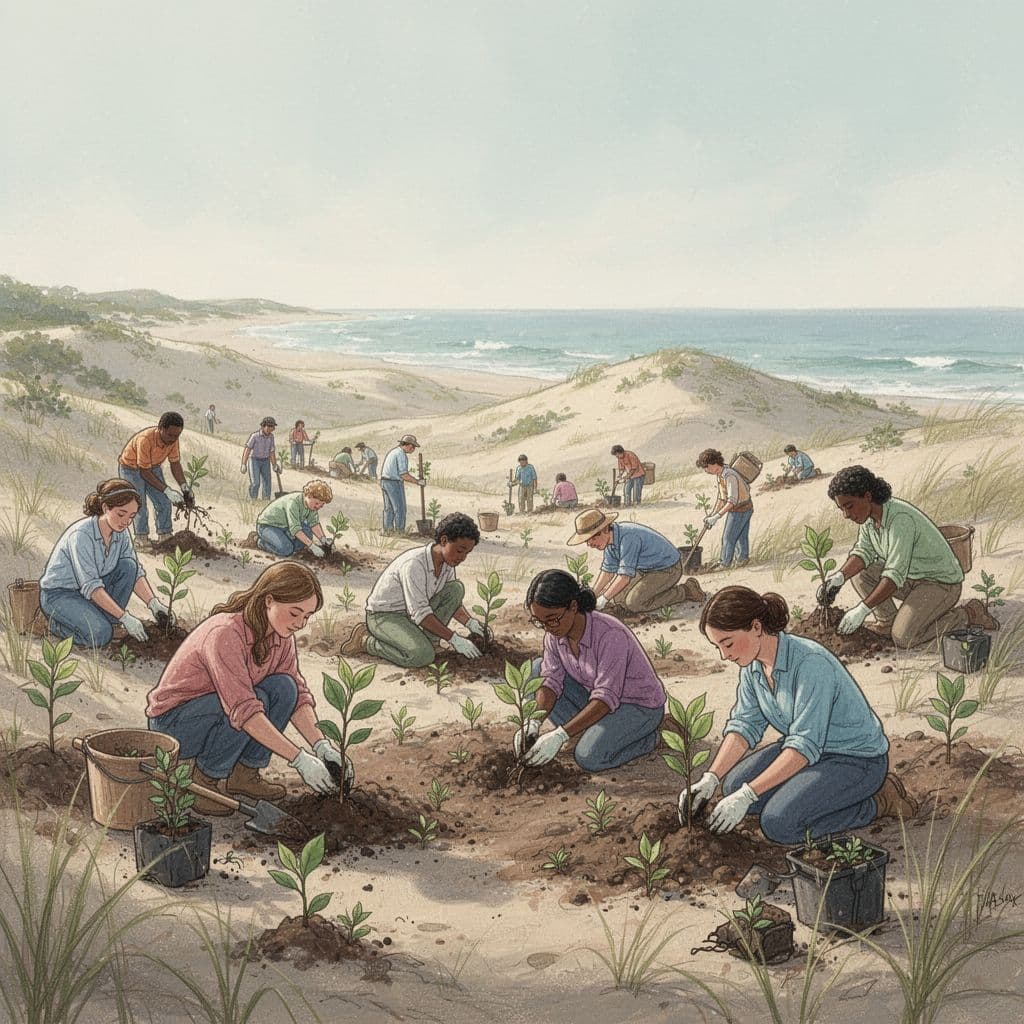
The point is not to feel virtuous for causing less damage. The point is to help the place heal in ways locals can measure and maintain. If you want a broader sense of how ecotourism links conservation with community benefit, see the main goals of ecotourism.
If the destination looks the same, or worse, when you leave, the trip has not been restorative.
Put local people at the centre
Restorative travel works best when residents shape it. They know what their area needs, what it can carry, and what should stay out of bounds. That means you should look for trips where local people have a real say, not just a smiling role at the edge of the brochure.
Fair pay matters here. So does local ownership, local hiring, and spending with nearby businesses rather than distant middlemen. When you book a family-run guesthouse, choose a local guide, or buy from a market stall, your money stays closer to home and has a better chance of supporting everyday life.
You can also check whether a trip feels community-led in practice. Ask who runs the tours, who sets the rules, and where the profits go. If the answer is vague, the experience may be more extractive than restorative.
The strongest models treat communities as partners. That also fits with what current regenerative tourism thinking says about shared decision-making and fair exchange, as outlined in this regenerative tourism framework.
Respect culture and build fair guest-host relationships
Culture should never be treated like a backdrop for your photos. It is the daily life of the people who host you, and restorative travel protects that life instead of reshaping it for your comfort.
You help by listening first. Learn a few local words, follow dress codes where they matter, and ask before taking photos of people or sacred places. When you buy crafts, join food experiences, or attend a festival, do it with care and curiosity, not as if the culture exists for performance.
Fair guest-host relationships are built on respect, not access. That means you value local customs, give people space to live normally, and avoid tours that turn tradition into entertainment with no context or consent. In practice, that could mean choosing an indigenous-led experience, booking a guide who explains the meaning behind local customs, or picking a destination that protects cultural heritage as well as nature.
Travel feels richer when you meet people as neighbours, not exhibits. You learn more, and the place keeps its dignity. If you want a useful starting point for planning greener trips, the best eco-friendly destinations in France are a good example of how responsible travel can also support local character.
The most restorative trips share one trait: they make your visit useful. You leave cleaner ground, stronger local networks, and a clearer respect for the people who call the place home.
What regenerative travel looks like in practice
Regenerative travel becomes real when you can point to a clear benefit after your trip. You are not just passing through, you are helping a place recover, strengthening local life, and leaving useful work behind. That can happen in a lodge garden, on a beach, in a village kitchen, or through the way your money moves.

The best examples are practical, not polished slogans. They reduce waste, protect nature, and put local people in charge of the parts of tourism that affect them most.
Ways travel businesses can restore nature
If you run, book, or support a travel business, start with the basics that have a visible effect. Cut energy use with efficient lighting, better insulation, and smarter heating and cooling. Reduce water waste with low-flow fittings, linen reuse, and leak checks that happen often, not once a year.
Plastic reduction matters too. Replace single-use items with refillable dispensers, bulk supplies, and reusable serviceware. Add composting for food waste, then use that compost in gardens, tree planting, or local soil-restoration work.
Cleaner power should come next where it is possible. Solar panels, renewable tariffs, and lower-carbon transport options all help. So does choosing local suppliers, because shorter supply chains usually mean less waste and more money staying nearby.
The strongest businesses also support habitat recovery directly. That might mean funding dune planting, restoring wetlands, protecting native species, or joining local conservation groups on practical projects. According to Regenerative Travel's solutions report, this works best when regeneration is part of the whole business, not a side project.
Honest tracking matters as much as good intentions. If you claim to be regenerative, you need proof that local people benefit and nature improves.
Measure what you can, then publish it clearly. Track energy, water, waste, carbon, local spending, and community feedback. If the numbers do not improve, adjust the plan. That is how you avoid greenwashing and build trust.
How travellers can make a positive difference
You do not need to overhaul your whole trip to travel more regeneratively. Small choices add up when you repeat them. Pack light, because less weight usually means less fuel use and less waste from over-purchasing.
Carry a refillable bottle and a reusable cup. Stay in locally owned places where your spend supports the community directly. Eat local food, because it cuts supply miles and gives you a better sense of place.
Choose low-impact activities that respect wildlife and land. A guided walk, a kayak trip, or a farm visit often does far less harm than high-speed or high-volume experiences. If you want to help more, join a clean-up, a tree-planting day, or a conservation project that is organised by local people.
A good rule is simple. Ask yourself whether your booking helps the destination, or only uses it. When you choose carefully, your holiday becomes part of the repair work.
Examples of trips that give back
Some of the best regenerative trips are built around community tourism. You stay with local hosts, eat local meals, and join activities that support the area instead of draining it. A good example is community tourism trips in Mexico and Central America, where visitors can learn directly from communities and spend money where it matters most.
Wildlife-friendly holidays are another strong example. These trips keep a respectful distance from animals, use trained guides, and support habitat protection rather than disturbance. You see more when the experience is slower and better managed, because the trip is built around observation, not control.
You will also find stays that fund local conservation. A lodge might support ranger patrols, native planting, or marine protection through each booking. These models work best when the conservation work is local, visible, and tied to the place you are visiting.
The clearest signs usually show up in real outcomes, not glossy promises. If you want inspiration, the ecotourism success stories page shows how responsible travel can support people and nature at the same time.
The pattern is simple. Regenerative travel works when the trip leaves stronger habitats, steadier income, and more respect between host and guest. That is the standard to look for, whether you are booking a weekend break or planning a longer journey.
Why nature restoration is good for people as well as places
When you restore nature, you do more than fix a landscape. You also strengthen the people who live, work, and travel there. Healthy forests, wetlands, reefs, and trails support local life in practical ways, so nature recovery becomes a people issue as much as a place issue.
That link matters in regenerative tourism. If a destination is healthier, it usually has better jobs, stronger food systems, and a more stable sense of identity. You notice it in the way a place feels, and you see it in the way people welcome visitors with more confidence.

The link between healthy nature and healthy communities
Tourism depends on living landscapes. You want wildlife to be present, paths to be safe, water to be clean, and local services to be working well. When those pieces hold together, visitors come back, and local people have more ways to earn a living.
Restoration helps keep that cycle going. A restored wetland can support birds, fish, and flood protection. A replanted hillside can reduce erosion and protect farms. A cleaner shoreline can help fishing, walking routes, and small guesthouses at the same time.
That is why nature recovery is not a side issue for tourism. It supports the basics of daily life. Local guides get more work, food producers have steadier demand, and artisans can sell to visitors who stay longer and spend more thoughtfully.
You can see this in nature-based tourism projects around the world. The World Bank has reported that tourism near protected and restored areas can support local incomes across hotels, food services, transport, and retail, especially when money stays in the community through local ownership and supply chains. In plain terms, when nature improves, the local economy often does too. World Bank research on nature-based tourism gives a clear picture of that link.
A healthy destination is easier to visit, easier to enjoy, and easier to build a livelihood around.
The social benefits matter as well. When local people help restore their own area, they often feel more pride and control. That sense of ownership can make communities stronger, because the land is no longer just scenery for visitors. It becomes a shared asset with real value.
How restoration can improve the visitor experience
You probably want more from a trip than a pleasant view. You want meaning, honesty, and a real sense of place. Restored places often deliver that better than damaged ones, because they feel alive rather than worn down.
Wildlife is usually the first thing you notice. Recovered habitats bring back birds, pollinators, marine life, and native plants, so your walk, boat trip, or lodge stay feels richer. Instead of seeing a stripped-back landscape, you experience movement, sound, and colour.
The story of the place also changes. A restored beach or forest has a history you can feel. You are not only looking at a pretty scene, you are seeing effort, care, and repair. That gives your trip a stronger memory, because it connects you to people who have worked to protect the place.
This is where regenerative tourism feels different in practice. You may still relax, take photos, and enjoy the setting, but you also get a deeper connection. The visit feels earned, and the place feels respected.
Restoration can also improve simple comforts. Cleaner water, better trails, more shade, and less erosion make outdoor time easier and safer. For you, that means fewer frustrations and more chances to stay present in the moment.
The experience often feels more personal too. A local guide can explain how an area was restored, what species returned, and how the community helped. That kind of story stays with you longer than a generic scenic stop. It turns your trip into something you remember for the right reasons.
For a broader view of how nature recovery supports both land and livelihoods, the WWF factsheet on nature restoration benefits is a useful reference. It shows how ecological repair can create economic value as well as environmental gains.
If you choose trips that help nature recover, you also choose trips that support real people. That is the heart of regenerative travel, and it is what makes the experience feel fuller, more honest, and more rewarding.
The challenges you need to watch out for
Regenerative tourism sounds simple on paper, but the real world is messier. You may see big promises, neat branding, and glossy photos, yet the actual impact can be thin or even harmful.
The good news is that you can spot the warning signs early. When you know what to look for, you can choose trips that restore nature for real, rather than just borrowing the language of care.

How to spot empty green claims
Empty green claims usually sound polished but feel thin once you look closer. You might see words like "eco-friendly", "earth conscious", or "regenerative" with no details behind them. That is a warning sign, because real action leaves evidence.
Look for the basics first. Does the business show how it cuts waste, protects wildlife, or supports local people? If you only see vague promises, then you are probably looking at marketing, not proof.
A trustworthy operator should be able to name its actions clearly. For example, it might explain where its energy comes from, how it handles water use, or which local projects it funds. Good signs also include local partnerships, third-party certification, and public reporting that you can check yourself.
The Which? guide to greenwashing in travel is useful here, because it shows how quickly vague claims fall apart when you ask for evidence. You can also compare what a company says with guest reviews and on-the-ground details.
If a claim sounds good but never names a method, a partner, or a result, treat it with caution.
A quick way to judge credibility is to ask three simple questions:
- What exactly are they doing?
- Who checks the result?
- How do local people benefit?
If the answers stay fuzzy, move on. Real regenerative travel is measurable, local, and honest.
Why one-size-fits-all tourism solutions do not work
Regenerative tourism only works when it fits the place. A mountain village, a coastal reserve, and a city heritage district each have different needs, pressures, and limits. Copying the same model everywhere usually misses the point.
What helps one destination can harm another. A project that suits a well-resourced resort may fail in a remote community with fewer staff, lower budgets, and fragile infrastructure. That is why the best trips are shaped by the local ecosystem, local culture, and local priorities.

You should favour projects that grow from the ground up. These are usually led by residents, built around local knowledge, and adapted to the land itself. They may focus on wetland repair, trail protection, cultural heritage, or wildlife recovery, depending on what the destination actually needs.
That flexibility matters because regenerative tourism is still taking shape. As recent global commentary on the topic has shown, there is no single fixed model, and that makes local design even more important. It also means you should be wary of packages that look neat but feel generic.
In practice, place-based tourism often has a few clear signs:
- It works with local guides, growers, and community groups.
- It responds to a real environmental need in that area.
- It explains why the project belongs there, not just anywhere.
The strongest projects feel rooted, not imported. They respect the land they use, the people who live there, and the limits of the place itself.
The bigger risk behind the branding
The hardest part is that bad projects can still look attractive. A well-designed website, a few nature photos, and a green label do not tell you whether the trip restores anything at all. So you need to look beyond the surface.
Ask what changes because you visited. If the answer is only "we care about the planet", that is too thin. If the answer includes restored habitats, local jobs, lower waste, or clearer community control, then you are closer to something real.
When you check the details, you protect your money and the places you care about. That is the difference between a trip that sounds good and a trip that truly gives back.
How you can choose trips that truly help
Choosing a regenerative trip is less about chasing a label and more about checking what your booking actually supports. You want a holiday that gives back to nature, local people, and the place itself, not one that just uses the right language.
A good trip feels rooted in its setting. It hires locally, protects wildlife, respects culture, and leaves some lasting benefit behind. If you ask the right questions early, you can sort the genuine offers from the glossy ones much faster.

Questions to ask before you book
Start with simple questions that cut through the sales talk. You don't need a long checklist, just a few clear prompts that tell you whether the trip is truly place-led.
Ask whether the business hires locally, works with the community, and pays fair rates. Find out if it supports conservation directly, respects wildlife, and avoids activities that disturb animals or damage habitats.
A useful set of questions sounds like this:
- Do you hire local guides, drivers, and staff?
- Do local people help design the trip?
- How does this booking support conservation?
- Do you work with community projects?
- How do you protect wildlife on tour?
- Who benefits from my money?
If the answers are vague, that says a lot. If the business can explain its impact clearly, with examples and numbers, you're on firmer ground. For a deeper look at how operators should answer these questions, Regenerative Travel's guidance on impact is a useful benchmark.
Small habits that make your trip more regenerative
Once you've booked well, your own habits matter too. The way you travel can either support a place or place extra pressure on it.
Keep waste down by carrying a refillable bottle, refusing single-use items, and choosing places that sort rubbish properly. Stay on marked paths, because one shortcut can damage fragile ground, slow plant recovery, or disturb nesting areas.
Respect sacred places and local customs without turning them into a photo backdrop. Ask before taking pictures of people, ceremonies, or homes, and accept a "no" without fuss.
Choose wildlife experiences that put the animal first. That means distance, quiet, and trained guides who know when to step back. If a tour promises close contact, feeding, or touching, walk away. You should leave with better memories, not a worse habitat.
A few small choices can change the tone of your trip:
- Walk where the trail already exists.
- Buy from local makers rather than big chains.
- Use less water and electricity.
- Slow down and stay longer in one place.
- Book experiences that support restoration, not disturbance.
The best trips feel lighter because you're paying attention. You move with the place, not over it, and that makes every day more meaningful.
FAQ
You may still have a few practical questions before you book a regenerative trip. That makes sense, because this style of travel only works when you understand what real impact looks like. Use the answers below to spot better options and avoid glossy claims that do little for nature or local people.
What is regenerative tourism in simple terms?
Regenerative tourism is travel that helps a place recover while you are there. It goes beyond reducing harm and asks how your trip can support healthier habitats, stronger communities, and more local control.
A regenerative trip might support native planting, habitat repair, clean water work, or community-led conservation. It also puts local people at the centre, so the benefits stay close to home. In other words, you are not just visiting a place, you are helping it grow better.
How is it different from sustainable tourism?
Sustainable tourism tries to lower the negative effects of travel. Regenerative tourism goes a step further, because it aims for a visible positive outcome.
That difference matters. A sustainable hotel may reduce waste and save energy, while a regenerative one may also restore land, fund conservation, and source more from nearby businesses. If you want a clear explanation of how this works in practice, Green Initiative's regenerative tourism FAQ is a useful place to compare the two ideas.
If a trip only claims to be "less bad", it is sustainable at best. If it helps nature recover, it starts to become regenerative.
Can you really help nature restore on a holiday?
Yes, you can. Your choices matter when they support the right people and the right projects.
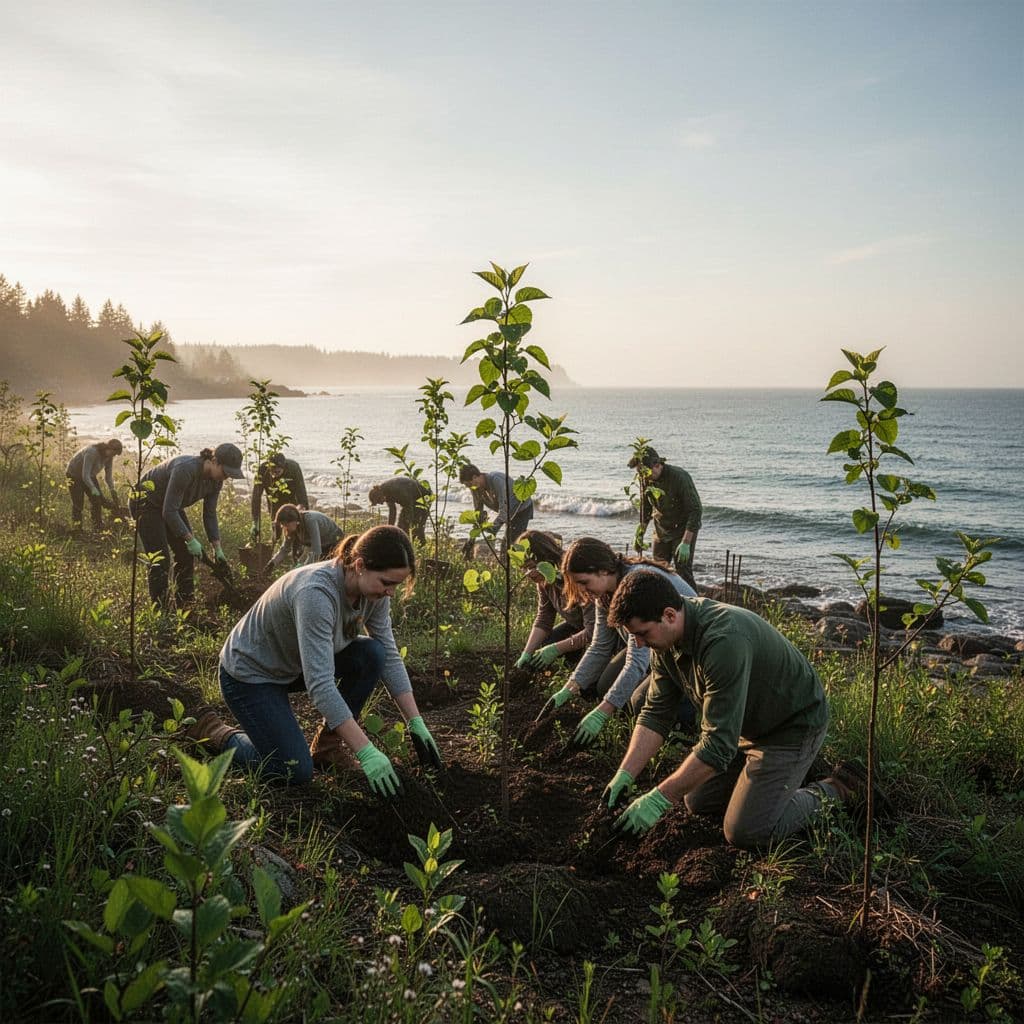
You might pay for a guided habitat restoration activity, choose a lodge that funds local conservation, or stay with a host who buys from nearby farms. You can also join beach clean-ups, trail care days, or native tree planting where the work is led by local experts. These actions are small on their own, but they add up when more travellers choose them.
How do you know if a trip is truly regenerative?
Look for evidence, not just appealing words. A genuine trip explains what it restores, who benefits, and how results are checked over time.
Before you book, ask whether local people helped shape the project, whether the business tracks its impact, and whether the conservation work has clear outcomes. Be wary of broad claims with no detail. Real regenerative travel feels specific, local, and measurable, which is exactly what keeps it honest.
What types of trips fit this approach best?
You do not need to book an extreme expedition to travel this way. Regenerative tourism can fit a coastal stay, a village visit, a wildlife trip, or a cultural holiday.
The best matches usually include local ownership, nature care, and fair spend in the community. A community-led lodge, a farm stay, a wildlife guide who supports habitat protection, or a heritage experience that funds local projects all fit well. The key is simple, your visit should leave something stronger behind than it found.
Conclusion
Regenerative tourism gives you a clearer way to travel, because it asks your trip to leave a place better than it found it. When you choose journeys that restore habitats, support local livelihoods, and respect culture, you help nature recover while your travel feels more meaningful.
That is why this approach is fast becoming the future of travel. It brings together healthier places, stronger communities, and better trips for you, with real value that lasts after you go home.
What's your experience with eco-friendly travel? Share your thoughts, and reflect on the choices you make next time you book, because your decisions can help shape a more responsible way to travel.