
You arrive at a low-cost Travelodge after a day on the road, drop your bag beside the bed and feel the relief of having somewhere clean and warm to sleep. With your budget already stretched, choosing a more sustainable stay might seem like another expense, yet affordable travel and lower-impact travel can sit comfortably together.
Your biggest environmental choices often happen before check-in: how you reach the hotel, how many nights you stay and what you use during your visit. Travelodge's Better Future plan offers a useful case study, with targets covering energy, water, waste and carbon, including a long-term goal to become a net-zero business by 2050. However, these figures come from Travelodge's own reporting, and facilities or sustainability measures can differ between hotels, particularly between newer buildings and older properties.
You don't need a perfect eco-holiday or expensive equipment to make a difference; a few practical choices can reduce waste and keep costs under control. Start with the decisions that shape your journey before you collect the room key.
Eco-Budget Travel: How to Turn Your Travelodge Stay Into a Sustainable Journey
A sustainable Travelodge stay depends on more than what happens inside your room. Your transport, length of stay and everyday choices all shape the trip, while the hotel's design can reduce energy, water and waste behind the scenes.
Travelodge's Better Future plan is built around three pillars: Inclusive, Caring and Conscious. Its stated long-term goal is to become a net-zero business by 2050. However, these commitments don't make every stay impact-free, and individual hotels may have different equipment and standards.
What Travelodge's Better Future plan means for your stay
Hotel-wide improvements may be invisible during check-in, but they can affect how much energy and water the building uses. Travelodge says smart temperature, heating and lighting controls operate in more than 500 hotels. Solar photovoltaic panels are also installed at 22 properties, while the company reports that 97% of refurbishment waste is diverted from landfill.
You may notice practical features such as LED lighting, motion sensors, aerated taps and showers, or heating that adjusts more efficiently. Some refurbishments also include recycled materials, helping to reduce the demand for newly manufactured furnishings and fittings.
Newer or upgraded hotels are more likely to include these measures. Travelodge's London Chiswick case study describes a fully electric hotel with an EPC A rating, BREEAM Excellent standards, low-energy lighting, motion-sensing controls and roof-mounted solar panels.
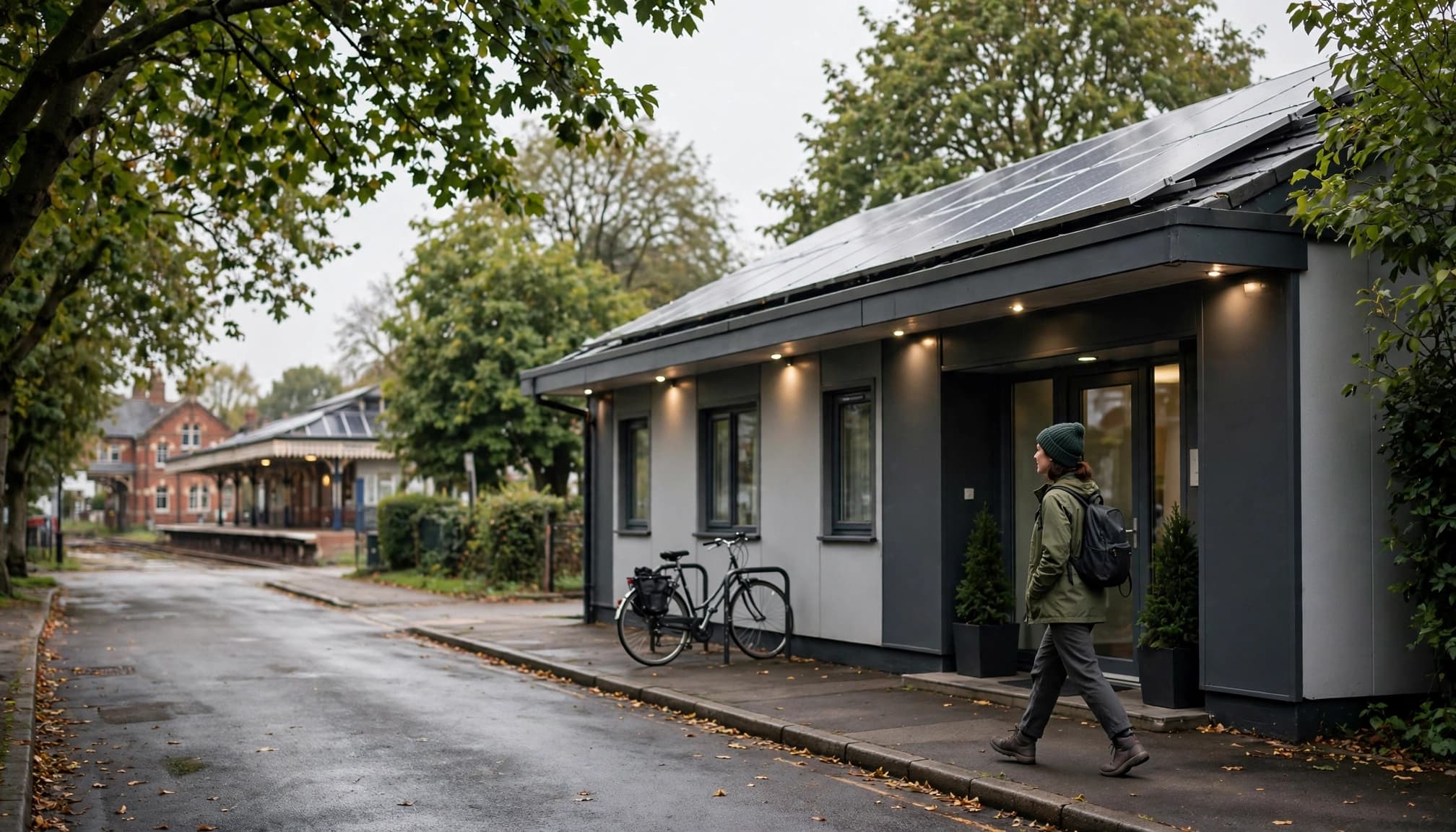
Before booking, check the individual property rather than assuming every Travelodge offers the same setup. The Travelodge sustainability information can provide useful context, but the hotel's own listing or reception team is the best place to confirm specific facilities.
Why the journey matters as much as the room
A cheap room can lose much of its environmental benefit if you drive alone for several hours to reach it. Compare the whole journey before booking, including the distance to the hotel from the station and your local travel after arrival.
For rail routes, check National Rail. National Express and Megabus may offer practical coach alternatives, while Transport for London and local public transport services can help with the final connection. Walking, cycling or car-sharing may work well for shorter trips.
Check current fares, routes and availability before you commit. A slightly more expensive room near reliable public transport can be a more responsible and cheaper choice once petrol, parking and tolls are included.
Plan an Eco-Friendly Budget Hotel Stay Before You Book
Your most useful sustainability decisions happen before you reserve the room. Compare the full cost of getting there, check what the individual property offers, and pack only what helps you avoid unnecessary waste.
Choose the hotel location that cuts both cost and emissions
A lower room rate can become expensive when the hotel sits far from a station or town centre. Add petrol, parking, taxi fares and extra travel time, then consider the emissions from each journey after check-in.
Before booking, check the walking distance to a railway station, coach stop, bus route, town centre and useful local services. A hotel that lets you walk to dinner or a nearby attraction can reduce daily taxi trips. Local transport information may also reveal whether you can manage the whole stay without hiring a car.
For example, you might pay slightly more for a central Travelodge beside a rail connection. That could cost less overall than choosing a cheaper room that needs a taxi from the station, another taxi to dinner and further transfers during your stay. Compare the total trip cost, not just the nightly rate.
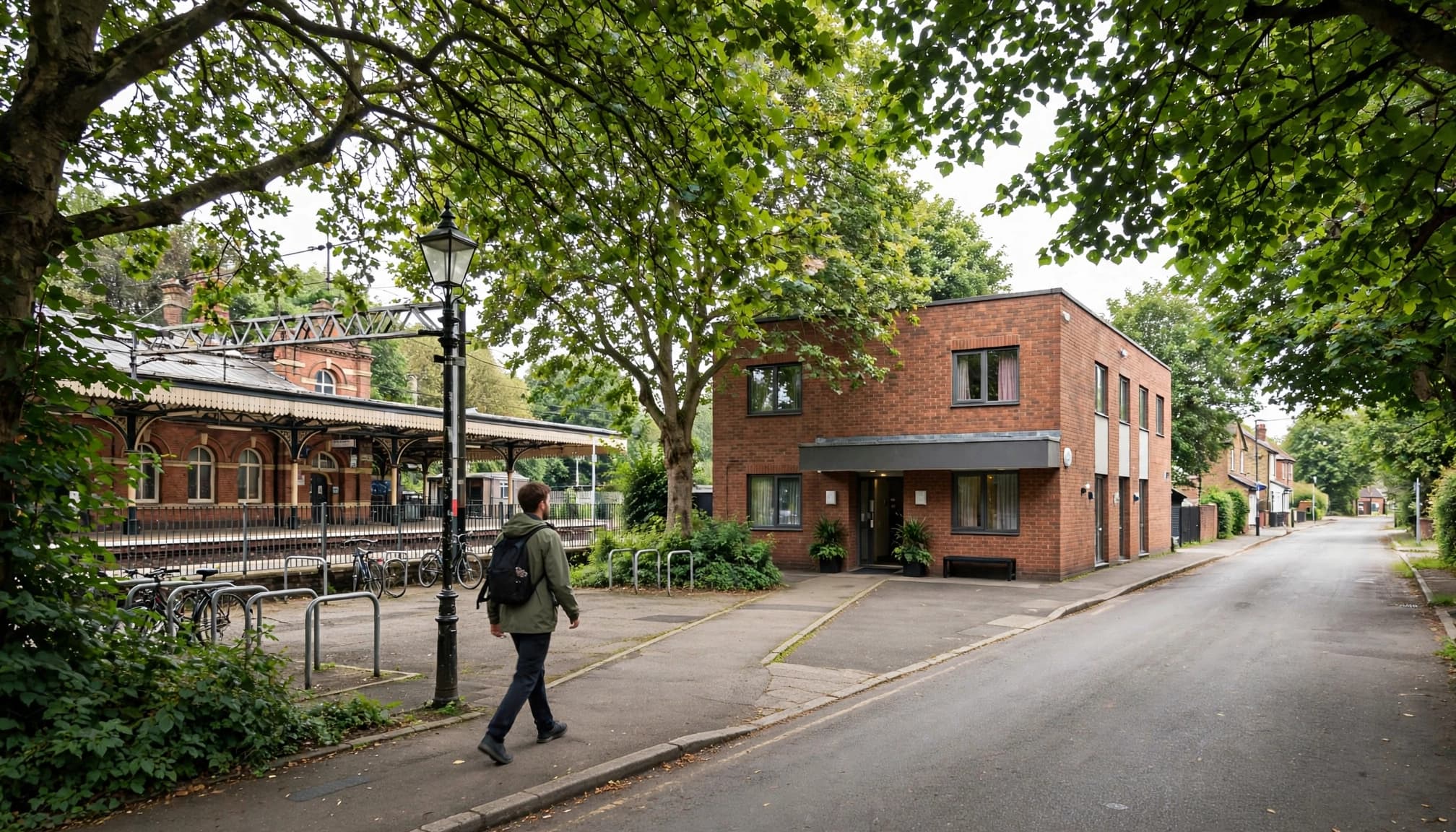
Flexible booking can help you choose a better-connected property without paying a premium. If your plans allow it, travel outside peak periods, when fares and room rates may be lower. Staying several nights can also make more sense than making repeated short journeys, especially when you choose attractions close to the hotel.
Ask useful questions about the property before arrival
Travelodge's official sustainability information describes measures across its estate, but public commitments don't prove that every room has identical fittings. A newer or recently upgraded hotel may have modern energy and water controls, although you should treat that as a possibility, not a guarantee.
Use the official hotel listing or contact the property directly before you book. Ask whether:
- The building is newly built or recently refurbished.
- A railway station, bus route or coach stop is within an easy walk.
- Food recycling is available at that hotel.
- You can choose less frequent housekeeping or linen changes during a longer stay.
Travelodge says food recycling has been introduced in all its Bar Café hotels, but the individual property can confirm what guests will actually see.
Pack lightly and bring the reusable basics
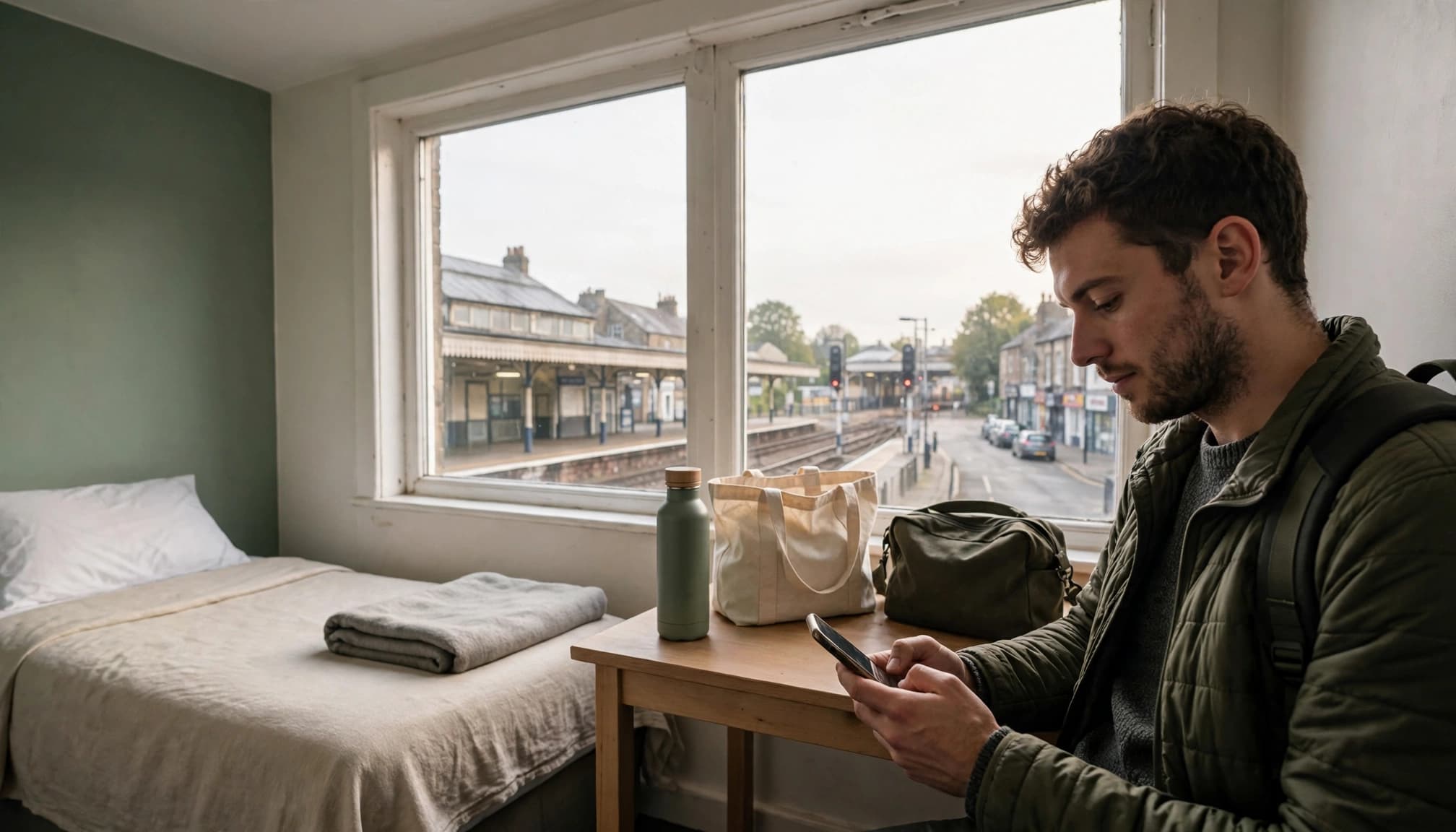
A small refillable water bottle, reusable coffee cup and foldable tote bag can cover many everyday needs. Add a compact wash bag and a small container for snacks if they fit comfortably in your luggage.
Packing light also makes train, coach and walking journeys easier. You can lift your bag without help, avoid extra car space and move between connections more comfortably. Still, you don't need to bring specialist equipment or remove every single-use item. Choose a few reusable basics you already own, then let convenience guide the rest.
Make Your Travelodge Room Use Less Energy and Water
Your room can stay warm, bright and comfortable without running equipment when you don't need it. Small habits, such as closing the window before turning on the heating, help reduce waste without making your affordable hotel stay feel restrictive.
Use heating, cooling, and lights without wasting energy
Set the thermostat to a comfortable temperature, then leave it there rather than making repeated adjustments. If you feel too warm, try removing a layer or opening the curtains before changing the heating. When heating or cooling is running, keep the windows closed so treated air doesn't escape.
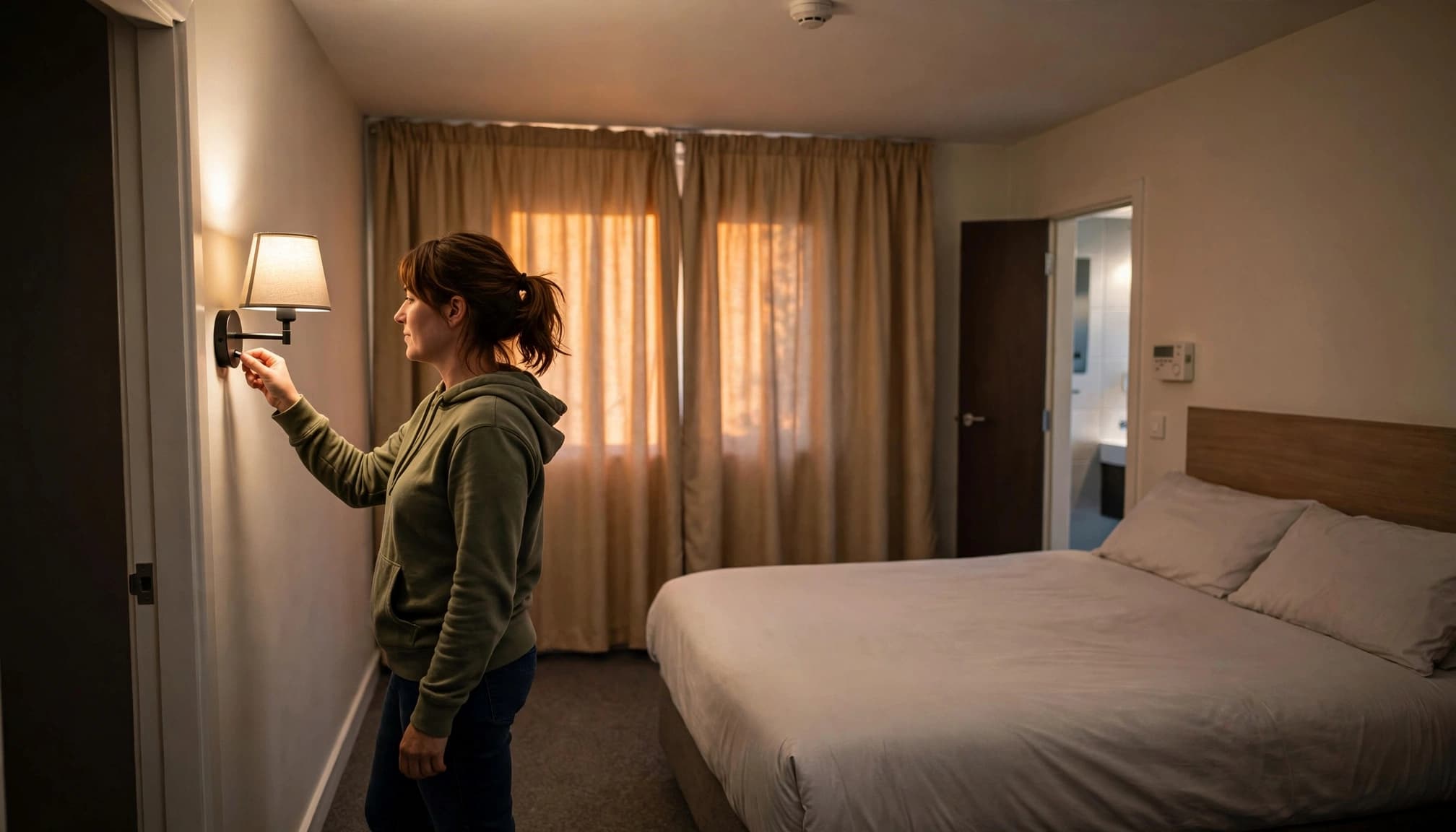
Motion sensors may control lights or other equipment in some Travelodge rooms. Let them work as intended, rather than covering, moving or repeatedly triggering them. If you switch on a lamp, bathroom light or other fitting manually, turn it off when you leave the room. You don't need to sit in the dark, and you don't need to stop using heating altogether. The useful habit is to match energy use with your presence.
Cut water use without making your stay harder
A shorter shower can save water while still giving you time to wash comfortably. Turn off the tap while brushing your teeth, shaving or applying toiletries, then turn it on again when you need it. If a tap drips, the toilet keeps running or a control doesn't work properly, tell reception promptly. A small fault can waste water throughout the day.
Travelodge reports that its average water use fell by 3 litres per guest, equivalent to annual savings of 66,543 cubic metres. Its sustainability information also describes aerated showers and taps, which mix air into the flow and can help maintain comfortable pressure with less water.
These fittings are reported in newer or upgraded properties, so don't assume every room has the same equipment. Even where they are installed, your own habits still matter.
Reduce laundry and housekeeping in a way that suits you
If your room doesn't need a daily refresh, declining an available housekeeping visit can reduce water, electricity, cleaning products and the transport involved in laundry and servicing. The same applies to towel or linen changes when the property offers a choice.
Check the instructions in your room or ask reception what options apply at that hotel. Travelodge properties may not offer identical housekeeping arrangements, and a universal towel programme hasn't been confirmed. Prioritise hygiene, accessibility and comfort first, especially if you need fresh linen, extra towels or regular support during a longer stay.
Eat Locally, Travel Slowly, and Spend Your Holiday Budget Well
Your Travelodge stay becomes more sustainable when you treat the surrounding area as part of the holiday. Walk to a café, market, park or museum where practical, rather than taking a taxi for every short journey. You will spend less, notice more and keep your car parked.
Turn public transport and walking into part of the experience
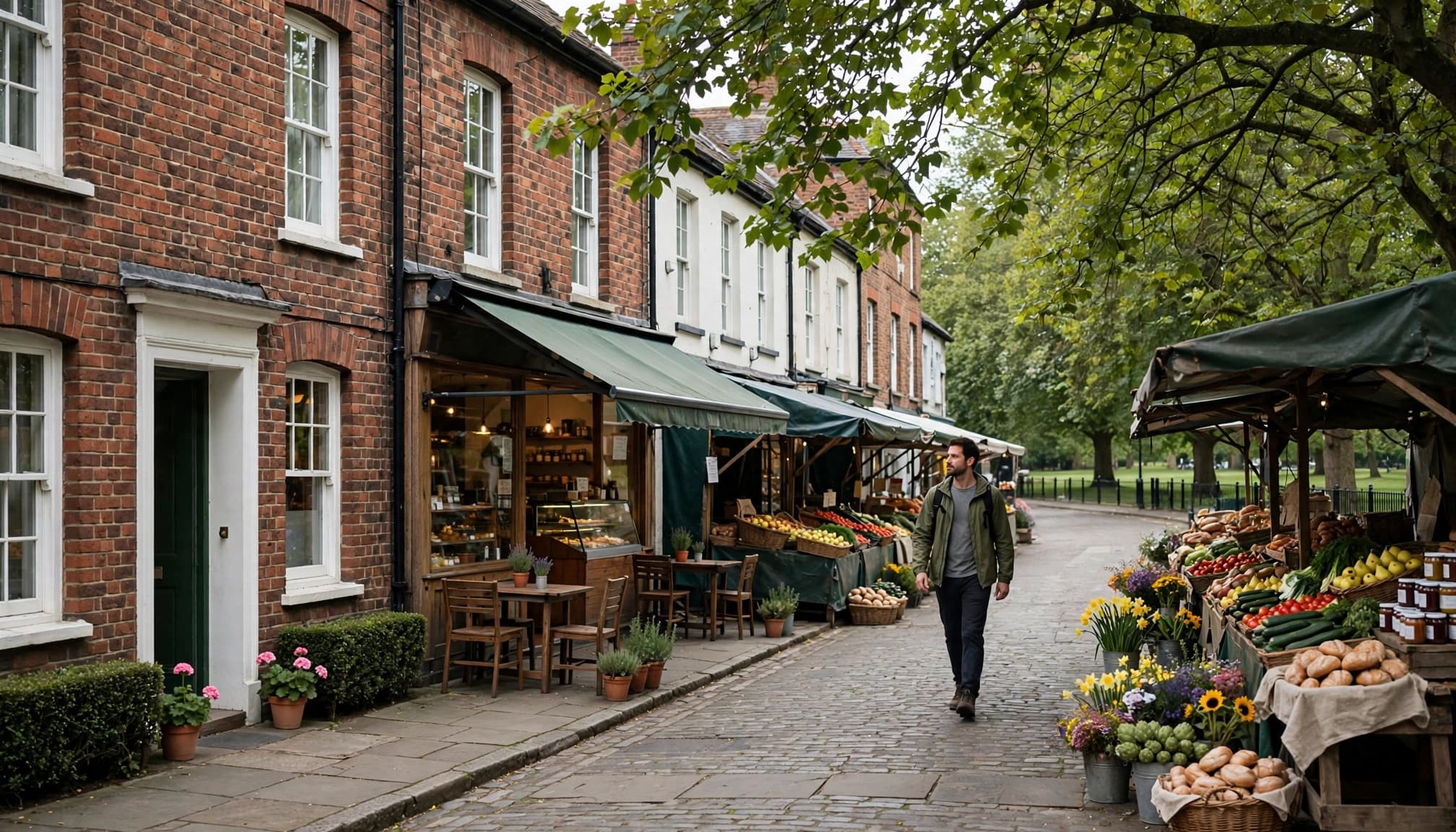
Plan each day around one walkable area instead of crossing town between car parks. You might explore the high street after breakfast, follow a local history trail before lunch, then return to the hotel on foot. Slower travel gives you time to notice independent shops, old buildings and quiet green spaces that a car window hides.
Use a bus or train for longer distances, then walk between nearby stops and attractions. Check live departures, disruptions and the final walking route before leaving. Traveline's journey planner covers buses, trains, trams, coaches and ferries across Great Britain.
For evening travel, stick to well-lit routes and busy stops. Check the last bus or train, keep your phone charged and choose a taxi if the route feels unsafe or unfamiliar. Saving money matters, but arriving safely matters more.
Keep food costs and food waste under control
Buy portions you expect to finish, especially when you are eating alone. Carry snacks in a reusable container and refill your bottle rather than buying drinks throughout the day. Choosing a café that sits along your walking route can also prevent an unnecessary detour by car.
Travelodge reports that food recycling is available in all Bar Café hotels. Where the facility is offered, follow the local signs and separate food waste as instructed. Recycling helps deal with unavoidable leftovers, but it doesn't replace ordering realistic portions or refusing packaging you don't need.
Find affordable things to do with a lighter footprint
You can fill a day without booking an expensive attraction or driving across the county. Look for:
- Free galleries, libraries and local museums, especially in town centres.
- Public gardens, parks, beaches and woodland paths reached by bus or on foot.
- Markets, community events and self-guided town walks.
- Local history or heritage trails with downloadable maps.
Check opening times, weather, accessibility and current entry rules before setting out. Buying lunch from an independent café or picking up produce at a local market keeps your spending near the places you visit. However, don't assume every local business has verified environmental credentials. Choose practical portions, walk when you can and spend with businesses that suit your budget and route.
Avoid Greenwashing and Build a Travelodge Sustainability Checklist
A greener Travelodge stay starts with careful judgement, not a green label. Check what the company says, what applies to your chosen hotel and which actions you can verify yourself.
Know which sustainability claims you can trust
Look for dates, measurable figures, named programmes and property-level details. Travelodge's Better Future plan sets a net-zero target for 2050, while its latest Better Future Report 2025 provides wider company information. These figures are useful, but Travelodge reports them itself. They aren't the same as independent certification.
Travelodge says new developments should meet at least BREEAM Very Good, with Excellent where possible. Its London Chiswick hotel opened with an EPC A rating and BREEAM Excellent standard. Some refits also use carpet made with recycled fishing nets and backing made from recycled plastic bottles.
Those details help you compare properties, yet they don't make every stay equally sustainable. A recycling bin, energy label or newer building covers one part of the picture. It doesn't prove that the hotel has low-impact transport links, responsible suppliers or efficient operations in every area. Check the Travelodge sustainability information, then ask the individual hotel what applies to your room.
Use a simple checklist from booking to check-out
Keep your decisions practical and affordable:
- Before booking: Choose a property near rail, coach or bus links. Compare the total cost of fares, petrol, parking and taxis, not just the room price.
- Before arrival: Ask whether the hotel is newly built or refurbished, and check which facilities are available at that property.
- Pack: Bring a reusable bottle, cup or shopping bag if you already own them.
- On arrival: Use heating, cooling and lights sensibly, then close windows while the system runs.
- In the room: Take shorter showers, report leaks and decline unnecessary housekeeping where the hotel allows it.
- With food: Buy portions you can finish and use the correct food or recycling bins.
- Getting around: Walk or use public transport for local journeys when the route is safe and practical.
- At departure: Leave useful feedback about recycling, transport information, refill points or room controls.
Balance the benefits and limits of budget eco-travel
Budget hotels can make UK destinations more accessible, while efficient heating, lighting and water systems may reduce waste without raising your costs. Your own choices, such as walking and skipping unnecessary laundry, usually cost nothing.
However, features vary between properties, company claims need context and you have limited control over hotel supply chains. Long-distance travel can also create more environmental impact than the room itself. A greener room is not automatically the cheapest option, either. Choose the better-connected hotel when the full journey makes financial and environmental sense. Progress comes from better overall choices, not perfection.
Frequently Asked Questions
You can make a Travelodge stay more sustainable without spending more money or demanding perfection from the hotel. These answers cover practical points that often remain unclear before you book.

Does Travelodge offer electric vehicle charging?
Some Travelodge hotels have electric vehicle charging on-site, while others have chargers nearby. Availability varies by property, so check the official Travelodge EV charging information before you travel. If you need to charge overnight, confirm the charger's location, access arrangements and payment method with the hotel.
Can you recycle in a Travelodge bedroom?
You shouldn't assume that every room has a separate recycling bin. Travelodge has trialled in-room recycling at selected hotels, but guest recycling facilities are still developing across the estate. Ask reception where to place clean bottles, cans and paper, and follow the signs available at your hotel.
Should you bring your own toiletries?
Bringing a small wash bag with products you already own can help you avoid buying travel-sized toiletries for one night. However, you don't need to purchase specialist refillable bottles just for this trip. Use what you have, finish open products before buying more and leave unused hotel toiletries for another guest if reception provides a suitable collection point.
Is a newer Travelodge always the greener choice?
A newer or recently refurbished hotel may have features such as low-energy lighting, motion controls, aerated taps and dual-flush toilets. Still, the building's location can matter more to your overall trip if one property lets you arrive by train and walk to local attractions. Compare the hotel's facilities with its transport links, rather than judging sustainability by age alone.
Can you ask Travelodge to reduce disposable items?
You can ask the hotel whether it offers alternatives to particular disposable items, especially during a longer stay. Travelodge says it is working to remove unnecessary single-use plastics from its supply chain by 2030, but the products available to guests can differ between properties. Take reusable items you already own, then raise specific requests with reception.
Does choosing a sustainable room cost more?
Sustainable habits usually cost nothing because they involve using less water, switching off lights and avoiding unnecessary waste. You may spend more on a better-connected hotel, but reduced petrol, parking or taxi costs can balance the room-rate difference. Compare the full journey price before deciding which booking is genuinely cheaper.
Conclusion
A sustainable Travelodge stay starts before you reach the reception desk. Choose a well-connected hotel, use rail or coach travel where practical, and compare the full journey cost rather than the room price alone. Once you arrive, save energy and water by using heating, lights and showers sensibly, then reduce avoidable waste by carrying reusable items and choosing food portions you can finish.
Travelodge's Better Future plan offers a useful starting point, with measures covering energy, water, waste and carbon. However, your choices before, during and after check-in complete the journey. Walk to nearby attractions, use local transport when it makes sense and support places you can reach without another car trip.
You don't need to pay for luxury or change every part of your holiday. Choose one or two realistic changes for your next Travelodge stay, such as arriving by train, declining unnecessary housekeeping or exploring locally. Small decisions can make a budget break kinder to your wallet and the places you visit.