
Eco-Friendly Travel Gear: Sustainable Essentials for Every Trip
Eco-friendly travel gear is not about packing more, it's about choosing better. When you pick eco-friendly travel gear, you choose kit that's tough, useful, and kinder to the planet, which suits the way you travel now.
A reusable bottle, solid toiletries, recycled luggage, and multi-use accessories can cut single-use waste without weighing down your bag. These small swaps also help you travel lighter, save money over time, and support more responsible tourism wherever you go.
The best sustainable travel products do one job well and last for years, so you spend less time replacing cheap items and more time enjoying the journey. In the sections ahead, you'll find practical choices that make lower-impact travel feel simple, sensible, and worth sticking with.
What Makes Travel Gear Truly Sustainable?
Sustainable travel gear starts with a simple idea, it should do less harm while doing its job well. That means you look past the label and ask how the item is made, how long it will last, and what happens when you no longer need it.
A product can look green on the shelf and still fall short in real use. On the other hand, a plain-looking bag or bottle may be the better choice if it lasts for years, cleans easily, and avoids needless waste.
Look for materials that last and waste less
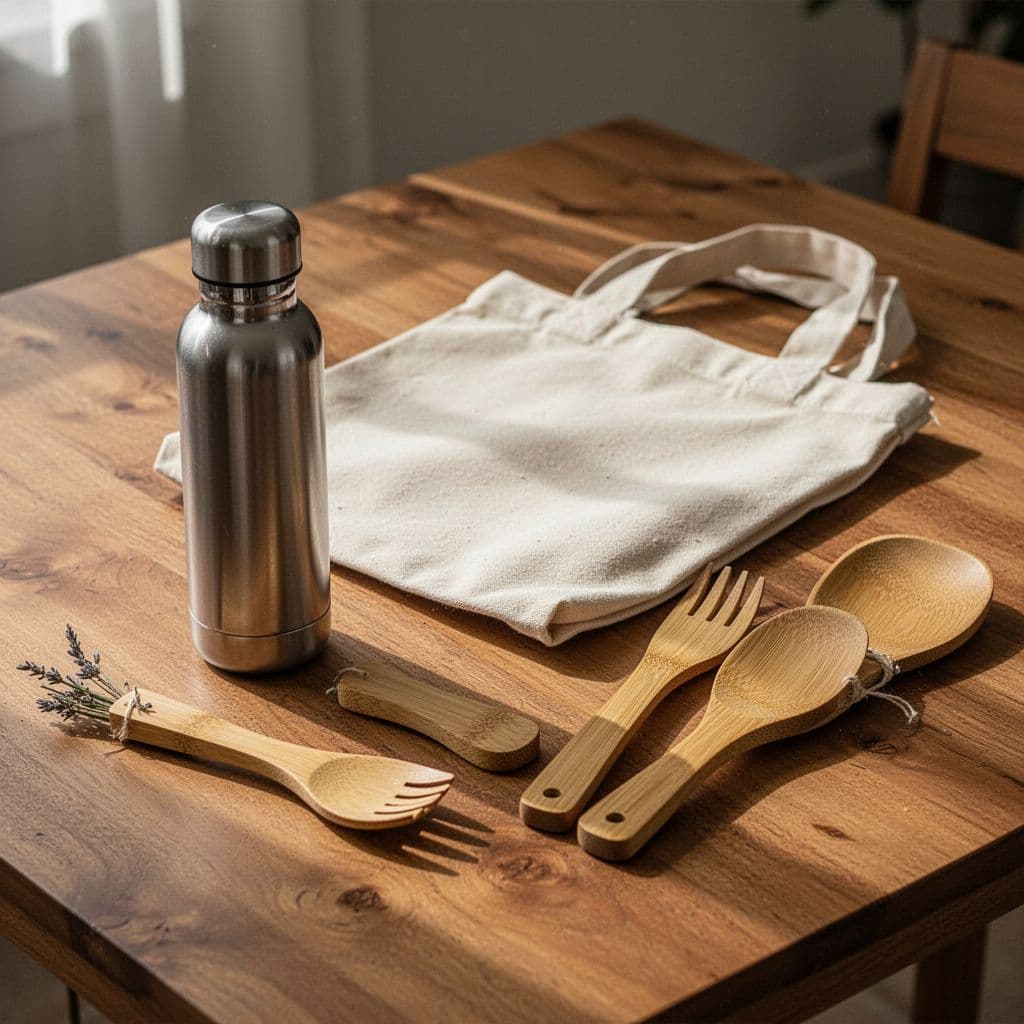
Material choice matters, but it only tells part of the story. Recycled fabrics, such as recycled polyester and recycled nylon, can give old plastic a longer life, while organic cotton, canvas, stainless steel, bamboo, and cork all have a place in well-made travel kits.
Natural or recycled inputs can help lower demand for virgin materials. They can also reduce waste when they replace single-use items, such as plastic cutlery, bottles, or flimsy toiletry containers. For a clear guide on material claims and product features, REI's sustainability advice is a useful reference point.
Still, the best material on paper is useless if the item falls apart after a few trips. A sturdy canvas tote often beats a fashionable but fragile alternative, because durability spreads the impact over many journeys.
You should also watch for products that are easy to clean and dry. That keeps them usable for longer and lowers the chance that mould, stains, or wear will send them to the bin too soon.
Check for reusable, repairable, and multi-use design
Sustainable travel gear usually earns its place by replacing more than one disposable item. A refillable bottle, for example, cuts down on bottled drinks, while modular packing cubes keep your bag organised without extra pouches and plastic wrappers.
Multi-use clothing works in the same way. A scarf that doubles as a blanket, a shirt that suits day walks and evening meals, or a jacket with removable layers all help you pack less and use more of what you carry.
Repairability matters too. Zips break, straps loosen, and seams split, so gear that can be patched, cleaned, or fitted with replacement parts often gives you the best long-term value. If you want to see how brands describe these features, this guide to sustainable clothing and gear shows the kinds of details worth checking.
When you buy with repair in mind, you usually avoid the cycle of replace, discard, repeat. That makes your kit lighter on your wallet and lighter on waste.
Spot the signs of greenwashing before you spend
Greenwashing often hides in vague wording. Phrases like "eco-friendly", "natural", or "planet positive" mean very little unless the brand explains what it has actually done.
Look for clear facts instead. Good product pages name the materials, explain where they come from, and say how the item was produced. Better brands also share third-party proof, such as certification details, supply chain information, or repair policies.
Be wary of clever packaging that looks sustainable but tells you nothing useful. A recycled-looking box does not make a weak product better, and a leafy design on the label does not prove responsible production.
A simple test helps here:
- Read the material breakdown.
- Check whether the brand explains its factories or suppliers.
- Look for repair, take-back, or replacement-part options.
- Compare the item's lifespan with cheaper alternatives.
If a brand talks more about its colour palette than its materials, you probably need to look closer.
Sustainable gear should feel honest, not polished for marketing. When the claims are clear and the construction is solid, you can pack with more confidence and less guesswork.
The Everyday Essentials You Will Reach For Again and Again
The best eco-friendly travel gear is the kit you stop thinking about because it simply works. You reach for it at the airport, on a long train ride, or while wandering a new city, and it earns its place every time.
These are the items that save space, cut waste, and make your bag easier to live out of. They also help you keep your habits steady, which matters when you are tired, in a rush, or far from home.
Reusable water bottles and coffee cups that cut single-use plastic
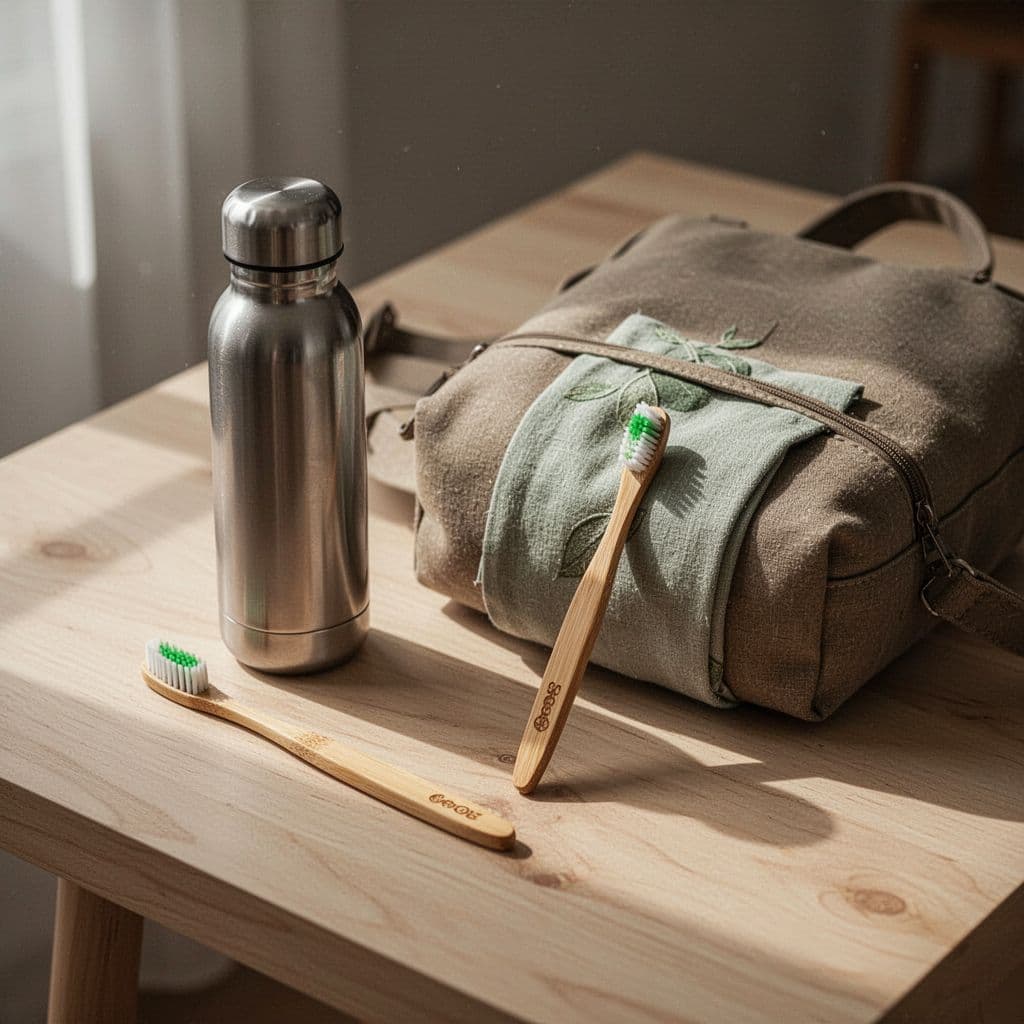
A good reusable bottle or coffee cup is one of the easiest wins for lower-waste travel. You use it constantly, it replaces disposable cups and bottles, and it pays for itself in comfort as much as waste saved.
Look for insulation if you want cold water to stay cool and tea or coffee to stay warm. A leak-proof lid matters just as much, because nobody wants a soaked daypack or a sticky seat pocket on a flight. A lightweight build helps too, especially if you carry your bottle all day.
These items are especially useful when refill points are nearby. Airports, rail stations, museums, and many city centres now offer more places to top up. That makes them handy on flights, day trips, and train journeys, where buying drinks in disposable packaging soon adds up. If you are planning a lower-impact trip, these sustainable travel tips for France include simple reuse ideas that translate well to any destination.
A reusable cup also changes how you travel through a day. You can buy coffee on the move without taking another lid, sleeve, or cup you will bin ten minutes later. That small habit keeps your travel routine cleaner and calmer.
The most useful bottle is the one you actually carry, so choose a size and shape that fits your hand and your bag.
For broader context on reducing waste while travelling, BBC Travel's sustainability guide offers practical examples from real trips.
Solid toiletries and refillable wash kits for lighter packing
Solid toiletries are a smart swap when you want lighter luggage and fewer messes. Shampoo bars, soap bars, and deodorant bars remove the risk of leaks, and they usually last far longer than travel-size liquids.
They also make packing easier. You skip the liquid bag drama at security, and you no longer need to wrap every bottle in a sock just in case it spills. Refillable bottles still matter for products you prefer in liquid form, but bars cut the number of items you carry and keep your wash kit neat.
A well-chosen wash kit often includes:
- Shampoo bars for simple, spill-free hair care
- Soap bars that work for hands and body
- Refillable bottles for lotion, sunscreen, or cleanser
- Bamboo toothbrushes that feel familiar but create less plastic waste
- Biodegradable accessories such as combs, loofahs, or cotton swabs
These items save space in both your wash bag and your bathroom shelf. They also reduce the pile of plastic bottles that tends to build up after a few short trips. For a useful reference on why solids work so well on the move, the practical points in this travel guide to solid toiletries match what frequent travellers already know.
If you travel often, a compact tin or breathable pouch keeps everything separate and dry. That little bit of order makes your morning routine quicker, whether you are in a hotel, a cabin, or a campsite washroom.
Packing cubes, organisers, and bags made from recycled fabric
Packing cubes are the sort of item you buy once and keep using for years. They help you sort clothes by day, activity, or weather, so you spend less time digging through a suitcase and more time getting on with the trip.
Well-made organisers also protect your clothes from creasing too badly. Shirts stay folded, socks stop wandering, and dirty laundry has its own place instead of mixing with clean kit. That kind of order can save you from packing extra bags, because everything fits better when it is contained.
Recycled polyester and other durable low-impact fabrics are worth looking for here. They give waste materials a second life while still offering the strength you need for frequent travel. A sturdy zip and reinforced stitching matter as much as the fabric itself, because cheap organisers tend to fail fast.
A good packing system often includes:
- A small cube for underwear and socks
- A medium cube for tops or layers
- A flat pouch for chargers and documents
- A tote or day bag made from recycled fabric
Good organisation reduces the urge to overpack. When everything has a place, you are less likely to bring spare items "just in case". That means less luggage space, less weight, and less stress at the station or gate.
Food containers, cutlery, and snack bags for low-waste days out
Long travel days often go smoother when you carry your own food. Reusable containers, cutlery, and snack bags help you avoid disposable wrappers, soggy paper packets, and one-use plastic forks that never survive a full day.
They are especially handy for picnics, road trips, and rail journeys. You can pack fruit, nuts, sandwiches, leftovers, or trail mix, then keep them sealed until you need them. That saves money, but it also gives you more control over what you eat and how much waste you leave behind.
A few useful pieces go a long way:
- A leak-resistant lunch box for meals and leftovers
- A small cutlery set for salads, pasta, or takeaways
- Snack bags for nuts, crackers, and dried fruit
- A fold-flat container for market food or bakery stops
- A cloth wrap or napkin to replace paper serviettes
These items make low-waste travel feel normal rather than fussy. You can buy food on the go, keep it tidy, and skip the throwaway extras that usually come with it. That is especially useful in places where recycling options are limited or unclear.
You will also find that reusable food kit keeps you ready for spontaneous stops. A roadside picnic or an unplanned park lunch becomes easy when you already have the basics in your bag.
How to Choose Clothing and Footwear That Travel Well
The right travel wardrobe makes every trip easier. You pack less, wash less, and move through your days without fussing over damp shirts or sore feet. That matters whether you are hopping between cities or spending long hours outdoors.
Good travel clothing should work hard without asking much from you. It needs to breathe in warm weather, layer well when temperatures drop, and stay useful after repeated wear. Footwear should do the same, with enough support for walking, standing, and sudden changes in weather.

Choose fabrics that are breathable, durable, and easy to care for
Fabric choice shapes how your clothes feel on the road. Merino wool is a strong option because it regulates temperature, resists odour, and can be worn for several days without needing a wash. That makes it useful for flights, city breaks, and active days alike.
Organic cotton is a comfortable everyday choice, especially for relaxed trips and warmer climates. It feels soft against the skin, although it tends to hold moisture more than merino or linen. Linen is another smart pick for hot weather because it is airy and dries quickly, which suits long summer travel days.
Recycled fibres also deserve a place in your bag. They give existing materials a second life, and many modern recycled blends now feel lighter and tougher than older synthetics. The key is to look for fabrics that dry fast, keep their shape, and can handle repeated packing.
When your clothes dry quickly and stay fresh longer, you can pack fewer items and wash less often.
That simple change helps you avoid overpacking. It also cuts down on laundry stops, which saves time, water, and energy. For a useful overview of travel fabric choices, Pack Hacker's guide to merino wool is a solid starting point.
Build a small wardrobe that mixes and matches easily
A travel wardrobe works best when every piece gets along with the others. Stick to a small colour palette, such as navy, olive, cream, black, or soft earth tones, so each item pairs with several others. That way, a handful of pieces can create many outfits without looking repetitive.
You do not need a huge set of clothes to stay well dressed on the road. A couple of tops, one or two bottoms, a layer for cooler evenings, and one smarter item often cover most trips. The secret is choosing styles that suit more than one setting, so you can go from a casual walk to dinner without changing everything.
A simple capsule approach also keeps your luggage lighter. Less weight means less strain when you carry your bag, and less clutter means less decision fatigue when you get dressed. Your mornings feel calmer because you already know what works together.
A practical mix might look like this:
- one neutral T-shirt or shirt for everyday wear
- one layer that works in cool weather
- one bottom that pairs with several tops
- one smarter item for dinners or meetings
- one spare outfit for longer trips or laundry gaps
You can also think in terms of texture as well as colour. A linen shirt, a merino jumper, and recycled trousers can feel varied without clashing. That balance gives you flexibility without filling your suitcase with extras you will not wear.
Pick footwear that can handle walking, weather, and long days
Shoes make or break a trip. If they pinch, slip, or wear out fast, every day feels harder than it should. Choose footwear with proper support, sturdy soles, and enough room for your feet to swell after hours of walking.
The best travel shoes usually do several jobs. One pair should handle long city walks, museum visits, and restaurant evenings. If you need a second pair, keep it light and practical, so it covers rain, beach paths, or more active days without adding bulk.
Comfort comes first, but repairability matters too. Shoes with replaceable insoles, stitched soles, or easy-to-fix uppers often last longer than fully glued designs. Low-waste materials such as recycled rubber, organic cotton canvas, or responsibly sourced leather can also reduce the impact of your purchase when they are well made.
Before you buy, check a few basics:
- Try them on later in the day, when your feet are slightly bigger.
- Walk on different surfaces to test grip and support.
- Look for shoes that dry reasonably well after rain.
- Pick a style that suits more than one outfit.
- Avoid pairs that need a long break-in period if your trip is soon.
You can keep your packing list lean when your shoes do more than one job. That gives you room for the things that matter more, and it keeps your stride steady when the day runs long.
For more practical advice on choosing travel-ready clothing that lasts, REI's travel clothing guide offers a clear look at what works in real-world use.
Smart Tech and Energy Gear for Lower-Impact Trips
Smart tech can make your trip easier without making it heavier on the planet. The goal is simple, you want gear that helps you charge, light, and organise your travel life with less waste and less dependence on the mains.
That means choosing items that work well off-grid, sip power instead of guzzling it, and last long enough to justify the buy. When you pick the right tools, you cut down on disposable batteries, constant wall charging, and the scramble to find a socket at every stop.
Solar chargers and efficient power banks for life on the move
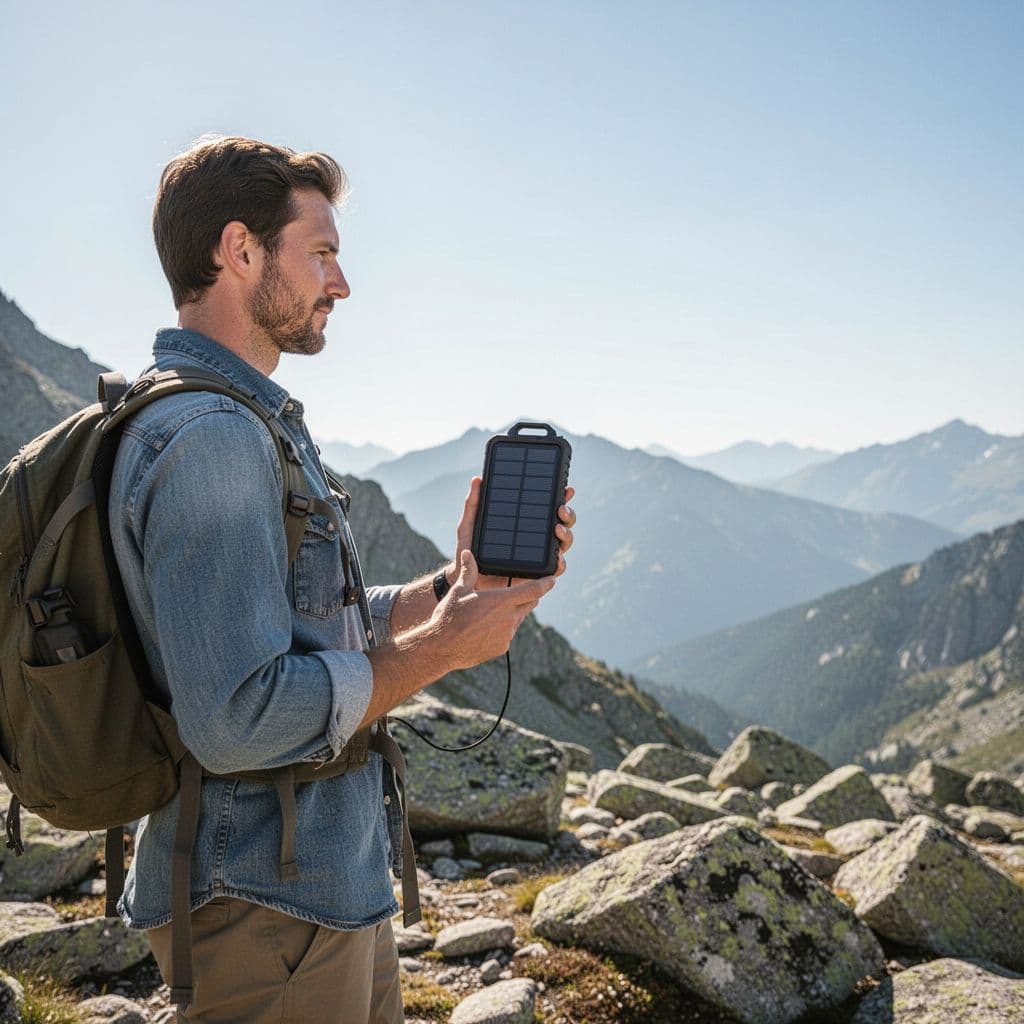
A good solar charger or power bank is most useful when you spend time outdoors or away from reliable charging points. Think camping, long train journeys, festival weekends, road trips, or walking holidays where your phone, map app, camera, or head torch needs a top-up.
Solar chargers are especially handy when you can leave them out in daylight and keep your devices going without hunting for plugs. A power bank, meanwhile, gives you a dependable reserve when sunlight is weak, cloudy days roll in, or you need a faster charge before leaving your accommodation. Used together, they reduce your dependence on low-quality disposable batteries and constant wall charging.
For off-grid or low-power travel, look for:
- Fast-charging output so your phone gets usable power quickly
- Enough capacity for your actual trip length, not just a best-case scenario
- Rugged casing that can handle a rucksack, sand, or light rain
- USB-C compatibility so you can charge modern devices more efficiently
A sensible setup often works better than a flashy one. REI's guide to solar chargers and portable power gives a practical sense of what matters most for travel use. If you travel in remote places, a charger that works as a supplement rather than your only power source is usually the smarter buy.
Low-energy accessories that help you use less power
Small accessories can make a big difference when you are trying to travel lightly. A compact lamp, an efficient adapter, or a neat cable organiser can reduce clutter and stop you wasting power on poor setups.
A low-energy lamp is useful in hostels, campsites, and cabins where the room lighting is harsh or badly placed. Instead of leaving larger lights on for longer than needed, you can use a focused LED option that gives you enough visibility without draining much energy. That is better for your battery life and your evening routine.
Efficient adapters also matter more than people think. A single well-made adapter can keep several devices running without forcing you to pack separate chargers for each one. Add a cable organiser, and you avoid damaged leads, lost cords, and the habit of buying cheap replacements every time something tangles or breaks.
You can keep this part of your kit lean by choosing items that solve more than one problem:
- A small LED lamp for reading and late check-ins
- A multi-port adapter for phones, e-readers, and cameras
- A cable pouch or wrap to stop wear and tangles
- A travel plug with built-in surge protection if you need it
Small, efficient accessories do not just save space, they help you use less power more consistently.
If you want to understand how portable energy choices affect your footprint, National Geographic's work on exploration and sustainability is a useful place to start. The principle is straightforward, lighter gear and smarter charging habits make your travel routine easier to maintain.
Why repairable tech often beats cheap replacements
Repairable tech gives you a better return because you buy once and use it for years. That matters on the road, where a broken charger, torch, or speaker can turn into waste fast if it cannot be fixed.
Look for gear with replaceable parts, clear warranty support, and brands that publish repair guidance. A removable battery, a spare cable option, or a replaceable strap may sound small, but those details can add years to an item's life. In contrast, cheap replacements often fail at the exact moment you need them most.
Repair-friendly products also fit the wider logic of sustainable travel. Making new electronics uses metals, plastics, and energy, so every extra year you get from one device lowers the need for another. The result is less waste in landfill, less money spent over time, and fewer last-minute purchases before a trip.
A good rule is simple: if two products look similar, choose the one you can maintain. That usually means checking for:
- Spare parts that are easy to order
- Warranty terms that cover real use, not just shelf life
- Repair support from the brand or a local service
- Durable construction instead of glued-together shortcuts
For a broader look at how solar power supports lower-impact travel, this overview of solar chargers for travel shows why off-grid charging is most useful when you move beyond standard hotel stays. When you pair that kind of gear with repairable tech, your kit becomes steadier, cheaper to run, and far less throwaway.
That approach also changes how you pack. You stop treating electronics as short-term extras and start treating them like long-term travel tools. And that is the point, your tech should keep pace with your trips, not pile up after them.
What to Look for Before You Buy Any Eco Travel Product
Before you add any eco travel product to your basket, pause and look past the label. A true sustainable buy should last, work well, and fit the way you travel, whether that means city breaks, long rail journeys, or outdoor trips.
The best choice is often the one you do not need to replace soon. That means you should judge the stitching, seals, materials, and brand support as carefully as the colour or style.
Choose quality over quantity every time
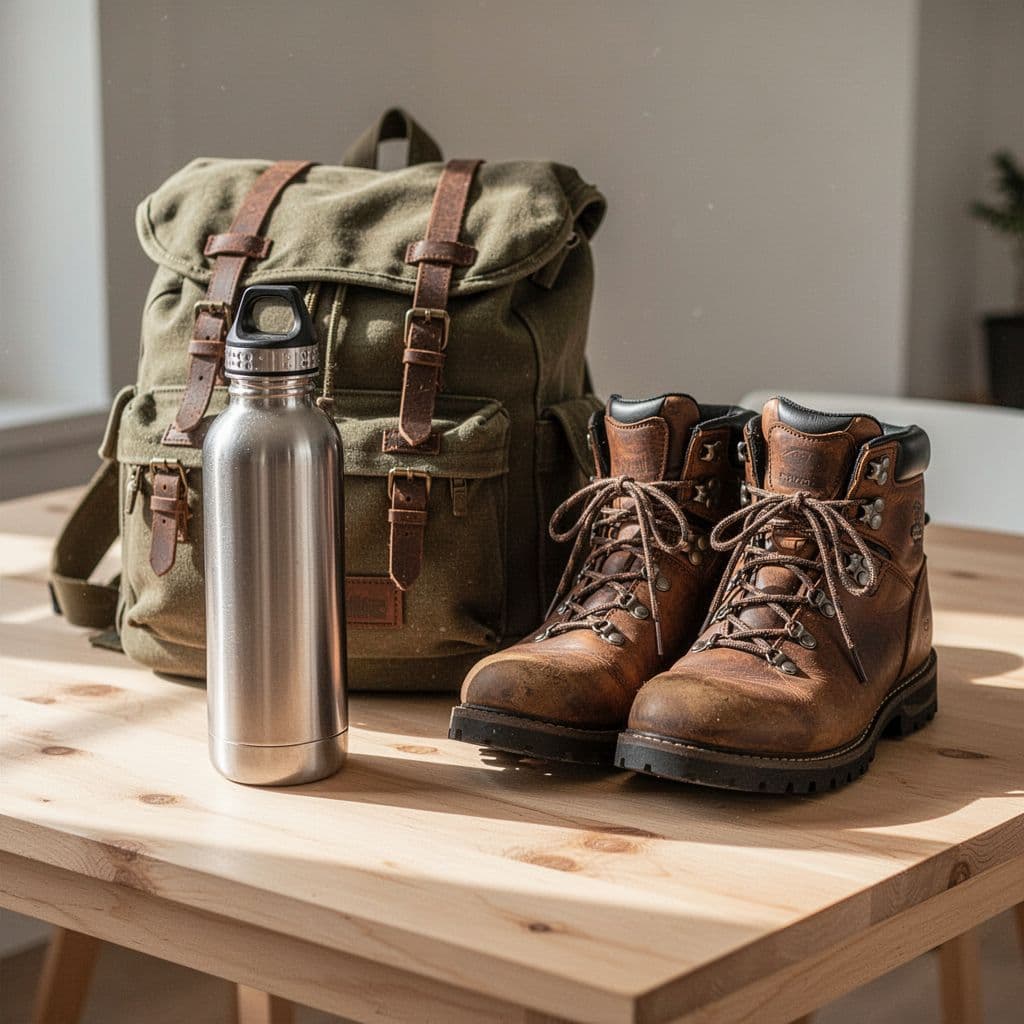
A greener item is often the one that stays in use for years. If a bottle dents too easily, a bag frays after one season, or a toiletry case unzips at the first knock, it creates waste fast.
So, compare the details that affect lifespan. Check the stitching, the zip quality, the seam reinforcement, and the base construction. On soft goods, look for tight joins and even thread work. On hard items, look for solid lids, secure seals, and parts that do not feel flimsy in your hand.
Reviews can help too, especially when they mention repeated use rather than first impressions. A product that still looks good after many trips is usually a better buy than something that only looks good on arrival.
For gear with fabric components, material claims matter less than real build quality if the item fails early. If you want a useful reference point, this guide to sustainable travel gear certifications explains how to read product claims without getting lost in marketing language.
If the item looks smart but feels fragile, it will probably cost you more in the long run.
Support brands that are open about their supply chains
Transparency matters because it tells you how honest a brand really is. Trustworthy companies usually explain where products are made, who makes them, and which materials they use. They do not hide behind vague language or glossy photos.
You should also look for signs of fair labour and ethical production. That includes clear information about factory locations, sourcing, and any standards the brand follows. When a company tells you where its materials come from and how its goods are assembled, you can judge the product with far more confidence.
This is especially important for eco travel products, because green claims mean little without proof. If a brand cannot tell you the basics, such as fibre origin or production country, treat that as a warning sign. Honest brands usually have nothing to hide, and their product pages tend to read like facts, not slogans.
A transparent supply chain can also point to better environmental choices, such as lower-impact materials, local sourcing, or more careful manufacturing. That gives you a clearer picture of the full footprint behind the item, not just the final sale price.
Use care, repair, and re-use to extend product life
Your eco travel kit becomes more sustainable when you treat it well. Clean your gear properly, dry it fully, and store it in a way that avoids mould, creases, and cracked seals. That simple routine keeps items useful for longer and cuts down on needless replacements.
Small repairs matter too. A loose strap, broken zip pull, or worn seam does not always mean the item is finished. Many bags, shoes, and accessories can be patched or serviced, which gives you more value from what you already own. In the same way, using the same item for several trips is far better than buying a new one for every holiday.
Re-use is part of responsible travel. A refillable bottle, a well-kept wash kit, or a sturdy bag used across years of trips saves resources every time you pack it. It also makes travel feel more deliberate, because you begin to rely on gear that has already proved itself.
You can keep this habit simple:
- Clean items after each trip.
- Dry them before storing them away.
- Repair small faults before they spread.
- Re-use the same kit for different journeys.
Taking care of your gear is not an extra chore, it is part of the sustainability itself. The longer you keep good kit in circulation, the less you need to buy, discard, and replace.
Build a Travel Kit That Fits Your Trip, Not the Other Way Round
Your travel kit should match the journey in front of you, not drag you into packing habits that do not fit. A city break asks for light, compact items you can reach fast. An outdoor trip needs tougher kit that handles rain, mud, and long days. Family travel needs shared pieces that cut clutter and keep everyone moving.
When you pack with the trip in mind, you waste less space and carry less stress. You also avoid the common trap of taking the same bulky kit everywhere, then using only half of it.
For city breaks and rail travel, keep it light and simple
City travel works best when your kit is small, tidy, and easy to grab on the move. You want items that slip into a daypack, fit under a train seat, and do not slow you down through stations, streets, or museums.
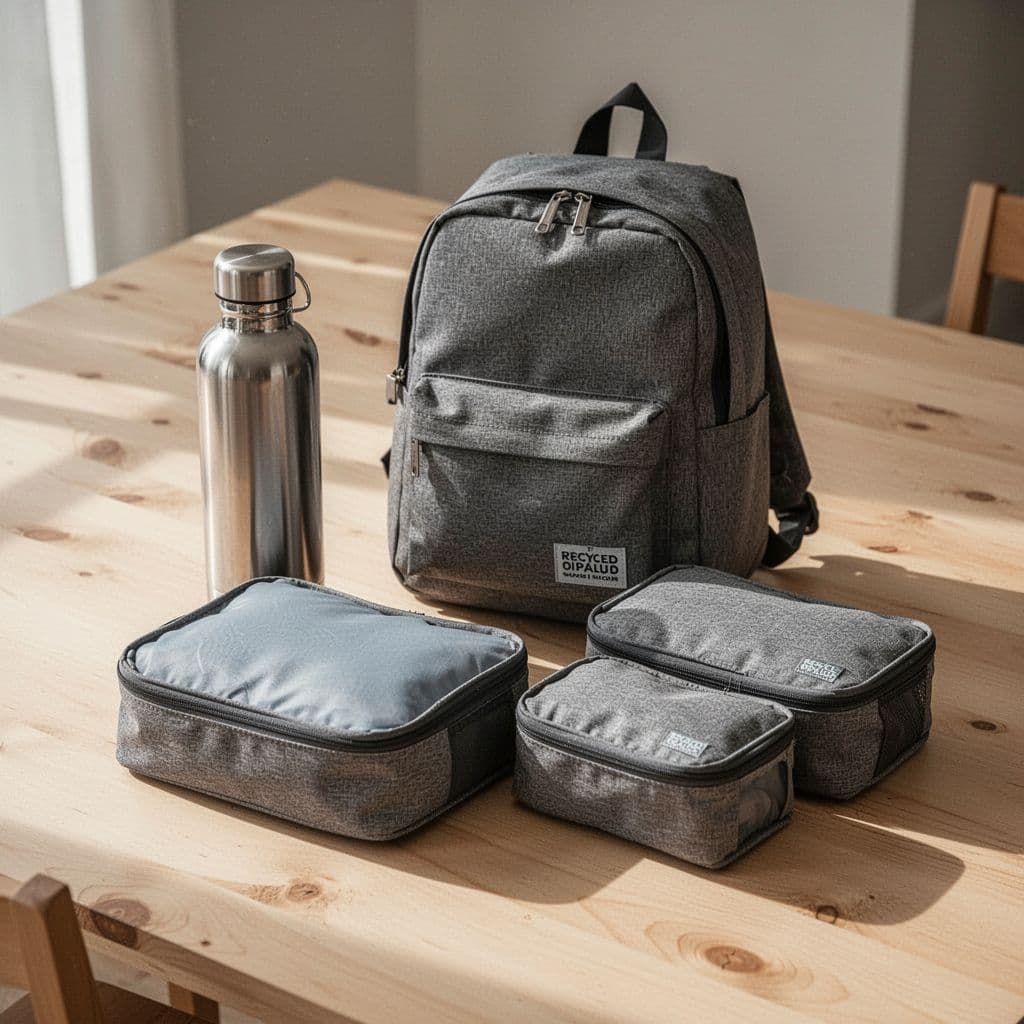
A slim backpack, a reusable bottle, a foldable tote, and one compact travel cup go a long way. Add packing cubes if you like order, because they stop your bag turning into a jumble when you change hotels or hop between trains. Reusable items matter here, since they cut single-use cups, bottles, and bags without adding bulk.
A few smart choices make a big difference:
- A lightweight daypack that sits comfortably on your back
- A refillable bottle that you can top up at stations or cafés
- A fold-flat tote for shopping or an unplanned picnic
- A slim travel cup for coffee on the move
- One small pouch for tickets, chargers, and essentials
For urban trips, low weight matters more than loading up on extras. A kit that opens quickly and packs away neatly is far more useful than one full of items you never touch. For more ideas on light, reusable travel basics, The Eco Roamer's packing list gives a good sense of what works on shorter trips.
If you are walking all day, every extra item starts to feel heavier by lunch.
For outdoor trips, focus on durability and weather protection
Hikes, camping trips, and wildlife tours ask more from your gear. You need items that stand up to rough ground, shifting weather, and repeated use. In this setting, durability matters more than looks, because flimsy kit fails when conditions change.
Start with a strong backpack, a robust bottle, and layers that dry quickly. A weatherproof jacket earns its place fast, especially when the forecast changes halfway through the day. You may also want a head torch, a tough snack container, and a quick-dry towel if you are sleeping outdoors or moving between wet and dry conditions.
The right outdoor kit usually includes:
- A sturdy backpack with reinforced straps and secure seams
- An insulated bottle for cold or hot drinks
- Layered clothing that you can add or remove as the weather shifts
- A weatherproof outer layer for rain and wind
- Gear with repair value, so you can keep using it for years
This is where cheap replacements become expensive. A bag that tears, a jacket that leaks, or a bottle that cracks will cost you more in the long run. WWF's work on people and conservation is a useful reminder that lower-impact travel also depends on how thoughtfully you use resources once you are outdoors.
The goal is simple, pack for changing conditions, not for perfect ones. When your gear can handle a sudden shower or a muddy path, you travel with more confidence and less waste.
For family travel, choose shared items that reduce clutter
Family travel gets easier when you stop duplicating everything. You do not need separate kits for every small item. Instead, choose shared pieces that work for everyone and keep the pile of bags, bottles, and wrappers under control.
Refill kits are especially useful here. A few larger containers can replace several travel-size bottles, and reusable snack bags cut down on disposable packaging. Multi-use organisers also help, because they keep chargers, toiletries, crayons, and snacks in one place instead of scattered across the car, train, or hotel room.
A family-friendly kit can include:
- One refill pouch for shampoo, soap, or lotion
- Shared snack containers for fruit, biscuits, or trail mix
- Reusable bags for wet clothes, toys, or laundry
- A family organiser with pockets for small essentials
- One bottle per person, so nobody is left without water
This approach keeps packing realistic. You still have what you need, but you avoid carrying five versions of the same thing. It also helps children get used to reuse, because the routine becomes normal rather than a special effort. If you are planning a lower-waste family holiday, Travel Checklist's eco-friendly list offers a practical reference for the kinds of items that earn their space.
The best family kit is easy to refill, easy to clean, and easy to hand around. That saves time on busy days and makes the whole trip feel calmer.
Match the kit to the trip, then cut the rest
Before you pack, ask what your trip actually needs. A short rail break, a muddy trail, and a week away with children all call for different gear. Once you match the kit to the trip, you can leave the rest at home.
That habit makes your travel bag smaller, your routine simpler, and your waste lower. It also helps you buy with more care, because every item has to earn its place. For practical ideas on reusable travel essentials, Eco Nomad Travel's eco kit guide is a useful comparison point.
The simplest rule is this, pack for use, not for what-ifs. When your kit fits your trip, you travel lighter and waste less.
FAQ

You probably still have a few practical questions before you buy. That makes sense, because eco-friendly travel gear should fit your habits, your budget, and the kind of trips you actually take. The best choices are usually the ones that last, pack well, and replace items you already use.
What makes travel gear genuinely sustainable?
Sustainable travel gear does a few things well. It uses durable materials, avoids waste where it can, and lasts long enough to reduce repeat buying.
You should also look for repairable parts, reusable design, and honest material details. A stainless steel bottle, a recycled-fabric daypack, or a well-made solid toiletry bar often beats a cheaper item that falls apart after one season. If you want a wider view of eco travel basics, National Geographic's conservation work gives useful background on why long-term use matters.
Is it worth paying more for eco-friendly gear?
Usually, yes, if the product truly lasts. A higher upfront price often makes sense when the item replaces several cheaper versions over time.
That said, price alone does not prove quality. Check stitching, seals, closure strength, and brand support before you buy. You are better off with one reliable item than three flimsy ones that end up in the bin.
Which eco travel items should you buy first?
Start with the pieces you use every day. Those give you the biggest cut in waste and the quickest return.
A strong starter kit usually includes:
- a reusable water bottle
- a reusable coffee cup
- solid toiletries or refillable containers
- a fold-flat tote
- a small cutlery set
- a durable daypack or packing cube set
These basics cover most short breaks and many longer trips too. For more ideas on lower-waste packing habits, BBC Travel's sustainability guide is a useful reference.
Should you buy new gear or second-hand?
Second-hand is often the better choice when the item is in good condition. It saves money, keeps gear in use, and stops decent products from being wasted.
This works especially well for luggage, outerwear, and travel bags. Still, you should inspect used items carefully, because broken zips, cracked seals, and worn straps can turn a bargain into a nuisance. If you can buy less and use more, your travel kit stays lighter and more practical.
Conclusion
Eco-friendly travel gear works best when it slips into your routine and keeps doing its job trip after trip. When you choose well-made, reusable, and repairable items, you cut waste, pack lighter, and spend less time replacing things that should have lasted.
Small choices create a better travel habit
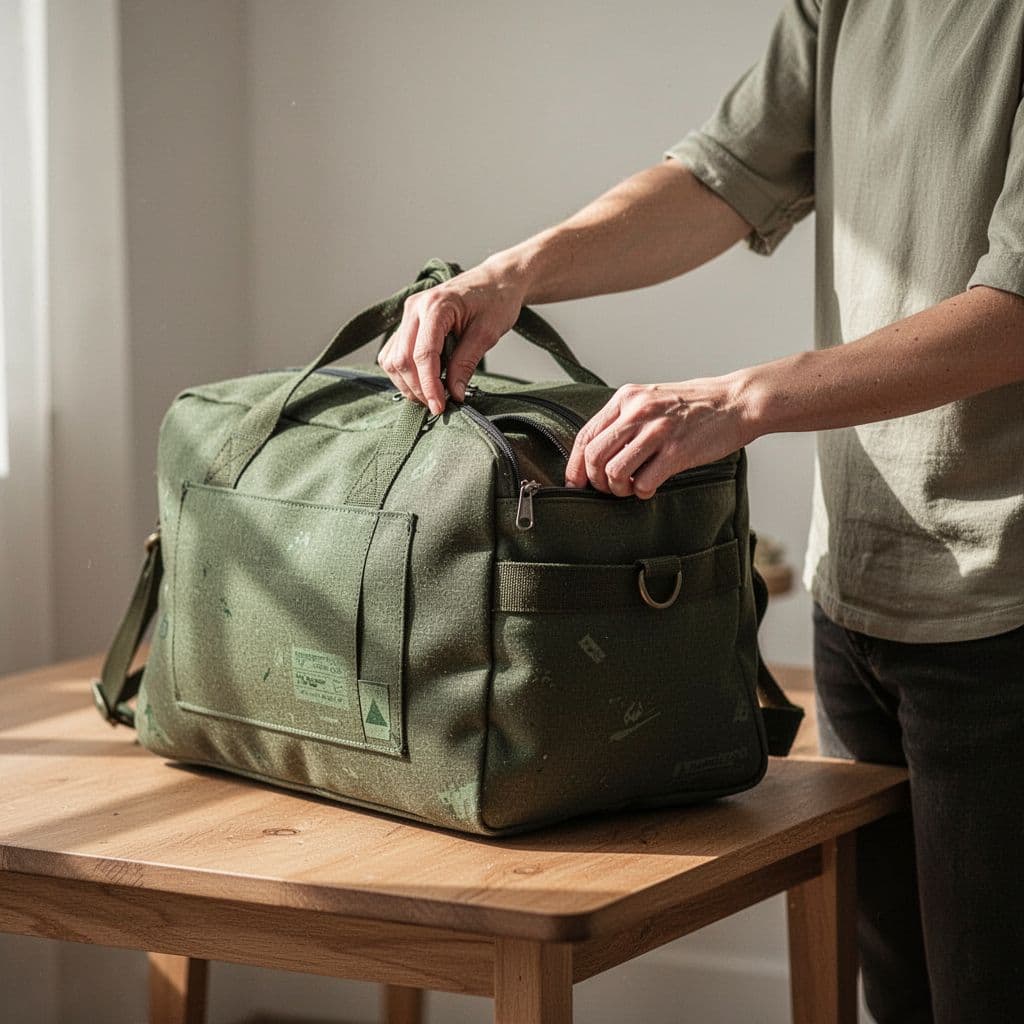
The strongest sustainable habits are the ones you can repeat without effort. A reusable bottle, a solid wash kit, a reliable daypack, and durable shoes do more than reduce plastic. They make your trip feel calmer, neater, and easier to manage.
You do not need to change everything at once. Start with the items you use most, then build from there. Over time, those choices add up, especially when you keep the same kit for multiple holidays, rail journeys, and weekend breaks.
Travel lighter, buy less, use more
Long-term sustainability often comes down to restraint. You travel better when every item in your bag has a clear purpose, and nothing sits there just for show. That is why quality matters more than quantity.
If you want a wider view of how lower-impact travel supports both people and places, World Wildlife Fund's responsible travel tips are a solid reference. For broader destination-wide ideas, National Geographic's guide to sustainable travel also gives useful context on travelling more thoughtfully.
Make your next trip easier to repeat
The best eco-friendly travel gear is the gear you will still want next year. Keep your list simple, stick with reusable basics, and choose products that can handle real life, not just a single holiday. That approach saves money, reduces waste, and keeps your packing list focused on what matters.
What's your experience with eco-friendly travel? Share your thoughts in the comments, your insight helps inspire more responsible travellers.