
Eco-Transportation: Low-Emission Travel Options Worldwide
Eco-transportation is no longer a side option for eco-minded travellers, it's becoming part of how you move around the world. If you choose trains over short flights, walkable city routes, electric buses, bikes, or low-emission cars, you cut carbon output, ease congestion, and help improve air quality where you travel.
That matters because you're no longer choosing between comfort and responsibility, you're choosing smarter ways to get around that support local places too. In cities and countryside alike, cleaner transport can keep journeys calmer, cheaper, and far less wasteful, while opening up more low-emission holidays in France and similar trips that feel better for you and the places you visit.
The shift is already under way, so the next step is knowing which options work best for each journey.
What eco-transportation really means in everyday travel
Eco-transportation is the simpler habit behind cleaner trips. You choose the lowest-emission way to get where you need to go, whether that means a train to another city, a bus across town, or your own feet for a short errand.
It also changes how you plan. Instead of asking only what is fastest, you start asking what fits the distance, the route, and the number of people travelling together. That small shift often cuts emissions more than you expect, and it can make travel feel calmer too.

The travel choices that cut emissions the most
For most everyday journeys, walking and cycling have the lowest footprint. They work best for short trips, school runs, local shopping, and city centre travel, especially when streets are safe and connected. If you can replace a car journey with either one, you cut emissions straight away.
For longer stretches, trains usually beat flying and driving on emissions, especially on busy regional routes. Buses also perform well because they move many people at once, which spreads the carbon cost across more passengers. Public transport is often the best answer when you want to travel efficiently without adding more traffic to already crowded roads, and the US EPA backs mode shift as one of the key ways to lower transport emissions.
Electric cars and vans can help too, but they work best when you need flexibility and the vehicle is shared or fully occupied. A single person in an EV is better than a petrol car, yet a full train or bus still does more for the climate. That is why the cleanest option often depends on distance, local infrastructure, and how many people are travelling together.
For water travel, cleaner ferries and newer low-emission vessels are a better choice than older diesel-heavy services. They are especially useful where roads and rail lines do not reach. Still, the biggest gains usually come when you avoid unnecessary trips, combine errands, and use the most efficient mode available.
A simple way to compare the main options is below.
| Travel mode | Best for | Why it helps |
|---|---|---|
| Walking | Very short local trips | No direct travel emissions |
| Cycling | Short city and suburban routes | Fast, flexible, and very low impact |
| Bus | Urban and regional journeys | Shares emissions across many passengers |
| Train | Regional and intercity travel | Efficient over longer distances |
| Electric vehicle | Mixed routes and rural travel | Lower emissions than petrol or diesel, especially when shared |
| Cleaner ferry | Crossings and island routes | Better than older high-emission boats |
If you want practical ideas for building these habits into your routine, the Tips and Advice section has useful next steps.
Why transport habits are changing faster now
People are paying more attention to climate impact, and travel is part of that shift. Many travellers now want trips that feel responsible, not just cheap or quick. They want transport that fits their values, supports local places, and avoids waste where possible.
At the same time, technology is making better choices easier. Electric buses, e-bikes, cleaner ferry systems, and improved booking tools give you more options than before. Public transport is also getting cleaner in many places, while active transport is becoming more practical in cities that invest in safe paths and connections.
Government pressure is another reason the change is speeding up. Cities, transit agencies, and tourism providers are being pushed to cut emissions, so the available options are changing on the ground. That matters for you because the travel system around you shapes what feels normal, convenient, and worth choosing.
Travel habits are also changing because the wider tourism sector is under pressure to cut carbon and support local communities. People now expect greener stays, better transit access, and more thoughtful trip design. In short, eco-transportation is no longer a niche idea, it is becoming part of how everyday travel works.
Why more travellers are choosing low-emission options
You are seeing a clear shift in the way people plan trips. More travellers now want transport that feels kinder to the planet and better for the journey itself. That means fewer rushed connections, less noise, and more room to notice where you are as you move through it.
This change is not just about carbon numbers on a screen. It is also about comfort, pace, and the kind of holiday you want to have. When you choose lower-emission transport, you often gain a trip that feels steadier, more personal, and less draining.
Cleaner travel can make your journey feel calmer
Low-emission transport often slows the pace in a good way. A train ride lets you watch fields, towns, and coastlines drift past the window. A coach gives you time to sit back and look up from the clock. Cycling or walking makes you part of the place rather than a visitor passing through too quickly.
That slower rhythm is a big part of why many people are warming to slow travel. You stop treating travel as a race from one point to the next, and start treating it as part of the experience. Local cafés, small stations, village streets, and side roads all become part of the story.

This calmer style also helps you connect with people. When you are not hurrying through airports or sitting in traffic, you notice more. You speak more easily with locals, take better photos, and remember small details that would otherwise slip by.
A simpler journey can change the whole tone of a holiday:
- Trains give you space to read, rest, or watch the scenery.
- Buses often bring you closer to everyday life in towns and cities.
- Bikes let you move at street level and stop whenever something catches your eye.
- Walking turns short transfers into part of the experience.
When the journey slows down, the destination often feels richer.
If you want a trip that feels less frantic and more rewarding, low-emission travel is an easy place to start. It gives you time back, and that time is often what makes a trip memorable.
Many people want travel that matches their values
You are probably already making more thoughtful choices in other parts of life, so travel now feels different too. Many people want their holidays to support nature conservation, local jobs, and lower-impact tourism, rather than adding pressure to places they care about. That is one reason eco-transportation is gaining ground.
Responsible travel now means looking at the whole journey. It includes how you get there, how you move around once you arrive, and how much damage your choices create along the way. Choosing lower-emission transport is a practical way to bring your values into the trip itself.
That mindset fits with wider sustainable travel goals, where the point is not only to reduce harm, but to travel with more care. If you are staying longer in one place, using public transport, or walking between sights, you are more likely to spend money locally and less likely to create strain through repeated short-haul hops.
In many cases, the most responsible option is also the one that feels more grounded. You support cleaner air, lighter congestion, and a better experience for the places you visit. You also avoid the mental split that comes from wanting to travel well while knowing your choices are working against the environment.
For many travellers, that matters more each year. They want holidays that reflect how they live, what they support, and what they hope the future looks like. If that sounds familiar, you may find the main goals of ecotourism useful, since they connect travel decisions with environmental, social, and local economic benefits.
In practical terms, the appeal is simple. Low-emission transport helps you travel with a clearer conscience, and it often gives you a better trip as well. That combination is hard to ignore, especially when cleaner choices are becoming easier to find.
The transport options leading the shift around the world
The biggest changes in low-emission travel are happening where you move, not just where you stay. Across countries, you are seeing cleaner choices take hold because they are practical, familiar, and often better for the journey itself.
That shift matters in the US and beyond. When you swap a short flight for rail, a car trip for a bus, or a quick errand for a walk or cycle, you cut pollution without making travel feel stripped back or difficult.
Trains are becoming the smart choice for longer land journeys
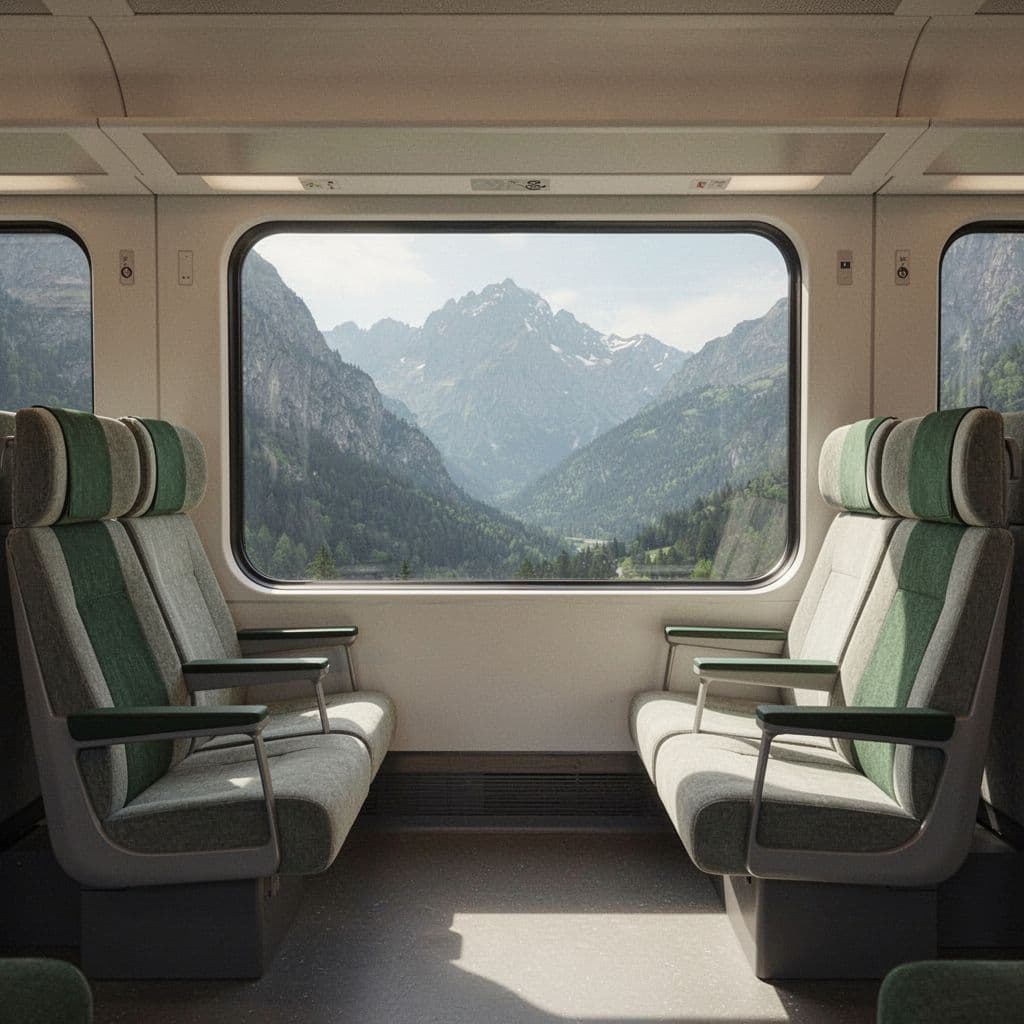
Rail travel is one of the cleanest ways to cover distance on land, especially when the train is full. According to the European Environment Agency's rail and waterborne report, rail sits at the low end of motorised transport emissions, well below aviation and most private car use.
You also get more room to breathe. A train gives you space to stretch out, work, read, or simply watch the route unfold, which makes the trip feel less like a chore and more like part of the holiday.
Trains are also gaining ground again because people want travel that feels calmer and cleaner. On many routes, they can replace short-haul flights with far less stress, fewer airport queues, and a much lower carbon footprint. When stations connect well to city centres, the whole journey often feels smoother too.
A few reasons rail stands out:
- Lower emissions per passenger: More people share the same journey, so the footprint per person drops.
- Better comfort: You usually get more legroom, easier movement, and less travel fatigue.
- Stronger reliability: Rail can avoid some of the delays that come with airports and heavy road traffic.
- City-centre access: Stations often drop you closer to where you need to be.
If a rail route replaces a short flight, the climate benefit can be immediate and easy to understand.
Buses and coaches are helping more people travel with less pollution
Buses and coaches are simple, shared transport, and that is exactly why they work. One vehicle can carry many passengers at once, so the emissions per person are far lower than if everyone drove separately.
They are especially useful for regional travel and city-to-city links where rail is limited or expensive. You can book a coach for a fraction of the cost of many other options, which makes low-emission travel more accessible for more people.
They also ease pressure on roads. Fewer cars mean less congestion, less noise, and cleaner air in busy town centres. For you, that can mean a trip that feels more relaxed and far less tiring than driving yourself.
Buses are often the most practical choice when you want:
- A low-cost link between towns and cities
- An easy way to travel without parking
- A direct route for day trips and airport transfers
- A lower-emission option for group travel
The climate gain depends on occupancy, fuel type, and route design, but the basic idea is solid. When more people ride together, pollution per traveller falls. That is why shared road transport remains such a strong part of cleaner travel systems.
Electric cars, vans, and buses are changing road travel
Electric vehicles are reshaping road transport because they remove tailpipe emissions. In city centres, this matters a great deal, since fewer exhaust fumes can mean cleaner air around hotels, stations, attractions, and residential streets.
You can already see that shift in tourist areas, shuttle fleets, and urban bus routes. Electric minibuses help move visitors around parks, resorts, and heritage sites without adding the same level of local pollution as diesel vehicles.
Still, EVs are only part of the answer. They are cleaner when the electricity comes from lower-carbon sources, and they work best when charging is easy to find. Without a good charging network, long-distance use becomes awkward, and adoption stays patchy.
That is why EV growth looks different from place to place. Some countries and cities have fast uptake, while others still struggle with cost, charging access, and grid limits. The vehicle matters, but the system around it matters too.
For travellers, the most useful rule is straightforward:
- Use electric road transport where it is available and well supported.
- Share the vehicle when you can, especially for airport runs or tours.
- Check whether your route has reliable charging before choosing an EV for a long drive.
Electric transport is progressing, but it works best as part of a wider cleaner network, not as a magic fix.
Walking, cycling, and ferries have a place too
For short trips, nothing beats walking or cycling. They have no direct travel emissions, and they let you move at the pace of the place you are visiting. You notice the bakery on the corner, the view down a side street, the smell of trees after rain.
These are also the transport modes that make local exploring feel most alive. A walk through a town centre or a cycle along a quiet path often gets you closer to everyday life than a car ever could.
Ferries matter as well, especially in places where islands, rivers, and coastal routes shape how people move. Cleaner ferries, electric boats, and lower-carbon marine systems are becoming more important as routes modernise and fuel costs rise.
They are not the answer everywhere, but they fill a clear gap. When rail cannot cross water and roads do not reach, a better ferry can keep people moving with less pollution than older diesel-heavy vessels.
The clearest low-emission options often depend on distance and location:
- Walk or cycle for short, local journeys.
- Use ferries where water crossings are part of normal travel.
- Choose the cleanest vessel available when marine transport is unavoidable.
That mix gives you more flexibility without abandoning your climate goals. In many places, the cleanest journey is the one that combines several simple choices well.
How cities and destinations are making greener travel easier
The best low-emission trips are the ones that feel simple from the start. When a city makes it easy to move by train, bus, bike, or on foot, you are far more likely to choose those options without second-guessing your route.
That is why greener travel works best when destinations design for convenience. If the station is hard to reach, the bike hire point is hidden, or the ticketing is confusing, people fall back on cars. When the basics are clear, low-emission transport becomes the easy choice, not the virtuous one.
Better infrastructure makes low-emission travel more realistic
A green travel plan only works if the system around it works too. You need station access that feels natural, joined-up ticketing, safe bike routes, and route maps that are easy to read on the move. Without those pieces, even the best-intentioned traveller can end up taking the least sustainable option.
Integrated ticketing is a good example. If one pass covers trains, buses, and trams, you waste less time and make fewer decisions. That matters when you're arriving in a new place, carrying bags, or trying to get to a hotel after a long journey.
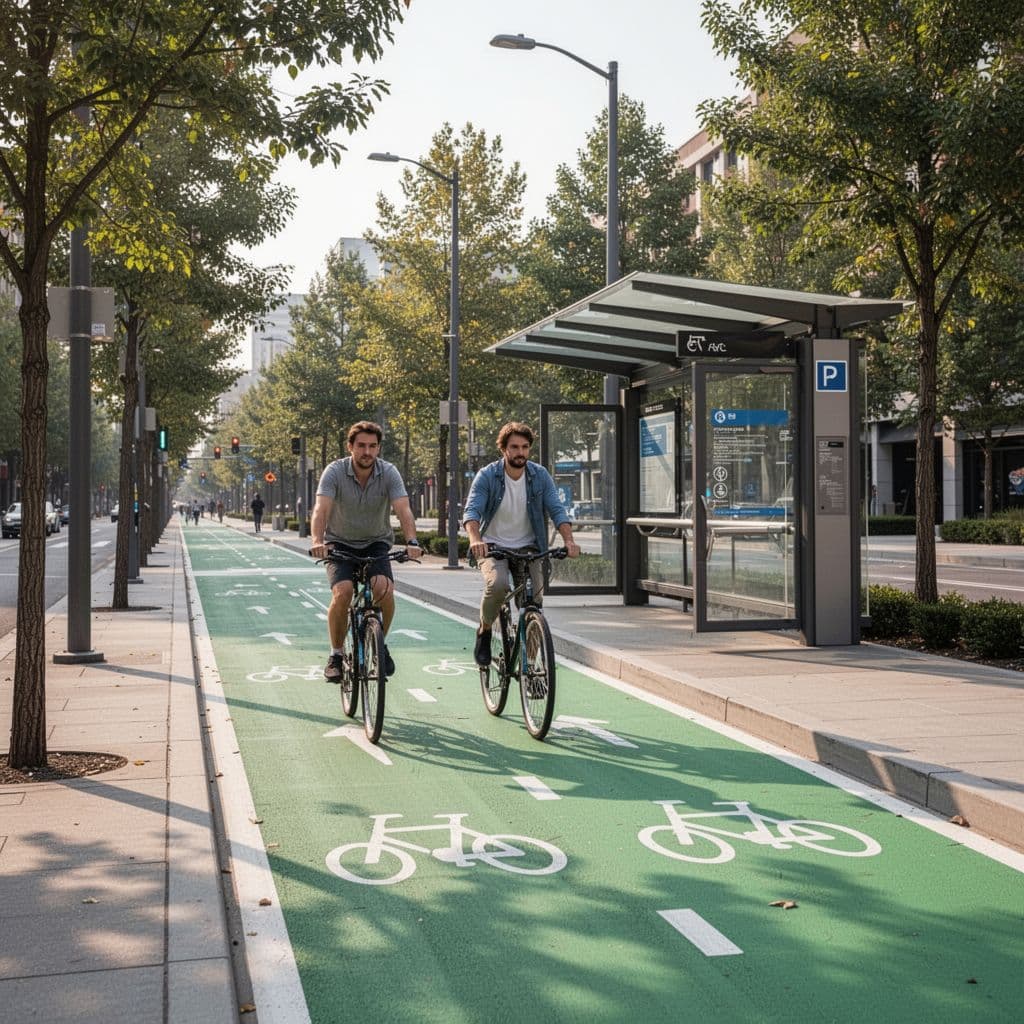
Bike hire and clear signage also remove friction. If you can spot the next step quickly, you are more likely to use it, especially in unfamiliar cities. Research on sustainable urban mobility shows that cities make better progress when public transport, walking, and cycling are connected as one system, rather than treated as separate fixes. See best practices in sustainable urban mobility for a wider look at how that approach works in practice.
You can usually spot the strongest destinations by a few features:
- Station exits that connect directly to main streets or visitor areas
- Visitor passes that work across more than one transport mode
- Bike lanes that link key sights, not just quiet side roads
- Maps that show walking times as clearly as bus times
If a place makes you stop and think at every turn, you will often choose the car.
That is why the most effective eco-transportation systems are practical first. They fit into your day without effort, and that is what makes them stick.
Tourism businesses are adapting to new expectations
Hotels, tour operators, and destination managers are changing too. More of them now know that sustainability is part of the travel offer, not a nice extra on the side. If you are booking a trip today, you may see that in shuttle services, transport advice, and tours built around car-free movement.
Many hotels now encourage guests to arrive by rail or bus, then offer electric transfers for the final leg. Some provide bike hire on-site, while others share local transit passes at check-in. That kind of support saves you time and makes low-emission transport feel normal rather than specialised.
Tour operators are also adjusting their itineraries. Instead of packaging every stop around private cars, they are building in public transport, walking routes, and small-group experiences that work well without heavy road use. In destinations with strong conservation goals, this can reduce pressure on fragile places while keeping visitor spending in local cafés, guesthouses, and shops.
You see this most clearly in car-light or car-free experiences. These trips often feel calmer, because you spend less time parking and more time in the place itself. They also help reduce noise and congestion, which matters in historic centres, coastal towns, and wildlife areas.
Destination managers are following the same path. They are adding clearer signs, better bus links, and visitor information that promotes public transport instead of private cars. Some also use lower-pollution shuttles for key routes, which helps protect air quality where visitors gather most.
For a broader look at responsible travel priorities, the main goals of ecotourism are a useful reference point, especially where local community support and conservation sit alongside visitor access.
The shift is straightforward. When businesses make greener movement part of the booking, the arrival, and the day out, you do not have to work so hard to travel well. The destination does some of the heavy lifting for you, and that is often what changes behaviour for good.
The environmental payoff, and the limits you still need to know
Low-emission travel does make a real difference, especially when you use it often. A train instead of a short flight, a bus instead of several separate car trips, or a walk instead of a lift across town all reduce pollution and pressure on busy places. That matters because travel is tied to climate change, biodiversity loss, and the health of natural areas, not just to how you get from A to B.
The payoff is clearest when your choice helps protect the place you're visiting as well as the air around it. Fewer exhaust fumes, less road noise, and lower traffic levels all support cleaner streets and calmer visitor areas. In protected landscapes and wildlife-rich regions, that kind of practical action matters more than good intentions alone.
Lower emissions are only part of the bigger picture
You get the most value from eco-transportation when it supports wider conservation goals. For example, choosing rail or bus travel can help cut demand for short-haul flights, which means less carbon in the air and less pressure on the transport system overall. It also helps when your journey keeps you closer to local businesses, rather than pushing you through sealed-off airport routes and car-heavy transfers.
Nature conservation depends on actions that fit daily life. If you travel more slowly, share rides, or stay on foot once you arrive, you reduce your footprint in ways that are easy to repeat. That is the same logic behind broader sustainable travel goals, where responsible tourism choices support both people and places.
This is why transport choices matter beyond emissions alone. Cleaner travel can help protect fragile habitats, reduce congestion near heritage sites, and keep outdoor places more enjoyable for everyone. The benefits are small on one trip, but they add up fast when you make them part of your normal routine.
Lower emissions matter most when they also protect the places you actually want to visit.
Costs, access, and long distances still create barriers
The reality is less tidy than the ideal. Some places still have weak rail links, patchy bus services, or no safe cycling routes at all. In the US, that gap can be huge outside major cities, which makes low-emission travel harder to plan and harder to trust.
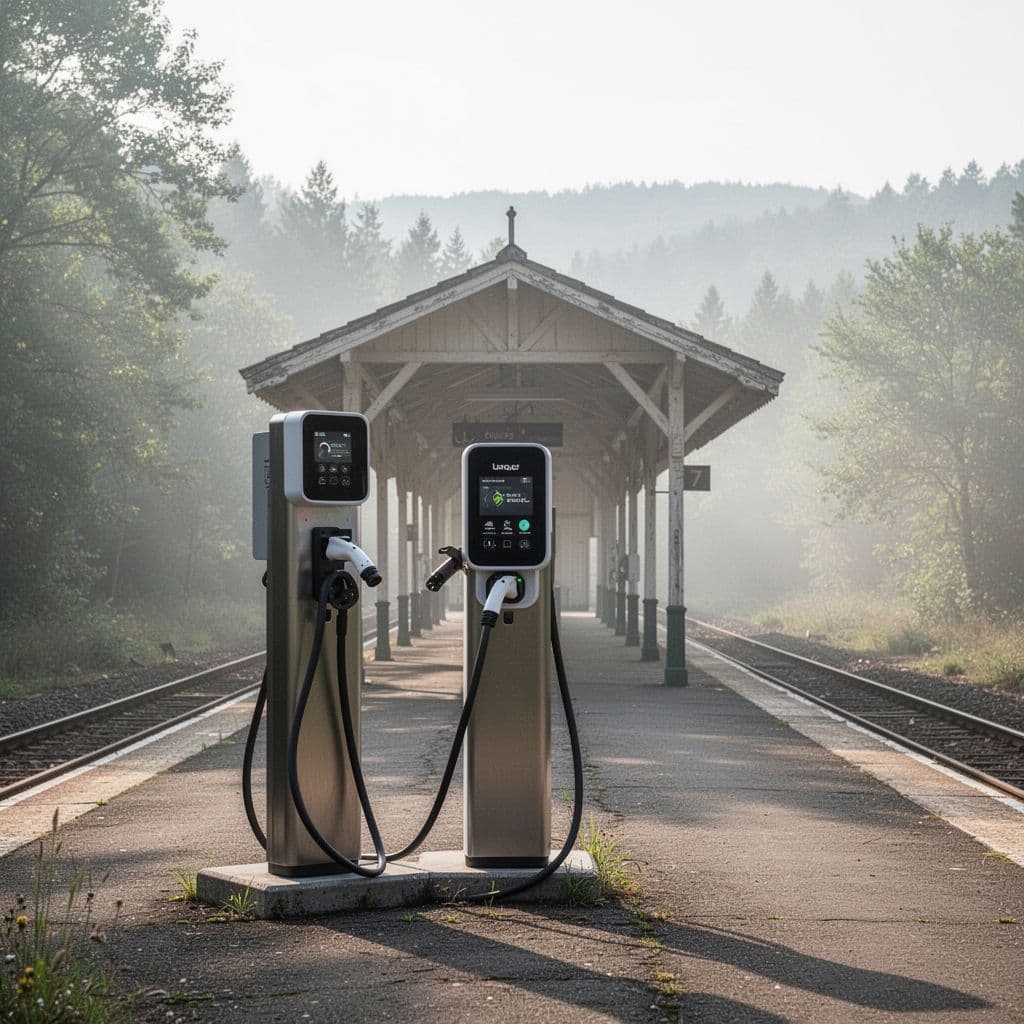
Charging access is another problem. Electric vehicles can work well for some routes, but the network is uneven, and the upfront cost is still high for many travellers. As the European Court of Auditors found in its review of EV charging infrastructure, uneven deployment makes long-distance travel more complicated, even where charging is growing. That same pattern shows up in many countries, just with different local pressures.
Long-haul flights are harder to replace too. If you're crossing a continent, or travelling where rail does not reach, the greener option is often less convenient or simply unavailable. That does not make cleaner travel pointless, it just means you need to choose carefully and be realistic about what the route allows.
The main barriers are easy to spot:
- Limited networks in rural or less connected areas
- Higher upfront costs for electric vehicles or newer services
- Patchy charging points on longer road trips
- No practical rail alternative for some long-distance journeys
The best approach is simple. Use the cleanest option that the route, budget, and infrastructure can genuinely support, then keep pushing for better systems where you travel.
How you can make lower-emission choices on your next trip
The cleanest trip choices often look simpler than you expect. You do not need to redesign every holiday, you just need to match the transport mode to the distance, the route, and the way you actually travel.
That means looking beyond habit. If you usually default to flying or driving alone, pause and ask what fits the journey best. A short city hop, a cross-country route, and an island crossing all call for different answers.

Choose the cleanest option that fits the distance
Start with the basics: how far are you going, how much time do you have, and what transport is actually available? For short local trips, walking or cycling is the obvious first choice. If the route is longer but still manageable, a bus, tram, or e-bike usually makes more sense than a solo car ride.
For regional or intercity travel, rail often gives you the best mix of lower emissions and ease. Trains usually beat cars and planes on carbon per passenger, especially on well-used routes. Coaches can also be excellent for the same reason, since one vehicle carries many travellers at once.
Use this simple rule of thumb when you plan:
- Walk or bike for very short trips and sightseeing close to your stay.
- Take the bus or coach when you need a cheap, shared option for town-to-town travel.
- Use rail for longer land journeys where stations connect well to your start and end points.
- Choose an electric vehicle when you need flexibility and public transport will not work.
- Use ferries carefully and pick newer, cleaner services where they are available.
The European Environment Agency notes that rail and waterborne travel are among the lower-carbon motorised options, while buses and coaches are also strong performers for shared road travel. You can see that in its rail and waterborne transport briefing. The takeaway is clear, if a cleaner mode fits your route, use it instead of forcing a flight or a solo drive.
The best low-emission choice is often the one that gets you there with the fewest fuel-burning miles.
Build slower, better trips instead of rushed ones
You lower your footprint fastest when you stop treating travel like a race. Longer stays, fewer hops, and better use of local transport can cut emissions without stripping out the joy of the trip. In many cases, one well-planned base gives you more than three hurried overnights ever could.
A slower trip also feels richer. You have time to learn the area, find local cafés, and use buses or trains rather than booking another short transfer. That rhythm usually saves money too, since you are not paying for repeated departures, airport transfers, or extra checked bags.
The same idea works well for wider trip planning. If you combine your stays, avoid unnecessary side journeys, and choose one region to explore properly, you reduce transport demand while getting a fuller sense of place. Rail breaks, coach links, and walkable city days all fit this style neatly.
It helps to think in practical terms:
- Stay longer in one place so you can explore on foot or by local transit.
- Choose direct routes, because every extra leg adds time and emissions.
- Replace one-day detours with local experiences near your base.
- Pack light, since easier luggage makes rail, coach, and walking far simpler.
Slow travel also pairs well with cleaner choices because it removes pressure. You are less likely to grab the first cheap flight when you are not trying to squeeze four places into five days. Instead, you can pick the transport that suits the trip and actually enjoy the ride.
Look for travel experiences that support people and nature
Lower-emission transport works best when it sits inside a wider responsible travel pattern. Once you arrive, keep using local buses, shared shuttles, walking routes, and bike hire where they exist. That helps cut emissions further and keeps more of your spending in the place you are visiting.
You can also choose operators that respect local communities and natural areas. A small tour company that uses shared transfers, a hotel that offers public transport advice, or a ferry line with cleaner vessels all make a difference. These choices matter because eco-friendly travel is not only about carbon, it is also about how you affect people, wildlife, and the places that hold them.
When you are booking, look for practical signs of care:
- Local transport advice instead of constant car use
- Group transfers rather than private rides by default
- Support for wildlife rules and protected areas
- Clear respect for trail limits, coastal access, and quiet zones
This is where transport and conservation meet. If you take a bus into a national park instead of driving multiple cars, you reduce congestion as well as pollution. If you walk through a historic centre, you help keep streets calmer for residents. If you use a cleaner ferry to reach an island, you protect the journey as well as the destination.
Responsible travel also means using the natural area with care once you get there. Stick to marked paths, keep noise down, and follow local guidance. Cleaner transport is a strong start, but the full benefit comes when your whole trip shows the same level of respect.
Lower-emission travel choices are easier to make when you plan them early. Start with the route, match the mode to the distance, then build the rest of the trip around that decision. What's your experience with eco-friendly travel? Share your thoughts in the comments, your insight helps inspire more responsible travellers.
FAQ
You may still have a few practical questions before you switch to low-emission travel. That's normal, because the best choice depends on distance, budget, and what transport exists where you are going. The answers below keep it simple and useful, so you can plan with more confidence.

What counts as low-emission transport?
Low-emission transport is any travel mode that produces less pollution than a typical solo petrol or diesel car journey, or a short-haul flight. In most cases, that includes walking, cycling, trains, buses, coaches, ferries with cleaner systems, and electric vehicles when they are used well.
The simplest rule is this, if fewer fuel-burning miles are involved, the trip is usually cleaner. You'll also get better results when you share transport with other people, because emissions are spread more efficiently across each passenger.
Is train travel really better than flying?
Yes, on many routes it is. Trains usually produce far less carbon per passenger than planes, especially on busy regional and intercity journeys where the service is well used.
The biggest gains come when a train replaces a short flight. You avoid airport transfers, check-in queues, and a lot of extra fuel use around take-off and landing. If you can choose rail for a route that fits your schedule, it is often the strongest low-emission option.
Do I need to give up comfort to travel sustainably?
No, and that's one of the biggest myths around eco-friendly travel. Cleaner transport can actually feel more comfortable, because you often get more space, less stress, and a better sense of place.
A train lets you watch the countryside roll past. A bus can drop you closer to local life. Even walking or cycling can make your trip feel more open and personal. As Travel & Climate explains, the best option depends on the route, the vehicle, and how you use it, not just the label on the ticket.
What should you do if there is no good public transport?
If rail or buses are limited, pick the cleanest practical option available. That might mean an electric vehicle, a shared transfer, or a coach instead of a private car. For very short distances, walking or cycling still makes the most sense.
You can also reduce your impact by planning ahead. Stay closer to the places you want to visit, group your errands, and avoid extra trips that don't add much to the holiday. Small choices like those add up fast.
What is the easiest way to travel more sustainably on your next trip?
Start with the mode, then work backwards. Ask yourself whether you can replace a short flight with rail, a solo drive with shared transport, or a car trip with walking or cycling once you arrive.
A simple checklist helps:
- Choose the cleanest transport that fits the distance.
- Travel light so rail, bus, and walking feel easier.
- Stay longer in one place instead of hopping around.
- Use local transit, bike hire, or your own feet at the destination.
- Support businesses that make low-emission travel easier.
If you want one habit to begin with, make it this, pick the slower route when it still works for the trip. That one decision often cuts emissions, saves money, and gives you a better journey.
Conclusion
Low-emission travel is growing because you want journeys that are cleaner, calmer, and more responsible. Trains, buses, electric vehicles, cycling, walking, and cleaner ferries are already changing how you move, even if the shift is uneven from place to place.
The strongest change is simple, you are choosing the option that fits the trip and leaves less behind. That small decision can cut emissions, reduce noise, and make travel feel more human, especially when you slow down and stay close to the route in front of you.
Your next journey is a chance to back that change in a practical way. What will you choose first on your own travels, a train, a bike, a bus, or a shorter route that makes more sense?