
Community-Based Tourism: How Local Communities Shape Your Trip
Community-based tourism puts you in touch with a place through the people who live there, because local communities help shape the stays, activities, food, and stories you experience. When you choose it, your spending is more likely to stay in the area, rather than leaking away to outside operators.
It also gives you a richer trip, since you meet the people behind the destination and see local culture, wildlife, and everyday life in a more honest way. Done well, it supports conservation, protects traditions, and keeps travel closer to the values of sustainable tourism, which is why it fits so well with eco-friendly travel destinations in France and other low-impact trips.
If you want travel that feels more personal and does more good, this approach is worth your attention.
What community-based tourism really means for you and the places you visit
Community-based tourism gives you a more direct connection to a place because local people help shape the trip itself. That changes the experience in a real way. You are not just passing through, you are spending time in a place where the people who live there decide what is shared, how it is shared, and what kind of visitor behaviour works best.
For you, that usually means a slower trip with more context and less gloss. For the place you visit, it means tourism can support local income, protect culture, and fit around everyday life instead of pushing it aside. UNESCO's work on sustainable tourism and local stewardship shows why this matters, especially where heritage, nature, and community life overlap.
How local people keep control of the visitor experience
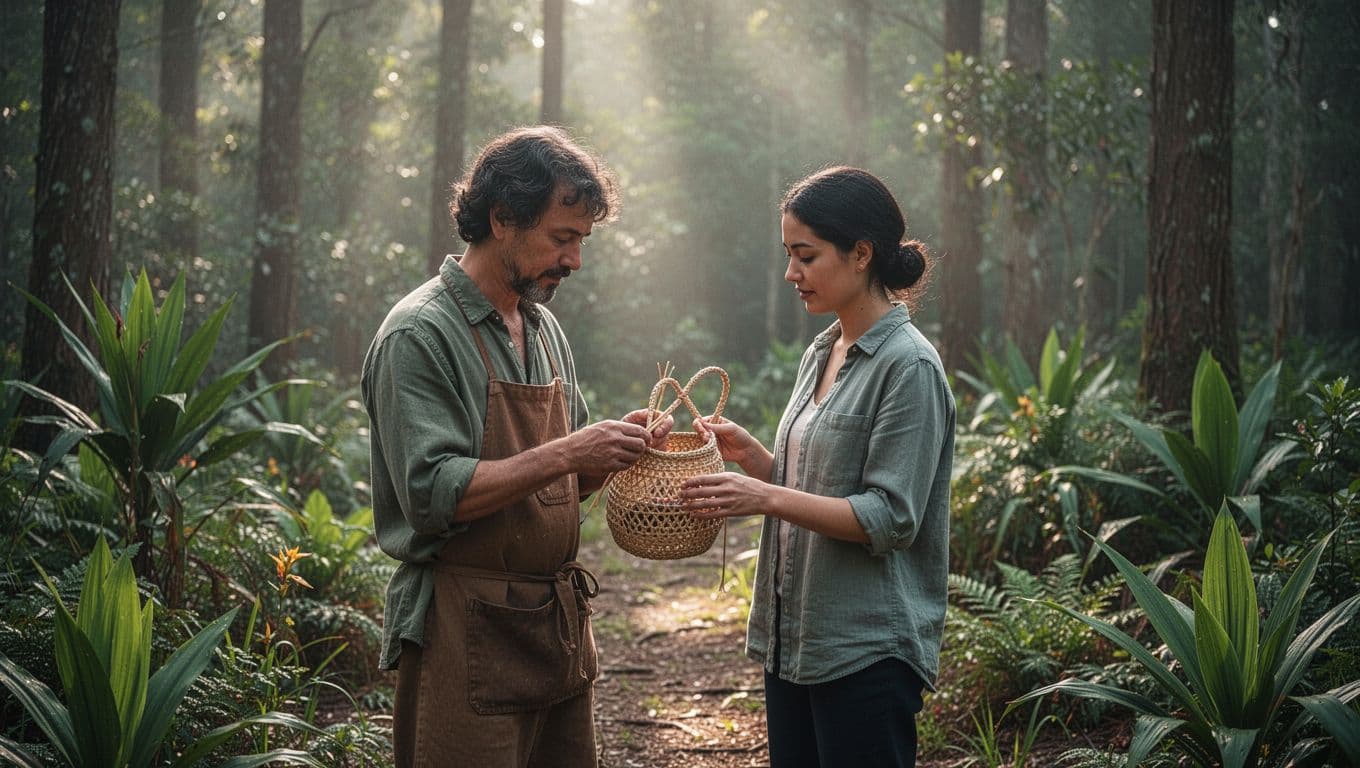
In community-based tourism, local people do more than welcome you. They set the rules. They decide where you can go, what activities are offered, how many visitors a site can take, and which parts of daily life stay private. That control helps keep the experience respectful and stops tourism from taking over the place you came to see.
You might stay in a homestay run by a family, join a local guide on a village walk, or eat a meal prepared by residents using regional ingredients. You may also visit a craft workshop, a farm, or a nature trail that the community maintains itself. Each of these experiences works best when the hosts lead the pace and the limits.
That control matters because it keeps tourism tied to local priorities, not outside pressure. It also helps communities protect wildlife, sacred spaces, and fragile landscapes. As National Geographic explains, community-led travel can support conservation and local livelihoods at the same time when it is managed well.
A strong community tourism model often includes:
- Local ownership or oversight so decisions stay in the area
- Clear visitor rules that protect homes, land, and customs
- Small group sizes that reduce pressure on people and places
- Local guides and hosts who share the story in their own voice
- Community-run food and craft experiences that keep money circulating nearby
When you book this kind of trip, you are not buying a packaged script. You are entering a place on local terms, which usually leads to better behaviour, better stories, and a better outcome for everyone involved.
Why this model feels more personal and authentic
Community-led travel feels different because you see daily life up close. You notice how people cook, work, greet neighbours, care for the land, and pass on traditions. Those details matter. They give the place a human shape, instead of turning it into a backdrop for photos.
That is why the experience often feels more honest than a mass-market holiday. Large tours can move you quickly from one attraction to the next, but they often leave little room for real conversation. In contrast, community-based tourism gives you time to listen, ask questions, and notice how the landscape and the culture belong together.
You may sit at a family table, walk through a field with a local host, or learn the meaning behind a craft pattern or cooking method. Those moments stay with you because they are personal. They also give you a clearer sense of how people live with the land, not just around it.
This slower style of travel also matches what many people want now, which is a trip that feels less synthetic and more grounded. If you value responsible travel, you will probably notice that community-based tourism offers the kind of connection that standard holiday packages often miss. It gives you a story shaped by people, place, and lived experience, not just itinerary stops.
The strongest trips often leave you with more than photos. They leave you with names, places, and a better understanding of how local life really works.
If you want to understand how local livelihoods, culture, and conservation can fit together, the wider principles behind ecotourism are useful too. You can see that thinking reflected in the main goals of ecotourism, where environmental care and community benefit go hand in hand.
When you choose this model, you are helping create a trip that feels human, protects local identity, and keeps value close to home.
The ways local communities shape tourism from the ground up
When you travel in a community-based way, the place does not adapt to suit you. Instead, the people who live there shape the experience first, then invite you in on their terms. That shift changes everything, because tourism becomes part of local life rather than something dropped on top of it.
You can see this in the activities offered, the visitor rules, and the way income is shared. It also shows up in small details, like the pace of a walk, the food on the table, or the silence kept around sacred ground. In other words, the community decides what feels right, and that protects both people and place.
Choosing which activities visitors can join
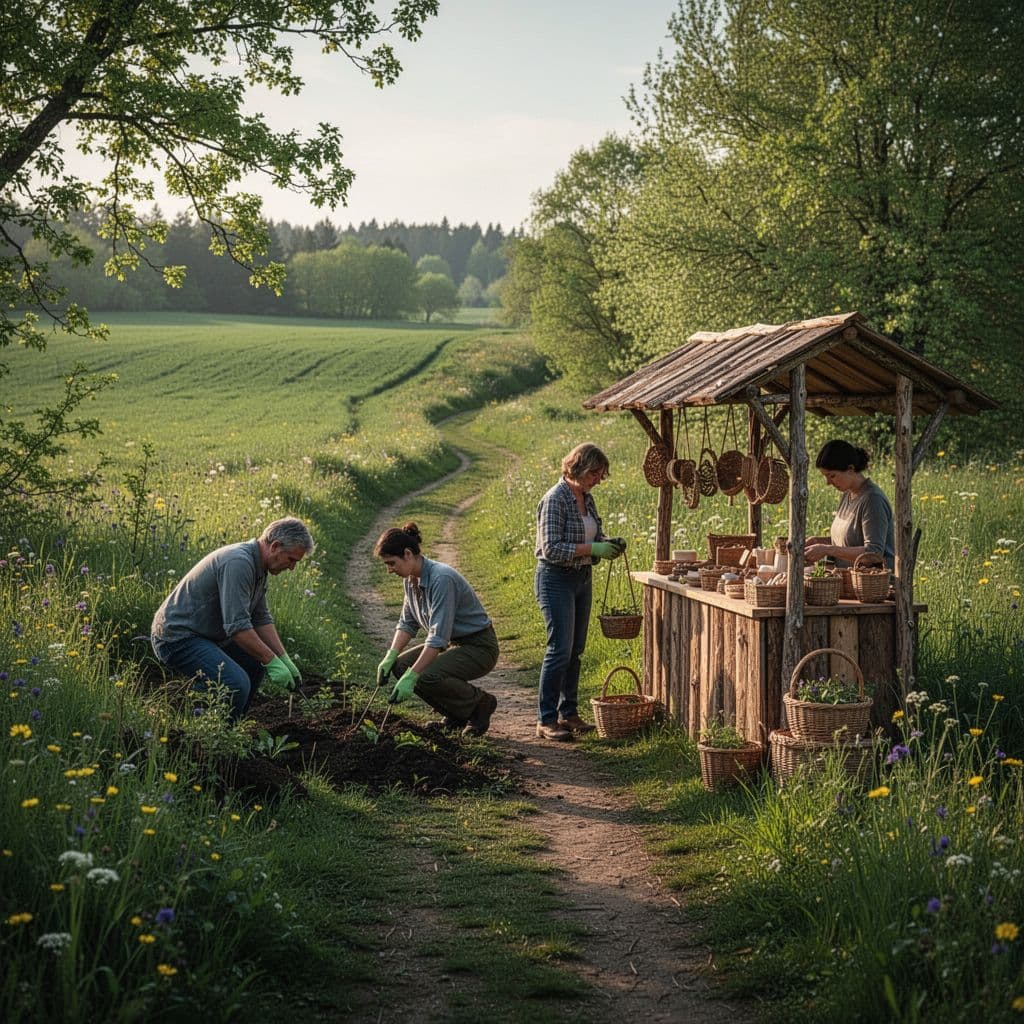
Local communities know which parts of daily life can be shared and which should stay private. That is why the best trips often include activities rooted in real work and local knowledge, rather than copied resort-style experiences. You might join a farming day, go fishing with a local crew, watch wildlife with a community guide, cook a regional dish, listen to stories after sunset, or help with conservation work.
These choices matter because they reflect local skills, land use, and cultural values. A coastal village will not offer the same experience as a mountain hamlet, and that is the point. The strongest community tourism feels shaped by the place itself, not by a generic visitor package.
When activities come from local life, you also learn more. You see how people care for the land, use natural resources, and pass knowledge between generations. That is what gives the trip texture and truth. As National Geographic has explained, community-led tourism works best when the community decides how its culture and environment are shared.
Setting visitor limits so tourism stays manageable
Local rules help tourism stay calm, safe, and respectful. Communities may cap group size, limit access at busy times, or set clear behaviour rules around homes, paths, wildlife, and water use. Those limits are not a barrier, they are a safeguard.
Small numbers often make the whole visit better. You hear more, rush less, and notice details that disappear in a crowd. At the same time, fewer visitors put less strain on footpaths, toilets, gardens, streams, and quiet spaces where wildlife needs room.
This approach also helps prevent friction. Neighbours are less likely to feel crowded out, and hosts can give proper attention to each guest. The experience becomes steadier and more relaxed, because nobody is trying to manage a crush of people.
A well-run community site often sets boundaries such as:
- Group sizes that match local capacity
- Visiting hours that fit daily routines
- Behaviour rules for photography, dress, and noise
- Path limits to protect fragile ground
- Water and waste rules that cut pressure on shared resources
When you respect those limits, you help protect the very place you came to see. You also get a better sense of how the community wants tourism to work, which is often the real lesson.
Keeping money and jobs in the area
Economic benefit is one of the biggest reasons community-based tourism matters. When locals lead the trip, the money is more likely to stay nearby and support real jobs. That includes guides, homestay hosts, drivers, cooks, craft makers, farmers, and people who manage paths or wildlife sites.
This local flow of money does more than pay wages. It can help fund schools, road repairs, health support, clean water, and conservation projects. That makes tourism part of everyday resilience, not just a seasonal income boost.
It also creates room for small businesses to grow. A family farm can sell meals, a co-operative can sell crafts, and a village guide can turn deep local knowledge into steady work. Over time, that can reduce dependence on outside operators who take most of the profit.
If tourism is done well, it should leave more value behind than it takes away.
Community earnings also support conservation because people have a direct reason to protect forests, rivers, reefs, and wildlife. When the land stays healthy, the community has a stronger future. That link between livelihood and care is one of the clearest strengths of this model, and it is why the approach keeps drawing interest across sustainable travel projects.
Why community-based tourism helps protect nature and wildlife
When you choose community-based tourism, you help shift the value of nature from something taken to something protected. That matters because forests, reefs, wetlands, and wildlife start to earn their keep when local families benefit from them in a direct, steady way.
This is where conservation becomes practical. A healthy trail, a thriving mangrove, or a protected nesting site can support jobs, food, guiding, homestays, and craft sales. If the habitat is damaged, those benefits fade. The community then has a clear reason to think long term, because the future of the place is tied to its own future.
When tourism gives communities a reason to conserve
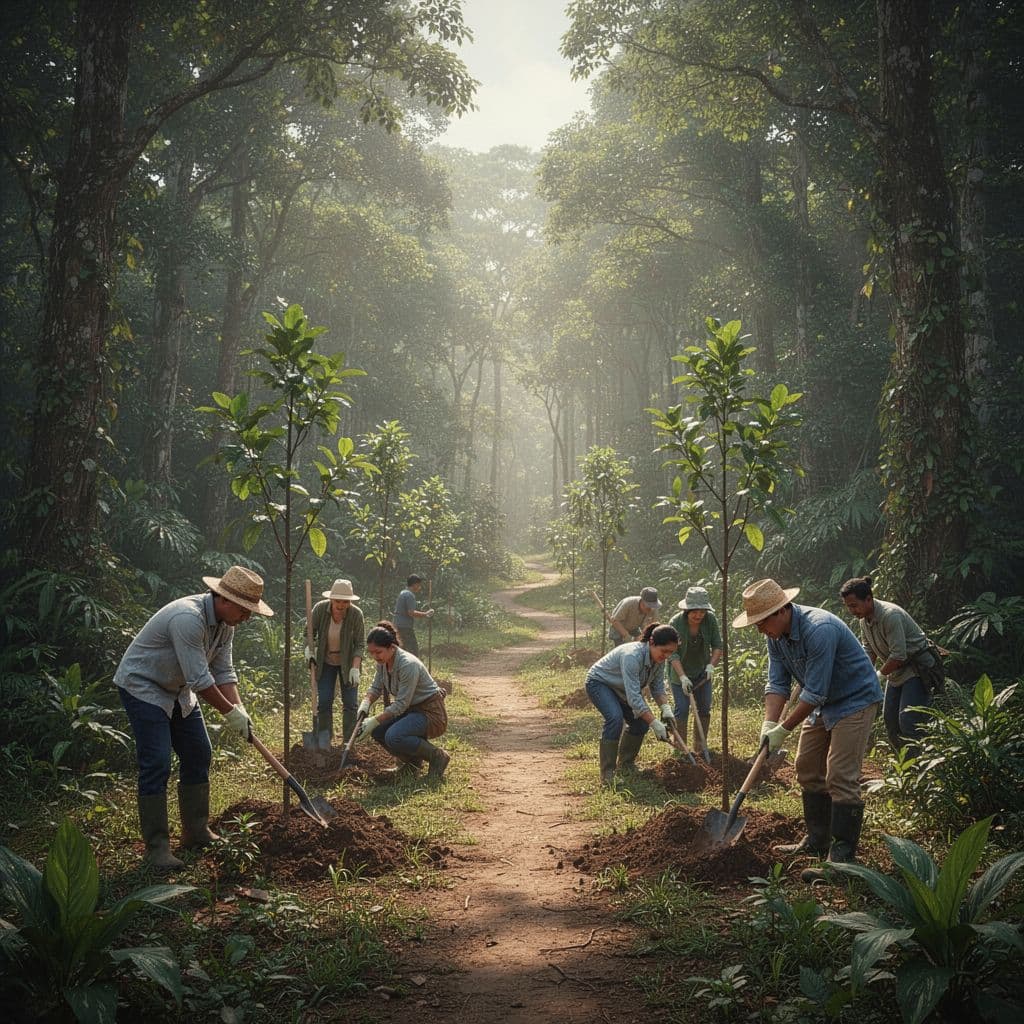
Tourism income can change how people see the land around them. A forest is no longer just timber or cleared ground. A reef is not just space for boats or fishing. It becomes a living asset that brings in guests, supports work, and keeps money circulating locally.
That shift matters because people protect what helps them live well. If visitors pay for guided walks, local meals, wildlife watching, or homestays, the community has a reason to keep the habitat intact. The same idea applies to bird sanctuaries, wetlands, and coastal areas, where healthy ecosystems support repeat visits and better local income.
This also encourages long-term thinking. A community that benefits from nature this season wants that same value next season and ten years later. In other words, the safest plan is often the greenest one.
A well-managed model can support:
- Habitat protection, because intact nature brings in more stable tourism income
- Wildlife conservation, because animals become part of the local economy
- Restoration work, such as tree planting or reef repair funded by visitor spending
- Education, because residents can teach visitors why the place matters
For a wider view of how nature-based travel can support local economies, National Geographic's overview of community-based tourism is a useful read.
How local knowledge supports better environmental care
Residents often know the land better than any map. They know when trails get soft after rain, where animals feed at dawn, which areas flood, and where nesting sites need space. That local knowledge makes tourism safer for both wildlife and visitors.
You benefit from that knowledge in simple, practical ways. A local guide can steer you away from fragile ground, suggest quieter routes, and time wildlife viewing so animals are less disturbed. They can also help you choose lower-impact travel options, such as walking routes, shared transport, or small group visits.
This matters most in places where small mistakes cause big damage. A wrong step near a nesting area, a noisy boat at the wrong time, or too many people on a narrow path can stress animals and damage the habitat. Local people are best placed to spot those risks early.
Their knowledge also improves the visitor experience. You see more, because you move with the rhythm of the place rather than against it. You also leave a lighter footprint, which is the point of responsible travel.
The best wildlife guides do more than find animals, they protect the conditions that let animals stay wild.
Local insight often leads to better choices such as:
- Visiting at off-peak times to reduce pressure on sensitive areas
- Using marked trails that reduce erosion and trampling
- Watching wildlife from a respectful distance
- Choosing boats, bikes, or walks instead of higher-impact transport
What can go wrong when tourism ignores the environment
When tourism grows without local control, the damage often starts small and builds fast. Too many visitors can crowd paths, stress wildlife, and leave behind litter and sewage. Water use can also rise sharply, which puts pressure on villages that already manage limited supply.
Habitat damage is another common problem. Trampled ground, off-road vehicles, and repeated disturbance can break up nesting areas, feeding zones, and riverbanks. Wildlife then moves away, and the very thing that attracted visitors begins to disappear.
Waste is part of the same pattern. If bins, treatment systems, and clean-up plans do not match visitor numbers, rubbish ends up in streams, fields, and coastlines. That affects birds, fish, and smaller animals first, then the people who live there.
Community control helps reduce these problems because it keeps tourism within local limits. Residents know how much water they can spare, how many people a site can handle, and which areas need rest. They are also more likely to protect the places they depend on, because they live with the results every day.
The World Bank has highlighted how wildlife-based tourism can support biodiversity when it is managed well, with local people and conservation both kept in view. See their work on sustainable wildlife tourism for a helpful example of that balance.
The cleanest outcome is simple. When the community leads, tourism has a better chance of staying small enough, calm enough, and respectful enough to leave nature intact.
Why this matters for your next trip
If you want your trip to support conservation, look for signs that local people have real control. Ask who owns the business, who guides the activities, and where the money goes. If the answer is clear, the trip is more likely to support wildlife and the wider environment.
You do not need to give up comfort to travel responsibly. You only need to choose places where nature is treated as a shared responsibility, not a backdrop. That choice gives you a better trip and helps protect the living world the trip depends on.
FAQ
How does community-based tourism help wildlife?
It gives local people a reason to protect animals and habitats because healthy nature brings in income.
Why is local management better for conservation?
Local people know the land, the seasons, and the risks, so they can set smarter limits.
Can tourism really support environmental protection?
Yes, if it funds guides, restoration, education, and habitat care instead of stripping value out of the area.
What should you look for in a responsible trip?
Choose small-scale operators, local guides, clear visitor rules, and places that reinvest in the community and environment.
The cultural value of travelling with, not over, local people
When you travel with local people, you get more than a visit. You enter a place through the people who live there, and that changes the tone of the whole trip. Culture feels lived-in, not staged, because the community keeps control over what is shared and how it is shared.
That matters because good travel should not flatten people into a performance for outsiders. It should leave room for dignity, privacy, and choice. When you move at local pace and follow local lead, you help protect the things that make a place distinct in the first place.
How communities decide what parts of their culture to share
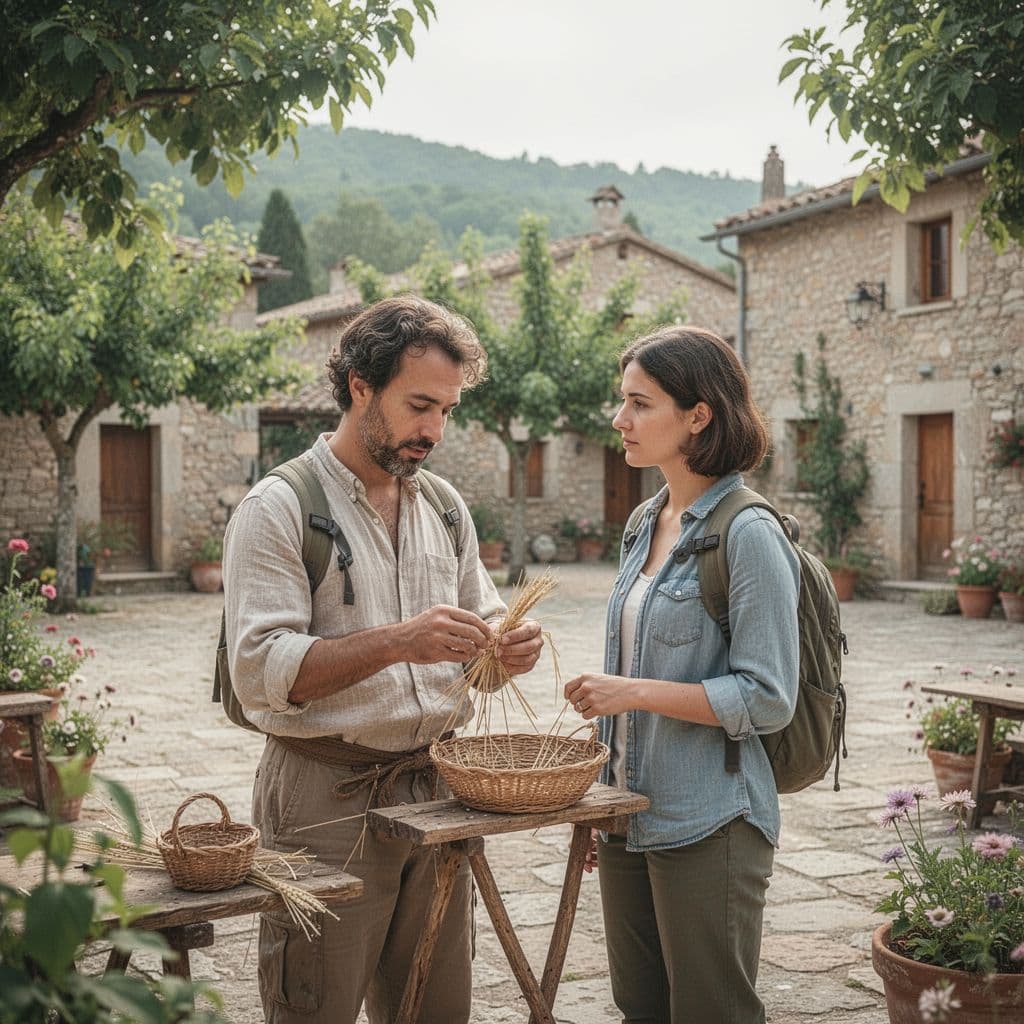
The strongest community-based trips start with a simple idea, local people decide what feels right to show you. That might include stories, food, crafts, music, or a ritual tied to a season or celebration. It may also mean leaving some things private, and that boundary deserves respect.
When communities lead this process, culture is presented with care rather than turned into a costume. A cooking lesson in a family home feels different from a fake folk show. A story told by an elder feels different from a script written for tourists. You sense the difference straight away.
This approach also helps keep people safe. Some traditions are tied to sacred spaces, family life, or sensitive history. If visitors are given access to everything, the result can feel intrusive. When local hosts choose what to share, they protect both the culture and the people carrying it.
Good tourism supports that balance. It gives you a richer experience without forcing locals to exaggerate themselves for your benefit. That is where respect becomes practical, because it shapes how tours are designed, how photos are taken, and how stories are told.
You can often spot a thoughtful operator by the way they frame the experience. They will explain the setting, ask for consent, and avoid turning people into props. If you want a wider view of the values behind this kind of travel, the main goals of ecotourism line up closely with this idea, since they place community benefit alongside environmental care.
Why respectful travel helps keep traditions alive
Respectful travel can give traditions a reason to continue. When visitors show real interest in language, music, weaving, cooking, or local history, younger people see that these skills still matter. That sense of value can be powerful.
A child who watches tourists listen carefully to a village song may see that song with new eyes. A teenager who helps explain a family recipe may begin to take pride in it. Small moments like these can keep heritage from fading into the background of modern life.
Money matters too. If travel income supports craft makers, guides, storytellers, and community events, then traditional skills have a better chance of surviving. They are no longer treated as old habits, but as living work that still has a place in daily life.
That is why dignity matters so much. When culture is treated as a joke, a costume, or a photo backdrop, people often pull away from it. When it is treated with care, it stays visible. Pride grows, and with it comes the will to pass things on.
Community tourism can also keep local language in use. Visitors who learn a few words, hear place names correctly, or ask about meanings help keep language active. That is a small gesture, but it tells people their heritage is worth hearing.
When culture is respected, it is more likely to stay alive in homes, schools, and shared spaces.
The UNESCO framework on cultural heritage and sustainable development reflects the same basic truth, heritage lasts longer when communities are part of the decision-making, not just the display.
What you can do as a traveller
Your behaviour shapes the cultural value of the trip more than you might think. You do not need to do much, but you do need to be attentive. Ask before taking photos, listen more than you speak, and follow your host's lead when customs are explained.
A few habits make a clear difference:
- Buy directly from local makers whenever you can.
- Accept that some spaces are not open to visitors.
- Let hosts choose the pace of the visit.
- Learn a few local phrases and use them properly.
- Treat food, clothing, and rituals as part of daily life, not entertainment.
These choices help you travel with people, not over them. They also make the experience more rewarding, because you gain a better view of how culture actually works.
If you pay attention in this way, you become part of a healthier exchange. The community keeps its voice, traditions stay meaningful, and your trip feels grounded in real human connection. That is the kind of travel that leaves something good behind.
What strong community-based tourism looks like in practice
Strong community-based tourism is easy to spot once you know what to look for. You can feel it in the way hosts welcome you, the way money stays local, and the way the trip fits around daily life instead of disrupting it. The best versions feel warm, practical, and grounded.
In practice, you should see local ownership, clear community benefit, and real control over what visitors do. If those pieces are in place, your trip is more likely to support people, protect place, and give you a proper sense of where you are.
Homestays and small lodges run by residents
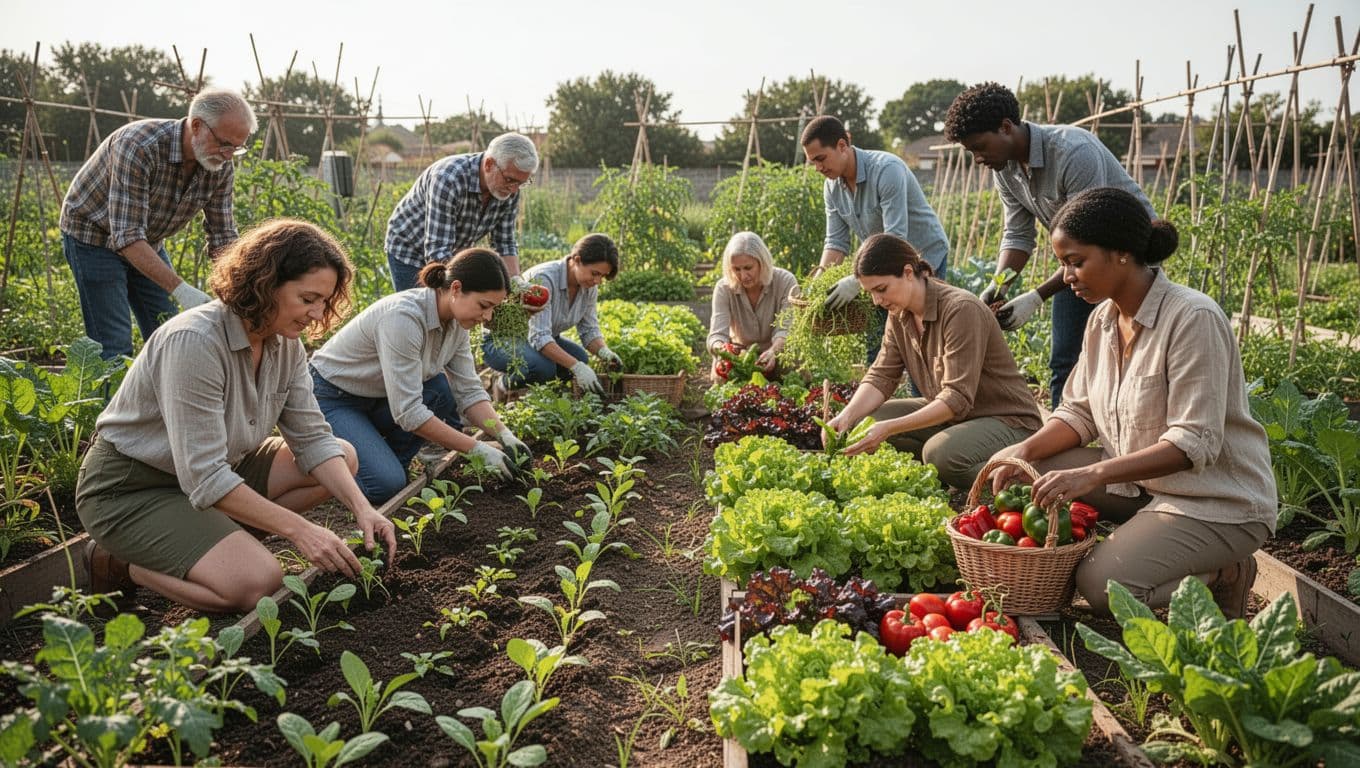
Homestays and small lodges run by residents keep your spending in the area. Instead of flowing to a distant chain, your money helps a family, a co-operative, or a village business pay local wages and cover local costs. That makes a real difference in places where tourism income is one of the few reliable sources of cash.
You also get a fuller experience. Shared meals, local stories, and simple daily routines give you a better view of life in the place you are visiting. A family breakfast or an evening chat on the veranda often teaches you more than a polished resort package ever could.
This kind of stay also builds trust. You meet the people behind the destination, so travel feels personal rather than anonymous. A strong example is the Barauli Community Homestay, where local women help run the experience and the income supports wider community livelihoods.
Guided experiences led by people who know the land best
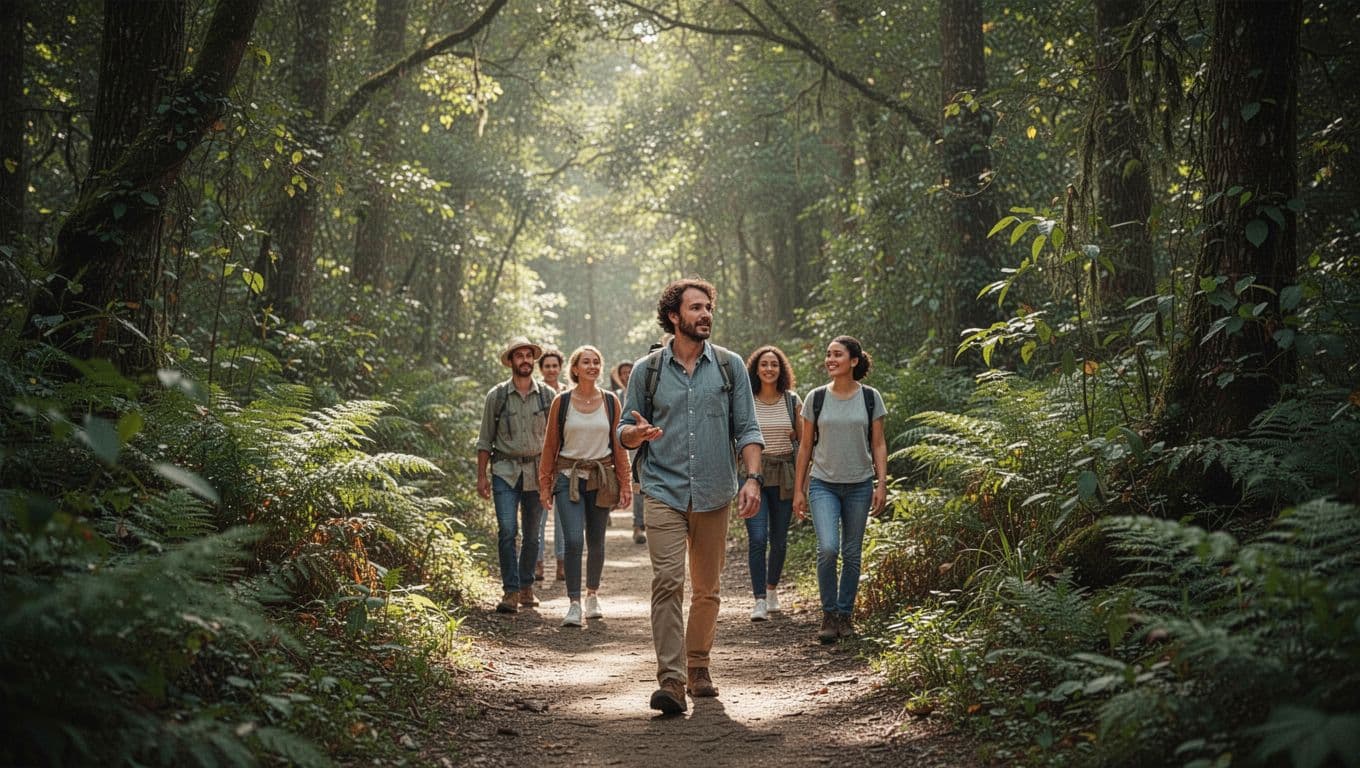
Local guides bring the land to life in a way outside operators often cannot. They know where wildlife moves, which paths stay safe after rain, which stories belong to a hill or river, and which customs matter in a village or sacred site. That knowledge makes your trip richer and more respectful at the same time.
You might join a wildlife walk, a heritage visit, a cycling route, a canoe trip, or a village tour. In each case, the guide does more than point things out. They explain the meaning behind what you see, and they help you move through the area without causing harm.
Safety matters too. A local guide understands weather changes, seasonal risks, and route conditions far better than someone passing through. That is why guided experiences often feel calmer and more dependable, especially in places where the landscape changes fast.
Community projects that link tourism with daily life
The strongest community-based tourism does not sit apart from village life. It supports the things that people already care about, such as food, land, work, and conservation. That might mean a garden that supplies meals, a craft co-operative that sells handmade goods, or a beach clean-up that keeps the coast usable for everyone.
You may also see tree planting, wildlife monitoring, or shared waste reduction efforts. These projects matter because they give tourism a wider purpose. Visitors are not just passing through, they are helping fund work that local people need anyway.
A strong model keeps the link clear. If a village uses tourism income to support a school, improve paths, or protect a habitat, the trip has a visible local benefit. You can see the same idea in community-led projects such as Kewzing Village Home Stay, where tourism supports village life, not the other way around.
If tourism only serves visitors, it stays shallow. When it supports daily life, it becomes stronger, fairer, and easier to sustain.
You can also look for signs that the project shares control and opportunity fairly. That often includes women's groups, local co-operatives, and residents taking part in planning as well as hosting. The more the community helps shape the trip, the more likely it is to last.
For another useful example of local benefit and visitor experience working together, see community tourism development in Nepal. It shows how local management, training, and community-led roles can turn a simple homestay idea into a broader livelihood.
When you find all three of these elements, resident-run accommodation, knowledgeable local guiding, and projects tied to everyday life, you are looking at community-based tourism at its best. It is practical, human, and rooted in the place itself, which is exactly why it leaves a better mark on your trip and on the community that hosts you.
How you can be a better traveller in community-led destinations
When you visit a community-led destination, your choices matter more than they do in a standard holiday package. You are not just buying a bed or a tour, you are shaping where the money goes, how people are treated, and how much pressure the place carries.
The good news is that being a better traveller is simple. You ask better questions, spend with purpose, and behave in a way that fits the place rather than forcing the place to fit you.
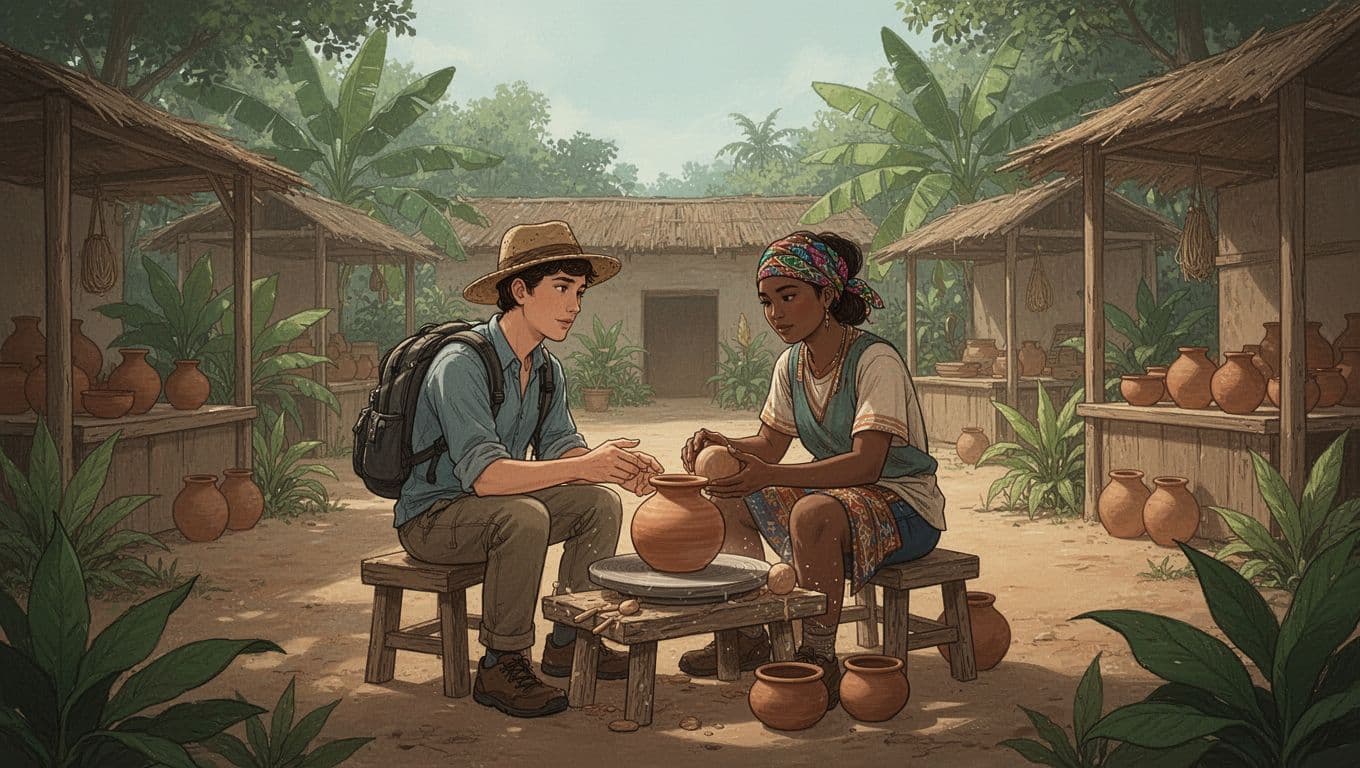
Questions to ask before you book
Before you pay a deposit, check who actually owns the business. A homestay, lodge, or tour can look local on the surface while most of the profit still leaves the area. Ask whether the owners are from the community, whether local staff are paid fairly, and whether residents have a real say in how the experience runs.
You should also ask where your money goes. Does it support households, conservation work, a village co-operative, or school projects? If no one can explain that clearly, the business may not be as community-led as it claims.
A few simple checks can save you from booking the wrong trip:
- Who owns and manages the business?
- Do local people make the decisions?
- How many guests do they host at once?
- What does your payment support?
- Are residents free to set limits and rules?
Transparent operators answer those questions without hesitation. That openness usually means the destination is locally rooted, not just branded that way for marketing. The National Geographic guide to community-based tourism makes a similar point, local control is what turns a visit into real support.
Ways to spend in a way that helps the community
Your spending choices can strengthen a local economy or drain it. If you hire a local guide, eat in family-run cafés, and buy crafts directly from makers, more money stays where it is needed. If you book through outside chains and skip local businesses, the benefits shrink fast.
Start with the basics. Choose locally owned stays, pay fair prices, and tip when it is appropriate. Buy food from local markets, join community-run walks, and support co-operatives rather than middlemen when you can.
A few habits make a clear difference:
- Hire local guides who know the land and culture.
- Eat local food, especially in small restaurants and home kitchens.
- Buy handmade goods from the people who made them.
- Use small businesses for transport, laundry, and day trips.
- Pay the asking price when it is fair, not the lowest possible one.
If you want a useful rule, keep this in mind: spend as if the place matters, because it does. Responsible travel is not only about what you avoid, it is also about where you direct your money. For a practical example of visitor income staying close to home, community tourism guidance from Wanderlust shows how local spending can back real livelihoods.
How to travel with respect and leave a lighter footprint
Respect starts with small actions. Follow house rules, ask before taking photos, and dress in a way that fits local customs. If a host asks you to remove shoes, keep noise down, or stay on certain paths, do it without fuss.
You should also travel lightly. Carry reusable items, avoid single-use plastic, and leave no litter behind. Stay on marked trails, because one careless shortcut can damage soil, plants, and wildlife habitat.
Wildlife deserves extra care. Do not feed animals, crowd them for photos, or support attractions that exploit them. If an activity feels harmful or invasive, walk away. Your money has weight, and your choices send a clear message.
A few easy habits help you blend respect with low impact:
- Learn a few local words and use them politely.
- Ask before photographing people, homes, or ceremonies.
- Keep to signed paths and protected areas.
- Carry out what you carry in.
- Give animals space and stay quiet around them.
Good travel leaves room for the people who live there, and it leaves the land in decent shape for the next season.
You do not need to be perfect. You just need to be thoughtful. When you book with care, spend locally, and behave with respect, you become the kind of visitor community-led destinations welcome back.
The future of tourism belongs to the communities who live there
The strongest travel experiences now come from places where local people set the tone. That matters because travellers are no longer satisfied with polished stops and rushed photo breaks. They want a real sense of place, and that starts with the people who live there.
Community-based tourism fits that shift well. It gives you a trip with more meaning, while also keeping money, jobs, and decision-making closer to home. When local communities shape the experience, tourism feels less extractive and more like a shared exchange.
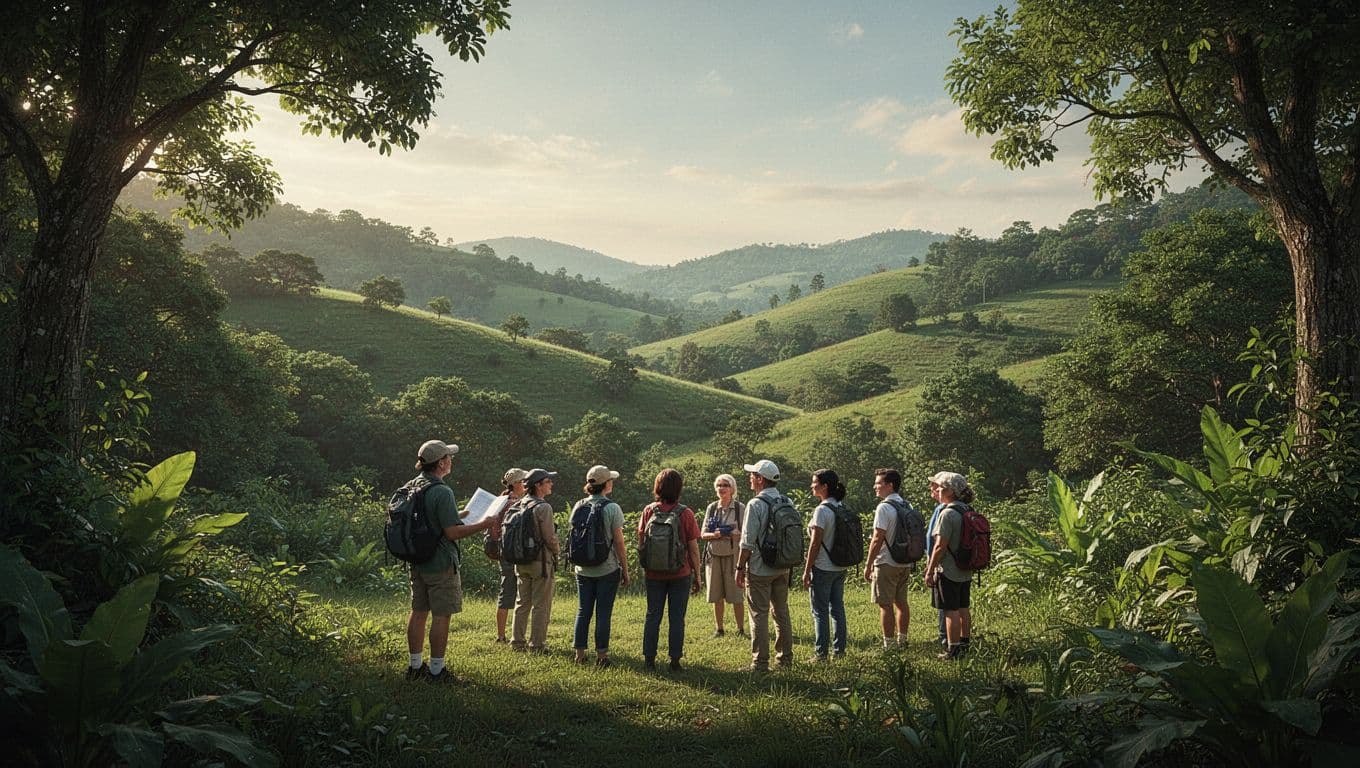
Why more travellers are seeking meaningful experiences
You can see the change in what people now look for before they book. They want connection, learning, and a clear purpose behind the trip. A quick snapshot on social media is no longer enough, because many travellers want to come home with a story that feels real.
That is one reason responsible travel keeps growing. People are asking more questions about who benefits, how the land is cared for, and whether the trip supports local culture. Recent travel research also shows that many travellers are willing to choose community-rooted experiences, even when they cost a bit more, if the trip supports local people and culture. See traveller demand for responsible tourism for a clear example of that shift.
You can feel that change on the ground. A cooking lesson in a family kitchen, a village walk with a resident guide, or a wildlife outing run by local people gives you context that a standard excursion cannot. It also creates space for listening, which is often where the best travel memories begin.
A few reasons this matters so much now:
- Travellers want authenticity, not a packaged version of local life.
- People want to learn, not just pass through.
- Responsibility matters, because visitors now care more about where their money goes.
- Eco-friendly choices feel more relevant, since low-impact travel often pairs better with small-scale, local experiences.
That is why the future of tourism is shifting towards trips that feel thoughtful and grounded. When you choose them, you are not just visiting a destination. You are taking part in it with more care.
How community-led tourism can grow without losing its heart
Growth does not have to mean crowds, noise, or pressure on local life. The best community-led tourism grows slowly enough to protect the place, but strongly enough to support the people who live there. That balance is the whole point.
If a project grows too fast, it can push out the very values that made it special. Roads get busier, waste rises, and local routines get squeezed. If it stays too small, though, it may not generate enough income to support families, guides, hosts, or conservation work. The answer is balance, not mass tourism.
That is why the most sustainable projects often keep group sizes modest, use local staff, and put clear limits around visitor numbers. They also reinvest in training, maintenance, and community needs. According to World Economic Forum coverage of sustainable travel demand, travellers are increasingly looking for options that are both responsible and easier to access, which gives community-based tourism room to grow on its own terms.
When growth is handled well, you usually see:
- More local jobs without overwhelming the area.
- Better training for guides, hosts, and small operators.
- Stronger conservation links, because healthy nature supports repeat visits.
- Fairer income spread, so tourism money stays in the community.
- Less damage to culture and land, because the community keeps control.
Good growth in tourism should look steady, not loud.
You should also look for signs that the project is built to last. Local ownership, transparent pricing, and clear visitor rules all help keep the experience authentic. So does a focus on small businesses, craft makers, growers, and family-run stays. That is how tourism stays human. It supports livelihoods without turning daily life into a performance.
When communities lead, tourism becomes more resilient, more useful, and more honest. That is the kind of future travellers are starting to choose, one visit at a time.
FAQ
If you still have a few questions, that's a good sign. Community-based tourism works best when you know what to look for before you book, and a clear answer now can save you confusion later. The short version is simple, local control matters, your spending matters, and respectful behaviour changes the whole trip.
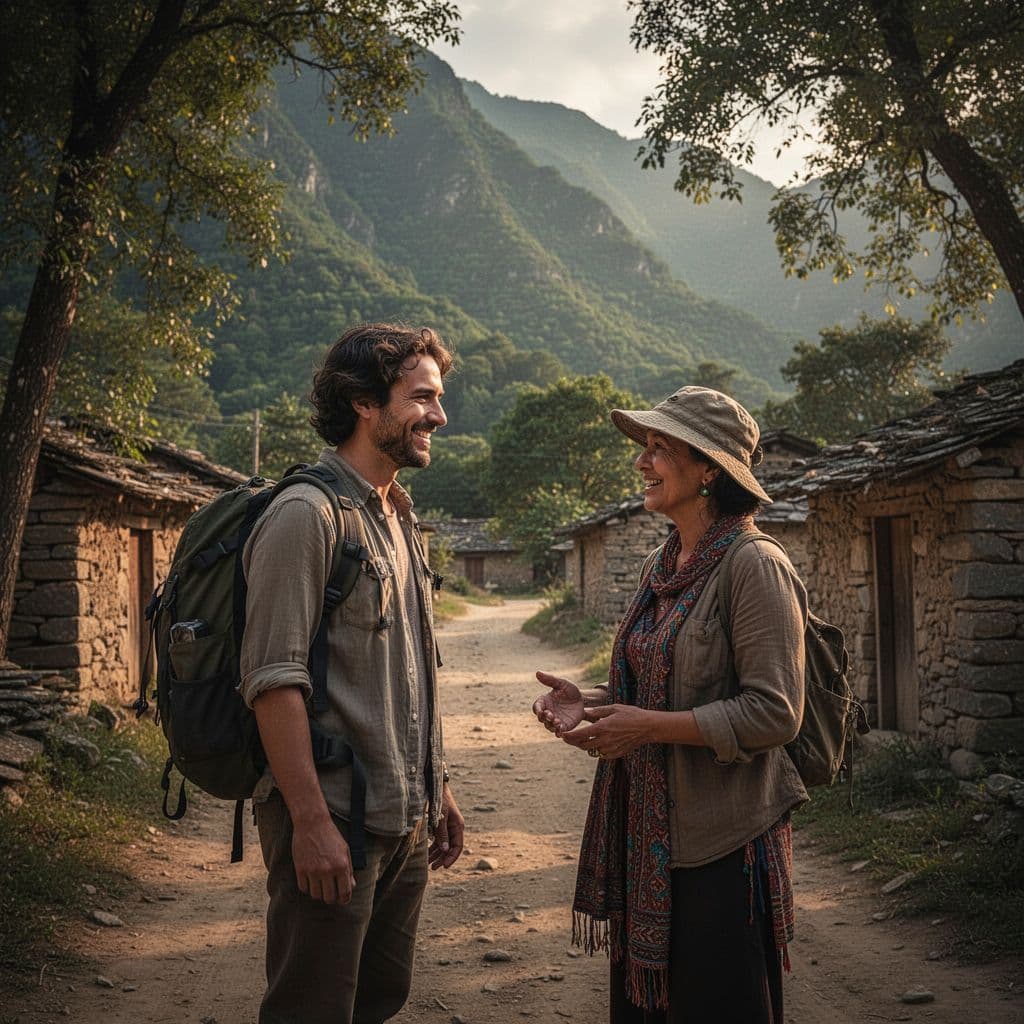
What makes a trip truly community-based?
A trip is truly community-based when local people help plan it, run it, and benefit from it. That usually means local ownership, local guides, local food, and clear rules set by the people who live there.
You should also see where the money goes. If a lodge, tour, or activity supports households, co-operatives, or village projects, that's a strong sign you're looking at the real thing. If the answer feels vague, keep asking.
How do you know if a tour is ethical?
Look for honest details, not polished claims. A responsible operator explains who owns the business, how locals are paid, and how the trip protects culture and nature. If you want a wider view of how sustainable travel works in practice, the main goals of ecotourism give useful context.
A good sign is transparency. A weak sign is marketing that says "community-led" but never names the community. Trust the operator that shares practical information, not the one that hides behind buzzwords.
What should you ask before you book?
Start with the basics, then listen closely to the answer. You want to know who benefits, who decides, and how the experience affects the place.
A simple checklist helps:
- Who owns and manages the tour or stay?
- How much money stays in the community?
- Are local people hired fairly?
- Does the project protect wildlife and cultural sites?
- What visitor rules should you follow?
Can you travel responsibly without giving up comfort?
Yes, you can. Responsible travel is not about roughing it, it's about making better choices. You can still enjoy a comfortable stay, good food, and memorable experiences, while supporting people who live there.
That balance is the appeal of community-based tourism. You get a richer trip, and the place keeps more of the value. For you, that usually means better stories, better conversations, and a stronger connection to where you are.
What if you want the easiest possible next step?
Choose one local experience on your next trip, then build from there. Book a homestay, hire a local guide, or eat in a family-run place. Small choices add up fast, and they help shape tourism in a way that feels fair, human, and worth repeating.
Conclusion
When you choose community-based tourism, you put local people at the centre of the trip. They guide the activities, shape the rules, and decide how their culture and land are shared, which gives you a more honest and rewarding experience.
That choice also keeps more value in the area, supports small livelihoods, and gives nature a better chance to stay protected. It is a simple shift, but it changes the whole feel of travel, because you move with the community instead of around it.
What's your experience with eco-friendly travel? Share your thoughts in the comments, and reflect on the next trip you book with a little more care.