
Start Eco-Tourism at Home: Turn Your City into a Training Ground
A faraway rainforest is not the only place where eco-tourism skills begin, because a city can teach the same habits in smaller, sharper ways. It gives people a place to practise low-carbon travel, notice local wildlife, and support nearby cafés, markets, and community groups without booking a flight first.
In simple terms, eco-tourism means travelling responsibly, caring for nature, and backing local people as well as local places. A morning in the park, a tram ride to a farmers' market, or a visit to a recycling centre can all become part of that practice, and small choices like these build habits that matter.
One short walk through a city green space can do more than fill an afternoon, it can show how travel choices shape waste, transport use, and local spending. This guide begins with those everyday steps, so the next trip away starts with stronger, more thoughtful habits at home.
What eco-tourism looks like in everyday city life
Eco-tourism does not begin at a rainforest lodge or a far-off reef. In a city, it starts with small choices that shape how someone moves, shops, eats, and explores. A tram ride, a refillable bottle, a local market, and a patch of wild green between office blocks can all become part of the same habit.

A city can be a live practice ground for responsible travel. It gives people space to notice what low-impact choices feel like before a bigger holiday puts those habits to the test.
Why starting close to home builds better travel habits
Practising eco-tourism at home makes the ideas easier to repeat later. Once someone gets used to planning a low-impact route, carrying a light bag, and avoiding single-use waste, those choices stop feeling new. They become normal.
That matters because bigger trips bring more pressure. People rush, buy too much, and fall back on convenience. Local practice lowers those beginner mistakes. It teaches someone how to book a train instead of a short flight, how to pack only what they need, and how to spend money in ways that support local people rather than distant chains.
A good starting point is a familiar weekend routine:
- Walk or cycle to a park instead of taking the car.
- Bring a bottle, cup, and tote bag.
- Buy lunch from a local stall or bakery.
- Sort waste properly after the trip.
- Notice which choices were easy to repeat.
These habits matter because they stick. Research shared by Toronto Metropolitan University found that people who already recycle, switch off lights, and carry reusable bottles at home tend to keep doing the same things when they travel. That is the real value of starting near home, the behaviour travels too.
For readers who want to build the same habit with more structure, a simple green travel guide can be a useful reference point, even before the next holiday is booked.
Local practice turns good intentions into automatic habits.
The three outcomes that matter most, people, planet, and place
Eco-tourism in a city works best when it supports three things at once. It protects nature, it supports local jobs, and it improves daily life for the community around it.
For the planet, the goal is simple. Use less fuel, create less waste, and leave green spaces in better shape than they were found. That could mean taking public transport, choosing a park over a drive-out attraction, or shopping with re-usable bags at a farmers' market.
For people, the focus is on fair spending. Buy from local cafés, market stalls, family-run shops, and community projects. The World Bank notes that sustainable tourism can support development when it is tied to local benefit, not just visitor spending. In plain terms, the money should stay useful where it is spent.
For place, the result should feel visible. Streets feel cleaner, parks feel cared for, and small local initiatives get more support. A recycling centre visit, a community garden session, or a neighbourhood river clean-up all help a city feel more alive and more loved.
That balance is what makes eco-tourism real. It should not only look green. It should leave the area better for the people who live there.
A few everyday examples make this easier to spot:
- A city park walk that avoids trampling sensitive areas.
- A market visit that supports nearby growers and makers.
- A recycling drop-off that keeps waste out of landfill.
- A volunteer morning with a local clean-up group.
- A bus or train journey that replaces a short car trip.
When these choices become routine, they start to feel less like effort and more like common sense.
Everyday city spots that already practise eco-tourism
The best part is that many cities already have the pieces in place. They just need to be used with more care and intention. A quiet greenway, a public garden, a bus route to the market, or a local repair café can all fit into an eco-tourism day.
A simple city outing might look like this:
- Start with a walk through a park or riverside path.
- Use public transport to reach a market or community event.
- Choose food that is local and seasonal.
- Carry home only what will be used.
- Drop off any recyclables at the right point on the way back.
That kind of day is small, but it teaches a lot. It shows that eco-tourism is not a rare special trip, it is a way of moving through ordinary places with more care.
For readers who want to connect city habits with wider sustainable travel ideas, community-based tourism offers a useful model. It keeps local people at the centre, which is exactly the principle a city practice run should follow.
A quick beginner checklist for city eco-tourism
Before heading out, a beginner can use a short checklist to stay on track:
- Bring a reusable bottle, bag, and cup.
- Choose walking, cycling, or public transport where possible.
- Spend with local traders instead of chain outlets.
- Keep waste to a minimum and sort it properly.
- Look for natural spots that need care, not just photo stops.
- Leave parks, paths, and public spaces tidy.
A city can teach these habits in a very practical way. Once they feel easy at home, they feel easier on holiday too.
Turn familiar streets into a low-impact travel route
A city does not need mountains, beaches, or rare wildlife to teach eco-tourism well. It only needs attention. The same street that usually feels rushed and ordinary can become a route that cuts emissions, supports local shops, and reveals small green spaces hiding in plain sight.
That shift matters because transport choices shape most of the carbon impact of a day out. A short car journey may feel harmless, yet it often adds fumes, parking stress, and no real benefit over walking, cycling, or public transport. A low-impact route turns the journey itself into part of the experience.

Choose the greenest way to get around
The easiest rule is simple, pick the least polluting option that still fits the trip. Walking works best for short distances, cycling covers more ground without the fuel bill, and buses, trams, and trains reduce emissions when the route is too long on foot. Where bike hire exists, it adds flexibility for one-way journeys or mixed routes.
Before setting out, compare options in this order:
- Check whether the destination is walkable.
- Look for a direct bus, tram, or train.
- See if a cycle route is safer and faster.
- Use bike hire only when it saves time or fills a gap.
- Leave the car behind for anything short enough to do without much hassle.
Short car journeys are easy to overuse because they feel convenient. Still, they often waste time once parking and traffic are included. Public transport and cycling also make a city feel more open, because people notice streets, trees, and small businesses they would otherwise pass by.
Research from Campaign for Better Transport notes that a large share of everyday trips are short enough to walk or cycle. That is the real opportunity, especially for beginners who want quick wins without changing everything at once.
If a route can be walked in comfort, it usually does not need a car.
Plan a one-day eco-tour of your own city
A good beginner itinerary feels relaxed, low-waste, and useful. It does not need to be packed with stops. One park, one local market, one recycling or repair visit, and one community venue can make a full day feel rich without feeling rushed.
A simple template could look like this:
- Start with a morning walk in a park or riverside trail.
- Move on by bus, tram, or bike to a local market.
- Buy lunch from a stall that uses seasonal produce.
- Stop at a repair shop or recycling centre on the way back.
- Finish at a community garden, library event, or neighbourhood hall.
That structure keeps the day grounded in real places. It also helps a city feel less like a backdrop and more like a living system, full of people doing useful work. A repair café, for example, can show how reuse beats replacement in everyday life, while a recycling centre visit can make waste feel less abstract.
For a practical next step, someone can build a route around one green space and one community stop, then add the rest later. A local guide such as eco-friendly travel tips can help shape the habit without turning it into a big planning project.
A relatable example helps here. One person might start at a park near home, cycle to a food market, then end the day at a local volunteering hub. By evening, they have spent less, created less waste, and seen parts of the city that often get missed. That is eco-tourism at street level.
Keep the route low-waste and meaningful
The best city eco-tour is not just low-carbon, it is also light on waste. A reusable bottle, a fold-up bag, and a refillable cup do more than cut rubbish. They make it easier to buy from local stalls, carry leftovers, and avoid one-off packaging.
A simple rule helps: buy less, carry more, and leave places tidy. That might mean choosing one good coffee instead of several disposable cups, taking lunch in a reusable box, or planning stops so food and water do not have to be bought in a rush.
Small choices also add meaning. A stop at a community venue or volunteer project gives the day a purpose beyond sightseeing. It can be a gardening group, a local clean-up initiative, or a neighbourhood centre that welcomes residents and visitors alike.
Common mistakes are easy to avoid once they are named:
- Relying on a car for short hops that are quicker on foot.
- Buying takeaway items with lots of packaging.
- Filling the day with too many stops.
- Ignoring local businesses in favour of chains.
- Treating parks as photo stops instead of shared spaces.
A better route feels calmer. It gives the reader room to notice birds in the trees, fresh bread at the market, and the people who keep a neighbourhood working. That is where a city begins to feel worth protecting.
For readers ready to keep going, community-based tourism ideas offer a useful model, because they keep local benefit at the centre of the experience. Choosing that mindset in a home city is a strong first step before any larger trip.
A good low-impact route does not need perfect weather or perfect planning. It only needs a decision to move differently today. Which part of the city would be explored first as an eco-tourist?
Discover the green places most locals walk past
Cities hide more nature than most people realise. A narrow path behind a bus stop, a tree-lined cut-through, or a small pocket park can hold birds, insects, and quiet shelter from the street noise. For anyone learning eco-tourism at home, these overlooked green spaces are the perfect training ground.
The habit starts with paying attention. Instead of rushing past the same route each day, a person can slow down and notice where the city softens. That change in pace reveals more than scenery. It shows how to walk with care, spend time outdoors responsibly, and treat even small green spaces as living places worth protecting.

Look for wildlife without disturbing it
Urban wildlife is often shy, but it is easy to spot when the eye learns where to look. Birds gather in hedges and tall trees, bees move between flowering beds, and squirrels, foxes, or even bats may appear near calmer corners of the city. The key is to watch without interfering.
Keeping noise low matters more than many beginners think. Loud voices, sudden movement, and feeding animals can change their behaviour and push them away from their habitat. A quiet pause on the path is usually enough to spot a robin, a blackbird, or a bee moving from bloom to bloom. Guidance from ethical wildlife viewing advice makes the same point clearly, give animals space and leave their food untouched.
A simple rule helps:
- Stay on marked paths.
- Keep dogs close and under control where allowed.
- Use binoculars or a phone zoom instead of moving nearer.
- Avoid touching nests, burrows, flowers, or fallen branches.
- Leave crumbs, seeds, and fruit peels in the bag, not on the ground.
Even in a city, habitat protection matters. The aim is to leave the space better than it was found.
That last point changes the whole walk. A visitor who notices a bird but does not chase it, who photographs a butterfly but does not trample the plants around it, is already practising responsible tourism. Small spaces often carry big value, especially when they connect to larger green corridors or river edges.
Use local parks as a practice ground for leave-no-trace habits
Local parks are the easiest place to rehearse good travel habits before a bigger nature trip. The same rules that protect a woodland trail also protect a patch of grass beside a playground or a river path behind the library. If a person learns them in a city, they carry them anywhere.
The basics are simple and easy to remember. Stick to paths, carry out rubbish, and avoid damage to plants. If a shortcut cuts across wet grass or flower beds, it is the wrong route. If a snack wrapper ends up in a hedge, it becomes a problem for wildlife as well as the park team.
A practical park routine can look like this:
- Bring a reusable bottle and snack container.
- Walk in the middle of paths, even if the ground is muddy.
- Put all rubbish in a bin or take it home.
- Leave flowers, stones, and fallen branches where they are.
- Pick up one bit of litter if it's safe to do so.
Those habits also save money and reduce waste, which is useful on any eco-tour. A person who learns to carry less packaging and leave no trace in a local park is less likely to make careless choices on holiday. For readers building this into a wider routine, simple green travel habits can help connect local practice with future trips.
A small story makes the point well. One neighbour steps out for lunch in a city park, spots a kingfisher near the river, and pauses instead of walking closer. She stays on the path, keeps her voice down, and leaves with nothing but a photo and a clear memory. The birds keep feeding, the grass stays intact, and the park remains calm for the next visitor.
That is what eco-tourism looks like at home. It is not about making a place look impressive for a day. It is about behaving as if the place still matters after the walk is over.
Support the people and businesses that keep a city alive
A city feels more welcoming when money, time, and attention stay close to home. That is one of the clearest lessons of eco-tourism, because low-impact travel also means backing the people who run the market stalls, repair shops, corner cafés, gardens, and small groups that care for shared spaces.
For a beginner, this shifts the focus in a helpful way. The goal is not to spend more, but to spend better. A lunch from a family-run bakery, a tram ride to a local market, or an afternoon helping at a clean-up day can do more for a city than a full shopping trip ever could.
Buy less, choose better, and ask where things come from
Eco-tourism is not a shopping challenge. It is a habit of making careful choices that create less waste and keep value in the neighbourhood. That starts with asking simple questions: Who made this? Where was it grown? Will it last? Can it be reused, repaired, or refilled?
Local, seasonal, and fairly made products usually carry a smaller footprint than items that have travelled far. A crate of fruit from a nearby farm, a reusable cup from a local maker, or a shirt bought second-hand all tells the same story, less waste, more thought. In other words, the city becomes part of the trip, not just the place where spending happens.
A few useful habits make this easier:
- Choose produce that is in season and grown nearby.
- Carry a bottle, cup, and tote bag so single-use items are avoided.
- Visit repair shops before replacing broken goods.
- Support market traders and independent cafés where possible.
- Ask retailers about materials, packaging, and origin.
A good example is a repair café, where broken items get a second chance instead of heading straight to landfill. Groups such as Woking Repair Cafe show how much waste can be avoided when people fix first and replace later.
The most eco-friendly purchase is often the one that never needed replacing.
Join community projects that make your city greener
The quickest way to move from visitor to helper is to take part in local action. Clean-up days, tree planting, repair cafés, community gardens, wildlife surveys, and conservation groups all give a city more care than a passing glance ever could.
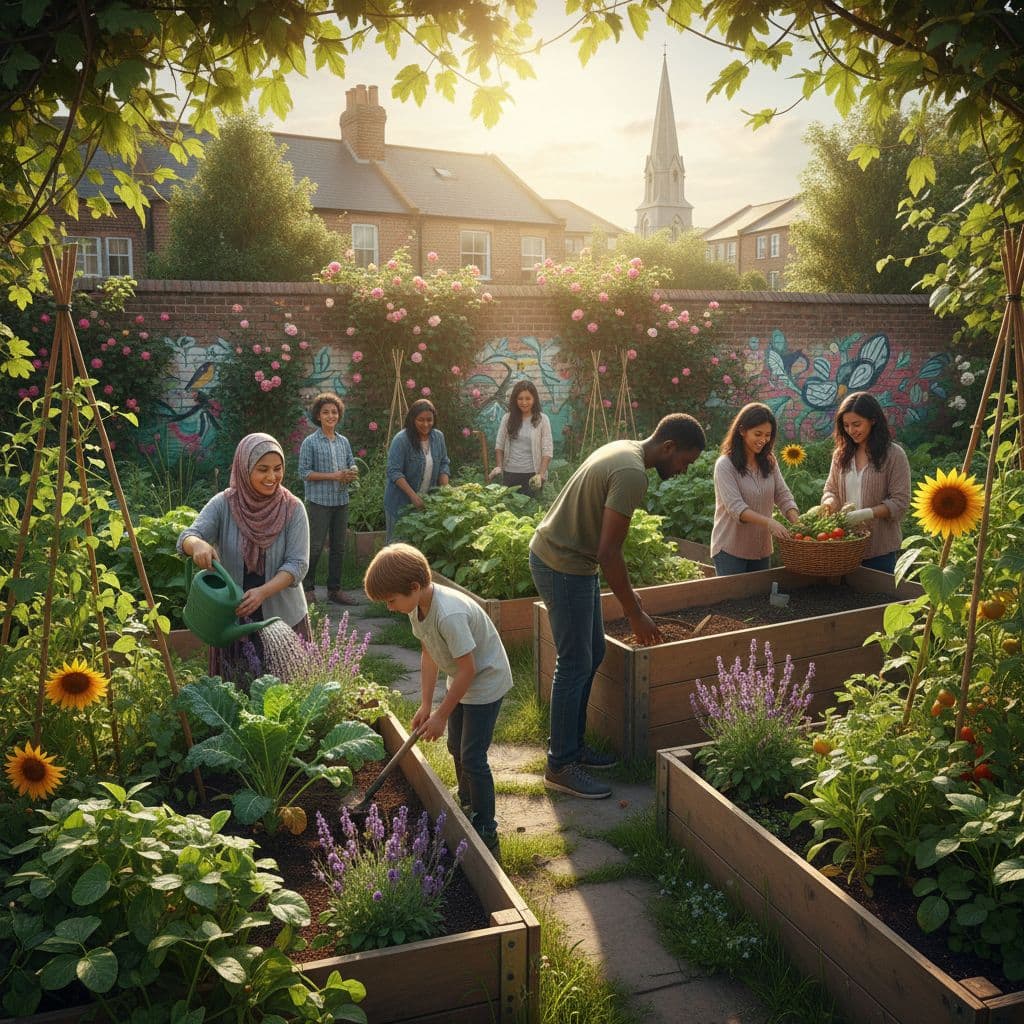
This kind of participation matters because it builds connection. A person who plants bulbs in a community verge or joins a river litter pick starts to see the city as shared ground, not just a backdrop. That shift is at the heart of eco-tourism, because responsible travel depends on care, not just movement.
There is also a practical benefit. According to the UK's Environmental Volunteering research shared in the realtime data, people who join local projects often gain skills, confidence, and a stronger sense of ownership over their surroundings. That is good for the city and good for the person taking part.
A simple beginner list can help:
- Find one project within walking or transit distance.
- Attend once, even if it feels small.
- Learn the rules, then repeat the visit.
- Bring friends, children, or neighbours along next time.
- Notice how the area looks after a few months.
A Saturday spent in a community garden can feel humble, yet the effect lasts. The flowerbeds improve, the volunteers meet each other, and the city gains another patch of life. That is how eco-tourism starts to support the people who keep a place working, one useful choice at a time.
Use simple habits that cut waste and save money
Eco-tourism at home gets easier when daily habits do the heavy lifting. Small choices, repeated often, cut rubbish, trim costs, and make low-impact travel feel natural rather than forced. That matters because the same habits that help on a city walk also help on a longer trip.
A person who already carries a bottle, plans meals, and reuses what they own spends less and throws away less. In the UK, food waste alone costs households hundreds of pounds a year, so simple changes at home can free up money for better experiences, local food, and greener trips. For a useful overview of practical swaps, see simple household changes that reduce waste.

A beginner's city eco-tourism checklist
A first eco-tour does not need a packed plan. It only needs a few steady habits that are easy to repeat.
- Plan the route before leaving, so fewer extra car trips are needed.
- Carry a reusable bottle, cup, and tote bag.
- Choose local food from markets, bakeries, or small cafés.
- Use public transport, walking, or cycling where possible.
- Respect wildlife by keeping distance and staying on marked paths.
- Put litter in the right bin, then leave the place cleaner than it was found.
That short list works because it keeps the day simple. A beginner can follow it on a lunch break, a weekend stroll, or a visit to a city park. It also creates a habit loop, because each outing teaches the next one.
A good first attempt might begin with a tram or bus ride to a local market, followed by a walk through a park and a stop at a recycling centre on the way back. The day feels ordinary, yet it quietly trains the mind to look for better choices.
Small swaps that quickly add up
The easiest wins are the ones that fit into normal routines. A reusable coffee cup replaces a single-use one. Digital tickets save paper when venues offer them. One planned route replaces several short car trips that burn fuel and waste time.
These swaps also reduce friction. Once a bag stays in a coat pocket and a bottle lives by the door, the choice is already made. That is why these habits stick, they remove the last-minute scramble that usually leads to waste.
A few practical swaps make a clear difference:
- Take coffee in a reusable cup instead of a disposable one.
- Use digital tickets and maps when they are available.
- Combine errands into one route rather than splitting them across the day.
- Carry leftovers home in a container instead of buying another snack.
- Refill soap, water, or household basics where refill stations exist.
The best money-saving habit is often the one that avoids buying something disposable in the first place.
A relatable example makes this plain. One person leaves home with a packed bottle, walks to the station, and picks up lunch at a local market instead of a chain café. By the end of the day, there is less packaging in the bin, less petrol used, and more money left for the next outing.
Recycling centres, repair cafés, and community gardens fit into this pattern too. They turn waste into a topic people can see, sort, and act on. That is where city eco-tourism becomes more than a walk, it becomes a better way of living close to home.
Avoid the mistakes that make city eco-tourism less effective
City eco-tourism works best when the choices are steady, local, and respectful. The trouble starts when someone treats it like a badge instead of a habit. A greener day out should lower impact, support real people, and leave a place in better shape than it was found.

Small mistakes can undo good intentions fast. A single car trip for a short hop, a wasteful lunch stop, or a rushed photo session in a quiet park can drain the value from the whole outing. The good news is that these errors are easy to spot once the reader knows what to watch for.
Do not let green choices become performative
Performative eco-tourism looks good online, but it does little on the ground. A photo with a reusable cup means nothing if the rest of the day is built around waste, private car use, and rushed stop-offs. Real eco-tourism is slower, lighter, and more useful than that.
A better approach is simple. Choose actions that cut impact and help the place itself. That means walking instead of driving when it makes sense, buying from local stalls, carrying reusables, and spending time in parks without treating them like backdrops. The point is not to look sustainable, it is to act sustainably.
A useful test is easy to apply before any outing:
- Does this choice reduce waste?
- Does it support local people or businesses?
- Does it leave the space calm and clean?
- Would it still matter if nobody posted it?
If the answer to most of those is no, the choice is probably more style than substance. Strong eco-tourism habits usually look ordinary, almost plain, because they are built on consistency rather than show.
A simple rule helps here. If the experience would still be worthwhile with the phone left in a pocket, it is probably closer to genuine eco-tourism. For more ideas that keep the focus on real-world choices, family-friendly ecotourism ideas can offer a useful starting point for low-impact planning.
Do not ignore local people and local rules
City spaces are shared spaces, and that means local rules matter. Opening times, quiet zones, wildlife guidance, and community notices are not there to spoil the visit. They protect the place, the people who live nearby, and the animals that already use the area.
Respect starts with the basics. If a park closes at dusk, leave before then. If a sign says no cycling, no feeding birds, or no entry beyond a certain path, follow it. If a community garden asks visitors to stay in one area, that boundary deserves attention. Even a small rule keeps the whole space working better.
Asking before joining an activity is part of that respect too. The same goes for taking photos of people, traders, or community events. A quick question saves embarrassment and shows care. Guidance from AFAR on respectful travel makes this point well, because curiosity works best when it comes with humility.
A few practical habits keep the day on track:
- Check opening hours before leaving home.
- Read signs at park entrances, markets, and visitor spaces.
- Keep noise low in quiet areas.
- Stay on marked paths and avoid wildlife feeding.
- Ask before joining a group activity or taking someone's photo.
Respect is not a side note in eco-tourism. It is the standard that holds the rest together.
A city walk feels very different when that mindset is in place. The visitor stops acting like a consumer of scenery and starts behaving like a guest. That small shift is what makes city eco-tourism useful, lasting, and worth repeating.
A simple first-week plan to get started today
Eco-tourism does not need a grand trip, special gear, or a distant destination. A first week at home can teach the same habits in smaller, easier steps, and those steps are often the ones that last. The aim is simple, build momentum, notice what feels natural, and make the city work like a training ground.

A beginner who starts with one park visit, one bus journey, and one local purchase already begins to change how travel feels. The carbon footprint drops a little, local traders benefit, and hidden green spots become easier to spot.
Days 1 to 2, set up the basics
The first two days are about removing friction. A reusable bottle, a cloth tote, a packed snack tin, and a route planned on public transport are enough to begin. The point is not perfection, it is making the greener choice the easiest one.
A small starter routine works well:
- Place reusable items by the door.
- Check the nearest park, market, and recycling centre.
- Choose one short journey to do without the car.
- Note where waste can be reduced before leaving home.
- Set one simple goal, such as buying nothing single-use for the week.
This kind of preparation pays off quickly. According to Which?, small changes such as using reusables, walking more, and buying better are among the easiest ways to live more sustainably. That fits city eco-tourism well, because the first week is about repeatable habits, not dramatic effort.
Days 3 to 5, turn the city into a practice route
By midweek, the city can become the classroom. A park walk can test leave-no-trace habits, a tram or bus ride can replace a short car trip, and a local market can show how to support nearby growers and makers. Even a quick stop at a recycling centre can make waste feel more real and more manageable.
A simple outing might look like this:
- Travel by bus or on foot to a green space.
- Spend time watching birds, trees, and insects without disturbing them.
- Buy lunch from a local stall or bakery.
- Carry home any rubbish rather than binning it on the way.
- Drop off recyclables or visit a repair café if something needs fixing.
One parent might take a child to a city park after school, then stop at a farmers' market on the way home. The child learns that travel can be slow, local, and thoughtful. The parent learns that a greener day out often costs less, not more.
Days 6 to 7, review what worked and repeat it
The final two days are for reflection. What was easy to repeat? What caused waste? Which stop felt most rewarding? A short review turns a one-off effort into a habit that can grow.
A beginner can use a quick checklist:
- Did the week include at least one walk, cycle, or public transport trip?
- Was a reusable bottle, cup, or bag used every day?
- Was money spent with a local business or market stall?
- Was any wildlife observed without interference?
- Was rubbish kept to a minimum and sorted properly?
A first week does not need to be impressive. It only needs to be honest, practical, and repeatable.
By the end of the week, the city starts to feel different. The same streets hold more detail, the park feels less like a backdrop, and the next outing becomes easier to plan. That is the real start of eco-tourism at home, one small route at a time.
Common mistakes to avoid in the first week
Beginners often try to do too much at once. They plan a packed day, forget their reusable items, or treat one green choice as a full success. That usually leads to frustration, then nothing sticks.
A better first week avoids these traps:
- Packing the plan too tightly and rushing the whole day.
- Using the car for every short trip out of habit.
- Buying disposable items because they feel convenient.
- Ignoring local businesses and only chasing photo spots.
- Missing the chance to slow down and notice nature.
A calmer plan works better. The first week should feel like a test run with useful lessons, not a performance. Once that is in place, the next step is much easier, because the habits already know their way home.
FAQ
Eco-tourism at home raises a fair few practical questions, especially for beginners who expect it to start in a forest, on a coast, or in some far-off reserve. In reality, a city gives a better starting point. It is close, familiar, and full of chances to practise low-impact travel without the cost or pressure of a bigger trip.

What does eco-tourism in a city actually look like?
It looks like a normal day with better choices. A walk through a park, a tram ride to a local market, a stop at a recycling centre, and lunch from a family-run café all count.
The idea is not to chase perfection. It is to travel in a way that uses less fuel, creates less waste, and supports local people. A city is full of small tests, and each one helps build the habits needed for greener travel later.
A simple city eco-tour can include:
- walking or cycling instead of taking the car
- carrying a reusable bottle, cup, and bag
- buying seasonal food from local stalls
- visiting green spaces without disturbing wildlife
- joining a clean-up, repair café, or community garden session
These choices are small on their own, but they add up fast. In a city, the reader can see the result straight away, cleaner streets, calmer parks, and money staying in the local area.
Why is a city the best place to start?
A city is the safest place to learn the basics because the habits are easier to repeat. The route is shorter, the budget is clearer, and the mistakes are cheaper to fix.
That matters because sustainable travel works best when it feels normal. If someone learns to plan a low-carbon journey at home, that same habit usually follows them on holiday. They stop reaching for the car by default. They begin to notice buses, trains, paths, and local food first.
UK city life already gives many of these chances. Parks reduce stress, public transport cuts emissions, and local markets make it easier to buy from small traders. Cities such as Sheffield, Manchester, and London already show how green spaces and better transport can make everyday life more liveable.
A beginner does not need a perfect route. They only need one repeatable outing:
- Choose a nearby green space.
- Get there without driving.
- Spend money with one local business.
- Leave the place tidier than it was found.
- Notice what worked and do it again.
That simple rhythm builds confidence. It also keeps the focus where it belongs, on people, place, and nature.
How much money does it take to practise eco-tourism at home?
Very little, compared with a standard day out. In many cases, it costs less because walking, cycling, and public transport replace fuel and parking. A reusable bottle or tote bag also pays for itself after a few uses.
The biggest cost is usually time, not money. A beginner may need a little extra time to plan a route, choose a local market, or check opening hours for a park, garden, or recycling point. After a few outings, that planning becomes second nature.
For anyone thinking about turning eco-tourism into a side project or small business, a proper plan helps. A practical ecotourism business guide can help with costs, start-up decisions, and early planning questions.
A useful rule is simple, if an outing only works when it is expensive, it may not be a good first eco-tour. The best starter days are low-cost, local, and easy to repeat.
What mistakes do beginners make most often?
The most common mistake is trying to look eco-friendly instead of acting eco-friendly. A reusable cup helps, but it does not cancel out a drive across town for a short trip that could have been walked or taken by bus.
Another common slip is packing too much into one day. A rushed schedule leads to waste, extra travel, and less enjoyment. A calmer plan usually works better because it keeps decisions simple.
Beginners also miss local opportunities. They head for photo spots and ignore community gardens, repair cafés, libraries, markets, and council-run green spaces that do more for the city over time.
A short checklist helps avoid those traps:
- do not rely on the car for short journeys
- do not buy single-use items out of habit
- do not crowd the day with too many stops
- do not ignore local shops and traders
- do not leave parks and paths messier than before
Eco-tourism at home works best when it feels ordinary enough to repeat.
What should someone do first this week?
The first step should be small and specific. A beginner can choose one green space, one local business, and one low-carbon route, then repeat that pattern once more during the week.
A good starter plan might be:
- walk to a nearby park after work
- use the bus or tram to reach a market
- carry home lunch or snacks in a reusable container
- stop at a recycling centre or repair café on the way back
- note one thing that made the trip easier than expected
That is enough to begin. The point is not to become a perfect eco-tourist overnight. The point is to make the city feel like a place where responsible travel already starts.
A person who begins this week will soon notice the shift. The streets feel less anonymous, the parks feel more alive, and every journey starts to carry a little more thought.
Which part of the city would be explored first as an eco-tourist?
Conclusion
A city is not a lesser start, it is the best place to learn eco-tourism well. A walk through a park, a bus ride to a market, or a visit to a recycling centre teaches the same habits that matter on any bigger trip, lower carbon use, stronger local support, and more care for nearby nature.
Those small choices change how travel feels. They make it easier to spot hidden green spaces, spend with local people, and move through familiar streets with more respect.
This week, one eco-friendly city action should be chosen and started now, whether that means leaving the car at home, carrying a reusable bottle, or joining a local community project. Which part of the city would be explored first as an eco-tourist?