
What Would We Lose If All the Trees Disappeared from Earth?
If all the trees disappeared from Earth, we'd lose far more than shade and scenery. We'd face thinner air, hotter days, loose soil, and a rapid collapse in habitats that support birds, insects, mammals, and people.
Trees help keep carbon in check, cool the ground, and hold rain in the land instead of letting it rush away. Without them, food supplies would come under pressure, floods would hit harder, and droughts would spread faster across already stressed places.
That shift would not happen in one dramatic instant, but the chain reaction would begin quickly. As we look at what trees do for the atmosphere, wildlife, water, and daily life, the scale of the loss becomes impossible to ignore.
Why trees matter more than we often realise
Trees do far more than line a path or frame a view. They sit at the centre of the air we breathe, the rain we depend on, and the habitats that keep nature working properly.
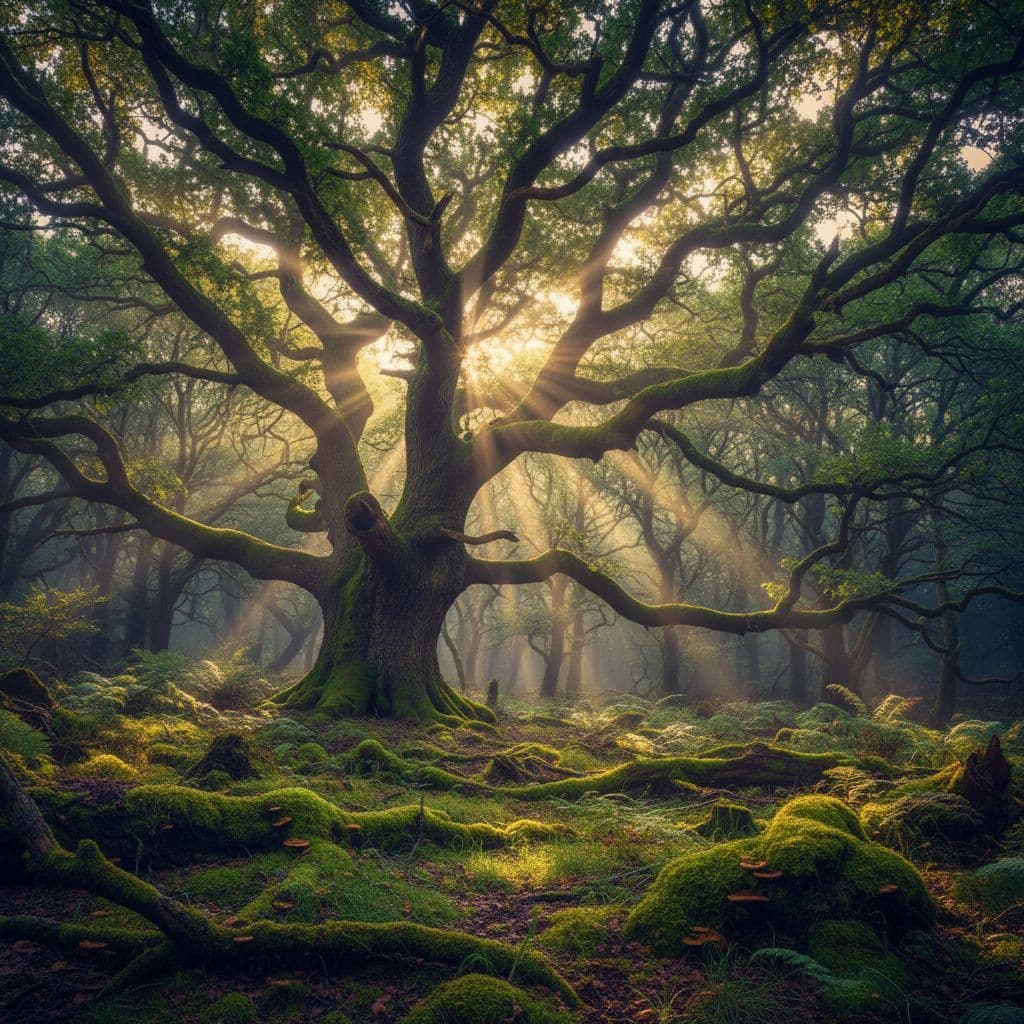
We often notice trees only when they are missing, when a street feels hotter, a hillside looks bare, or a walk becomes less alive. Yet their real value is spread across thousands of small jobs that happen every day, quietly holding whole ecosystems together.
Trees help keep the air and climate in balance
Trees take in carbon dioxide through photosynthesis and release oxygen back into the air. That sounds simple, but it matters on a huge scale because the atmosphere changes through steady exchange, not overnight drama. Every leaf, branch, and root helps move carbon out of the air and into living wood and soil.
Forests also store vast amounts of carbon. When they are cut, burned, or badly damaged, that stored carbon goes back into the atmosphere and adds to warming. Healthy forests act as a buffer, while lost forests can become part of the problem.
One tree does not fix the climate on its own, but millions of trees working together make a serious difference.
This is why forest protection matters as much as planting new trees. Recent research on deforestation and rainfall has shown that forest loss can also disrupt local weather patterns, not just carbon levels. You can see that wider link in the evidence on forest-climate feedbacks.
Forests act like a home, a shelter, and a water system
A forest is more than a group of trees. It is a living network that gives wildlife shelter, food, and shade, while also shaping how water moves through the land. Birds nest in branches, insects feed on leaves, and mammals hide beneath the canopy. When the trees go, those places disappear fast.
The canopy cools the ground below, while roots hold soil in place and help rain soak in rather than race away. Leaves slow the impact of heavy rain, and shaded streams stay cooler and steadier. Without that cover, land dries out more quickly, erosion speeds up, and small streams can turn warmer and thinner.
We see the effects in simple, clear ways:
- Birds lose nesting sites and cover from predators.
- Insects lose food plants and places to breed.
- Streams become hotter, lower, or more seasonal.
- Soil washes away more easily after storms.
That is why forests matter so much to wildlife and water alike. They keep the whole system in balance, and when one part weakens, the rest feels it quickly.
When we look at trees this way, they stop being background scenery and become part of the living structure that keeps our planet functioning. How do you think we can protect our forests before it's too late?
The first changes we would notice in the air and weather
Before forests vanish completely, the atmosphere would start to feel different. We would notice it in the heat on our skin, the dryness of the ground, and the way rain behaves from one season to the next. Trees are part of the system that softens local weather, so their loss would make the air less forgiving very quickly.
Hotter days, drier land, and harsher winds
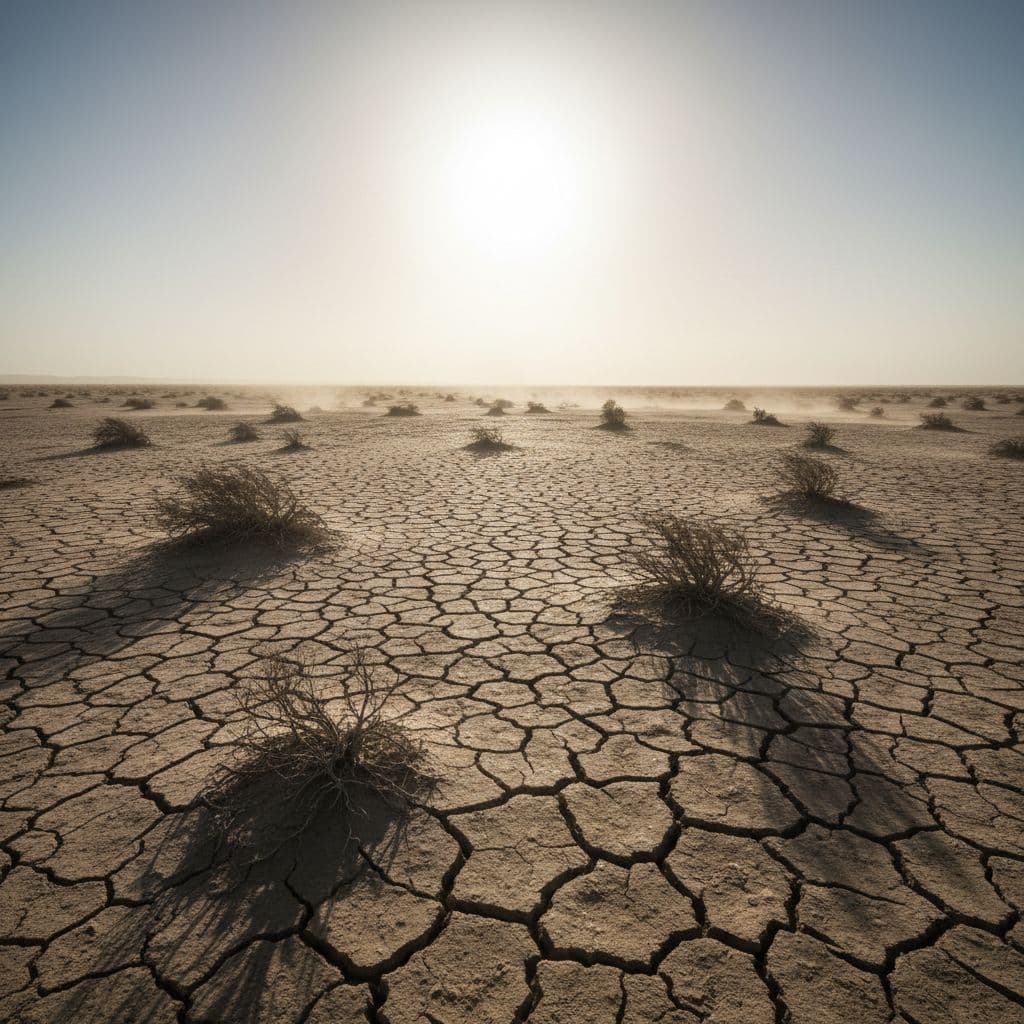
Trees cool the land in two important ways. First, their shade blocks direct sunlight. Second, they release water vapour through their leaves, which adds moisture to the air and helps soften the heat around them. When we lose that cover, the ground warms faster, the air dries out, and the day feels sharper and more severe.
That change spreads beyond forests themselves. Bare soil loses moisture quickly, so fields, hillsides, and even towns nearby can become hotter and dustier. Winds also move more freely across open ground, because there are no trunks, branches, or leafy layers to slow them down. As a result, breezes can turn stronger and more abrasive, especially in exposed places.
We would feel the change in practical ways:
- Hotter afternoons, because sunlight hits the ground directly.
- Lower humidity, because less water vapour enters the air.
- Faster drying soil, which leaves land cracked and brittle.
- Stronger gusts, because open ground offers little shelter.
Trees do not just decorate the weather, they shape it.
That is why forest loss would not only change scenery. It would make many places feel less stable, less shaded, and much less comfortable to live or travel through.
Rain patterns would start to shift
Trees also move water from the soil back into the air. Through transpiration, they draw up moisture and release it as vapour, which helps clouds form and rain fall. Large forests, including tropical forests, send this moisture far beyond their own borders, so the impact is wider than one patch of woodland.
Scientific research on deforestation has shown that forest loss can alter rainfall patterns and regional climate, especially in places where tree cover once fed the atmosphere with moisture. In the Amazon, for example, deforestation has been linked with changes in land surface temperature and rainfall regimes, which is a clear sign that forests and weather are tied together (Nature study on Amazon deforestation).
Without trees, some areas would become more drought-prone because less moisture reaches the sky. Other places could face heavier flooding, because roots and leaf litter no longer slow rainwater or help it soak into the ground. Water would move faster across the land, and that speed would cause trouble downstream.
In simple terms, the water cycle would lose one of its natural regulators. Rain would become less reliable, dry spells could last longer, and storms would hit harder when they do arrive. We would not just lose forests, we would lose one of the main forces that keeps local weather steady.
If we want, we can keep this chain of loss from becoming reality. What do you think would happen if trees disappeared from Earth?
Wildlife would lose homes, food, and migration routes
When trees vanish, wildlife does not just lose a pretty backdrop. We lose the places animals use to rest, feed, breed, and move safely across the land. For many species, trees are part of the route map and the survival plan at the same time.
Some animals can adapt to open ground, but many cannot. Forest specialists depend on very exact conditions, and once those conditions disappear, they have nowhere to go.
Species tied to forests would struggle first
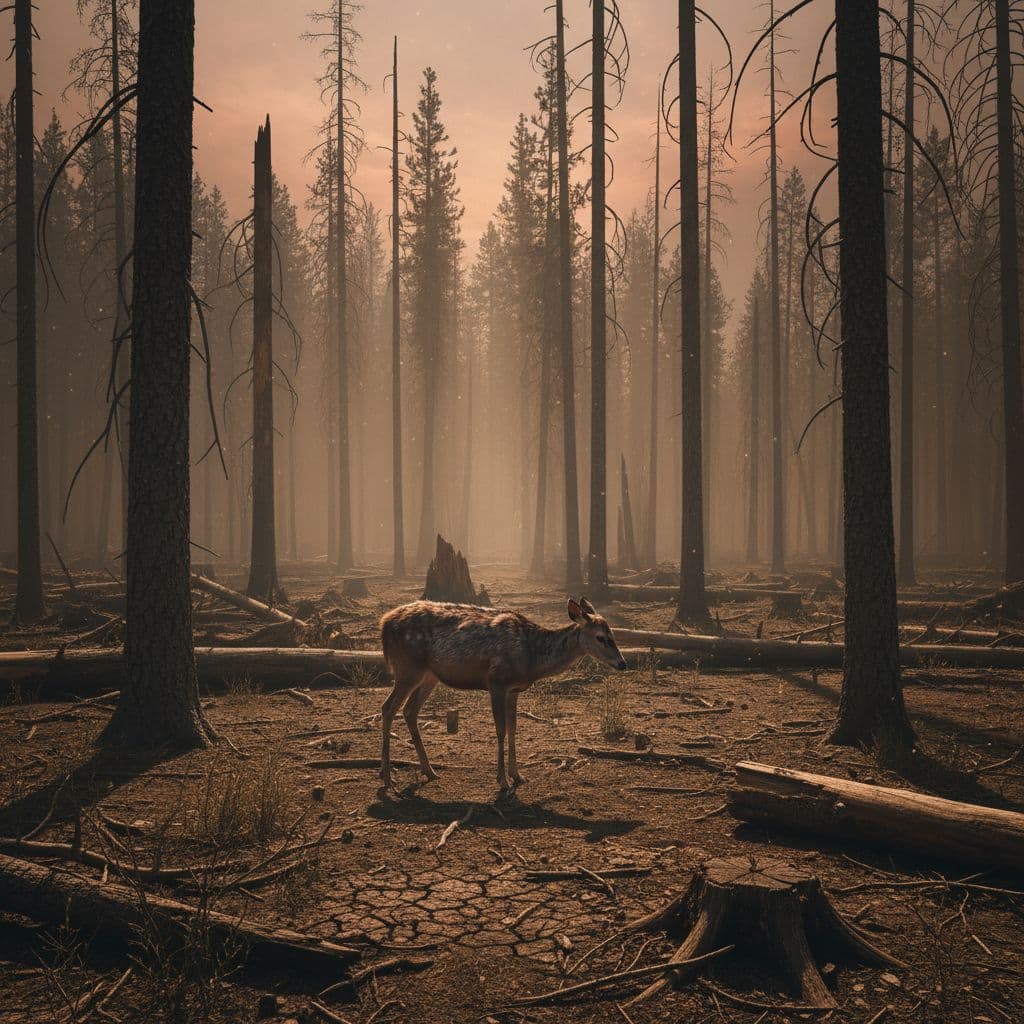
Many animals cannot simply shift into open land and carry on as normal. They need tree cover for nesting, food, shelter, and protection from predators, so a bare landscape leaves them exposed. Birds that nest in hollows, monkeys that move through branches, and insects that live on specific tree species all face fast losses when the canopy disappears.
Specialist species usually suffer first because they depend on one habitat, one food source, or one breeding site. Generalist animals can often cope better, since they eat a wider range of food and use different shelters. By contrast, specialists are like narrow-edged keys, and when the lock changes, they no longer fit.
That matters even more because many threatened species already survive in shrinking forest patches. The International Union for Conservation of Nature reports that more than 48,600 species are already at risk of extinction, and habitat loss is a major driver of that pressure. If trees disappeared entirely, many forest-dependent species would not just decline, they would be pushed past breaking point.
We would see the loss in practical ways:
- Nesting sites would vanish for birds, bats, and arboreal mammals.
- Cover from predators would disappear, leaving animals easier to catch.
- Food sources such as fruit, leaves, bark, and insects would dry up.
- Breeding spaces would shrink, especially for species that rely on tree hollows or branches.
Research on deforestation and wildlife shows how quickly species loss can follow forest clearing, especially in tropical areas where biodiversity is highest. The pattern is blunt, and it is one reason global biodiversity loss from tropical deforestation remains such a serious warning.
In short, open land is not a simple replacement for forest. For many species, it is a dead end.
Pollination, seed spread, and regeneration would break down
Forests stay alive through a cycle, not through individual trees alone. Birds carry seeds, bats pollinate flowers, bees move pollen between blooms, and small mammals spread fruit and nuts across the ground. That web keeps forests renewing themselves year after year.
Once the trees are gone, that cycle breaks. Pollinators lose food and shelter, seed-dispersers lose the plants they feed on, and new growth becomes much harder to establish. Even if some grasses or shrubs remain, recovery slows because the natural helpers are no longer there to move life around the landscape.

This matters because forests do not just replace themselves by magic. They rely on working relationships between plants and animals, and those relationships are often very specific. When the partners disappear, regeneration becomes patchy, uneven, and slow.
The result is a cycle of loss:
- Trees disappear.
- Wildlife loses food and shelter.
- Pollination and seed spread weaken.
- Regrowth stalls.
- The land struggles to recover.
Once that chain breaks, even surviving vegetation has a much harder time returning.
We already see this pressure in damaged forests, where regeneration is weaker after repeated clearing or fragmentation. A world without trees would make that problem total. Instead of healthy forest return, we would get long-term ecological silence, with fewer birds, fewer insects, and far less movement of life across the land.
That is why tree loss is so serious for wildlife. It does not only remove habitat, it interrupts the system that helps habitats come back.
Food systems would come under severe pressure
Once trees disappear, food trouble follows fast. We would still have farms, shops, and supply chains, but the ground beneath them would weaken. Rain would run off more quickly, soil would dry out sooner, and many growing areas would become harder to farm well.
That pressure would not land evenly. Regions that already depend on fragile soils, seasonal rain, or local forest foods would feel it first. Then the strain would spread through trade, prices, and transport routes, reaching far beyond the places where the trees were lost.
Soil would wash away and harvests would suffer
Tree roots hold soil together like stitches in fabric. They anchor the ground, slow runoff, and help keep the top layer in place when heavy rain falls. Leaf litter adds another layer of protection, because it cushions the soil, traps moisture, and keeps nutrients from being swept away too quickly.
Without trees, the topsoil becomes exposed. In a storm, it would erode more easily and slide into streams, ditches, and rivers. In dry weather, wind would lift loose soil and carry it off field by field. Over time, that leaves farmland thinner, poorer, and less able to support strong crops.
We would see the damage in simple ways:
- Less fertile soil, because nutrients wash away with the top layer.
- Weaker root growth, because plants struggle in compacted or shallow ground.
- Smaller harvests, especially after repeated storms or long dry spells.
- More work for farmers, as they try to replace what the land has lost.
This matters most for crops that need stable weather and healthy ground. Maize, wheat, rice, and many vegetables can cope with stress for a while, but not with constant soil loss. The science is plain, forest cover helps protect agricultural productivity, and large-scale tree loss pushes yields in the wrong direction. A recent synthesis on forests and farming found that national agricultural output tends to fall once forest cover loss passes a certain point, with serious risks for food security at scale. We can see the evidence in research on forests and agricultural productivity.
Local diets and global food supply would both shrink
Forests feed people directly in many parts of the world. They provide fruit, nuts, honey, wild greens, medicinal plants, and, in some regions, game. For families who live close to woodland, those foods are part of the weekly diet, not a rare extra.
At the same time, forests support the systems that farms depend on. Bees need flowering trees. Birds and bats help with pollination and pest control. Healthy forests also regulate water, which keeps nearby fields usable through dry spells and extreme heat. When trees vanish, these benefits fade together.
The first losses would hit vulnerable communities. Families who rely on forest foods, fuelwood, or small-scale farming would face tighter diets and thinner incomes. After that, the pressure would move through supply chains. Lower yields, higher transport costs, and more volatile harvests would all feed into higher food prices.
The result would look like this:
- Local forest foods become scarcer.
- Farm output drops in weakened soils.
- Prices rise in regional markets.
- Import dependence grows.
- Food insecurity spreads further.
Food systems do not fail all at once. They weaken in layers, and tree loss removes one of the biggest layers first.
We already know how closely forests and food are tied. Forest loss makes land less productive, water less reliable, and rural diets less secure. Once that chain starts, it reaches far beyond the tree line and into every market basket. How do you believe we can protect our forests before it's too late?
The climate would move towards a more dangerous future
When trees disappear, the damage does not stop at the forest edge. We would see a hotter, drier, less stable climate, because trees help hold carbon, shape rainfall, and soften extreme weather.
That shift would happen in stages. First, the air would hold more heat-trapping gas. Then the land would dry faster, fires would spread more easily, and storms would hit bare ground with less resistance. Forests do not control the climate on their own, but they do slow the worst swings.
Carbon stored in forests would be released back into the air
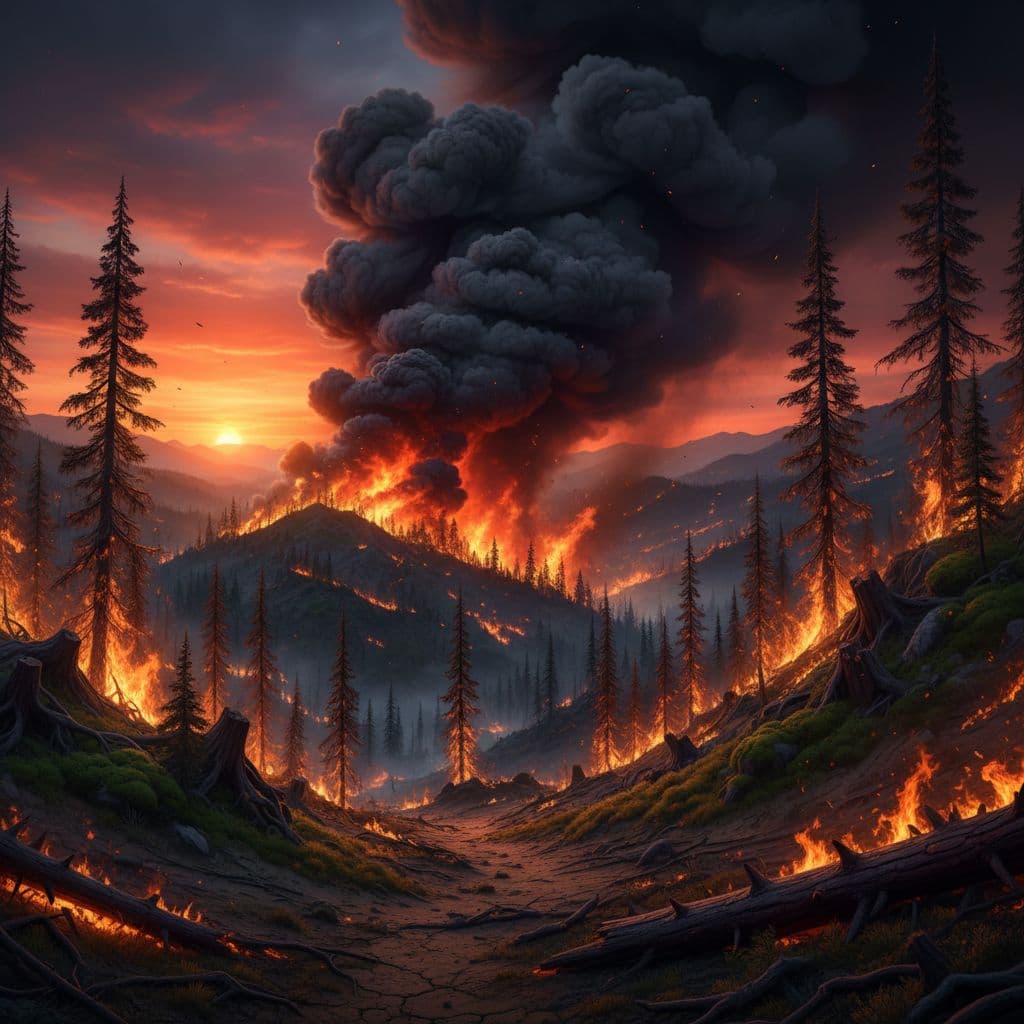
Trees pull carbon dioxide from the air as they grow, then store that carbon in wood, leaves, roots, and soil. When we cut them down, burn them, or leave them to rot, much of that stored carbon goes back into the atmosphere. That extra carbon dioxide traps more heat, which pushes global warming in the wrong direction.
Mature forests matter most here because they have stored carbon for decades, and sometimes for centuries. A young planting can help over time, but it cannot replace the carbon bank of an old forest overnight. That is why protecting existing forests is so important, even alongside replanting.
The science is straightforward. Less forest cover means less carbon removed from the air, and more carbon sent back into it. Recent research also shows that forest emissions vary by cause, but deforestation and fire are major sources of warming gases, which is why carbon loss from forests is such a serious climate issue. For a deeper look at the science, we can use forest carbon and warming research as a useful reference point.
In other words, every lost forest adds pressure to an already overheated system. Once that carbon is in the air, it does not stay local. It spreads through the atmosphere and raises the baseline for everyone.
Fires, floods, and storms could become more severe

Without trees, land dries out faster. Shade disappears, moisture escapes more quickly, and the ground becomes easier to ignite. That makes fire seasons longer and more dangerous, especially in places that already face hot summers or long dry spells.
Rain would also behave differently. Forests slow water as it falls, help it soak into the soil, and steady the flow into rivers and streams. Without that cover, rain runs off faster, which can leave hillsides parched one week and flood-prone the next. Rivers rise more suddenly, and the land gets less time to absorb the shock.
The effects would not be identical everywhere. Some regions would face sharper heat and more frequent fires, while others would deal with flash floods or unstable river systems. Still, the pattern is clear. Once trees are gone, many places lose one of their best natural defences against weather extremes.
We would notice that shift in simple ways:
- Fire spreads faster, because dry ground and open land offer less resistance.
- Floods arrive sooner, because rain has fewer roots and less leaf litter to slow it.
- Storm damage increases, because winds have fewer barriers and soil holds together less well.
- Water supplies become less reliable, because rivers and streams respond more sharply to rainfall changes.
That is why forest loss is not only a wildlife issue or a carbon issue. It is a safety issue too. When trees vanish, the climate becomes less forgiving, and more of the land is left exposed to extremes it once absorbed.
Tree loss does not create one single crisis. It creates several at once, and they feed each other.
A world without trees would be a world with weaker buffers, harsher swings, and far less natural protection. If we keep that in mind, the question becomes much sharper: what do we believe will happen if trees disappear from Earth?
What this would mean for people, travel, and everyday life
If all the trees disappeared, the loss would reach far beyond forests. We would feel it in local jobs, holiday experiences, food bills, and the simple places we go to breathe a little easier. Trees shape daily life in ways that are easy to miss until they are gone.
Communities would lose protection and income
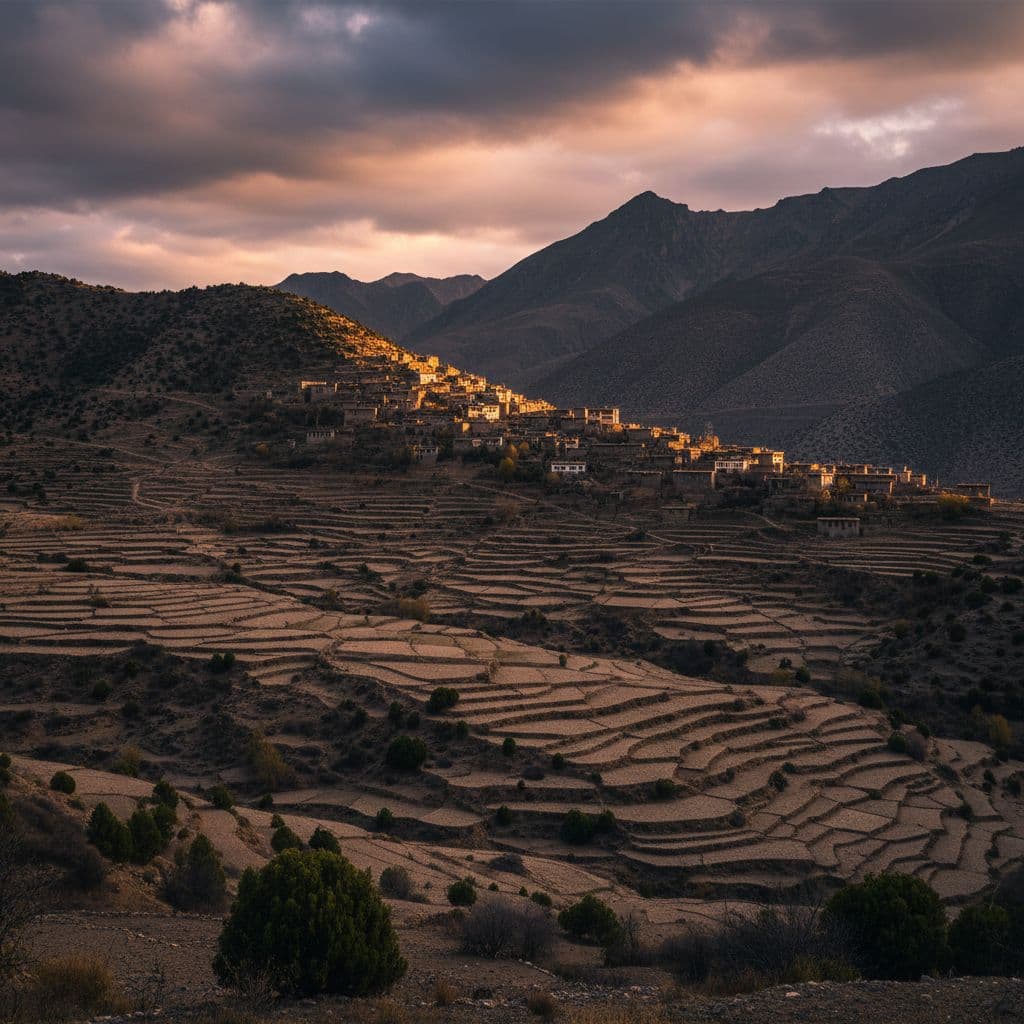
Many communities depend on forests for more than scenery. They rely on them for building materials, fuelwood, wild foods, medicines, grazing, and work tied to nature. In rural areas, forest income often helps pay for school, transport, repairs, and basic household needs.
That is why tree loss would hit local economies hard. When the forest disappears, so do jobs in guiding, guest stays, food stalls, craft sales, and small-scale harvesting. Nature-based tourism also weakens, and that matters because visitors spend money in local cafés, shops, homestays, and transport services.
Research on protected areas and nature tourism shows that these places can bring real economic gains to nearby communities, especially when tourism is managed well. A PLOS One study on nature-based tourism found that tourism around protected areas can create direct and indirect benefits for local people, not just for large operators. In other words, forests are part of the local income stream, not a luxury add-on.
We would also lose the safety net that forests provide. When harvests fail or prices rise, woodland foods and materials often help families get through hard months. Without trees, that buffer disappears, and small businesses feel the pressure first.
The wider pattern is clear:
- Fewer jobs in guiding, hospitality, and forest products.
- Weaker incomes for families who depend on woodland goods.
- Higher risk for small enterprises built around ecotourism.
- Less local spending, which slows village and town economies.
A World Bank report on nature-based tourism in Madagascar found that protected areas can support local incomes through visitor spending and related business activity. That kind of support would be lost if forests vanished. The result would be fewer opportunities in places that already have limited choices.
When trees go, communities lose both protection and paid work.
For ecotourism destinations, this would be especially hard. Travellers may still move through the area, but the character of the place would change. The walks, wildlife, and forest-based livelihoods that make the journey meaningful would fade together.
We would lose places that help us slow down and reconnect
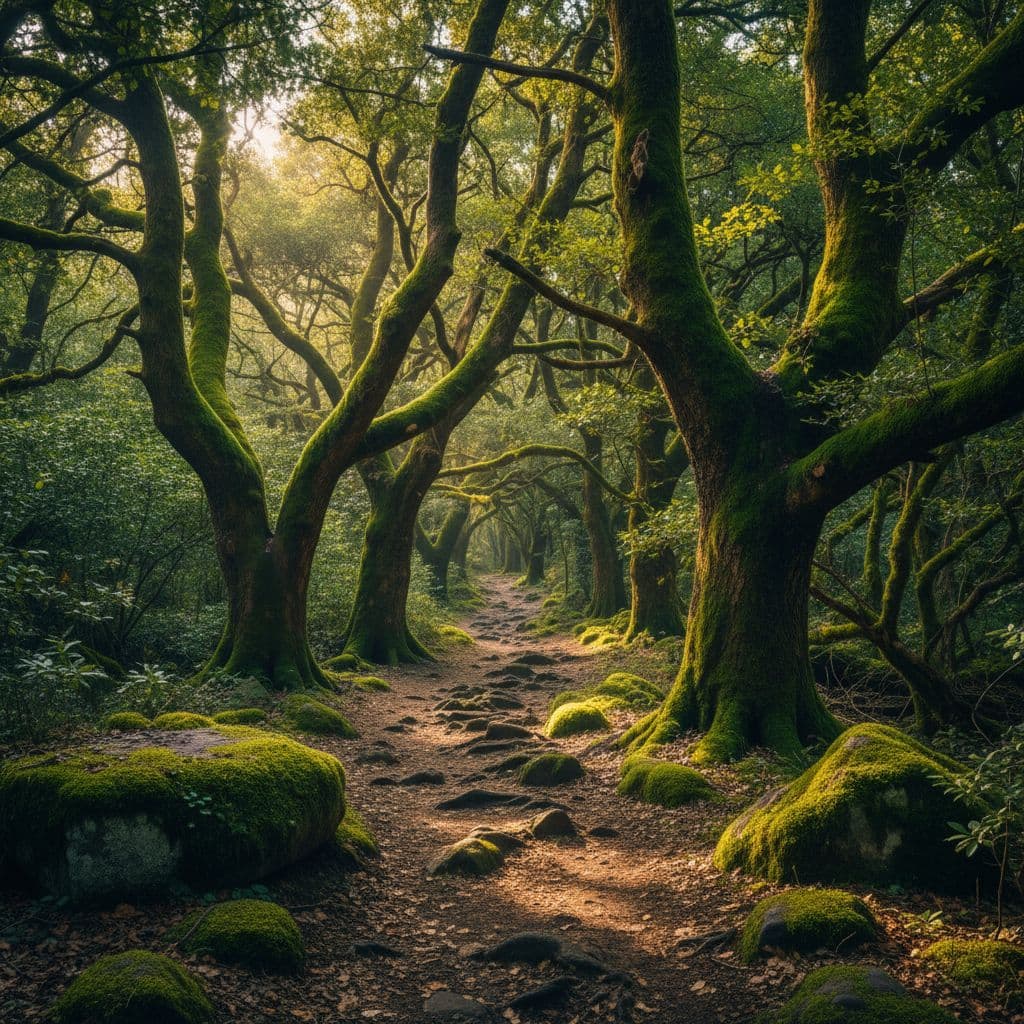
Trees do more than support wildlife and trade. They give us places to pause. A shaded trail, a quiet copse, or a park lined with mature trees changes the pace of a day. The air feels softer, the sounds feel less harsh, and our minds have room to settle.
That matters in everyday life. Green spaces are where many of us walk, rest, chat, and clear our heads. For some people, they are part of a morning routine. For others, they are the only nearby places that offer calm after work or school. Without trees, those spaces become hotter, noisier, and less inviting.
Time around trees also supports mental wellbeing. Studies of forest exposure, including nature-based rest and walking, show links with lower stress and better mood. A useful overview from the World Bank on forests and wellbeing explains how forests help people through recreation, cleaner air, and a sense of stability. That is not abstract. It affects how we feel on an ordinary Tuesday.
We would notice the loss in simple ways:
- Less shade on streets, paths, and playgrounds.
- Fewer quiet places for reflection and rest.
- Hotter public spaces, especially in summer.
- Lower access to green views, which many people find calming.
Trees also shape how we travel. A good eco holiday often depends on woodland paths, wildlife watching, and restful landscapes that help us slow down rather than rush through a destination. Without trees, travel would feel more exposed and less restorative. We would still move from place to place, but the emotional value of the journey would shrink.
For many readers, this is the most personal loss of all. Trees are part of the places where we reconnect with ourselves, with other people, and with the wider natural world. If they disappeared, we would lose a setting that helps daily life feel more balanced.
What do you think would happen if trees disappeared from Earth?
How we can protect forests before it is too late
Protecting forests starts long before a chainsaw reaches the tree line. It begins with the choices we make, the products we buy, and the policies we support. Forest loss is not only a conservation issue, it is a daily habit issue, a land rights issue, and a community issue.
If we want forests to keep storing carbon, holding soil, and sheltering wildlife, we need steady action at every level. That means changing small habits at home, backing responsible brands, and supporting forest protection that gives local people a real voice.
Small everyday choices can reduce pressure on forests
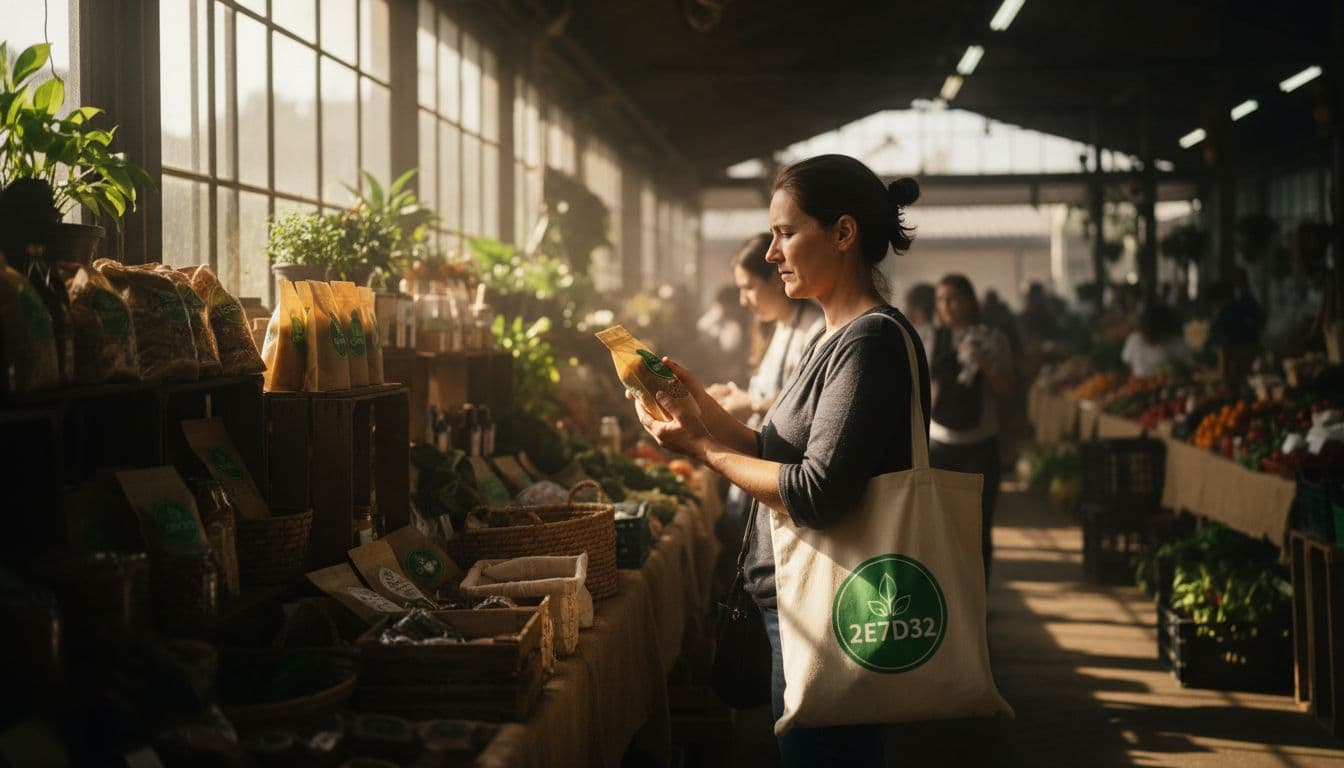
We do not need perfect lives to help forests. We need better habits, repeated often. Using less paper, reusing what we already have, and avoiding waste all cut demand for timber and fibre.
Certified products matter too. When we choose goods with credible forestry labels, such as FSC certification, we support cleaner supply chains and better-managed forests. The Forest Stewardship Council explains how everyday purchases can steer markets away from harmful logging.
A few realistic habits can make a difference:
- Use less paper by going paper-free where we can, printing only when necessary, and reusing scraps.
- Reduce wood waste by repairing furniture, buying second-hand, and keeping timber products in use for longer.
- Choose certified items when shopping for paper, packaging, and wood-based goods.
- Eat more thoughtfully by cutting back on foods linked to deforestation and choosing local, seasonal produce more often.
- Travel with care by avoiding unnecessary flights, staying on marked paths, and choosing operators that respect nature.
- Support better brands by backing companies that publish clear deforestation policies.
Small purchases do not look powerful on their own, but markets respond to repeated choices.
We can also pay closer attention to the labels on the foods and products we buy. Palm oil, soy, beef, and timber all have forest footprints when they are sourced badly. That does not mean we need to cut them out completely, but we should ask where they come from and who profits from them.
For travel, the same idea applies. A forest walk, a wildlife stay, or a community-based eco holiday is more valuable when it supports local people and low-impact practice. Better tourism choices help protect the very places we travel to see. That is why forest-friendly habits belong in our homes and on our holidays.
Conservation works best when people, science, and local communities work together
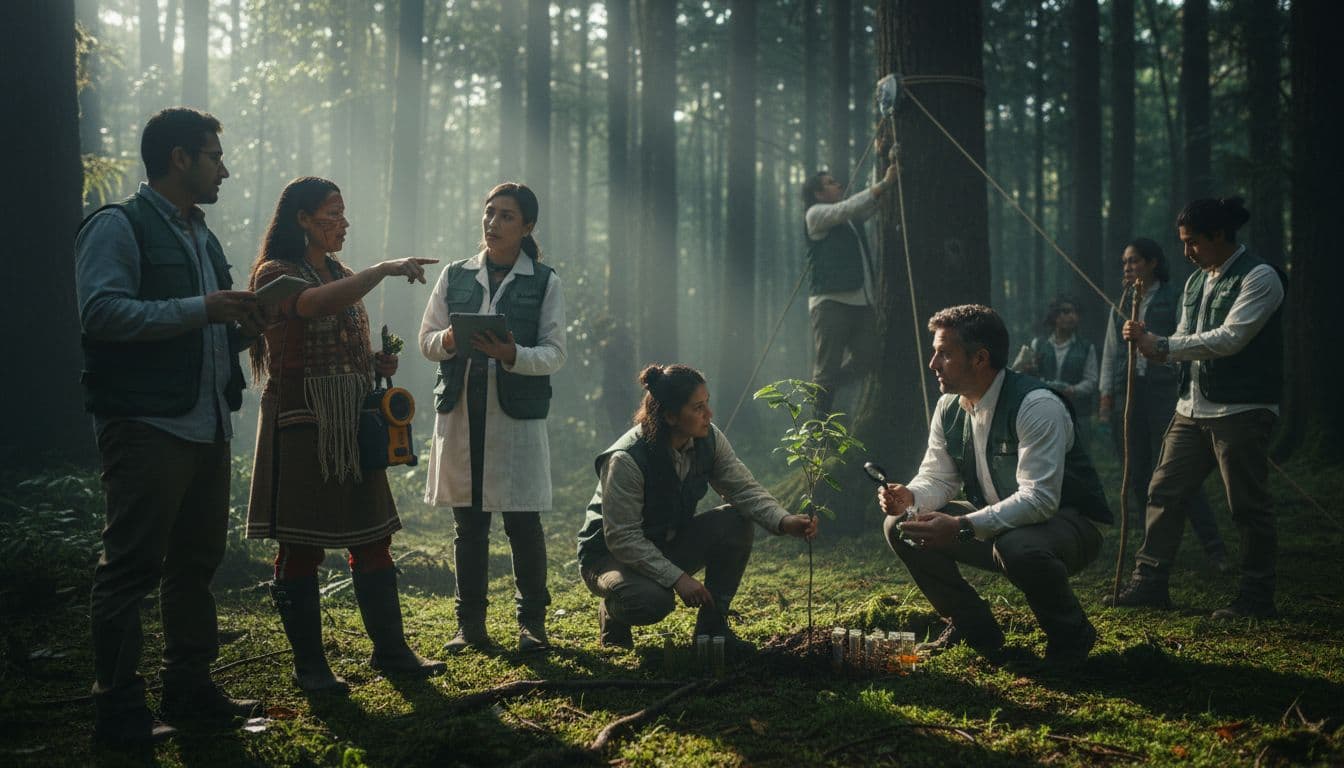
Lasting forest protection depends on partnership, not one-off campaigns. Scientists can track tree loss, map habitats, and measure carbon. Local communities can spot change early, manage land well, and keep restoration rooted in daily reality. Indigenous Peoples bring knowledge that has been built over generations, and that knowledge often improves outcomes when it is respected and properly funded.
Recent conservation work points in the same direction. Community-led forest projects tend to last longer because they fit local needs, and they work best when land rights, trust, and shared planning come first. Programmes backed by local stewardship, such as the approaches highlighted by Rainforest Partnership, show that people who live with forests every day are often the best placed to protect them.
Strong protection usually includes:
- Securing land rights so Indigenous Peoples and local communities can manage forests with confidence.
- Protecting habitats before they are fragmented beyond repair.
- Funding local stewardship so conservation work is not left to unpaid goodwill.
- Using science and local knowledge together to shape better decisions.
- Backing policy change so deforestation rules have real teeth.
Shared responsibility matters because forests are too large and too connected for one group to save alone. Governments set rules, businesses shape demand, scientists provide data, and communities keep the work grounded. When those groups pull in the same direction, forest loss slows and recovery becomes more realistic.
Forest protection is strongest when it is built into everyday life and long-term policy at the same time. That is how we keep the trees standing, and how we keep their benefits alive for people, wildlife, and the places we love to visit.
What do you think would happen if trees disappeared from Earth?
FAQ
We often have the same questions when we talk about tree loss, because the effects spread across air, water, wildlife, food, and daily life. This section gives us straight answers, so we can see why trees matter far beyond the forest edge.
How many trees are we losing?
The scale is still huge. Recent UN food and agriculture data shows that global forest loss has slowed in some places, but the world still loses millions of hectares each year, which is a very large area of living habitat and stored carbon. The FAO's Global Forest Resources Assessment 2025 gives a clear picture of the trend, and it reminds us that slower loss is not the same as no loss.
For us, that means the problem is ongoing. Every patch of forest removed takes away shade, shelter, moisture, and carbon storage. The damage builds up year after year.
What is the biggest effect of tree loss?
The biggest effect is that many systems start to fail together. Trees help regulate climate, hold soil, support wildlife, and keep water moving in healthier ways. When they disappear, we do not lose one service, we lose several at once.
That is why tree loss feels so disruptive. Hotter land, weaker rainfall patterns, more erosion, and habitat collapse all arrive as part of the same chain. The UN Environment Programme's deforestation factsheet explains how forest loss also adds to greenhouse gas emissions, which makes the climate problem worse too.
Would we still have oxygen without trees?
Yes, but the balance would be far less healthy. Trees produce oxygen through photosynthesis, yet the immediate crisis from losing all trees would be less about running out of oxygen and more about losing climate stability, clean water, fertile soil, and ecosystems that support life.
We should think of trees as part of the system that keeps the atmosphere working properly. They are not the only source of oxygen, but they are a major part of the life-support network around us. Without them, the knock-on effects would touch every part of the planet.
Which animals would be hit first?
Forest-dependent species would suffer first. Birds that nest in tree hollows, monkeys that travel through the canopy, insects that rely on certain leaves or flowers, and many amphibians that need shaded, moist habitats would all lose their homes quickly.
Some animals can adapt to open land. Others cannot. Species with narrow habitat needs are often the most vulnerable, because once the trees go, the food, cover, and breeding sites go with them. That is one reason biodiversity loss is tied so closely to forest loss.
How would tree loss affect people?
People would feel it fast. Farm yields would fall in many places, flood risk would rise, drinking water systems would become less steady, and heat would hit harder in towns and cities. Forest communities would also lose jobs, fuelwood, food, and income linked to nature.
The social impact matters just as much as the ecological one. Millions of people depend on forests for daily survival and local trade, so tree loss would hit livelihoods, not just landscapes. It would also make travel and outdoor life less comfortable, because shaded paths and cool green places would be far harder to find.
Can forests recover after major loss?
Sometimes they can, but recovery is slow and uncertain. Forests need time, moisture, seeds, pollinators, and stable ground to return properly. If the soil has washed away or the local climate has changed, regrowth becomes much harder.
That is why prevention matters more than repair. Replanting helps, but it does not instantly replace an old forest with the same wildlife, carbon storage, or water regulation. Protecting existing forests gives us the strongest chance of keeping the system intact.
If this topic matters to us, the next step is simple. We can support forest-friendly travel, buy more carefully, and back conservation work that keeps habitats standing. What do you think would happen if trees disappeared from Earth?
Conclusion
If all the trees disappeared from Earth, we would lose far more than green views and shaded paths. We would lose cleaner air, steadier weather, richer wildlife habitats, healthier soils, and much of the natural support that keeps food systems and communities going. Trees hold carbon, slow water, cool the land, and give countless species a place to live.
That is why forest loss is never just a woodland problem. It affects daily life, travel, local incomes, and the places where we go to feel close to nature. The good news is that the future is not fixed. We still have time to protect existing forests, restore damaged land, and make better choices in the way we travel, buy, and live.
For ecotourism especially, the lesson is clear, healthy forests are part of what makes a place worth visiting in the first place. If we want that beauty, balance, and biodiversity to remain for the next generation, we need to act now, while the trees are still standing.
What do we think would happen if trees disappeared from Earth?