
Ethical Tourism Operators: Why They Matter in 2026
Ethical tourism operators matter because your holiday choices can either support a place or strain it. When you book with companies that pay fairly, respect local culture, and protect wildlife, your travel money does more than cover a room or a tour, it helps shape the kind of tourism a destination can handle.
That shift matters now, as more travellers want trips that feel honest, low-impact, and worth the cost. You're not just looking for a nicer hotel or a greener label, you want local support, better animal welfare, lower emissions, and experiences that don't leave damage behind. As WWF and other conservation groups keep stressing, tourism works best when people and nature both have a stake in it, and the rise of ethical tourism operators is making that easier to find.
What an ethical tourism operator actually does
An ethical tourism operator does more than sell trips. You can spot one by the way it makes decisions, because it puts local people, wildlife, and long-term place value ahead of short-term gain. That often means paying fairly, choosing better suppliers, and planning experiences that fit the destination instead of squeezing it for all it is worth.
You should expect clear standards, not vague promises. A solid operator can explain who benefits from the trip, how staff are treated, and what it does to reduce harm.
They put people and places before profit
Ethical operators choose the option that supports the destination, even when it costs more or takes more effort. They pay fair wages, use local guides, and source food, transport, and services from nearby businesses where they can. That money stays in the community, which matters far more than a cheap package built on outside suppliers.
They also show respect in practical ways. They ask before using community spaces, they follow local customs, and they avoid tours that turn private lives into entertainment. If a village, beach, or market is already under pressure, they do not pile more people into it just because it sells well.
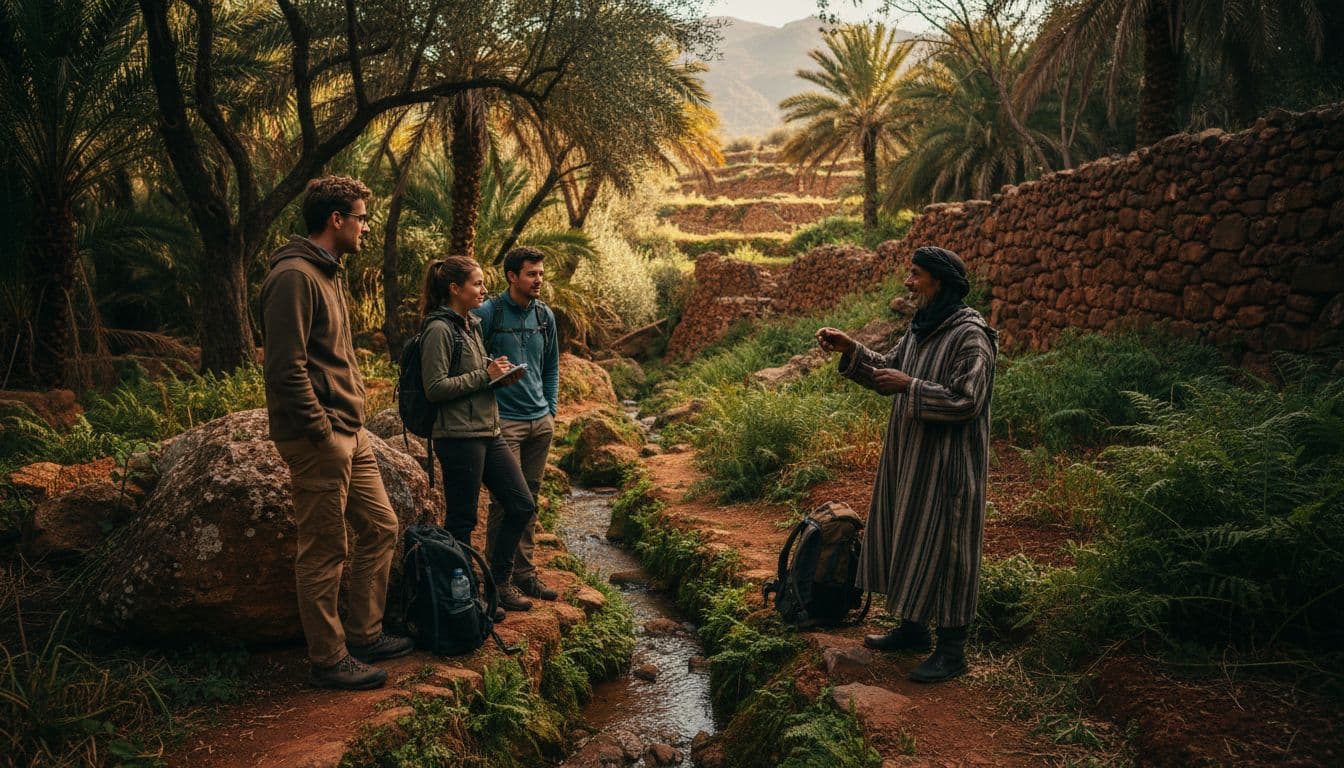
In good ethical tourism, the trip feels balanced. You get a richer experience, while the destination keeps its dignity and resources.
A responsible operator also understands that local benefit is not just about spending money. It includes listening, sharing decision-making, and backing community priorities such as heritage protection, conservation work, or training for local staff. The Responsible Tourism for Tour Operators guide gives a practical view of how this works in real life.
They keep their promises clear and honest
Trust matters here. Ethical operators do not hide behind soft phrases like "eco-friendly" or "sustainable" unless they can explain exactly what those words mean in practice. If they claim to protect wildlife, cut carbon, or support communities, they should be able to show how.
You should be able to read their policies in plain language. A trustworthy operator can explain its labour standards, animal welfare rules, waste plan, and community commitments without making you wade through jargon. If the message feels fuzzy, the action probably is too.
A useful test is simple:
- Ask what their policies are.
- Ask how they prove them.
- Ask who checks them.
If the answers are clear, you are dealing with a business that values honesty. If the answers drift into marketing speak, you are probably looking at greenwashing dressed up as care.
Real ethical travel is easy to explain. If a company cannot describe its standards simply, it may not have strong standards at all.
They design trips that do less damage
Ethical tourism operators also shape the trip itself so it leaves a lighter footprint. They keep group sizes small, use better route planning, and avoid overcrowded hotspots that suffer from too much footfall. That protects both the setting and your own experience, because smaller groups move with less noise, less waste, and less strain on fragile places.
They pay attention to the details that often get ignored. They cut single-use plastics, encourage refillable bottles, save water where supplies are limited, and choose accommodation that uses energy and water wisely. They also build in sensible timing, so you are not arriving at the busiest hour just to chase a photo.
A low-impact trip usually includes a few simple habits:
- Smaller groups that reduce pressure on trails, boats, and local spaces
- Routes that avoid repeated backtracking and unnecessary fuel use
- Clear waste rules that limit litter and single-use items
- Water-saving choices in dry or high-demand areas
- Visits spread across less crowded places, not just the most famous ones
This is where ethical travel feels different. You are not being pushed through a place like a conveyor belt. You are moving through it carefully, with more attention to what the destination can actually carry.
For more on how ethical practice fits into wider sustainable tourism goals, the UN World Tourism Organization explains how responsible tourism supports communities and the environment. That bigger picture matters, because the best operators do not just reduce harm, they help the place stay healthy for the future.
What this means when you book
When you choose an ethical operator, you are backing a style of travel that respects the people who live there and the land they depend on. You are also getting a better read on the trip itself, because good operators are usually the ones who know their destination well.
Before you book, check whether the company talks about fair pay, local sourcing, wildlife protection, and clear policies. If those things are built into the trip, you are looking at an operator that does the job properly, not just attractively.
Why this rise in ethical tourism matters to you
You feel the difference when travel is done well. Your booking supports real people, your visit puts less strain on fragile places, and your time away feels more grounded. That is why the rise of ethical tourism operators matters now, because your choices shape what kind of travel survives.
The old model sent money upwards and away, while the better model keeps more value where you spend it. It also gives you a trip that feels more human, more respectful, and far less hollow. When tourism is handled with care, you are not just passing through, you are helping a place stay livable.
Your money stays closer to the community
When you book with an ethical operator, more of your spend reaches the people who live in the destination. Local guides, family-run stays, small cafes, drivers, craft sellers, and community projects all benefit when a trip is built around local supply chains instead of outside contractors.
That matters because tourism can either circulate money or drain it. A mass-market package often pushes value out of the area fast, while community-led travel keeps more of it in circulation. If you buy lunch at a local restaurant, stay in a locally owned guesthouse, and book a guide who knows the land well, your money works in several places at once.
You can see this in community-based tourism models, where local people help decide how visitors are welcomed and how income is shared. National Geographic has a useful overview of community-based tourism and local impact, and the point is simple, your trip can pay the people who make the place what it is.
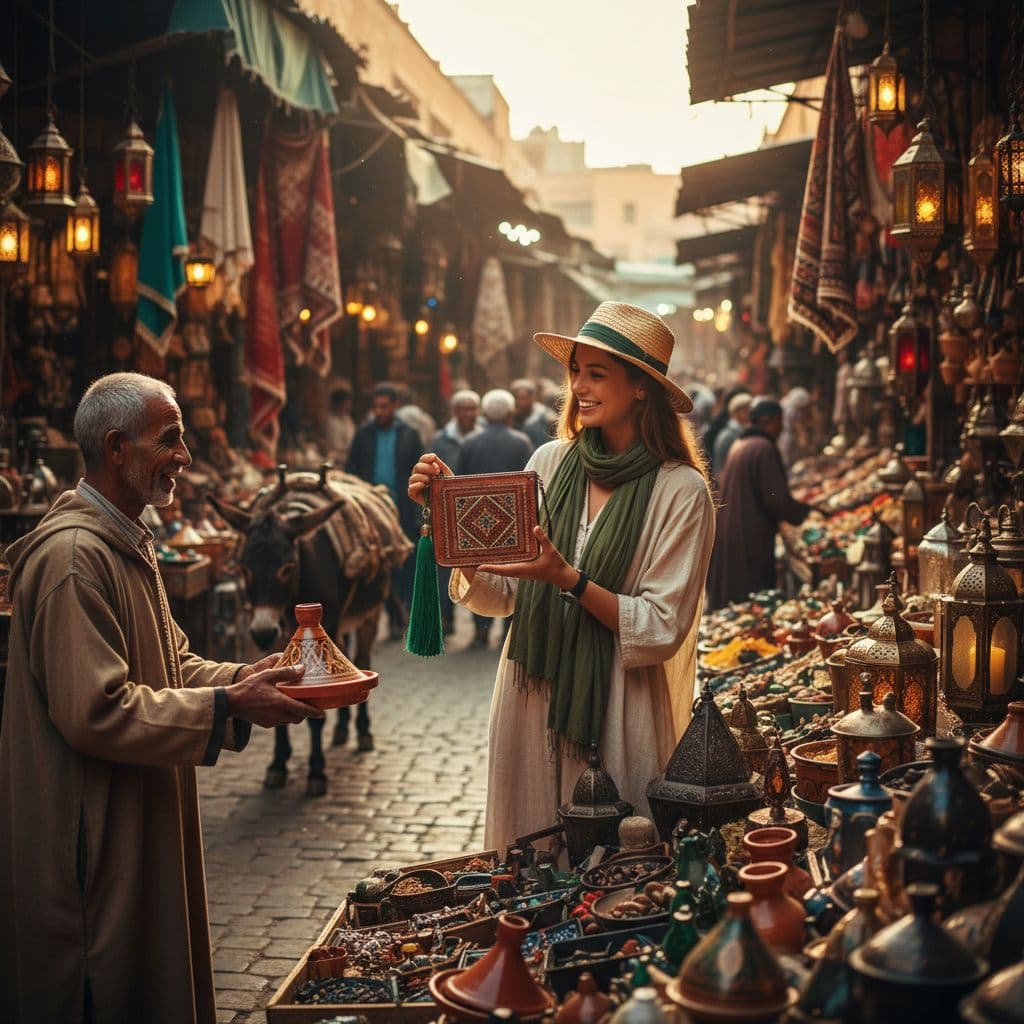
A good ethical trip usually spreads spending across the destination, rather than concentrating it in one company. That gives you a cleaner conscience, but it also gives communities a fairer chance to benefit from tourism on their own terms.
You get a richer travel experience
Respectful travel usually feels better because it gives you more than a checklist of sights. You meet people who know the area well, hear stories you would miss on a rushed group tour, and get a clearer sense of daily life. The trip stops feeling like a transaction and starts feeling like a real exchange.
That matters because memorable travel is rarely about how many places you tick off. It is often about the guide who explains a local custom, the cook who shares a family recipe, or the host who tells you why a place matters to their community. Those moments stay with you far longer than a crowded selfie stop.
Ethical operators also tend to run trips with more care and better pace. Smaller groups, clearer planning, and local knowledge usually mean less waiting, less chaos, and more time to notice what is around you. If you want a deeper cultural exchange, that kind of structure makes a real difference.
For a broader view of responsible travel and local benefit, see sustainable travel choices in France. It shows how destination choice and traveller behaviour work together.
You help protect wildlife and nature
Your travel choices can either add pressure or help ease it. Ethical tourism operators avoid harmful wildlife encounters, keep visitors away from fragile nesting or breeding areas, and favour experiences that respect the limits of the environment. That protects animals, but it also protects your own experience, because healthy nature is far more rewarding to visit.
Responsible wildlife viewing matters more than many travellers realise. A crowded boat, a noisy crowd, or close contact with animals can stress species that already face habitat loss and climate pressure. When operators set distance rules, limit group sizes, and choose observation over interference, they lower that stress.
Good operators also think about habitat care. They follow marked trails, manage waste properly, save water, and avoid overused sites where footfall has already done damage. The World Wildlife Fund keeps highlighting how conservation and tourism need to work together if nature is going to last for future visitors.
If a wildlife experience depends on touching, chasing, feeding, or crowding animals, it is probably harming the very thing you came to see.
In practical terms, your decision helps in three ways:
- It reduces pressure on animals that need space and quiet.
- It supports places that manage land with care.
- It backs operators who treat nature as something to protect, not exploit.
That is the real value of ethical tourism in 2026. You get a better trip, communities keep more of the benefit, and wildlife is less likely to pay the price.
How ethical operators support local communities in real life
When you choose an ethical operator, your money does more than pay for a bed or a transfer. It helps decide who earns, who leads, and who gets a voice in tourism. That matters because responsible travel works best when local people hold real value, not just the scenery.
Ethical tourism is strongest when it feels ordinary in the best way. You eat local food, ride with local drivers, sleep in locally run places, and learn from people who know the area better than any brochure ever could. That is where the connection between travel and community support becomes real.

Local guides and suppliers make a trip feel authentic
Local guides bring a place to life in a way no scripted tour can match. They know the side streets, the family stories, the best time to visit, and the customs that keep you from making a poor first impression. That knowledge improves your trip, and it pays fairly for expertise that outsiders often overlook.
The same applies to suppliers. When an operator buys food from nearby farms, books local transport, commissions crafts, and uses community-run accommodation, your stay supports several incomes at once. A meal of fresh market produce, a ride in a local minibus, or a handwoven item from a village maker all keep value inside the destination.
This also protects quality. Local hosts often care more about the details, because the trip happens in their home area. You notice it in better stories, better timing, and better judgement on what feels respectful.
For a broader look at how tourism can support people on the ground, community-based tourism in local places shows how travel spending can create real benefits instead of short-lived profit.
Community tourism can spread income more fairly
Community tourism gives residents more control over how visitors are welcomed and how money moves through the area. That often means homestays, small group visits, local cooperatives, and tours planned with community input. The result is fairer than a model where one large company takes most of the gain.
Homestays are a good example. You stay with a family, eat what they cook, and learn about daily life in a way that feels close and human. Small groups help too, because they reduce pressure on homes, paths, and public spaces while giving hosts a better chance to earn enough for their time.
Community-run visits can be even stronger. When residents decide what can be shared, what should stay private, and how income gets divided, tourism fits the place instead of overriding it. That is the kind of balance described in the main goals of ecotourism, where environmental care, social benefit, and economic fairness work together.
When a community has a real say in tourism, the benefits last longer and the pressure stays lower.
Respect for culture builds trust, not tension
You set the tone for every visit with your behaviour. Simple things, like dressing appropriately, asking before taking photos, and following local customs, can make the difference between a warm welcome and uncomfortable tension. Respect is not a performance, it is basic good manners.
Cultural etiquette matters most when traditions are still part of daily life. A ceremony is not there for your content, and a sacred site is not there for quick entertainment. When you listen first, keep your voice down, and avoid treating people like props, you help protect the living culture that makes the destination worth visiting.
That care also supports local pride. People are more likely to share language, food, and craft with visitors when they feel safe and respected. Over time, that keeps traditions alive as something lived and valued, not turned into a show for outsiders.
A few habits go a long way here:
- Dress modestly where the setting calls for it.
- Ask before photographing people, homes, or rituals.
- Follow guidance from hosts, guides, and signs.
- Keep public behaviour calm in places of worship or ceremony.
- Buy crafts directly when you can, so makers benefit fairly.
Ethical operators help you get this right by explaining the rules before you arrive. That makes the whole trip smoother, because respect removes guesswork and builds trust on both sides.
If you want to understand how this fits into wider sustainable travel, the UN World Tourism Organization's sustainability guidance is a useful reference point for the wider industry.
The environmental side of ethical travel you should not ignore
If you care about ethical tourism operators, you also need to look at the environmental side of the trip. A company can pay fairly and still leave a heavy footprint if it relies on wasteful supplies, carbon-heavy transport, or overcrowded routes.
That is why the best operators treat the environment as part of the guest experience. They cut waste, plan lower-carbon journeys, and keep pressure off places that cannot absorb endless visitor traffic. When they do that well, your trip feels cleaner, calmer, and far less destructive.
Less waste, less plastic, less pollution
Small changes add up fast when they happen across every booking. A good operator makes it easy for you to avoid single-use waste by setting up refill stations, providing reusable kit, and choosing smarter packing systems that cut down on disposables.
You notice the difference in the details. A refill bottle beats rows of plastic minis. A cloth tote replaces another flimsy bag. Reusable lunch boxes, metal cutlery, and refillable toiletry containers keep rubbish out of bins, rivers, and roadsides.
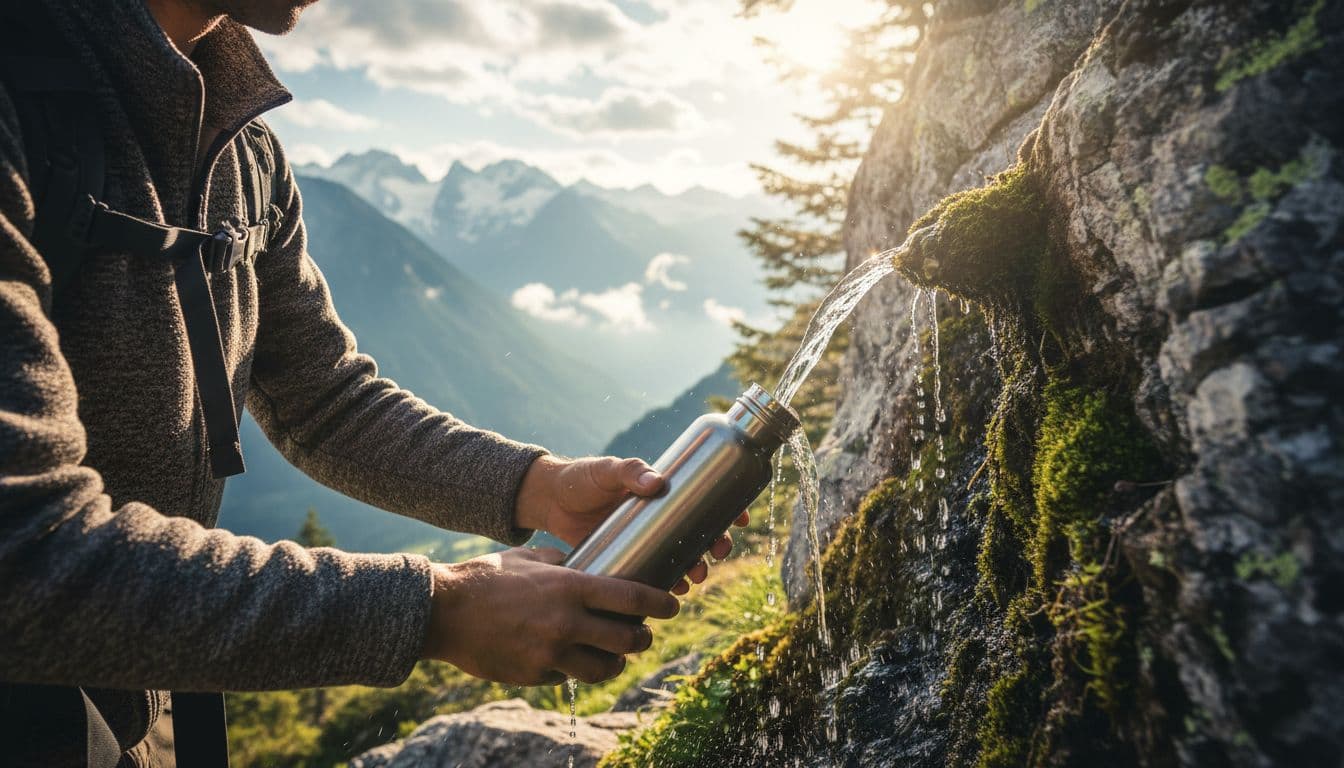
Travel also creates hidden waste before you even arrive. Packing light, going paperless, and choosing sit-down meals instead of constant takeaways all reduce packaging and transport emissions. According to Sustainable Travel International, tourism can put serious strain on local waste systems, so the cleanest trip is usually the one that brings less into the destination in the first place.
A practical operator will usually help you with habits like these:
- Bring a reusable water bottle and food container
- Refuse plastic straws, cutlery, and excess napkins
- Use refill stations instead of buying bottled drinks
- Reuse towels and skip daily linen changes when possible
- Recycle and compost properly when facilities exist
If your trip generates less waste, the place you visit has a better chance of staying beautiful for the next traveller.
Lower-carbon choices can be built into the trip
Carbon cuts do not have to feel complicated. Ethical operators can build them into the itinerary from the start, so you spend less time in high-emission transport and more time moving in ways that suit the place.
Walking and cycling are the cleanest options once you arrive. They also slow the pace down, which gives you a better sense of streets, markets, and landscapes. Public transport does the same job on a wider scale, especially when a route is simple and reliable.
Shared transfers also matter. One minibus full of travellers creates far less impact than several private cars doing the same run. Better itinerary design helps too, because fewer backtracks, shorter dead zones between stops, and fewer unnecessary transfers all cut fuel use.
For trips that include longer journeys, the most responsible operators think hard about routing. They may prefer direct flights over awkward connections, suggest rail for shorter distances, or build stays that reduce the number of internal transfers. The broader climate picture is clear, too, with tourism emissions already a major concern, as shown in Nature Communications' analysis of global tourism carbon emissions.
A lower-carbon trip usually looks like this:
- You walk, cycle, or use public transport where possible.
- You share transfers instead of booking separate rides.
- You stay longer in one area rather than bouncing between too many stops.
- You choose itineraries with fewer unnecessary miles.
- You pack light, because lighter luggage means less fuel use.
That approach is better for the planet, but it also tends to improve the trip itself. You feel less rushed, spend more time in each place, and move with a bit more purpose.
Smarter group sizes protect fragile places
Big crowds can wear down a destination faster than most travellers realise. Trails widen, wildlife gets stressed, and famous viewpoints start to feel like queue lines. Ethical operators use smaller groups because it lowers that pressure straight away.
Smaller numbers make it easier to stay quiet, keep to marked paths, and avoid blocking access for local people. They also reduce noise around animals, which matters in nesting areas, wetlands, forests, and other sensitive habitats. In fragile places, every extra footstep counts.
Quiet routes help as well. A lesser-known path can protect a popular site from too much traffic, while giving you a more peaceful visit. That is often the better trade, because you see more and disturb less.
You can usually spot a well-run trip by how it handles movement:
- It avoids bottlenecks at busy times of day
- It uses side routes where pressure is already high
- It keeps groups small enough for the guide to manage properly
- It gives wildlife plenty of space and time
- It respects closures, seasonal limits, and local access rules
The best operators understand that conservation is not just about remote parks. It also means giving overvisited places a chance to recover. When a route is too fragile, the right choice is often to skip it or spread demand across quieter alternatives.
Smarter group planning protects the destination and makes your experience better. You get more room, more calm, and far less of the trampling that turns a special place into a stressed one.
How to spot a genuine ethical tourism operator before you book
A good ethical tourism operator makes its standards easy to see. You should not have to decode vague promises or guess what happens behind the scenes. If a company really supports communities, wildlife, and the environment, it can show you.
That matters because your booking is a vote for how travel should work. The best operators answer direct questions, show proof, and stay honest about what they do well and where they still have work to do.
Look for proof, not just eco words
Words like green, conscious, and eco-friendly sound nice, but they mean very little on their own. You want policies, certifications, and clear examples of action. A real operator can tell you how it handles wages, waste, wildlife, and local supply chains.
Look for details such as:
- named sustainability policies
- third-party standards or memberships
- clear staff and supplier commitments
- practical steps for water, energy, and waste
- evidence of local benefit, not just local scenery
A certification can help, but only if it is meaningful. Trusted standards are better than self-made badges, and the best ones still come with plain language that explains what they cover. For a useful overview of how to read past marketing language, see Which? on greenwashing in travel.

If a company says it is ethical, ask what that means in practice. A genuine operator will be able to explain it without hiding behind buzzwords.
Ask the questions that reveal good practice
You can learn a lot before you ever pay a deposit. A few direct questions tell you whether the company has thought seriously about ethics or only dressed up its sales pitch. Keep it simple and specific.
Ask about:
- Local sourcing: Who provides food, transport, guides, and accommodation?
- Worker treatment: Are staff paid fairly and given proper working conditions?
- Community benefit: How does your trip support local people beyond the booking fee?
- Environmental action: What do they do to cut waste, water use, and emissions?
- Animal welfare: Do they avoid rides, shows, feeding, or close contact with captive wildlife?
You do not need a long questionnaire. A clear operator should answer these points quickly and directly. If they need days to reply, or they send you back a polished sales paragraph, that is a weak sign.
Clear answers usually mean clear systems. Fuzzy answers often mean the company has not built those systems at all.
It also helps to ask who actually owns and runs the trip on the ground. A company that works with local partners and keeps decision-making close to the destination usually has a stronger ethical base than one that outsources everything and calls it sustainable.
Watch for warning signs of greenwashing
Greenwashing often sounds kind. That is what makes it slippery. The language feels warm, but the details stay missing. If a website talks about caring for nature yet never says how, pause before you book.
Be cautious when you see:
- vague claims with no evidence
- unclear answers about where the money goes
- hidden fees that appear late in the process
- over-hyped animal encounters
- a lot of feel-good language and very little substance
Animal attractions deserve special attention. If a trip promotes elephant rides, tiger selfies, dolphin shows, or captive wildlife close-ups, that is a red flag. Ethical wildlife travel gives animals space and keeps the experience observational, not intrusive.
You should also pay attention to pricing. A company that talks about values but hides costs or adds unexplained charges may be using the ethics message as a sales hook. Transparency should cover money as well as missions.
For a broader look at how to spot empty sustainability claims, Impact Travel Alliance's greenwashing guide is a useful reference. The main lesson is simple, if the company cannot back up its claims with numbers, policies, or named partners, treat the claim as marketing, not proof.
A genuine ethical tourism operator feels steady, clear, and grounded. You should know who benefits, who is protected, and how the trip works before you hand over your card details. When that information is easy to find, you are far more likely to be booking with the right company.
The types of ethical tourism experiences growing fastest
The fastest-growing ethical tourism experiences all share one thing, they make travel feel more grounded and less wasteful. You are seeing more trips that protect nature, put money into local hands, and cut out the kind of behaviour that turns a destination into a backdrop.
That shift is not just about values. It is about what people now want from a holiday, a smaller footprint, better stories, and a clearer sense that their money is doing some good.
Eco-friendly stays and low-impact transport
Eco-friendly stays are growing because they remove a lot of the hidden waste from a trip. You are more likely to see lodges and guesthouses that save water, use solar power, reduce laundry loads, and cut single-use plastics at source. The best ones also hire local staff and source food nearby, so the benefits stay in the area.

Low-impact transport is growing alongside that. Shared transfers, rail journeys, walking tours, cycling breaks, and public transport links are becoming part of the appeal, not a compromise. That matters because transport often creates the biggest emissions on a trip, so changing how you move can change the whole impact of the holiday.
You can usually spot a better operator by the choices it builds in:
- Stays with refill stations, water-saving fixtures, and energy-efficient systems
- Small properties that avoid oversized water and power use
- Shared shuttles instead of constant private transfers
- Routes that reduce backtracking and needless fuel use
- Longer stays in one place, which cut transport pressure
This is where the travel experience improves as well. You are not rushing from one stop to the next, you are staying put long enough to notice the place. The result feels calmer, lighter, and far less disposable.
Responsible wildlife and nature experiences
Wildlife travel is growing fast, but the ethical version is the one that respects animal behaviour first. That means safe distances, no feeding, no touching, and no chasing for a better photo. If an operator gets too close or turns animals into props, the experience stops being responsible.
The strongest trips protect habitat as much as they protect the animals. They limit group size, stay on marked trails, use trained guides, and avoid places where repeated disturbance would damage nesting, feeding, or migration patterns. That is what makes a wildlife trip worth taking, because the animals still act like animals.
Guided birdwatching, reef snorkelling with strict rules, forest walks, and conservation-led safaris are all rising because they offer real contact without interference. You see more when the animals are calm, and you do less damage when the environment is treated with care.
According to Condé Nast Traveler's sustainability trends for 2026, travellers are increasingly drawn to experiences that align with the seasons and with conservation needs, not just peak tourist demand. That is a useful shift, because the best wildlife moments often happen when the destination is least crowded and best protected.
Trips with a purpose are becoming more popular
Purpose-led travel is growing because you want your time away to mean something. That does not have to mean a dramatic volunteer programme or a packed conservation schedule. It can be as simple as joining a beach clean-up, helping with trail restoration, or taking part in a community project that local people actually asked for.
The key is that the trip gives back without turning into token gestures. If the project exists mainly for tourist photos, it is not ethical. If it supports local priorities, pays local partners, and does not replace real jobs, it has a much better chance of doing good.
You are also seeing more meaningful travel experiences built around learning. That might mean visiting a working farm, learning a craft from local makers, or joining a conservation walk that funds habitat protection. These trips feel richer because they connect you to place, not just scenery.
A few of the fastest-growing purpose-led options include:
- Conservation days where you help with habitat care or monitoring
- Community visits led by local hosts and guides
- Cultural exchanges that support heritage, food, and craft
- Small-group service trips with clear, practical goals
The best operators keep the focus on local benefit and honest limits. They do not promise that your holiday will save the planet, but they do make sure it helps more than it harms.
When you look at these growing types of ethical tourism experiences together, the pattern is clear. You are choosing stays, journeys, and activities that respect people, wildlife, and place. That is why ethical tourism operators matter so much in 2026, they make those choices easier to find and easier to trust.
What ethical tourism means for the future of travel
Ethical tourism is moving from a niche idea to a basic expectation. You want travel that respects local people, protects wildlife, and leaves a lighter mark on the places you visit. That shift matters because the future of travel depends on trust, fair income, and better care for the land itself.
In 2026, the strongest operators are the ones that prove what they do. They do not hide behind polished slogans. They show where your money goes, how they treat workers, and how they reduce harm on the ground.
Travel is becoming more local, quieter, and more selective
You are already seeing a change in what people choose. Travellers want fewer crowded hotspots, more meaningful contact, and trips that feel useful as well as enjoyable. They are also moving towards slower transport, off-season travel, and experiences that support the people who live there.
This is where ethical tourism starts to shape the whole market. It pushes operators to build trips around local supply chains, not mass volume. It also rewards places that keep culture and nature intact instead of turning them into backdrops for fast turnover.
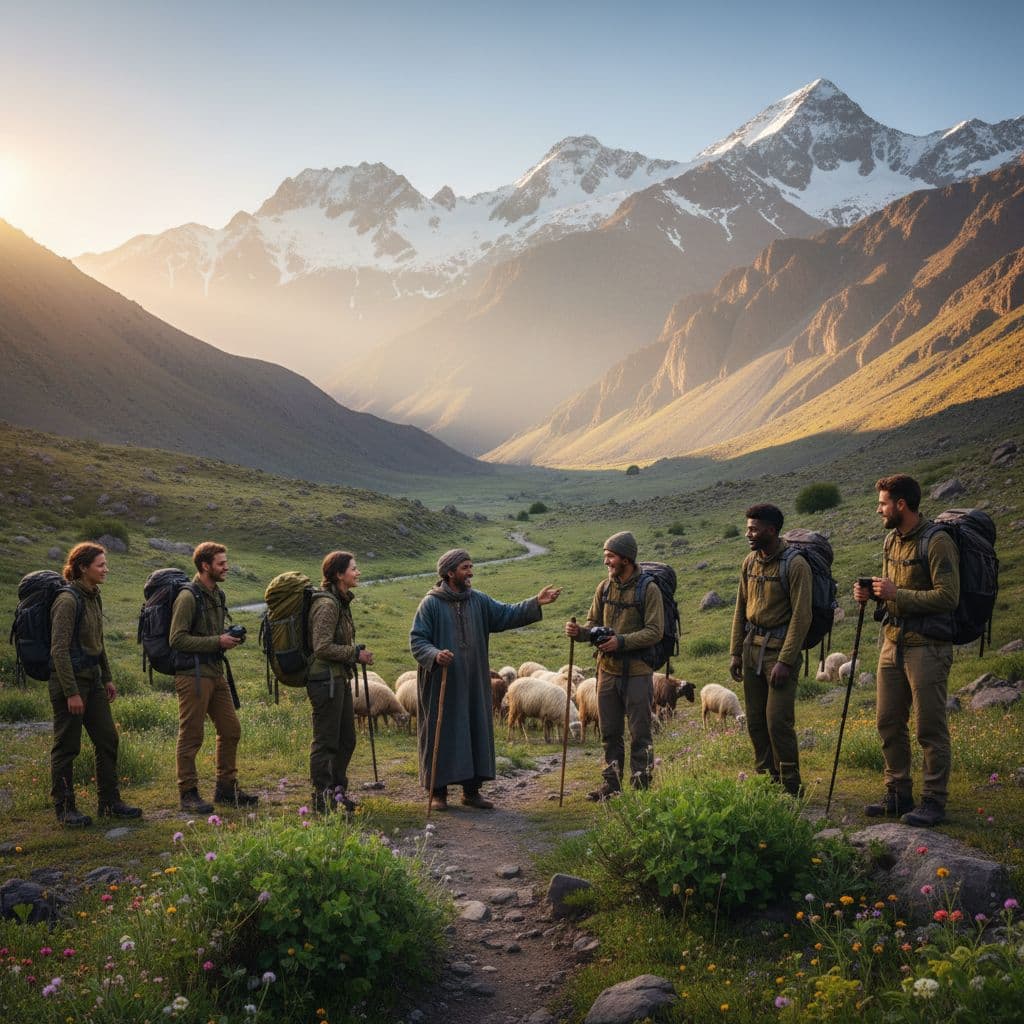
The best trips now feel more like an exchange than a transaction. You spend time, money, and attention in a place, and the place gives back in skills, stories, food, and landscapes that still feel alive.
A few changes are shaping that direction:
- Smaller groups that reduce pressure on fragile sites
- More local guides and locally owned stays
- Less interest in rushed, photo-heavy itineraries
- Better demand for trips that protect culture and habitat
For a broader view of how responsible travel supports both people and nature, see the main goals of ecotourism.
Proof will matter more than promises
You are less likely to trust vague claims now, and that is a good thing. If a company says it is ethical, you should be able to see the evidence behind that claim. Real standards matter more than pretty language, because greenwashing has made travellers far more careful.
Clear third-party checks, plain policy pages, and named local partners are becoming the new baseline. That matters because ethical tourism only works when you can tell the difference between a genuine operator and one that uses sustainability as a sales line.
If a company cannot explain its ethics in simple terms, it probably has weak systems behind the scenes.
You can also expect more interest in trips with lower emissions and better crowd control. Rail, buses, walking routes, and shared transfers fit this shift well, because they cut pressure while improving the pace of the trip. According to Sustainability Atlas on conscious travel in 2026, travellers are demanding more proof, more local value, and fewer empty claims. That lines up with what you already want, honest travel that does what it says on the tin.
Ethical tourism supports the future you actually want
Ethical tourism does not just protect places for the sake of it. It helps make travel worth doing in the first place. When destinations stay healthy, communities benefit, and wildlife is treated with care, you get richer experiences and fewer regrets.
That is why this approach matters for the future of travel. You are helping shape a market where good practice gets rewarded, not ignored. You are also backing a model that values balance, local voice, and long-term care over quick profit.
When you book with an ethical operator, you help create:
- Fairer income for local people
- Better treatment for wildlife and habitats
- Trips that feel more personal and less crowded
- A travel culture built on respect, not exploitation
The future of travel will belong to operators that can do all four. If you want your journeys to stay rewarding, ethical tourism is no longer optional, it is the standard worth choosing.
FAQ

You may still have a few practical questions before you book. That's normal, because ethical travel should feel clear, not confusing. The answers below give you a quick way to check whether an operator is doing the right thing.
What makes a tourism operator ethical?
An ethical tourism operator puts people, wildlife, and place ahead of profit. You should see fair pay, local hiring, honest policies, and trip design that avoids unnecessary harm.
In practice, that means the operator uses local guides, respects community wishes, and keeps animal encounters low-stress and non-invasive. It also means they explain their standards clearly, so you know where your money goes.
How can you tell if a tour is genuinely responsible?
Look for proof, not polished slogans. A genuine operator can explain its labour policies, animal welfare rules, waste practices, and local partnerships without slipping into vague marketing language.
You can also ask direct questions before you book:
- Who benefits locally from this trip?
- How are guides and staff paid?
- What happens if a wildlife site is crowded or sensitive?
- Do you avoid captive animal entertainment?
If you want a broader checklist, ethical and sustainable travel questions can help you compare claims with real practice.
Do ethical tours always cost more?
Sometimes they do, because fair wages, smaller groups, and better environmental care take more effort. Even so, the extra cost often supports local jobs, conservation, and better treatment of animals and workers.
You are usually paying for a trip with more substance, not just a prettier sales page. That can mean better guides, better pacing, and a far more rewarding experience overall.
What should you avoid when booking?
Avoid any trip that relies on animal shows, feeding wildlife for photos, or close-contact experiences that stress animals. You should also be wary of operators that hide their suppliers, give vague sustainability claims, or never explain how local communities benefit.
A good rule is simple, if a booking sounds impressive but feels vague, pause. Ethical travel should be easy to understand, and even easier to trust.
Conclusion
Ethical tourism operators matter because they make your choices count in the right places. When you book with companies that pay fairly, respect local culture, and protect wildlife, you help build travel that is fairer, kinder, and more sustainable for the places you visit.
That matters even more now, as more travellers want honesty rather than glossy claims. The best operators are clear about their policies, open about who benefits, and careful with the impact they leave behind. You get a better trip, local communities keep more value, and nature gets a little more breathing space.
Before you book your next trip, check one simple thing, their policy on people, planet, and wildlife. If that information is easy to find and easy to understand, you are already making a smarter choice.
What's your experience with eco-friendly travel? Share your thoughts in the comments, your insight helps inspire more responsible travellers.