
Eco-Anxiety in Travellers: Why Sustainable Tourism Matters
Before you book a trip now, you might be checking heat warnings, storm maps, wildfire risk, and flight disruption at the same time as hotel prices. That habit has a name in plain terms: eco-anxiety, the uneasy feeling that comes from climate change, nature loss, and seeing the world shift in real time.
For many travellers, that worry is changing how holidays feel, not just where they go. Recent travel trends show more people choosing shoulder seasons, cooler places, slower itineraries, and nature-based breaks because they want less stress and more peace of mind, which is why sustainable tourism is starting to feel less like a preference and more like a psychological need.
That shift says a lot about modern travel, and it also points to a simpler kind of trip, one that supports nature conservation, wildlife, local communities, and a steadier sense of control.
What eco-anxiety feels like when you are planning a holiday
Eco-anxiety can show up long before you pack a bag. It often starts as a low, nagging sense that every travel choice carries a cost, then grows into doubt, guilt, and mental noise that makes even a simple break feel complicated. For travellers who care about eco tourism, sustainable travel, and wildlife, that pressure can feel personal.
A holiday should bring relief. Yet when climate worries are close to the surface, planning can feel like carrying a rucksack that keeps getting heavier. You still want the sea, the mountains, the museums, or the long walk through a national park, but the joy gets tangled up with carbon counts, harm to nature, and questions about whether the trip is "worth it".
The signs travellers often ignore
The first sign is often overthinking. You might compare trains, flights, and coach routes for hours, then still feel unsure. Bookings stop feeling exciting and start feeling like a test you might fail.
Other signs are easier to miss because they sound sensible on the surface. You may feel guilty for flying, worry that your sunscreen or boat trip might harm reefs or wildlife, or keep reopening booking tabs because no option feels clean enough.
These feelings can also show up in the body. Some people lose sleep before the trip, find it hard to focus, or feel flat when they should feel excited. If the holiday planning starts to feel like a moral exam, eco-anxiety may already be in the room.
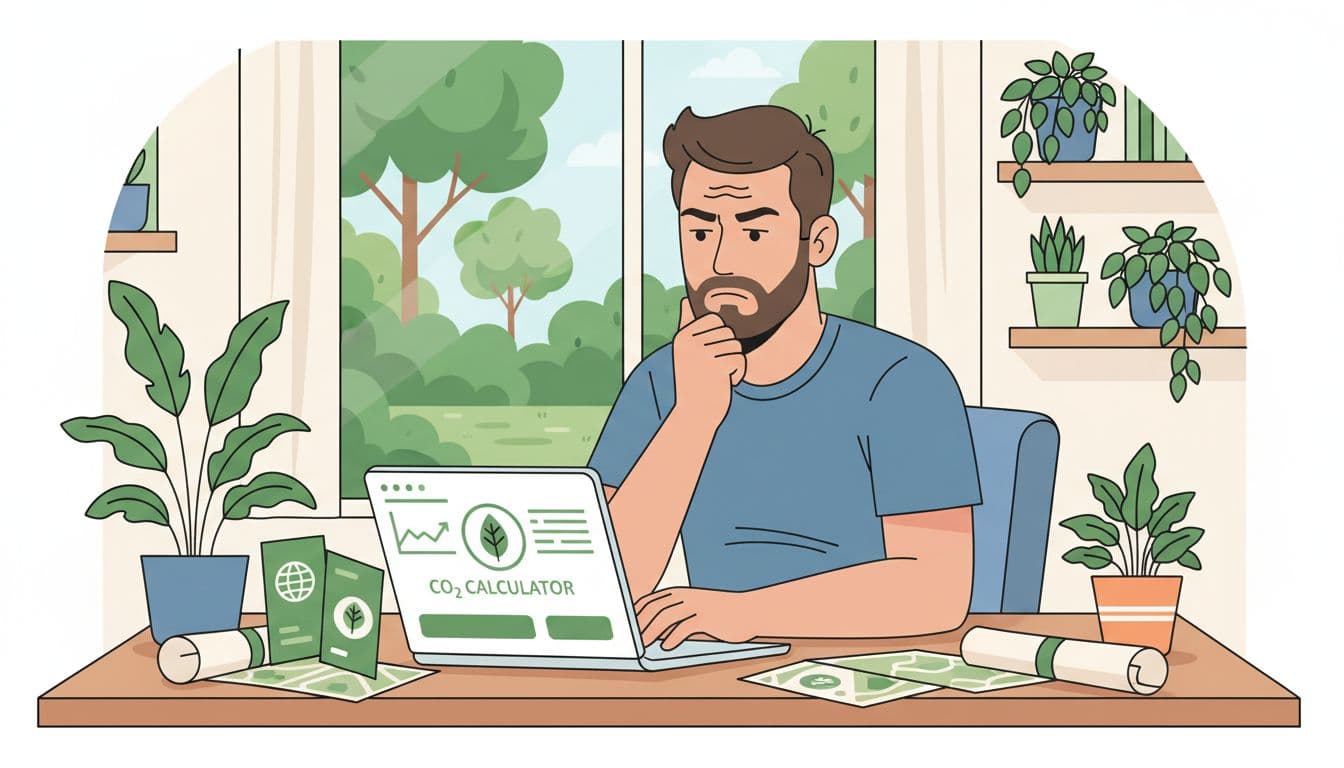 You may also notice a quiet pull away from travel altogether. That can happen when the brain starts linking holidays with waste, harm, and responsibility instead of rest.
Why climate news can make travel feel heavier
Constant climate coverage changes how travel feels. Floods, wildfires, heatwaves, coral loss, and storm damage do more than fill news feeds, they shape the way the mind pictures the journey ahead. A beach trip can start to feel fragile. A hiking holiday can feel exposed. Even a city break can feel charged with risk.
When climate news is constant, the mind can treat ordinary travel as if it comes with an invisible warning label.
That reaction makes sense. Recent research on eco-anxiety and tourism shows that climate guilt and fear can influence how people think about travel choices, especially when flying is involved and the impact feels hard to ignore. One study on eco-anxiety and tourism also links climate concern with negative feelings around air travel, including guilt and social pressure around being seen as "too polluting" for wanting to go away. See the wider discussion in research on eco-anxiety and flight shame.
The result is not always a decision to cancel. More often, it is a mental tug-of-war. Part of you still wants discovery, nature, and time away. Another part keeps asking whether travel is helping you live well, or adding to the problem you already worry about.
The pressure can feel sharper when you care about responsible travel. That care is a strength, but it can also make every decision feel loaded, especially when news about biodiversity loss and climate damage keeps piling on.
Why more people are choosing sustainable tourism on purpose
Sustainable tourism is no longer just for travellers with a strong environmental streak. It now appeals to people who want calmer holidays, clearer choices, and less friction before they even leave home. When the world feels hotter, busier, and less predictable, a lower-stress trip starts to look like a sensible one.
That is why eco tourism, responsible travel, and a greener lifestyle are showing up in ordinary holiday plans. People want eco destinations that feel gentler on the land and easier on the mind. They also want trips that leave room for nature conservation, wildlife, and local communities, instead of putting more pressure on them.
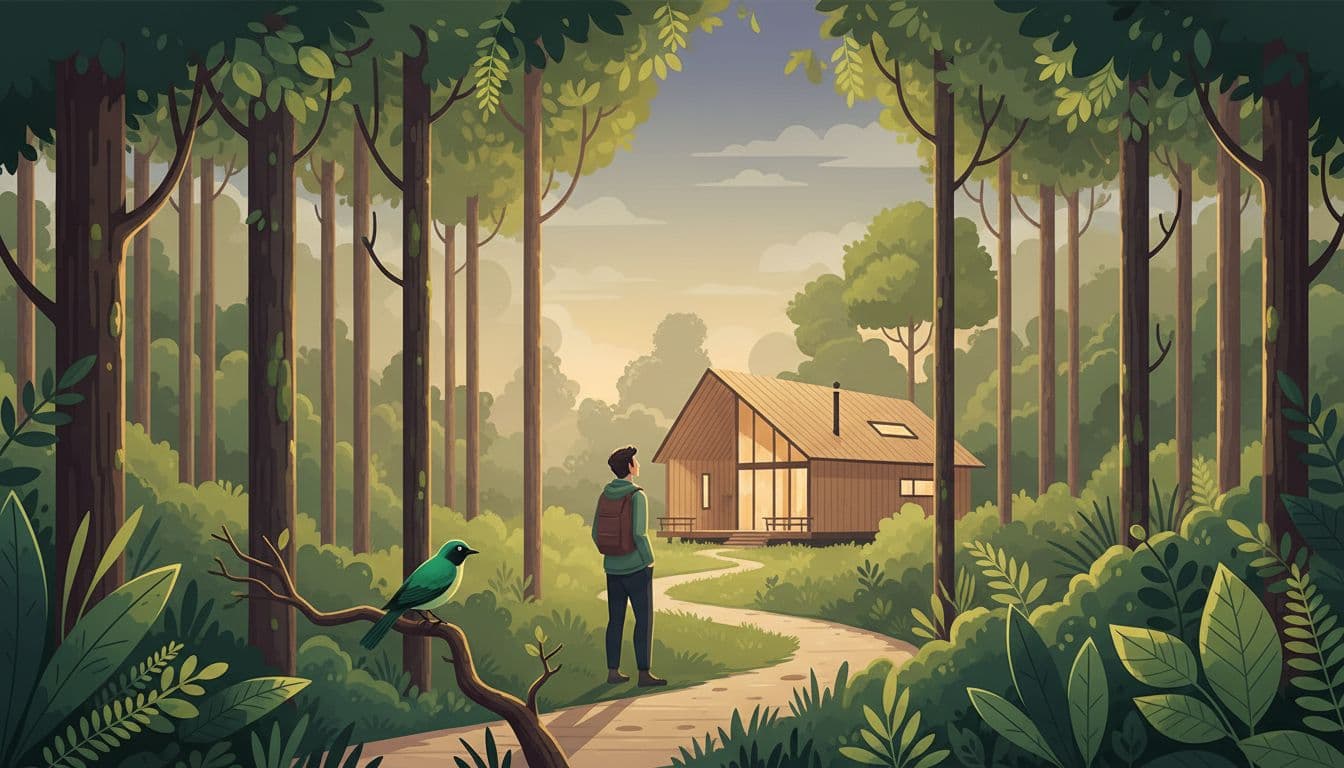 ### Safer timing, cooler places, and less travel stress
More travellers are looking past peak summer and choosing shoulder seasons instead. Spring and autumn often bring milder weather, lighter crowds, and fewer delays linked to extreme heat. That matters when a holiday should feel restful, not risky.
Choosing cooler destinations can also make a trip feel more manageable. A mountain stay, a coastal town in the off-season, or a forest retreat often means more comfort and less weather anxiety. In plain terms, people feel better when they are not constantly checking for heat warnings or disruption.
Recent travel trend reporting shows this shift is already well under way, with more people choosing quieter months and less crowded places to get a better balance between comfort and experience. Travel Research Online notes that shoulder season is becoming a real preference, not just a backup plan, because it spreads demand more evenly and reduces pressure on busy places. See why shoulder season is gaining ground.
This kind of timing also suits people who want a more thoughtful pace. You leave more room for long walks, slower meals, and proper rest. That is a small change on paper, but it can make a holiday feel far steadier.
Less heat, fewer crowds, and more flexible timing often mean a trip feels easier before it even begins.
Slow travel feels better for the mind and the planet
Slow travel is growing because people are tired of rushing from one stop to the next. Longer stays in one place cut the pressure to "see everything", which leaves more breathing space for actual enjoyment. You settle in, notice the place properly, and stop treating the holiday like a race.
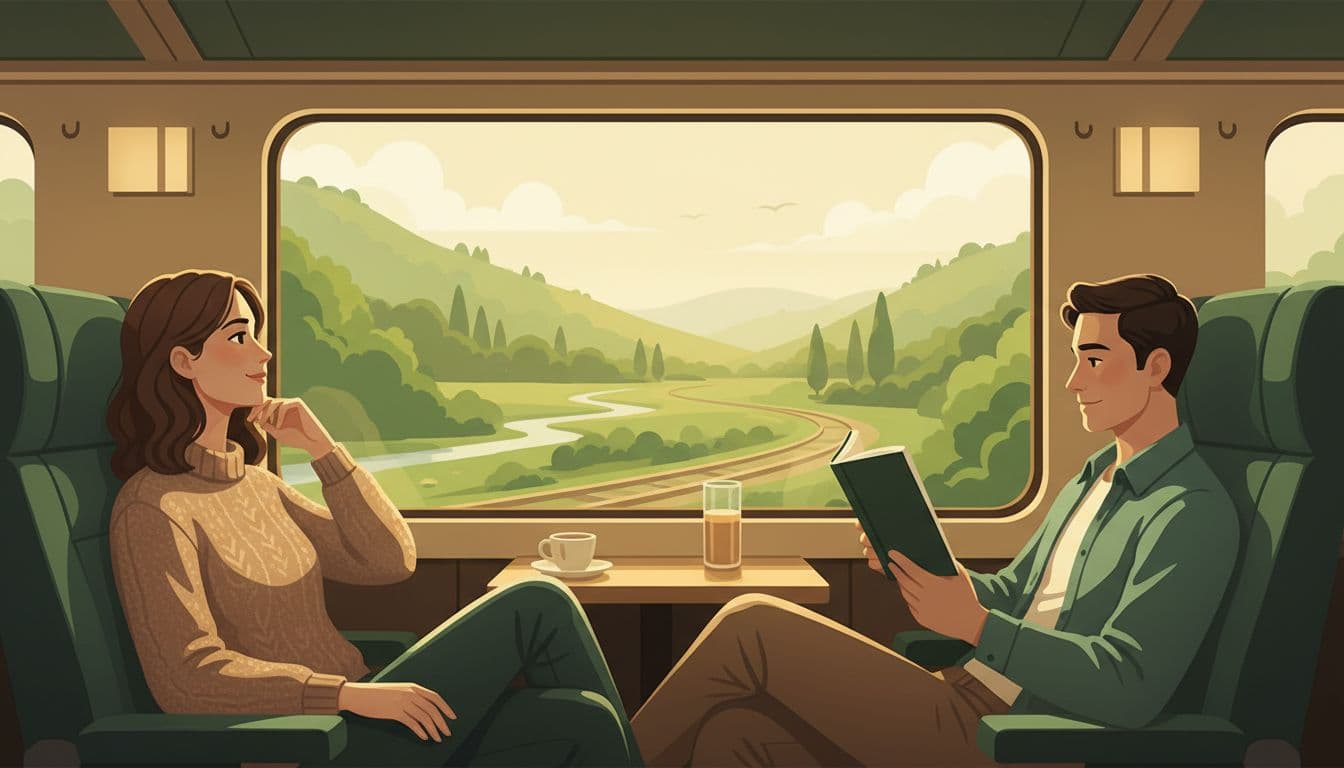 That slower rhythm often means fewer flights, when rail or road travel makes sense. It can also mean choosing one region instead of three, which cuts travel stress and usually makes the whole trip feel more connected. You remember the smell of the station coffee, the evening light on the hills, and the local cafe you returned to twice.
Slow travel fits the mood of sustainable travel because it trims waste without turning the holiday into a test of perfection. It also gives people more control, which matters when eco-anxiety is already high. When travellers are choosing between pace and pressure, slow often wins.
For many readers, this is where sustainable travel and wellbeing meet. The trip becomes less about collecting places and more about spending time well. That shift is one reason more people are choosing it on purpose.
Nature-based holidays offer a sense of relief
Green spaces do more than look good in photos. They can calm the nervous system, especially when a person has spent months surrounded by screens, traffic, and constant alerts. A walk through woodland, a few nights in an eco lodge, or a quiet farm stay can feel like the volume has finally been turned down.
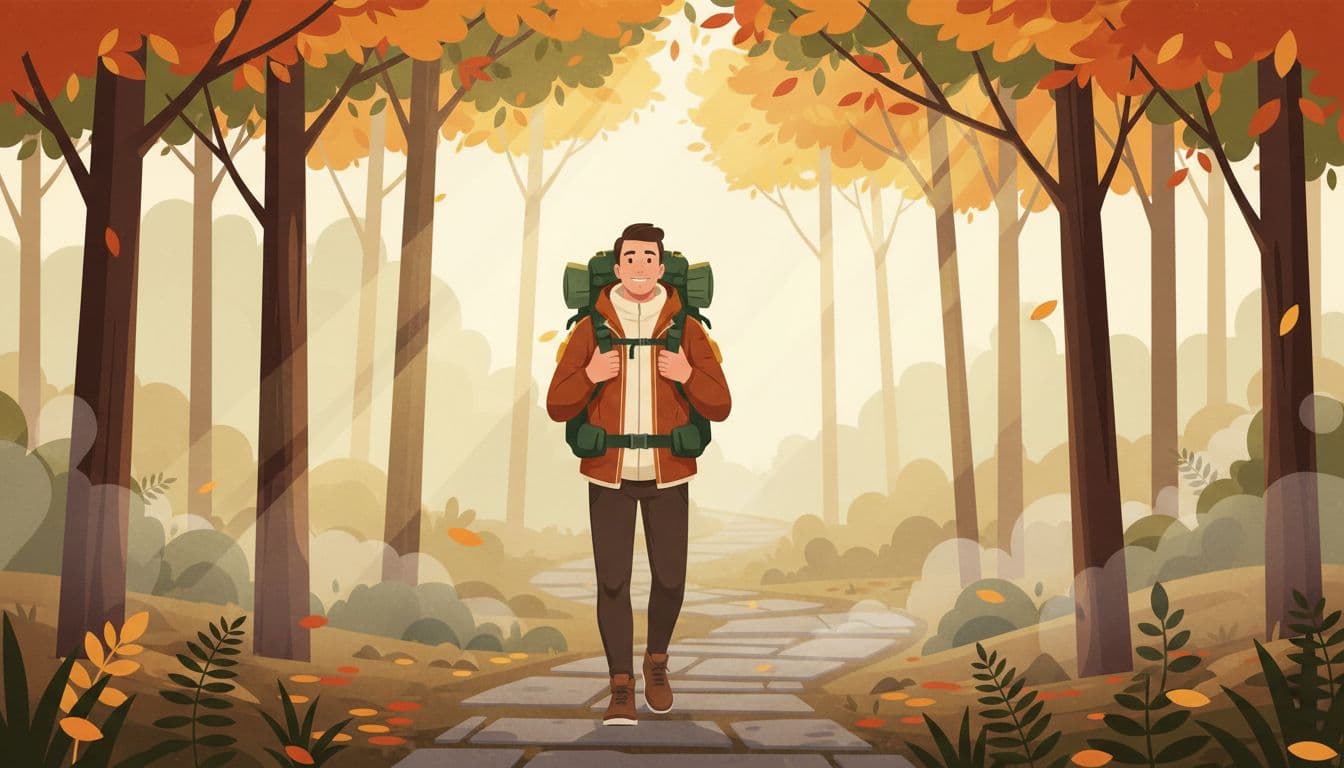 Nature-based holidays come in many forms, and that is part of their appeal:
- Eco lodges offer a quieter base with less clutter and more contact with the surroundings.
- Walking trips slow the day down and make the journey itself part of the holiday.
- Wildlife watching gives travellers a reason to stay alert without feeling overstimulated.
- Farm stays bring a more grounded pace and a stronger sense of place.
- Forest walks and other quiet escapes help people step away from noise and mental overload.
This is also where environmental awareness becomes personal. People who care about wildlife and habitat loss often want their break to reflect those values. They may look for low-impact stays, local food, and activities that support conservation rather than strain it. That kind of choice feels reassuring because it links comfort with care.
A lot of the appeal is simple. A calm view, a slower rhythm, and fresh air can reset the day in a way city noise rarely does. For travellers managing climate worry, that reset matters.
Sustainable tourism gives travellers more confidence
The real attraction of sustainable tourism is not just moral approval. It is peace of mind. People want to know their holiday choices are sensible, kinder to the places they visit, and less likely to add stress before or during the trip.
That is why responsible travel keeps gaining ground. It answers a practical need as much as an ethical one. Travellers get cleaner choices, more meaningful experiences, and a stronger sense that their time away is aligned with the way they want to live.
How sustainable travel can ease anxiety instead of adding to it
Sustainable travel often feels calmer because it removes some of the noise that comes with modern trip planning. When the choices fit your values, the holiday starts to feel lighter. You are not just escaping daily life, you are choosing a way of travelling that feels steadier, kinder, and easier to carry.
 ### Nature lowers stress in simple, powerful ways
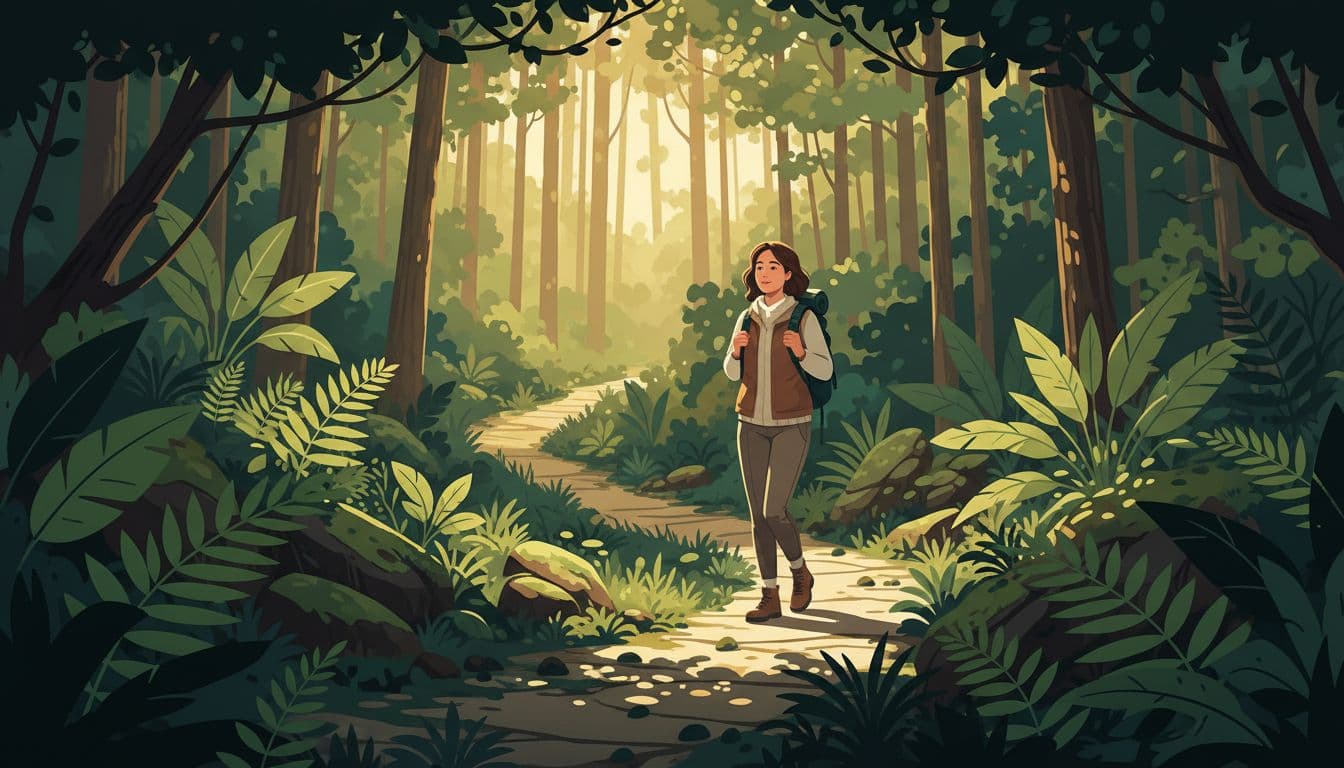
Green spaces, beaches, mountains, and rich wildlife areas can take the pressure off a busy mind. A short walk under trees or time beside open water can help people feel less tense, sleep better, and think more clearly. Recent research in 2026 found that even brief time in nature can lower anxiety and improve mood, and the effect starts fast, not weeks later. See recent findings on nature and stress for a useful summary.
That matters for travellers because the body often knows it needs rest before the mind does. Nature gives the nervous system a break, which is why a quiet trail can feel more restorative than another hour of scrolling through warnings and headlines. In other words, the landscape itself helps reset the mind.
A few simple settings often work best:
- Woodland paths that soften noise and slow your pace
- Coastal breaks where the horizon gives your thoughts room to settle
- Mountain stays that bring cooler air and a calmer rhythm
- Biodiverse habitats that draw your attention away from stress and back to the present
Travel feels more meaningful when it supports conservation
A trip can feel better when it gives something back. Careful visits to protected places, ethical wildlife experiences, and local guides all add purpose without asking for perfection. You do not need to do everything right. You only need to make thoughtful choices that reduce harm and support the places you came to enjoy.
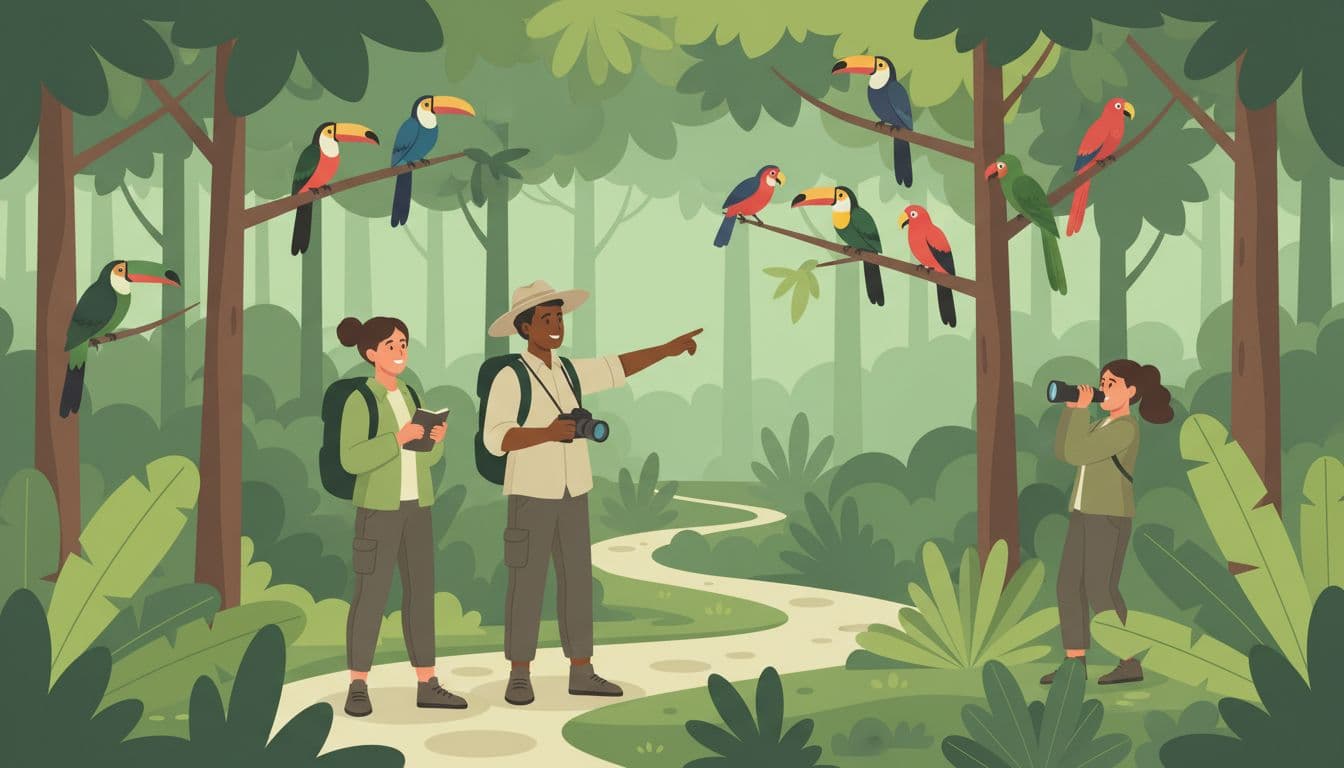 That sense of purpose can ease anxiety because it replaces guilt with action. A traveller who books a community-run tour or chooses a wildlife operator with clear protection rules is already taking a positive step. The trip feels less like a burden and more like a small part of nature conservation.
Responsible travel also works best when it stays practical. Ethical wildlife viewing, local food, and low-impact stays all help, but the goal is progress, not purity. Purpose is what steadies the trip.
Shared experiences can rebuild confidence
Small group trips, guided walks, and community-led activities can make travel feel less lonely. They give you a clear path, a shared focus, and a sense that someone else knows the ground under your feet. For people who feel worn down by eco-anxiety, that support can make a big difference.
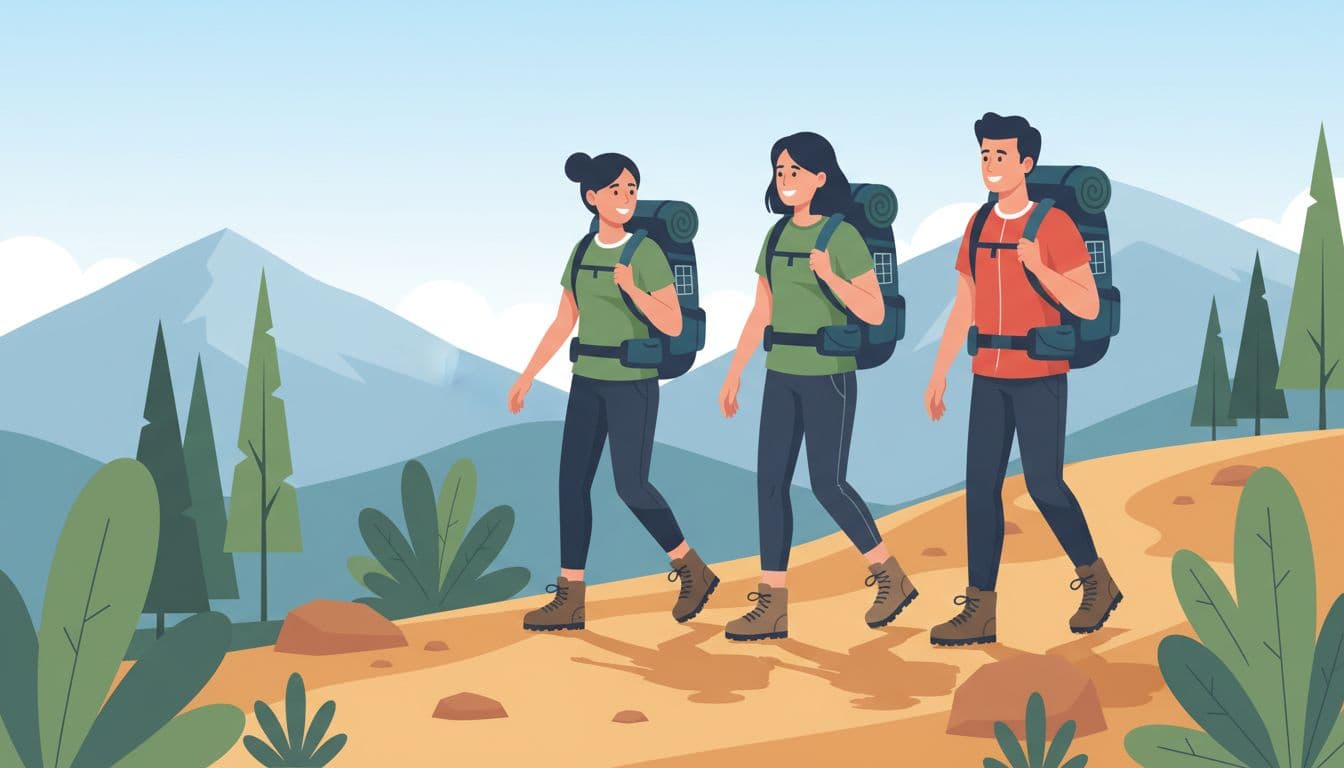 These kinds of eco-friendly adventures often build self-esteem because they mix learning with gentle challenge. You may try a new trail, join a local conservation activity, or learn how a place protects its wildlife. Each step says, "I can do this", and that message matters.
Shared travel also helps with perspective. It reminds you that you are not carrying every concern alone, and that good travel can still be simple, social, and grounded in real places.
What a lower-impact holiday looks like in real life
A lower-impact holiday is usually calmer, simpler, and more rooted in place. It does not ask you to give up pleasure, it asks you to choose with care. That can mean sleeping in a family-run guesthouse, eating where the locals eat, walking more, and keeping a respectful distance from wildlife.
In practice, the trip often feels better, not smaller. You notice the morning light, the smell of the sea, the sound of birds near your room, and the rhythm of a place that has room to breathe.
 ### Choose places and stays that protect nature
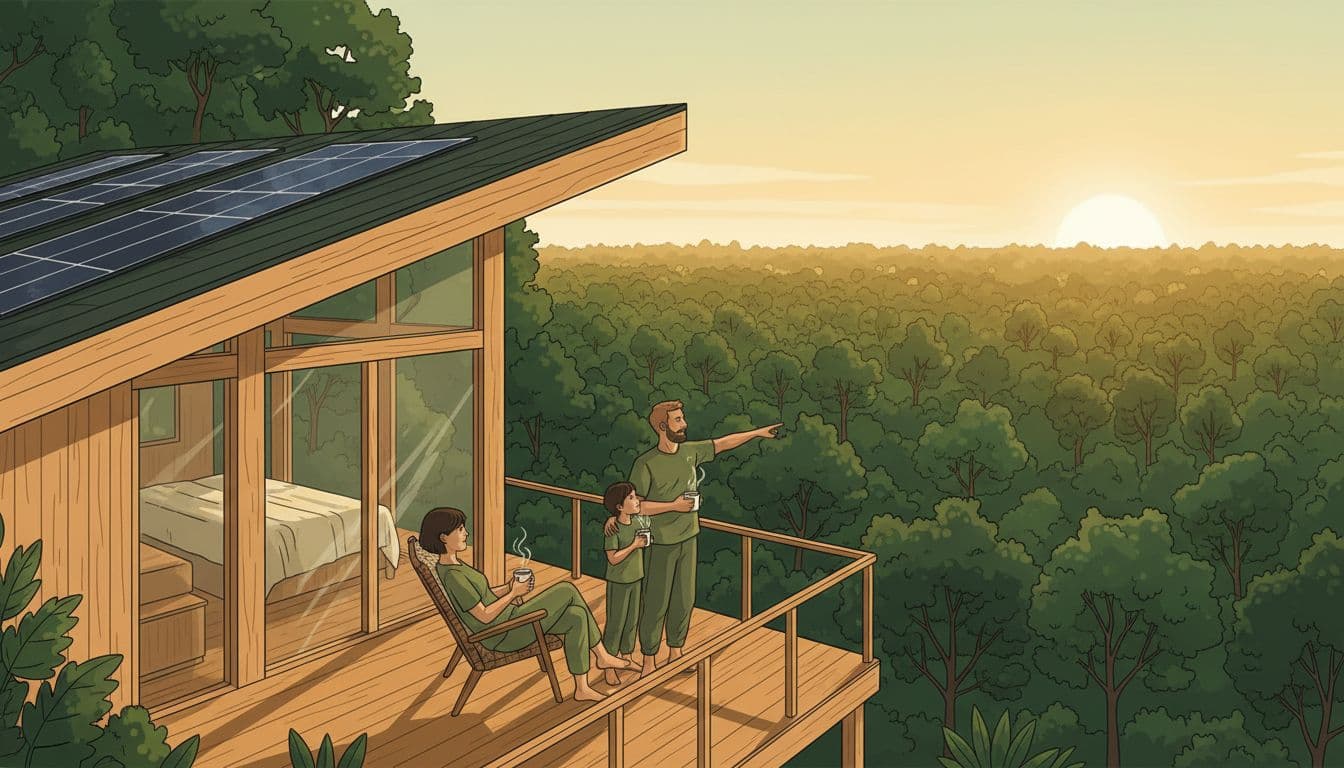
Where you sleep shapes the impact of the whole trip. An eco lodge with solar power, water-saving systems, and careful waste handling puts less strain on the land than a place that treats resources as endless. The same goes for small guesthouses, family-run stays, and conservation-area accommodation that keeps numbers low and supports habitat protection.
This is where lower-impact travel becomes visible. In places such as protected forest reserves, marine sanctuaries, or destinations with strict environmental rules, your booking does more than give you a bed for the night. It helps keep local conservation work funded and gives value to homes, trails, and wildlife that need space to thrive.
A good stay often has a few clear signs:
- Local ownership, so the money stays in the area
- Simple building design, using materials suited to the climate
- Low-energy systems, such as solar or efficient heating
- Clear respect for nature, with limits on noise, waste, and light
- Small-scale service, so the place feels personal rather than packaged
One useful example is Chumbe Island, which has built its tourism model around low-impact design and habitat protection. Its approach shows how a stay can be part of conservation rather than a burden on it. For a closer look, see Chumbe Island's low-impact model.
A lower-impact holiday starts here, because the base you choose often sets the tone for everything else.
Support local people, not just the scenery
A trip feels richer when your spending reaches the people who live there. Local food, local transport, local guides, and community businesses all keep money in the area, which makes tourism more useful and less extractive. It also gives you a better holiday, because the people closest to the place usually know it best.
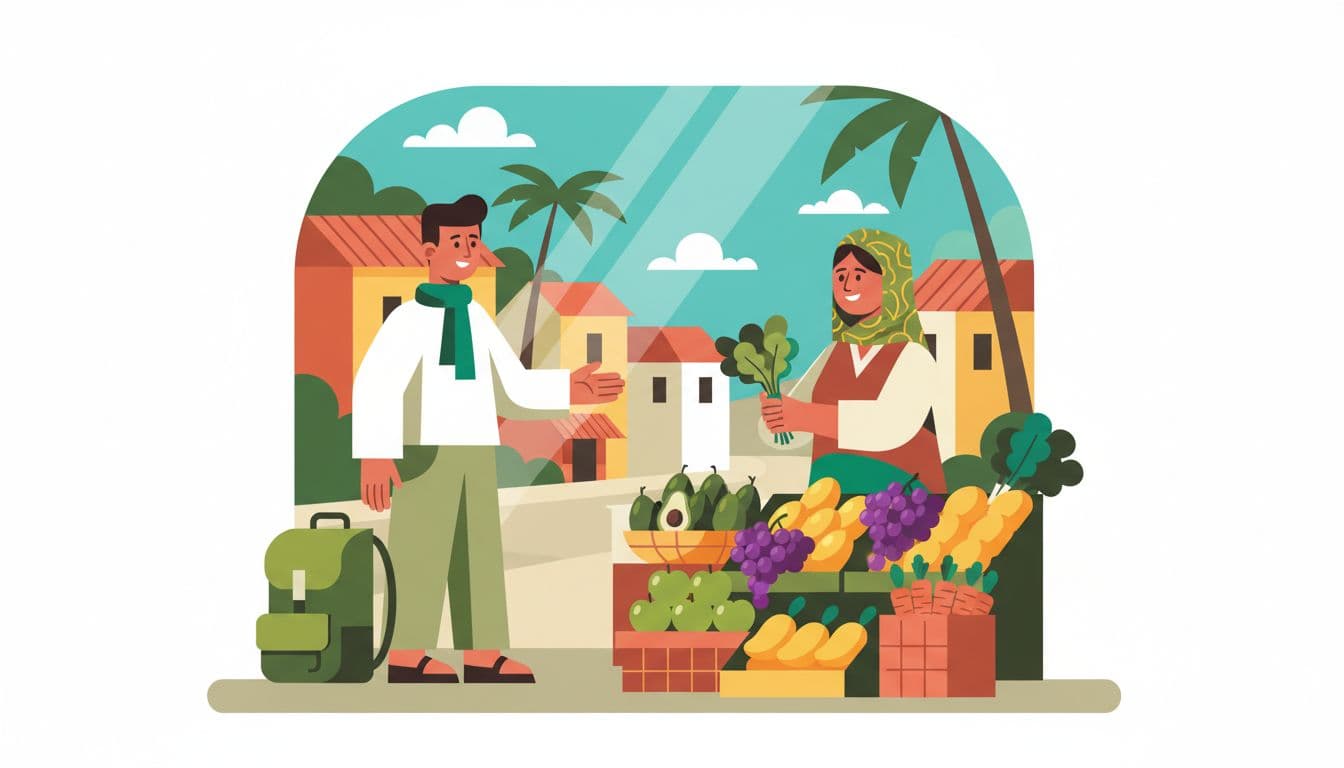 A meal at a neighbourhood cafe, a bus ride with residents, or a guided walk led by someone from the area can change how the whole day feels. You stop passing through like a guest in a waiting room and start understanding the pace of the place itself.
Supporting local people can be simple:
- Eat in small restaurants and buy seasonal produce.
- Use trains, buses, shared taxis, or walking routes where they fit.
- Book guides who know the area and can speak about it with care.
- Choose shops, markets, and services owned by local families or co-operatives.
- Stay longer in one place, so your spending has a steadier effect.
This matters because sustainable tourism is not only about cutting harm. It is also about creating fairer, more useful travel. When travellers spend locally, they help protect community life, and they often feel more connected to where they are.
Palau's tourism approach and Bhutan's visitor rules both show how travel can be shaped to support culture and nature at the same time. If you want a real-world reference point, Palau's reef protection pledge is a useful example of values turning into practice.
Respect wildlife and leave places as you found them
Lower-impact travel also means knowing when to step back. Wildlife should never be chased, fed, touched, or used for a photo. Good wildlife watching is patient and quiet, with a clear distance and a guide or operator who puts the animal first.
The same rule applies on the ground. Stay on marked paths, carry out your litter, use refillable bottles, and avoid picking plants or taking shells, stones, or feathers home. These habits may feel small, yet they protect fragile places from steady wear.
If a path is marked, stay on it. If an animal moves away, give it space.
Simple leave-no-trace habits make a real difference:
- Keep noise low, especially near nesting or feeding areas.
- Use a torch carefully at night, because light can disturb wildlife.
- Wash off sunscreen or mud before entering sensitive water.
- Take photos without moving closer for a better shot.
- Leave gates, signs, and natural features as you found them.
This is where environmental awareness becomes practical. You do not need a perfect trip. You just need one that leaves the place intact for the next visitor, and for the people and animals who live there every day.
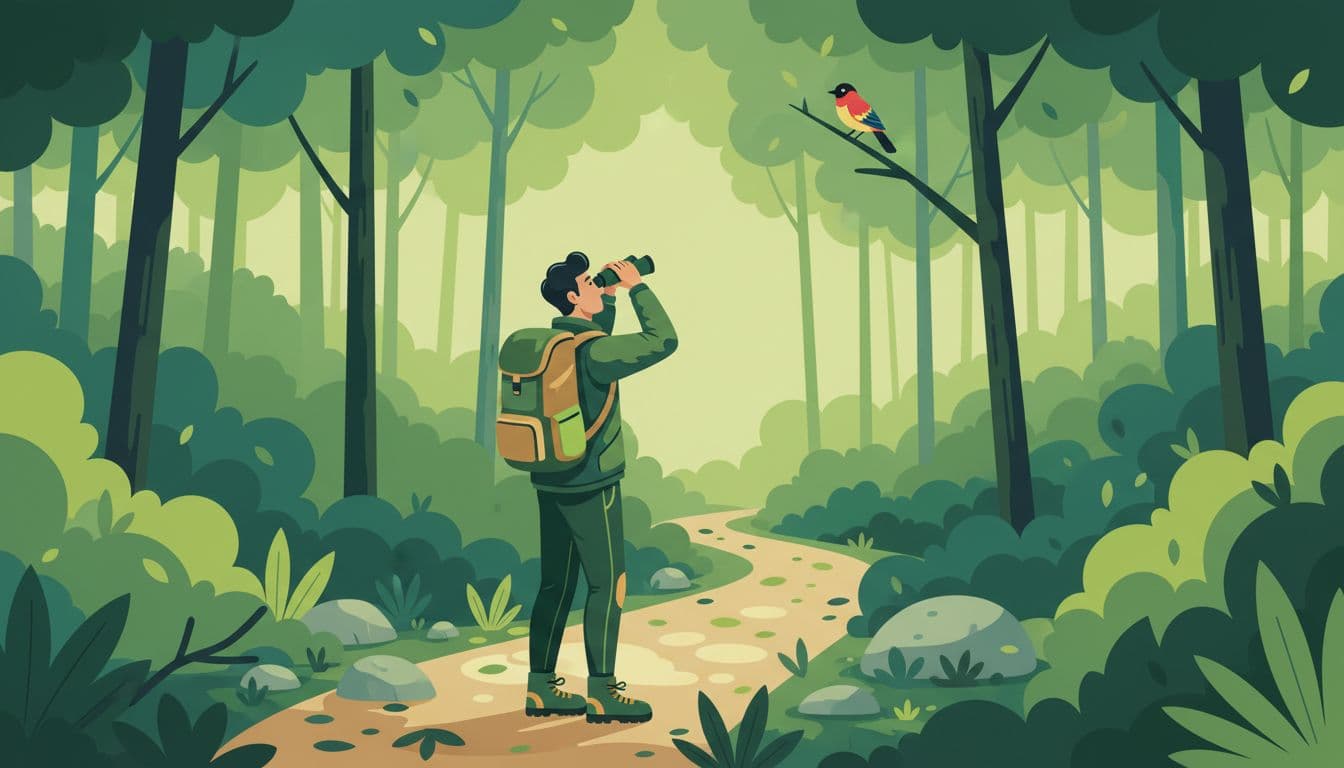 A lower-impact holiday is not bare or joyless. It is a slower, more thoughtful kind of pleasure, where your choices support nature conservation, wildlife, and the people who make a place worth visiting in the first place.
How travellers can protect their peace of mind before booking
Booking a trip should feel exciting, but climate worry can make every choice feel loaded. A few small checks before you pay can steady the whole process. When your plans match your values, travel feels less fragile and more like a decision you can stand behind.
Use a simple values check before you book
Start with what matters most to you, then let that guide the booking. You may care most about lower emissions, wildlife care, cultural respect, or budget. Once you know your top priorities, the noise starts to fall away.
A values check works because it cuts decision fatigue. Instead of comparing every option against every other option, you compare each one against your own standards. That gives you a clear filter, and it stops travel planning from turning into a long debate with yourself.
 A simple way to do it is to ask:
- Does this trip fit my budget without pushing me into stress?
- Does it support places that treat wildlife and nature with care?
- Does it respect local people, culture, and daily life?
- Does it feel restful enough for the kind of break I want?
If one option meets your top two priorities, that is often enough. You do not need the perfect holiday. You need one that feels honest, manageable, and aligned with your green lifestyle.
For a wider view of how climate worries affect travel choices, the UK government's guidance on climate change and mental health gives a clear overview of eco-anxiety and why practical action can help.
Build in flexibility so travel feels less fragile
Flexible plans are calming because they leave room for weather, delays, and changes. Shoulder-season dates often help here, since they can bring milder conditions and fewer crowds. That makes the trip feel less exposed before it even begins.
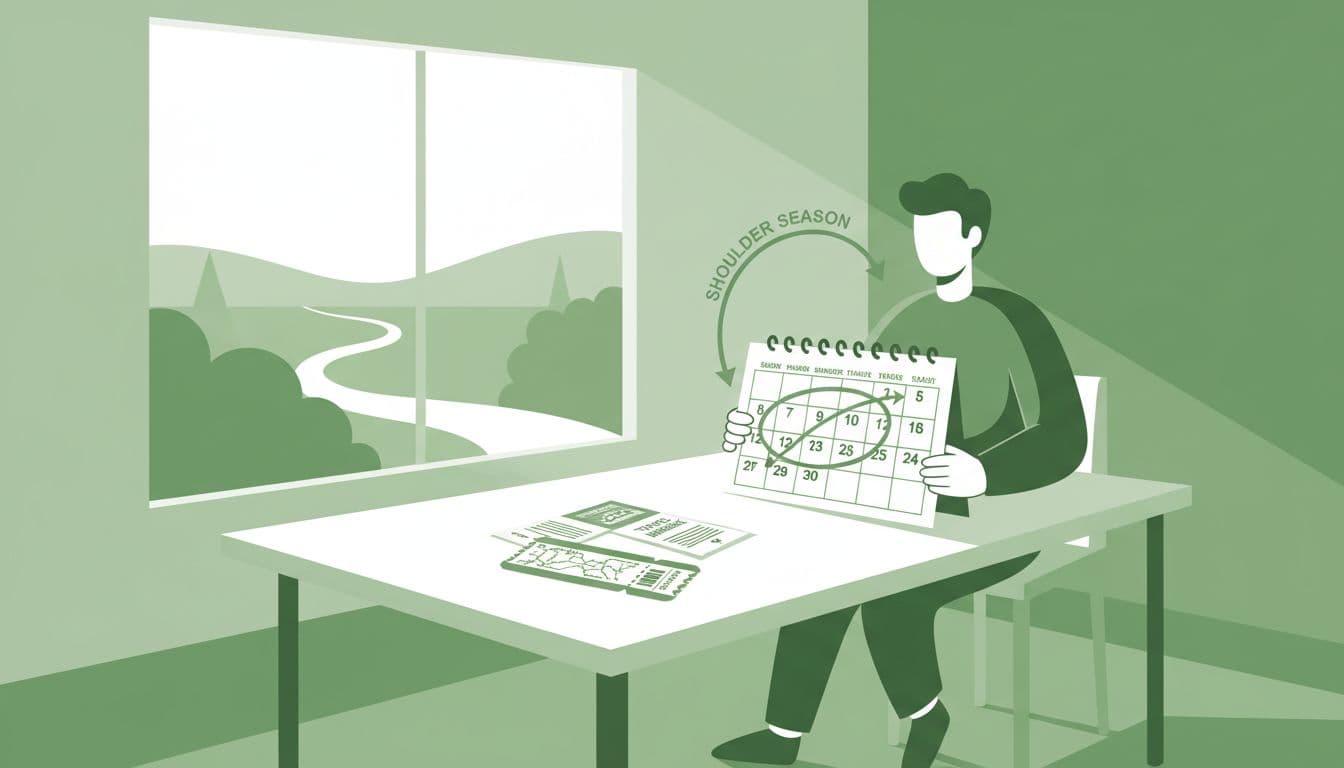 Travel insurance also matters, especially when your plans involve flights, outdoor activities, or long distances. It gives you a safety net, which can reduce that tight feeling of "what if" that often sits behind eco-anxiety.
Flexible transport choices help too. Trains, buses, ferries, and open-jaw itineraries can make changes easier if disruption hits. Even a small buffer, like an extra night at the start or end of a trip, can take pressure off the whole journey.
The calmer you make the structure, the easier it is to enjoy the experience. A holiday with built-in flexibility feels sturdier, and that steadiness can matter as much as the destination itself.
Know when worry needs extra support
If eco-anxiety starts affecting sleep, daily routines, or your ability to enjoy travel, it may be time to talk to someone. A trusted friend, family member, or your GP can be a good first step. You do not have to carry it alone.
For immediate support in the UK, Samaritans is available on 116 123, and SHOUT offers text support on 85258. If you need urgent mental health help, contact NHS 111. Calm support can make the next booking feel far more manageable.
The goal is not to silence care about the planet. It is to keep that care from taking over every part of your life, so travel still feels open, human, and worth looking forward to.
FAQ
Questions are useful here because eco-anxiety often starts with uncertainty. When travel feels tied to climate worry, clear answers can bring some calm back into the planning process. The aim is simple, give you practical guidance so sustainable tourism feels less confusing and more usable.
 ### What is eco-anxiety in travellers?
Eco-anxiety in travellers is the stress or guilt that comes from thinking about climate change, extreme weather, and the impact of tourism. It can show up when you book flights, compare destinations, or read headlines about storms, heatwaves, and wildlife loss.
For some people, it feels like hesitation. For others, it becomes a heavy sense that any holiday choice might do harm. That is why sustainable tourism matters, it gives travellers a way to act with more confidence, not less freedom.
Does sustainable tourism really reduce travel stress?
Yes, it often does. When you choose lower-impact transport, eco-friendly stays, and trips that support local communities, the decision feels more grounded. You are not chasing the perfect holiday, you are choosing one that fits your values.
Recent travel trends back this up. More people are shifting towards shoulder seasons, slower itineraries, and nature-based breaks because these choices feel safer and calmer. In 2026, climate uncertainty is already pushing travellers to plan around weather risk, and many are choosing quieter timing to avoid heat, disruption, and overcrowding. For a wider look at these changes, see how climate uncertainty is reshaping travel.
That kind of choice helps in two ways. It lowers the pressure on your mind, and it often reduces pressure on the places you visit as well.
What are the easiest sustainable travel changes to make?
Start with the choices that have the biggest effect and the least fuss. You do not need a perfect trip. Small, steady changes add up fast.
A simple starting point looks like this:
- Stay longer in one place, so you reduce rushed travel and get more from fewer journeys.
- Choose rail, coach, walking, or cycling, when they fit the route.
- Book locally owned stays, especially places that support conservation or community tourism.
- Eat local food, which usually means fresher meals and less waste.
- Respect wildlife distance, and never support attractions that stress animals.
These habits are practical, not performative. They make travel feel more like a thoughtful part of a green lifestyle and less like a source of guilt.
How can I travel if climate worries make me feel guilty?
Guilt is common, but it should not stop you from travelling altogether. The better approach is to make choices that are honest, lower-impact, and aligned with your values. That might mean fewer trips, slower travel, or destinations that are easier to reach.
It also helps to remember that responsible travel is not about purity. It is about doing less harm and supporting better outcomes where you can. If you want a plain-language overview of common sustainable travel questions, the Sustainable Travel Advisor FAQ gives a useful starting point.
If the guilt gets loud, ask yourself one question, "What is one choice I can make that feels responsible and realistic?" That answer is often enough to move forward without the mental spiral.
When should eco-anxiety become a wider wellbeing concern?
If worry about travel starts affecting your sleep, appetite, focus, or ability to enjoy everyday life, it deserves attention. The same is true if you keep cancelling plans because the stress feels too big to manage.
In that case, speak to your GP or a trusted person, and use support services if needed. In the UK, Samaritans is on 116 123, and SHOUT is on 85258. The goal is not to stop caring about the planet, it is to keep that care from turning into constant strain.
A calmer trip starts before you leave home. When your choices are clear, your holiday can feel lighter, more meaningful, and far easier to enjoy.
Conclusion
Eco-anxiety is already changing how people travel, and that shift makes sense. When climate worries sit in the background, sustainable tourism gives travellers something steadier to hold on to, with lower stress, less guilt, and more trust in the choices they make.
That is why eco tourism now feels like more than a lifestyle preference. It supports nature conservation, wildlife, local communities, and a greener lifestyle, while also making travel feel safer and more meaningful.
The future of travel looks better when it cares for both the traveller and the place they visit, because calm, kind, responsible travel leaves room for hope.