
Eco-Tourism Cities Lost to War: What Might Have Been
Before the checkpoints, the bombed roads, and the silence of abandoned streets, there were rivers filled with birdsong, markets scented with bread and herbs, and mountain paths that could have welcomed the world gently.
Some cities were never meant for mass tourism. They were meant for slower journeys, local voices, and quiet landscapes.
War changed that future.
War can erase more than buildings and borders, it can silence the places that might have become beloved eco-tourism cities, where mountains, rivers, old streets, and local life once held real promise. In Yemen, Iraq, Bosnia and Herzegovina, Syria, and Afghanistan, there were towns and cities shaped by nature, heritage, and community, places that could have welcomed travellers with quiet trails, living traditions, and warm local hospitality.
This piece looks at that lost possibility with care. It holds the contrast between what these places were, what they could have become, and what still remains for people who refuse to let their stories disappear.
What makes a city feel made for eco-tourism?
A city feels made for eco-tourism when its rhythm is gentle and its details ask for slow attention. The appeal often sits in the background, in tree-lined streets, clean water, local food, shaded courtyards, and the sense that people live close to the land around them.
Some places do not need grand attractions to stay in the memory. They win people over with a river at dusk, birds over rooftops, a mountain breeze through open windows, and markets where fruit, herbs, and bread speak for the region before any guidebook does. A city like that feels lived-in, not staged.
 ### The quiet things that draw travellers in
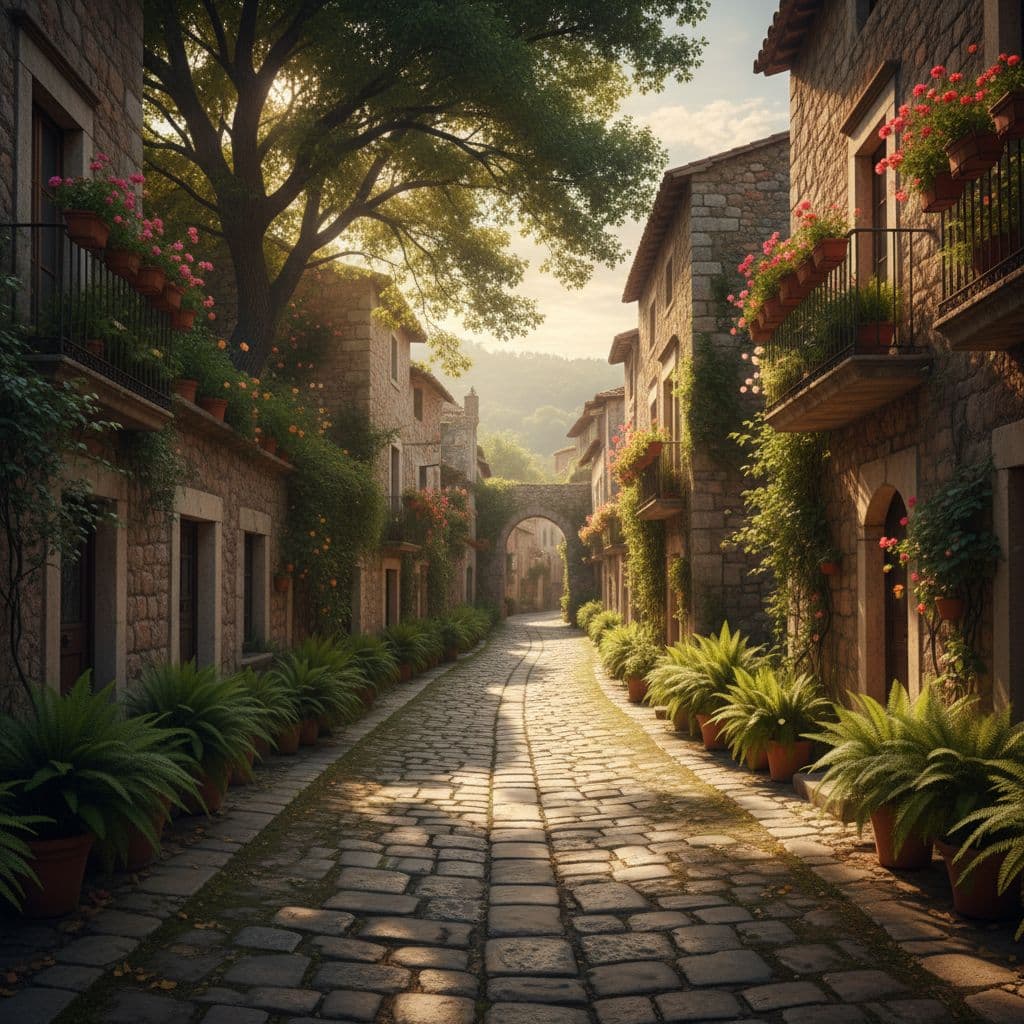
Eco-minded travellers often notice the smallest things first. They look for the sound of running water, old stone cooled by shade, and gardens tucked behind walls or courtyards. They notice when local food comes from nearby farms, when street life feels human, and when a city leaves room for both people and nature.
These details give a place its soul. A market full of seasonal produce says more about sustainable living than any slogan ever could. So does a riverbank used for walking, resting, and meeting neighbours, rather than being hidden behind concrete. In cities shaped by care rather than speed, travellers do not just pass through, they settle into the pace of daily life.
For places that still hold natural and cultural value, responsible tourism also depends on protection and local ownership. UNESCO's work on world heritage and sustainable tourism shows how heritage, community, and landscape can support one another when a city is managed with care. That balance is what makes a place feel ready for eco-tourism, long before the first visitor arrives.
A city feels eco-tourism ready when its beauty is tied to everyday life, not separated from it.
How war changes more than buildings
War breaks more than walls. It damages water systems, roads, farms, parks, and the living spaces that hold birds, trees, and people together. When pumps fail or sewage spills, daily life becomes harder first, then unsafe. When roads crumble, farms cannot move food, and visitors cannot reach the places they once came to see.
The harm spreads slowly. A garden goes untended. A river turns unsafe. A historic street loses the footfall that kept it alive. The UN warns that conflict harms the environment in lasting ways, and the loss reaches far beyond tourism. It touches health, work, memory, and the chance for a city to grow in peace.
That is why the loss feels so sharp. An eco-tourism city is not only a destination, it is a promise. War interrupts that promise, and often for years, it leaves behind silence where birdsong, market chatter, and river wind once belonged.
Yemen's cities and islands that could have become rare eco gems
Yemen held a rare mix of sea, stone, mountain, and old city life. In another timeline, that mix could have drawn travellers who wanted slow journeys, local food, bird calls, coral reefs, and streets shaped by memory rather than mass tourism. Instead, war interrupted that future and left only fragments of what could have grown.
Still, the beauty never vanished completely. It remains in the shape of an island tree, in a courtyard wall, in a harbour line at dusk. That is why these places matter so much, even now.
Socotra, the place that still feels like another world
 Socotra feels almost unreal, as if the island drifted out of a different age and stayed there. Its Dragon Blood trees rise like living sculptures, while pale beaches, sharp limestone, and clear water give the island a dreamlike hush.
That strangeness is exactly what made Socotra so promising. It already had the raw ingredients of an ecotourism icon, rare species, fragile habitats, and landscapes that reward careful travel rather than heavy development. UNESCO's own Socotra tourism strategy has long stressed community-based, ecologically sensitive tourism, which is the kind of protection such a place needs.
A visitor could walk a beach at dawn, snorkel over coral-rich water, then return to a village where local guides know every ridge and tide. That kind of travel gives value back to the island instead of taking it away.
Socotra asks for restraint, not crowds. Its future depends on keeping that balance.
Careful protection still matters because beauty alone does not preserve a place. If tourism grows without control, the island could lose the quiet that makes it special. If it is handled with care, Socotra can still remain a rare example of nature, livelihood, and local stewardship living side by side.
Sana'a, Taiz, Aden, and the cost of broken everyday systems
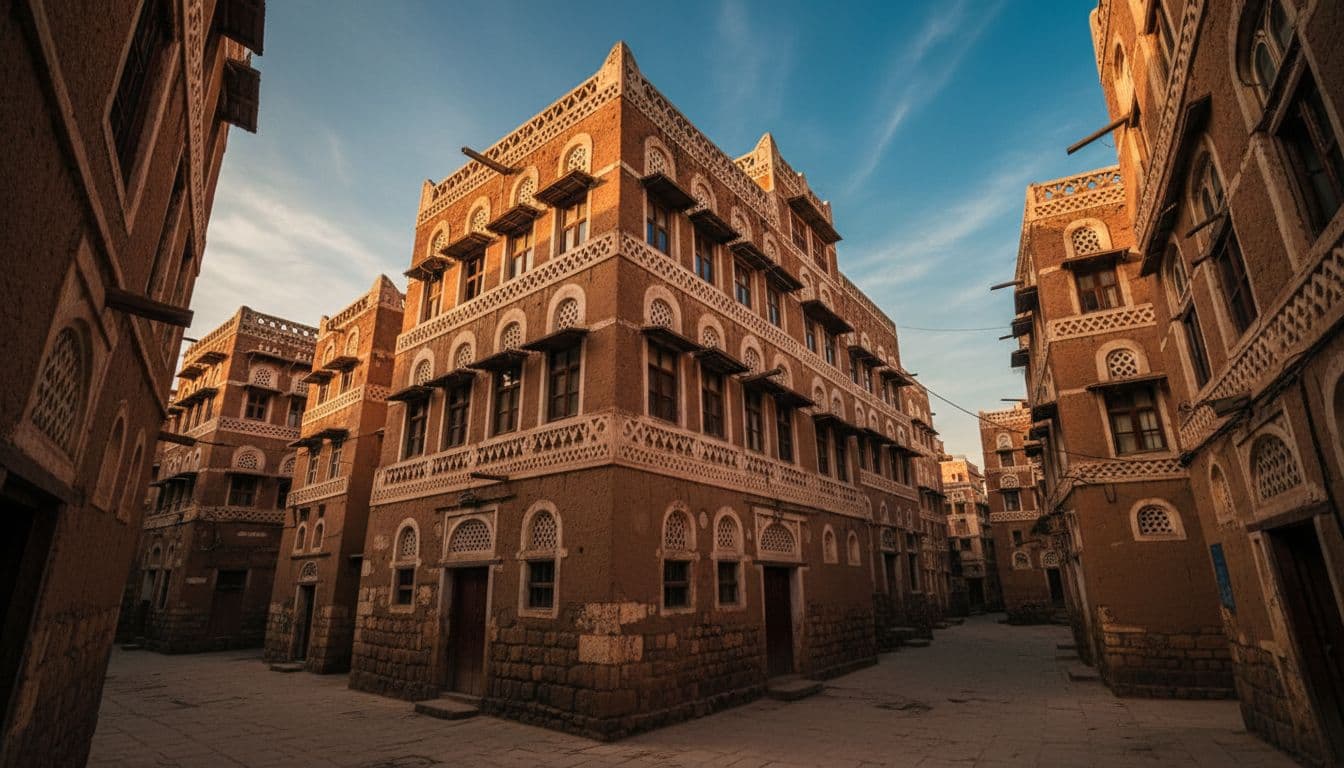 Sana'a, Taiz, and Aden could have grown into green, walkable city destinations where visitors moved through bazaars, gardens, coastal edges, and old neighbourhoods with ease. Instead, war shattered the basic systems that make travel possible, safe water, reliable roads, healthcare, waste collection, and simple movement across a city.
When those systems fail, tourism fails with them. A guest cannot enjoy a heritage street if the power cuts are constant, or a coastal promenade if the harbour feels unstable. More than that, local life itself suffers, because residents lose the daily comforts that make a city feel proud and alive.
These cities once offered something precious, a sense of continuity. Mud-brick towers, market rhythms, port life, and neighbourhood ties gave each place its own character. War broke that thread, and with it went the confidence that visitors need before they book a ticket or plan a route.
The loss is personal as well as practical. A city that cannot care for its people cannot easily welcome strangers with warmth. Yet the memory of that city still matters, because it shows what was possible, and what peace could still return one day.
Iraq's wetlands, river cities, and the green future that never had peace
Iraq's marshlands and river cities once held a kind of quiet promise that eco-tourism could have honoured. Water moved through reed beds, birds crossed the sky, and communities lived with the seasons instead of against them. That rhythm could have welcomed thoughtful travellers who wanted more than sights, they wanted place, memory, and care.
What makes this story so painful is the scale of what was lost. The marshes were never just open water, and the cities beside them were never just names on a map. They were living systems, where ecology, work, and daily life belonged together.
 ### Why the marshes mattered so much
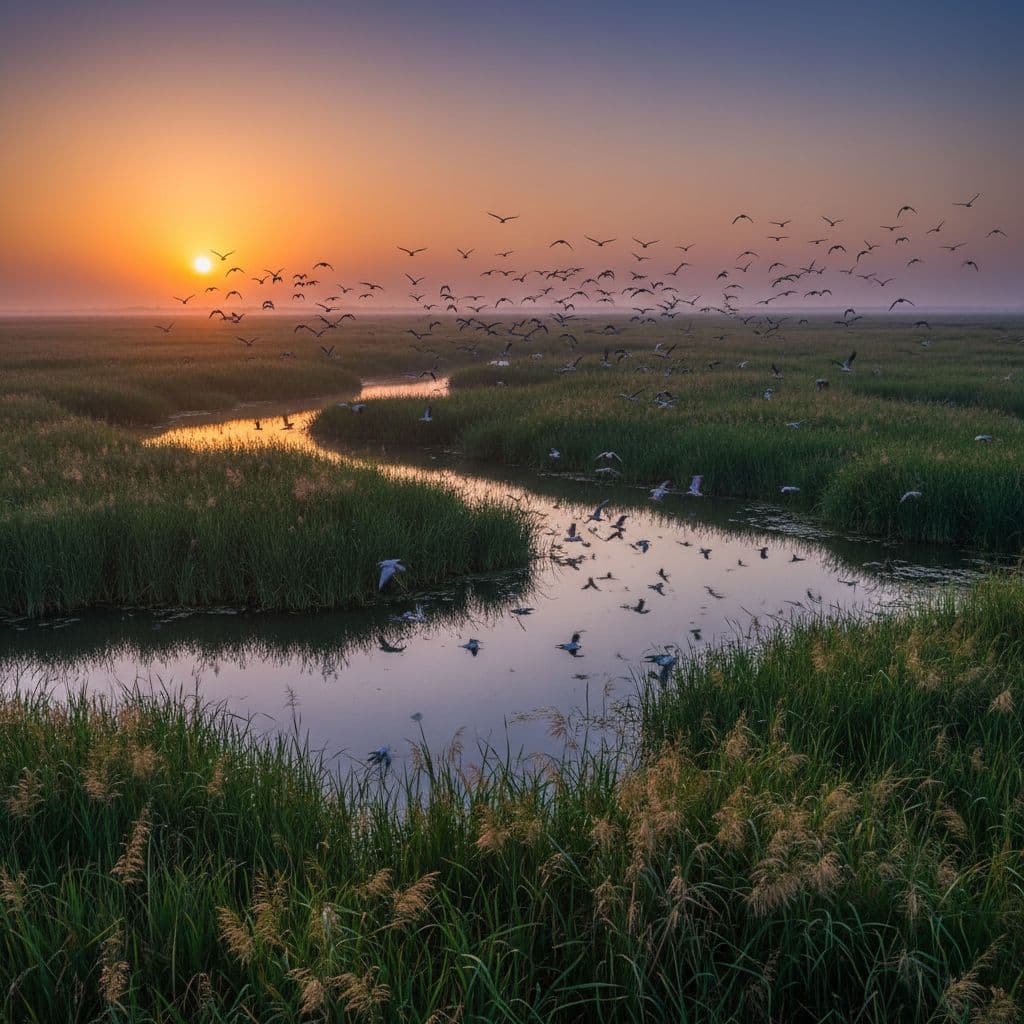
The Mesopotamian Marshes were more than a scenic wetland. They were a home, a food source, a craft base, and a shelter for birds and fish. For generations, Marsh Arab communities shaped their lives around reed beds, buffalo herding, fishing, and boat travel, which gave the region a pace unlike any other.
A respectful visitor could have felt that pace straight away. The marshes offered long water paths, reed houses, local boats, and a landscape that asked people to slow down. That is the sort of setting eco-tourism depends on, because it rewards patience, listening, and humility.
The wetlands also mattered because they sat at a crossroads of life. Migratory birds used them as a resting point, while people relied on them for daily survival. NASA's overview of Iraq's wetland recovery shows how large and important this ecosystem once was, before conflict and drainage tore through it. A place like that could have become a model for low-impact travel, where visitors supported local families instead of reshaping the land for profit.
The emotional truth is simple. These marshes held a way of life that moved at human speed, and that alone made them precious.
When a wetland disappears, a landscape is lost, but so are habits, skills, and the feeling of belonging.
How war and pollution weakened the travel promise
War broke the marshes in ways that went far beyond politics. Drainage, embankments, and diverted water dried out huge areas, while fires, drought, sewage, farm runoff, and oil pollution made the remaining water harder to trust. The land turned harsher, and the air itself felt less forgiving.
For birds, that meant a broken route and fewer safe places to rest. For people, it meant weaker fisheries, sick livestock, and water that could no longer support the old routines of life. Buffalo herds shrank, reeds thinned, and families who once depended on the marshes were pushed away from them.
The damage also spread into nearby river cities. When water is polluted or scarce, every part of a city feels it. Markets lose fresh produce, riverside life fades, and the simple things travellers notice first, such as clean banks, working boats, and shaded paths, begin to vanish.
That is why the lost eco-tourism promise feels so heavy. A visitor could have come for birdlife and boat rides, then stayed for food, stories, and the calm of water at dusk. Instead, the region has spent years fighting for basic recovery. The recent history of the marshes, including repeated drying linked to drought and upstream pressure, is a reminder that restoration is fragile, as described in the U.S. science account of the wetland's recovery.
The real cost is not only environmental. It is human. Families lose income, young people lose connection to place, and a once-hopeful future becomes harder to picture. Yet even now, the marshes still hold a trace of that future, if enough water, care, and peace can return.
A reader can pause here and picture it, a reed boat moving through still water, birds lifting at dawn, and a village living from the wetland without exhausting it. That image is what was taken away, and what still deserves a chance.
Bosnia and Herzegovina, where a wounded past still sits beside real eco-tourism promise
Bosnia and Herzegovina carries a heavy memory, yet its land still feels alive with possibility. Rivers cut through valleys, forests climb the hills, and mountain air moves through old towns that have seen loss and survival in equal measure. That mix makes the country feel tender and unfinished, as if peace could still shape a better future from what remains.
For eco-tourism, that matters. Places with strong natural beauty and local character can draw travellers who want quiet trails, family-run stays, and time spent with people who know the land best. Bosnia and Herzegovina already has those ingredients, and they still wait for gentler growth.
 ### Rivers, forests, and mountain air that could have carried the country further
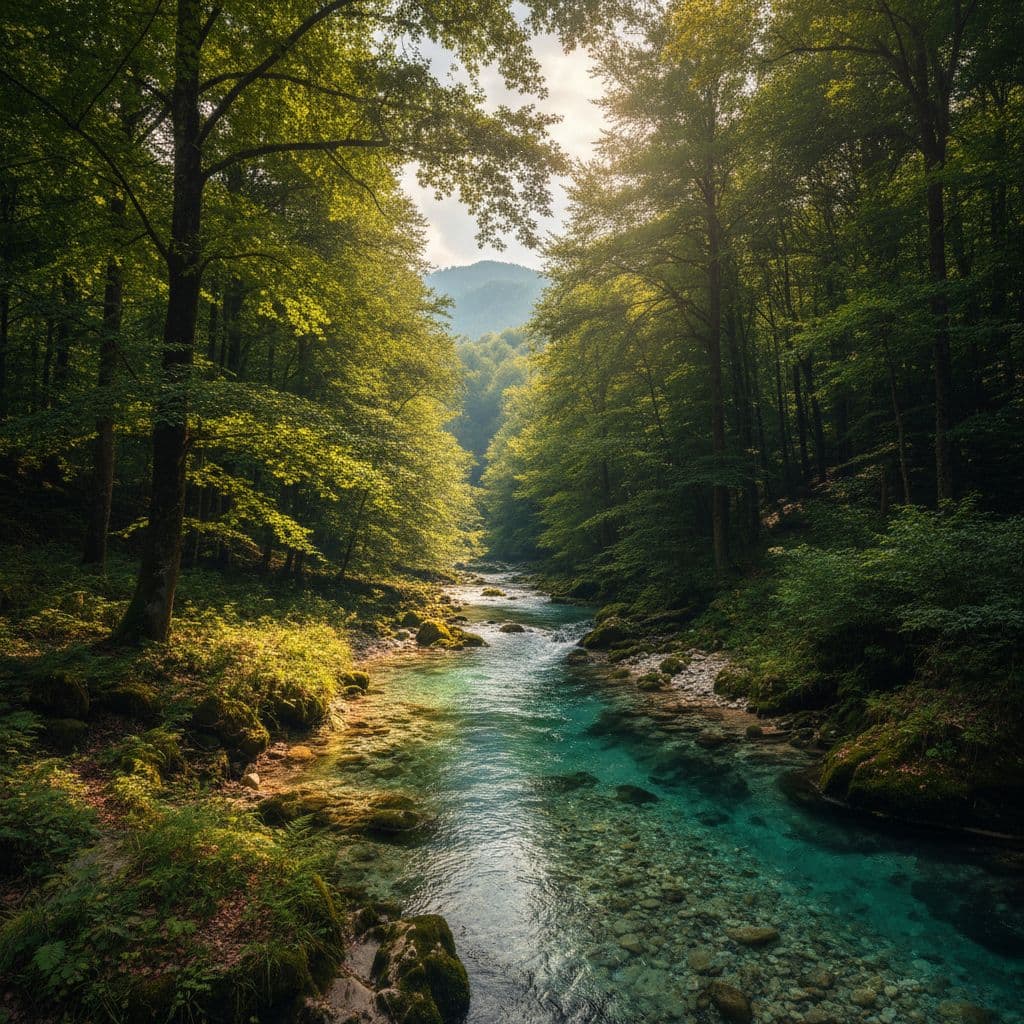
Bosnia and Herzegovina has the sort of scenery that invites slow travel. Clean rivers, wooded slopes, alpine paths, and bird-rich wetlands create a natural route for walking, cycling, rafting, and wildlife watching. A traveller can move from a river bend to a pine forest, then climb into open mountain air before lunch.
That variety could have supported steady, low-impact tourism in many regions. It could have brought work to local guides, guesthouse owners, cooks, drivers, and craft makers, while keeping pressure off fragile places. The UNDP's work on sustainable tourism in Bosnia and Herzegovina shows how mountains, trails, and protected areas can support both conservation and local income when the model is handled with care.
The promise is easy to picture. A family stays in a village house, eats cheese, bread, and fruit grown nearby, then spends the day on a marked trail or beside a clear river. Money stays local, and the land stays respected. That is the kind of travel that can steady a rural economy without flattening its character.
A pause here feels right, because the land itself still asks for attention. It does not need grand claims. It needs protection, patient visitors, and space to breathe.
Sarajevo and Mostar as cities of memory and natural beauty
Sarajevo and Mostar hold some of the country's strongest emotional contrasts. Their streets carry memory, while their hills, rivers, and nearby walks still offer beauty that feels immediate and human. In Sarajevo, the city nestles between slopes and forested edges. In Mostar, the river moves below stone and sunlight, and the whole place seems to hold its breath for a moment.
These cities could have become models for thoughtful eco-tourism, especially if heritage, transport, and nature were managed together. Travellers could spend a morning in museums or old quarters, then take a short walk into the hills, a riverbank, or a shaded path outside the centre. That rhythm suits visitors who want culture without hurry and scenery without waste.
Most importantly, the city experience would not sit apart from the landscape. It would belong to it. Old neighbourhoods, local cafés, gardens, and nearby trails would give travellers a fuller picture of everyday life. Sarajevo and Mostar already carry that potential, and peace gives it room to grow.
When a city remembers its past and protects its surroundings, it can welcome visitors with honesty rather than spectacle.
There is also a wider lesson here. Bosnia and Herzegovina is not only about recovery, it is about what careful travel can help preserve. If people arrive with respect, choose local services, and stay longer rather than rushing through, they help strengthen the places they came to see. The country's sustainable tourism portfolio points towards that kind of future, one where nature, heritage, and community are treated as one living story.
The saddest part is that so much of this promise should have been ordinary by now. Instead, it feels fragile. Yet fragility is not the same as failure. Bosnia and Herzegovina still has rivers to protect, hills to walk, and cities that can heal visitors as much as they heal themselves. Which of these places moved the reader the most, and can they rise again as eco-tourism destinations?
Syria and Afghanistan, where beauty survived but tourism could not
In Syria and Afghanistan, the land kept its grace even as tourism fell away. Coastlines, mountains, lakes, and old settlements still held their beauty, yet war made them harder to reach, harder to protect, and harder to share. That gap between surviving beauty and vanished travel is what makes both countries feel so painful to read about.
These were never places with only one story. Syria had heritage, but it also had sea air, olive groves, birdlife, and quiet countryside. Afghanistan had mountain silence, clear lakes, and village paths where local life could have welcomed careful visitors. The tragedy is that their natural gifts remained, while the peace needed to enjoy them did not.
 ### Syria's lost balance between heritage, coast, and countryside
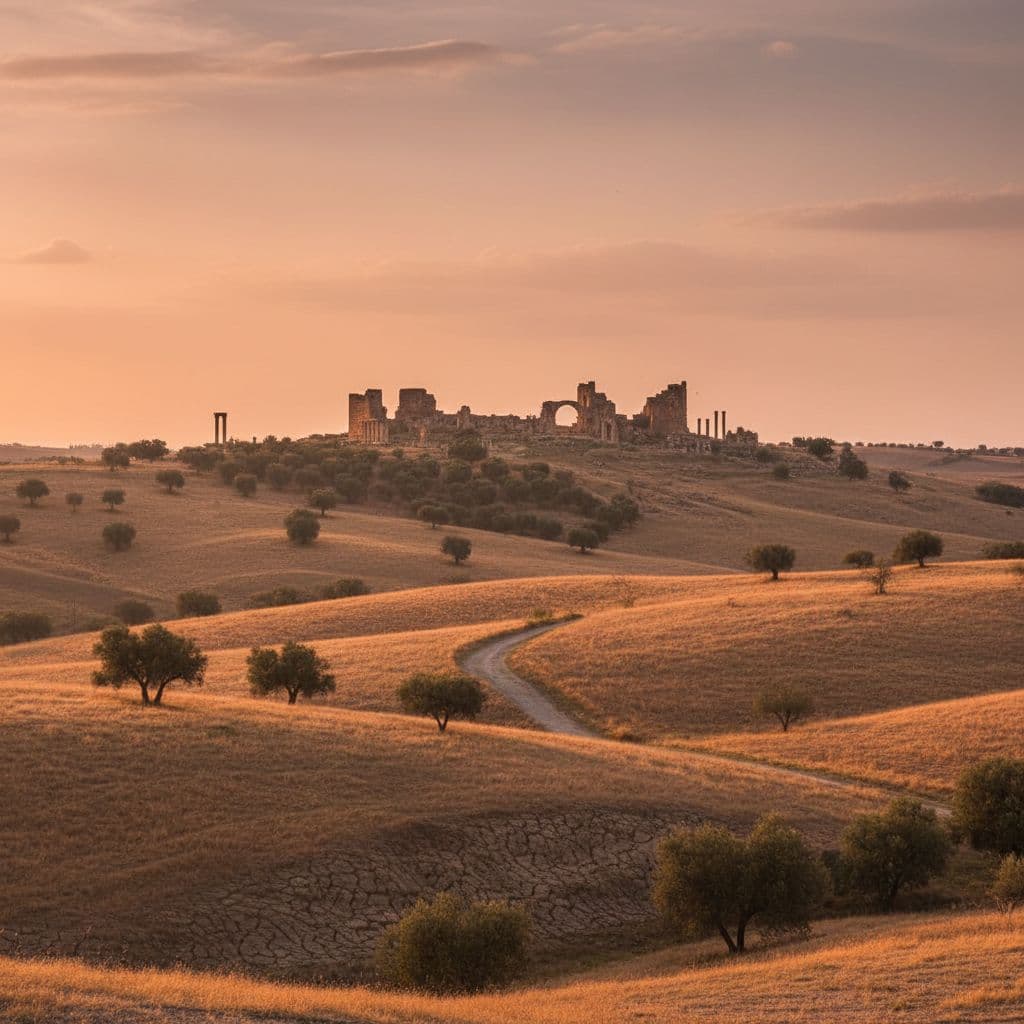
Syria could have offered a rich, layered travel experience. A visitor might have walked through ancient streets in the morning, reached the Mediterranean coast by afternoon, and ended the day in hills where birds moved over fields and orchards. That mix of history and landscape gave the country a rare depth.
Before the war, the coast around Latakia and Tartus had beach appeal, while the inland countryside held mountain air, farmland, and slower rhythms that suited eco-tourism. UNESCO has long pointed to Syria's heritage value, but the country was never only about ruins. Its appeal also lay in everyday scenes, fishing boats, village farms, and tree-covered slopes that could have supported local stays and low-impact travel.
War fractured that balance. Hotels shut, roads became unsafe, and rural places lost the visitors that once helped keep them alive. Even where beauty remained, fear and damage changed the mood of travel. The result was a country where nature and heritage survived in pieces, but the full experience never had room to grow.
A place can keep its beauty and still lose its chance to welcome the world.
For readers, that loss is easy to feel. It is the image of a coastline without guests, a hillside path without walkers, and a village café with no distant voices at the next table.
Afghanistan's lakes and mountain paths, a future paused by conflict
Afghanistan's eco-tourism promise was never small. Band-e-Amir, with its turquoise lakes and limestone dams, looked like a place built for slow travel and family visits. BBC coverage described it as a place that would likely be world famous if it were not shaped by decades of war. The truth behind that line is hard to ignore.
The lakes in Bamiyan province already drew local visitors, and they had the power to support nearby communities if safety, roads, and visitor facilities had been in place. More than 100,000 people visited annually before recent conflict disrupted travel, which shows how strong the appeal already was. With better access and investment, the park could have supported village incomes, small guesthouses, guides, and craft work.
Afghanistan's mountain communities also carried a quiet dignity that suited respectful travel. Their pace of life, shaped by altitude and hardship, could have given visitors a real sense of place rather than a rushed stop on a map. Reports on Afghanistan's eco-tourism potential and Band-e-Amir's early tourism revival show what was possible when the park had even a brief opening.
The pause here feels important. One can almost picture it, a path along the highlands, a tea stall beside the road, and families resting near still water under a wide sky. That future was not impossible. It was simply interrupted.
Do these cities and landscapes still have the power to rise again as eco-tourism places, if peace and care ever return?
What these cities teach about peace, people, and nature
These lost eco-tourism cities show that peace is not an abstract ideal. It is the daily condition that lets rivers stay clean, markets stay busy, and families earn a living from the land around them. Without it, even the most beautiful place can fall silent.
They also show that people are never just bystanders in tourism. When local communities guide the visitor experience, they protect the land more carefully and keep more of the income at home. That lesson runs through every one of these places, from Socotra to Sarajevo, because the real story is always about who gets to decide what a destination becomes.
Why supporting local communities matters most
Eco-tourism works best when local people earn, lead, and decide how visitors are welcomed. That simple rule changes everything. Money stays in the area, families gain steady work, and the people who know the land best are the ones shaping its future.
In a place like Socotra, local ownership could have kept fragile habitats intact while giving islanders a reason to protect them. In Sana'a, Taiz, and Aden, community-led guesthouses, guides, and craft markets could have helped preserve daily life even as tourism grew. In Iraq's marshes, local boatmen, reed workers, and marsh families could have turned wetland knowledge into a living visitor experience rather than losing it to outside control.
The same pattern fits Bosnia and Herzegovina, where rivers, forests, and mountain villages could have supported family-run stays and trail guiding. It also fits Syria and Afghanistan, where local hospitality could have given visitors a real sense of place, not a polished version built for strangers.
A place only thrives when the people who live there feel seen and paid fairly. That idea is backed by wider research on community participation in tourism, which shows that local involvement helps build trust, shared benefits, and long-term care for the destination. See community participation in tourism development for a clear example of why that matters.
A city protects what it values. When local people benefit, they are far more likely to protect the water, streets, and traditions that make a place worth visiting.
This is where the loss becomes harder to ignore. These cities were not only places with scenery, they were places with people ready to give that scenery meaning. If peace had held, their tourism could have been slower, fairer, and far more rooted in daily life.
The bond between conservation and dignity
Nature does not stay healthy when communities are pushed aside. It stays healthy when people have both a reason and the power to care for it. That is why eco-tourism and conservation work best together, not apart.
In the five places covered here, that bond could have changed outcomes in practical ways:
- Local guides could have kept visitor numbers modest and focused on respectful routes.
- Small businesses could have turned food, lodging, and transport into local income.
- Shared rules could have protected wetlands, coasts, mountains, and old streets from damage.
- Cultural pride could have kept traditions alive instead of turning them into a performance.
That approach also respects dignity. People are not scenery. They are the hosts, caretakers, and memory-keepers of a place. When tourism treats them that way, it becomes a source of strength rather than extraction.
The EcotourismeNet piece on France's eco-friendly destinations makes the same point in a different setting, local economies do better when travel supports the people who live there. The principle is simple, yet it is often missed.
A hopeful way to remember what was interrupted
Remembering these places is not about sadness alone. It is also about respect. Each city, island, marsh, and mountain held a future that was cut short, but not erased.
That matters because memory can be a form of care. It keeps the story alive until recovery becomes possible, and it reminds readers that peace is not only the absence of war. It is the chance for children to walk safely to school, for farmers to sell clean food, and for visitors to come with curiosity instead of fear.
For anyone reflecting on what was lost, the most honest response is not despair. It is to hold onto the image of what could still return, a boat on calm water, a village trail at dawn, a market full of local voices, a city breathing at ease. Those are small things on paper, but they are the shape of a liveable future.
Which of these cities moved the reader the most, and can they rise again as eco-tourism destinations?
FAQ
These questions often come up because the subject is emotional as well as practical. The places in this article are not just destinations, they are homes, memories, and unfinished futures. A good FAQ can hold that tension while giving the reader clear answers.
 ### Why are some war-affected cities so well suited to eco-tourism?
Many of these places were shaped by water, hills, old streets, farms, or coastlines. That mix naturally supports slow travel, local food, walking routes, and community-led stays. In better times, they could have offered the kind of travel that feels calm, human, and rooted in place.
What makes the loss so sharp is that the potential was already there. A river city with shaded paths, a mountain town with family guesthouses, or a wetland village with local guides can all grow into gentle eco-tourism destinations. War interrupts that growth before it has the chance to settle.
What does war usually take away first?
It often begins with the basics. Clean water, safe roads, working power, and stable public services are usually hit long before any tourist thinks about booking a trip. After that, the damage spreads into markets, farms, schools, and the small routines that keep a place alive.
That is why eco-tourism suffers so badly in conflict. A city cannot welcome visitors well when residents are struggling to meet daily needs. As one study on conflict-affected tourism in Basilan Province shows, natural appeal alone is not enough, local stability and policy support matter just as much.
Can eco-tourism return after conflict?
Yes, but only if recovery puts people first. Roads need repair, services need to work again, and local communities need a real say in what happens next. Without that, tourism can easily become extractive, with the benefits flowing out and the pressure staying behind.
A slow, community-led return is the safest path. That means small guesthouses, local guides, fair pay, and protection for fragile land and water. It also means giving residents room to decide what kind of visitors they want, and how many.
Why does local control matter so much?
Because people who live in a place know its limits. They know where water is scarce, which paths are fragile, and which customs matter most. If outside investors take over too quickly, the destination can lose the very qualities that made it special.
The danger is not only environmental. It is also social. When tourism benefits bypass local families, trust fades fast. Research on post-conflict destinations shows that outside control can weaken community resilience unless local people keep real power in the process.
What is the main lesson from these lost cities?
The main lesson is that peace is part of conservation. A clean river, a living market, a safe trail, and a working guesthouse all depend on stability. Remove that stability, and even the most beautiful place can slip out of reach.
These cities also remind the reader that loss is not only measured in ruins. It is measured in missed walks, cancelled journeys, and children who never grow up seeing their hometown welcomed with pride. That is a hard truth, but it matters.
Which of these places still holds the strongest hope?
Socotra, the Bosnian rivers, and parts of Iraq's marshlands still carry a sense of possibility. Their landscapes remain powerful, and local people still protect what they can. Syria and Afghanistan also hold hope, but their recovery depends on peace holding long enough for trust, services, and travel to return.
The pause here is important. Readers may want to sit with the idea that some places are not lost forever, only waiting. Which of these cities moved the reader the most, and do they believe it can rise again as an eco-tourism destination?
Conclusion
These cities were never empty places waiting to be discovered. They were full of water, stone, birds, markets, and daily lives that war interrupted before their eco-tourism promise could fully bloom.
That is what makes the loss feel so stark. Socotra, Sana'a, the Iraqi marshes, Sarajevo, Mostar, Latakia, Bamiyan, and the others all held the same quiet hope, that people could come, stay gently, and leave without breaking what they came to see. Peace is what lets that kind of future take root.
If there is one lasting lesson here, it is that beauty needs safety, and local people need a real chance to shape what happens next. Which of these cities moved the reader the most, and do they still deserve a future as eco-tourism destinations?