
How The Future We Choose Changes the Way You Travel

The Future We Choose is not just a climate book, it's a practical guide for the way you travel. If you care about eco-travel, it helps you see every journey, from a short hop abroad to a weekend road trip, as part of a bigger carbon story.
You don't need a perfect lifestyle to travel better, but you do need clearer choices. The book's message fits modern travel habits well, because the biggest gains often come from simple changes, such as taking the train, flying less often, packing lighter, and supporting places that treat nature with respect.
That matters because your trips affect more than your own plans, they shape demand for cleaner transport, greener stays, and more responsible tourism. Keep reading, because the lessons inside this book can change how you think about every booking you make.
Why The Future We Choose matters to eco-travel today
The Future We Choose gives you a useful frame for travel decisions because it treats climate action as a series of choices, not a reason to freeze. That matters in eco-travel, where your habits shape emissions, local economies, and demand for better options. The book's message fits this well, because better travel starts with steady, repeated actions.

The book's big message, choose action over fear
The tone of the book is clear and grounded. It asks you to face climate change honestly, but it does not ask you to panic. Instead, it pushes hope, discipline, and practical change, which is a far more useful mindset when you are planning how to travel.
That matters because eco-travel can feel overwhelming if you focus only on what you cannot do. You may not control the whole system, but you do control your own choices. Each time you pick a train over a short-haul flight, choose a local stay, or support a place with strong nature care, you add one more useful decision to the pile.
Small actions also gain power through repetition. One lower-carbon trip will not fix everything, but a pattern of better choices does shape the market. If more travellers do the same, businesses notice, routes shift, and greener options become easier to choose.
Climate action works better when you treat it like a habit, not a heroic gesture.
The book's wider message is close to the heart of sustainable travel. You are not being asked to travel less joyfully. You are being asked to travel with clearer intent, which is a different and stronger thing.
What the book says about daily choices and climate impact
The book makes one point very plain, daily choices matter because they add up across homes, workplaces, and journeys. In travel, that means your carbon footprint is shaped by ordinary habits, not just by one big holiday.
You can see this in simple decisions:
- Fly less often when rail or coach works well for the route.
- Use local transport once you arrive, instead of defaulting to private transfers.
- Stay longer in one place so you do less back-and-forth travel.
- Choose operators carefully, especially those that support wildlife, local jobs, and lower-impact transport.
These choices are not about perfection. They are about being deliberate. A trip planned with care usually leaves less waste, less fuel use, and more money in the local area.
For a practical example, read these eco-friendly travel spots across France. The same thinking applies elsewhere, whether you are booking a city break or a nature holiday. You look for the option that gives you a good experience without making the planet pay more than it should.
The book also reminds you that good climate habits are not private alone. They send a signal. When you choose cleaner transport and more responsible tourism, you help normalise those options for everyone else. For a concise overview of the book's core ideas, see a summary of The Future We Choose.
Travel less when you can, and make each journey count
When you travel with more intention, you often get more back from the trip. Fewer journeys can mean lower emissions, less rush, and more space to notice where you are. That shift matters, because a weekend close to home can feel just as vivid as a longer break when you give it proper attention.
Slow travel also changes the mood of the whole trip. You stop racing between airports and start paying attention to the small things, like the light on a station platform, the smell of rain on a country lane, or the rhythm of a market town at midday. Those details stay with you far longer than a packed itinerary ever does.

Why slower, closer holidays can feel richer
Local and regional travel often gives you more breathing room. You spend less time in transit, you reduce the pressure of tight connections, and you arrive with energy left for the actual experience. That alone can make the trip feel lighter.
It also tends to cut emissions. Shorter journeys usually need less fuel, and you can often swap flights for trains, coaches, or even a simple road trip. For a broader look at why staying closer to home supports lighter-footprint travel, local travel sustainability guides make the case clearly.
Just as importantly, nearby travel helps you know a place rather than just pass through it. You might return to the same coastline in a different season, find a small museum you never noticed before, or linger in one village long enough to talk to people. Those moments give your holiday texture.
A slower trip can also feel more exciting because it leaves room for surprise. You notice a footpath, a farm shop, a wildlife reserve, or a café you would have missed on a rushed schedule. In practice, that makes your journey feel less like a checklist and more like a story.
How to cut waste from your travel routine
If you travel often for work or family, waste can creep in through routine. The answer is usually not drastic change, but smarter habits that save time and materials at the same time. Combine errands before you leave, group appointments into one trip, and avoid returning for things you could have carried the first time.
A few small habits help straight away:
- Carry the basics: a reusable bottle, cup, and shopping bag cut down on single-use waste.
- Pack once, pack well: keep a ready-made travel kit so you do not buy duplicates on the road.
- Plan your route properly: one well-timed trip often replaces two or three separate ones.
- Use leftovers wisely: if you eat out, take what you can home instead of leaving food behind.
These are simple habits, but they add up quickly. The EPA's waste reduction advice backs up what many travellers already find in practice, less waste usually starts with better preparation, not bigger effort.
For frequent travellers, the biggest win is often planning with intention. Book meetings close together, choose one base for several tasks, and build in enough time so you are not forced into last-minute detours. That approach saves fuel, cuts stress, and keeps your travel routine tidy instead of chaotic.
A journey counts more when you arrive with purpose, not just momentum.
If you want to travel better without making life harder, start with the trips you already take. Trim the extra miles, keep the useful ones, and let each journey earn its place.
Choose lower-carbon ways to get around without losing the adventure
You do not have to give up the feeling of movement to travel more responsibly. In many cases, the trip becomes better when you slow it down a little. Trains, buses, walking, and smarter driving can cut emissions while giving you a fuller view of the places you pass through.
The best lower-carbon choices often feel more local and less rushed. You see stations, side streets, markets, and landscapes that airports and motorways skip over. That can make the journey feel like part of the holiday, rather than just the gap between start and finish.

Why trains, buses, and walking should come first
If you want a lower-carbon trip, start with the options that move the most people with the least fuel. Trains and coaches usually use far less energy per person than private cars or short-haul flights. They also cut the stress of driving, parking, and airport queues, which leaves you with more energy when you arrive.
Walking brings another kind of reward. It lets you notice the small details that most travellers miss, from the smell of fresh bread outside a bakery to the sound of a town waking up. In a walkable place, you also spend less and stay closer to everyday life, which often makes the experience feel more grounded.
Public transport can also be kinder to your budget. A rail ticket or bus fare is often easier to plan for than fuel, parking, tolls, and hire-car extras. The Met Office sustainable travel advice makes the same practical point, less car use usually means lower costs as well as lower emissions.
You can make the experience richer by using transport as part of the trip, not just a means to an end:
- Take the train into the city centre, then walk the last stretch to your hotel.
- Use local buses to reach neighbourhoods that you would miss by taxi.
- Choose routes with time to look out of the window, because slow travel often reveals more.
- Plan for walking between sights, so you get a better feel for the place.
The less time you spend thinking about traffic, the more time you have to notice where you are.
This fits a wider shift in travel too. Rail-first thinking is growing because many travellers now prefer the lowest-emission option when it still works for the route. That choice is simple, sensible, and often more pleasant than people expect.
When flying is hard to avoid, how to make a better choice
Sometimes flying is the only practical option, especially for long distances or limited time. In those cases, the goal is to fly less often and make each flight count. A single well-planned trip is usually better than several short ones spread across the year.
Direct routes matter because take-offs and landings add extra emissions. If you can avoid a connection, you usually cut both carbon and stress. You also reduce the risk of delays, missed bags, and wasted hours in transit.
Staying longer at your destination helps as well. If you fly to a place and make the most of it for a week or two, that trip often feels more worthwhile than a quick in-and-out break. You get more value from the journey, and you avoid repeating the same high-impact flight pattern too often.
You can also look at the bigger picture before booking. Some booking tools now show the carbon impact of each option, which makes comparison easier. That kind of information helps you choose with your eyes open, rather than guessing after you have already paid.
For a practical overview of lower-emission travel habits, National Geographic's travel and climate reporting often highlights the same direction of travel, less flying where possible, more time in each place, and better use of alternatives on the ground. That approach keeps the trip realistic while trimming the worst emissions.
How car travel can become less harmful
Sometimes road travel still makes the most sense, especially in rural areas or when you need flexibility. Even then, you can reduce the impact with a few smart changes. Car sharing is one of the easiest, because it cuts emissions per person straight away and often makes the journey more social too.
Electric vehicles can also help, especially when the charging network is available on your route. They are not perfect, but they are a cleaner choice than a petrol car in many situations. As more destinations add charging points, EV travel is getting easier to manage for holidays and work trips alike.
Packing lighter is another small change that matters more than people think. A heavier car uses more energy, and the same goes for flights. If you leave behind the extra bags, unnecessary sports kit, and duplicate items, you make the vehicle work less hard.
Better route planning also saves fuel and frustration. Use the most direct roads, avoid extra loops, and group stops into one efficient run. That is especially useful when you are heading to a trailhead, countryside stay, or family visit where you would otherwise make several separate trips.
A simple road-trip checklist can keep things lean:
- Share the drive where possible.
- Choose the shortest sensible route.
- Pack only what you need.
- Charge or refuel before you are running low.
- Combine errands and stops into one journey.
Road travel will always have an impact, but it does not have to be careless. If you plan well and travel light, you can keep the freedom of the open road without wasting as much fuel.
What eco-travel looks like when destinations do the right thing
When a place gets eco-travel right, the difference is obvious before you even unpack. You move through it more easily, spend less time fighting traffic, and find it simpler to choose low-impact options without having to plan every detail yourself.
That usually means the destination has done its homework. Streets feel safe to walk, buses run often enough to trust, and the local economy benefits when you spend. In other words, good eco-travel is not a special add-on, it is part of how the place works.
The role of cities, regions, and transport networks
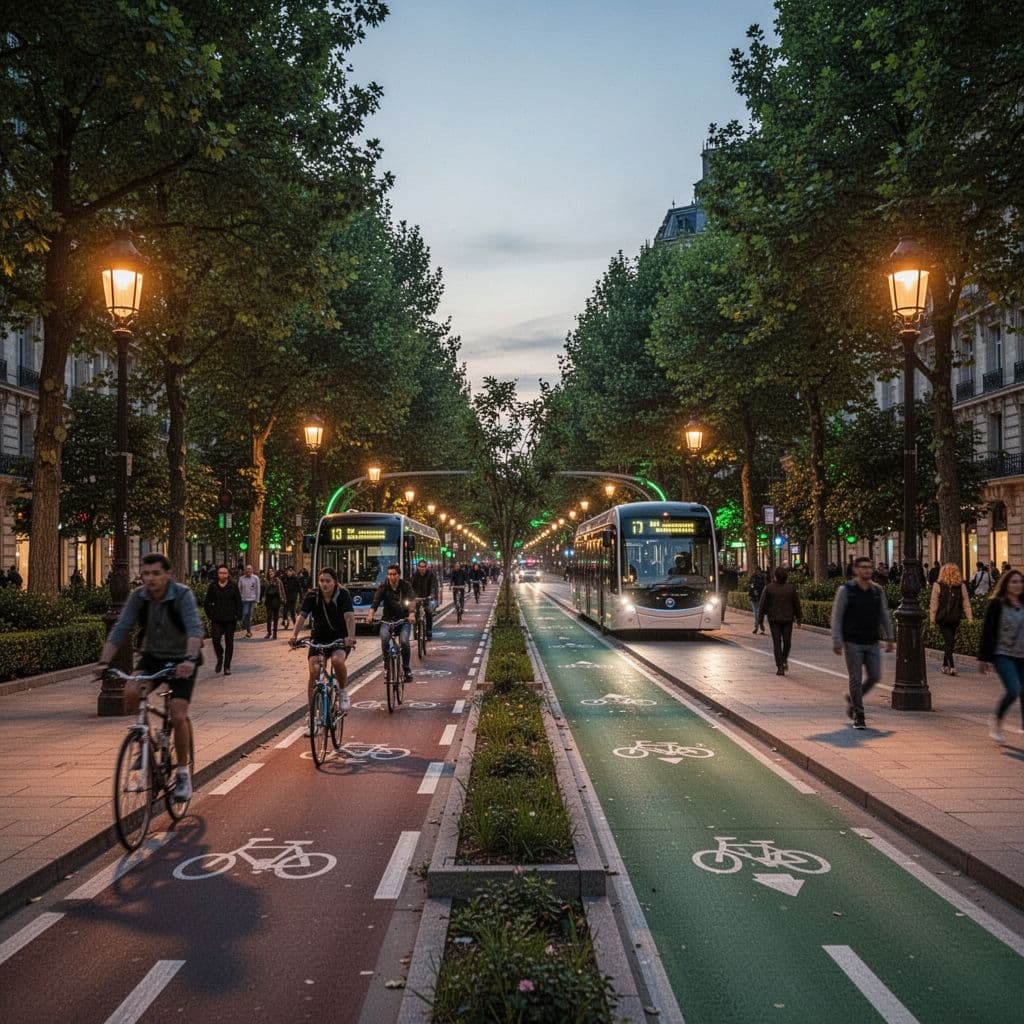
Photo by Tom Fisk
Cities and regions shape your travel choices more than any packing list does. If the rail station links cleanly to the town centre, if cycle lanes feel safe, and if buses are frequent and affordable, you are far more likely to leave the car behind.
That is why public policy matters. When councils and transport planners invest in better rail, cleaner buses, and streets made for people instead of parked cars, greener travel stops feeling like a sacrifice. Places such as Copenhagen, Vienna, and London show how walking, cycling, and public transport can become the easiest way to get around, especially when homes, shops, and attractions sit near transit.
You can see the same pattern in well-planned regions with strong land use policies. The World Bank's work on decarbonising cities points to the value of transit, walking, and cycling being treated as a connected system, not separate fixes. When destinations put those pieces together, you waste less time deciding how to travel, because the low-carbon choice is already the easiest one.
Safer streets also change your behaviour. Wider pavements, protected cycle routes, and traffic calming make it more natural to explore on foot. That means you notice more of the place, spend more time in local areas, and rely less on private transfers.
If you want a broader view of how sustainable travel connects to the kinds of destinations ecotourism supports, you can also look at family-friendly ecotourism destinations, where slower movement and nature-led planning are part of the appeal.
Why travel businesses should be part of the solution
Hotels, tour operators, and attractions shape the experience you have at every stage. If they cut waste, reduce emissions, and buy local, your trip becomes lighter without losing comfort or character.
A good hotel does more than ask you to reuse towels. It might source food from nearby farms, cut single-use plastics, use efficient heating and cooling, and support local guides or conservation projects. A responsible tour operator does the same by choosing smaller groups, better transport planning, and experiences that respect wildlife and people.
You notice the strongest results when the whole journey works together. The booking platform, the transfer, the stay, the meals, and the day trips all need to point in the same direction. If one part is green but the rest is wasteful, the trip still carries an unnecessary burden.
Responsible travel works best when it is built into the trip, not added as a label at the end.
That approach is also better for business. A destination that treats sustainability as standard practice usually wins repeat visitors, stronger local support, and better long-term resilience. It is the same logic seen in the ecotourism stories across EcotourismNet, where conservation, local jobs, and better travel habits sit side by side.
Businesses can help in small but practical ways:
- Use local supply chains so more money stays in the region.
- Reduce energy and water use with sensible building and operations choices.
- Choose low-emission transport for tours, transfers, and guest activities.
- Protect natural spaces by limiting overuse and following clear visitor rules.
A useful example of the wider impact comes from research on Costa Rica's Osa Peninsula, which found that ecotourism can support local jobs and strengthen backing for conservation when local ownership is real and the model is well designed. You can see the study summary in this case on ecotourism and community benefits. That kind of result matters because it shows you what good tourism can look like in practice, not just in slogans.
How local communities benefit when tourism is done well
When tourism is managed properly, local people should feel the gains first. That means more work for guides, cooks, drivers, artisans, and small guesthouses, plus more demand for local food, crafts, and experiences.
The best eco-travel strengthens livelihoods without flattening local culture. You might buy from a family-run market, join a community-led tour, or stay in a place that hires local staff and respects local customs. These choices help tourism money circulate inside the area instead of leaking out.
Done well, tourism also supports pride in place. When visitors come for wildlife, walking routes, traditional skills, or protected landscapes, communities have a reason to care for those assets over time. That is one reason eco-travel fits so closely with the wider ecotourism message on this site, which focuses on responsible travel, nature conservation, and support for local communities.
The benefits are strongest when travel respects both people and nature. That includes listening to local guidance, paying fair prices, and choosing experiences that do not damage habitats or pressure residents. WWF's work on locally led conservation makes the same point clearly, lasting conservation works best when communities are part of the decision-making.
For you, that means the best eco-travel feels welcoming and grounded. You are not just passing through a destination. You are helping it keep its character, its wildlife, and its income for the future.
When destinations do the right thing, eco-travel becomes easier to trust. You can move around without hassle, spend with more confidence, and know that your trip supports the place instead of draining it.
Turning the book's ideas into smarter trip planning
The strongest lesson from The Future We Choose is simple, you can make better choices before you travel, not only after you arrive. That shift matters because planning is where most of the impact starts. When you slow down and question the trip itself, you often find cleaner, cheaper, and more rewarding options.

Questions to ask before you book anything
Before you pay, pause and check whether the trip is actually necessary. Could you attend remotely, combine it with another errand, or choose a closer destination instead? A few honest questions can save money, time, and emissions.
Start with the basics. Ask yourself how far you really need to go, how long you need to stay, and whether the same goal could be met with a lower-impact option. If a train, coach, or direct route works, that is often the better choice.
It also helps to think about timing. Off-season travel, local breaks, and fewer short trips usually create less pressure on crowded places. BBC Travel has a useful guide to travelling more sustainably in 2025, and the advice starts with the same principle, choose well before you book.
A quick pre-booking check can look like this:
- Is the trip necessary? If not, postpone it or replace it.
- Can you travel less far? Shorter distances usually mean lower emissions.
- Is there a lower-impact route? Look at rail, coach, shared rides, or one direct flight instead of several legs.
- Will the trip support a good place or provider? Choose operators that treat nature and local people with care.
The best eco-travel decisions usually happen before the suitcase comes out.
How to build a lighter itinerary
A lighter itinerary often makes the whole holiday better. When you cut out extra stops, you create more time to settle in, notice details, and enjoy the place instead of rushing through it.
Longer stays can reduce waste too. You unpack once, use fewer transfers, and avoid the churn of constant check-ins and check-outs. That slower rhythm often feels calmer, and it gives you more space for walking, local food, and low-carbon transport.
Quality matters more than quantity. Two good days in one place can beat four hurried stops where you spend half your time in transit. Recent sustainable travel trends also point in this direction, with more people choosing fewer trips, longer stays, and smaller destinations that do not need to be crossed off in a rush.
A useful way to plan is to group activities by area. Visit nearby sights on the same day, leave room for rest, and avoid backtracking across town. You will cut unnecessary transport and keep the trip from feeling like a relay race.
Here is a simple rule that works well:
- Pick one main base.
- Add only the trips that truly matter.
- Build in free time between activities.
- Leave some parts of the trip open.
That last point matters most. A lighter itinerary gives you breathing room, and breathing room is often what turns a decent holiday into a memorable one.
What to pack for a more responsible journey
Packing light is one of the easiest ways to travel with less waste. Fewer items mean less weight, less faffing about, and fewer chances to buy disposable extras on the road. It also makes you more likely to use what you already brought.
Focus on reusable basics that earn their place in your bag. A refillable water bottle, a sturdy lunch container, a shopping bag, and a travel mug can replace a surprising number of single-use items. Add a small wash kit and you are less likely to rely on hotel miniatures or plastic freebies.
Practical packing also helps you avoid overbuying. If you already have a compact first-aid kit, sunscreen, and toiletries, you are less tempted by convenience purchases that create more packaging waste. The goal is not to pack for every possible scenario, it's to pack for the trip you are actually taking.
Before you zip the case, check for duplicates. Do you really need three jumpers, two chargers, and a spare pair of shoes? Probably not. A lighter bag is easier on you and easier on the journey itself.
A smart, low-waste packing list usually includes:
- a refillable bottle
- a reusable cup
- a tote bag
- a small toiletry set in refillable containers
- one versatile outfit you can wear more than once
- travel-sized laundry soap or soap sheets if you are away for longer
If you want to keep your footprint lower after you leave home, this kind of packing is a quiet win. It keeps your trip simple, cuts down on disposal, and makes responsible travel feel normal rather than restrictive.
Why hope, not guilt, is the best travel habit to keep
Guilt can jolt you into action for a day or two, but hope lasts longer. When you choose travel habits that feel doable and positive, you are far more likely to repeat them, and repetition is what changes your footprint over time. That is why hopeful travel choices, not shame, are the habits worth keeping.
Hope also makes sustainable travel feel normal. You start to see each trip as a chance to do one thing better, rather than a test you can fail. That mindset is much easier to live with, and it fits the way people actually travel.
How small wins keep you motivated
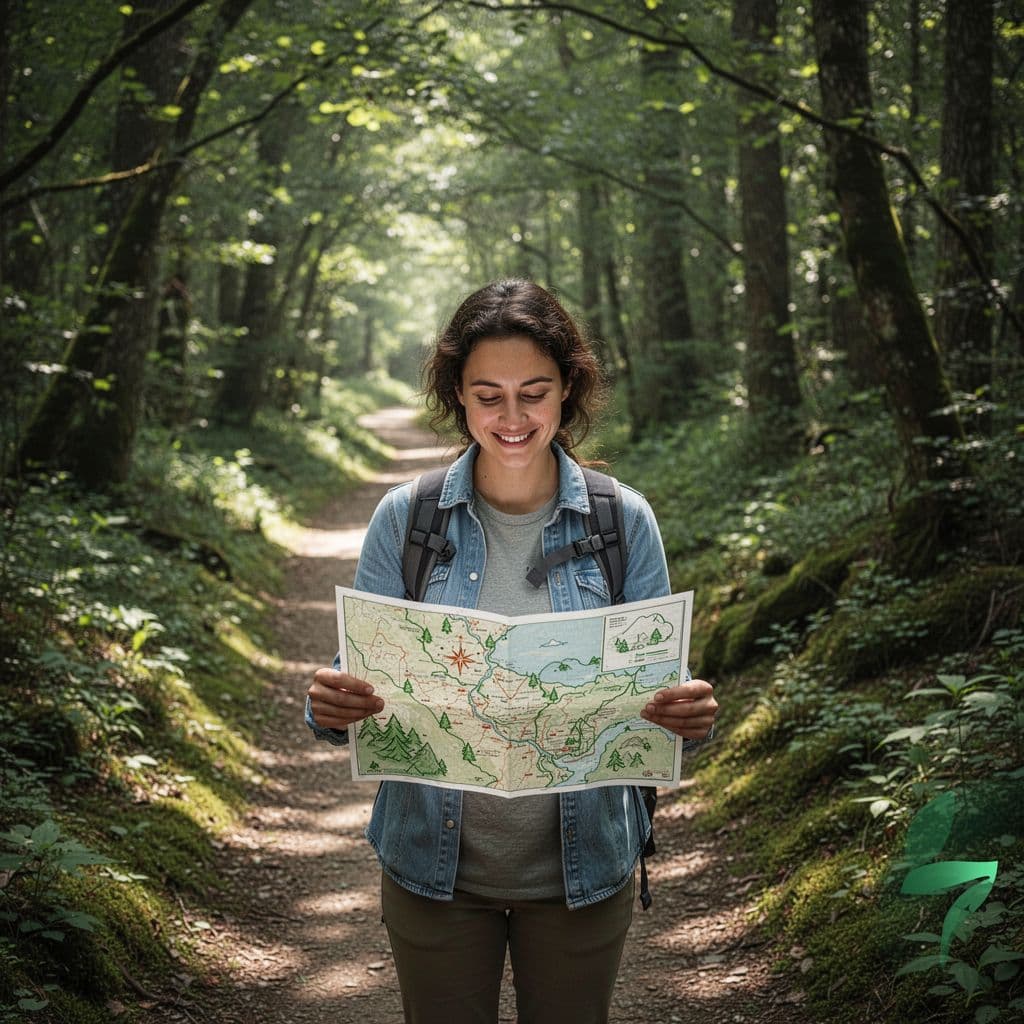
Small wins are powerful because they are clear, visible, and repeatable. If you choose the train once a month, walk instead of taking a taxi for one local journey, or spend a day at a nearby nature reserve, you are building proof that better travel is already part of your life.
That matters because the biggest change rarely starts with a grand gesture. It starts with one decision that feels manageable, then another, then another. Over time, those choices become your default.
You might notice the shift in simple ways:
- One train trip instead of one short flight gives you a lower-impact habit without changing your whole routine.
- A nearby nature break helps you see that meaningful travel does not need to be far away.
- A reusable bottle or cup cuts waste without extra effort.
- A longer stay in one place reduces the pressure to keep moving.
Positive reinforcement helps these habits stick. Research on eco-friendly behaviour shows that optimism supports greener action more effectively than fear alone, because people are more likely to repeat what makes them feel capable and encouraged. A useful overview is this study on optimism and eco-friendly tourist behaviour.
You can also keep the momentum going by setting simple travel goals that feel realistic. For example, you might decide to take one rail-based trip this season, choose one community-led stay, or explore a lower-impact destination close to home. If you want more ideas that fit that kind of approach, main goals of ecotourism gives you a useful starting point.
How to talk about eco-travel without sounding judgemental
The easiest way to lose people is to talk as if you have all the answers. A calmer approach works better. Share what you do, why it feels good, and what you have learned, then leave room for others to make their own choices.
That tone matters online and face to face. If you speak with curiosity instead of pressure, people listen longer. They may even ask for your tips, which is where real influence begins.
A few phrases feel far more useful than blame:
- "I found the train trip more relaxing than I expected."
- "We saved money by staying longer in one place."
- "That local guide added so much to the trip."
- "I am trying to cut one flight this year."
These lines invite conversation. They do not put anyone on the spot.
You can also talk about sustainable travel as a shared benefit. Cleaner transport, less waste, and stronger support for local communities all improve the trip itself. That keeps the message grounded in real life, not moral scoring. It also lines up with the broader idea behind positive sustainability, where wellbeing and environmental care support each other rather than compete. For a wider perspective, see positive psychology and sustainable wellbeing.
When you avoid judgement, you make space for progress. Some people will start with shorter trips, others with better packing, and others with choosing a more responsible operator. That still counts. In eco-travel, encouragement usually does more than correction, because it helps people stay in the game.
FAQ
You may still have a few practical questions about sustainable travel, and that's useful. Good eco-friendly travel is built on small, repeatable choices, not perfection, so a clear answer often makes the next booking much easier.

What is the easiest way to start travelling more sustainably?
Start with the trip you already plan to take. Choose the lowest-impact transport that still makes sense, then pack lighter, stay longer in one place, and support local businesses once you arrive.
That first step matters more than a perfect itinerary. If you swap one short flight for a train journey, carry a reusable bottle, or book a local guesthouse, you have already made the trip cleaner and more grounded.
Does sustainable travel always cost more?
No, it doesn't. Some eco-certified stays and lower-impact tours cost more, but many green habits save money, especially when you use public transport, eat locally, and cut back on unnecessary flights.
A slower trip often gives you better value too. You spend less on transfers, waste less food, and avoid the extra cost that comes with rushing from place to place. For a wider overview of common sustainable travel choices, National Geographic's beginner guide is a useful reference.
Is flying always the worst choice?
Flying is usually the highest-carbon option for shorter trips, especially when a rail or coach route works well. If you do need to fly, a direct route is usually better than one with connections, because take-offs and landings add a lot of emissions.
Still, the full picture matters. One long, well-planned flight may be easier to justify than several short trips spread across the year. The key is to fly less often and make each journey count.
How do you know if a hotel is genuinely eco-friendly?
Look for practical signs, not just green labels on a booking page. A responsible place usually saves energy and water, avoids single-use plastics, hires local staff, and buys from nearby suppliers.
You can ask direct questions before booking:
- Do you recycle and reduce waste?
- Do you use energy- and water-saving systems?
- Do you hire local people?
- Do you support local conservation or community projects?
If the answers are clear and specific, that's a better sign than vague claims about being "green".
What matters most when you want your trip to support local communities?
Spend locally, stay locally, and choose experiences that keep money in the area. That means local guides, small restaurants, family-run accommodation, and shops that sell local products.
When you do that, your trip becomes more than a visit. It helps the people who live there keep jobs, skills, and a stronger say in how tourism develops.
What's your experience with eco-friendly travel? Share your thoughts in the comments, your insight helps inspire more responsible travellers.
Conclusion
The Future We Choose gives you a simple but hard truth, your travel choices matter more than you may think. When you book with care, travel less often, and choose lower-carbon options where you can, you turn eco-travel into a daily habit rather than a distant ideal.
That lesson fits sustainable tourism well. You do not need a perfect record to make a real difference, you need one better choice at a time. A train instead of a short flight, a local stay instead of a wasteful chain, or a lighter bag and a longer stay all help you travel with more purpose and less waste.
The real shift is in how you see yourself. You are not only a traveller, you are a citizen with a say in what kind of tourism grows next. If you want to start small, pick one trip this year and make one change that lowers its impact. That single choice can set the tone for every journey after it.
What's your experience with eco-friendly travel? Share your thoughts in the comments, your insight helps inspire more responsible travellers.