
How You Can Make Eco-Tourism Kinder to Stray Animals
A hungry street dog following tourists through a sunny beach town may seem like a small detail — but for many travellers, moments like this shape the entire feeling of a destination.
Stray dogs and cats can shape your travel experience more than you might expect. If you care about eco-tourism, you know it's about more than forests, beaches, and low-carbon transport, it's also about how you treat the animals and people who live there.
When a destination looks after street animals through community care, sterilisation, vaccination, and responsible feeding, it often feels safer, cleaner, and more welcoming. That matters to you as a traveller, because compassion helps support local people, protect wildlife, and strengthen a city's environmental image at the same time.
In places where humane stray animal care is part of daily life, sustainable travel feels more complete. Here's how that kindness can shape better destinations for you, and for the communities you visit.
Why stray animals are part of the eco-tourism story
When you travel with an eco-tourism mindset, you notice more than scenery. You notice how a place treats the animals that live alongside people. Stray dogs and cats are part of that picture, because they are often visible in streets, on beaches, near cafés, and around markets.
 Their presence can say a lot about a destination. If they look healthy and calm, the place can feel cared for. If they look underfed, frightened, or injured, the same street can feel uneasy and unmanaged.
What travellers actually see on the ground
In many towns, you might spot a dog curled up in the shade beside a market stall, or a cat moving between café tables and alleyways. Near beaches, stray animals often drift around bins, food waste, and paths where people gather. These moments are small, but they stay with you.
You quickly read the atmosphere from those details. A resting dog may feel harmless and familiar, while a limping animal or a pack near food waste can make you question cleanliness and safety. That reaction is natural, because travel is built on impressions, and these everyday scenes shape yours fast.
For many visitors, this is where kindness becomes visible. A destination that feeds responsibly, vaccinates, and manages stray populations humanely feels calmer and more organised. It also feels more honest, because it shows that local care extends beyond the obvious tourist spots.
A street animal is not a side note in eco-tourism. It is part of the lived environment you are paying attention to.
How animal welfare shapes a destination's reputation
If you care about sustainable travel, you are likely paying attention to more than hotels and recycling bins. You also notice whether animals are treated with basic dignity. When stray animals appear neglected, that can damage a destination's image faster than many local campaigns can fix it.
Research on tourism and animal welfare shows that visitors respond strongly when they see poor treatment. One study in PLOS One found that welfare concerns can affect how people judge wildlife attractions and whether they support them again. You can read more in the PLOS One study on tourism and animal welfare.
That same logic applies on the street. A place that handles stray animals through sterilisation, vaccination, and community feeding projects often feels more thoughtful and responsible. As a result, it can earn better word of mouth, stronger reviews, and more repeat visits from eco-conscious travellers.
In short, humane animal care is part of destination care. When you see it done well, you are more likely to trust the wider travel experience, and that trust matters when you choose where to return.
The practical link between compassion and healthier places
When you treat stray animals with care, you improve more than their lives. You also shape the way a place feels, functions, and is seen by visitors. That is why compassion belongs in any real conversation about eco-tourism.
Healthy stray care is practical. It can reduce disease risk, limit breeding, cut conflict, and make public spaces easier to share. Just as importantly, it shows that a destination respects both animals and people.
Why sterilisation and vaccination matter
Sterilisation helps stop endless litters, so fewer puppies and kittens are born into hardship. Over time, that keeps the stray population more stable and easier to manage. Vaccination adds another layer of protection, especially where diseases like rabies can spread through bites or close contact.
That matters to you as a traveller because it is also a public health issue. A vaccinated animal population lowers the risk of infection, while basic parasite treatment helps reduce skin and stomach problems in animals and people alike. The World Organisation for Animal Health on stray dog control makes this link clear, with disease control and animal welfare working together.
Better care is not cosmetic. It lowers risk, supports safer streets, and gives animals a real chance at healthier lives.
How responsible feeding can prevent bigger problems
Unplanned feeding can create trouble fast. If food is scattered in random spots, animals gather in crowds, fight over scraps, and return to bins and waste areas. That can lead to noise, mess, and more stressful contact with people.
A better approach is organised feeding. Fixed feeding points, regular times, and clean-up after meals help animals settle into a routine. As a result, they are calmer, easier to observe, and simpler to bring into vaccination or sterilisation programmes. The realtime evidence also points to this pattern, showing that regular feeding helps caretakers monitor animals, pair feeding with vet care, and reduce scavenging.
 This works best when local residents, councils, and animal welfare groups act together. When everyone shares the plan, feeding becomes care, not clutter.
How stray care can support cleaner and calmer streets
Well-managed stray care changes the feel of a place in small but important ways. Animals that are fed on schedule are less likely to rummage through rubbish or chase people for food. They also tend to rest more, which lowers sudden barking, fighting, and restless movement through busy areas.
That helps streets feel tidier and more predictable. Visitors notice that sense of order, and so do residents who use the same pavements, parks, and market roads every day. Cleaner feeding spots, fewer scraps, and calmer animals all add up to a more pleasant public space.
For eco-tourism, this matters because the street scene is part of the destination experience. If a town manages its stray population with care, it shows up in the atmosphere, the cleanliness, and the way people move through shared spaces. Compassion then becomes something you can actually see, not just a value on paper.
Examples of compassionate tourism that already work
You do not have to guess what kinder travel looks like. In several places, street animals are already part of daily life, and that care has become part of the visitor experience too.
When cats and dogs are treated with patience, food, water, and veterinary support, a place often feels warmer and more alive. For you, that can make a destination seem less staged and more human. It also shows that local pride extends beyond monuments and menus.
Places where street animals have become part of local identity
Istanbul is one of the clearest examples. In neighbourhoods such as Cihangir, Kadıköy, and Moda, cats and dogs are woven into street life. Locals feed them, café owners make space for them, and the city's animal care systems include sterilisation, vaccination, food stations, and emergency treatment. That blend of public support and everyday kindness gives the city a reputation for compassion that many visitors remember long after they leave.
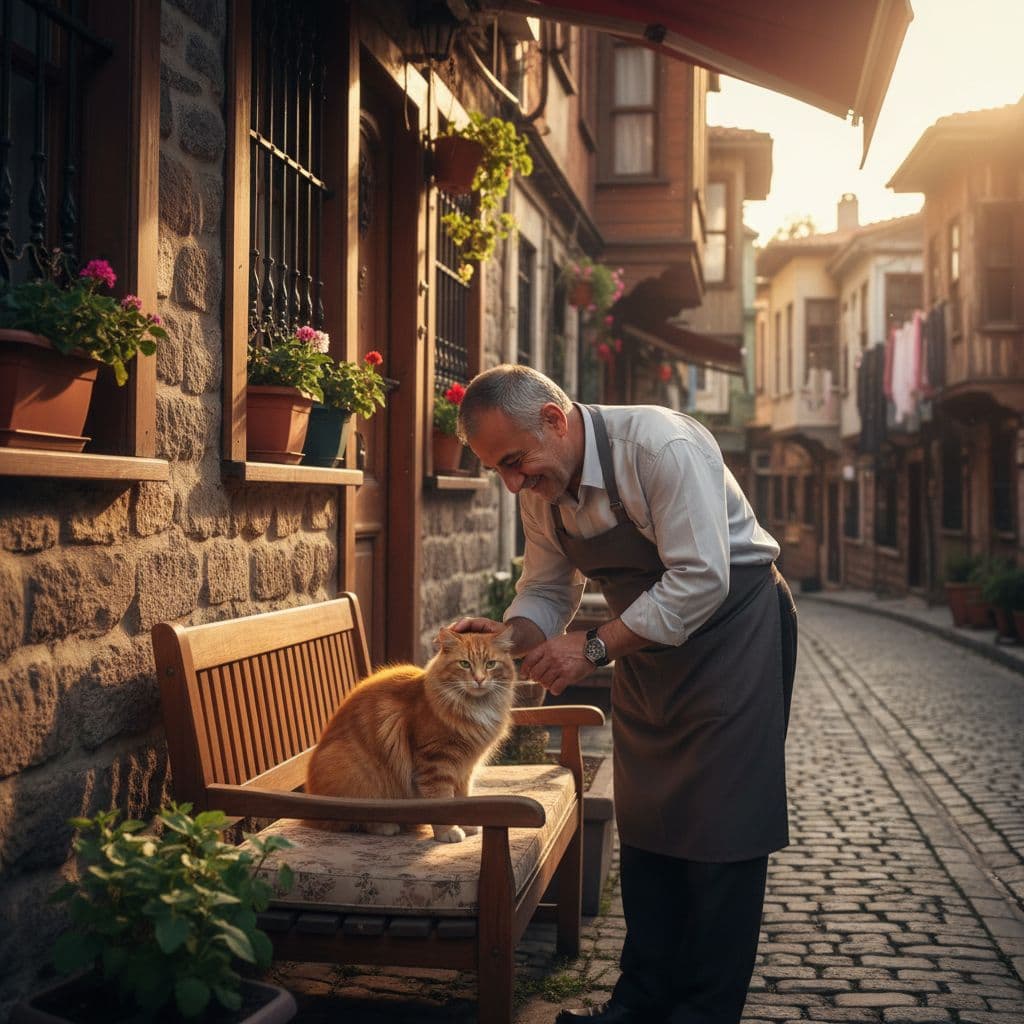 You can see a similar spirit in other places where street animals are treated as part of the community, not as a nuisance. Some cities and towns build that care into local culture, so visitors notice cats resting near shops, dogs waiting calmly by market entrances, and residents who know the animals by name. That kind of scene often feels more authentic than a polished tourist strip, because it shows how people really live.
When a place protects its street animals, you often see more than kindness. You see a city that has learned how to share space.
These examples also create small benefits for local people. Animal care can support feeding volunteers, rescue groups, and informal jobs such as fostering, transport, or basic pet supplies. If you want another perspective on how place-based sustainability shapes travel, you can also look at eco-friendly destinations in France, where community-minded tourism is part of the appeal.
What eco-conscious travellers tend to support
Eco-conscious travellers usually notice how businesses treat animals before they spend money. They look for places that act with care, not just places that talk about sustainability.
That often means choosing stays, cafés, and tour operators that support welfare work in practical ways. For example, a guesthouse might keep water bowls outside, donate to a local rescue group, or back vaccination drives. A café might work with volunteers who help feed and monitor street cats. These are small choices, but they send money towards humane systems.
You can also support ethical volunteer efforts, as long as they are organised and transparent. The best projects ask for help with feeding schedules, foster care, or fundraising for sterilisation and vet bills. They do not use animals as a photo prop, and they do not treat rescue work as entertainment.
A simple way to judge a place is to ask yourself:
- Does this business speak openly about animal welfare?
- Are feeding and care organised, rather than random?
- Is there evidence of sterilisation and vaccination work?
- Do local people seem involved, not pushed aside?
That last point matters. Sustainable travel works best when local communities lead the care, because they understand the animals, the streets, and the daily rhythm of the area. For a wider read on traveller choices that support responsible places, see supporting local communities through sustainable tourism.
If you support these efforts, you help normalise a better standard. You also make it easier for the next traveller to choose kindness without second-guessing it.
How you can travel kindly without causing harm
Kind travel starts with restraint. When you meet stray dogs and cats abroad, the best help is calm, local, and informed.
You can do real good without turning a street animal into your personal project. A little care, paired with respect for the people who live there, often does more than an impulsive rescue attempt. That approach keeps you aligned with eco-tourism, where low-impact choices matter just as much as the scenery.
Safe ways to help stray dogs and cats
If an animal looks thirsty, offering clean water can be a simple kindness, as long as it feels safe and appropriate. Use a bowl or cup, keep your distance, and let the animal come to you. If you are near busy public areas or private land, ask first before leaving food or water behind.
 Support local charities and rescue groups when you can. Many do the hard work of feeding, sterilising, and vaccinating street animals, which is far more useful than a one-off gesture from a visitor. If you see an injured animal, take a photo, note the location, and report it to local services, a vet, or a nearby animal welfare group.
If a stray looks frightened, sick, or aggressive, do not touch it. Distance is safer for you and kinder for the animal.
A good rule is simple, help only in ways that are calm, local, and easy for residents to continue after you leave. That is what makes the help useful rather than accidental.
What not to do when you spot a stray
Well-meaning travellers often make things harder without realising it. Feeding random animals without checking local guidance can create dependency, draw animals into conflict over food, and encourage scavenging in places where people are trying to keep streets clean.
Chasing a stray is a bad idea, even if you only mean to get closer for a look. The same goes for crouching too near for a photo or reaching out to pet an animal that is tense or unsure. A frightened cat can scratch, a cornered dog can bite, and both can end up more stressed than before.
The quickest way to remember the right approach is this:
- Do not chase animals for photos or contact.
- Do not feed them without checking local advice.
- Do not attempt a rescue on your own if the animal is hurt.
- Do report an injured or clearly distressed animal to people who know the area.
- Do step back if the animal looks wary, ill, or defensive.
The Four Paws guidance on animal welfare and tourism makes the same point clearly, feeding without a plan can do more harm than good. In short, observe first, ask second, act last.
How to choose ethical tours and stays
Your booking choices matter more than many travellers realise. The best accommodation and tour operators often support local conservation, community projects, and animal care in ways that fit the place, not a marketing slogan.
Before you book, ask direct questions. Do they support local rescue work? Do they work with sterilisation or vaccination projects? Do they have a policy for street animals around the property? Honest businesses usually answer clearly.
Look for stays that use practical measures, such as water bowls, safe feeding points, or donations to nearby welfare groups. Tour operators can also show care by avoiding animal exploitation, supporting local guides, and putting money back into the community. That fits the wider goal of low-impact travel, where your spending helps people who live there rather than pushing them aside.
If you want a useful benchmark, Humane World for Animals recommends checking local rescue contacts before you travel and choosing operators with clear animal welfare standards, which you can see in their animal-friendly tourist tips. That is a simple habit, but it can save you from supporting places that treat animals as scenery.
When you choose responsibly, your trip becomes part of a better system. You help create a destination that feels kinder, cleaner, and more grounded in community care.
Travel has a habit of revealing what a place values. If you notice stray animals being treated with patience and dignity, you are seeing a city that knows how to share space well. Keep asking questions, support the people doing the hard work, and let your choices reflect the kind of traveller you want to be.
What do you think, should compassion toward stray animals become a global standard in eco-friendly tourism? Share your thoughts in the comments. Your voice can inspire real change.
Why compassion makes sustainable travel stronger
When you travel sustainably, you notice the details that shape a place's character. Clean streets, calm public spaces, and kind treatment of stray animals all matter, because they affect how safe, welcome, and cared for a destination feels.
Compassion also makes practical sense. A place that manages stray dogs and cats humanely often has less waste, fewer disease risks, and a better public image. That is good for residents, good for visitors, and good for the wider travel experience.
 ### A better visitor experience starts with care
You usually remember the places where you felt at ease. A clean square, a quiet alley, or a beach with thoughtful animal care can leave a stronger impression than any souvenir.
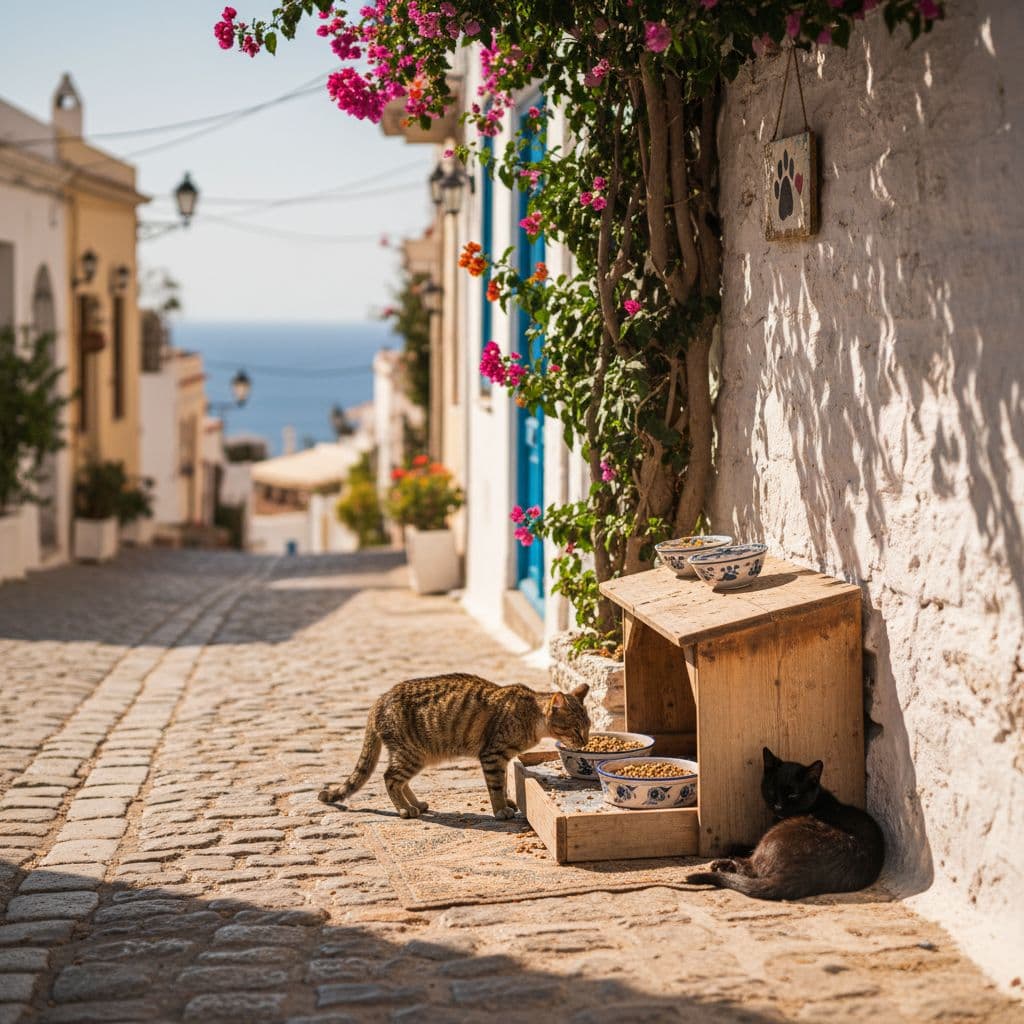
Travellers notice when a destination makes room for both people and animals. If you see water bowls set out neatly, feeding spots kept tidy, and local groups looking after street animals, the whole area feels more settled. That kind of care sends a clear message, this place pays attention.
It also makes travel feel more human. A destination does not need to be perfect to be memorable, but it does need to feel respectful. Compassion gives you that feeling, and it often turns an ordinary stop into a place you want to return to.
The simple habits that help cities and wildlife at once
Small actions add up when they are done well. Responsible feeding, regular sterilisation, and vaccination help control stray populations without cruelty, while also reducing rubbish, mess, and conflict around public spaces.
That kind of care supports more than animal welfare. It helps protect local ecosystems, because cleaner streets and better waste habits mean less pressure on wildlife and less strain on shared spaces. It also improves everyday life for residents, which is the heart of sustainable travel.
If you want to see why humane street-animal care matters for destinations, Humane World for Animals explains the tourism link well. For a wider view of why tourist reactions matter, CANDi's report on stray animals and tourism shows how visitor experience and destination reputation are closely tied.
In short, sustainable travel is strongest when it protects nature and supports local wellbeing at the same time. Compassion does both, and that is why it belongs at the centre of better tourism.
FAQ
You'll often have the same practical questions when you start travelling more mindfully around stray dogs and cats. The good news is that most of the answers are simple, as long as you keep safety, local advice, and animal welfare in mind. A calm approach helps you avoid harm and makes your support more useful.
 ### Should you feed stray animals while travelling?
Sometimes, but only with care. Unplanned feeding can cause fights, scavenging, and dependence, so it works best when local groups or residents already manage the animals.
If you do feed a stray, keep it simple and safe. Use clean water, give food in one place, and avoid leaving scraps behind. For a wider safety guide, FOUR PAWS explains how to stay safe around street dogs, and the advice is clear, calm behaviour matters more than impulse.
A better choice is to ask a local shelter, hotel, or rescue group first. That way, your help fits the system already in place.
What should you do if you see an injured stray?
You should not try to handle it yourself unless a trained local rescuer asks you to help. Injured animals can bite, scratch, or panic, even when they seem gentle.
Instead, take a clear photo from a safe distance, note the location, and contact a local rescue group, vet, or hotel staff member who knows the area. If you need help understanding the basics of safe behaviour around street animals abroad, this guide from the German Animal Welfare Federation gives useful, practical advice.
If an animal looks ill, scared, or aggressive, keep your distance. Safety matters for you and for the animal.
How do you support stray animals without causing harm?
The best support is local, consistent, and easy to maintain after you leave. That usually means giving money, food, or time to groups that already run sterilisation, vaccination, and feeding programmes.
You can also choose accommodation and tours that back community care. Ask whether they support animal welfare work, use responsible feeding spots, or work with rescue partners. In places where these systems exist, stray care often improves the look and feel of the whole area, which matters to eco-conscious travellers.
If you want to help in a way that lasts, support the people already doing the work. That is where your effort has the most value.
Why does this matter for eco-tourism?
Because eco-tourism is about more than scenery. It also depends on how a destination treats the animals and people who live there.
When stray animals are cared for through sterilisation, vaccination, and responsible feeding, streets feel calmer and cleaner. Visitors notice that. So do local communities. In that sense, kindness becomes part of the destination's environmental image, and it often makes the place more appealing to travellers who want low-impact, ethical holidays.
If you want your trip to reflect your values, start with one simple question before you go, who is already caring for the animals here, and how can you support them well?
Conclusion
You can see now that stray animals are part of the places you visit, not separate from them. When they are cared for through sterilisation, vaccination, responsible feeding, and community support, they help create streets that feel safer, cleaner, and more welcoming.
That is why compassion belongs at the heart of eco-tourism. It protects animals, supports local people, and improves the way a destination feels to you as a traveller.
What do you think, should compassion toward stray animals become a global standard in eco-friendly tourism? Share your thoughts in the comments. Your voice can inspire real change.