
Group Travel for First-Time Travellers: Hidden Eco Benefits
First-time travellers often worry about the same few things: cost, safety, planning, and that awkward feeling of being out of place in unfamiliar surroundings. Group travel takes pressure off those early trips, because the hard parts are shared and the whole experience feels far less daunting.
That support matters, but the benefits go further. A shared vehicle, one guide, and group meals usually mean less waste, lower emissions per person, and more money reaching local people and businesses. For anyone who cares about nature and conservation, group travel can be a smarter way to see more while leaving a lighter footprint.
This introduction sets up the hidden benefits first-time travellers often miss, from better value to a calmer pace and a stronger sense of support. It also shows why travelling together can create a bigger positive impact for the places visited.
How group travel lowers the stress of a first trip
For someone planning a first trip, the hardest part is often not the journey itself, but the pile of decisions before it. Group travel trims that pile down fast. It turns a maze of choices into a clear plan, which gives nervous travellers more room to relax and enjoy the experience.
Planning becomes easier when the hard work is shared
A group trip usually comes with one booking, one route, and one timetable. That removes the need to compare dozens of hotels, transfer options, and activity slots on their own. A tour leader or travel company handles the moving parts, so the traveller can focus on the trip rather than the admin.
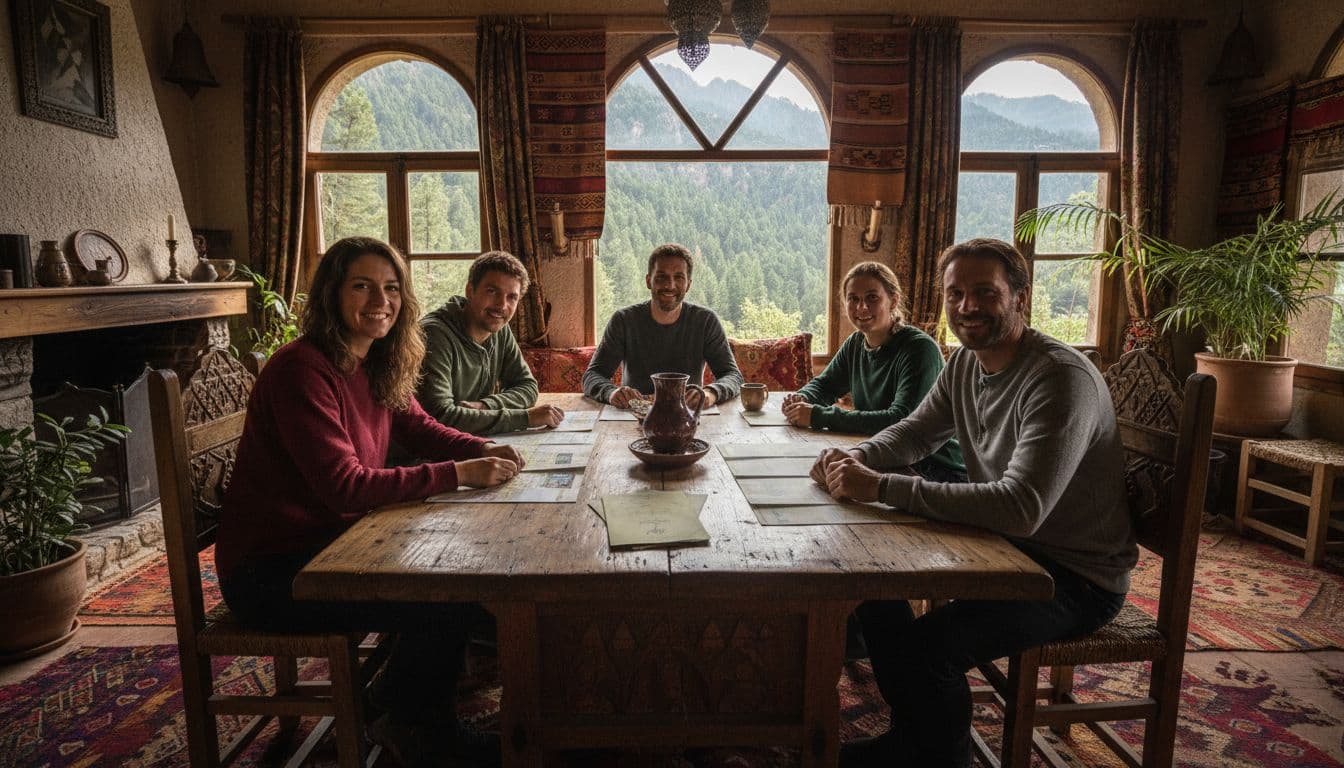
That kind of structure matters. Check-ins, transport links, meal times, and day-trip timings all sit inside a single plan, which cuts the risk of mixed-up reservations or missed connections. As one guide to first-time group travel puts it in practical terms, the biggest win is less uncertainty and more confidence.
For first-timers, fewer choices often means less stress.
The same logic helps at the destination too. Instead of trying to piece together each day alone, the traveller follows a set rhythm and still has time to enjoy the place properly.
Confidence grows when someone else knows the route
New travellers often feel tense in unfamiliar airports, busy stations, or remote natural areas. A group changes that feeling because there is always a point of contact nearby. If something goes wrong, someone else already knows the route, the meeting point, or the next step.
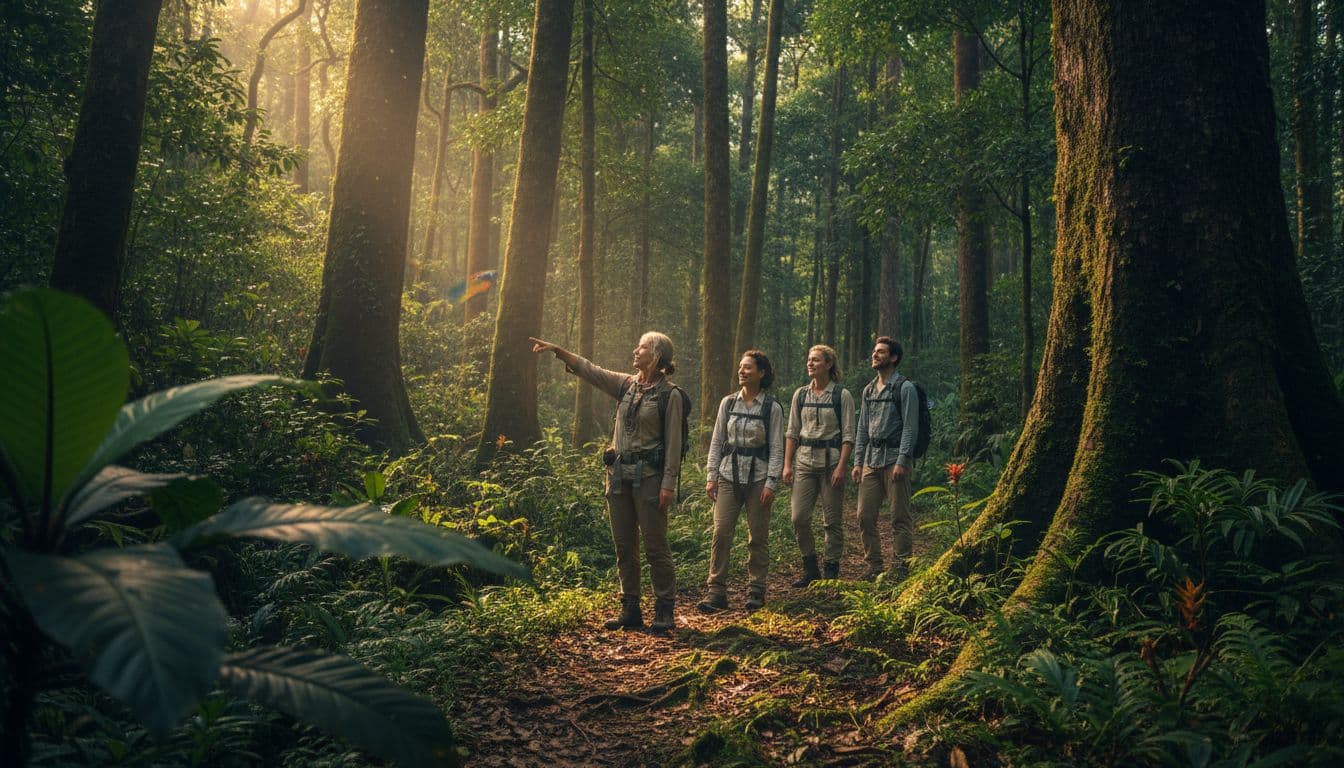
That support can calm the nerves that build before a first trip. Lost luggage, a delayed transfer, or a wrong turn feels less frightening when a guide or organiser is there to sort it out. In a group, the traveller is rarely left to solve everything alone.
This is especially useful in places that feel far from home. A guided route through a city, a station change with tight timing, or a walk into a more remote nature reserve all feel easier when the path is already mapped out. In that setting, confidence grows one stop at a time.
Shared decisions stop small worries from taking over
First-time travellers can waste a lot of energy on tiny choices. Where should they eat? When should they leave? Which activity should come first? Group routines remove that constant back-and-forth, because many of those decisions are already settled.
A simple plan also helps keep the mood steady. People can eat together, leave together, and move through the day at the same pace. That shared rhythm reduces decision fatigue, which is often what makes a first trip feel bigger than it really is.
Group travel also brings a practical kind of reassurance. There is less fear of making an expensive mistake, missing a connection, or arriving in the wrong place at the wrong time. As travelling together can reduce the load, the journey feels more manageable when the group carries the routine together.
For a nervous traveller, that structure is often the difference between feeling overwhelmed and feeling ready.
Why group trips can save money without feeling cheap
The hidden strength of a group trip is simple, the cost gets spread out without the experience getting watered down. First-time travellers often find that shared transport, planned activities, and booked-ahead support create better value than stitching a trip together alone.
The best value often comes from shared costs, not stripped-back experiences.
That matters even more for an eco-conscious first trip. A well-run group itinerary can keep spending predictable, reduce wasteful extras, and make the whole holiday feel more polished. For routes with strong rail and coach links, such as eco-conscious French destinations for groups, the savings can be felt almost straight away.
Shared costs can unlock better value
Group rates often bring down the price of guided tours, local transport, and entry fees. A minibus split between several travellers is cheaper per person than separate taxis, while a shared guide can cost less than booking private help in pieces.
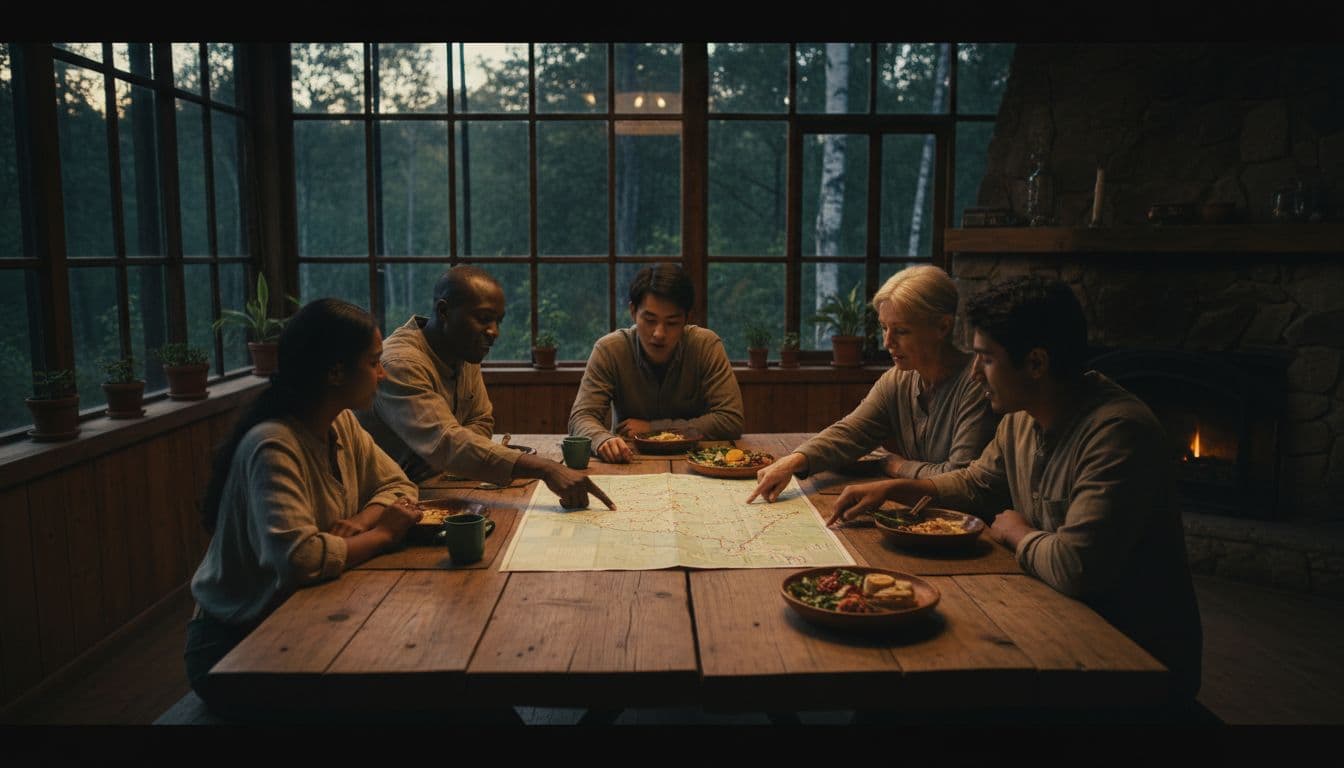
That kind of structure is especially useful for first-timers testing the waters. It keeps the budget under control while still leaving room for better food, a good guide, or a more comfortable stay. As one guide to group travel costs explains, shared spending often buys more trip for the same money.
A guided trip can help avoid expensive mistakes
New travellers often overspend in the wrong season, on awkward routes, or on places that sit far from the real activity. Hidden transfers, poor connections, and unsuitable accommodation can all push a budget higher than planned.
A group itinerary helps reduce those missteps because it is usually shaped by experience. The route, timings, and stay choices have already been tested, so the traveller is less likely to pay for mistakes that could have been avoided.
Eco-friendly travel often becomes more affordable in a group
Sustainable travel can look expensive at first glance, yet group travel often changes the maths. Shared vehicles cut per-person transport costs, and smaller planning waste means fewer last-minute bookings at inflated prices.
In practice, that can make low-impact choices easier to justify. A group can afford a locally run activity, a community guide, or a slower transfer because the bill is divided fairly.
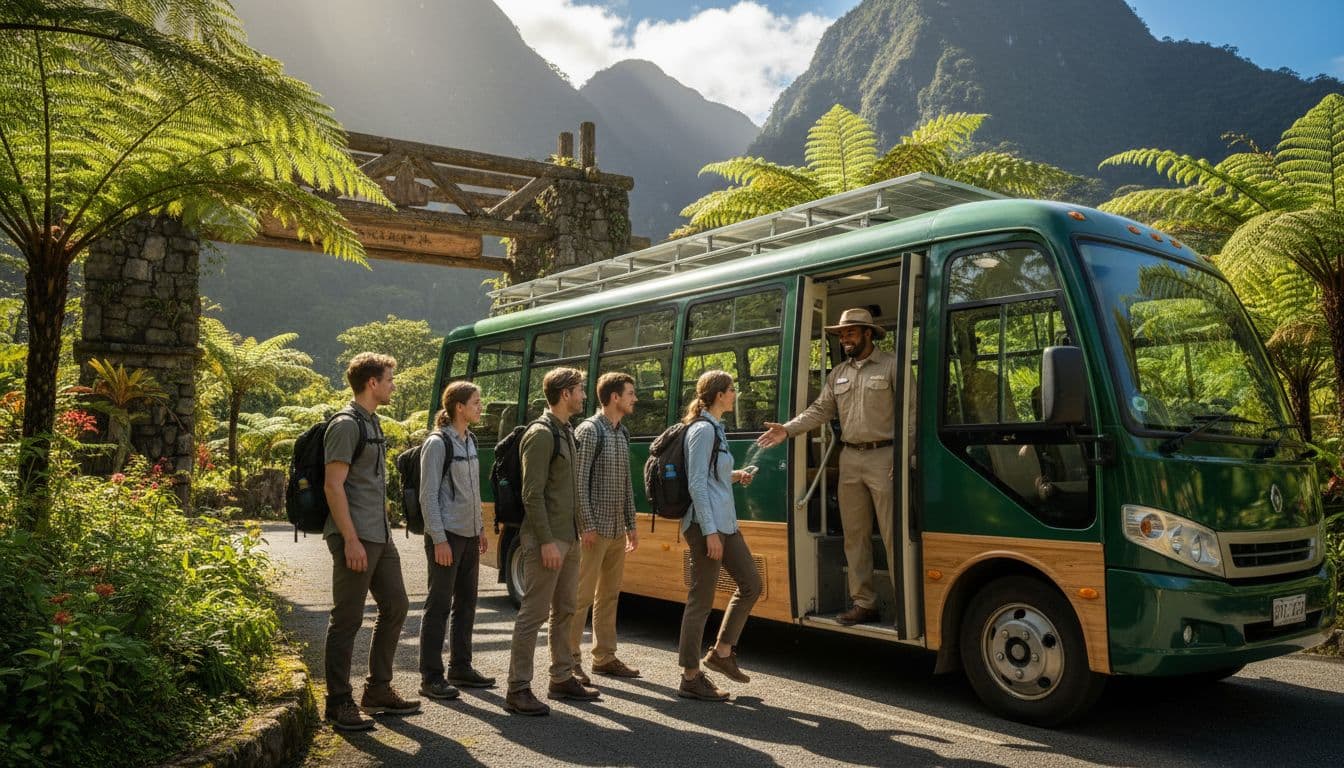
The real benefit is not just a lower price. It is the added support, smoother planning, and better quality that first-time travellers get for the money they spend.
The social side of travelling together can change the whole experience
For a first-time traveller, the people around them often shape the trip as much as the route. Shared meals, coach chats, and trail-side pauses turn a holiday into something warmer and less self-conscious. A group gives the journey a steady rhythm, and that rhythm helps strangers start talking without forcing it.
New friendships often begin on the coach, trail, or dinner table
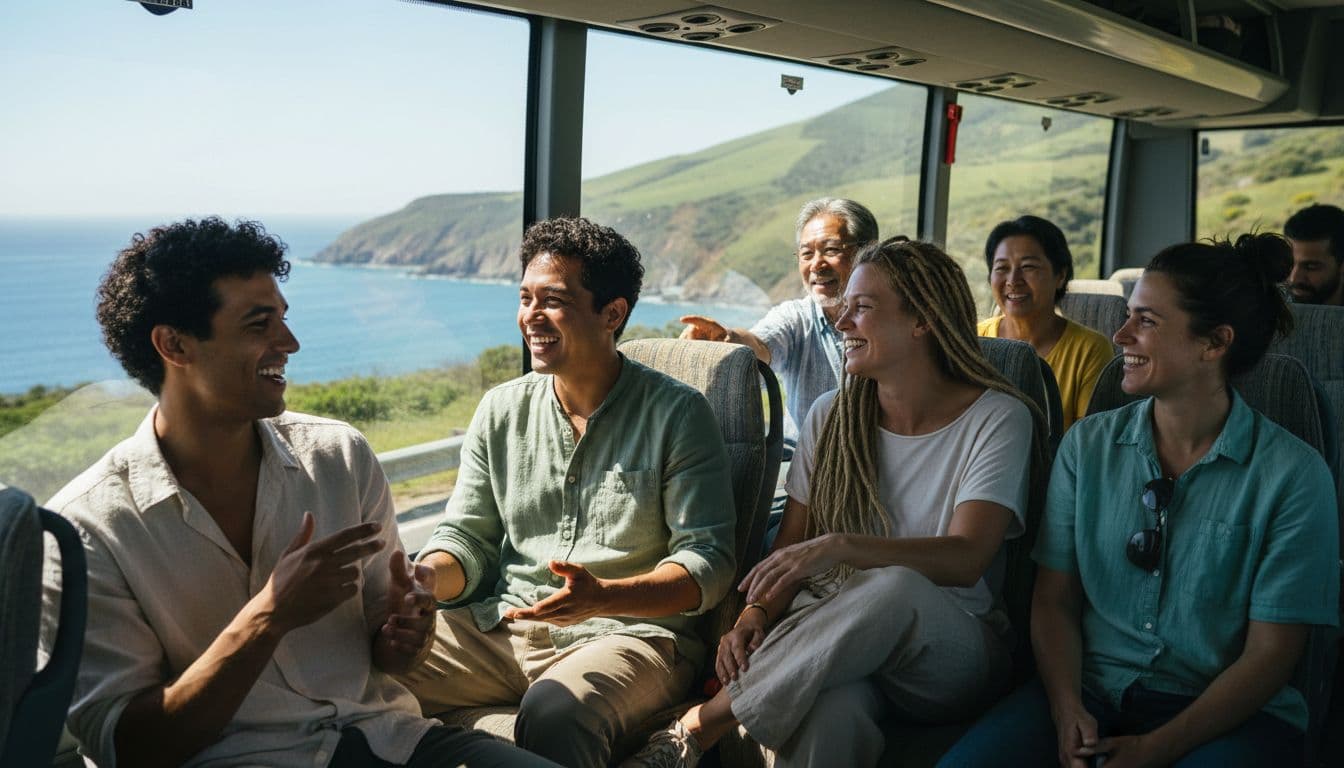
The first proper conversation often starts in the easiest places. Someone asks about a camera, another person shares snack duty, and suddenly the silence has gone. For people travelling alone for the first time, that kind of easy contact can feel like a relief.
Small-group travel also makes it easier to settle in quickly. There is less pressure to perform, and more room to be ordinary. As small group adventures for solo travellers shows, a modest-sized group gives people enough space to relax, but enough company to feel included.
That matters on eco trips, where the setting itself invites slower conversation. A walk through a forest, a shared coach ride through the hills, or a long dinner with local food gives people time to talk properly. The trip begins to feel less like a booking and more like a shared story.
Shared experiences make the memories stronger
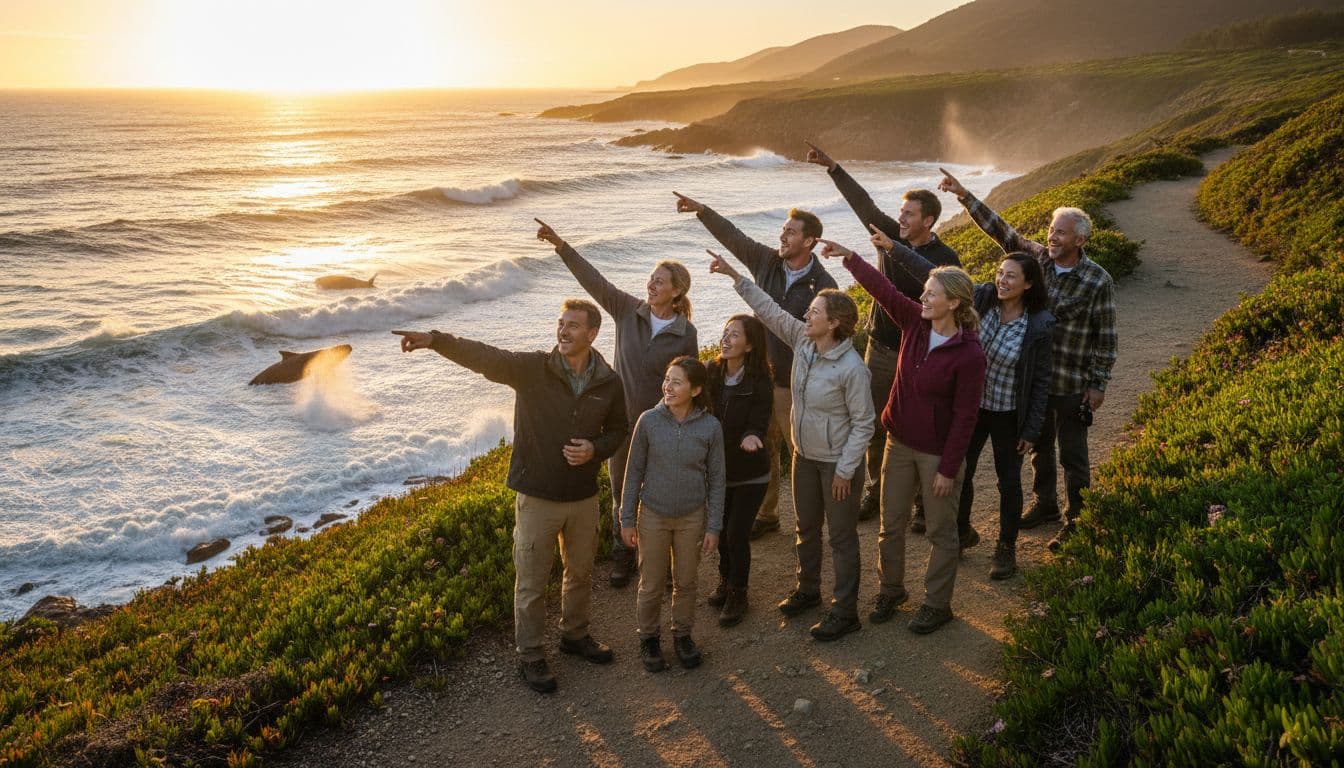
Wildlife sightings, coastal paths, and community visits often feel sharper when they are witnessed together. A whale breach, a bird call, or a village welcome lands harder when several people react at once. The moment gets bigger because it is shared.
First-time travellers often remember the faces beside the view just as clearly as the place itself. One person laughs at the wrong moment, another spots something on the horizon, and the memory gains texture. That shared response gives the holiday a kind of lift that solo reflection sometimes misses.
It also helps when the group is doing something meaningful, such as visiting a local project or supporting conservation work. In those moments, the trip becomes more than sightseeing. It becomes a set of stories people carry home together.
The places matter, but the shared reactions often stay longest.
A group can make solo travellers feel safer and less lonely
For many first-timers, the emotional comfort is just as important as the practical support. Familiar faces at breakfast, on transfers, and at evening meals make the day feel easier to manage. There is always someone to sit with, compare notes with, or ask about the next stop.
That sense of belonging can help shy or anxious travellers settle much faster. It reduces the lonely gap that sometimes appears between activities, when a person is left wondering what to do next. In a group, those empty moments usually fill themselves with conversation.
It also gives travellers a social anchor in unfamiliar places. A first-time traveller does not need to be outgoing to feel part of the trip. The group does some of that work naturally, which leaves more energy for the journey itself and less for worrying about being on their own.
Group travel is often a greener way to start exploring
For first-time travellers, the greenest choice is often also the simplest one. When people travel together, they share transport, make fewer separate bookings, and put less strain on the places they visit. That matters for ecotourism readers, because a good first trip should teach care as well as confidence.
Group travel also sets the tone early. It shows how to move with purpose, spend more wisely, and treat nature as something to respect rather than rush through. For anyone starting out, that lesson can shape better habits long after the holiday ends.
Fewer vehicles and smarter logistics can mean lower impact
Shared transport cuts duplication straight away. One minibus, coach, or train journey usually replaces several cars, so fuel use falls and so does the mess of staggered arrivals, missed turns, and extra detours. According to recent travel carbon data, moving together by bus or train can slash per-person emissions far below solo driving or short flights, which makes the case for group itineraries even stronger, especially on longer sightseeing days. See recent travel carbon comparisons.
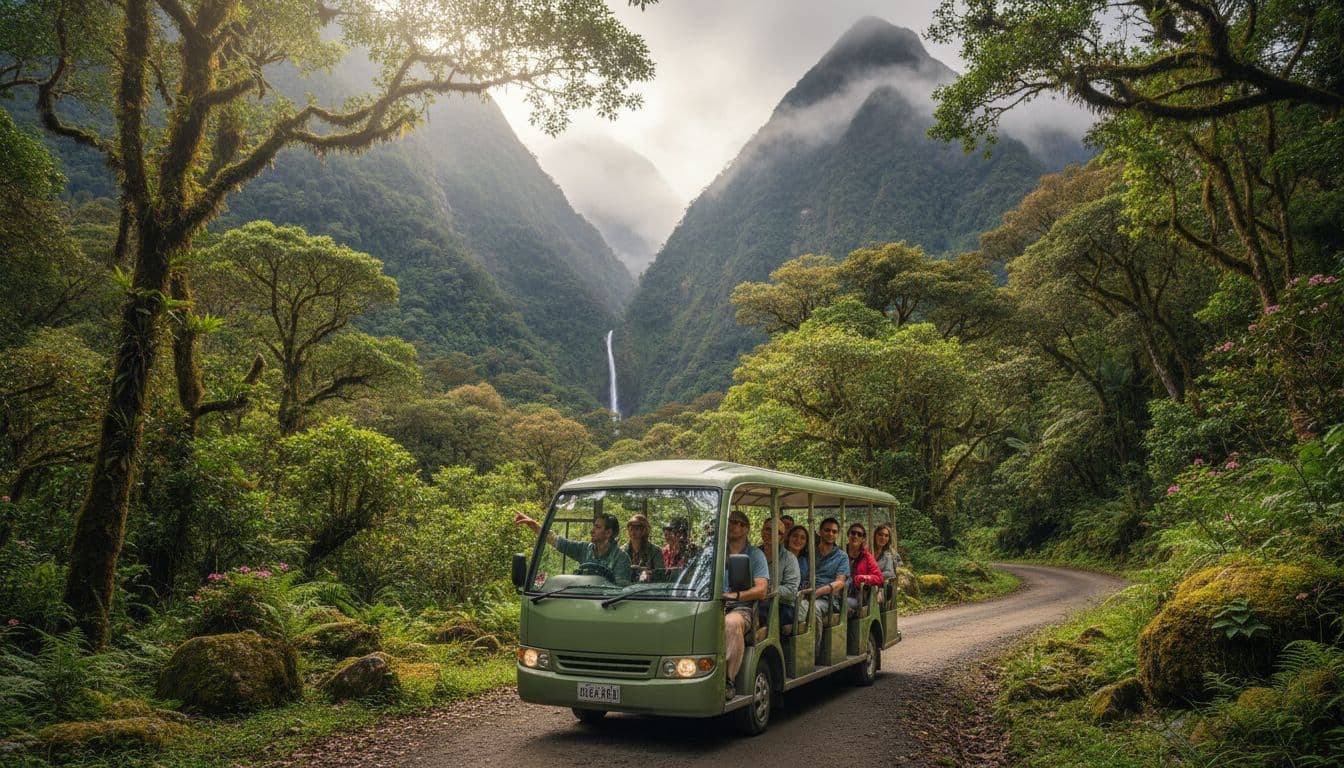
Planning also gets cleaner. When routes are mapped in advance, the group avoids repeated backtracking, idle engines, and last-minute changes that waste time and petrol. In practice, that means a calmer trip with a lighter footprint.
Small groups can protect fragile places
Nature areas, heritage sites, and protected landscapes often cope better with a small, organised flow of visitors than with scattered traffic. A group staying on one path, one timetable, and one guide causes less confusion and less wear on the site itself. That is why small-group travel fits ecotourism so well, it keeps people moving in a way that is easier to manage.
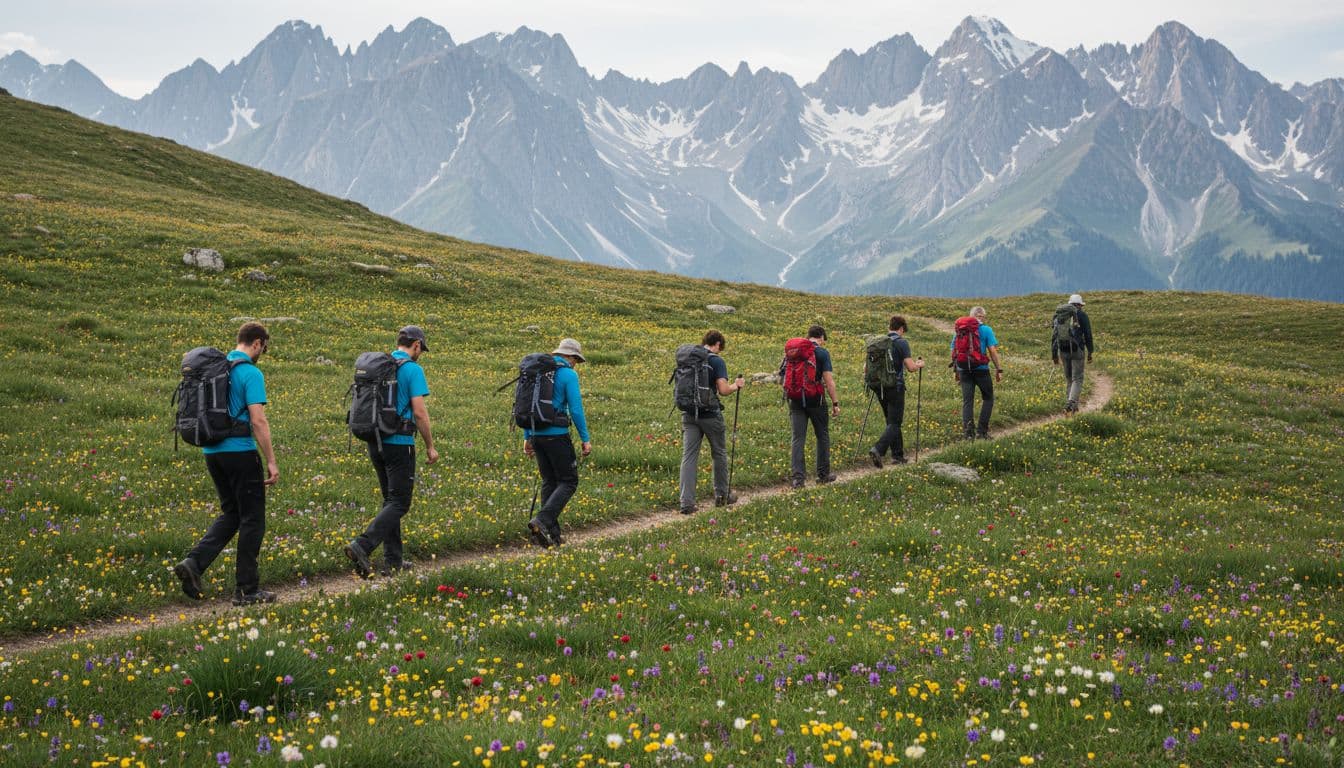
A well-run group also makes it easier to follow rules near wildlife, wetlands, and fragile trails. Instead of many independent visitors wandering in different directions, one guided group can stick to the right access points and reduce pressure on the ground, plants, and animals.
Good operators help money stay in local communities
Responsible group travel does more than lower emissions. It also keeps more spending in the places that host the trip. Local guides, family-run lodges, community meals, and neighbourhood transport all help direct money where it can do real good. In ecotourism, that balance matters as much as low impact.
When a trip uses local food and local knowledge, the experience feels richer too. The group gets better stories, fresher meals, and more direct contact with the place itself. That is also how sustainable group travel choices support both communities and conservation at the same time.
For a first-time traveller, that is a useful lesson. Travel can be enjoyable, but it can also be careful, and group trips are often the easiest place to learn both.
What first-timers should look for in a good group travel company
First-time travellers need more than a polished brochure. A good group travel company makes the trip easy to follow, fair to compare, and honest about what the traveller is paying for. That kind of clarity reduces stress and helps avoid awkward surprises later.
A strong shortlist usually includes companies that publish full itineraries, keep group sizes sensible, and explain how they support local people. For eco-minded travellers, sustainability claims matter too, but only when they are backed by action, not slogans.
Look for clear itineraries and honest support
A first-timer should be able to see exactly what is included before booking. That means transport, meals, entry fees, accommodation, and any extras should be written out plainly. It also helps when the company explains how each day is structured, so the traveller knows whether the pace is relaxed or packed.
Support matters just as much. If plans change, the traveller should know who to contact and how quickly help arrives. Clear contact details, named trip leaders, and simple refund or change policies are signs of a company that treats travellers properly. Intrepid Travel's advice on responsible operators gives a useful benchmark for this kind of transparency.
Check for small group sizes and responsible travel promises
Smaller groups usually mean less noise, less crowding, and a calmer experience for everyone. They also make it easier for the guide to keep an eye on the group, answer questions, and protect sensitive places. Many eco-focused operators cap groups at a modest size, which suits first-timers who want support without a crowded feel.
Responsible travel promises should go beyond nice wording. Good companies hire locally where they can, cut waste, and show respect for wildlife, villages, and cultural sites. They also say how they work with local partners, rather than hiding those details behind vague language. If the company only talks about being "green" without examples, the claim is weak.
Read reviews with a careful eye
Star ratings give a quick snapshot, but they rarely tell the full story. The useful details sit in the comments, where past travellers talk about organisation, communication, guide quality, and how problems were handled. Repeated praise for clear updates and calm problem-solving is a strong sign.
It also helps to look for reviews that mention the same strengths more than once. If several travellers praise the local guide, the schedule, or the company's handling of changes, that pattern matters. If complaints keep appearing about rushed days, vague pricing, or poor wildlife practice, the traveller should treat that as a warning. For a wider checklist on this point, these tips for choosing green tour operators are a solid reference.
A good company leaves little to guesswork, and that is exactly what first-timers need.
Reputable group travel companies worth shortlisting in 2026
A good shortlist starts with companies that handle the logistics well and take sustainability seriously. For first-time travellers, that usually means small groups, clear itineraries, local guiding, and a real record of supporting the places they visit.
The names below are strong examples to compare across different markets. They are not the only options, but they are a solid starting point for anyone who wants trusted operators rather than glossy promises.
United States
The US market has several well-known operators that suit nature-led and low-stress first trips. The strongest picks tend to balance accessibility with a clear conservation angle.
- G Adventures is a reliable first choice for travellers who want community-based travel with a wide range of prices. It is well known for small-group trips, local leaders, and community support through the G Adventures community tourism model, which makes it a practical option for wildlife, cultural, and adventure tours.
- Natural Habitat Adventures is a strong match for travellers who care most about nature and conservation. Its partnership with WWF and its conservation-first approach make it especially suitable for wildlife viewing, national parks, and ecosystem-focused journeys, where the trip feels tied to the land itself.
- Intrepid Travel brings broad choice and a strong sustainability record, backed by its Certified B Corporation status. It suits first-timers who want cultural tours, active holidays, or wellness experiences, with enough variety to keep the itinerary engaging without losing the small-group feel.
United Kingdom
In the UK, the best shortlists often combine responsible planning with strong trip design. That matters for first-time travellers, because clear structure and low-impact choices make the whole holiday feel calmer.
- Joro is a London-based sustainable travel specialist with a strong eco-score. It is a smart pick for custom group itineraries, carbon tracking, and low-impact planning, especially for travellers who want wildlife, cultural, or multi-country trips without a heavy footprint.
- Exodus Adventure Travels has long been a favourite for active holidays and responsible travel. Its sustainable travel approach and conservation support make it a strong shortlist option for hiking, cycling, wildlife trips, and other outdoor-led itineraries.
- Audley Travel is better known for tailor-made trips, but it still earns a place here because of its local partnerships and high service standards. It suits travellers who want small-group cultural, nature, or luxury-leaning experiences with careful planning and a more polished finish.
France
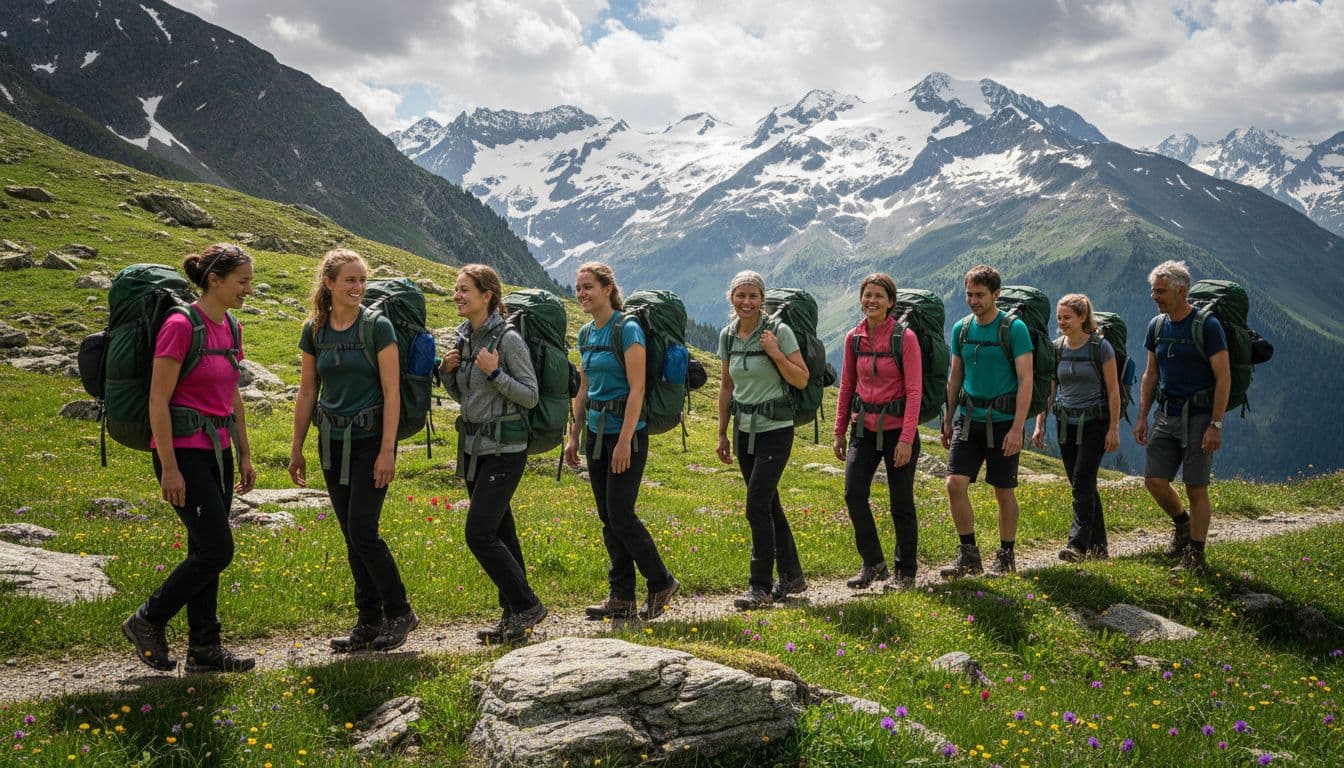
France has good options for travellers who want a lighter touch and a strong sense of place. The best companies here often lean into walking, regional food, and slower-paced travel.
- Intrepid Travel is widely used by travellers in France for small-group cultural and walking trips. Its local guiding and responsible travel principles make it a sensible fit for city breaks, mountain walks, and regional tours that favour steady pace over packed schedules.
- Exodus Adventure Travels is a strong option for active and eco-conscious French itineraries. It works well for hiking, multi-day trekking, and nature trips, especially when the traveller wants a trip that feels organised but still close to the landscape.
- Ophorus is a French family-run operator with a solid reputation for local knowledge. Its walking, cycling, wine route, and day-trip options feel naturally suited to low-impact travel, and that makes it appealing for first-time visitors who want authenticity without confusion.
Germany
Germany's group travel market is strong on organisation and dependable guiding. That suits first-timers well, because a clear plan and a good leader can remove a lot of early-trip nerves.
- Studiosus is one of Germany's best-known cultural tour companies. It is a dependable shortlist choice for travellers who want knowledgeable tour leaders, well-organised cultural tours, and educational city breaks that still leave space for the trip to breathe.
- Gebeco offers a broad mix of guided journeys and has a solid reputation for service. It is a practical option for cultural, active, and longer-distance tours, especially for travellers who want variety without sacrificing structure.
- Wikinger Reisen is well known for walking and activity-based holidays. It suits travellers who want hiking, cycling, nature trips, and active adventures with a smaller-group feel, which can be very reassuring on a first organised holiday.
For a first trip, the best company is the one that matches pace, group size, and purpose. A traveller who wants conservation, comfort, and a lighter footprint will usually find the right fit by comparing those three things first.
How to choose the right trip for a first journey
The best first trip feels exciting without turning into a test. For a new traveller, the right choice often comes down to three things, how far it is, how demanding it feels, and whether the style of travel suits their comfort level.
A good match gives enough novelty to feel memorable, but not so much that every day feels like hard work. That balance matters more than chasing the most dramatic destination on the list.
Start with a route that feels manageable
A shorter trip is often the smartest place to begin. A familiar time zone, strong transport links, and good accommodation options all make the journey easier to handle, especially if nerves are already high.
For example, a first-timer who feels unsure may do better with a compact route than a wide loop with constant transfers. Cities with reliable public transport, or nature trips based in one lodge, often feel far less intimidating than destinations that involve long coach days and repeated packing.
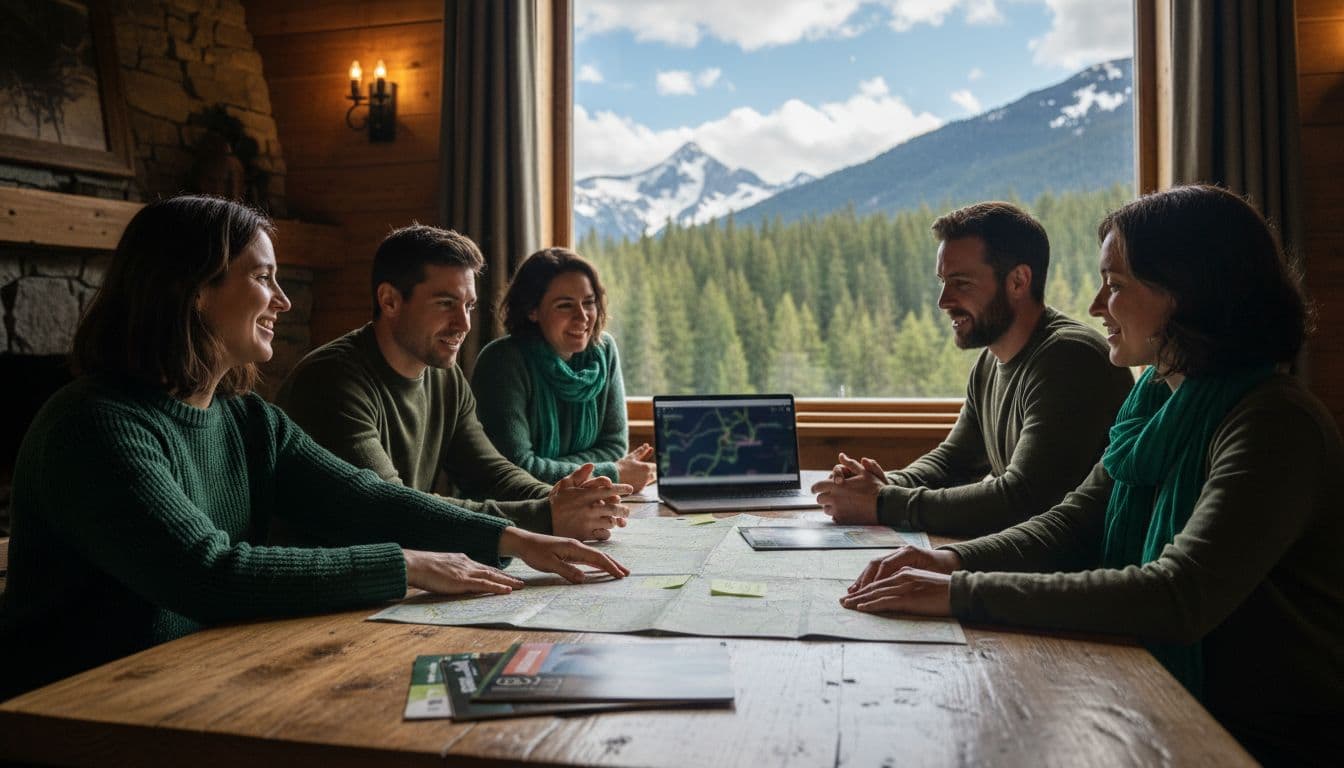
Match the pace to the traveller, not the brochure
Brochures often make everything sound effortless, yet first-timers usually need more breathing room. A trip works better when it leaves space for rest, meals, and slow wandering, rather than packing each hour with activity.
The right pace depends on fitness, age mix, and personality. Some people want steady movement and early starts, while others need quieter days with one main activity and time to recover.
A trip should feel full, not frantic.
A careful traveller should also look at how much time is spent on the road. If the schedule is crowded, the holiday can start to feel like a race.
Choose an experience that fits their values
The strongest first trips reflect what the traveller actually cares about. Someone drawn to culture may want local food, crafts, and community visits. Someone else may prefer wildlife, and should look for tours that keep a safe distance and respect habitats. Adventure seekers may want hikes or kayaking, but with sensible safety support.
Budget matters too. A lower-cost trip is only good value if it still feels well run and respectful. A well-chosen group tour often combines local ownership, low-waste habits, and honest wildlife practice, which gives the journey more substance.
For those comparing operators, responsible tour operator guidance offers a useful benchmark. The right first journey should fit the traveller's energy, budget, and curiosity, so it feels like a welcome first step rather than a leap too far.
FAQ
First-time travellers often have the same worries before they book, will the trip feel safe, will it save money, and will it still feel like a real adventure? Group travel answers a lot of those concerns at once. It gives structure, reduces waste, and makes it easier to travel in a way that supports people and places.
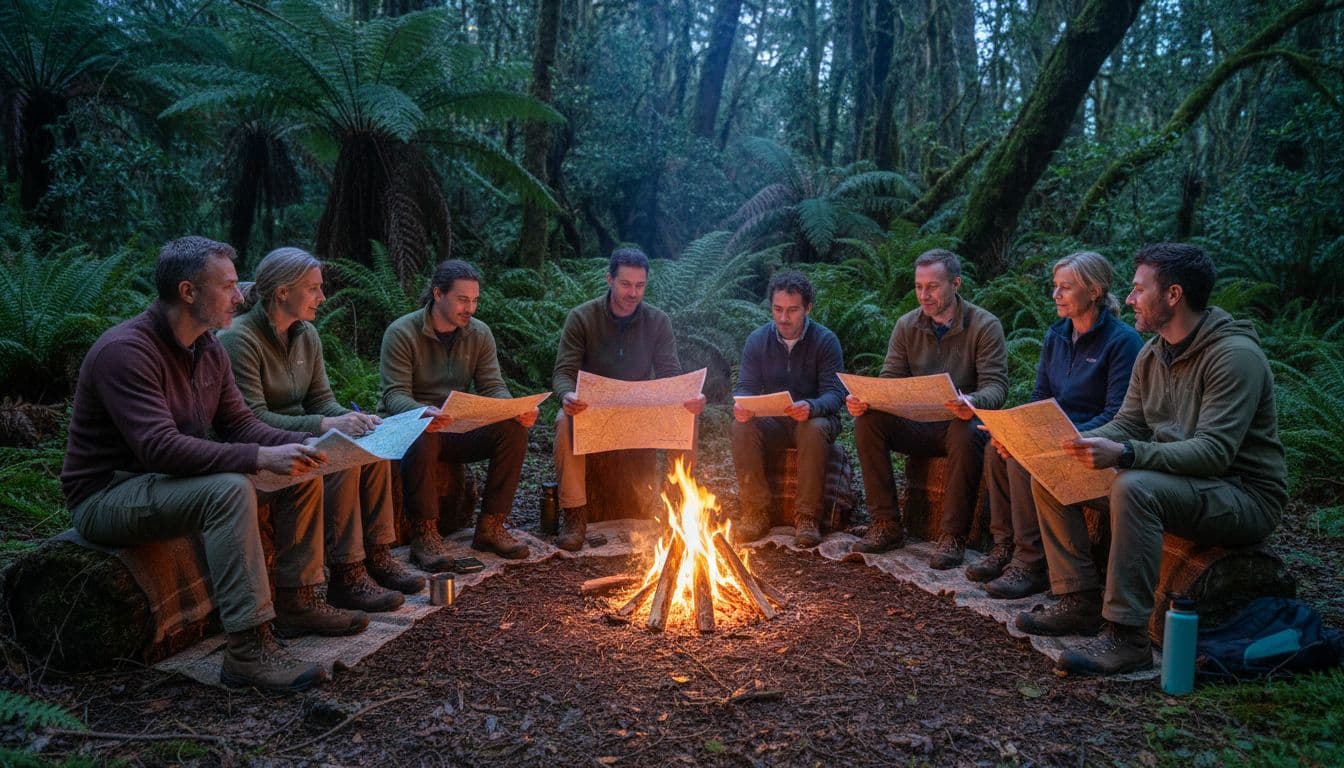
Small groups often work best for first-timers, because they keep the trip simple without stripping out the experience.
Is group travel a good choice for a first trip?
Yes. A first trip usually feels easier when someone else handles the route, timings, and day-to-day planning. That support lowers stress, especially in airports, stations, and unfamiliar towns.
Group travel also gives a new traveller a built-in safety net. If plans change or a problem appears, there is usually a guide, leader, or organiser ready to deal with it. For a useful preparation list, what to expect on your first group tour explains the basics clearly.
Why does group travel have hidden eco benefits?
The green gains are often plain once the trip starts. One shared vehicle, one planned route, and one set of bookings usually mean less fuel use and less waste than several separate journeys. Recent travel trends also point towards small groups of around 10 to 20 people, because they are easier to manage and lighter on fragile places.
It also helps local economies in a cleaner way. Well-run group trips often use local guides, local meals, and smaller stays, which keeps money in the area instead of sending it straight to large chains. For a closer look at that side of the picture, why group tours are a greener travel choice explains the shared-resource benefit well.
What should a first-time traveller look for in an eco-friendly group trip?
A good trip should feel clear, not vague. The itinerary should say what is included, who leads the trip, and how the operator supports the places it visits. Sustainable travel works best when it is specific, because broad claims mean very little on their own.
A first-time traveller should look for:
- A small group size, because that usually means less crowding and more personal help.
- A clear itinerary, so there are no hidden surprises or rushed transfers.
- Local guiding and local spending, which keeps the trip rooted in the destination.
- Low-waste habits, such as fewer disposable items and better transport planning.
- Honest sustainability details, not just green language on a sales page.
That kind of shortlist helps travellers choose a trip that feels calm, responsible, and well run. It also matches the wider purpose of ecotourism, which is to protect nature while supporting local communities.
Can group travel still feel personal and authentic?
Yes, if the operator gets the pacing right. A good group trip leaves room for slow meals, proper conversations, and time on the ground, rather than rushing from sight to sight. That is often where the best memories grow.
Authenticity usually comes through local food, community visits, and guides who know the place well. When a trip stays close to the area's people and habits, it feels less like a package and more like a shared experience with real texture. In that setting, first-time travellers often feel more present, because they are not busy solving every small problem alone.
Does group travel suit nervous or shy travellers?
It often does. A quiet traveller does not need to be outgoing to benefit from a group. The shared routine, regular meal times, and familiar faces can make the day feel easier to handle.
There is also less pressure to perform socially. Conversation starts naturally, on the coach, at breakfast, or during a walk, and that low-pressure setting helps people settle in at their own pace. For many first-timers, that is the moment the trip begins to feel enjoyable rather than intimidating.
A strong first group trip should do two things at once, support the traveller and protect the place being visited. When it does both, the journey feels better from the first day to the last.
Conclusion
For first-time travellers, group travel takes the sharp edges off a new journey. It lowers the stress of planning, keeps costs more predictable, and adds the easy company that turns awkward moments into shared memories.
It also fits the wider purpose of sustainable tourism. Shared transport, local guides, and smaller, well-run itineraries can cut waste and keep more value in the place being visited. For eco-minded travellers, that makes the first trip feel kinder, calmer, and more grounded.
The strongest lesson is simple. A first holiday does not need to begin with a big leap into the unknown. With the right group, much of the weight is carried already, leaving room for curiosity, confidence, and a better way to travel.