
Travelling Less for a Bigger Positive Impact on Nature
Traveling less can create a bigger positive impact than squeezing in more trips. When you choose fewer, slower journeys, you cut emissions, ease pressure on fragile places, and give nature a chance to recover.
It also helps local communities. Longer stays, closer holidays, and fewer rushed flights can keep more money in local cafés, guesthouses, and markets, while reducing crowding, noise, and waste in popular spots. That fits the heart of ecotourism, because it's not only about where you go, it's about how often you go and how thoughtfully you travel.
There's a personal gain too, because slower travel often feels calmer, kinder, and more memorable. In the next section, you'll see how travelling less can support wildlife, communities, and your own wellbeing at the same time.
What happens when you travel less
Travelling less changes more than your diary. It lowers the pressure your trips place on the climate, reduces strain on popular places, and gives you time to choose better journeys when you do go.
That matters because travel emissions do not spread evenly across every trip. A single flight can carry a heavy carbon cost, and repeated flights each year build up fast. If you trim even one return flight, you create space for a much smaller footprint over time, especially when you repeat that choice year after year.

Why fewer flights matter more than you think
Flying is one of the most carbon-heavy ways to travel. Even a short return flight can add hundreds of kilograms of CO2, while longer routes can push that much higher. The US Environmental Protection Agency's rail and air comparison shows that rail usually produces lower emissions than air travel, which is why swapping one flight for a train journey can make a real difference.
The impact grows when you keep the habit going. One less flight this year may feel small, but over five or ten years it adds up to a meaningful cut in your travel emissions. That is the kind of change that counts, because it works like compound interest in reverse, steadily shrinking your climate impact instead of adding to it.
You also do not need to change everything at once. Cutting just a few flights often has more effect than tiny tweaks on every trip, such as a slightly lighter bag or a shorter shower in a hotel. Those actions still help, but flight choices usually move the needle far more.
How cutting back on road miles also helps
Long drives can carry their own hidden cost, especially when they become part of your routine. Weekend breaks, school runs, last-minute detours, and back-to-back errands all burn fuel and add traffic to already busy roads. If you reduce those miles, you cut emissions and ease congestion at the same time.
A few simple shifts make a clear difference:
- Choose destinations closer to home, so you can travel by train, coach, or even bike where practical.
- Group errands into one trip instead of driving out several times.
- Pick rail over the car when the route is direct and affordable.
- Turn one short break into a longer stay, so you travel less often overall.
There is also a wider benefit. Fewer cars on the road mean less noise, less stress, and less pressure on local air quality. If you want inspiration for nearer, lower-impact breaks, the eco-friendly destinations in France piece is a useful place to start looking at slower holiday ideas that fit a lighter travel style.
The point is simple. When you travel less, every trip starts to matter more. You choose with more care, move with less waste, and give nature a little more breathing room.
Why slower, closer trips often feel richer
When you travel less, you often feel more, and that is where the real reward sits. A shorter journey can open up a wider sense of place, because you stop treating the trip like a checklist and start living inside it.
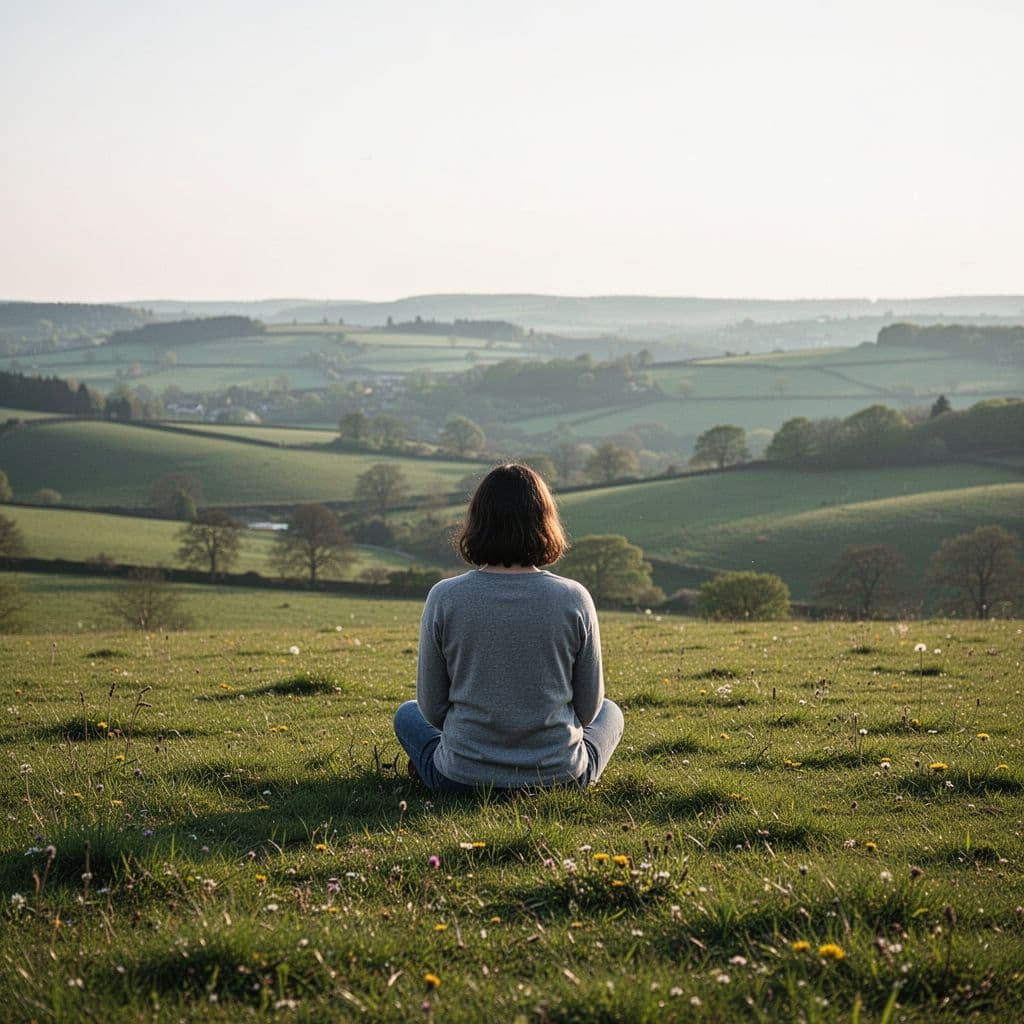
A better holiday is not always a longer flight away
You do not need a far-off flight to feel away from it all. A nearby national park can give you crisp air, shaded trails, birdsong, and that rare feeling of space. A coastal town can offer sea views, salty wind, and long walks that clear your head.
The same is true of countryside stays and local eco stays. A simple cabin, a farm lodge, or a small guesthouse near home can feel special because you notice more, hear more, and rush less. The experience grows richer when you spend time with the place rather than racing through it.
That is also where eco-friendly travel becomes more meaningful. Slow tourism gives you time to enjoy what already exists close to home, which can cut transport emissions and spread spending through smaller local places. The slow tourism approach shows how staying longer and choosing local experiences can support both people and place.
You may find that the best holiday moments are not the grand ones. They are the quiet ones, like a sunrise over a lake, a friendly chat at a village bakery, or a walk back to your room after dark with only the stars for company.
How slow travel helps you connect properly
When you move less, you settle in more. That gives you time to speak with the café owner, ask a shopkeeper about the best walking route, or hear a local story you would otherwise miss.
Slow travel also changes where your money goes. Instead of passing through quickly, you can support small businesses, independent food spots, family-run stays, and local guides. That spending stays closer to the community and often feels more personal for you too.
The details start to matter as well. You notice the texture of a stone street, the smell of pine after rain, the sound of a market opening in the morning. Those small things often stay with you longer than a packed itinerary ever will.
Slower trips often create stronger memories because you have time to notice them as they happen.
There is a social side to this too. When you stay longer in one area, people remember you, and you remember them. That sense of familiarity makes the holiday feel less like consumption and more like connection. It is one reason slower travel can feel more meaningful than a whirlwind break.
You can also think of it as a better use of your time. Fewer transfers, fewer queues, and fewer packed schedules leave more room for the parts of travel you actually enjoy. That is where the sense of richness comes from, not from distance, but from attention.
To build on that, choose trips where the journey itself is part of the pleasure. A train ride through the countryside, a walk between villages, or a weekend near a nature reserve can give you a calmer rhythm and a clearer memory of where you have been.
The local benefits of spending more time and less money on transport
When you trim transport costs, you free up more of your holiday budget for the people and places you actually came to see. That shift can change the feel of a trip, because your money stays closer to the ground, in guesthouses, cafés, markets, and guided experiences that depend on steady visitor support.
It also fits the spirit of ecotourism. Responsible travel is not only about lower emissions and lighter footprints, it is also about keeping benefits in the local area rather than losing them in a chain of transfers, fuel stops, and rushed movement between destinations.
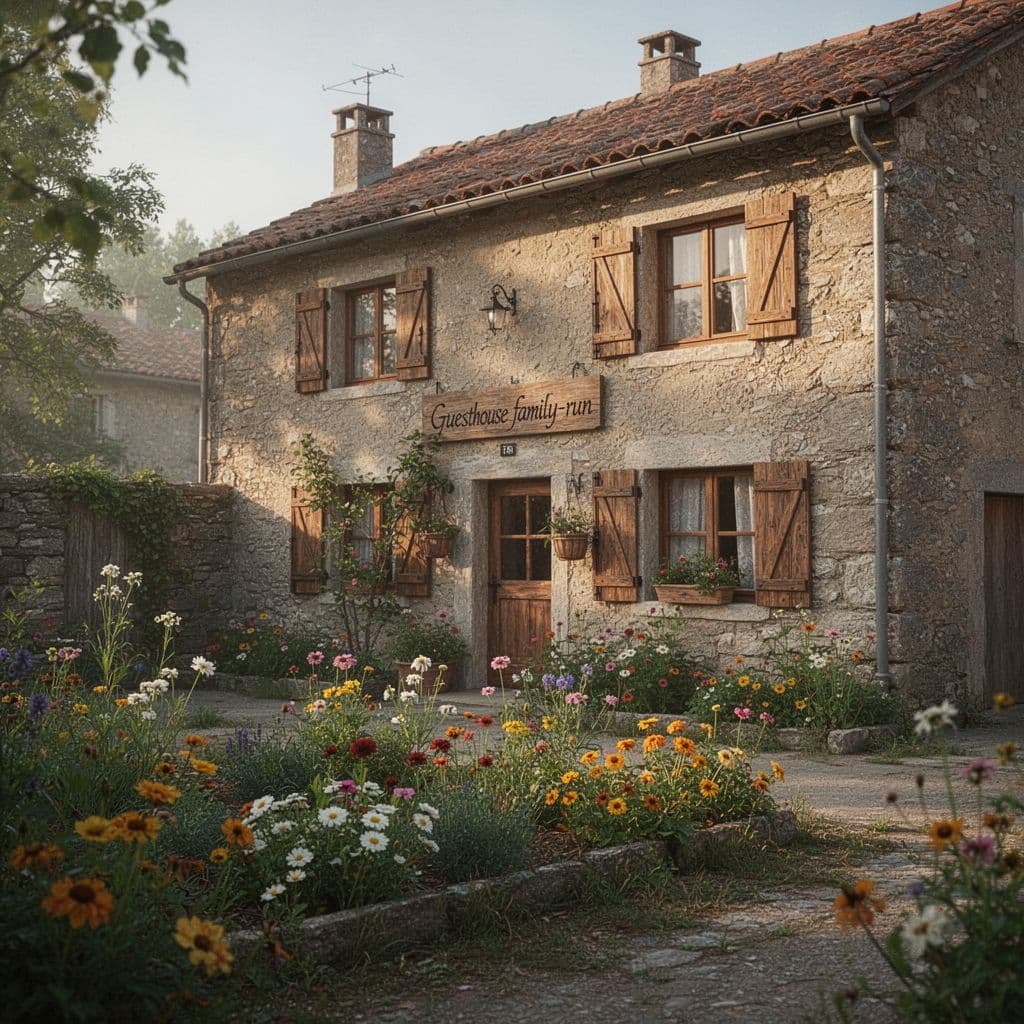
How your holiday spending can support communities
If you travel less often and stay longer, you usually spend less on getting around and more on the experience itself. That can mean a room in a local-owned guesthouse rather than a large chain hotel, meals in family-run restaurants rather than familiar fast-food stops, and guided walks with people who know the land because they live there.
That matters because local businesses tend to keep money circulating in the area. A guide pays a local supplier, a café buys from nearby farms, and a guesthouse owner hires local cleaners, builders, or drivers. The result is a stronger web of support, not just a single transaction.
You can make that effect even clearer by choosing activities that are rooted in place:
- Join a community tourism walk led by local residents.
- Book a nature guide who works in the area year-round.
- Eat where the menu changes with the season.
- Buy crafts or produce from small markets instead of souvenir chains.
Longer stays also create room for more thoughtful spending. Instead of rushing through three towns in two days, you can settle in, ask better questions, and support the people whose knowledge shapes the trip. The World Bank's work on protected area tourism shows how tourism can bring real value to nearby communities when it is managed well.
A slower trip often gives you more chances to spend in ways that matter locally.
There is a practical side to this too. Less time in transit means fewer tickets, fewer transfers, and fewer detours. That leaves more of your budget for the parts of travel that help a place thrive, not just the parts that move you through it.
Why less rushing means better choices for wildlife and habitats
When you spend less time racing between stops, you place less pressure on the places you visit. That can reduce noise, litter, crowding, and the sudden bursts of disturbance that push animals away from feeding or nesting areas.
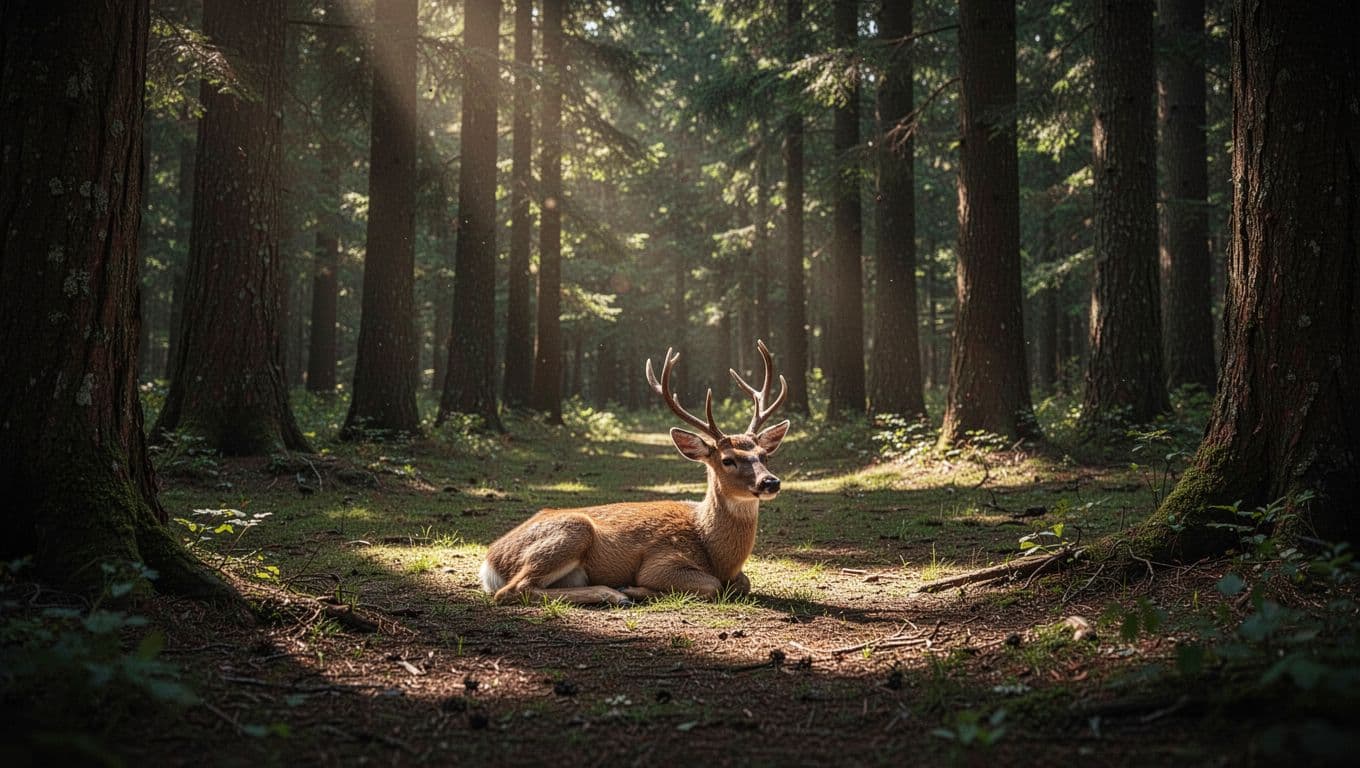
This is where conservation thinking becomes part of the travel choice. If a habitat is fragile, a packed itinerary can turn every arrival into a disturbance. Fewer movements, longer stays, and better timing all help reduce that strain, especially in places where wildlife already faces pressure from habitat loss and human activity.
A slower trip also changes how you behave once you arrive. You notice signs more easily, you spend longer in one area, and you are less likely to treat a nature reserve like a quick photo stop. That usually leads to better decisions, such as staying on trails, keeping your distance from animals, and avoiding activities that disturb the land.
If you want the clearest comparison, think about these two travel styles:
| Fast, high-transit travel | Slower, lower-transit travel |
|---|---|
| More road time and more noise | Less disturbance and more calm |
| Less room in the budget for local spending | More room for local food, guides, and stays |
| Rushed visits and crowding | Longer, more respectful time in nature |
| More pressure on wildlife and habitats | Better chances to protect what you came to see |
The point is simple. Nature is part of what makes the trip worthwhile, so protecting it is not a bonus. It is part of the value. When you travel less and move with care, you give habitats a better chance to hold on to their character, and you give yourself a trip that feels more grounded.
For a broader view of how longer stays can support both local livelihoods and conservation, the IUCN's work on sustainable tourism and biodiversity is a useful reference.
What's your experience with eco-friendly travel? Share your thoughts in the comments, your insight helps inspire more responsible travellers.
Simple ways to travel less without feeling restricted
Travelling less does not mean shrinking your life. It means choosing trips with more purpose, less rush, and a lighter footprint. When you plan with care, you can still enjoy beaches, hills, wildlife, heritage, and time away from home without filling your year with constant movement.
The aim is to make travel feel more satisfying, not more limited. A few thoughtful changes can lower emissions, reduce stress, and leave room for better memories. You still get the break, but you stop treating every holiday like a race.
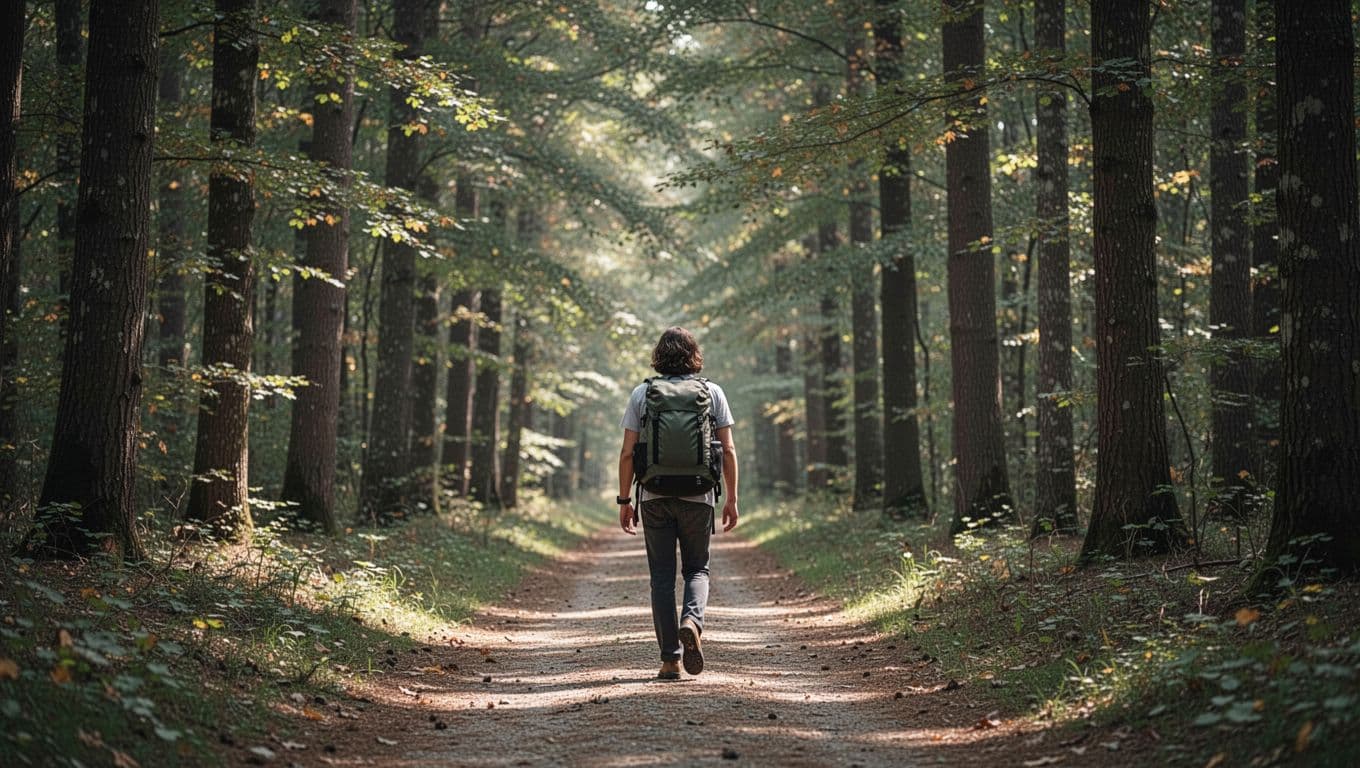
Choose one meaningful trip instead of several rushed ones
If you usually take a handful of short breaks, try replacing them with one longer stay. That simple switch often cuts transport emissions because you make fewer journeys overall, and you spend less time booking, packing, and moving between places. It also removes the constant mental churn that comes with back-to-back planning.
A longer trip gives you room to settle in properly. You can explore a market on one day, walk a trail the next, and still have time to rest without feeling like you have missed something. That slower pace often feels richer because you are present for the experience rather than just passing through it.
This matters for the environment too. Fewer flights or long drives usually mean less fuel burned, fewer take-offs and landings, and less road traffic. The EPA's guidance on short car trips also shows how repeated short journeys waste more fuel than people expect, especially when you stack them up over time.
You can make this work by asking a better question before you book. Instead of "How many places can I fit in?" ask "Where would I genuinely like to stay longer?" That small shift turns travel into something calmer and more intentional.
Plan holidays around places you can reach more easily
Closer destinations often give you more than you think. If you look first at places within train or coach range, you may find beaches, mountains, wildlife reserves, heritage towns, and adventure activities without needing to fly at all. The journey becomes part of the break, not just a hurdle to get through.
You also keep more control over your time. Trains and coaches can remove airport queues, baggage stress, and the pressure to arrive hours early. That leaves more energy for the actual holiday, which is usually the point.
To make this easier, start with a short list of places that fit your budget and travel mood:
- Coastal towns with good rail links
- National parks and countryside areas within one day's travel
- Historic cities you can reach by train
- Wildlife centres, nature reserves, and walking routes near home
- Quiet villages or small towns that reward a slower pace
Closer travel does not mean dull travel. It often means better travel, because you notice more and rush less. You can also build in lower-impact ideas from local routes and nearby stays, like the ones shared in eco-friendly destinations in France, where slower movement and place-based experiences do the heavy lifting.
The less time you spend getting somewhere, the more time you have to enjoy it.
If you still want variety, change the style of trip rather than the distance. One year could be a coastal break, the next a forest cabin, then a heritage town with walking routes. The feeling of freshness stays, even when the journey gets shorter.
Build more local nature days into your year
You do not need a plane ticket to feel restored. A countryside walk, a birdwatching morning, or a coastal path can give you the same sense of space that people often chase in faraway places. When you stay curious, your local area starts to feel full of routes, habitats, and small discoveries.
This is where staycations and local days out shine. You can keep the spirit of exploration alive by treating nearby nature as something worth returning to, not just something to pass by. A local reserve can look different in each season, and a familiar trail can feel new after rain, frost, or late summer heat.
Try building a simple rhythm into your year:
- Pick one local nature day each month.
- Visit one place you have never explored properly.
- Return to one favourite route and notice what has changed.
- Combine the outing with a picnic, a café stop, or a local farm shop visit.
That approach keeps travel from feeling all or nothing. Some weeks, you may want a full holiday. Other times, a few hours in green space are enough to reset your head and lift your mood. If you want more ideas for lighter, lower-impact breaks, the slow tourism approach offers a useful way to think about longer stays and fewer transfers.
Local days also help you travel with less guilt. You are still getting fresh air, wildlife, and open space, but without adding another long journey to your year. That is a fair trade, especially when your aim is to enjoy nature while protecting it.
A smaller travel footprint can still leave room for wonder. You just place your time and money where they count most, then let the journey breathe.
How travelling less fits a bigger sustainable travel mindset
Travelling less gives you room to travel better. When you stop chasing constant movement, your choices get sharper, calmer, and more meaningful. That shift sits at the heart of sustainable travel, because responsible travel is about helping nature, respecting local people, and supporting conservation, not just ticking off destinations.
The change starts before you even leave home. You begin to ask better questions about each trip, each purchase, and each activity. That mindset matters, because a smaller number of trips can have a much stronger positive impact when you match them with care on the ground.

Pair fewer trips with greener travel habits
If you travel less often, you can put more attention into the trips you do take. That means packing light, bringing a refillable bottle, and saying no to single-use plastics wherever you can. Small choices like these matter more when they are part of a wider habit, because they reduce waste trip after trip.
A lighter bag is easier to carry, easier to organise, and often easier on the planet too. When you cut the extras, you also cut the temptation to buy disposable items on the road. A reusable coffee cup, a tote bag, and solid toiletries can save you from a stream of throwaway packaging.
You can also choose experiences that feel respectful rather than extractive. Look for local guides, community-led walks, low-impact wildlife watching, and places that treat nature as more than a backdrop for photos. The World Wildlife Fund's conservation work is a strong reminder that nature protection and travel habits belong in the same conversation.
A few simple habits make the biggest difference:
- Pack only what you need, so your bag stays light and useful.
- Carry a refillable bottle and top it up whenever you can.
- Avoid plastic-wrapped snacks and disposable cutlery.
- Choose tours that support local people and protect natural spaces.
- Spend time in one place instead of rushing between several.
The fewer journeys you make, the more each one should reflect your values.
That is the real change. Fewer trips do not mean less care, they mean more space for good habits.
Why responsible travel is about quality, not quantity
Ecotourism works best when you travel with purpose. It values conservation, local communities, and thoughtful experiences, so a small number of well-chosen trips can matter more than a long list of disconnected ones. You do not need to go far or often to travel well.
When you slow the pace, you give yourself time to notice the details that matter. You hear more from the people who live there, stay longer in local businesses, and see how your spending supports the place you came to enjoy. That is a better fit for sustainable tourism than treating travel like a numbers game.
Quality travel also leaves more room for rest and respect. You are less likely to overload wildlife habitats, rush through cultural sites, or leave a bigger footprint than you meant to. Instead, you arrive with time, attention, and a willingness to take the place seriously.
If you want a useful rule of thumb, keep this in mind:
- Choose fewer destinations.
- Stay longer in each one.
- Spend locally and responsibly.
- Leave space for nature to set the pace.
The Global Sustainable Tourism Council sets out principles that reflect this same approach, with a clear focus on low-impact, community-aware travel.
When you travel this way, every trip becomes more deliberate. You are not just seeing more places. You are making each journey count for more.
A realistic way to start cutting back this year
If you want to travel less, start with a change that feels manageable, not dramatic. You do not need to give up every holiday or stop seeing the people and places you love. You just need a clearer filter for what deserves a journey, and what can wait, shift, or happen closer to home.
A realistic plan works because it fits your life. When the habit feels too strict, it usually collapses. When it feels practical, it sticks.
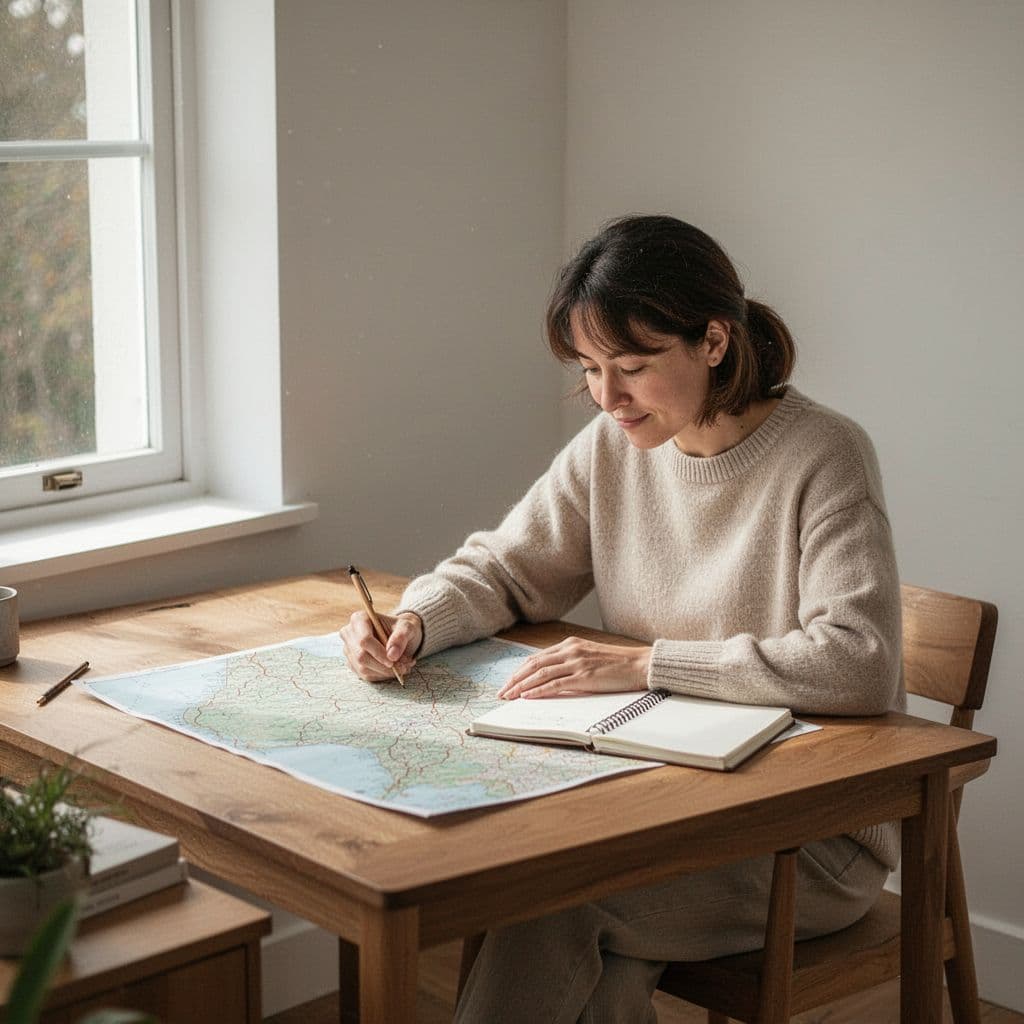
Ask yourself which journeys really matter
Before you book anything, pause and look at the reason behind the trip. Some journeys matter because they bring family together, support a real need, or create memories you will carry for years. Others happen out of routine, habit, or the sense that you "should" go.
Be honest with yourself. If the trip feels automatic, ask whether it still adds value. Could you make the same connection by phone, video call, or a longer stay later in the year? Could you combine several reasons into one journey instead of making separate ones?
A simple check can help you decide:
- Does this trip solve a real need?
- Can it wait until a better time?
- Could you stay longer and travel less often?
- Is there a closer option that gives you the same benefit?
That kind of honesty is powerful because it strips away noise. You begin to spot the difference between meaningful travel and movement for its own sake. In turn, you protect more time, energy, and money for the trips that truly count.
Set a travel goal you can keep
You do not need a perfect plan. You need one clear goal that feels possible for your life right now. For many people, that means one less flight this year, a couple of local breaks instead of a longer haul trip, or one longer holiday rather than several rushed ones.
Pick a goal that feels positive, not punishing. For example, you might decide to replace one annual flight with a train journey, or choose a nearby nature stay every few months instead of a city break that needs a plane. If you want a practical way to compare trip choices, the carbon footprint of holiday travel is a useful reminder that transport often drives the biggest share of emissions.
Try writing your goal in plain language:
- "I will skip one unnecessary flight this year."
- "I will choose one longer holiday instead of three short ones."
- "I will plan more breaks within easy reach of home."
A goal like that is small enough to keep, but strong enough to change your habits. Over time, those choices add up, and your travel starts to reflect what you value most, not just what is easiest to book.
FAQ
If you want to travel with a lighter footprint, the same few questions tend to come up again and again. The answers are usually simple, but they help you make better choices without turning every holiday into a planning headache.
What is the easiest way to travel less sustainably?
The simplest change is to take fewer flights. If you can choose trains, coaches, walking, or cycling for some trips, you cut a large share of your travel impact straight away.
Packing light also helps, especially on flights. For a practical checklist, WWF's responsible travel tips are a useful starting point.
Does travelling less really make a difference?
Yes, because travel emissions build up fast. One avoided flight or one longer stay instead of several short breaks can lower your annual footprint more than small fixes scattered across many trips.
You also reduce pressure on crowded places. Fewer journeys often mean less noise, less waste, and more room for nature to breathe.
Can you still have eco-friendly holidays without giving up travel?
Absolutely. Sustainable travel is about better choices, not no travel at all. You can stay in eco-friendly accommodation, spend with local businesses, and choose destinations that you can reach with less fuel use.
If you want more ideas for lower-impact trips, Sustainable Travel International's carbon-cutting tips give you a clear, practical overview.
Which transport option is best for the environment?
In most cases, walking and cycling are best, followed by public transport and trains. Electric or hybrid cars can also help, depending on your route and what is available.
Flying usually has the highest impact, especially when you take multiple trips a year. The BBC's guide to more sustainable travel also backs up the idea that transport choice matters more than people often realise.
What should you do once you arrive?
Keep the same habits going. Use local transport where you can, refill your water bottle, support nearby cafés and shops, and leave nature spots cleaner than you found them.
A good trip does not need to be complicated. It just needs to be thoughtful, slower, and kinder to the places you visit.
Small changes matter most when you repeat them every time you travel.
What's your experience with eco-friendly travel? Share your thoughts in the comments, your insight helps inspire more responsible travellers.
Conclusion
When you travel less, you give the places you love more room to breathe. Fewer trips can mean lower emissions, less pressure on wildlife, and more support for local people who live with tourism every day.
The real shift is in how you measure a good holiday. A calmer pace, longer stays, and fewer rushed journeys often leave you with richer memories and a lighter footprint.
You can start with one small change, such as skipping one flight, choosing a closer destination, or extending one trip instead of taking several. What's your experience with eco-friendly travel? Share your thoughts in the comments, your insight helps inspire more responsible holidays.