
Morocco Natural Wonders: Hidden Nature Spots for Slow Travel
Morocco holds more contrast than many places twice its size, with desert edges, High Atlas valleys, Atlantic cliffs, cedar forests, and hidden lakes sitting well away from the usual tourist trail. Its Morocco natural wonders are not only striking to look at, they also support eco tourism, wildlife, and the communities that care for these fragile places.
Travellers who slow down often find the best of Morocco hidden in places such as quiet gorges, palm-filled canyons, and waterfall-fed pools. Choosing responsible tours, local guides, and low-impact stays keeps these landscapes alive, and helps leave them better than they were found.
The country's secret nature spots offer more than scenery, they offer a way to travel with care, curiosity, and respect. The next section looks at the places that make that kind of journey possible.
Why Morocco's lesser-known landscapes feel so special
Morocco's quieter corners feel special because they ask travellers to slow down. In a valley, on a ridge, or beside a hidden lake, the scene changes by the minute. Light moves across stone, birds cut through the still air, and the land feels close enough to hear.
The charm of travelling beyond the crowded routes
Popular sights have their place, but quieter routes give the land more room to speak. Without buses, queues, and constant noise, small details come forward at once. The scent of mountain herbs, the sound of water over rock, and the cool pull of early morning air stay with the traveller far longer.
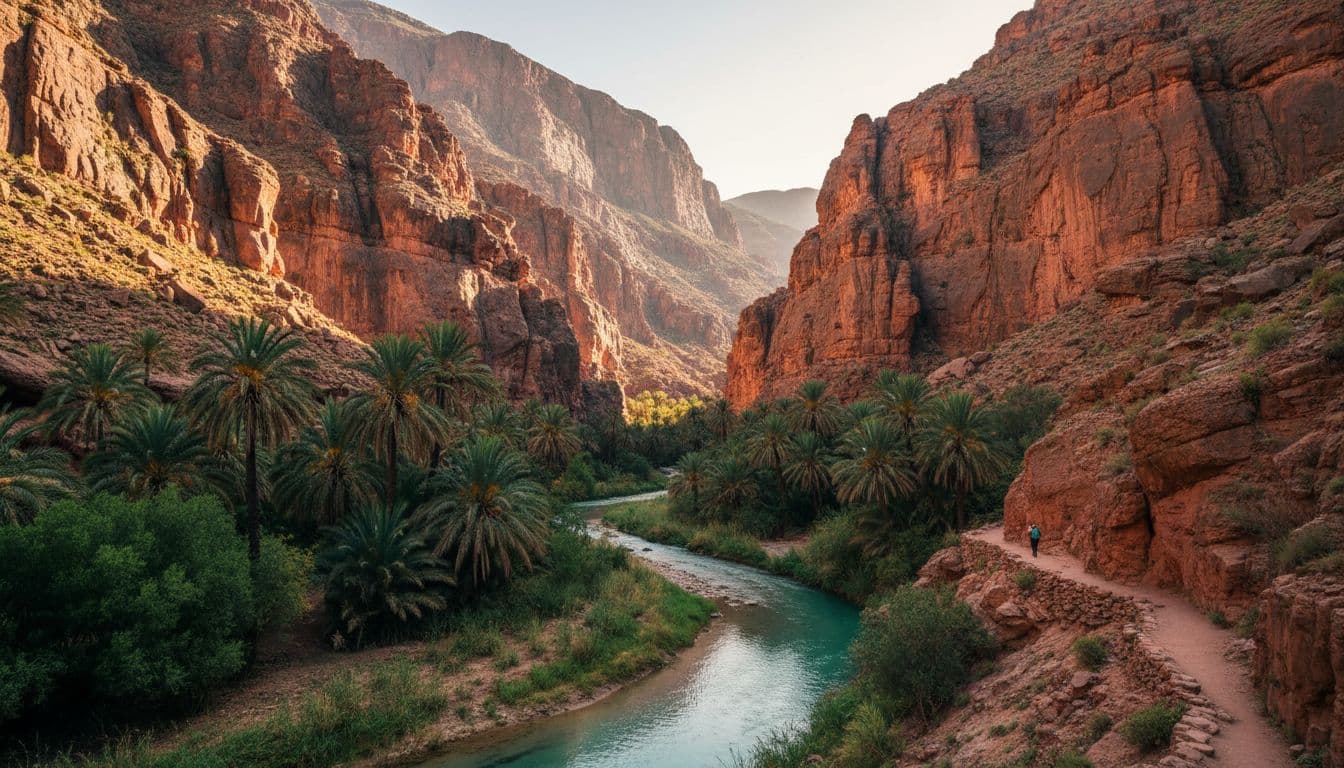 Slow movement changes what people notice. A footpath in the High Atlas, a narrow gorge, or a tucked-away oasis rewards patience in a way busy attractions rarely do. Morocco hidden nature often feels less like a checklist and more like a conversation with the land.
Places such as Aït Bouguemez's quiet valley show why that matters. The setting is open, calm, and full of everyday life, so the traveller sees both scenery and rhythm, not just a view.
How responsible travel helps these places stay wild
These places stay special only when visitors treat them with care. Staying on marked paths protects fragile soil, while taking litter away keeps water and wildlife safe. Choosing local guides also spreads the benefit of travel without putting extra strain on the land.
Simple habits make a clear difference:
- Stay on paths and avoid cutting across open ground.
- Carry a refillable bottle and use water carefully.
- Pack out every scrap of litter, including food waste.
- Choose local guides, small guesthouses, and family-run meals.
- Keep noise low, especially near birds, rivers, and grazing animals.
When travel stays light, the landscape keeps its shape. That matters in Morocco eco destinations, where a little damage can last for years.
Why local communities matter in every journey
In many rural areas, Berber and Amazigh families shape the visitor experience from the first greeting. They guide walks, cook tagines, open homestays, and share stories that give hills, springs, and old paths a human voice.
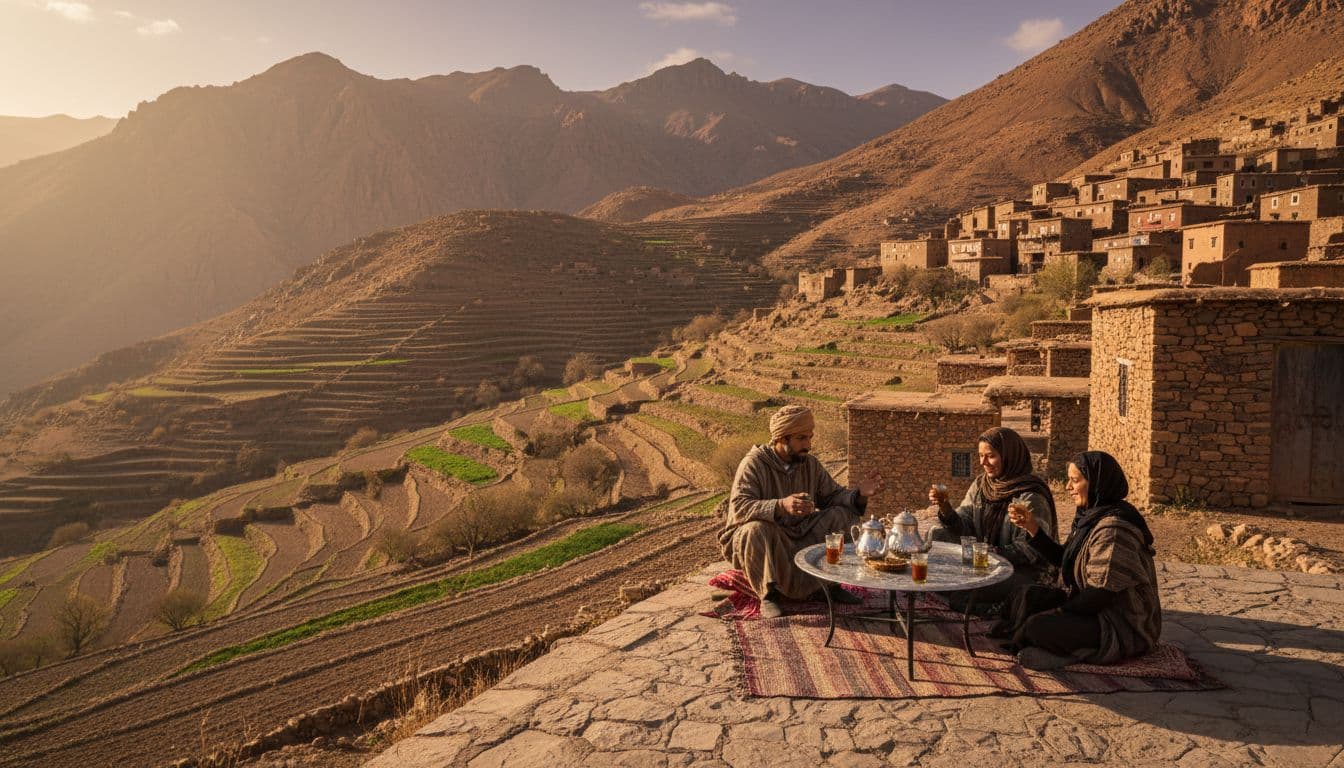 Sustainable travel works best when money stays local. A meal in a family home, a night in a village guesthouse, or a walk led by a local guide supports work that keeps people rooted in place. It also gives the traveller a fuller picture of the region, because the land is explained by those who know it best.
That is where Morocco nature tourism becomes more meaningful. The scenery still matters, yet the people give it context, memory, and warmth.
Mountain valleys and gorges that still feel untouched
Some of Morocco's most memorable places sit far from the crowds, where stone walls rise above river lines and the roads feel half-forgotten. These are the valleys and gorges that suit slow travel best, because they invite long looks, quiet pauses, and simple days outdoors.
In these Morocco natural wonders, the appeal comes from more than scenery. Clear water, bird calls, village paths, and rough mountain tracks all work together, so each stop feels grounded in place rather than shaped for passing visitors.
Paradise Valley and its clear pools near Agadir
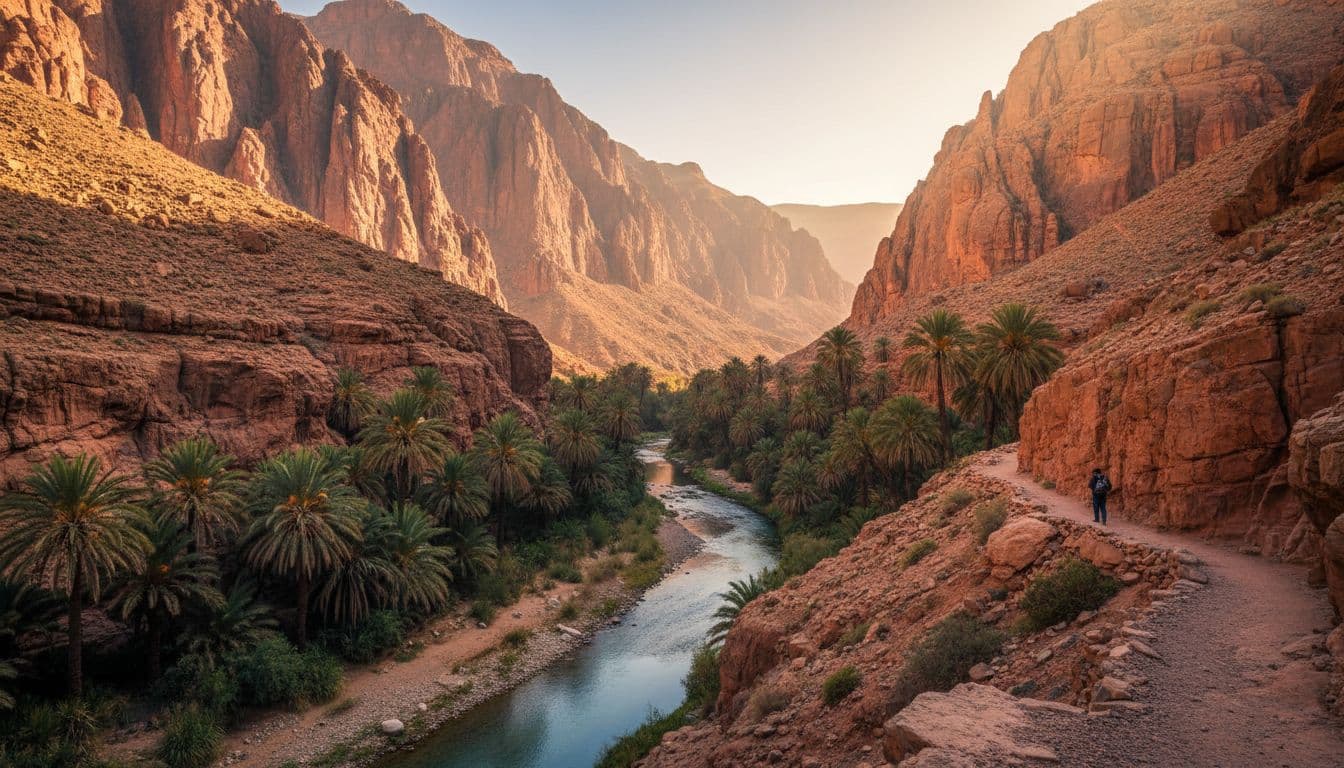
Paradise Valley has a softer face than many mountain sites in Morocco. Palm trees lean over a narrow canyon, natural pools gather between smooth rocks, and the air feels cooler as the path follows the water upstream. The setting is compact, green, and calm, which makes it a strong choice for a relaxed day trip from Agadir.
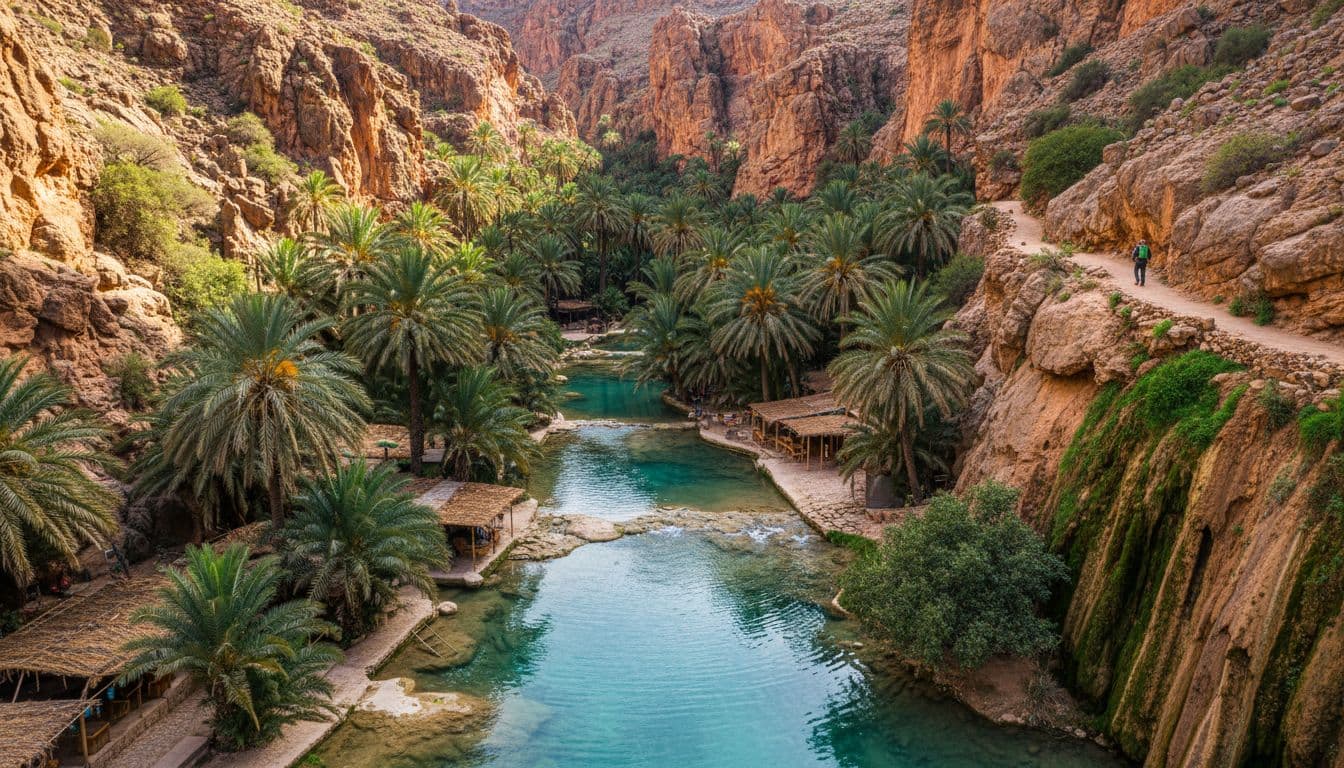 The valley suits light swimming, short scenic walks, and lazy stops beside the pools. Many visitors only reach the first basin, yet the quieter sections beyond it often feel more rewarding. For a broader visitor perspective, a practical Paradise Valley travel guide helps with timing, access, and what to expect on the trail.
Crowds are the main issue here. Weekday mornings are far easier than weekends, and the water stays healthier when visitors keep soap, litter, and noise away from it. Responsible travel matters here because the pools are part of a living water system, not a backdrop for a quick photo.
Dades Valley and the dramatic road through the rocks
Dades Valley feels vast in a different way. The road twists through steep cliffs, then opens to strange rock forms that look carved by time itself. As the light shifts, the whole valley changes colour, from pale gold in the morning to deep red at dusk.
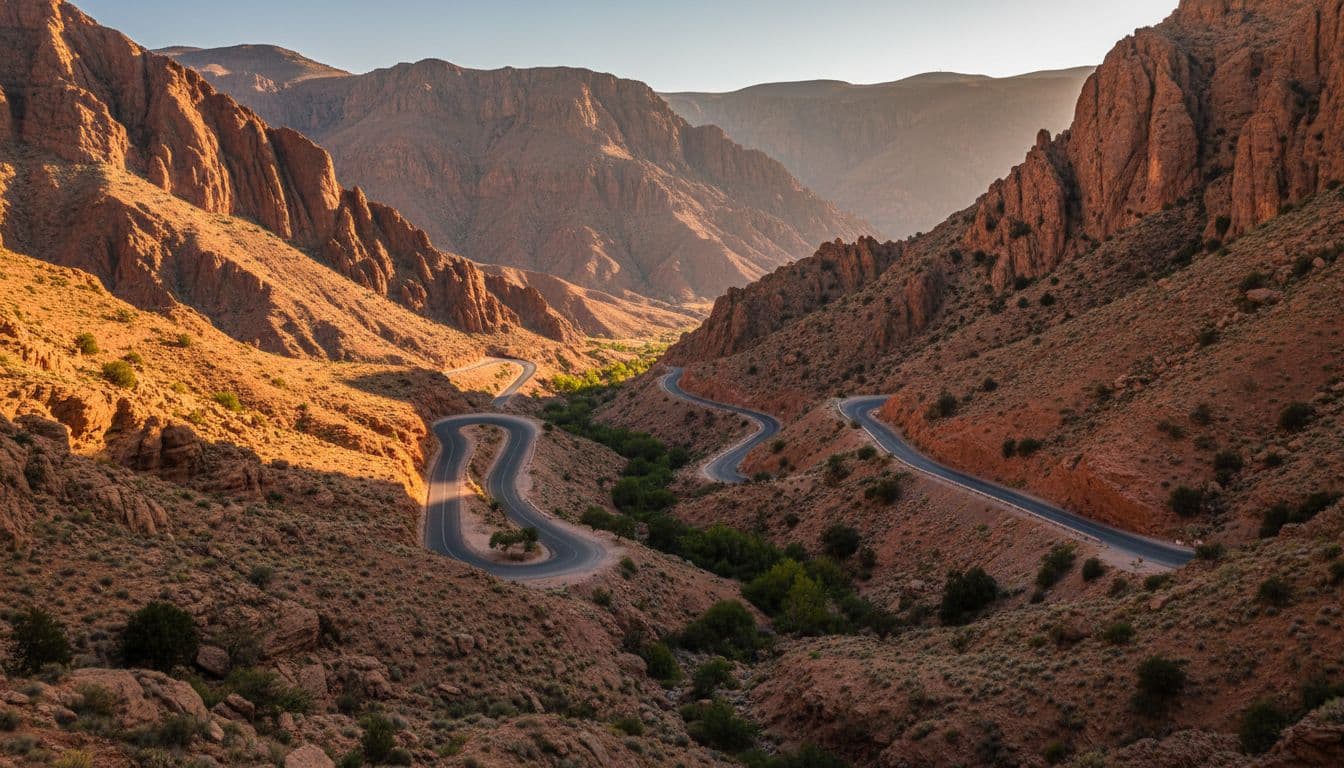 That constant change is part of its charm. Travellers who enjoy scenic drives will find each bend worth the pause, while gentle hikes bring them closer to the cliffs and ridges above the road. A route such as this Dades Gorge journey shows how the valley links remote scenery with local life.
The best visits here happen slowly. A short stop at a lookout, a walk along the edge of the road, and a careful drive through the bends give enough time to take in the scale. It is one of those Morocco secret places where distance matters, because the valley feels larger the longer it is watched.
Dadès Gorges, where trail views and village life meet
The gorges take the drama one step further. Sheer rock walls frame footpaths, while Berber settlements sit close to the land, with terraced fields, stone houses, and mule tracks carrying daily life through the canyon. Birds move along the cliff faces, so the scene feels alive rather than frozen.
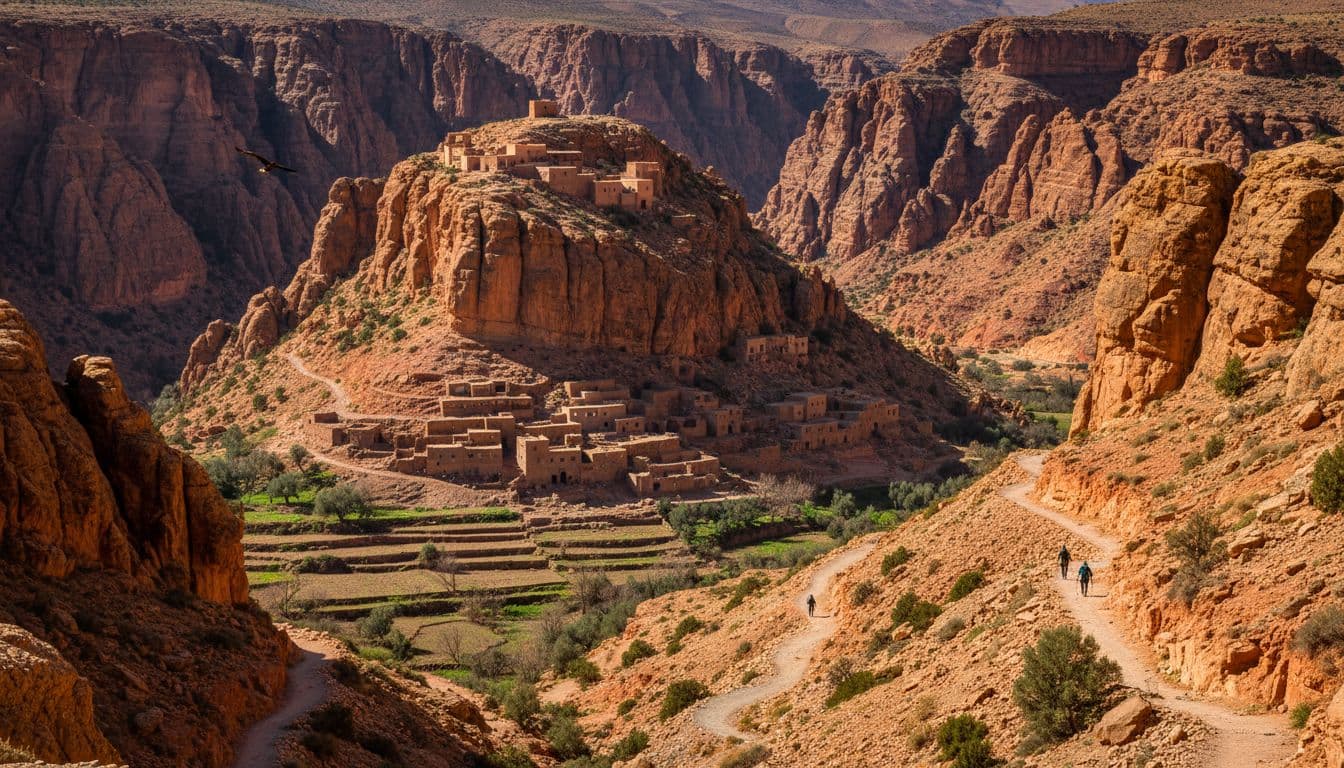 This mix of nature and culture is what makes the gorges stand out in Morocco nature tourism. Some trails are easy enough for a half-day walk, while others suit stronger walkers who want longer ridge views. Along the way, local homes and fields remind visitors that these are not empty canyons, but lived-in places with long routines and a strong sense of place.
That human presence changes the experience in a good way. The gorge is not only about rock and sky, it is also about food, farming, greetings, and small exchanges on the trail. For travellers who value eco tourism and environmental awareness, that balance makes the walk richer and more meaningful.
A careful visit keeps it that way. Stay on marked paths, greet residents with respect, and keep the pace gentle. In places like these, responsible travel protects both the landscape and the people who still call it home.
Desert edges, green oases, and star-filled nights
Morocco's southern fringe feels most alive where the desert loosens its grip. Palm groves appear beside dry earth, small settlements cling to river lines, and night brings a sky clear enough to make every flame and lantern feel precious. For slow travel, this is where Morocco natural wonders become more than scenery, because the land shows how people live with scarcity, shade, and patience.
These are not empty spaces. They are working places, shaped by water, farming, and careful movement across harsh ground. Travellers who pause here often see that Morocco hidden nature is tied to daily life, not set apart from it.
The Draa Valley as a ribbon of life in the south
The Draa Valley runs like a green seam through the southern desert. Palm groves, kasbahs, and small villages sit along its length, softening the hard edge of the Sahara and giving the eye a place to rest. In the heat, that strip of shade feels almost miraculous.
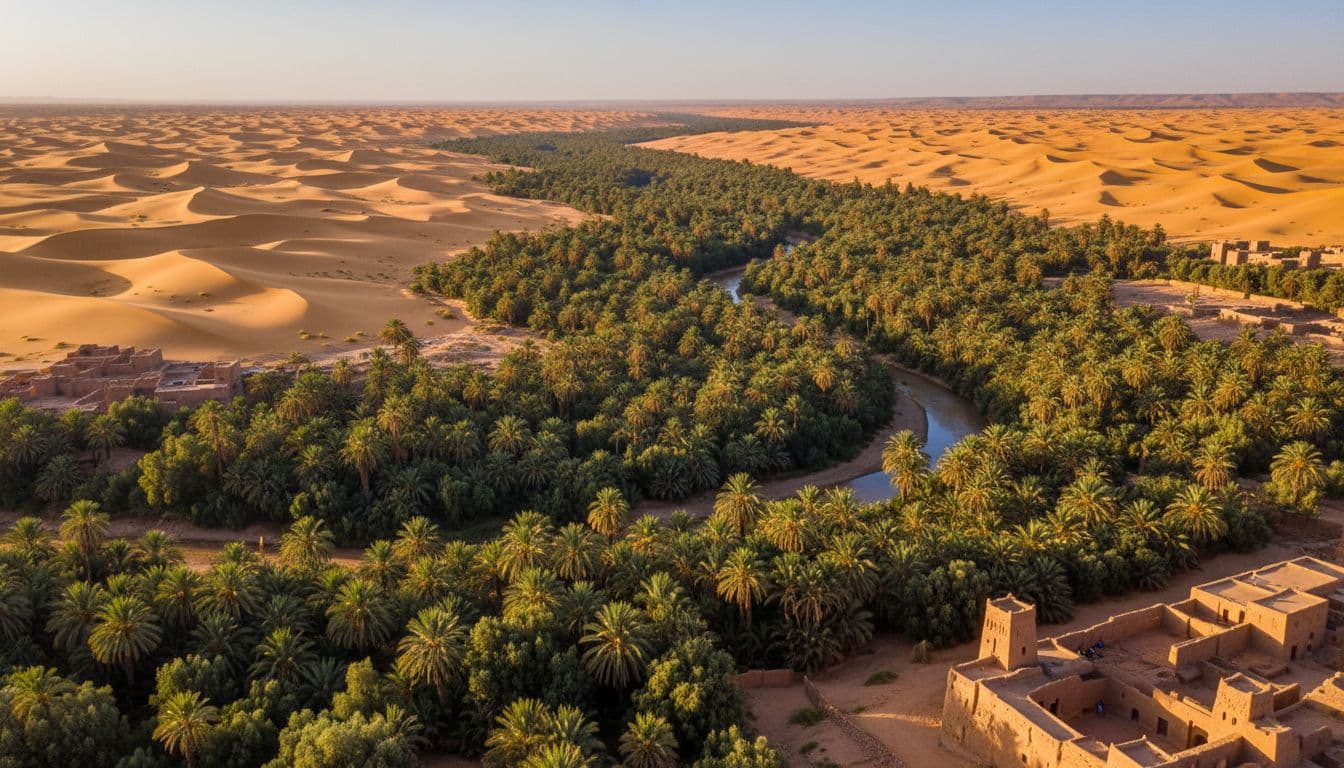 Traditional farming gives the valley its shape. Dates, olives, and other crops depend on oasis systems that channel water with care, and that knowledge has kept life going in a dry region for generations. A useful overview of the valley's living heritage appears in this Draa Valley guide, which highlights its palm groves, kasbahs, and long desert reach.
The valley is one of Morocco eco destinations that rewards slow observation. A walk beneath the palms shows how irrigation, planting, and settlement all follow the same logic, which is simple and strict, protect the water and the land will feed people back.
Sustainable desert stays that keep impact low
A good desert stay should feel calm, comfortable, and light on the land. That means solar power, careful waste handling, limited plastic, and water use that makes sense in a place where every drop matters. Local staff should also be central, because responsible travel works best when income stays with the people who live there.
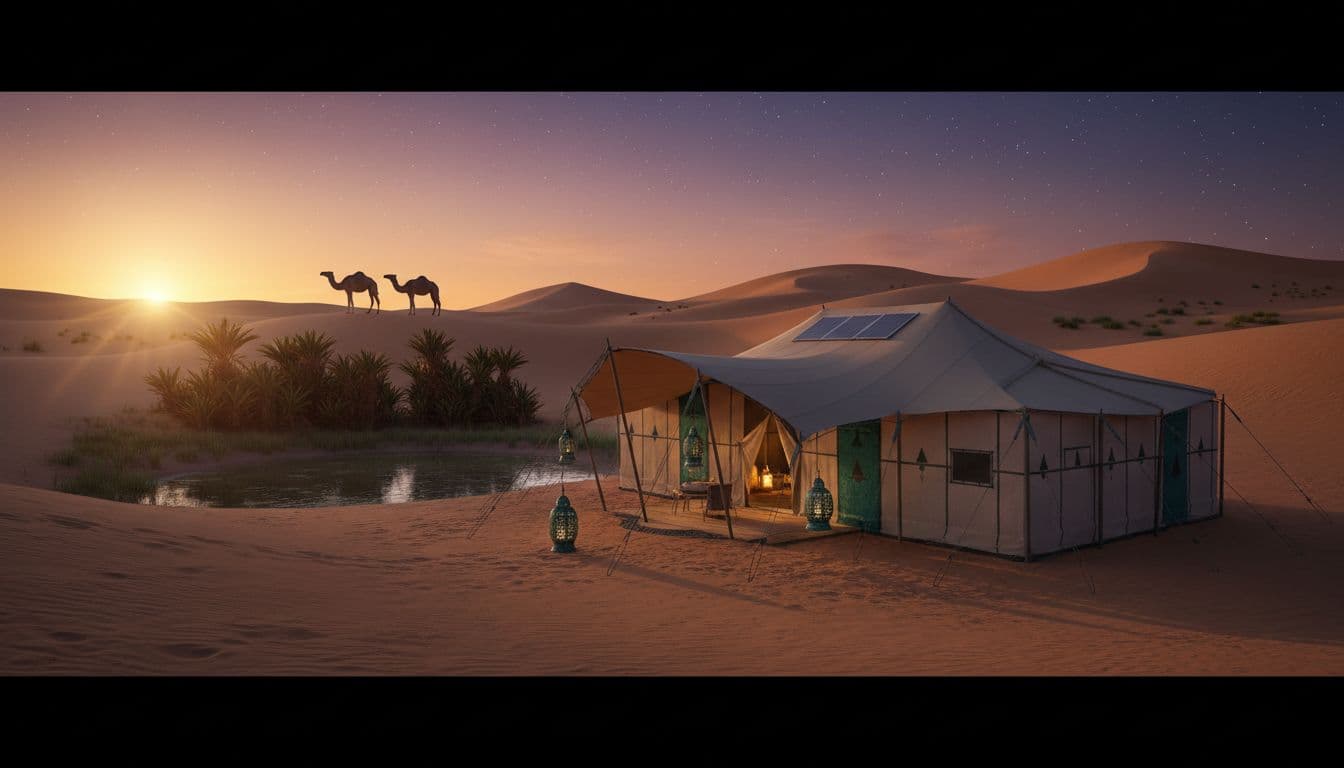 A well-run eco-camp often gets the balance right between simple living and comfort. Travellers may find:
- Solar lights and low-energy systems that avoid noisy generators.
- Water-saving showers and toilets suited to dry terrain.
- Reusable bottles, sorted waste, and little or no single-use plastic.
- Local food, local guides, and materials drawn from the region.
- Small numbers of guests, which keeps pressure off fragile ground.
Comfort in the desert should never come at the cost of the dunes, the wells, or the people who protect them.
That approach fits the direction Morocco is taking in rural tourism, with more family-run stays and low-impact camps appearing in places such as Agdz and Zagora. For travellers, the best choice is often the simplest one, a stay that feels warm, quiet, and rooted in the place rather than imposed on it. A good example of this kind of approach can be seen at Ecolodge l'île, where sustainable choices shape the guest experience.
What travellers learn from nomadic and rural desert life
Guided desert trips can teach more than routes and photo stops. They can show how people measure water, how they wait for shade, and how they move with the weather rather than against it. That is a valuable lesson for anyone interested in environmental awareness or green lifestyle choices.
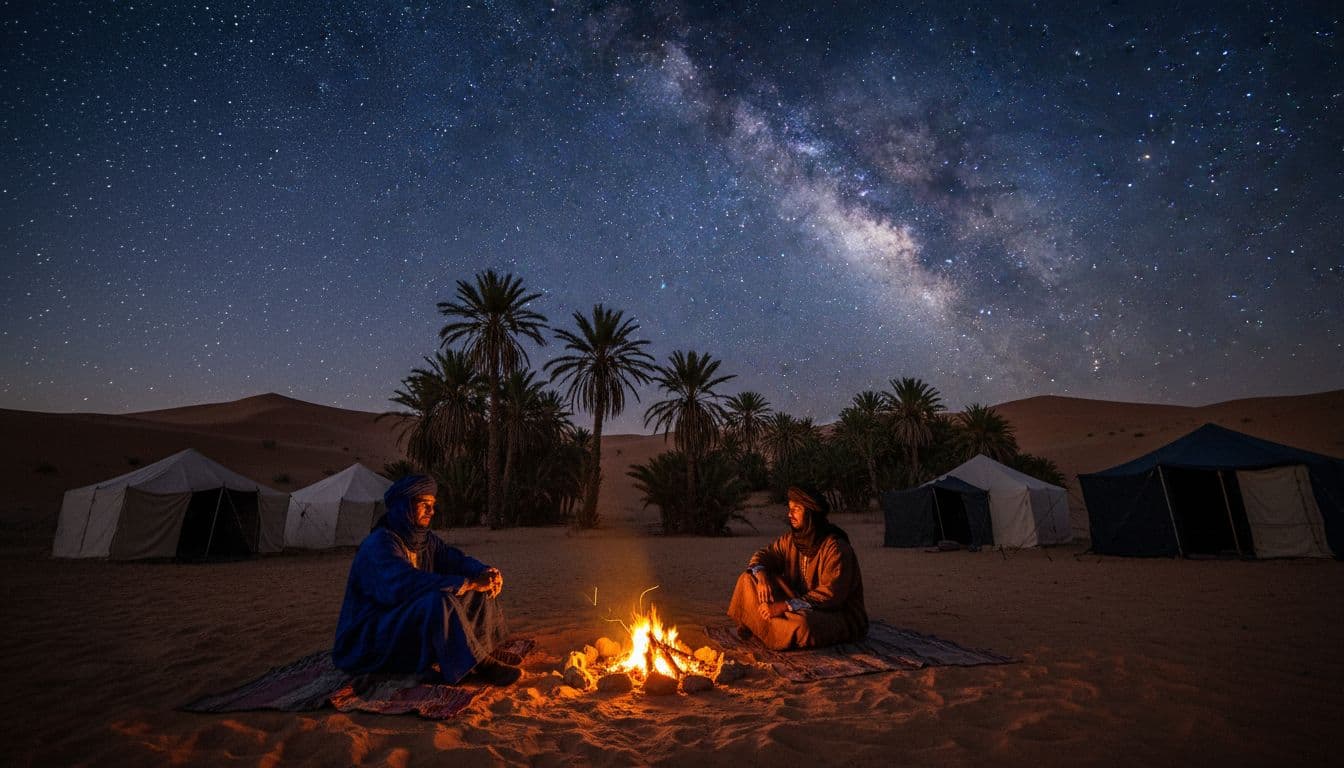 Nomadic and rural desert life also changes the pace of travel. Patience matters more than speed, and listening matters more than speaking. Travellers who join respectful local walks or cultural visits often learn how to read the land through tracks, winds, stars, and small signs that outsiders might miss.
That is why local knowledge should lead the way. The desert is not a playground, and it does not reward careless movement. Guided experiences with local people, such as sustainable trekking with nomads, show how wildlife, grazing land, and human life all share the same fragile space.
For many visitors, this is the moment Morocco secret places feel most memorable. The stars above, the hush of the dunes, and the patience of the people below all point to the same lesson, slow travel works best when it leaves room for the land to breathe.
Coastal surprises and quiet waters away from the crowds
Morocco's quieter coast and inland waters reward travellers who prefer stillness over spectacle. Here, the pace drops, the air feels cleaner, and the main attraction is often the view itself, whether that is a tide-washed arch, a mirror-like lake, or a shore where birds and waves set the rhythm.
These places suit eco tourism well because they ask for less and give more. There is room for slow walks, simple picnics, careful photography, and long pauses that make the scenery feel memorable rather than rushed.
Legzira Beach and its red stone arches
Legzira is one of the most dramatic sights on Morocco's Atlantic edge, where sea and sandstone meet in a striking, raw landscape. The remaining arch still rises over the beach like a carved doorway, while the red cliffs catch the light at sunset and turn the whole shore copper and gold.
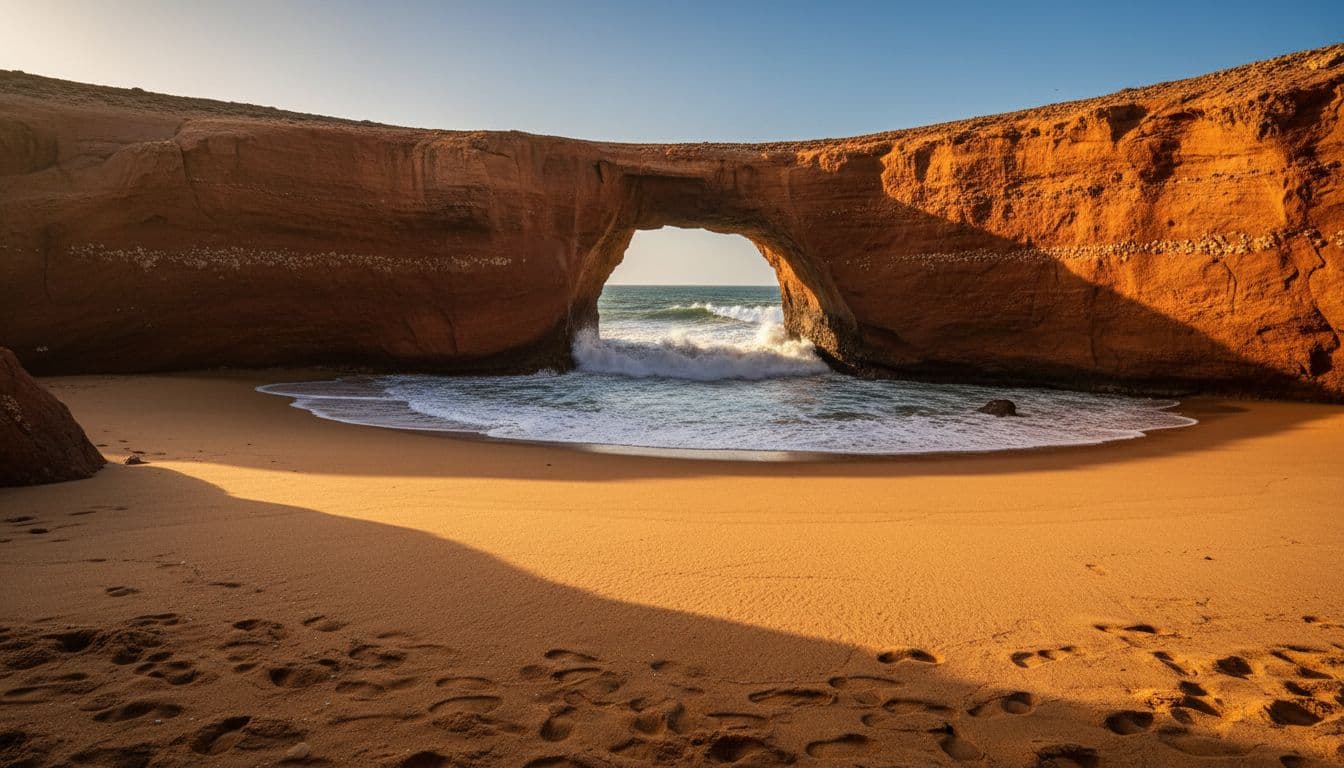 What makes it special is not only the shape of the rock, but the calm it creates. The beach feels open and unhurried, especially when visitors arrive around low tide and have time to walk beneath the arch, watch the surf, and listen to the wind move across the cliffs.
A practical Legzira Beach travel guide helps with timing and access, and that matters here. The tide changes the entire experience, so a visit works best when the sea has pulled back and the sand stretches wide. That rhythm gives the place its quiet power.
Legzira rewards patience. At low tide, the beach opens up; at high tide, the coast feels far more severe.
Travellers who choose scenery over resort crowds often stay longer than planned. They come for the arches, then remain for the silence, the red rock, and the sense that the coast is still shaped by nature, not by noise.
Lalla Takerkoust and the beauty of still water
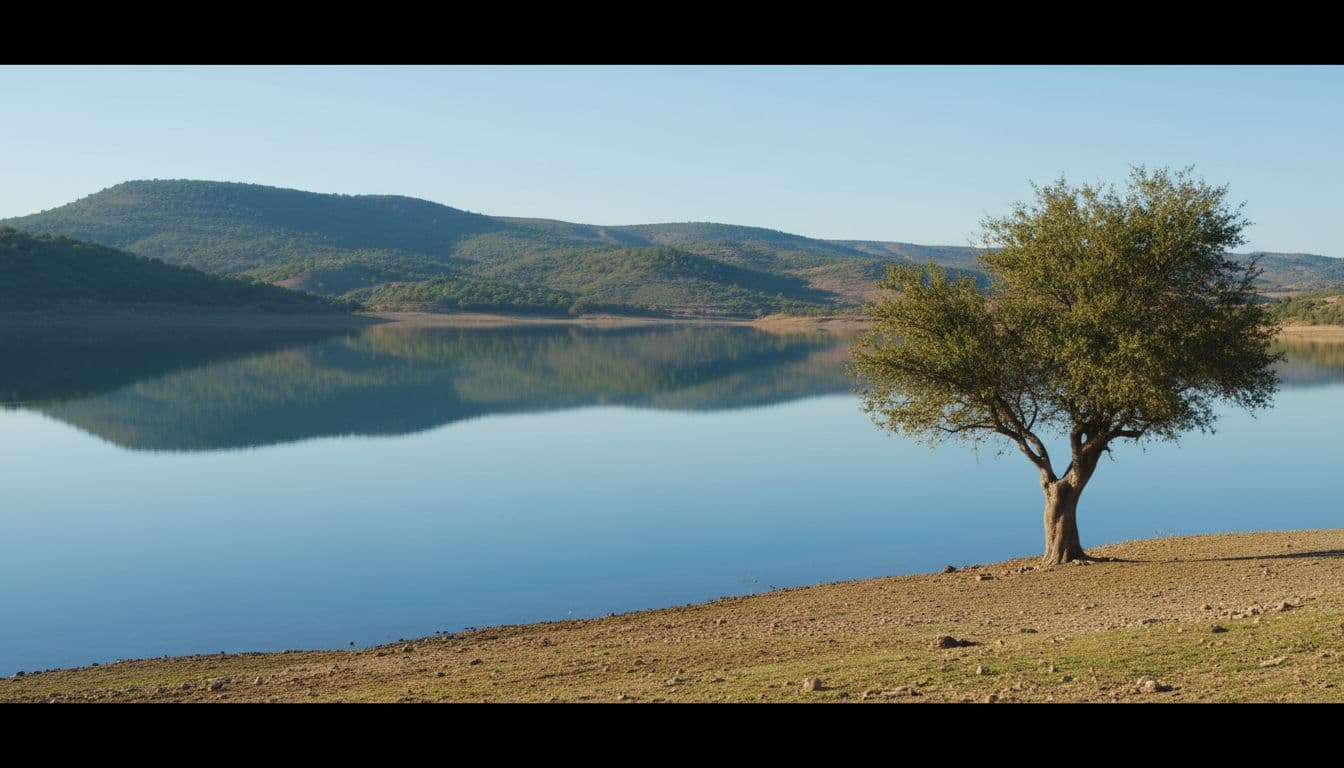 Lalla Takerkoust offers a different kind of coastal escape, one that feels close to Marrakech yet far from the city rush. The lake's still surface, open views, and pale hills make it ideal for quiet walks, reflection, and low-key time outdoors.
Because it sits less than an hour from the city, it suits travellers who want nature without a long journey. That makes it one of those Morocco eco destinations that fits easily into a short stay, while still feeling removed from traffic, crowds, and schedules.
For a closer look at routes and day-trip planning, Lalla Takerkoust's visitor guide gives a useful starting point. The lake is easy to reach by road, open throughout the year, and calm enough for relaxed shoreline time, gentle trails, or a simple picnic by the water.
The appeal lies in its stillness. Morning light softens the hills, the lake reflects the sky, and the whole area feels suited to unhurried outdoor time. Birdwatching, easy walks, and quiet sitting spots all work well here, especially for travellers who want a break from the heat and noise of Marrakech.
Why Morocco's coast is ideal for slow travel
Morocco's coast and lakeshore areas suit slow travel because they ask people to notice small things. A picnic tastes better beside a quiet lagoon, a camera sees more when the light is soft, and a short walk feels richer when birds, waves, and wind are part of the scene.
That is why places such as Oualidia's calm lagoon fit this style so well. The water is sheltered, the mood is gentle, and the setting gives travellers time to pause rather than push through a list of sights.
These landscapes also support responsible travel in simple, practical ways:
- Walk lightly and keep to clear paths near dunes, rocks, and water.
- Bring reusable bottles and take all litter away.
- Keep noise low so birds and local life are not disturbed.
- Buy food and small services locally, where possible.
- Leave fragile edges, nests, and rock pools untouched.
Slow travel works here because it matches the place. The coast asks for patience, while the still water invites reflection. Together, they give Morocco's hidden nature a softer voice, one that lingers long after the visit ends.
How to explore Morocco's secret natural wonders responsibly
Morocco's hidden valleys, palm gorges, desert edges, and quiet lakes feel richer when travel is slow and careful. Responsible travel keeps those places open for wildlife, protects water and soil, and supports the people who live beside them.
The best approach is simple. Use local knowledge, leave each place as it was found, and spend money where it helps the community most. That keeps Morocco natural wonders tied to nature conservation, not overuse.
Choose local guides and smaller group trips
Local guides add more than directions. They know which paths are safe after rain, where water flows seasonally, and how to read the weather before it turns. They also explain customs, village life, and the landscape in a way that makes the journey feel grounded rather than rushed.
Smaller groups put less pressure on fragile places. A narrow trail, a riverside path, or a desert track can handle only so much footfall before the ground starts to wear down. That matters in Morocco secret places, where one crowded visit can leave a visible mark.
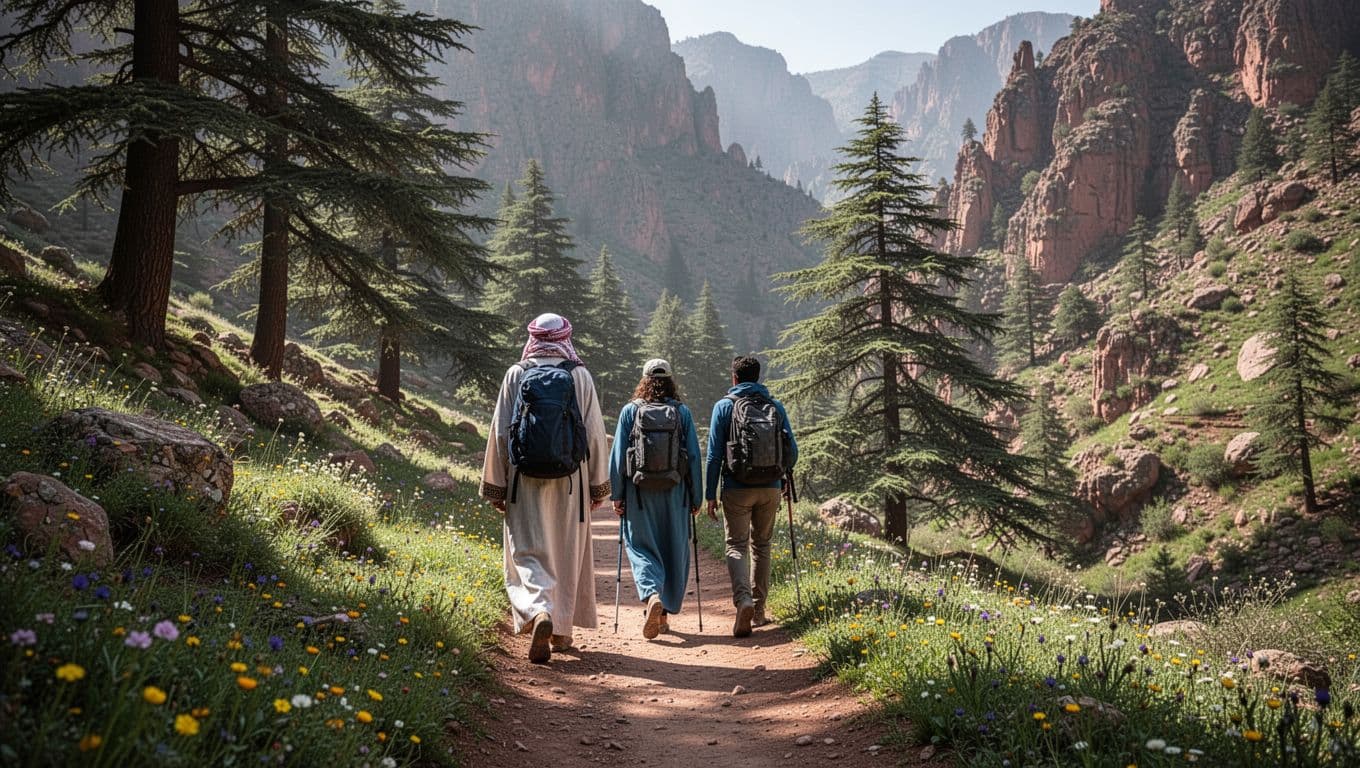 Travellers also get more from the experience. A guide from the area can point out medicinal plants, tell the story behind a spring, or explain how a valley is used through the seasons. That adds depth to Morocco nature tourism, and it gives local families a fairer share of the benefit.
A place like Aït Bouguemez shows why this works so well. The valley rewards patient visits, and local guesthouses help protect both the farming rhythm and the fragile mountain setting.
Travel lightly and leave no trace
Low-impact habits matter in every corner of Morocco's wild places. The rule is plain, take only photos, and leave no trace of the visit. That means rubbish goes home, water bottles get reused, and paths stay respected.
Small choices make a clear difference:
- Take all rubbish back with you, including fruit peel and tissues.
- Carry a refillable bottle and reduce single-use plastic.
- Stick to marked paths and avoid trampling plants or soft ground.
- Keep clear of nests, grazing animals, and resting wildlife.
- Use quiet voices near rivers, cliffs, and forest areas.
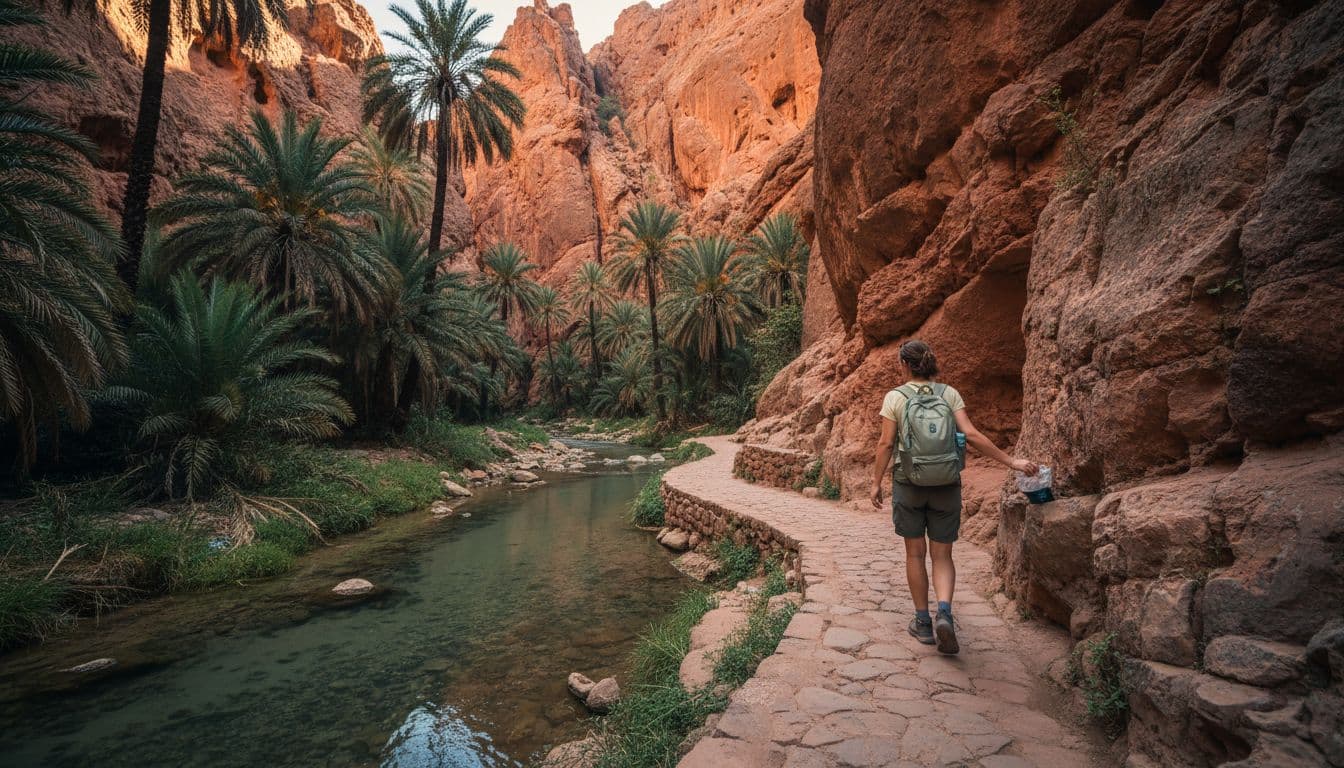 These habits protect more than the view. They protect insects, birds, stream banks, and the thin crust of soil that keeps mountain plants alive. In hot, dry regions, damage lingers, so respectful movement matters even more.
A green lifestyle on the road is not complicated. It simply asks visitors to treat Morocco eco destinations as living places, not outdoor sets.
Support places that protect nature and livelihoods
The best stays are often the most modest ones. Homestays, family-run guesthouses, and small camps usually keep income in the area and give travellers a more honest sense of place. They also tend to buy local food, hire local staff, and use less energy than large resorts.
Market meals matter too. Bread, olives, tagines, dates, and seasonal produce support nearby growers and traders. That keeps the money moving through the community instead of leaking away to outside companies.
Travellers can also choose experiences that give back. Walking tours led by local people, cooperatives that sell handmade goods fairly, and lodges that limit waste all support a healthier balance between conservation and daily life. That is the heart of sustainable travel, because nature care and community wellbeing should move together.
For readers who want practical examples of that approach, responsible travel in Morocco offers useful ideas on local food, homestays, and low-impact choices.
When visitors spend with care, Morocco's secret places stay special for longer. The land keeps its calm, the wildlife keeps its space, and the people who guard these places see a real reason to keep protecting them.
FAQ
Morocco's wild corners often raise the same practical questions before a trip is booked. The answers are simple enough, yet they matter, because the right timing, pace, and habits can make a visit far kinder to the land and far more rewarding for the traveller.
 ### When is the best time to visit Morocco's hidden nature spots?
Spring and autumn are usually the best seasons for Morocco natural wonders. March to April brings mild weather and fresh colour in the valleys, while October to November is often ideal for hiking, road trips, and longer days outdoors.
Summer can be harsh in the desert and crowded in some popular areas, so slower travel works better outside peak heat. In cooler months, the light is softer, the paths are easier to walk, and the land feels calmer.
For travellers planning a responsible trip, the official guidance on sustainable tourism in Morocco is a useful place to start. It gives a clearer picture of how eco destinations fit into the country's wider travel offer.
How can travellers keep a Morocco trip low-impact?
The best approach is practical and plain. Travellers should move lightly, spend locally, and keep waste to a minimum. That suits Morocco hidden nature, where fragile soil, scarce water, and small communities all need care.
A few habits make a clear difference:
- Use trains, buses, and shared transfers where possible.
- Carry a reusable water bottle and refill it.
- Stay in family-run guesthouses or small eco-lodges.
- Choose local guides for walks, desert trips, and village visits.
- Take rubbish away, including food scraps and tissues.
- Stay on marked paths and keep clear of plants, nests, and grazing land.
These choices support wildlife, reduce pressure on natural areas, and spread income in a fairer way. They also make the journey feel more grounded, because local knowledge adds detail that a map never shows.
Are these places suitable for first-time visitors to Morocco?
Yes, many of them are. Some spots, such as Paradise Valley, Lalla Takerkoust, and Aït Bouguemez, work well for first-time visitors who want scenery without a heavy schedule. They are quiet, but they are not difficult to enjoy.
The key is to travel with a local guide where needed, especially in mountain or desert areas. That keeps the visit safer and more meaningful, while also supporting responsible travel in practice.
The best first visit is the one that leaves space in the day. Slow travel fits these places better than a packed itinerary.
Travellers who prefer gentle walks, village meals, and unhurried views often get the most from Morocco nature tourism. The experience feels richer when each stop has time to breathe.
Which kinds of Morocco eco destinations suit slow travel best?
The strongest slow-travel spots are the ones with a clear rhythm. Valleys, gorges, oases, and calm lakes all work well because they reward time rather than speed. Aït Bouguemez is a good example, as it combines mountain scenery, local farming, and a strong sense of place.
Places with small guesthouses, walking routes, and village life nearby are especially good for a green lifestyle on the road. They let travellers wake early, walk quietly, eat locally, and rest without noise or rush.
For many visitors, that is the appeal of Morocco secret places. They are not made for quick visits. They are made for people who want to notice the colour of the rocks, the sound of water, and the way daily life fits around the land.
Conclusion
Morocco's secret natural wonders are at their best when they are given time, space, and respect. Their beauty lies in the quiet detail of a valley path, a desert sky, a hidden pool, or a coast shaped by wind and tide.
These places are also fragile. Responsible travel keeps them alive through care for water, wildlife, local communities, and the small habits that define a greener way of moving through the world.
For anyone drawn to Morocco hidden nature, the most rewarding journey is the thoughtful one, where eco tourism, sustainable travel, and environmental awareness stay at the centre of the experience.