
Grand Egyptian Museum: Ancient Egypt Meets Sustainable Design
The Grand Egyptian Museum shows you that sustainable travel can reach far beyond forests, reefs, and beach escapes. Here, ancient treasures sit inside a building designed to save energy and water, with smart shading, efficient lighting, and solar power helping cut its environmental footprint.
That matters if you care about cultural tourism that feels responsible as well as memorable. The museum uses far less energy and water than a typical building of its size, so your visit links heritage with practical climate action, not just spectacle.
If you already think green holidays only belong in wild places, this museum changes that view. It sits alongside other thoughtful travel choices, like eco-conscious travel destinations in France, and shows how modern design can protect both history and the future, one visit at a time.
Why the Grand Egyptian Museum matters to sustainable travel
The Grand Egyptian Museum matters because it shows you can travel for culture without turning your trip into a wasteful one. You get a landmark that draws people in with world-class heritage, yet it is built with the climate in mind, which makes the visit feel more thoughtful than a quick box-tick on a sightseeing list.
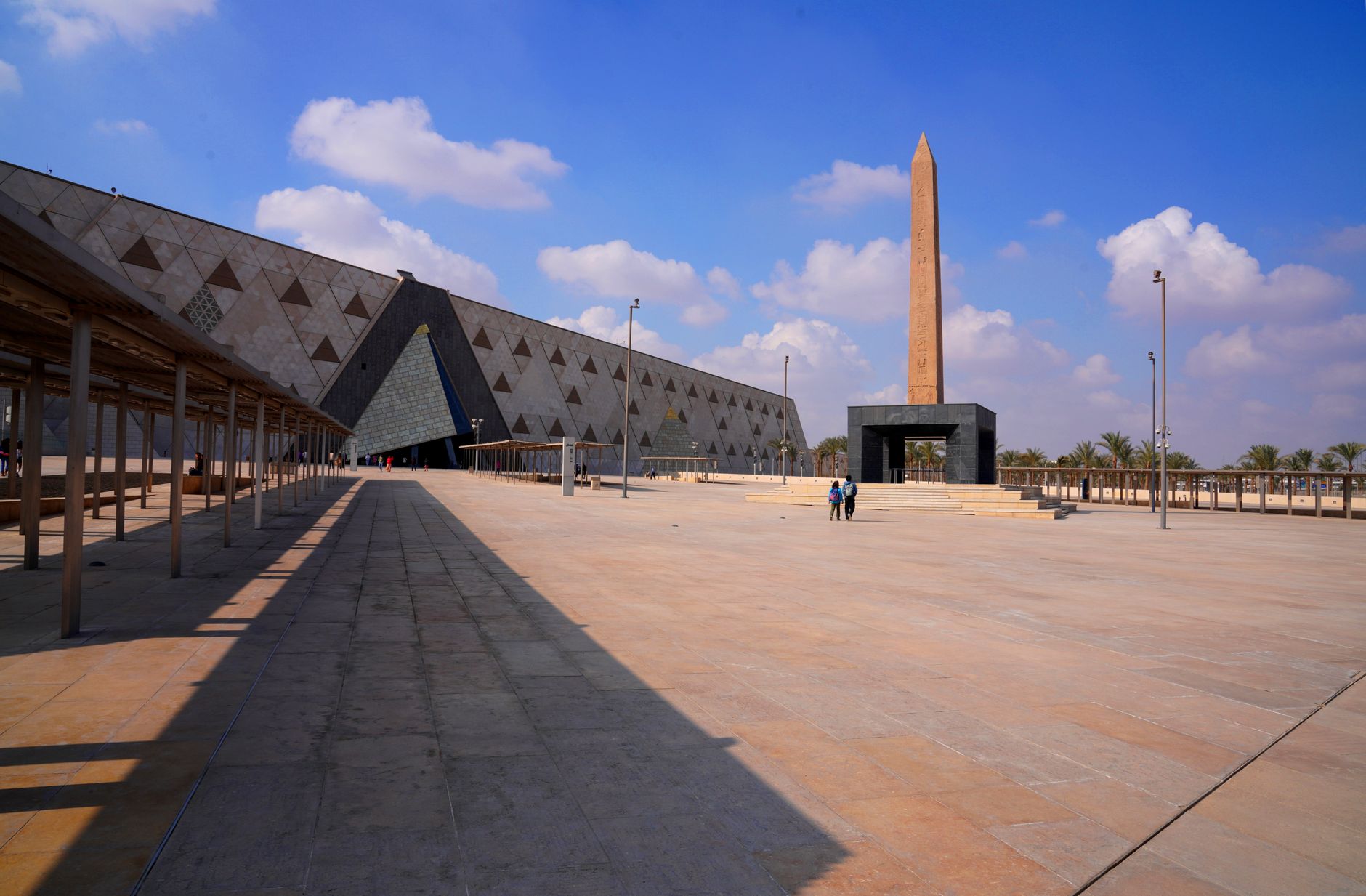 Photo by George Wang
A new kind of landmark for modern travellers
For many travellers, a memorable site is not enough on its own. You also want the place to respect its setting, use resources wisely, and feel designed for the long term. That is where the Grand Egyptian Museum stands out.
Its scale is impressive, but the sustainability story matters just as much. The museum uses features such as shading, insulation, daylight, water-saving systems, and heat-reducing surfaces, all of which help it work better in Egypt's hot climate. According to the museum's own sustainability information, it has also earned EDGE Advanced certification, which signals strong performance on energy and water efficiency. You can see that approach outlined in the museum's sustainability programme and in the IFC's recognition of the site as a green museum.
For you, that means the visit is not just about standing near ancient artefacts. It is also about seeing how modern architecture can support cultural tourism without ignoring environmental limits. That balance is important if you want your holiday to have substance as well as style.
The museum also fits the way more people now choose to travel. They want fewer empty experiences and more places that tell a clear story. A museum that protects heritage while reducing its footprint gives you both.
How heritage sites can support greener tourism
Heritage attractions can do more than preserve the past. They can also shape how you travel now, by cutting waste, lowering energy use, and teaching better habits. When a museum plans for efficiency, it helps set a standard that other visitor sites can follow.
The Grand Egyptian Museum does this through its building design and its day-to-day operations. Natural light lowers reliance on artificial lighting, while efficient ventilation and cooling reduce strain on power use. Water-saving fixtures matter too, especially in a dry climate where every litre counts. The result is a major attraction that is built with practical limits in mind, not just visual impact.
That lesson reaches beyond one building. If you choose heritage sites that invest in cleaner operations, you support a wider model of travel that values:
- Lower energy demand, so large visitor spaces use less power
- Smarter water use, which matters in regions facing heat and scarcity
- Better visitor education, so guests leave with more than photos
- Longer-term preservation, because responsible design helps protect both the site and the visitor experience
When a heritage site treats sustainability as part of the visit, your travel choices become part of the solution, not the pressure.
This is also where responsible tourism choices come in. You can back places that care for their setting by spending more time in well-managed cultural sites, using local guides, and pairing museum visits with low-impact travel plans. If you are building an eco-friendlier itinerary, a heritage anchor like the Grand Egyptian Museum works well alongside other thoughtful destinations, such as those covered in this guide to eco-conscious travel in France.
That is the bigger value of the museum. It proves that sustainable travel is not limited to remote nature reserves. It also belongs in cities, near monuments, and inside the buildings where history is kept alive.
How the building uses smart design to work with the desert climate
The Grand Egyptian Museum does not fight the desert, it works with it. That matters in Giza, where harsh sun, heat, and dry air can push energy demand sky-high if a building is poorly planned.
You can see the thinking in the structure itself. Thick walls, deep shade, filtered light, and cooler shaded zones all help the museum stay comfortable without depending on constant mechanical cooling. The result is a building that protects both visitors and artefacts while using fewer resources.
Passive cooling and shaded spaces that cut energy use
The museum uses passive cooling to reduce heat before it reaches the galleries. Thick insulated walls slow down heat transfer, so the building does not warm up as quickly during the day. That gives the air-conditioning system less work to do, which means lower energy use.
Shading does a lot of the heavy lifting too. The roof form, recessed openings, and screened areas help block direct sun, while still allowing the building to feel open and bright. In a place like Giza, that is a practical choice, not just a visual one.
You also benefit from cooler visitor spaces. Shaded courtyards and protected walkways make movement through the museum more pleasant, especially in the hottest hours. According to project descriptions from the design team, these passive measures help keep interior spaces at stable temperatures even when the outside air is far hotter. For a closer look at the design logic behind that approach, see the museum's passive design profile.
Natural light, ventilation, and water-saving systems
The museum is designed to use daylight carefully. Instead of flooding every space with harsh sun, it filters light through screens and controlled openings. That means you get brighter public spaces without damaging collections or adding unnecessary heat.
Airflow matters too. Efficient ventilation helps move air through the building in a controlled way, so the indoor climate stays steady. That is important in a museum, because fragile objects need protection from sudden swings in temperature and humidity.
Water use is handled with the same discipline. Water-saving fixtures and reuse methods help reduce demand in a region where every drop matters. At the same time, water features in outdoor or transitional areas can help cool the space around you, softening the harshness of the desert air without wasting resources.
In practice, this balance does two jobs at once:
- It lowers energy demand.
- It keeps artefacts in a safer, more stable environment.
Local materials and landscape choices that reduce waste
The museum also benefits from materials and site choices that suit the climate. Durable, high-performance materials last longer in extreme heat, so you avoid frequent repairs and replacement waste. When materials can be sourced closer to site, transport pollution drops too.
Landscape design matters just as much. Sparse planting, shaded hardscape, and carefully placed water elements can reduce the heat felt around the building. In other words, the grounds help cool the experience before you even step inside.
That approach fits the wider logic of desert architecture. You do not waste energy trying to force the site into a different climate. You shape the site to work with what is already there.
A smart desert landscape also helps the museum visually. It frames the building, reduces glare, and creates a calmer arrival experience. The whole place feels measured and intentional, which is exactly what sustainable cultural tourism should feel like.
Inside the museum, where ancient Egypt stays protected for the future
Once you step inside the Grand Egyptian Museum, the experience changes fast. The building stops being just a showcase and becomes a controlled shelter for objects that cannot be replaced. That matters because old stone, wood, linen, paint, and metal all react differently to heat, light, and moisture.
The museum's sustainability story is strongest here. Energy-efficient systems do more than cut bills, they help hold a steady indoor climate, which is exactly what fragile artefacts need. In a museum of this size, careful conservation and lower energy use should work together, not compete.
Why climate control matters for priceless artefacts
Ancient objects age badly when their environment keeps changing. Heat can dry out materials, humidity can make them swell or soften, and sudden shifts can cause cracking, warping, or flaking. Light also leaves its mark, especially on pigments, textiles, and other delicate surfaces that fade under too much exposure.
That is why climate control is not a luxury in a museum like this. It is part of the conservation plan. The Grand Egyptian Museum keeps temperature, humidity, air quality, and lighting within tight limits so the collection stays stable for decades, not just a few seasons.
A well-run system also uses less power when it is designed properly. Better insulation, smart HVAC controls, efficient pumps, and filtered airflow all reduce strain on the building. If you want a plain example, that means the museum can protect a painted object and waste less electricity at the same time.
For broader context on collections care and climate, the Icon environmental management guidance gives a clear picture of how stable conditions support both preservation and lower carbon use.
A stable museum climate is quiet, but it does hard work every hour of the day.
The visitor experience without damaging the collection
Good museum design should feel calm, not clinical. At the Grand Egyptian Museum, you can move through large, bright spaces while the most sensitive objects sit behind the scenes in carefully managed conditions. That balance is where sustainable design earns its keep.
Natural light, shade, and thoughtful circulation help create a generous visitor experience without flooding galleries with heat. Cooler interiors, clear wayfinding, and well-placed resting areas also make the visit easier on you, especially on hot days in Giza. The result is comfort that does not come at the collection's expense.
The museum also avoids the false choice between spectacle and protection. It gives you scale, atmosphere, and a sense of arrival, while hidden systems keep the displays safe. In practice, that means you see more of ancient Egypt and less of the machinery behind the scenes, even though the machinery is doing the real conservation work.
For a wider look at how cultural spaces balance preservation with lower emissions, the Gallery Climate Coalition's climate control guidance is a useful reference.
 Photo by Tahir Xəlfə
When a museum gets this right, your visit feels effortless, while the collection stays safe for the future. That is the real mark of good design, a place where heritage, comfort, and conservation all share the same space.
What the Grand Egyptian Museum says about Egypt's greener tourism direction
The Grand Egyptian Museum gives you a clear read on where Egypt wants tourism to go next. It is not just building bigger visitor spaces, it is tying culture, conservation, and cleaner operations into one story.
That matters because heritage travel now carries more weight than a photo stop. You are seeing a shift towards trips that use fewer resources, support long-term preservation, and fit a country's wider climate goals.
Connections to Egypt's wider sustainability goals
Egypt's Vision 2030 places sustainability at the centre of national development, with a focus on better resource use, cleaner energy, and stronger environmental protection. The Grand Egyptian Museum fits that direction neatly. It shows you how a major tourism project can speak to both economic growth and lower environmental pressure.
In practice, that means tourism is no longer treated as a separate track from sustainability. The museum links heritage, energy efficiency, and modern infrastructure in a way that feels deliberate, not decorative. Egypt is also pushing broader green tourism policies, including a national sustainable tourism strategy that connects visitor growth with conservation and better management of cultural sites.
The museum's own green measures support that message. Its solar power station, efficient building systems, and climate-conscious design show that large-scale cultural projects can cut emissions while still drawing global visitors. The International Finance Corporation's recognition of the museum as a green museum backs up that direction with a clear benchmark.
You can see the bigger pattern quite easily:
- Cleaner energy use helps reduce pressure on national power demand
- Smarter building design supports long-term operating efficiency
- Heritage protection keeps cultural assets valuable for future generations
- Greener destination planning makes tourism more resilient
The museum is not a side project. It is part of Egypt's wider move towards tourism that uses less energy and creates less waste.
Why visitors care about low-impact cultural travel
More travellers now want trips that feel meaningful without leaving a heavy footprint behind. You may still want iconic sights, but you also want to know your visit supports something worthwhile. That is where the Grand Egyptian Museum fits the mood so well.
It gives you a cultural experience with substance. You get ancient history, thoughtful architecture, and a building that treats efficiency as part of the visitor experience. That combination matters because it shows responsibility can sit beside scale and ambition.
This is also why low-impact cultural travel keeps growing. People want to learn, not just consume. They want places that teach them something about history and also about how modern destinations can be built with care. The museum answers that demand by turning sustainability into part of the story you experience, not just a label on a brochure.
For Egypt, that approach helps tourism stay competitive without falling back on old habits of high use and short-term gain. For you, it creates a better kind of visit, one where your time, spending, and curiosity support a destination that is trying to do things properly. The UNDP's coverage of the museum's solar power station makes that direction even clearer, especially because it ties the project to a broader green museum ambition.
A low-impact cultural trip often has the same qualities people value in nature travel:
- It feels more purposeful.
- It asks less of local resources.
- It gives you a stronger sense of place.
- It leaves room for local benefits to grow over time.
That is why the Grand Egyptian Museum matters beyond its galleries. It shows you a form of tourism that respects the past, uses modern design well, and points towards a cleaner future for one of the world's most visited heritage destinations.
How you can visit more responsibly
A thoughtful visit starts before you arrive. If you plan well, travel lightly, and respect the space once you are inside, you help protect the Grand Egyptian Museum as a living cultural site, not just a photo stop.
That matters because responsible tourism works best in small, steady choices. The museum already uses design choices that reduce waste and energy use, so your habits can support that effort rather than add pressure to it.
Simple choices that lower your footprint on the day
The easiest way to travel more responsibly is to cut avoidable waste before the day gets busy. Plan your route in advance, use public transport or a shared transfer where you can, and avoid making extra car journeys just to save a few minutes.
A reusable water bottle also helps. Egypt's climate can make you reach for bottled drinks fast, yet a refillable bottle reduces plastic waste and keeps you prepared through long stretches indoors and outdoors. If you pack light and skip single-use items, you make the day easier on yourself too.
A few simple habits make a real difference:
- Plan your route early so you are not circling the area in a car.
- Use public transport or shared taxis when practical.
- Carry a reusable bottle and a small bag for any waste.
- Buy only what you need so you do not add extra packaging to your visit.
You can also reduce the pressure of the visit by choosing quieter times. Less crowded periods feel calmer, and they put less strain on staff, entrances, and shared spaces. For a useful broader guide to low-impact museum travel, the National Endowment for the Humanities' museum visiting advice gives a few practical ideas that fit neatly with sustainable touring.
A responsible day out is usually the one with less noise, less waste, and less rushing.
Respectful habits that help protect the museum experience
Once you are inside, your behaviour matters as much as your travel choice. Follow the staff's directions, stay behind barriers, and treat every display as part of a carefully protected collection. Those rules are there for a reason, and they help preserve objects that cannot be replaced.
Photography needs the same care. If flash is not allowed, keep it off. If a gallery bans photos, leave your phone in your pocket and enjoy the room with your own eyes. You will often remember more when you stop trying to capture everything.
It also helps to move through the museum with others in mind. Keep your voice low, do not block displays, and give people space when they are reading labels or taking in a case. That kind of courtesy turns a busy public site into a better experience for everyone.
A few habits are especially useful:
- Read the signs carefully and follow conservation rules.
- Keep your distance from objects, ropes, and cases.
- Use photography respectfully when it is allowed.
- Treat the museum as shared space, not a private backdrop for content.
The same attitude applies outside the galleries. Dispose of rubbish properly, respect the grounds, and support museum-run shops or cafés if you want to spend locally in a way that helps the site. That is a simple form of stewardship, and it fits the wider ideas behind responsible cultural travel described by ethical museum visitor guidance.
A museum like this asks you to slow down, pay attention, and leave things as you found them. That is a small effort, but it keeps the experience sharp for you and safer for the artefacts, which is exactly what sustainable sightseeing should do.
Why this museum will appeal to eco-conscious travellers and culture lovers alike
The Grand Egyptian Museum will appeal to you if you want a trip that feels rich in meaning and light on waste. It gives you ancient history, striking architecture, and a lower-impact way to experience one of the world's most important heritage settings. That mix is rare, and it suits travellers who care about both place and purpose.
For culture lovers, the draw is obvious. You get the scale of Egyptian civilisation, carefully presented collections, and a setting that frames the past with real ambition. For eco-conscious travellers, the appeal runs just as deep, because the museum is built around smarter energy use, careful climate control, and a design approach that respects its desert setting.
The link between awe, learning, and responsibility
A strong museum visit should leave you with more than photos. Here, you leave with a clearer sense that modern design can protect culture without ignoring the environment. That matters because heritage travel often carries a hidden cost, yet this museum shows a better way forward.
The building itself teaches that lesson. Shade, insulation, daylight control, and water-conscious systems all work together so the museum can welcome huge numbers of visitors without wasting resources. In other words, the experience is part of the message. You see ancient Egypt, but you also see what careful planning can do in a hot, resource-stressed climate.
When a museum treats sustainability as part of the experience, your visit feels more thoughtful from the start.
That balance also matches what many travellers now want. Sustainable museums let you learn, enjoy culture, and travel responsibly in one trip, which is why they are gaining attention among people who value both ethics and experience. For a wider view of how museums can reduce their environmental impact, the National Museum of Natural History's sustainability approach shows how visitor sites can cut waste and still serve the public well.
Who will get the most from a visit
You will probably enjoy this museum most if you care about one or more of these things:
- History and archaeology, because the collections give you a direct link to ancient Egypt
- Architecture and design, because the building is as thoughtful as the objects inside it
- Family travel, because it offers a meaningful day out with clear educational value
- Lower-impact tourism, because the site supports a more responsible way to travel
- Cultural learning, because it gives you context, not just a quick spectacle
It also suits travellers who want their choices to align with their values. If you prefer places that respect local heritage, use resources carefully, and support long-term conservation, this is the kind of destination that earns your time.
For more context on why responsible cultural travel matters, the Art Newspaper's coverage of museum sustainability gives a useful picture of how major museums are rethinking their footprint. The Grand Egyptian Museum fits that shift well, and that is exactly why it speaks to both eco-conscious travellers and culture lovers.
FAQ
If you are planning a visit, a few practical questions usually come up first. These answers keep things simple and help you plan a more thoughtful trip to the Grand Egyptian Museum.
Is the Grand Egyptian Museum open to visitors now?
Yes, the museum is open to the public in May 2026. It officially opened on 1 November 2025, and visitors can now explore the galleries and exhibits.
That means you can plan a visit with confidence, rather than waiting for a future launch date. For the latest visitor details, the museum's own Grand Egyptian Museum sustainability page is a useful place to check before you travel.
What makes the museum sustainable?
The museum uses a mix of design choices that lower energy and water use. These include shading, efficient lighting, insulation, natural light control, and systems that help manage indoor comfort without wasting power.
It also uses solar energy and other resource-saving measures, which matter in a hot, dry setting like Giza. The wider project has been recognised for green-building performance, including EDGE Advanced certification, as outlined by Egypt's Ministry of Tourism and Antiquities on the museum project page.
Why does sustainable design matter in a museum like this?
A museum of this size can use a lot of energy if it is badly designed. Here, sustainable planning helps protect fragile artefacts, keeps visitors comfortable, and reduces pressure on local resources.
That matters because climate control is part of conservation, not just comfort. When the building holds temperature and humidity steady, ancient objects last longer and the museum runs more efficiently at the same time.
How can you visit in a more responsible way?
You can make a real difference with a few small choices. Travel by shared transport where possible, carry a reusable water bottle, and keep waste to a minimum.
It also helps to respect gallery rules, avoid flash photography where it is not allowed, and give other visitors space. If you want a quick practical reference, the museum's visitor FAQ covers common planning points and can help you prepare before you arrive.
A responsible museum visit is quiet, simple, and respectful, which leaves more room for the collection to speak for itself.
Conclusion
The Grand Egyptian Museum gives you a clear example of how heritage and sustainability can sit side by side. Ancient Egypt is presented with care, while the building uses smart eco-friendly design to manage heat, save water, and cut energy use.
That makes the museum more than a place to admire objects behind glass. It shows you how cultural tourism can feel responsible, thoughtful, and future-facing without losing its sense of wonder.
If you care about eco-friendly travel and sustainable cultural tourism, this is the kind of destination that deserves your attention. What's your experience with eco-friendly travel? Share your thoughts and ideas, your insight helps inspire more responsible travellers.