
Wildlife Conservation Tours That Protect Nature While You Travel
Wildlife conservation tours let you enjoy nature while helping protect it, so your trip gives back as well as leaving a memory. You're not only watching animals, you're supporting habitats, local people, and the fieldwork that keeps wild places alive.
A well-run wildlife conservation tour can help fund park protection, research, ranger work, and community projects, while keeping your impact low. The best trips use small groups, careful timing, and respectful viewing rules, so you can travel without disturbing the animals you came to see.
If you want your next trip to do real good, you need to know what to look for and what to avoid. Here's how these tours work, how you can choose a strong operator, and how your journey can support nature without harming it.
What makes a wildlife conservation tour different from a regular wildlife trip?
A wildlife conservation tour is built around protection first. You still get the joy of seeing animals in their habitat, but the trip is designed to leave the place better than you found it, or at least not worse. A regular wildlife trip may focus on sightings, photos, and convenience, while a conservation-focused experience ties your visit to real work on the ground.
That difference matters. When you travel with care, your money can support ranger patrols, habitat restoration, species monitoring, and the people who live beside protected areas. If you want a broader look at how responsible travel supports nature, this guide to sustainable travel destinations in France shows how conservation and tourism can fit together in a practical way.
How conservation tours help animals, habitats, and people
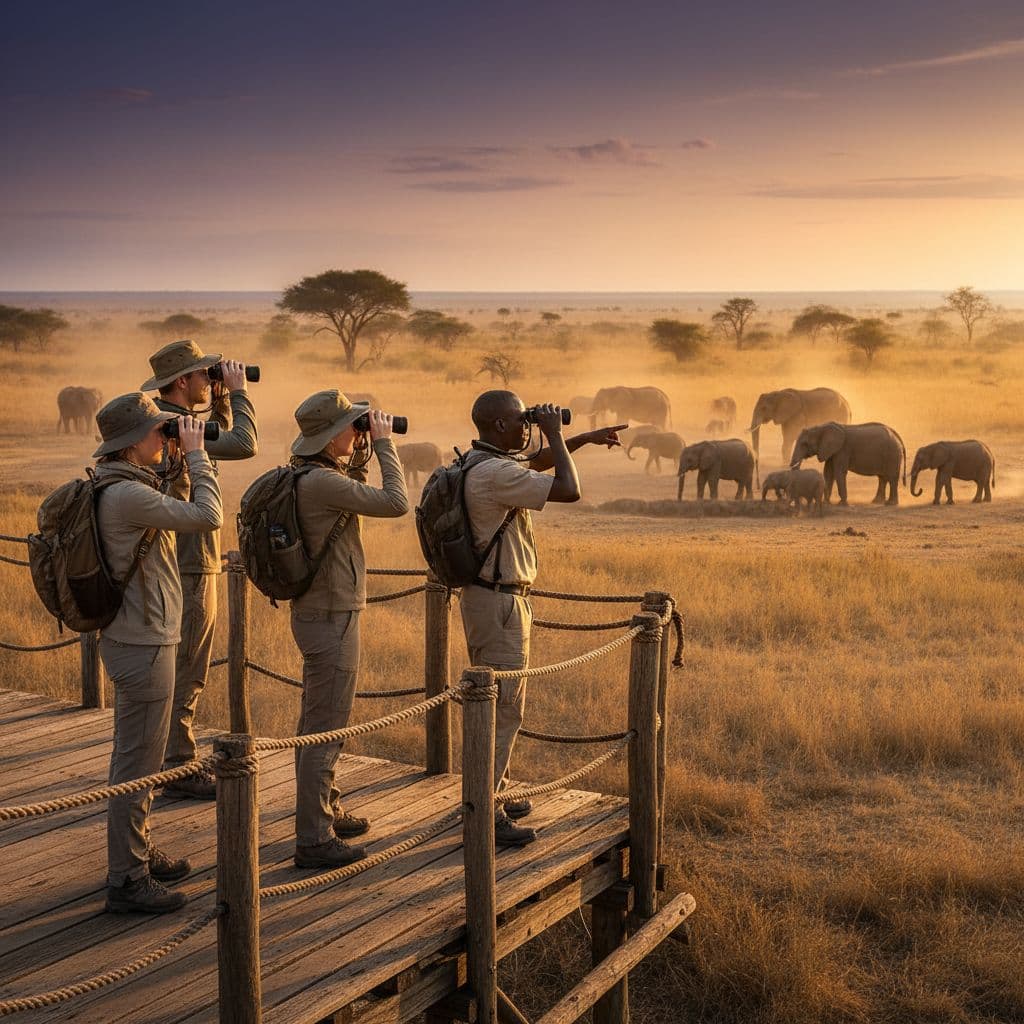
A conservation tour does more than move you from one viewing point to another. Part of the ticket price often goes back into wildlife protection projects, which can fund anti-poaching work, camera traps, field surveys, and habitat care. That money helps conservation teams keep track of species that need space, water, and undisturbed breeding grounds.
These trips also help local communities near parks and reserves. When guides, drivers, cooks, lodge staff, and craft sellers earn a fair income from responsible tourism, conservation becomes more practical to support over time. People who benefit from wildlife are more likely to protect it, especially when tourism respects local needs and does not crowd them out.
You can often spot the difference in the way a trip is run:
- Smaller groups mean less noise and less pressure on animals.
- Strict viewing rules keep you at a safe distance.
- Local hiring keeps more money in the area.
- Monitoring and research support helps scientists understand species health.
- Habitat protection fees help maintain the land animals actually need.
A good conservation tour treats wildlife as living neighbours, not as scenery.
This approach lines up with wider conservation thinking from groups such as WWF, which links nature protection with local livelihoods and long-term stewardship. You can see that same logic in conservation reports and field programmes that put habitats, people, and wildlife in the same frame, not separate boxes.
The role of guides, rangers, and local experts
Expert-led trips feel different straight away. A trained guide or local naturalist helps you notice animals without pushing too close, and that changes the whole experience. Instead of chasing a quick sighting, you learn how to read tracks, calls, feeding signs, and movement patterns.
That knowledge matters for conservation too. Good guides know when to stop, when to back off, and how to keep animals calm. They also teach you how to behave around wildlife, so your presence does not add stress to nests, dens, or watering points.
Local experts often give you better sightings because they know the land in a way no map can show. They understand seasonal movement, hidden paths, bird calls, and the habits of individual animals. As a result, you spend less time disturbing wildlife and more time observing it properly.
These trips also support community-led conservation because local people are not just helpers, they are the knowledge holders. That matters in places where conservation depends on people who live close to the land every day.
A strong guide team usually brings three benefits at once:
- Safer wildlife viewing, because you follow distance rules and avoid risky behaviour.
- Better interpretation, because you learn why the species matters and what threatens it.
- Stronger local impact, because your spend supports people who protect the area.
If you want a different example of nature-led travel with a local focus, these family-friendly ecotourism destinations show how responsible trips can stay enjoyable while still supporting conservation.
A conservation tour also gives you context. Instead of asking only, "Where are the animals?", you start asking, "What keeps them safe here?" That shift changes how you travel, because you begin to see the whole system, not just the highlight moment.
On a regular wildlife trip, the main aim is often the experience itself. On a conservation tour, the experience is still important, but it sits beside a clear purpose, helping wildlife survive, helping habitats stay intact, and helping the people who care for those places earn a fair living. That is what makes the trip different, and why it lasts longer in your memory.
The real conservation work your trip can support
When you choose a wildlife conservation tour, you are paying for more than a seat in a vehicle or a bed near a reserve. You are helping fund the work that keeps wild places standing, especially where animals are under pressure from habitat loss, climate change, and human activity. In many regions, tourism only makes sense when it helps protect the very species and habitats people travel to see.
Protecting endangered species and fragile ecosystems
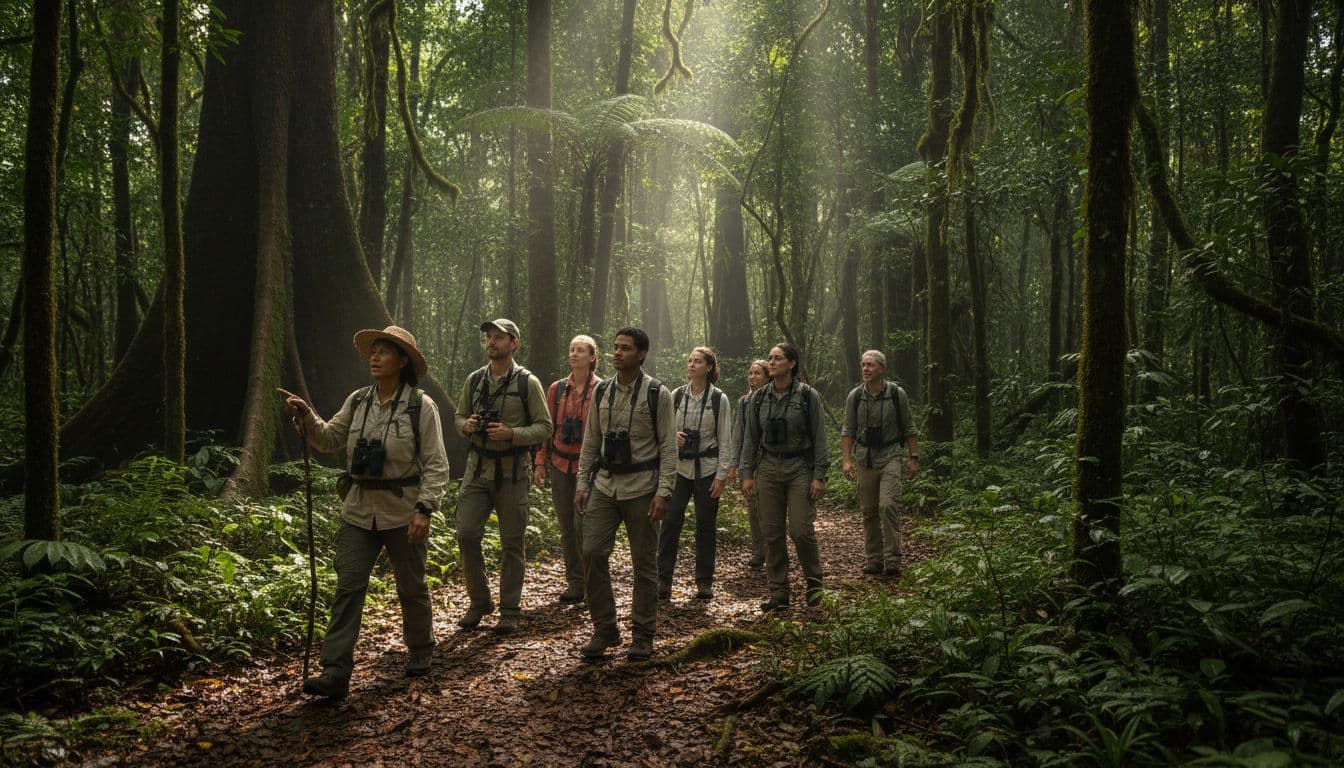
Many of the best wildlife trips happen in places that are already under strain. Forest edges shrink, rivers change course, reefs bleach, and grasslands get carved up by roads or farms. That is why careful tourism matters. When you visit a sensitive area with a responsible operator, your trip can help keep the habitat valuable while it is still intact.
The stakes are high. The IUCN Red List tracks species at risk across the world, and the numbers show how much pressure nature is under. That makes every well-run conservation trip more meaningful, because it supports protection before damage becomes harder to reverse.
Your money can help in practical ways:
- Park and reserve upkeep through entry fees and conservation levies.
- Species monitoring with camera traps, field surveys, and tracking work.
- Anti-poaching patrols that reduce direct threats to animals.
- Habitat restoration such as tree planting, wetland repair, or invasive species control.
- Community-led conservation that gives local people a direct stake in protection.
In places where wildlife tourism supports conservation, animals are worth more alive than dead. That simple shift changes how land is managed and how local economies grow. For a good example of impact-focused travel, see Journeys With Purpose's conservation work, where travel is tied to local stewardship and protected landscapes.
Why small groups and low-impact travel matter
The best tours keep their footprint light. Small groups mean less noise, less crowding, and less stress for animals that are feeding, resting, or raising young. They also make it easier for guides to control behaviour, which protects both wildlife and the experience itself.
You can do your part by keeping your movements calm and deliberate. Stay on marked paths, keep your distance, move quietly, and avoid sudden stops or loud calls. If the tour uses boats, jeeps, or transfers, low-impact transport helps too, especially when it reduces fuel use and road damage.
A good operator designs the whole trip to leave as little trace as possible. That includes sensible route planning, limited off-road driving, proper waste handling, and respectful wildlife viewing rules. In short, the goal is not to take from the place, but to pass through it with care.
If you want your journey to support wildlife rather than disturb it, focus on tours that treat restraint as a strength. That is where conservation travel earns its name.
How to choose a wildlife conservation tour you can trust
A good wildlife conservation tour should feel calm, transparent, and respectful from the first enquiry. You want clear rules, trained guides, and proof that your money supports animals and habitats, not just photo stops.
The strongest operators make their standards easy to understand. They talk plainly about animal welfare, local partnerships, group size, and the conservation work your booking helps fund. That kind of openness matters, because responsible tourism depends on trust as much as it does on good intentions.
Green flags that show an operator is ethical
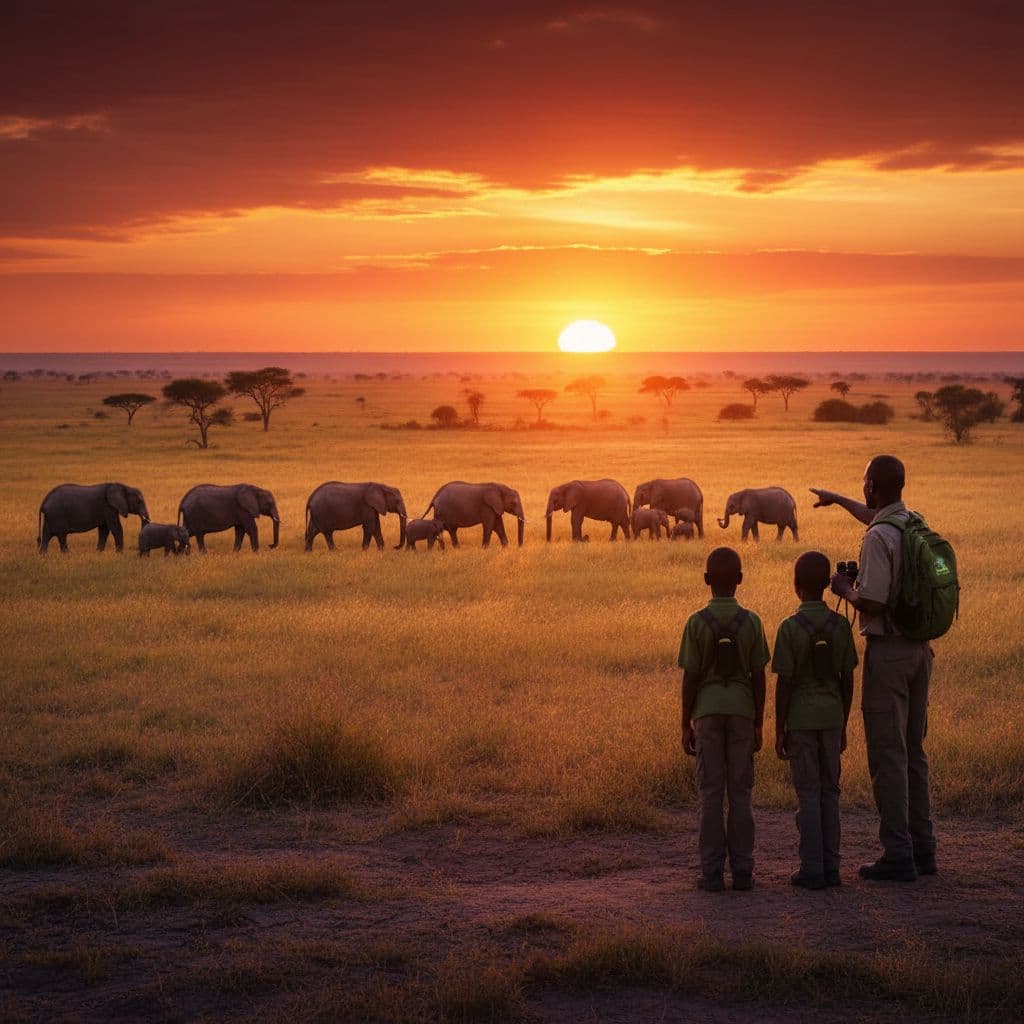
Start with the basics. An ethical operator puts animal welfare first and explains its rules without hiding behind marketing copy. If the company says you must stay back, keep quiet, and never feed or touch wildlife, that is a strong sign.
Look for guides who are licensed, local, and trained in animal behaviour. They should know when an animal is relaxed and when it is under stress. Good guides do more than point and talk, they help you read the scene so you do less harm and learn more.
It also helps when the company can show real conservation links. That might mean partnerships with reserves, community groups, researchers, or anti-poaching teams. If the tour supports habitat work, wildlife monitoring, or local ranger programmes, your booking has a clearer purpose.
Ask how honest the company is about sustainability. A trustworthy operator does not just use words like "eco" or "green". It explains where the money goes, how waste is handled, and what it does to reduce pressure on nature. Small groups are another good sign, because fewer people usually means less noise, less stress, and better viewing for everyone.
If the operator can explain its practices clearly, you are far more likely to be booking a tour that respects wildlife.
When you want a wider view of how responsible tourism and conservation fit together, WWF's approach to locally led conservation is a useful reference point. It shows why local people, habitats, and wildlife need to be treated as one connected system.
Warning signs that the tour is harming wildlife
Some tours look exciting at first glance, but the details tell a different story. If an operator encourages touching, feeding, riding, or holding animals for photos, walk away. Those experiences may feel close, but they often stress the animal and distort natural behaviour.
Be wary of any promise of guaranteed close encounters. Wild animals do not follow a timetable, and no honest guide can promise that you will see a lion, whale, or leopard on demand. If the sales pitch sounds too polished, it may be hiding poor practice.
Staged photo sessions are another red flag. So are cages, cramped enclosures, chained animals, or repeated breeding of babies for tourist visits. These setups often exist to entertain people, not protect wildlife.
Watch for these warning signs before you book:
- Guaranteed sightings that sound impossible in the wild
- Direct contact with animals, including touching or feeding
- Riding animals for entertainment or photos
- Forced photo stops that keep animals too close for comfort
- Vague claims about conservation with no clear evidence
- Large groups that crowd animals and damage habitats
If you are still unsure, look at independent reviews and trusted travel advice. The Outside guide to responsible wildlife travel offers a sensible reminder, if the company does not explain its methods clearly, ask before you book. Silence is often more revealing than a glossy brochure.
A tour you can trust should feel respectful before you even reach the trail, hide, or boat. If it pushes unsafe interactions, treats wildlife like a prop, or avoids direct answers, it isn't conservation travel. It is just wildlife tourism with a better label.
What you should do before and during the tour
The best wildlife conservation tours start before you even set foot on the trail. If you prepare well, you protect animals, keep the group calm, and make the day far better for everyone involved. A little care goes a long way here, because wildlife responds to your noise, movement, and distance.
Before you go, check the operator's rules, pack with restraint, and read up on the species you might see. During the tour, your job is simple: watch, listen, and keep your presence light. That mindset helps you travel responsibly while still enjoying every moment in the field.
Simple habits that keep wildlife safe
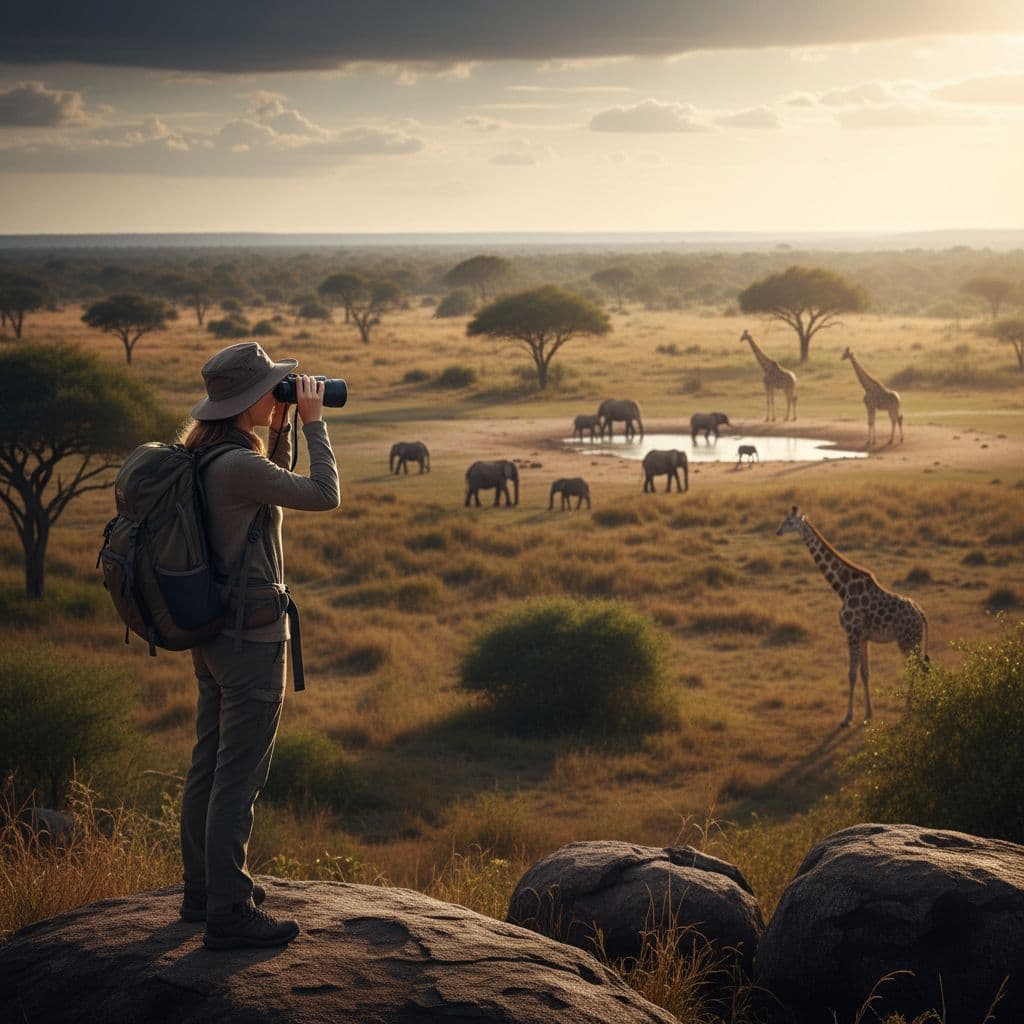
Your behaviour matters just as much as the operator's. Stay quiet, keep your movements slow, and leave animals plenty of space. If a bird lifts off, a deer turns away, or a primate stiffens, you are already too close.
Never feed wildlife, even when it looks harmless. Feeding changes natural habits, makes animals depend on people, and can put both sides at risk. It also teaches animals to approach humans, which creates problems long after your visit ends.
Respect the guide's instructions at all times. They know the land, the species, and the safest viewing distance. If you want a better look, use binoculars or a zoom lens instead of stepping forward.
A few habits should become second nature:
- Keep a respectful distance and never block an animal's path.
- Stay calm and quiet so you do not startle the group.
- Avoid flash photography if it could disturb eyes or behaviour.
- Let animals move freely, especially near nests, dens, water, or feeding areas.
- Follow the guide's lead rather than chasing a sighting.
If your presence changes an animal's behaviour, you are too close.
For a broader view of ethical viewing, National Geographic's wildlife tourism guidance is a useful reference. It reinforces a simple rule, let animals stay wild, and observe them on their terms.
Packing and planning with a lighter footprint
Good preparation makes the whole tour easier to manage. Start with practical items that cut waste, such as a reusable water bottle, a refillable cup, and a small bag for rubbish. If you are heading into sensitive habitats, choose nature-safe or reef-safe toiletries where they are relevant, especially for coastal or marine trips.
Pack light as well. A smaller bag means less strain on transfers, less clutter in vehicles, and less waste from single-use items you never needed. It also makes you less likely to overpack and leave useful things behind at the end.
Your travel choices before the tour matter too. Where it fits your route, trains or other lower-carbon options can reduce the footprint of the journey. If you are looking for more sustainable trip ideas, this guide to family-friendly ecotourism destinations gives you a sense of how low-impact travel can still feel rich and memorable.
Choose local businesses whenever you can. Local guides, guesthouses, restaurants, and transport providers keep more money in the area and often know the land best. That support helps conservation stay connected to the people who live beside it.
A few smart packing choices make a real difference:
- Bring a reusable bottle and reduce plastic waste.
- Pack only what you need, especially for short tours.
- Choose products that are safe for wildlife and waterways.
- Support local operators instead of booking everything through distant middlemen.
- Pick lower-carbon travel options where possible.
You do not need a heavy kit or complicated plan. You need the right habits, a light footprint, and enough care to let the animals remain the focus of the day.
Why these trips are good for local communities too
Wildlife conservation tours can do real good for the places you visit, especially when local people own the benefit. When money stays in the area, it helps fund jobs, services, and protection work that keep habitats healthy for the long term. That gives communities a clear reason to look after the land, water, and wildlife that draw travellers in the first place.
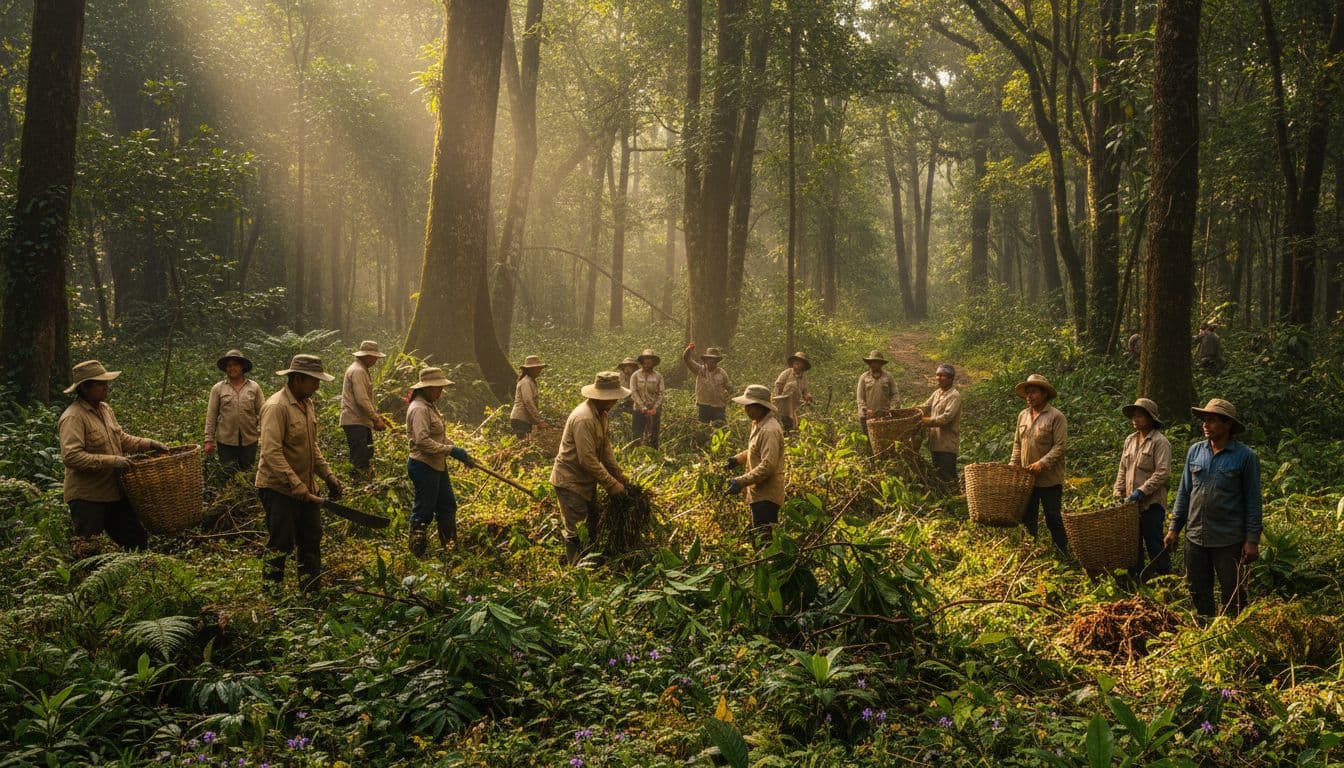
How community-led tourism strengthens long-term conservation
When a community earns from healthy ecosystems, conservation becomes part of daily life rather than a rule handed down from far away. People have more reason to support wildlife protections, report illegal activity, and protect land that supports both nature and income. That is how a forest, wetland, reef, or reserve becomes worth more standing than cleared.
Local ownership also changes how tourism behaves on the ground. Community-led businesses are more likely to back limits on noisy vehicles, wasteful development, and disruptive visitor behaviour, because they live with the results. They also tend to use local knowledge, so guides know when animals are nesting, where trails should stay closed, and which areas need rest.
You can see this approach in community-based tourism projects that tie income to conservation outcomes, such as work around Rwanda's Volcanoes National Park. For a useful overview of how this model links jobs and protection, see community-based tourism and conservation in Rwanda.
Questions to ask about money, wages, and local impact
Before you book, ask a few direct questions. You do not need a long interview, just enough to see where the money goes and who benefits.
Try this practical checklist:
- Who owns the business, and where is it based?
- Who gets hired for guiding, driving, cooking, or lodge work?
- Are local suppliers used for food, transport, and materials?
- Does any income go back into conservation, schools, or community projects?
- Are wages fair, or does most of the value leave the area?
- Does the operator support local rules that protect wildlife and habitats?
Those questions quickly show whether a trip supports the area or just passes through it. As National Geographic notes in its coverage of community-based tourism, the best trips keep money local and give communities a real voice in how nature is protected. You can read more in National Geographic's community tourism guide.
If you want your travel spend to do more than cover a seat on a safari jeep, choose tours that put local people at the centre. That is where conservation travel becomes fairer, stronger, and far more lasting.
Examples of wildlife conservation tours that do meaningful good
The best wildlife conservation tours give you more than a sighting. They help protect the places where animals live, while also supporting the people who care for them day after day. That matters if you want your travel to feel light on the land and useful in practice.
You'll usually notice the difference straight away. These trips use trained guides, small groups, and strict viewing rules, so you spend more time observing and less time interfering. As a result, the animals stay calmer, the habitat takes less pressure, and your visit has a clearer purpose.
Land-based tours that protect forests and mammals
Land-based conservation tours often take the form of safaris, rainforest walks, primate tracking, or reserve visits. The key is the way they are run. You watch from a respectful distance, follow marked routes, and let the guide decide when to stop or move on.
In a well-managed safari, you stay on approved tracks and keep vehicle numbers low around each sighting. That prevents crowding and reduces stress on mammals that need space to feed, rest, or rear young. It also protects grass, soil, and nesting areas from unnecessary damage.
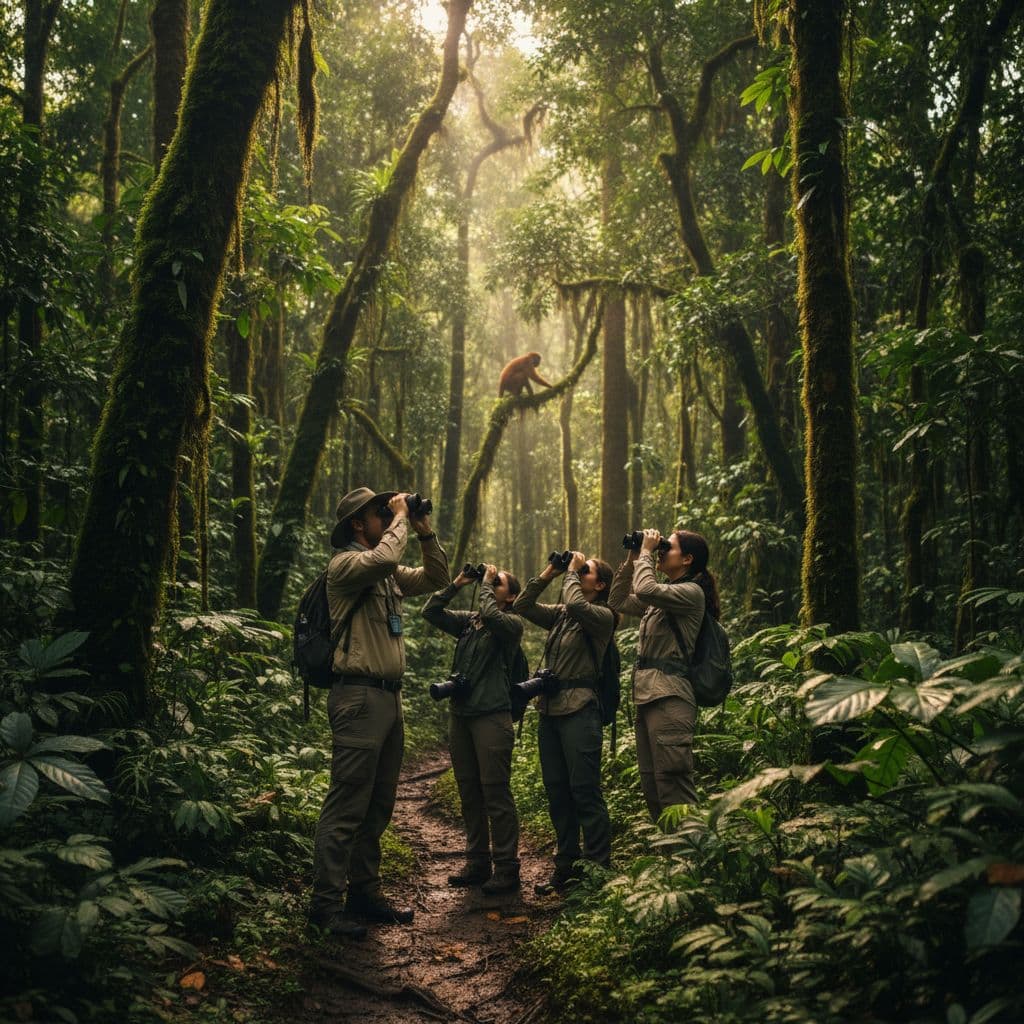
Primate viewing works best when it feels calm and controlled. Good operators brief you before the walk, keep you still when animals are near, and limit time with each group. If you want an example of responsible tracking rules in practice, the chimpanzee trekking etiquette shows how distance, silence, and hygiene all protect the animals.
If the tour asks you to chase a better photo, it's already losing sight of conservation.
You'll also see strong land-based tours support habitat care in quieter ways. They fund rangers, trail upkeep, and local jobs, which helps keep forests valuable while they remain intact. That is one of the reasons these trips can do real good.
Ocean and coastal trips that support marine life
Marine conservation tours can be just as careful, as long as the operator puts the animals first. Whale watching, turtle monitoring, reef visits, and coastal survey trips all work well when the boat keeps its distance and the crew respects speed limits.
A good boat operator never crowds marine life or cuts across its path. It keeps a steady pace, slows early, and leaves room for animals to move freely. That matters because pressure from too many boats can change feeding, resting, and breeding behaviour.
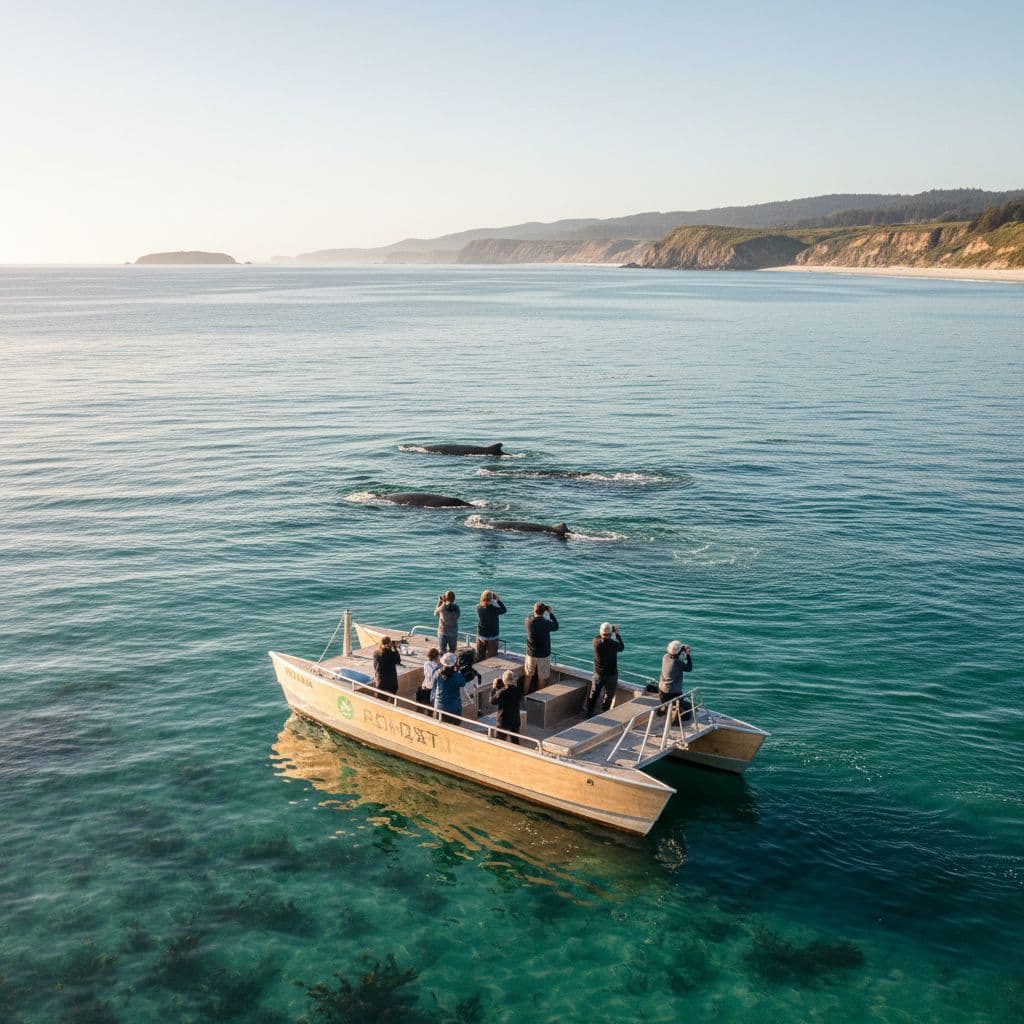
Responsible coastal trips also support real fieldwork. You might help with turtle nesting patrols, reef clean-ups, or shoreline surveys that collect data for conservation teams. Those activities are simple, but they matter, because they give local projects more eyes, more hands, and better records.
A careful marine trip should follow a few clear rules:
- Keep a safe distance from animals at all times.
- Avoid blocking their route or surrounding them with boats.
- Follow speed limits near wildlife zones.
- Keep group size low so the water stays quiet.
- Skip any trip that allows feeding, touching, or chasing.
The National Geographic guidance on responsible wildlife tourism is a useful reference if you want to check whether a trip puts wildlife welfare ahead of convenience. The same logic applies on land and at sea, animals should be observed, not managed for your entertainment.
When you choose these tours well, you get a richer experience and a cleaner conscience. More importantly, you help keep forests standing, reefs healthier, and wild species one step safer.
How to make your wildlife trip more sustainable from start to finish
A wildlife trip can protect nature at every step, not just at the viewing point. The choices you make before you leave, while you travel, and after you return all shape the impact of the trip. If you want your safari, forest walk, or coastal journey to support conservation, think beyond the sightings and plan the whole experience with care.
Choose accommodation and transport with care
Your base matters more than many travellers realise. Eco-lodges, small guesthouses, and locally run stays usually place less strain on the area than large resorts, especially when they manage waste well, save energy, and respect the surrounding habitat. Look for places that recycle, avoid single-use plastics, use solar power where possible, and treat water as a limited resource.
Where you stay also affects who benefits from your trip. A local guesthouse often keeps more money in the community, while an eco-lodge may support conservation work, hire local staff, and source food nearby. That creates a cleaner link between your booking and the people protecting the wildlife.
Transport has a big footprint too. Shared transfers, group safari vehicles, rail journeys, and other lower-carbon options usually make more sense than private rides or short flights. If you can stay longer in one place rather than hop between several stops, you cut emissions and reduce pressure on the landscape.
A good rule is simple, choose options that protect animals, save resources, and support local livelihoods. The World Wildlife Fund's responsible travel tips offer a practical benchmark for that kind of choice.

Share the right story after you come home
What you say about your trip matters. Honest reviews can help other travellers find ethical guides, community-led stays, and operators that treat wildlife with respect. If a lodge, ranger team, or local guide did a good job, say so clearly and explain why it worked.
You can also share conservation messages alongside your photos. Mention the rules you followed, the habitat protection you saw in action, or the local projects your booking supported. That kind of story does more than show pretty scenery, it helps others understand how responsible travel works in practice.
Support the places you loved in a direct way. Leave a fair review, recommend ethical operators to friends, and avoid praising experiences that depended on animal stress or unsafe handling. When you talk about a trip in a thoughtful way, you help shape the next traveller's choices.
If you want a useful model for sharing better travel habits, the National Geographic guide to responsible wildlife tourism is a strong reference. It backs up a simple idea, your travel story can encourage more people to protect wildlife rather than use it.
A sustainable wildlife trip does not end when you board the return journey. It continues in the way you book, the way you move, and the way you talk about the experience afterwards. That is how your visit keeps helping long after the footprints fade.
FAQ
You may still have a few practical questions before you book. That's sensible, because the best wildlife conservation tours are clear about what they do, how they work, and where your money goes.

What counts as a wildlife conservation tour?
A wildlife conservation tour is a trip that helps protect animals, habitats, or both. You still get to observe wildlife, but the operator also supports things like ranger work, research, habitat care, or local community income.
The key difference is purpose. If the trip only sells close animal encounters, it's just tourism. If it helps keep species and ecosystems safe, it has real conservation value.
How do you know a tour is ethical?
Look for clear rules, trained guides, small groups, and plain answers about conservation funding. Ethical operators explain how they protect animals, how they reduce disturbance, and where your payment goes.
A simple check helps. If a company allows touching, feeding, riding, or staged photos with wild animals, that's a red flag. The same goes for vague claims with no proof. The Wildlife Ethics FAQ gives a useful overview of the kinds of standards you should expect.
Can wildlife tourism really help conservation?
Yes, when it's managed properly. Your booking can support anti-poaching work, habitat protection, monitoring, and local jobs, which gives wildlife a better chance of surviving long term.
The value comes from responsible spending. When your trip helps local people earn from healthy ecosystems, there's more reason to keep those ecosystems intact. That's why conservation travel works best when it puts animals, land, and communities in the same picture.
What should you avoid when booking?
Avoid any tour that treats wildlife like a prop. That includes guaranteed sightings through feeding, animal selfies, captive displays sold as sanctuaries, and any experience built on stress or contact.
A good rule is simple: if the animal seems managed for your convenience, walk away. Choose trips that let wildlife stay wild, and let your visit support the place rather than disturb it.
What's the safest way to support wildlife on the trip?
Follow the guide's instructions, keep your distance, and stay calm. Use binoculars or a zoom lens instead of moving closer, and never feed or touch an animal.
You can also back trips that have strong community links and conservation partnerships. The ethical safari guide is a useful reference if you want a practical checklist before you book.
Conclusion
Wildlife conservation tours give you the chance to see wild places at their best, while helping protect the animals, habitats, and local communities that depend on them. When you choose a responsible operator, your travel money supports real conservation work, and your presence stays light on the land.
Your choices matter long before the trip starts, and they matter again when you are in the field. The way you book, the way you move, and the way you respond to wildlife all shape the impact you leave behind. That is why the best trips feel rewarding and careful at the same time.
If you want your next journey to mean more, choose a tour that keeps nature first, then share your own eco-friendly travel experiences with others. Your example can help make responsible travel the norm, not the exception.