
Green Travel in the UK: Trends Shaping Your Next Holiday
In 2026, you're more likely to see UK travellers booking train-heavy getaways, choosing quieter corners of the country, and looking for stays that can prove their green credentials. Green travel in the UK is no longer a niche choice, it's becoming part of everyday holiday planning.
You may be thinking more about lower-carbon trips, slower routes, local food, and places that treat water, waste, and wildlife with care. That shift matters because it helps you travel in a way that feels better for the places you visit, and often for your own experience too.
Keep reading, because you'll see what's changing, why these trends matter, and how you can make smarter choices on your next UK holiday.
Why more UK travellers are choosing lower-carbon holidays
You're not just picking a destination any more, you're weighing up the footprint of the journey itself. That change is reshaping how you book, where you go, and how long you stay.
A lower-carbon holiday often feels simpler too. Fewer flights, more rail travel, and better use of local places can make the whole trip calmer, cheaper, and easier to enjoy.
Carbon footprints are now part of booking decisions
Many UK travellers now compare transport options before they confirm a trip. A short flight might still look convenient, but the emissions can be far higher than a train journey, especially when you add airport transfers, waiting time, and extra baggage.
That is why more people are asking practical questions before they book:
- How far is the destination, really?
- Can you get there by train or coach instead of flying?
- Would a car journey with family or friends make more sense than a solo flight?
- Could one longer break replace two short trips?
These choices matter because they make the impact easier to understand. If you can get to Cornwall by rail, or choose a seaside town within a few hours of home, you cut out a lot of travel stress as well as carbon. You also keep more of your spend in the UK, which appeals to travellers who want their holiday to feel more grounded.
For many people, the greener choice is now the easier one to justify, because it fits both their values and their budget.
The shift is clear in recent UK travel research, too. VisitBritain's sustainable tourism findings show that climate concerns are already shaping holiday decisions for a noticeable share of UK adults, especially younger travellers.

Closer destinations are winning more attention
Staycations and short breaks are pulling in more attention because they remove a lot of hassle. You don't need long airport queues, tight transfer windows, or the fatigue that comes with crossing time zones.
Instead, you can choose a countryside cabin, a coastal guesthouse, or a city break with good rail links. That kind of trip often feels more relaxed, and it can work better for weekends, school holidays, and budget-conscious planning.
Closer trips also suit the way many people now travel. You may prefer:
- A two-night city break with a direct train
- A family week in the UK coast rather than a long-haul flight
- A walking holiday in the Lake District or Snowdonia
- A slower road trip with one base instead of several stops
The appeal is easy to see. Shorter journeys usually mean lower emissions, less planning, and fewer hidden costs. You often spend less on transfers and luggage, and you gain more time where it matters, in the place you came to enjoy.
Regional travel is also becoming more attractive because it opens up more variety without adding distance. The UK has plenty of options, from moorland walks to wildlife-rich coastlines and compact cities that are easy to explore on foot. For readers looking for ideas, family-friendly ecotourism destinations can be a useful starting point when you want a trip that feels both low-impact and enjoyable.
Sustainability is becoming a standard expectation
Green travel is no longer treated as a bonus by many UK travellers. You now see people looking for it as part of the basic booking process, much like free Wi-Fi or flexible cancellation.
That means you're more likely to check whether a hotel reduces waste, sources local food, or offers EV charging. You may also look at whether an activity supports local guides, protects wildlife, or avoids high-impact practices. In other words, sustainability is moving into the same space as price, location, and comfort.
The pressure is clear across transport, stays, and day trips. Travellers want proof, not vague promises. They look for concrete details such as:
- Rail-friendly itineraries
- Eco-certified accommodation
- Local tours with small groups
- Wildlife experiences that respect habitats
- Refill points, recycling, and low-waste policies
That is a healthy shift, because it pushes the travel industry to show real action. The best low-carbon holidays do not feel stripped back. They feel better organised, more local, and more thoughtful.
If you want to go further, the WWF's conservation work is a strong reminder that tourism choices matter when they support people, places, and wildlife together. Many travellers now want holidays that line up with that idea, and they are choosing companies that can prove they mean it.
In practical terms, you are seeing a new standard form. Lower-carbon travel is becoming part of what a good holiday looks like, not an extra on the side.
How transport choices are changing the way you travel
Your transport choice now shapes the whole feel of a holiday. It affects your carbon footprint, your pace, your budget, and even how well you know the place you visit.
That is why more of your decisions start before you arrive. You look at the train timetable, the walking routes, the bike paths, and the time saved by staying put. In many cases, the greener option also feels more rewarding.
Why trains are beating short-haul flights

Rail is one of the cleanest ways to travel because it moves lots of people with far lower emissions per passenger than flying. On shorter domestic routes, that gap matters even more, especially when you include the extra travel that flights demand, such as airport transfers, security queues, and waiting time.
You also get a more practical kind of journey. Trains take you from city centre to city centre, so you avoid the edge-of-town hassle that airports bring. For many UK trips, that makes rail the easier choice as well as the greener one.
That is why so many travellers now skip the plane when the train is realistic. If you can get from London to Edinburgh, Manchester, Bristol, or Newcastle by rail in comfort, the flight starts to look unnecessary. BBC News has a clear explanation of how train journeys usually compare better than short flights on emissions alone, especially on well-used routes such as domestic links in the UK and Europe (BBC's look at train versus flying).
You also travel with less friction. There is no baggage carousel, no airport parking bill, and no long transfer from the terminal. Instead, you arrive ready to explore, which is exactly how a holiday should begin.
A simple way to judge the choice is this:
- If the train is direct and takes a reasonable time, it usually wins.
- If the journey stays within the UK and links major cities, rail is often the strongest low-carbon option.
- If you want to start your break without the airport drag, the train gives you a calmer start.
Slow travel gives you a better trip and a lighter footprint
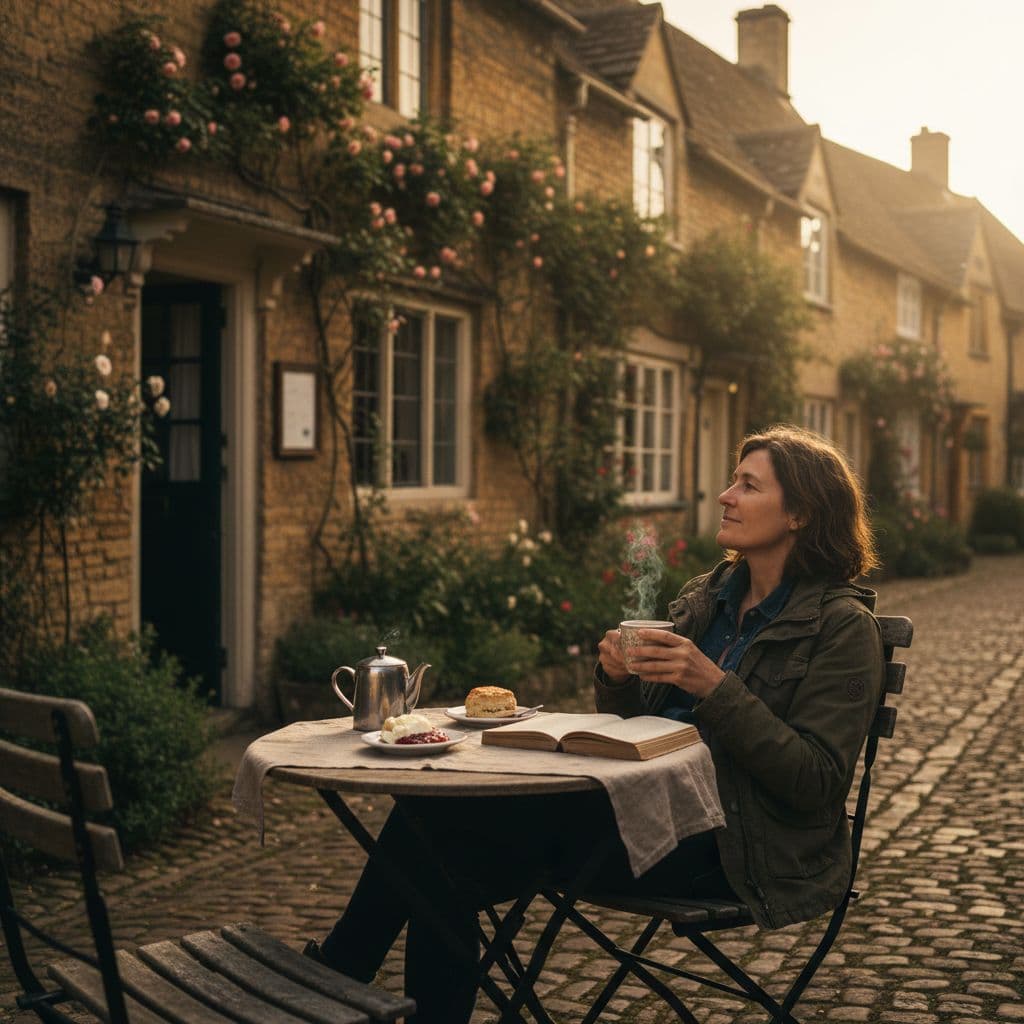
Slow travel changes the shape of your holiday. Instead of racing through several stops, you stay longer in one place and let the trip breathe. That often means fewer journeys, less planning stress, and a much smaller transport footprint.
You also notice more. A village market, a coastal path at dusk, or a local café you return to twice can say more about a place than three rushed photo stops. In other words, you get depth instead of distance.
The practical benefits are clear too. A slower itinerary cuts down on taxi rides, car hires, and extra rail hops. It also gives you more time to use local buses, walk between sights, and settle into the rhythm of the area. Realtime travel trends show that slower trips also support local businesses, because you spend more time eating, shopping, and sleeping locally.
That makes your holiday feel less like a checklist and more like a proper stay. You're not chasing every landmark. You're living in the place for a while, and that changes everything.
Slow travel works especially well in the UK because the distances are manageable. You can base yourself in one region, take day trips, and return to the same guesthouse or cottage. The result is a calmer break, lower emissions, and a stronger sense that you actually know where you've been.
Walking and cycling are becoming part of the holiday itself

More travellers now choose holidays built around walking routes and cycle paths, rather than adding them as extras. That shift makes sense, because the journey becomes part of the experience, not just a way to get somewhere.
In the UK, this works beautifully in places like the Lake District, the Peak District, the Yorkshire Dales, Snowdonia, and along coastal paths in Cornwall, Northumberland, and Wales. These areas reward slower movement. You see more wildlife, breathe better air, and spend less time sitting in traffic.
It also helps your body as much as the planet. Walking and cycling build movement into your day, so you come home feeling better, not heavier. That is a rare win-win in travel.
There is another benefit worth keeping in mind. When you explore on foot or by bike, you usually spend more in small places and less on fuel or parking. Local cafés, guesthouses, and bike hire firms all gain from that kind of holiday, and your trip feels more connected to the area.
For readers who want to build a more nature-led break, the World Wildlife Fund's local conservation work is a good reminder that low-impact travel and place-based care often go hand in hand. You can also find ideas in EcotourismNet's guide to family-friendly ecotourism destinations, especially if you want active days without a heavy footprint.
The pattern is clear. You are no longer just choosing where to go, you are choosing how to move through the trip. That choice can make your holiday cleaner, calmer, and far more memorable.
What makes an eco-friendly place to stay in the UK
An eco-friendly place to stay in the UK does more than display a leaf on the website. It cuts waste, uses energy carefully, supports local suppliers, and gives you clear proof of its standards. When you book well, you get a stay that feels calmer, cleaner, and more tied to the place you are visiting.

The green signs that are worth checking before you book
The easiest place to start is with recognition, not promises. A genuine eco-friendly stay usually has a clear label or accreditation, and it explains what that means in plain language. The Green Tourism Business Scheme and Green Key hospitality accreditation are both useful examples because they ask businesses to show real action, not just good intentions.
You should look for specific details on the booking page or the hotel website. Vague phrases like "eco-conscious" or "green stay" are not enough on their own. Better signs include recycling systems, refillable toiletries, local sourcing, energy-saving measures, and policies you can actually understand.
A useful rule is simple, if a place is truly sustainable, it will tell you how:
- It saves water and energy
- It reduces waste
- It supports the local area
- It protects nature nearby
- It reviews its progress regularly
When those details are missing, the claim is usually thin. In short, a strong eco label gives you confidence, while a vague promise leaves too much to guess.
How hotels and lodges are cutting waste and energy use
The best eco-friendly places stay practical. They make small, steady changes that reduce harm without making your trip awkward. That often starts with LED lighting, motion sensors, better insulation, and smarter heating controls, all of which help lower energy use without changing your comfort.
Waste reduction matters just as much. Many UK hotels now cut single-use plastics, add refill stations for soap and shampoo, and offer linen and towel reuse choices. Some also use recycling bins more carefully, compost food waste, and swap disposable items for reusable ones. These changes may sound modest, but they add up fast across a busy season.
For you as a guest, the details matter because they show how seriously a place takes its footprint. If a lodge has refillable bottles, low-flow showers, and a clear towel reuse policy, it is usually thinking ahead rather than chasing a trend. That often leads to better-managed rooms, less clutter, and a more thoughtful stay overall.
If a hotel can explain its waste and energy policies clearly, you are looking at a place that treats sustainability as part of daily operations.
Why local food and local suppliers matter
An eco-friendly stay should feel local at the table as well as in the room. When a hotel buys from nearby farms, fishers, bakers, and makers, it cuts supply miles and puts money back into the local economy. That is good for the area, and it often improves your own experience too.
Local food tends to taste fresher because it travels less. You also get a stronger sense of place, whether that means Scottish smoked fish, Cornish scones, or a breakfast spread built around nearby produce. Many travellers want exactly that, food and products that reflect the region rather than something copied from anywhere.
This is where a stay can move from "eco" to memorable. A place that sources locally often works with nearby breweries, makers, and guides too, so your spend supports more than one business. That helps build a holiday that feels connected, not generic.
When you book, ask yourself one simple question, does this place give back to the area it sits in? If the answer is yes, you are far more likely to have found a stay that matches the spirit of green travel in the UK.
Why local communities are becoming central to tourism
Local communities are no longer sitting at the edge of travel planning, they are right in the middle of it. You want your holiday to do more than fill a photo roll, so you look for places where your spending supports real people, local jobs, and the character of the area.
That shift makes sense. When you book more locally, you often get better advice, stronger service, and a trip that feels more personal. You also help keep money in the destination, which matters in towns that need steady visitor spend to protect shops, cafés, and day-to-day services.

Choosing local guides and small businesses
When you choose an independent guide, a family-run guesthouse, or a local craft shop, your money tends to stay closer to the place you are visiting. That usually creates a fairer spread of benefits, instead of leaving most of the value with a distant company.
It also improves your trip in simple ways. Local guides know the lanes, the stories, the quiet viewpoints, and the places you would never find on your own. Small businesses often care more about service too, because their reputation depends on word of mouth and repeat visits.
You can see that effect in the details:
- Independent guides often give you better context on culture, wildlife, and local history.
- Local craft shops let you buy things made nearby, not mass-produced souvenirs.
- Small guesthouses usually give a warmer welcome and more local advice.
- Community-led activities put you in touch with people who live there year-round.
The best part is that your spend does more than fund a holiday. It supports the baker who opens early, the guide who works seasonally, and the maker who keeps a traditional skill alive. VisitBritain's research on local spending shows that many travellers already try to support local businesses when they travel, which fits neatly with the rise of more community-based holidays (VisitBritain research on local support).
How community tourism creates more meaningful trips
Community tourism gives you a clearer view of a place because you experience it through the people who live there. A walk led by a resident, a food tour built around local produce, or a workshop in a village hall tells you far more than a quick stop at a famous landmark.
That is why these trips often stay with you longer. You remember the stories, the accents, the family histories, and the small details that bring a place to life. In turn, local residents gain jobs, stronger pride in their heritage, and a reason to keep cultural practices alive.
This matters in the UK, where some places are using tourism to support regeneration without losing their identity. According to VisitBritain's social value research, tourism can support wellbeing, social cohesion, and access to local amenities when it is managed well.
When community-led travel works properly, everyone gets something useful from it:
- You get a more genuine visit.
- Local residents get income and recognition.
- Traditions, foods, and stories are more likely to survive.
That is the real appeal. You are not just passing through a place, you are taking part in it with more care.
Respecting culture, wildlife, and everyday life
Good travel also means knowing when to step back. If a place has local rules, follow them. If a path is marked off-limits, keep out. If a market, beach, or village feels busy or fragile, move with patience and give people space.
Wildlife needs that same respect. Keep your distance, stay on paths, and never feed animals for a photo. Use local operators that follow wildlife-friendly practices, because the cheapest option is not always the safest for the place you came to see.
In rural areas, small habits matter even more. Keep noise down early in the morning, close gates behind you, park only where it is allowed, and take litter away with you. These are simple acts, but they protect the daily rhythm of the community.
A few habits make a real difference:
- Ask before taking photos of people or private homes.
- Buy local food and local produce where you can.
- Stick to footpaths, bridleways, and marked access points.
- Choose tours that respect nature instead of disturbing it.
When you travel like this, you help protect the culture and landscape that made the place worth visiting in the first place. That is what responsible tourism looks like on the ground, calm, respectful, and rooted in care.
Nature-based trips are shaping the future of UK tourism
You are seeing a clear shift in what people want from a holiday. More travellers now choose places where they can slow down, breathe cleaner air, and spend time with wildlife, coastlines, forests, and open hills. That appetite is changing UK tourism, because people want trips that feel calmer, more respectful, and more connected to place.
This also fits the wider move towards responsible travel. When you choose nature-led breaks, you often spend more time outdoors, support local businesses, and put less pressure on busy attractions. The result is a holiday that feels better for you and easier on the landscape.
Why wildlife and landscape experiences are in demand
People are no longer booking breaks just to tick off sights. You want to watch seabirds over a cliff, walk through quiet woodland, or stand on a ridge with the wind in your face. Those moments feel personal, and they stay with you far longer than a crowded attraction.
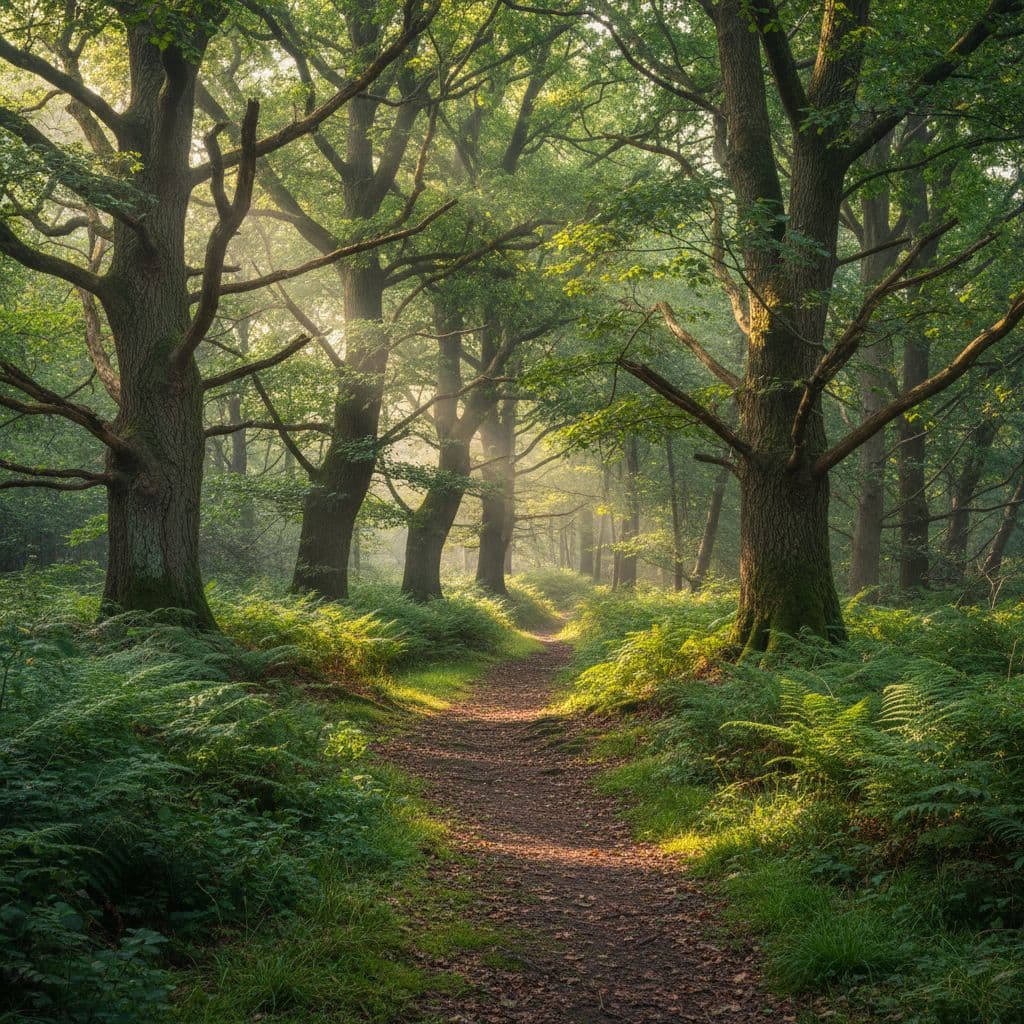
Wildlife and landscape experiences work because they ask less of the infrastructure around them. You are there to notice, not to consume. That can mean watching red deer at a distance, walking a coastal path at low tide, or sitting quietly beside a lake while the light changes.
The appeal is simple. Nature gives you space, and space is rare. In a country like the UK, where many people live with busy schedules and crowded cities, a day in the hills or by the sea feels like a reset. Realtime travel trends also show that rural and coastal areas are drawing more attention, especially where visitors can connect with local culture as well as the setting.
You can see the same pattern in regenerative tourism. UK National Parks have been pushing this idea more strongly, with a focus on tourism that gives back to landscapes rather than just using them. That matters if you care about travel with a lighter footprint, because it moves the goal from simple enjoyment to real care for place. The National Parks vision for regenerative tourism is a good example of that direction.
How to enjoy the outdoors without damaging it
If you want nature to stay wild and welcoming, your habits matter. Small choices shape the experience for everyone, including the animals and plants that make the place special.
Start with the basics. Stay on marked paths, keep dogs under control where required, and take every bit of litter home with you. Those actions seem ordinary, yet they protect fragile ground, nesting birds, and quiet habitats.
You should also keep your distance from wildlife. A closer photo is not worth disturbing an animal's feeding, resting, or breeding pattern. If an area feels calm, move through it calmly too. Your voice, speed, and energy all change the way wildlife responds.
A few habits make a real difference:
- Keep to paths and rights of way, even when the ground looks dry.
- Carry a small bag for wrappers, bottles, and food scraps.
- Use binoculars or a zoom lens instead of approaching animals.
- Choose local operators that keep group sizes small and follow wildlife-friendly rules.
- Follow seasonal access advice, especially in breeding or nesting areas.
Responsible travel also means choosing who you spend with. Look for guides and tour firms that explain their low-impact practices clearly. If they talk about path care, habitat protection, and local sourcing, that is a good sign. If they only talk about "eco" branding, keep looking.
Good nature travel leaves the place as calm as you found it, or better.
Short, local nature breaks can feel more rewarding
You do not need a flight or a long-haul itinerary to feel properly away. A short break in a nearby national park, coastal reserve, or woodland can give you the same sense of rest, with far less travel hassle and lower emissions.
That is one reason local nature breaks are becoming more popular. They fit into real life more easily. You can leave after work, spend one night in a quiet guesthouse, and wake up near a trail, a beach, or a bird reserve without losing a whole day to travel.
These shorter trips often feel more rewarding because they remove the pressure to do everything. Instead of chasing a packed schedule, you can watch the tide, walk a forest loop, or sit in a village café after a long stroll. The pace changes, and so does your headspace.
They also keep your footprint lower. A nearby break usually means less fuel, less baggage, and fewer transport links. At the same time, you still spend money in the local area, which helps small businesses, seasonal workers, and rural services.
If you want to explore this style of holiday further, the UK has plenty of options, from woodland stays to family-friendly outdoor breaks. EcotourismNet's family-friendly ecotourism destinations offer a useful starting point when you want nature, comfort, and a lighter impact in the same trip.
Short nature breaks can also be easier to repeat. That matters, because one good weekend in the countryside often leads to another, and another after that. Over time, that shift changes how you think about travel altogether, from a one-off escape into a more regular way of resting well.
The habits that will define greener tourism next
Greener tourism is becoming less about one-off gestures and more about repeat habits. You are seeing travellers change how they book, when they go, what they pack, and how they move around once they arrive. Those small choices matter because they spread visitor pressure, cut waste, and make holidays feel more thoughtful.
The biggest shift is simple. You are no longer choosing a trip only for the destination, you are choosing it for the way it works on the ground. That change is shaping the next phase of green travel in the UK.
Off-season travel is helping spread visitor pressure
More people are booking outside the busiest months because it makes the whole trip easier. Popular places feel calmer, trains and roads are less stretched, and local businesses can welcome visitors without the same level of strain. For you, that usually means more space, lower prices, and a better chance to enjoy the place properly.
Off-season travel also helps destinations breathe. Paths wear down more slowly, beaches are less crowded, and small towns do not face the same peak-season crush. That matters in places that already carry heavy visitor demand, because it gives communities more room to manage tourism well.

You get a different kind of holiday too. Autumn light, quieter trails, and slower café mornings can feel more memorable than a packed summer schedule. In short, you are not losing the experience, you are improving it.
VisitBritain has also highlighted the growing appeal of slower, place-based travel, with travellers showing more interest in trips that spread spending across regions and reduce pressure on the busiest hotspots. You can see that direction in VisitBritain's sustainable tourism research, which links more mindful travel with stronger local value.
Travellers want simpler trips with less waste
A greener holiday often starts with trimming the excess. You pack lighter, plan better, and cut out the bits of travel that create unnecessary waste. That can mean fewer flights, fewer printed documents, and fewer single-use items that end up in the bin before the trip even ends.
You may also notice that simpler trips feel more comfortable. When you only take what you need, you move more easily, spend less time sorting luggage, and avoid buying replacements at your destination. That is better for your wallet and better for the places you visit.
A few habits are becoming much more common:
- Choosing one well-planned break instead of several rushed ones
- Bringing a reusable bottle, cup, and tote bag
- Packing light so you use less fuel and less storage space
- Booking transport and activities in advance to avoid waste and detours
- Sticking with trips that can work by rail, coach, or shared car
These changes sound small, but they add up fast. Less waste at home often leads to less waste on the road. When you travel this way, you usually make calmer choices and spend more time on the holiday itself, not on managing clutter.
Simple travel is often the most sustainable travel, because it removes waste before it starts.
What green travel could look like in the years ahead
The next phase of greener tourism looks practical, not theatrical. You are likely to see more rail-based holidays, more local stays, and more trips built around community benefit rather than just visitor numbers. That means places with good public transport, locally run accommodation, and tours that keep money in the area will become more attractive.
You will also see stronger demand for holidays that respect nature instead of using it up. That includes walking breaks, wildlife watching, and small-scale stays that do not overwhelm fragile landscapes. In the UK, that fits well with countryside escapes, coastal stays, and towns that already have a clear local identity.
The best part is that this future is realistic. You do not need a perfect trip to travel better. You just need habits that are easier on the place and still good for you:
- Choose rail or coach where it makes sense.
- Stay longer in one area instead of racing between several.
- Book local businesses first.
- Keep waste low and respect wildlife.
That is where greener tourism is heading, towards trips that feel steadier, more local, and more human. When you travel like that, you help protect the places you came to enjoy, and you make the holiday better at the same time.
FAQ
You probably still have a few practical questions before you book a greener break. That makes sense, because the best green travel in the UK choices are usually the ones that fit your route, budget, and comfort level. Use these quick answers to plan with more confidence.

Is train travel really better than flying?
Yes, in most UK cases it is. Trains usually produce far less carbon per passenger than short-haul flights, and you skip the airport delays that eat into your day. That makes rail a better fit for many domestic trips, especially when you are travelling between major cities.
If you want a simple rule, start with the train first and the plane last. For a practical overview of how travel choices affect emissions, the Met Office sustainable travel tips give a clear, easy-to-follow explanation.
How can you tell if a hotel is truly eco-friendly?
Look for proof, not just green language on the booking page. A genuine eco-friendly stay will explain how it saves energy, cuts waste, and supports local suppliers. Trusted certifications, clear recycling systems, refillable toiletries, and linen reuse options are all good signs.
You should also check reviews for details about service and standards. If a place is genuinely sustainable, it usually says what it does and why it does it. For a useful internal read, see eco-friendly destinations in France, which shows how greener travel choices often connect with place, pace, and accommodation.
Can you travel sustainably without spending more?
Yes, you often can. A train ticket, a nearby stay, or a shorter trip may cost less than a flight-heavy holiday with extra transfers and luggage charges. Booking earlier, staying longer in one place, and choosing local food can also keep costs down.
You do not need a perfect plan to travel better. Small changes, such as packing light, sharing lifts, or choosing a guesthouse with strong local links, can make a real difference. The key is to cut unnecessary travel and spend more time on the parts of the trip that matter.
What small habits make the biggest difference?
A few simple choices carry most of the weight. These are the ones worth starting with:
- Choose trains, coaches, walking, or cycling where you can
- Stay longer in one place instead of squeezing in several stops
- Bring a reusable bottle, tote bag, and refillable toiletries
- Eat at local cafés and buy from independent shops
- Pick wildlife-friendly tours and follow local access rules
If you want a bigger picture on why these habits matter, VisitBritain's sustainable tourism research shows how traveller behaviour is shifting towards lower-impact trips and stronger local value.
The pattern is clear, greener travel works best when it feels normal, not forced. Once you build these habits into your planning, your UK holidays become easier to enjoy and easier to justify.
Conclusion
Green travel in the UK is no longer a side choice, it is shaping how you plan, book, and enjoy your holidays. Train travel, slower itineraries, eco-friendly stays, local spending, and nature-based breaks are all making trips feel more thoughtful and less wasteful.
The strongest change is simple, you are being asked to travel with more care and more intention. When you choose cleaner transport, support local businesses, and spend time in places that value nature, your holiday works better for you and for the places you visit.
If you've started making greener travel choices, keep building on them. What's your experience with eco-friendly travel? Share your thoughts in the comments, your insight helps inspire more responsible travellers.