
How a Child's Message Can Inspire Planet-Saving Action

A child's note on a scrap of paper, a shaky voice at a school assembly, or a single sentence spoken at the right moment can stop adults in their tracks. A child's simple message often cuts through excuses and reminds us that the planet is not an abstract issue, it's the place we live in and depend on.
That kind of honesty can shape more than feelings. It can push people towards nature conservation, wildlife protection, greener holidays, and small daily habits that make travel and home life lighter on the earth.
When the message is clear, the action often follows.
From eco tourism and responsible travel to easier green choices at home, this idea is about practical change, not wishful thinking. Let's look at how a child's voice can spark a better way to care for the planet.
Why a child's message can land harder than a big campaign
A polished campaign can be strong, but a child's words often cut through faster. They feel direct, unfiltered, and impossible to dress up. That is why a small voice can make climate harm, plastic waste, and habitat loss feel close to home rather than far away.
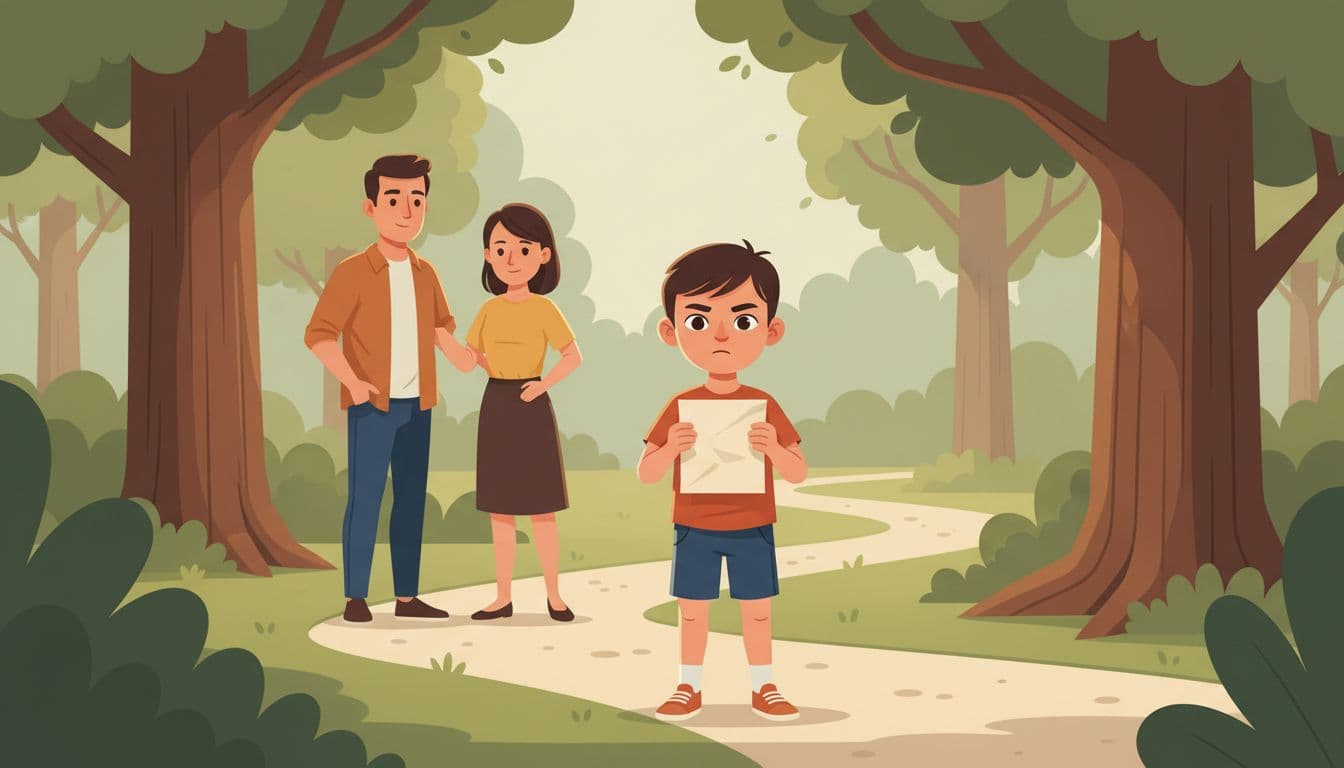
Children also speak from the middle of everyday life. They notice litter on a path, bottles by a stream, or a beach covered in plastic, then ask the question adults have been avoiding. That kind of honesty is part of why environmental awareness often starts with a simple comment, not a full-blown campaign.
Honesty makes the message feel real
Children often say what grown-ups have been thinking for weeks, but never quite say out loud. They do not soften the edges. They ask why the park is dirty, why the sea has rubbish in it, or why animals have nowhere left to live.
That directness matters because it removes distance. A big campaign can feel planned, branded, and polished, while a child's message feels like a truth told in the moment. In eco tourism, responsible travel, and green lifestyle choices, that kind of truth can be a wake-up call. It turns abstract talk about conservation into something you can see on the ground.
A child does not need perfect wording to tell the truth clearly.
Recent youth-led climate action shows how well this works in practice. At the 2026 Plant-for-the-Planet Children's Conference, young participants spoke plainly about fairness, future decisions, and the cost of delay. Their message was simple, but it stayed with people because it sounded human, not scripted.
Small words can carry a big warning
A short question can hold a whole problem inside it. "Why is this here?" said beside a pile of litter can reveal more than a long speech about waste. The same goes for a child asking why a forest path is blocked, why coral is damaged, or why birds no longer return to a place they used to nest.
That is the power of plain language. It makes the issue feel immediate. A child does not need to name every part of the climate crisis to show that something is wrong.
A few words can point to a much bigger pattern:
- Litter on a trail shows how careless habits damage shared spaces.
- Plastic waste in rivers and on beaches shows how everyday items end up in nature.
- Lost habitats show what happens when wildlife is pushed aside.
- Climate harm becomes real when a child asks why the seasons feel different.
The strongest child-led messages often sound small at first. Then you hear them again, and they keep growing in your mind. That is why they work so well in environmental awareness campaigns, school projects, and community clean-ups. A child's question can do what a stack of statistics sometimes cannot, it makes people stop.
For a useful example of how youth voices ripple through families and communities, see research on youth-led climate action. It shows that children often share what they learn at home and in school, which helps spread conservation habits beyond one conversation.
Hope travels faster than guilt
Child-led messages work best when they invite people in. Shame pushes people away. Hope, care, and curiosity pull them closer.
A child saying, "Can we fix this?" lands better than a message that simply blames. It gives adults something useful to do. That matters in sustainable travel, nature conservation, and wildlife protection, because people are more likely to act when they feel included rather than judged.
The most effective messages often point to one next step:
- Pick up the litter.
- Plant a tree.
- Choose a cleaner route or stay.
- Protect the place before it is damaged further.
That kind of language does more than warn, it opens a door. It also reflects what has been happening in recent 2026 youth actions, from beach clean-ups to tree planting and school-led climate projects. Children are not just describing the problem, they are showing that action can start where they stand.
A clear example is the way children-led communication can shift behaviour at home. One study on young people's environmental messaging found that when children share what they know, parents often respond with more care and better habits. You can read that children-led conservation study for a deeper look.
In the end, a child's message works because it feels close, clear, and honest. It does not hide behind jargon. It asks people to look, listen, and do something simple now, which is often where real change begins.
Real examples of young voices changing how people protect nature
Young voices do more than raise awareness. They make people act, because they speak with urgency, clarity, and a kind of honesty adults often lose.
That matters in climate action, nature conservation, and sustainable travel alike. A child who points out a broken system can shift a whole conversation, especially when the message is repeated, shared, and turned into a simple next step.
A single sign can become a global movement
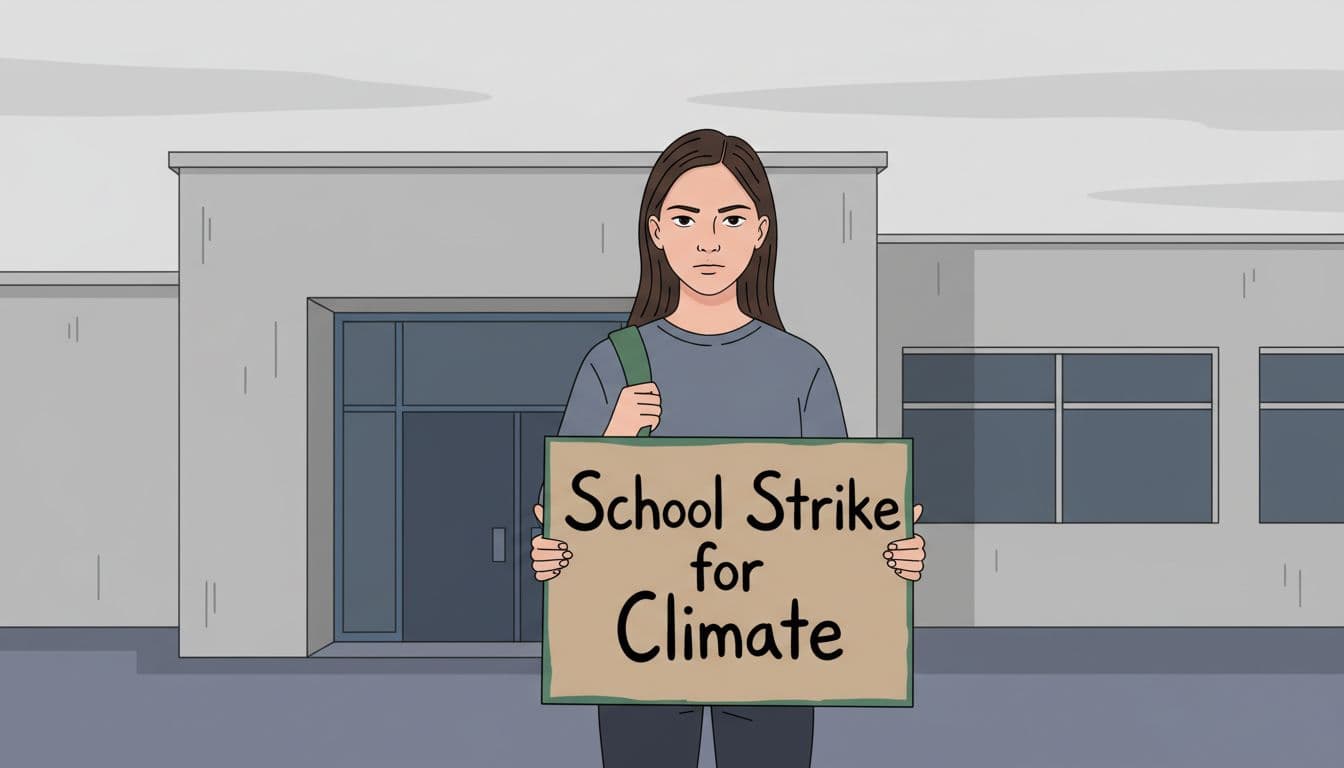
The school strike for climate showed how one clear message can travel far. Greta Thunberg's first strike outside the Swedish parliament became a fixed point for millions of young people who felt the same frustration and the same hope. Reuters reported how the Friday protests grew from one child standing alone to a worldwide movement within a year, with students striking across dozens of countries and repeating the same demand for climate action. Reuters coverage of the climate strikes
Repetition gave the message strength. Each Friday, the same act reminded adults that delay has a cost, and that young people were willing to keep showing up until someone listened. That steady rhythm turned a single sign into shared purpose.
The lesson is simple. A message does not need lots of words to spread. It needs a clear point, a visible action, and people willing to repeat it until it cannot be ignored.
Local school projects can create real change
Big change often starts with a small thing that one child spots first. A overflowing bin, a playground full of crisp packets, or a fence line with no trees can become the start of a proper school project.
When children ask for bins, schools often respond. When they push for litter picks, playgrounds get cleaner. When they ask for trees, shade and habitat can return to a space that felt bare. And when they start no-plastic habits, everyone around them begins to notice what gets used, thrown away, and replaced.
Practical school action works best when it stays simple and visible. For example:
- Ask for better bins near lunch areas and sports fields.
- Set up regular litter sweeps with clear responsibilities.
- Plant native trees or shrubs in safe school spaces.
- Swap single-use plastics for reusable bottles and lunch containers.
- Start posters, assemblies, or class pledges that keep the habit alive.
A child does not need to run the whole project. They only need to name the problem and invite others to help fix it. That is often enough to turn concern into routine.
Local examples back this up. School waste audits, litter reduction plans, and community clean-ups all show that young people can shape better habits when adults give them room to lead. The effect is practical, visible, and easy for others to copy.
Young people can reshape how we travel
Children also change how families move through the world. A simple message about caring for nature can alter the way people travel, pack, and explore eco destinations.
That might mean walking instead of driving short distances. It might mean cycling to the local park, taking the train where possible, or choosing lower-impact days out in place of waste-heavy trips. It also means packing a reusable bottle, a lunch box, and a cloth bag, so rubbish stays out of trails, beaches, and visitor sites.
These habits matter because travel leaves a mark. If a child reminds the family to leave no litter behind, or asks why a picnic needs so much packaging, the whole group starts thinking differently. One small reminder can turn a normal outing into a more responsible one.
A few child-led travel habits make a real difference:
- Carry reusable items instead of buying throwaway ones.
- Stick to paths so plants and wildlife are not disturbed.
- Choose public transport, walking, or cycling for shorter journeys.
- Take all waste home, including fruit peels and wrappers.
- Pick low-impact attractions that respect local nature and wildlife.
That is how environmental awareness grows in everyday life. A child's voice can change the tone of a family trip, then the pattern of a whole holiday. Over time, those small choices help shape a greener lifestyle that feels normal, not forced.
How a simple message turns into action
A child's message often starts small, then spreads through daily habits, shared spaces, and ordinary conversations. That is why it matters so much in eco tourism, sustainable travel, and wider nature conservation. Once people hear a clear message, they begin to see what they had stopped noticing.
A single sentence can change the way adults look at a park bench covered in wrappers, a beach with broken bottles, or a trail lined with waste. It can also nudge families towards more responsible travel choices, such as packing reusable items, taking rubbish home, or choosing lower-impact trips. The message works because it is simple enough to repeat and concrete enough to act on.
Awareness comes first
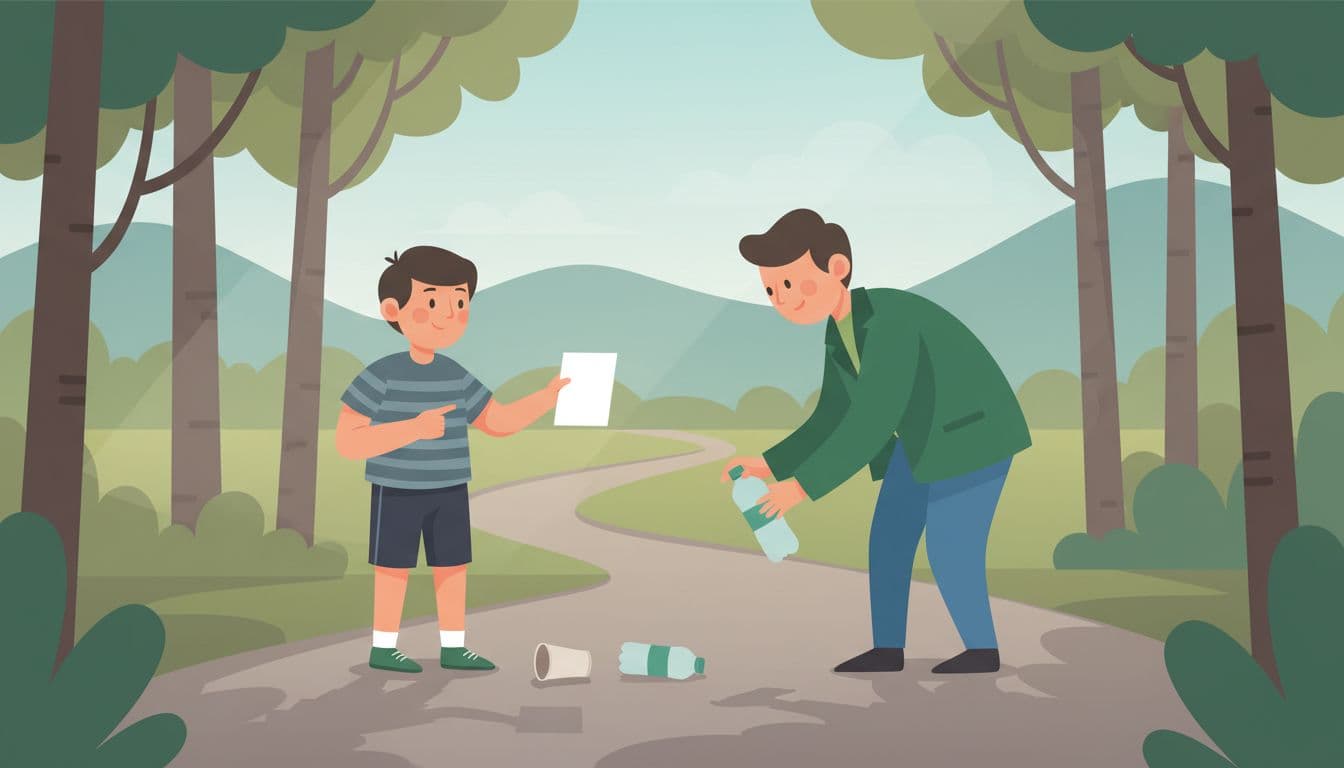
Before people act, they need to see the problem clearly. A child often does that better than any polished campaign. One question, one note, or one remark can make litter, habitat loss, or waste from travel impossible to ignore.
That shift in attention is powerful. Adults may walk past the same rubbish pile for weeks without thinking twice, then a child points at it and suddenly it feels wrong. The same happens with damaged habitats and overused eco destinations, where noise, trampling, or careless disposal has become part of the background.
A child's message works like a torch beam in a dark room. It does not solve everything, but it shows where to look. That first spark of environmental awareness often leads people to ask better questions about wildlife, cleaner transport, and the habits they bring on holiday.
A useful example is the way simple, practical travel habits are described in top eco-friendly destinations in France, where reusable items and low-waste choices are presented as normal parts of the journey. That kind of clarity makes the problem and the solution easier to see at the same time.
People copy what feels doable
People rarely copy grand promises. They copy actions that look easy, useful, and realistic. That is why a child's message spreads best when it points to something repeatable, like carrying a refill bottle, taking rubbish home, or choosing a train for a short journey.
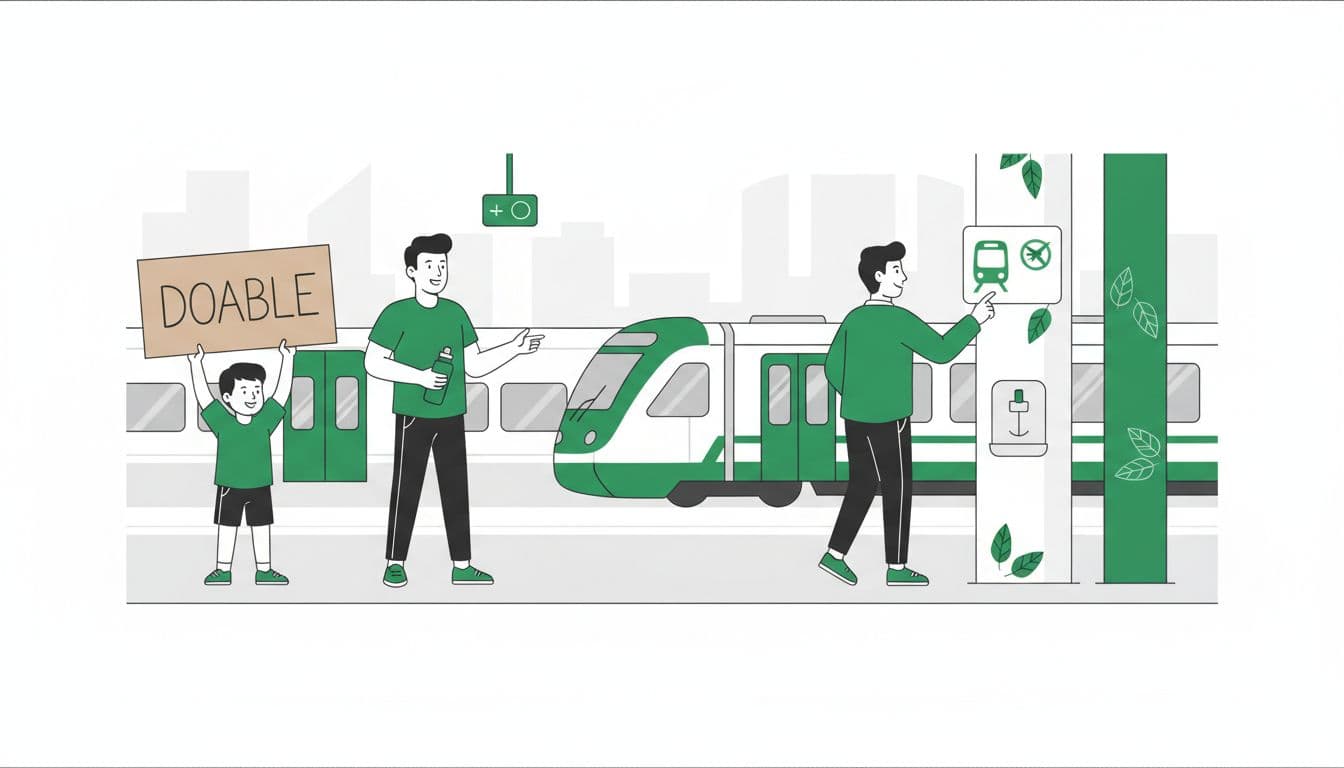
When the action feels small, people are more likely to try it. They do not need a full lifestyle overhaul before they begin. They only need one clear habit that fits into a normal day.
This is why practical messages spread so well in a green lifestyle. A child who says, "Take your bottle", or "Let's leave this place cleaner", gives others a script they can follow. A family that changes one habit often changes another soon after.
Simple actions spread because they are easy to repeat:
- A refill bottle fits into school bags, day trips, and long walks.
- A train feels more sensible than a short flight for many journeys.
- Taking rubbish home is quick, clear, and easy to remember.
- Choosing reusable items cuts waste without much planning.
The easier the message is to act on, the faster it moves through a group. That is how responsible travel habits become part of normal life, not just a good intention.
Communities give the message momentum
A single child can start the conversation, but community support keeps it alive. Schools, families, and local groups turn one message into routine action. They give the idea a place to grow.
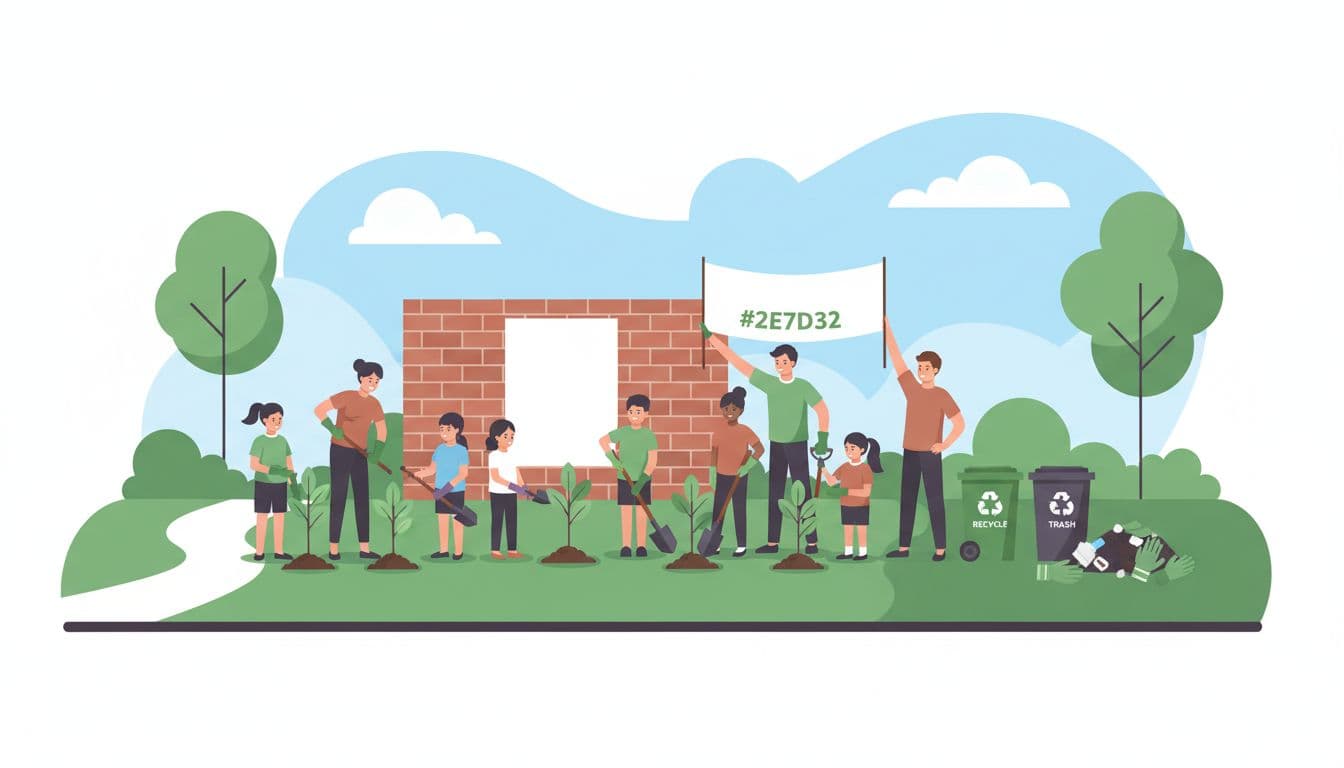
Schools can build clubs around litter picks, tree planting, and wildlife care. Families can shift weekend habits towards cleaner outings and lower-waste trips. Local groups can use the same message to start clean-up days, community gardens, or support for native habitats.
That kind of backing matters because it gives the message a future. A child's words can fade if no one acts on them. With support, they become a shared habit, and that habit starts to shape how people travel, shop, and care for local places.
Communities also help young people feel heard. When adults respond with action, children see that their voice matters. That builds trust, and trust keeps the message moving long after the first conversation ends.
In many eco tourism settings, that shared effort is what protects a place best. Families who pack out their waste, schools that teach leave-no-trace habits, and groups that plant trees or clear paths all show the same thing, one voice can start a chain, but a community gives it staying power.
What this means for eco tourism and everyday green living
A child's message only matters if it changes what people do next. In eco tourism and green living, that means choosing trips and habits that leave places better than we found them. The good news is that the best choices are often the simplest ones.
Responsible travel is no longer a niche idea. Recent 2026 travel trends point towards slower journeys, low-impact stays, public transport, local guides, and trips that support conservation rather than strain it. That fits neatly with everyday green living, because the same habits that protect a trail or beach also cut waste at home.
Choose travel that protects the places you love
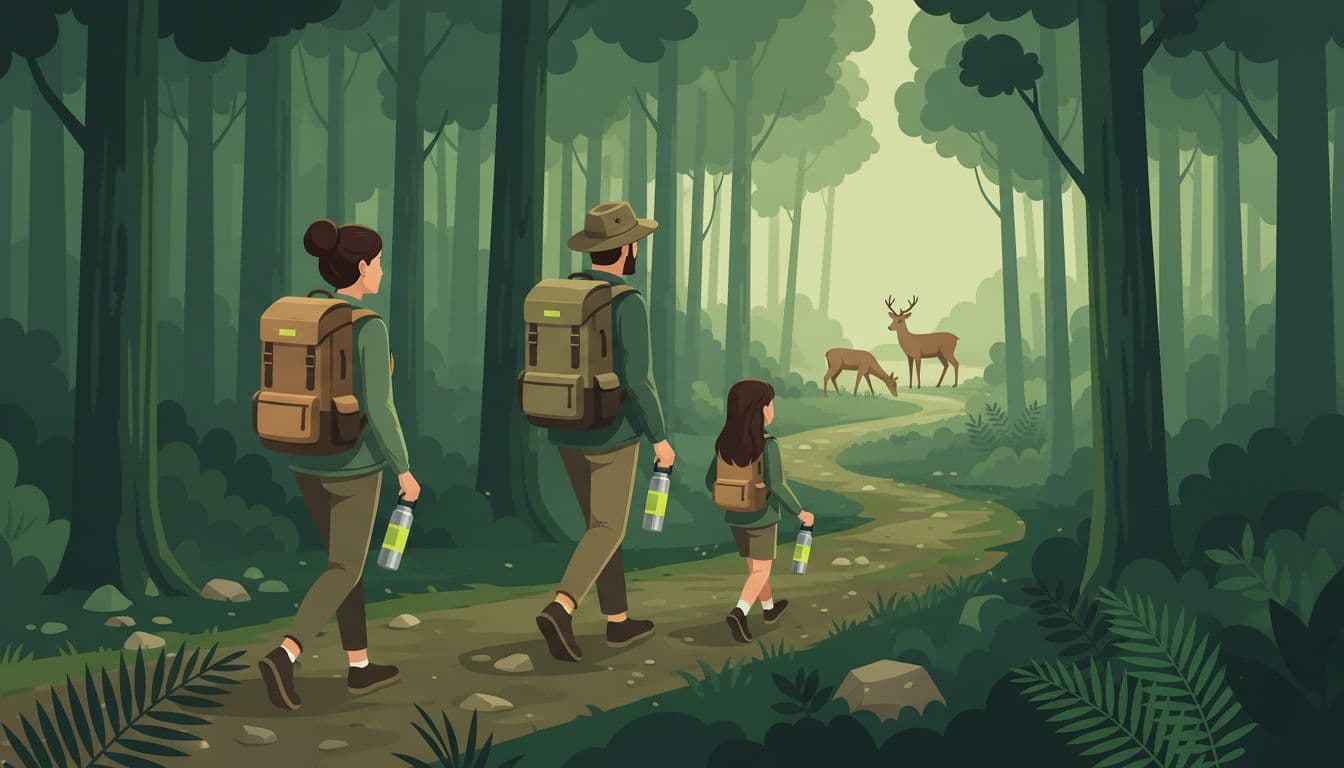
Eco tourism works best when travel helps protect nature instead of wearing it down. That starts with low-impact transport, such as trains, shared rides, walking, or cycling for shorter journeys. It also means choosing stays that respect the land, use less energy, and value the wildlife around them.
When you watch animals, keep your distance and let them behave naturally. No feeding, no chasing, no loud crowds. Respectful wildlife watching protects both the animal and the experience, because a calm encounter tells you far more than a stressful one ever could.
Staying in places that care about local nature matters too. Small eco-lodges, community-run stays, and responsible camps often put conservation first. Many of them also follow the kind of low-impact tourism seen in conservancies like Naboisho's responsible tourism model, where visitor numbers stay low and local livelihoods are part of the plan.
If a place treats wildlife like scenery, it is probably the wrong place to spend your money.
Make small swaps that add up fast
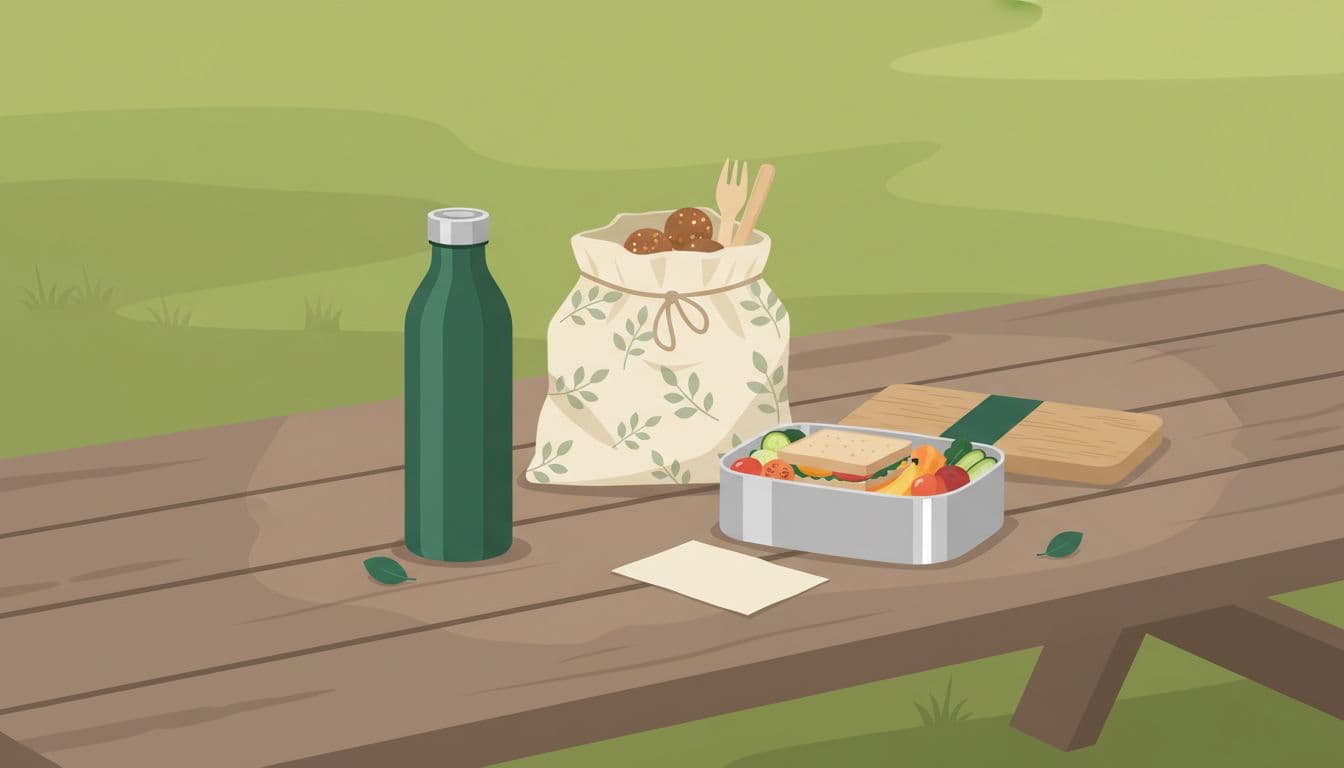
Green living gets easier when you stop chasing perfect and start making repeatable changes. A reusable bottle, a packed lunch, and a cloth bag remove a surprising amount of single-use waste from a normal day out. Add a few low-waste snacks, and you have already cut down on wrappers and rubbish.
These habits matter on holiday too. Bring food in reusable containers, choose slow travel when you can, and take all rubbish home with you, even the small bits. Fruit peels, bottle caps, and snack packets can still damage paths, rivers, and wildlife spaces if they are left behind.
A simple routine helps:
- Pack a refill bottle before you leave.
- Choose snacks with less packaging.
- Use a lunch box or wrap instead of disposable film.
- Pick the slower route when it is realistic.
- Dispose of rubbish properly, or take it home.
Small changes also make trips feel calmer. You pack less panic, waste less money, and move through the day with fewer throwaway habits.
Support local people as well as landscapes
True eco tourism protects more than a view. It supports the people who live near that view, work in it, and care for it every day. That includes local guides, family-run cafés, guesthouses, craft sellers, and conservation teams with roots in the area.
When you book with local businesses, more money stays in the community. That helps fund jobs, training, and care for the places visitors come to see. It also gives travellers better insight, because local guides know the land, the wildlife, and the customs in a way no guidebook can copy.
This approach matches what groups like the IFAW responsible travel guide highlight, travel should benefit wildlife, local people, and ecosystems together. It is a simple idea, but it changes the way you spend, stay, and explore.
Look for trips that do three things well:
- Pay local people fairly.
- Respect land, water, and wildlife.
- Keep visitor pressure low enough for places to recover.
That is where a child's message becomes practical. If we want a cleaner, fairer, greener world, we have to choose it on the road, in the shop, and at the lunch table too.
How adults can help children's messages become lasting change
Children often spot problems first. Adults decide whether those moments fade away or turn into habits, family routines, and wider community action. The best response is simple: listen properly, act together, and show that the message has weight.
That does not mean turning every concern into a grand campaign. It means treating a child's words as a starting point, then giving them shape in daily life. A small idea can grow into a cleaner school route, a wildlife-friendly corner of the garden, or a greener way to plan the next holiday.
Listen before you lead
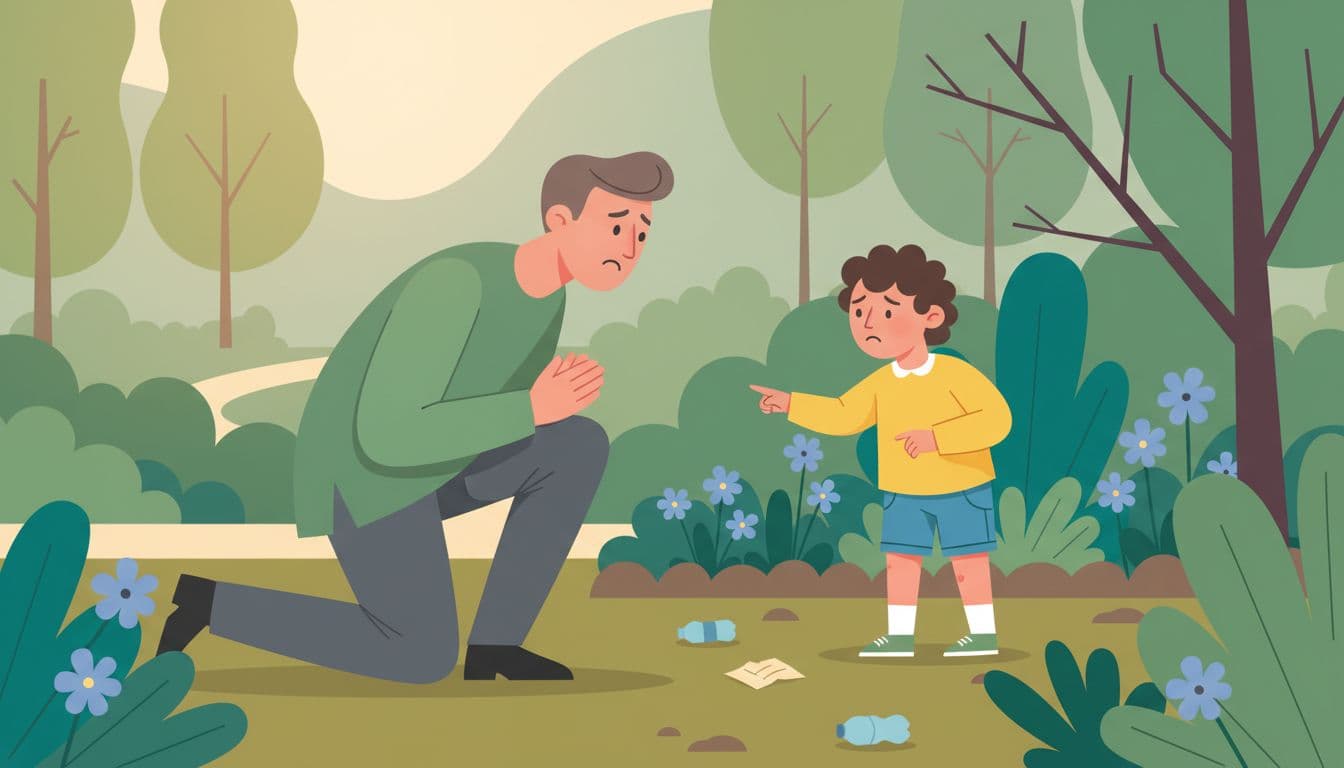
Before offering solutions, ask what a child has noticed and why it matters to them. Was it the litter by the bench, the birds that no longer visit, or the way a stream looks after rain? Those details matter, because they show where the concern began.
Adults sometimes rush to tidy away a child's worry with a cheerful comment. That usually closes the door. A better reply is calm and direct: "Tell me more". It invites the child to explain the problem in their own words, which builds trust and keeps the conversation real.
You can also notice what keeps coming up. If a child talks about plastic, animals, or dirty paths more than once, that is a clue. They are not making a fuss, they are pointing to something they can see.
A few simple habits help:
- Ask open questions and leave space for the answer.
- Repeat the child's concern so they know you heard it.
- Avoid calling the idea too small to matter.
- Follow up later, so the child sees the message was not ignored.
Recent family guidance on climate conversations makes the same point, children stay more open when adults listen without judgement and act alongside them. The parent tips on talking about climate change are useful for that reason, even if the concern starts with litter rather than carbon.
Turn concern into a shared project
Once the concern is clear, turn it into something the whole family or class can do together. That might be a Saturday litter pick, a school nature club, a small wildlife-friendly garden corner, or a greener holiday plan that cuts waste and respects local places.
The point is not to make the child carry the work alone. Adults need to do the heavy lifting where needed, especially with planning, transport, safety, and supplies. When children see that support, their idea feels real.
A shared project also keeps the message visible. A family who clears a path together will notice the difference on the next walk. A school that starts a nature club will see new interest from other pupils. A garden corner with native plants can quickly draw bees, butterflies, and birds back in.
Useful projects can be simple:
- Organise a neighbourhood litter pick with gloves and bags.
- Set up a school or after-school nature group.
- Plant pollinator-friendly flowers in a small garden space.
- Plan trips with reusables, public transport, and less packaging.
There is already practical support for this approach. The EcoSchools families and guardians resource shows how home support can strengthen school-based action, from waste-free lunches to garden projects. When home and school pull in the same direction, the message lasts longer.
Show children that their actions matter
Children stay engaged when they can see a result. That result does not need to be dramatic. Less litter on a local path, more birds in the garden, or a cleaner picnic spot after a family day out is enough to prove that the idea worked.
This matters because visible change builds confidence. If a child helps pick up rubbish and the park looks better afterwards, they learn that their voice has power. If they plant flowers and bees return, they see a living reply to their effort.
The result should be named out loud. Say, "The path looks better because we cleared it", or "The birds came back because we left that corner for them". Those small sentences connect action to outcome, which makes the lesson stick.
Recent 2026 community action has shown the same pattern. Adults and children joining beach clean-ups, safe garden projects, and outdoor learning activities are finding that shared work gives young people a stronger sense of purpose. The work stays local, but the lesson travels far.
Children are more likely to keep caring when they can point to something they helped change.
That is why follow-through matters. If a child raises a concern, help them see the next step, then the next result. Over time, that turns a single message into a habit. And once a habit takes root, it can shape how a family travels, shops, and treats the natural world every day.
FAQ
A child's message can start a conversation, but questions are where the change sticks. Families, teachers, and travellers often want to know what to do next, how to keep it realistic, and how to make the effort last. The answers below keep it simple, practical, and useful.
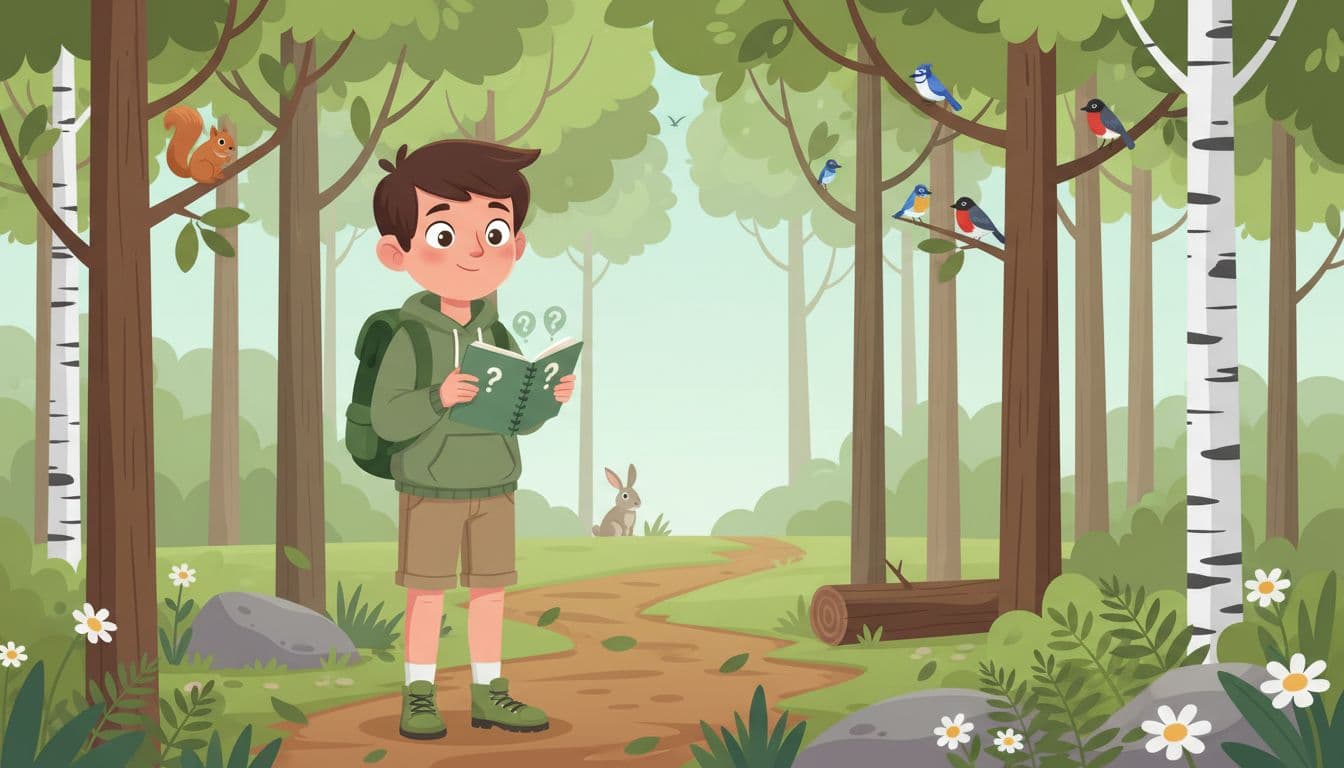
Why does a child's message work so well?
Children speak with directness. They notice what adults ignore, and they say it plainly. That makes their message harder to brush aside, especially when it points to litter, wildlife loss, or wasted resources.
Their voice also feels personal. A child asking why the beach is dirty or why animals are disappearing puts the issue in front of people in a way that feels real, not distant. In eco tourism and environmental awareness, that honesty can be the spark that gets a family, school, or community moving.
How can families turn concern into action?
Start with one small habit. A reusable bottle, a litter pick, or a cleaner route for a day out is enough to begin. Once the habit feels normal, it becomes easier to add another.
Good next steps include:
- packing reusables for trips and school runs
- choosing public transport, walking, or cycling where possible
- leaving places cleaner than you found them
- supporting local businesses that care for nature
- talking about wildlife respectfully, not as a photo backdrop
A child does not need to lead the whole effort. They only need to point to the problem and invite others to care.
What should children say if they want adults to listen?
Short, clear, and specific words work best. A child might say, "Can we pick this up?" or "Why do people leave rubbish here?" That sort of message is easier to hear than a long lecture.
It helps to tie the words to one visible issue. A messy picnic spot, a stream with plastic, or a path damaged by careless use gives the message a clear target. For more on responsible travel habits, the WWF responsible travel tips offer a useful starting point.
Can a child really influence eco tourism choices?
Yes, because children often shape how families travel. They ask questions that change plans, packing, and spending. That can lead to lower-impact stays, fewer single-use items, and more thoughtful visits to eco destinations.
The best outcome is simple. A child's message does not stay in one moment, it becomes a pattern. When adults act on it, children learn that caring for nature is part of everyday life, not an occasional gesture.
Conclusion
A child's simple message can do what long speeches often cannot, it makes people pause and see nature clearly again. One honest sentence, one hand-drawn sign, or one sharp question can change how we think about eco tourism, sustainable travel, and the daily choices that shape a greener lifestyle.
That is where real change begins, in small acts that add up, from cleaner paths and kinder wildlife habits to better choices in eco destinations and stronger nature conservation. When adults listen and respond, a child's voice becomes more than a moment, it becomes a habit of care.
If we want a healthier planet for future generations, we can start there, with one clear message and one practical step. Protecting nature begins with paying attention.