
Eco Travel Trends 2026: What Travellers Really Want
By 2026, travellers want more than a greener stamp on a booking page, they want trips that feel worth the time, the money, and the footprint. The strongest eco travel trends 2026 point towards slower journeys, clearer proof that sustainability claims are real, and experiences that leave more room for nature and local life.
That means fewer rushed stopovers, more stays that let people settle in, and transport choices that make sense without adding hassle. It also means travellers are asking harder questions about where their money goes, and whether a place is caring for its land, wildlife, and communities in a visible way.
The sections below look at the habits shaping those choices, and why they matter now.
Why eco travel in 2026 is about better choices, not perfect ones
Eco travel in 2026 is less about chasing purity and more about making smarter decisions. Travellers are not looking for flawless trips, because flawless does not exist, but they do want choices that feel honest, thoughtful, and worthwhile.
That shift matters. A holiday can be enjoyable without being careless, and responsible without feeling like a sacrifice. The strongest eco travel trends 2026 point towards a simple truth, people want trips that match their values without turning every booking into a test.
Travellers want trips that feel good and do good
More travellers now want to come home feeling rested and proud. They do not want that awkward split between enjoying themselves and worrying about the damage left behind.
That is why local spending matters so much. When money stays in small guesthouses, family-run restaurants, and local guides, the trip feels more grounded. It also gives travellers a better sense of place, because the experience is shaped by people who live there, not by a scripted version made for tourists.
Authenticity plays a big part too. A packed souvenir market staged for visitors feels thin compared with a quiet meal in a neighbourhood café or a guided walk led by someone who knows the land. The second choice often gives more back, both to the traveller and to the destination.
Respect matters just as much as spending. Visitors are more aware of how they dress, speak, photograph, and move through a place. That awareness changes the tone of the trip, because cultural respect turns travel from simple consumption into something more human.
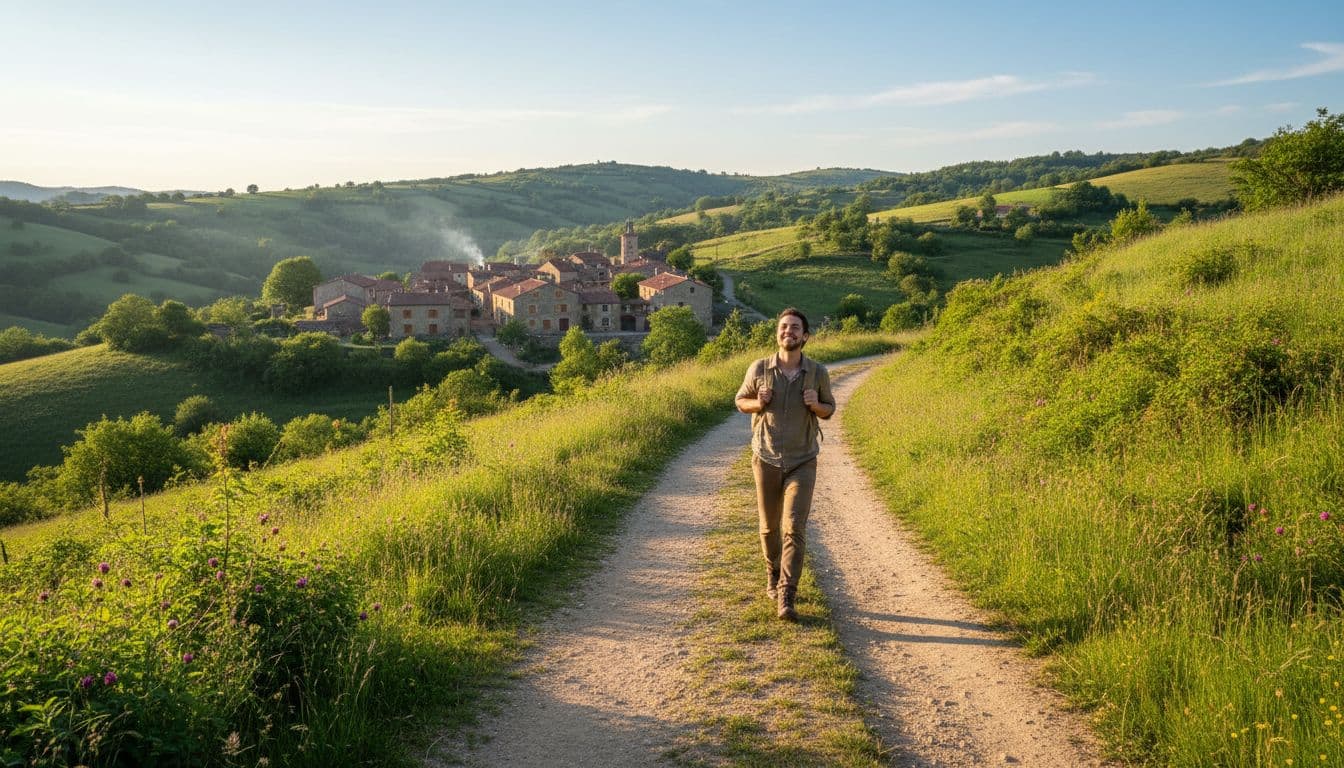
When travel feels real, it often feels better in memory too. The highlight is rarely the most polished attraction. More often, it is a shared conversation, a local ferry ride, or a meal made with ingredients from a nearby farm.
The best eco-friendly trip is often the one that leaves room for real connection, not just nice photos.
The rise of practical sustainability over big promises
Travellers are also getting sharper about claims that sound green but say very little. Glossy branding no longer carries the same weight on its own.
Instead, people look for visible action. They want to see renewable energy use, waste reduction, local sourcing, and lower-carbon transport choices. A hotel that installs solar panels, cuts single-use plastics, and serves seasonal food speaks more clearly than a page full of vague slogans.
That practical mindset is changing how decisions are made. A traveller might choose a train over a short flight, a smaller lodge over a large resort, or a bike tour over a minibus route. Each choice is small on its own, but together they shape a more responsible trip.
The same logic applies to where people book. Many now check for policies, certifications, and clear explanations instead of polished green language. For a closer look at the wider shift, Condé Nast Traveler's sustainability trends for 2026 shows how travellers are moving towards more regenerative and transparent choices.
A simple way to read a travel claim is to ask what sits behind it:
- Energy: Does the property use renewables or cut energy use in clear ways?
- Waste: Are plastics, food waste, and laundry systems being managed well?
- Food: Does the menu support local farms and seasonal produce?
- Transport: Can guests walk, cycle, or use public transport easily?
That kind of detail matters because it removes guesswork. Better choices do not need to be perfect, they just need to be real.
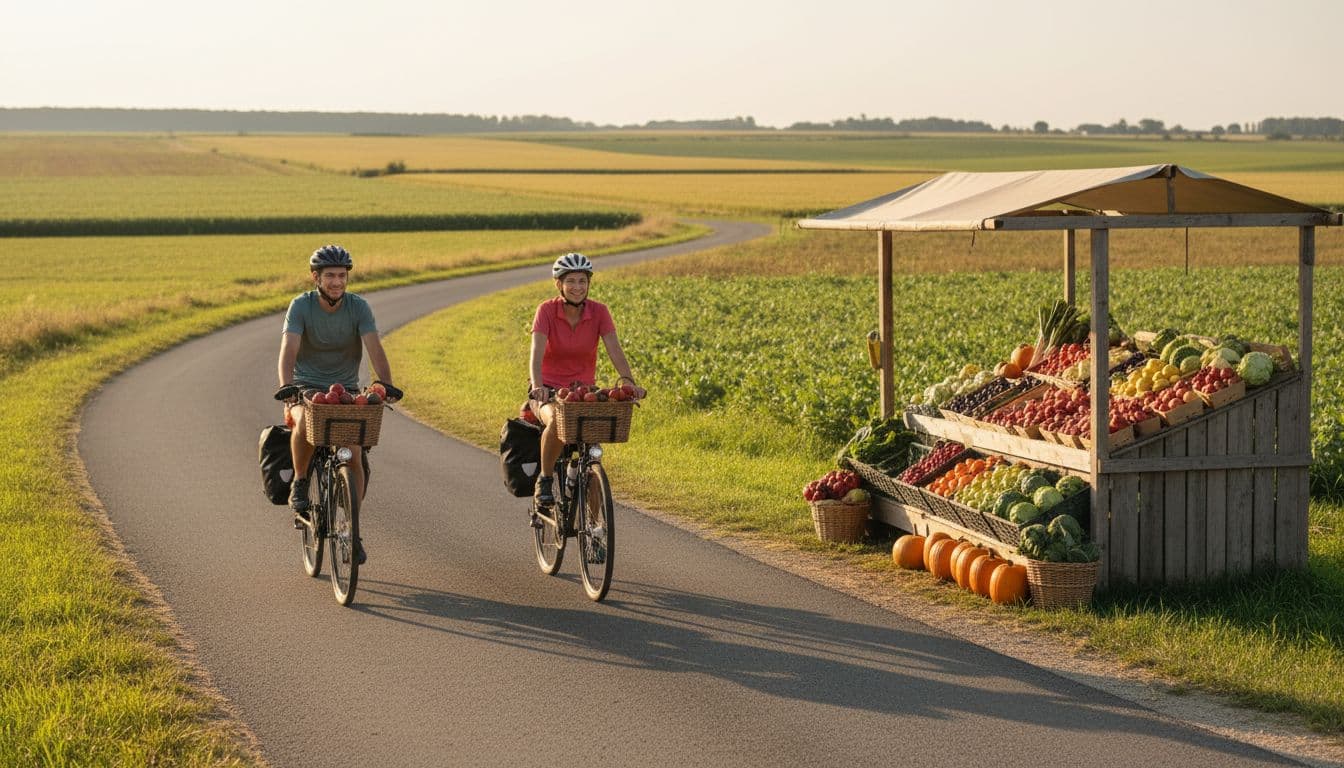
A growing number of travellers are also drawn to low-key operators that show how they work. If a place explains where its food comes from, how it handles waste, and how it supports local jobs, that transparency builds trust. It makes the booking feel like a considered choice rather than a marketing gamble.
In 2026, eco travel is not about ticking every box. It is about choosing trips that do less harm, give more back, and still feel good to take.
Slow travel is becoming the new luxury
Slow travel fits the mood of eco travel trends 2026 because it gives people what rushed trips often miss, space. Fewer transfers, longer stays, and calmer routes make a holiday feel less like a race and more like time well spent.
That appeal is easy to understand. When a trip has breathing room, the details stick, from the smell of a bakery at dawn to the rhythm of an evening train home. The pace becomes part of the memory, and that is where the value lies.
Why fewer miles can mean a richer holiday
Longer stays often create stronger memories than a schedule packed with stops. A traveller who settles into one town or one stretch of coast has time to notice patterns, local habits, and small daily moments that a fast itinerary skips past.
Walking changes the whole feel of a trip. So does cycling. Both slow the eye down, which makes a place easier to know, not just pass through.
Local trains do the same job in a different way. They link towns without the blur of airport queues or motorway fatigue, and they turn the route into part of the holiday. A window seat on a regional line can show more character than a crowded list of famous sights.
One neighbourhood can hold enough for days when travellers stop trying to cover everything. A morning market, a repeat visit to the same café, a quiet park, and one museum with time to linger often leave a sharper mark than six rushed landmarks. The holiday feels fuller because it has rhythm.
The best trips often leave a little space in the day. That space is where the memory settles.
Longer stays also make it easier to spend money in ways that matter. Local shops, bakeries, guides, and guesthouses all benefit when visitors stay put and return more than once. The trip becomes part of the local economy, not just a quick pass-through.
Rail routes, road trips, and one-base breaks are back in favour
Train travel is back in style because it suits how many people want to move now, steadily and with less stress. Routes across Europe make this easier, and for UK travellers, rail-first breaks often feel more practical than they did a few years ago. A journey can begin at a local station and end in the centre of a city, which cuts out a lot of hassle.
For readers looking at rail ideas, low-carbon train itineraries for 2026 show how scenic routes can do the hard work of travel while keeping the experience enjoyable.
Road trips still have their place, especially when they follow open countryside and avoid the pressure to cover too much ground. The best ones are measured in good stops, not miles. A coastal drive, a village pub lunch, and an overnight stay can feel richer than a long list of rushed check-ins.
One-base breaks are also winning favour. They suit travellers who want less packing, fewer transfers, and more time to settle into a place. A countryside cottage, a small-town hotel, or a farm stay can become a base for walks, local buses, cycle routes, and day trips nearby.
For UK-friendly planning, these kinds of trips work well:
- European rail escapes: City breaks or regional routes that start with a train and finish on foot.
- Countryside stays: Lodges, barns, and guesthouses where walking trails begin at the door.
- Transport-linked destinations: Towns and coastal areas where buses, ferries, or local rail lines are part of the experience.
Public transport works best when it adds something to the trip instead of feeling like a compromise. A ferry crossing, a mountain railway, or a local bus along the coast can become a highlight in their own right. Holiday Extras also points to this shift in its 2026 travel trends guide, where slower overland routes are gaining ground.
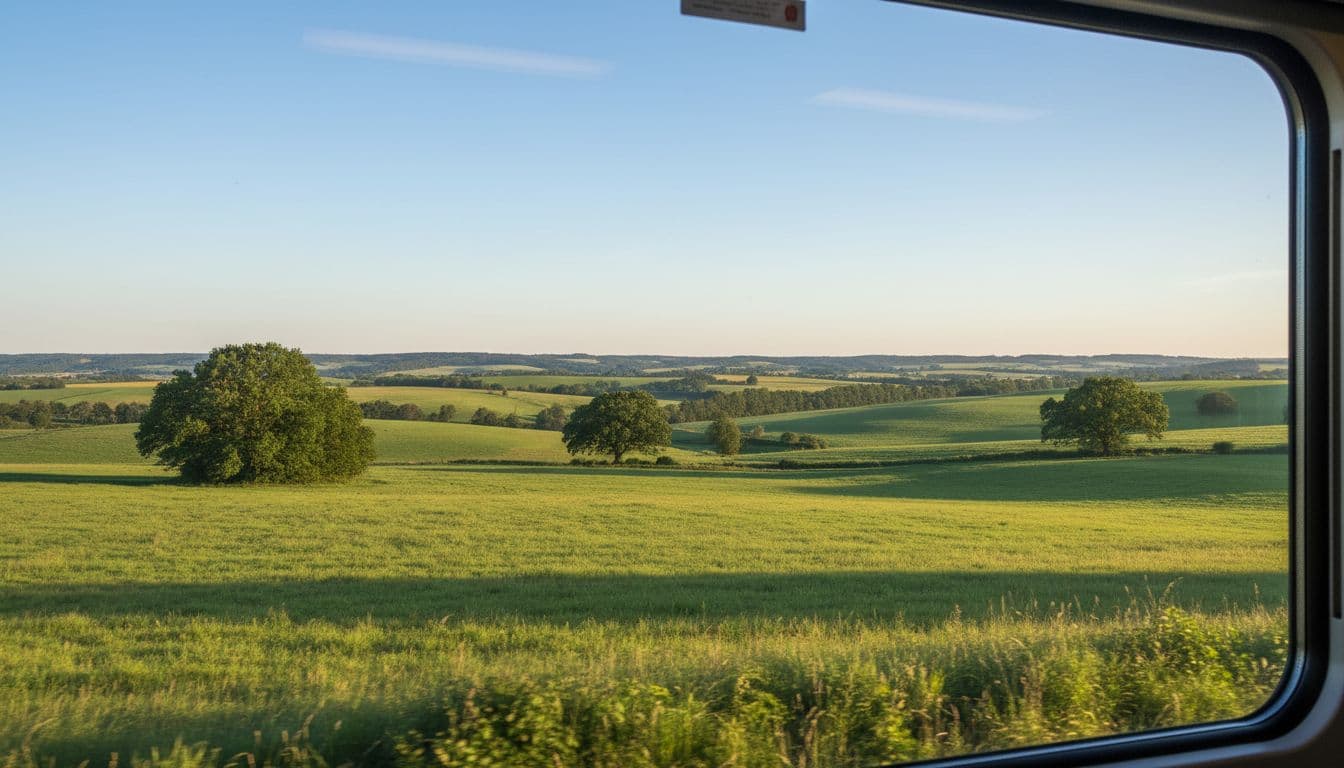
Slow travel feels luxurious because it gives back something rare, ease. That is why it sits so naturally inside the eco travel trends 2026 conversation, it lowers pressure, makes space for place, and turns the journey itself into part of the reward.
Regenerative travel is moving from niche idea to real demand
Travellers are asking for more than lower-impact holidays. They want trips that leave a place better than they found it, with nature, people, and local culture all treated as part of the experience. That shift is pushing regenerative travel into the mainstream of eco travel trends 2026.
The appeal is simple. Many people now want their holiday spend to do more than fund a bed for the night. They want it to support wetland repair, native planting, community-led guiding, or small projects that keep a place thriving long after they leave.
What travellers mean when they ask for a trip that gives back
When travellers talk about a trip that gives back, they usually mean something concrete. They want stays, tours, and activities that support rewilding, habitat repair, native planting, or local community work in a visible way.
That can look like a lodge that funds tree planting with every booking, a walking tour that pays for trail restoration, or a coastal stay linked to dune or mangrove recovery. It can also mean joining a day of native planting with a local conservation group, helping restore a garden used by the community, or booking a farm visit that supports soil health and local food systems.
The strongest examples are easy to picture because they do real work. A guest might spend the morning helping plant coastal grasses, then share lunch with the people who maintain the site. Another traveller might join a wildlife walk where ticket sales pay for monitoring equipment and habitat care. These are not side notes. They are part of the trip itself.
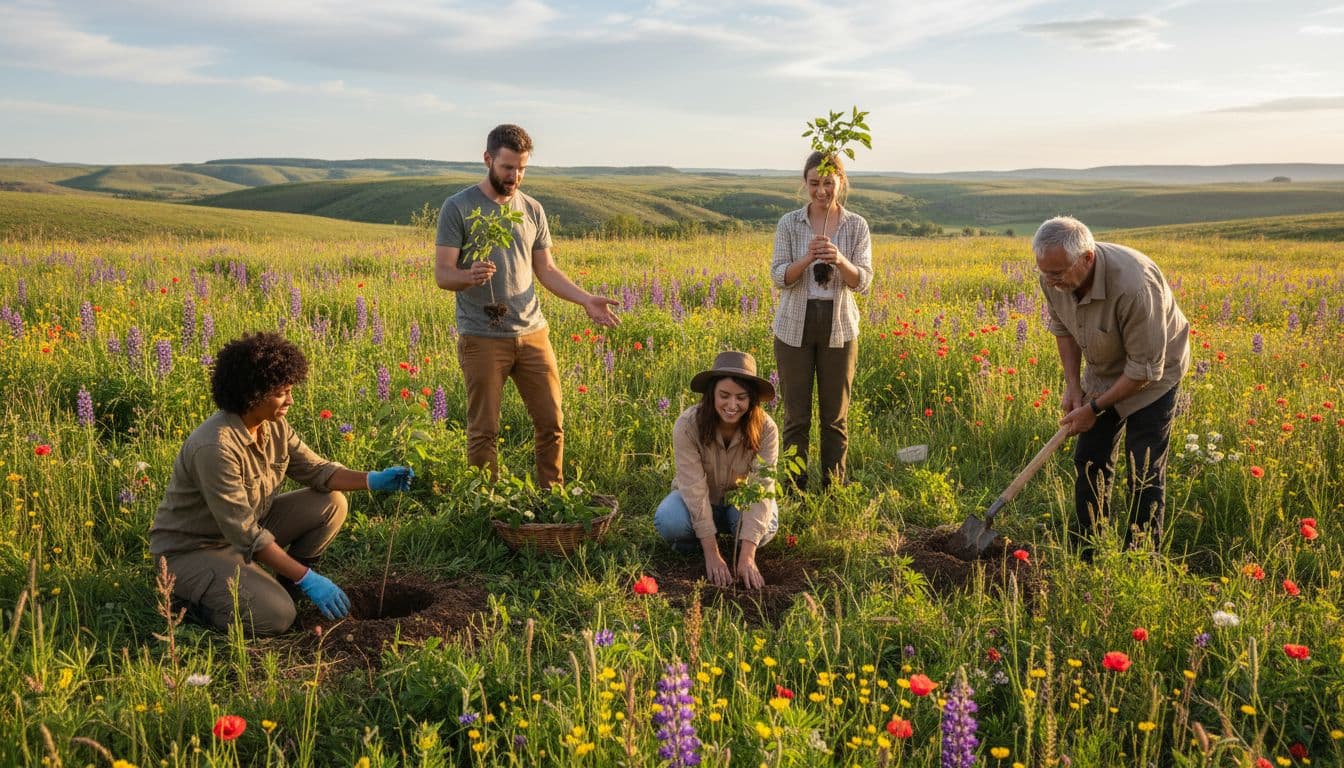
This is why regenerative travel feels different from a simple eco label. It invites people to take part in repair, not just observe it. In that sense, the holiday becomes a small investment in the place.
For a wider view of how travel is moving in this direction, Condé Nast Traveler's sustainability trends for 2026 shows how rewilding and community benefit are climbing higher on travellers' wish lists.
Travellers are not only asking whether a trip is low impact. They are asking what it helps restore.
The best regenerative experiences feel useful, not performative
Credibility matters more than polished language. Travellers can spot a token gesture when a project exists mainly for photos, and they are looking past that.
The experiences that earn trust tend to have a few things in common. They are locally led, they show visible conservation work, and they pay fairly for local knowledge and labour. Most importantly, they create long-term benefit instead of a one-off feel-good moment.
A good regenerative trip usually has clear signs of care, such as:
- Local leadership: Community members, land stewards, or Indigenous guides shape the work and the visitor experience.
- Visible outcomes: Guests can see habitat repair, tree planting, trail care, or wildlife protection in progress.
- Fair pay: Local people receive proper income for guiding, teaching, maintenance, and hospitality.
- Long-term value: The money stays in the area and supports projects that continue after the visitor leaves.
The difference shows up in the details. A serious conservation stay explains where the money goes, who benefits, and how success is measured. A shallow one leans on vague claims and staged moments that never reach beyond the booking page.
That is why the most convincing regenerative trips feel grounded. They make room for real work, real people, and real places. In other words, they ask the visitor to be useful, not just present.
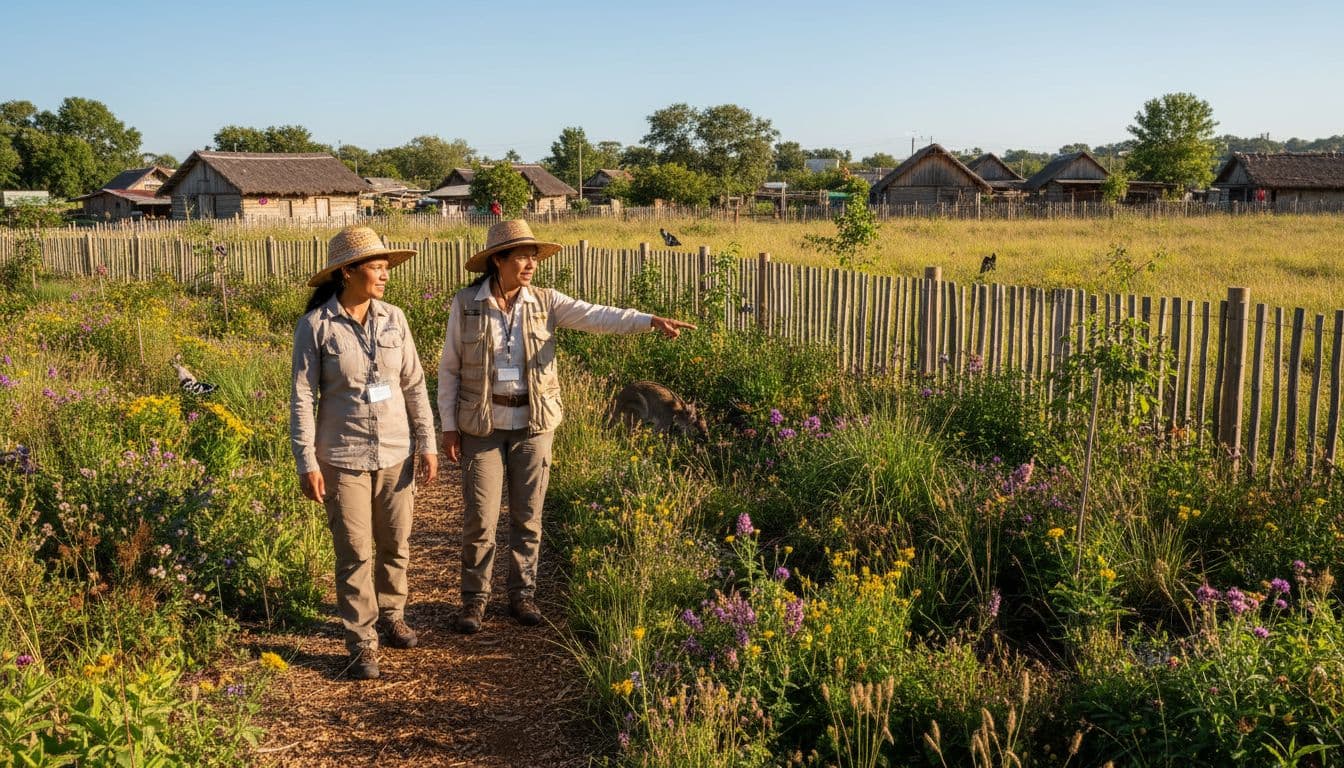
The trend is moving fast because travellers now want proof, not just promise. If a place can show that a booking supports habitat repair, community income, or native ecosystems, it has a stronger chance of winning trust. That is where regenerative travel becomes more than a niche idea, it becomes a clear reason to book.
Nature, wildlife, and culture are being treated with more care
Travellers are paying closer attention to how a place is visited, not just what it offers. That change is clear across eco travel trends 2026, where respect now matters as much as scenery, wildlife, and comfort.
The shift is simple to spot. People want to see animals without crowding them, learn from communities without taking over their space, and spend money in ways that protect the places they came to enjoy. In practice, that means fewer staged encounters and more thoughtful travel.
Ethical wildlife experiences are replacing extractive tourism
Animal encounters are changing fast. Travellers are moving away from rides, feeding sessions, and packed viewing areas, because those activities often harm wildlife and turn living creatures into props.
Instead, they want to watch animals from a safe distance, with small groups and guides who respect natural behaviour. A quiet pause beside a riverbank often feels richer than a noisy crowd chasing a photo.

Photo by Tomasz Dworczyk - Podróż za Milion Zdjęć
That preference is reshaping what counts as a good safari or nature tour. The best operators now focus on conservation fees, habitat protection, and visitor limits rather than close-up thrills. For a wider look at ethical wildlife standards, Choosing Ethical Wildlife Tours Without Guilt shows how small-group trips and clear animal welfare rules are becoming the norm.
A better wildlife experience usually has a few clear signs:
- Low crowd pressure so animals are not surrounded.
- No feeding or riding that changes natural behaviour.
- Trained guides who keep distance and explain what the traveller is seeing.
- Conservation support through park fees, local projects, or habitat work.
The goal is no longer to get closer to wildlife. The goal is to leave wildlife undisturbed.
That shift matters because it changes the tone of the trip. Wildlife becomes something to respect, not something to consume.
Local voices and indigenous knowledge matter more than ever
Travellers are also choosing trips led by local people because those experiences feel more honest. A guide who lives with the land can explain it in ways a glossy brochure never will.
That includes stories, place names, seasonal change, food traditions, and the practical knowledge passed through generations. It gives the journey depth, and it gives the host community fair income for work that cannot be mass-produced.

Photo by Tomasz Dworczyk - Podróż za Milion Zdjęć
This is where cultural learning becomes more than a side activity. It shapes how visitors understand the place itself. A meal, a walk, or a craft demonstration led by local hosts often carries more weight than a scripted attraction built for volume.
Many travellers now look for community-run tours, Indigenous-led walks, and family-owned stays because they want something that feels rooted in place. For examples of this wider movement, The Globe and Mail's coverage of Indigenous tourism shows how culture-led travel can support both education and local income.
The strongest trips usually do three things well:
- They pay fair rates to local people.
- They share knowledge with care and respect.
- They protect stories, customs, and sacred spaces from being turned into spectacle.
Travellers can feel the difference. Mass tourism repeats the same script everywhere, but local guidance gives a place its own voice. That is why eco travel trends 2026 are moving towards experiences that listen more and take less.
Travel tech is helping people make greener decisions
Travel booking now feels less like guesswork and more like sorting through a well-lit map. People can compare carbon, cost, comfort, and time in one place, which makes greener choices easier to spot without adding pressure.
That matters because convenience still drives most decisions. If the cleaner option also saves time, cuts stress, and fits the schedule, it becomes the obvious pick rather than the noble one.
AI planning tools are pointing travellers towards lower-impact routes
AI trip planners are making it simpler to see the full picture before a booking goes through. Travellers can line up trains, flights, hotel ratings, and trip length side by side, then choose the option that fits both their plans and their values.
A short flight might look cheaper at first glance, yet a train can win once door-to-door time, airport transfers, and waiting time are included. The same goes for hotels, where a slightly smaller place near the station can reduce car use and make the whole trip feel easier.
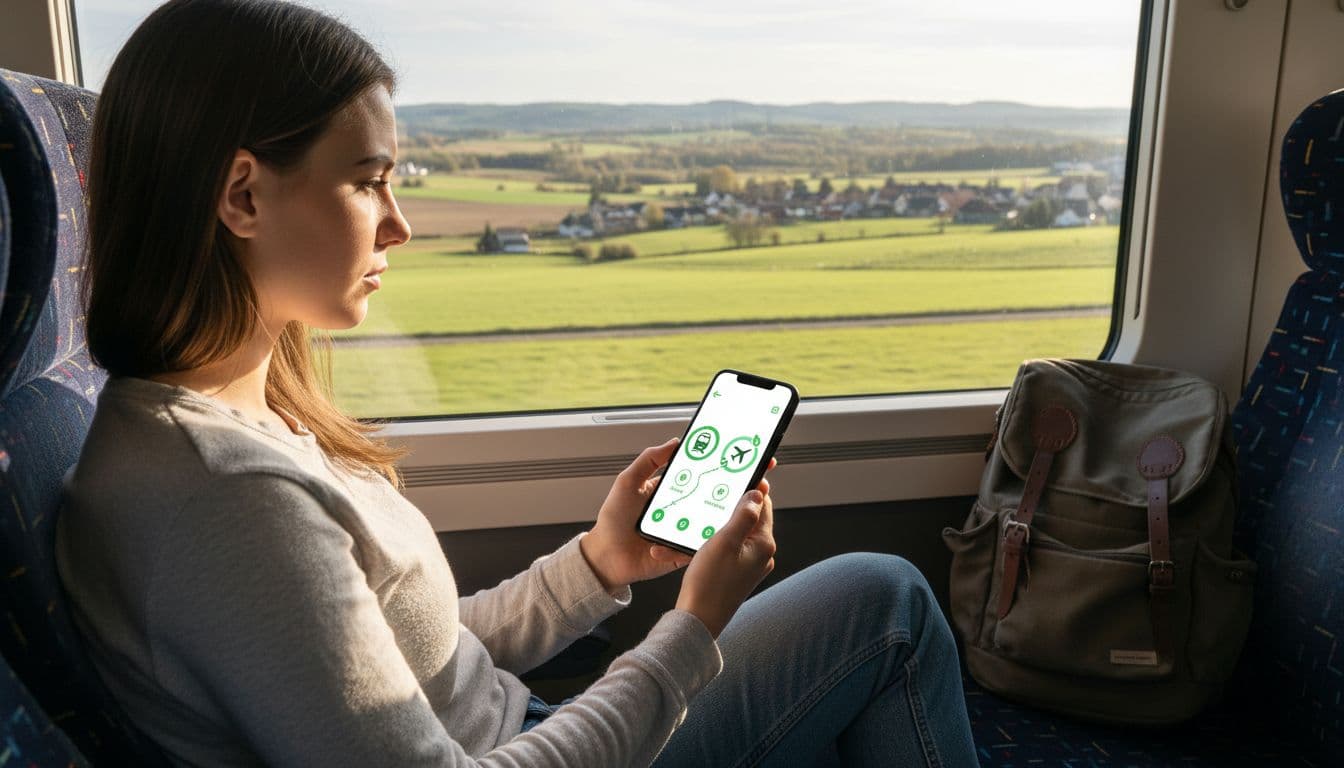
The appeal is practical. A traveller gets one clear view, fewer tabs to juggle, and less chance of booking a route that looks good on price but feels messy on the day. That is why tools that compare options are becoming part of the wider shift in eco travel trends 2026, where lower-impact decisions need to feel easy, not effortful.
For a useful example of this kind of planning, AI travel planning tools for 2026 show how route comparisons and sustainability scoring are starting to sit in the same search.
A strong planner usually does three things well:
- Shows emissions clearly so the greener choice is not hidden in small print.
- Weighs total journey time instead of only flight duration.
- Highlights sensible alternatives such as rail, overnight stays, or one-base trips.
When the cleaner option is also the simpler one, people are far more likely to choose it.
That is the real value here. The tech is not the story on its own, the smoother decision is.
Better proof is helping cut through greenwashing
Travellers have become wary of vague claims that sound eco-friendly but reveal very little. A label that says a property is "green" means less than clear evidence about what it actually does.
Certifications help because they give people a quick way to check standards. So does transparent reporting, especially when a hotel or operator explains how it saves water, reduces waste, or powers part of its site with solar energy. Tools such as Green Key certification and EarthCheck Certified give travellers a better starting point than polished marketing alone.
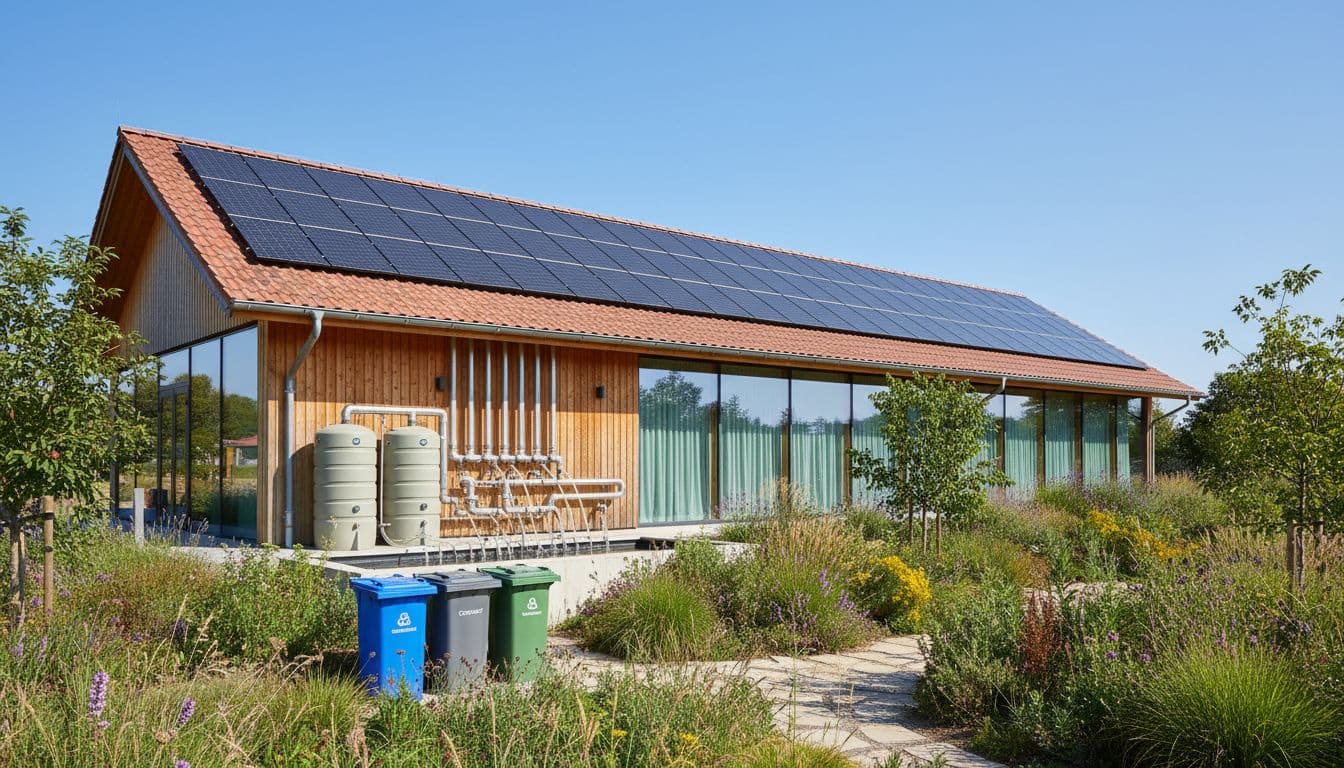
Simple proof matters because travellers want signs they can picture. Solar panels on the roof, low-flow taps in the bathrooms, waste sorting in the back of house, and refill stations in the lobby all speak louder than broad claims about sustainability.
The most trusted businesses now tend to show the details that matter most:
- Solar or renewable power on-site or through clear energy sourcing.
- Water-saving systems such as rainwater use, low-flow fittings, or linen reuse done well.
- Waste cuts through recycling, composting, and less single-use plastic.
- Honest reporting with plain language, not vague promises.
That kind of openness builds confidence fast. A traveller does not need a perfect property, only one that is willing to show its work.
As more people book with care, proof is becoming part of the buying decision itself. In that sense, travel tech is helping greener travel become less of a specialist choice and more of a normal one.
FAQ
Readers often have the same few questions about eco travel trends 2026. The answers are simpler than many assume, because the biggest shift is about better habits, clearer choices, and more honest travel planning.
What makes a trip eco-friendly in 2026?
A trip feels eco-friendly when it lowers harm without losing the point of the holiday. That usually means choosing trains over short flights where possible, staying longer in one place, and booking accommodation that shows clear action on energy, water, and waste.
Food choices matter too. A hotel or tour that buys from nearby farms, cuts food waste, and supports local jobs does more than decorate a website with green language. It gives the traveller a cleaner way to spend.

A useful rule is to ask one question before booking: what changes because this trip exists? If the answer includes local income, lower emissions, or habitat protection, the choice is usually moving in the right direction.
Are eco-friendly holidays always more expensive?
No, and that is one reason demand keeps growing. Some green stays cost more, especially where they use small-scale operations, better materials, or conservation funding. Even so, a slower trip often saves money elsewhere.
Longer stays can cut transport costs, and rail can be cheaper than flying once baggage, transfers, and airport extras are added. KAYAK's 2026 travel trends report also shows how travellers are comparing options more carefully before they book, which helps them spot value, not just low fares.
In practice, an eco-friendly trip often spends less on rushing and more on staying power. Fewer transfers, fewer impulse bookings, and more local meals can make the budget stretch further.
How can travellers spot real sustainability, not greenwashing?
The best sign is detail. If a hotel, tour, or lodge can explain where its power comes from, how it handles waste, and who benefits from the booking, it is usually on firmer ground.
Travellers should look for clear evidence such as:
- Certifications from recognised bodies.
- Local ownership or local hiring.
- Visible waste and water practices.
- Transport options that reduce car use.
For more on how the market is changing, Condé Nast Traveler's sustainability trends for 2026 shows how regenerative travel and stronger proof are shaping what people want next.
If the claim sounds impressive but the details stay vague, the booking deserves a second look.
The simplest answer is also the most useful. Travellers want trips that feel good, do less harm, and leave a place with something better than a footprint behind.
Conclusion
The strongest eco travel trends 2026 all point in the same direction, travellers want trips that feel calmer, clearer, and more honest. They want fewer rushed hops, more time in one place, and choices that show care for nature without making the holiday feel like a lecture.
That is why the most appealing journeys now are the ones with visible purpose. A rail break, a small guesthouse, a wildlife tour that keeps its distance, or a stay that supports local work all add up to something better than a polished green promise. The trip feels more rewarding because it gives back in ways people can see.
The opening idea still holds, travel does not need to be perfect to be responsible. It only needs to be thoughtful, and that is where the real shift sits. In 2026, the holidays that stand out will be the ones that leave both the traveller and the destination in a better place.