
Barefoot Ecotourism: How Barefoot Walking Reconnects Us With Nature
Cool grass gives under your bare feet, warm sand holds the day's heat, and a damp forest path wakes up senses that shoes usually mute. That's the pull of barefoot ecotourism, a slow, low-impact way to travel that brings you into closer contact with the ground, the weather, and the shape of a place. If modern trips can feel rushed, over-planned, and oddly distant from nature, this kind of walking offers a simpler, more direct way back.
It isn't about being reckless or chasing a trend. It's about paying closer attention, to your body, to the land beneath you, and to the local ecosystems you pass through. That fits how many people are travelling in 2026, especially across the UK and Europe, where quieter nature breaks, sustainable travel choices, and meaningful outdoor experiences have moved higher up the list, with 85% of travellers saying sustainable travel matters and 72% choosing greener options. With that in mind, it makes sense to start with why walking barefoot in nature can change how you experience a journey.
What barefoot ecotourism really means, and why it feels so different
Barefoot ecotourism is simple at heart. It pairs walking barefoot in nature with slow, mindful travel and sustainable tourism practices. The point is not to prove toughness. It is to move with more care, notice more, and leave a lighter mark on the places you visit.
That only works in the right setting. Safe, suitable ground matters, so this kind of travel fits best on beaches, meadows, soft woodland paths, and purpose-built barefoot trails.
From ordinary walks to deeper nature contact
A standard hike often puts a layer between you and the land. Boots protect you, but they also mute the small details. You miss the cool patch under trees, the soft give of damp soil, and the way pebbles shift your balance by a fraction.
Take your shoes off on safe ground, and the walk changes pace. Texture becomes part of the route. Temperature tells you where the sun has warmed the earth. Your feet start reading the path, so your mind stops racing ahead. As a result, a simple stroll can feel more personal, more present, and more grounded.
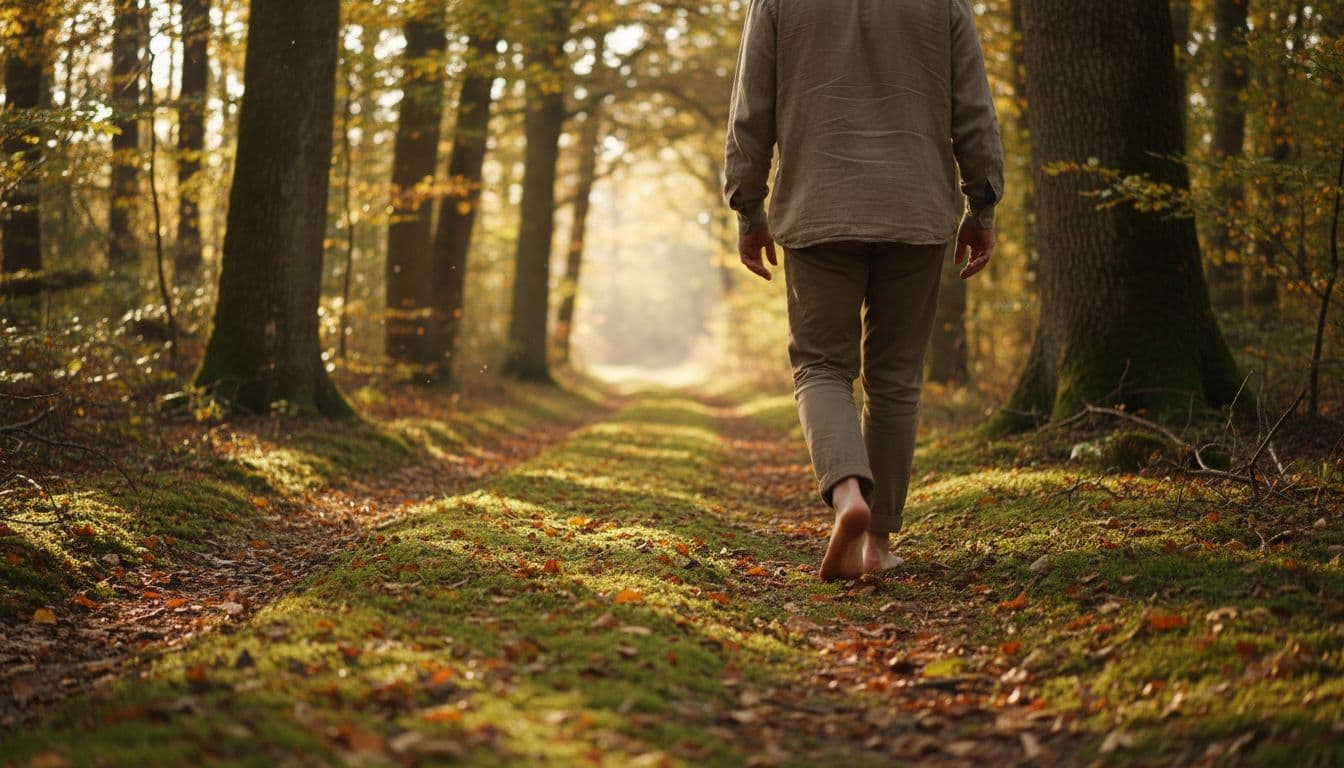
Some people connect this with earthing, although the evidence is still limited. Healthline's overview of grounding gives a balanced look at the idea and where the research stands.
Why this travel trend fits the mood of 2026
Travel in 2026 feels more selective. People want low-impact holidays that feel calm, local, and worth remembering. That is why cooler, less crowded places have more appeal, along with stays that support conservation and keep money in local hands.
Barefoot travel experiences fit that mood because they strip things back. You do not need heavy kit, packed timetables, or high-carbon thrills. Instead, you get a slower rhythm, sharper attention, and a clearer bond with the place beneath you. For many travellers, that feels better than rushing from viewpoint to viewpoint.
In that sense, nature connection through barefoot walking is not a fad. It suits a wider shift towards travel that feels lighter on the planet, and more honest to the person taking it.
How walking barefoot helps us reconnect with the natural world
Walking barefoot in nature changes more than the feel of a path. It changes your pace, your attention, and the way you meet a place. When the ground is no longer hidden by rubber and foam, the landscape stops being a backdrop and starts to feel alive under you.
Your senses wake up when the ground is part of the journey
Bare feet pick up what shoes blur. You feel cool grass, grainy sand, soft mud, rough bark chips, and the sharp nudge of a loose pebble. That touch matters because it brings the body into the walk, not just the legs.
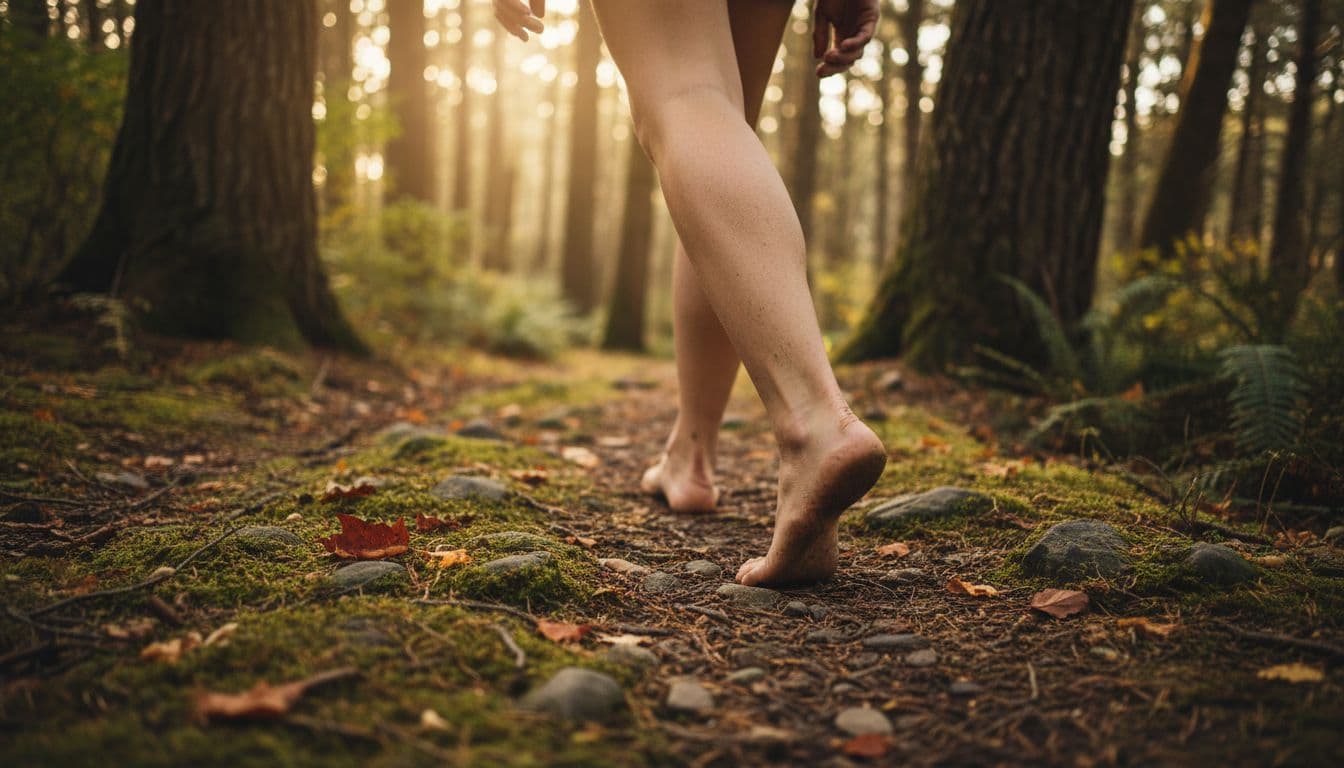
As a result, you place each step with more care. Your balance adjusts, your ears tune in, and small sounds stand out more clearly, leaves shifting, water moving, birds calling from higher branches. Because you're moving with care, you also tend to notice more with your eyes and nose, the scent of pine after rain, a patch of wild thyme underfoot, a change in light before the weather turns.
A study on barefoot walking and nature connectedness found that touch can play a real part in helping people feel closer to the natural world. That rings true on the path. You stop skimming over the land and start reading it.
Why slower travel often feels richer
Barefoot travel experiences are usually shorter by design, and that's part of their value. You don't charge through a trail at full speed. You pause, test the ground, and let the route set the rhythm.
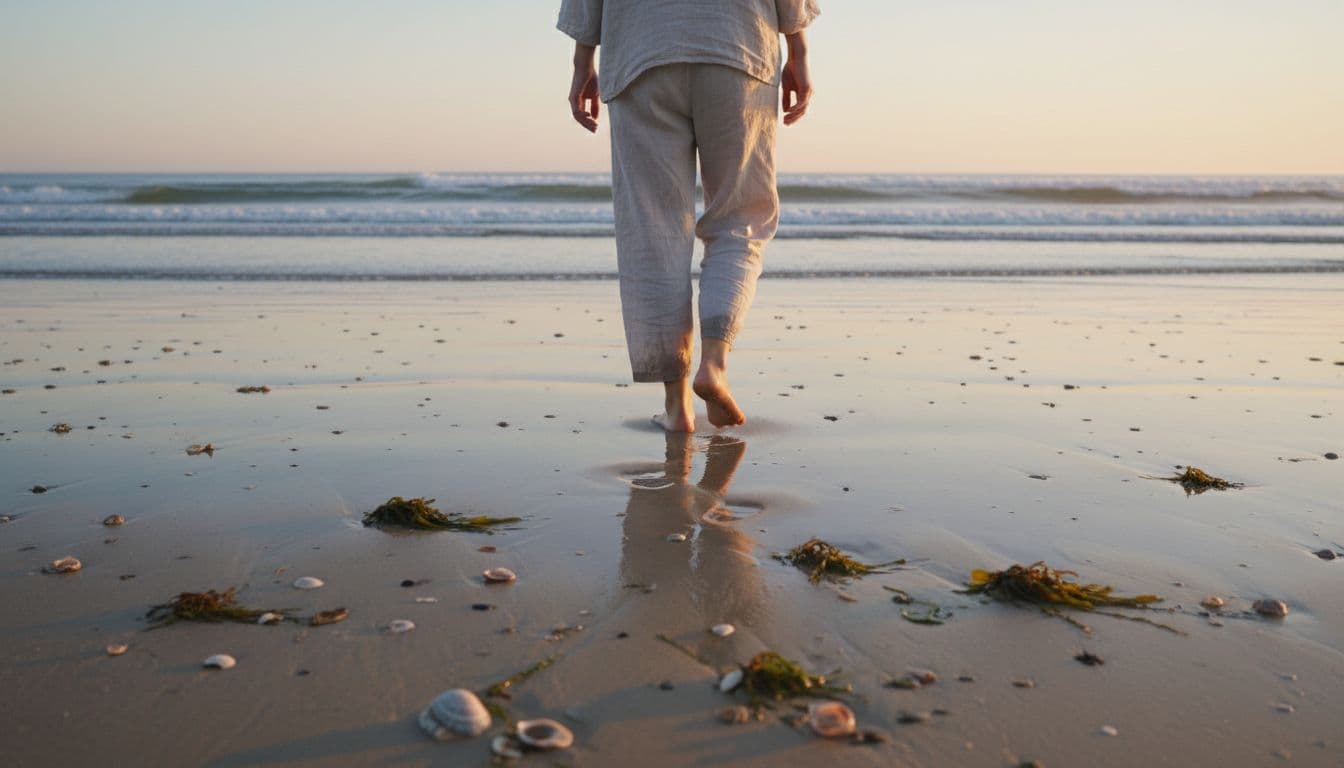
That slower pace often makes eco-friendly travel activities feel fuller, not smaller. Instead of chasing distance, you collect detail. A half-hour on a beach or woodland path can stay with you longer than a packed day of hurried stops, because you actually noticed where you were.
Slower travel often leaves a deeper mark because it asks more of your attention, and less of the place itself.
The quiet mental shift that happens when you walk more gently
Something settles when you walk with a lighter step. Your mind has less room to race ahead because the ground keeps calling you back. One careful footstep after another can bring a simple kind of focus.
For many people, the feeling is calm mixed with alertness. You may feel smaller in a good way, less like a visitor passing through, more like part of the scene for a moment. That's one of the gentler benefits of walking barefoot in nature. It doesn't promise transformation. It simply makes space for humility, wonder, and a steadier kind of attention.
What the science says about barefoot walking, grounding, and wellbeing
Some benefits of walking barefoot are easier to support than others. The strongest evidence sits around movement, foot function, and body awareness, especially when people build up slowly on safe ground. Claims about earthing and grounding are more mixed, so it's best to keep curiosity in one hand and caution in the other.
Well supported benefits, balance, strength, and body awareness
When you walk barefoot in nature, your feet have to do more of the work that cushioned shoes often take over. Small muscles in the feet and lower legs switch on, the arch works more actively, and your toes can spread and grip the ground. Over time, that can support stronger feet and steadier movement.
Recent research on minimal footwear and foot strength points in the same direction. Less support can help the foot adapt, although too much too soon can backfire. That matters in barefoot ecotourism, where the goal is connection, not strain.
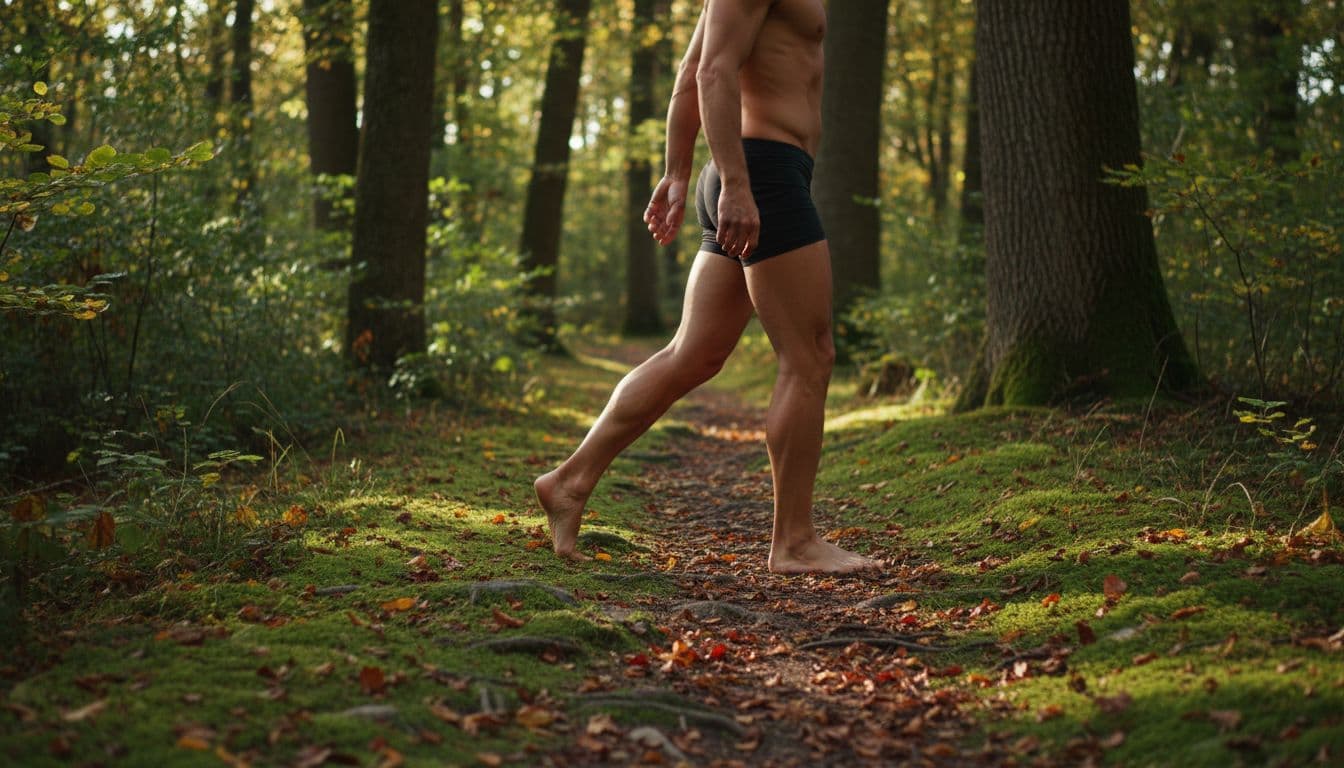
You also get richer feedback from the ground. Pebbles, soft soil, grass, and sand send signals up through the body, which can sharpen balance and proprioception, your sense of where you are in space. A 2024 study on barefoot exercise and dynamic balance adds support to that idea. In simple terms, your feet stop acting like passengers and start acting like skilled guides.
Earthing and grounding, promising idea or proven fact
Earthing, also called grounding, is the idea that direct skin contact with the earth may help with stress, sleep, mood, or discomfort. Some small studies and reviews suggest possible gains, and plenty of people say they feel calmer after standing or walking barefoot on grass or sand. You can read a broad overview in this review of grounding research.
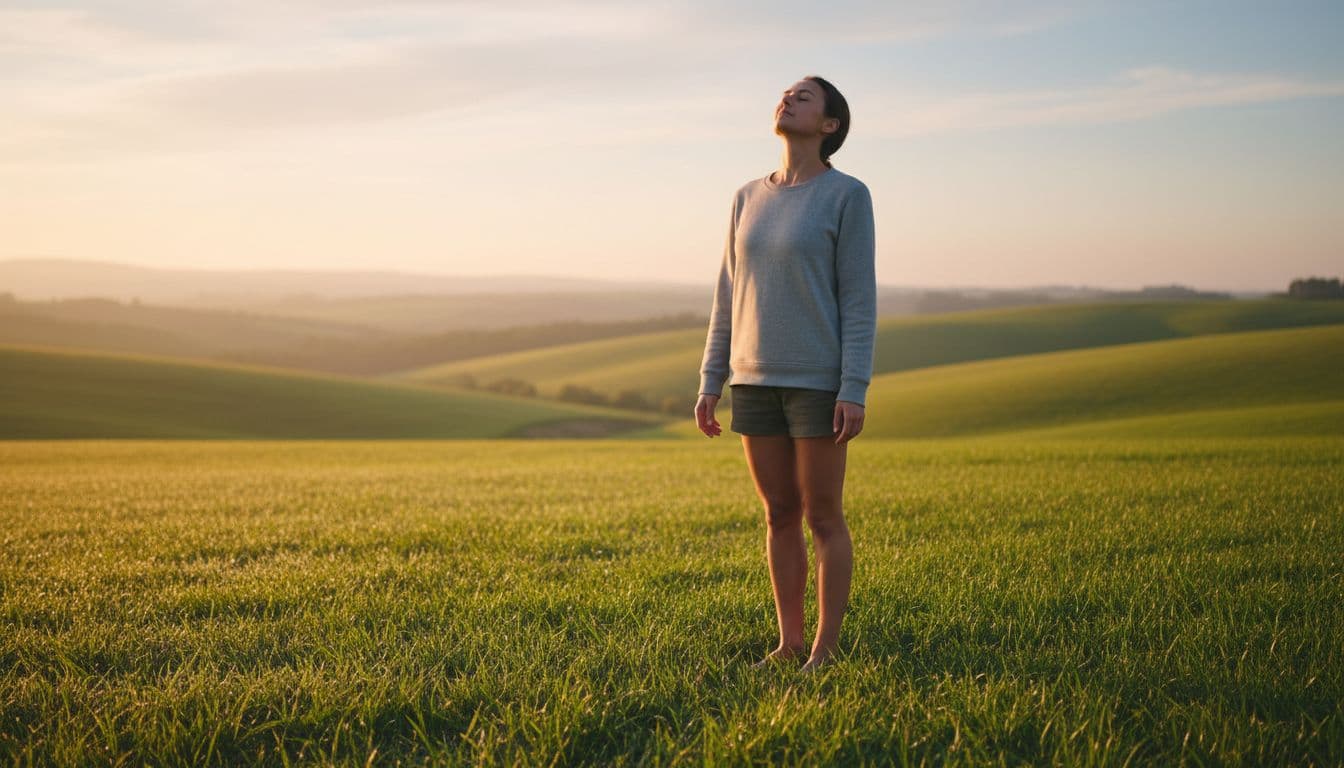
Still, the science isn't settled. Many studies are small, methods vary, and some reported benefits may also come from being outdoors, slowing down, and taking a break from daily noise. So, earthing and grounding benefits are a promising idea, not a proven cure or a reason to skip proper medical care.
Barefoot walking has solid support for movement and body awareness; grounding claims need more high-quality research.
Who should be careful before trying it
Barefoot travel experiences are not for everyone. Take extra care if you have diabetes, poor circulation, nerve problems, foot injuries, or skin conditions. Cuts, burns, or pressure spots can be easy to miss and slower to heal.
If you're unsure, speak to a GP or podiatrist before trying barefoot walking outdoors. Even for healthy feet, start on clean, soft ground and keep early walks short.
How to try barefoot travel safely, comfortably, and with respect for the land
Barefoot ecotourism works best when you treat it as a practice, not a stunt. Your feet are learning a new language, and the ground speaks in heat, texture, slope, and risk. Start small, pay attention, and let comfort guide the pace.
Start with the right surfaces and build up slowly
Begin on grass, clean sand, smooth soil, or soft forest ground where each step feels forgiving. Those surfaces let you notice more without punishing your feet, which is why they're ideal for first-time barefoot travel experiences.
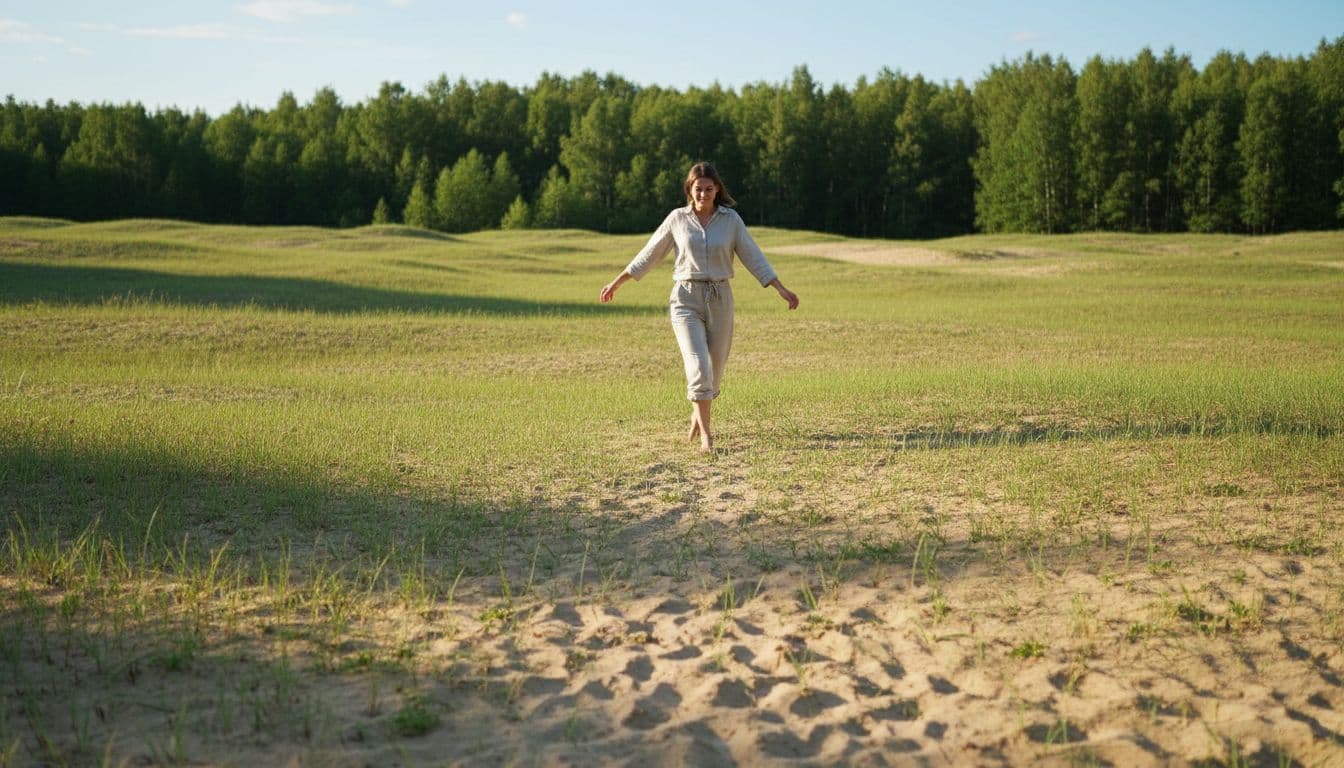
Keep early walks short, then add time bit by bit. A few easy minutes today is better than sore soles tomorrow. If you want a simple transition plan, this beginner's guide to barefoot walking lines up with the same slow-build approach.
Stay away from hot pavements, sharp stones, littered ground, and unknown water edges. Riverbanks and shorelines can hide glass, hooks, shells, or sudden drops. In other words, safe barefoot walking in nature starts with familiar, visible terrain.
Follow simple hygiene and first aid habits
A little prep makes barefoot walking health benefits easier to enjoy. Scan the ground a few steps ahead, carry water, a couple of plasters, and light sandals for rough patches or tired feet.
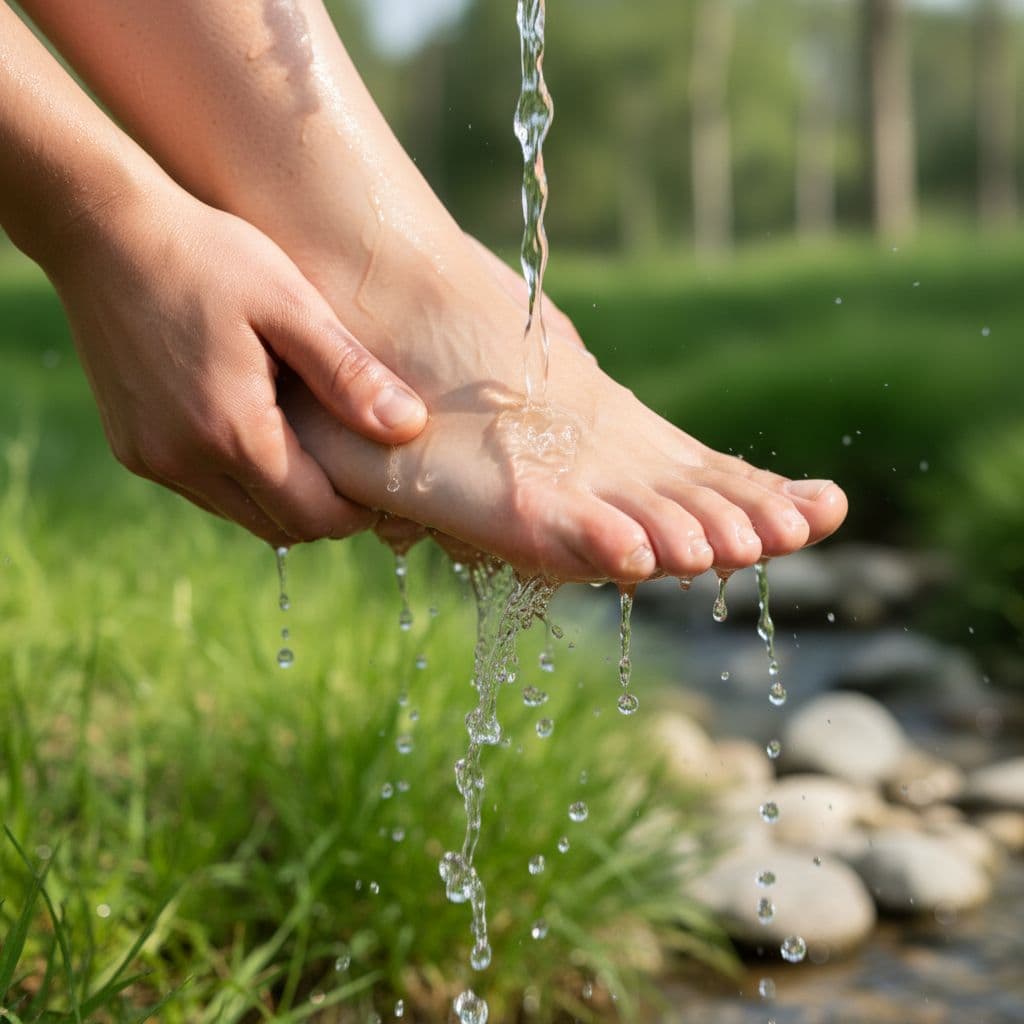
Wash your feet after each walk, dry them well, and check for cuts, redness, or splinters. If the skin starts to feel tender or rubbed raw, stop there. Pushing on rarely ends well.
If a surface looks uncertain, treat it as unsuitable until you know otherwise.
Leave no trace begins at ground level
Barefoot travel should make you more careful, not less. Good sustainable tourism practices still apply, and they matter even more when you feel every patch of earth.
Stick to marked paths where signs ask you to. Avoid dunes, nesting areas, marsh edges, and delicate moss beds, because one careless shortcut can damage fragile habitat. The core ideas in the Leave No Trace principles fit barefoot trails tourism perfectly.
Give wildlife space, keep noise low, and don't treat natural places like open-air playgrounds. If you want your trip to do some good, book local guides, choose eco-stays, and support conservation projects that protect the land you're walking on.
Where barefoot ecotourism works best in the UK and Europe
The best barefoot travel experiences are usually the simplest ones. You want soft ground, light footfall, clear local guidance, and a place that invites you to slow down. In the UK and Europe, that often means beaches, meadow paths, lakesides, and managed nature areas, not hard trails or wild, unknown ground.
Gentle places to begin in the UK
In the UK, Cornwall is one of the easiest starting points for walking barefoot in nature. Wide sandy beaches at low tide give you space, soft texture, and a clear surface to scan before each step. If you want a more structured first try, the National Trust's barefoot trail at Godolphin offers a controlled way to feel different textures underfoot.
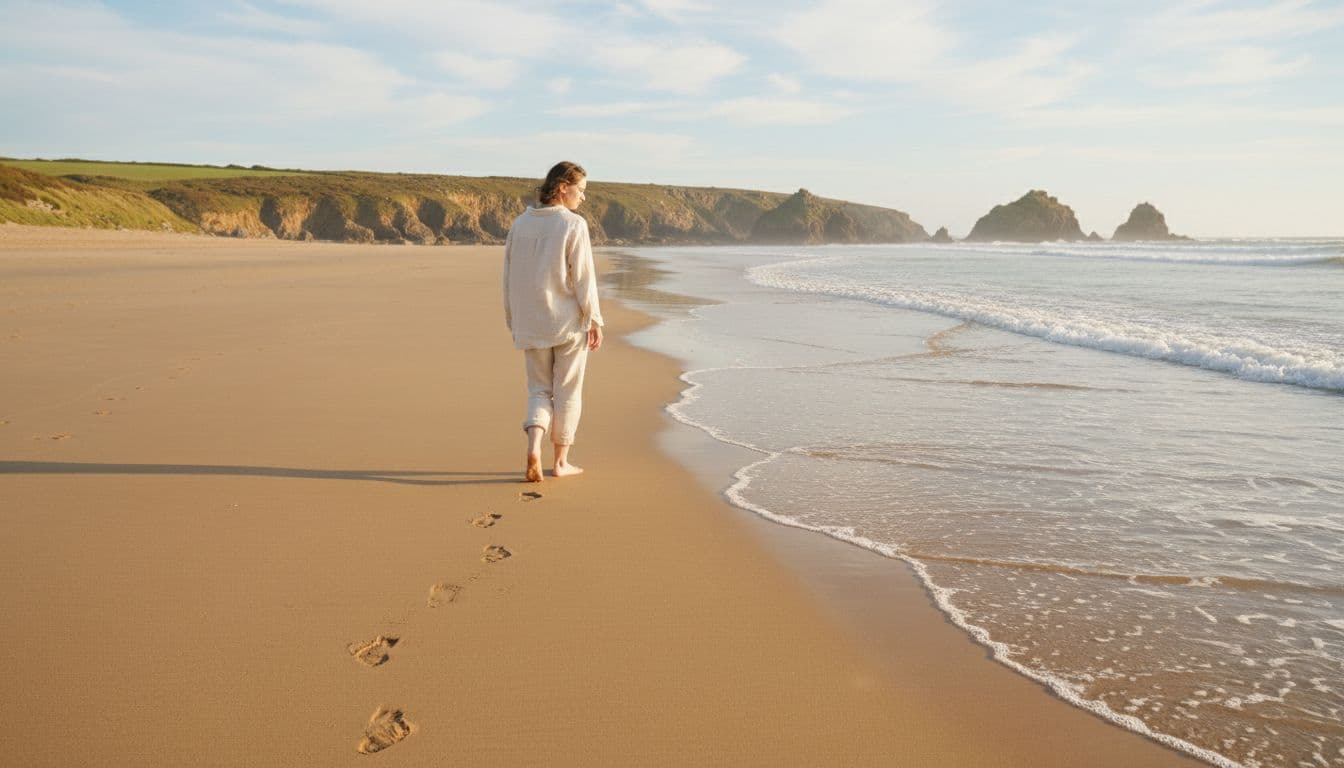
The Lake District can also suit barefoot ecotourism, but only in selected spots. Softer lakeside grass, short mossy edges, or gentle parkland routes can work well where access is allowed and the ground is clean. Places with clear route notes, such as the Fell Foot walking route, are a better bet than rough fell paths.
Further north, Scotland offers calm meadow routes, sandy coastal stretches, and quieter island edges that reward careful walking. Still, local rules matter. So do weather shifts, cold ground, and hidden hazards. Before you set off, check the surface, look ahead, and carry sandals for sections that don't feel right.
European escapes that suit slow, grounded travel
Across Europe, the strongest barefoot trails tourism tends to happen in low-crowd, nature-rich settings. Slovenia is a standout because its forests and wellness-led outdoor culture fit slow travel well. The Snovik barefoot trail is a good example of a managed, nature-based route.
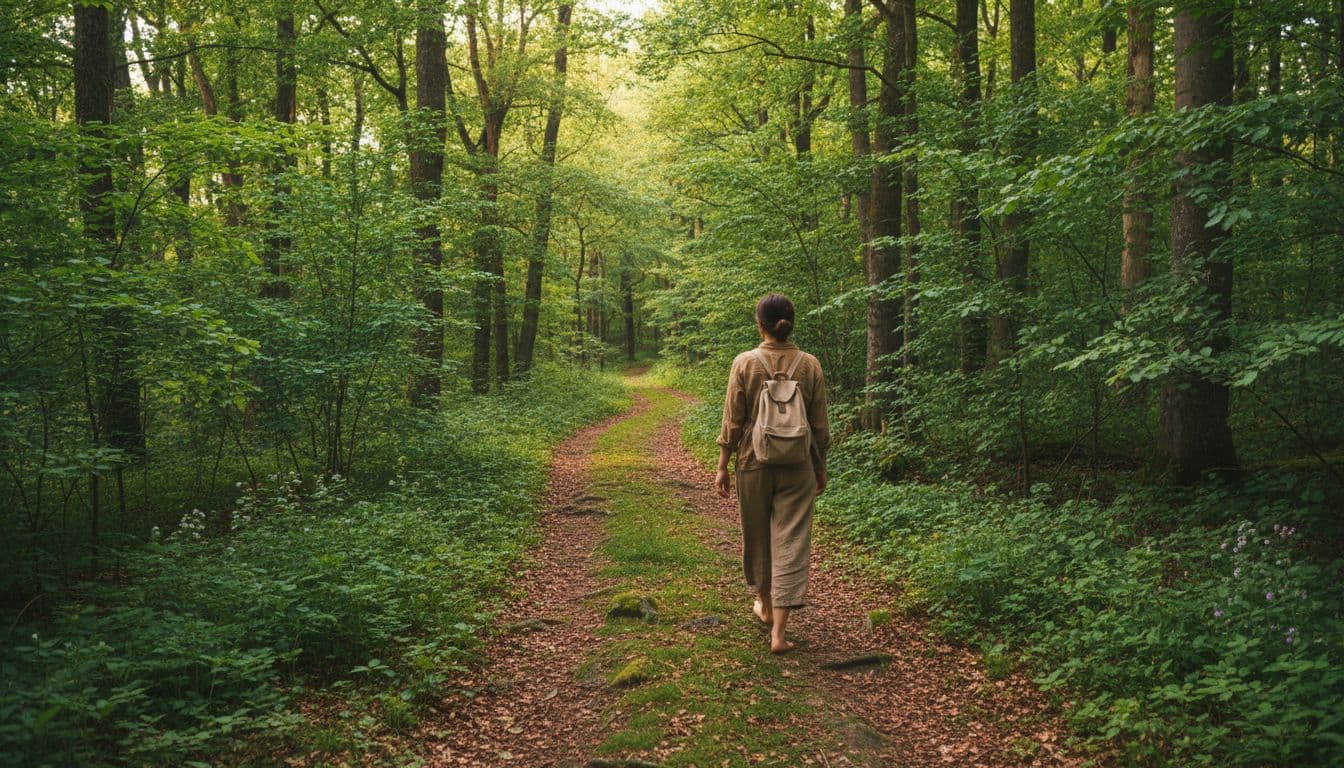
Portugal's quieter coastal paths, Croatia's island or lakeside nature areas, and Nordic eco parks with guided outdoor experiences also fit. The common thread is simple: cleaner ground, lighter traffic, and sustainable stays that treat the land with care.
What to look for when choosing a barefoot-friendly destination
A good barefoot-friendly place should feel inviting, but it also needs to pass a few practical tests. Look for:
- soft or mixed natural terrain, such as sand, grass, leaf litter, or smooth soil
- clean, visible ground with low litter risk
- mild weather, because cold, heat, and wet stone change everything
- local guidance on access, protected habitats, and seasonal hazards
- signs of good conservation, including marked paths and low-impact tourism
If a destination asks you to stay on routes, respect that. The best barefoot ecotourism spots don't just feel good underfoot, they also make it easier to walk lightly on the land.
Frequently Asked Questions
If you're curious about barefoot ecotourism but still weighing it up, these quick answers should help. The idea is simple, yet the details matter, especially when comfort, safety, and respect for nature come first.
Is barefoot ecotourism suitable for beginners?
Yes, as long as you start on the right ground. Soft grass, clean sand, and smooth woodland paths are the easiest places to begin because they let you feel more without punishing your feet.
Most first-time barefoot travel experiences work best when they're short and unhurried. If you build up slowly, your feet adapt far better than if you rush. For practical guidance, this barefoot gait transition advice gives a sensible overview.
Are the health benefits of walking barefoot real?
Some are better supported than others. Stronger foot muscles, better balance, and sharper body awareness are the clearest barefoot walking health benefits, especially when you practise on safe, natural surfaces.
Claims about earthing and grounding benefits are more mixed. Many people say they feel calmer and more connected whilst walking barefoot in nature, but the research is still developing. That means it's fine to stay open-minded, but not to expect miracles.
How do I stay safe and eco-friendly?
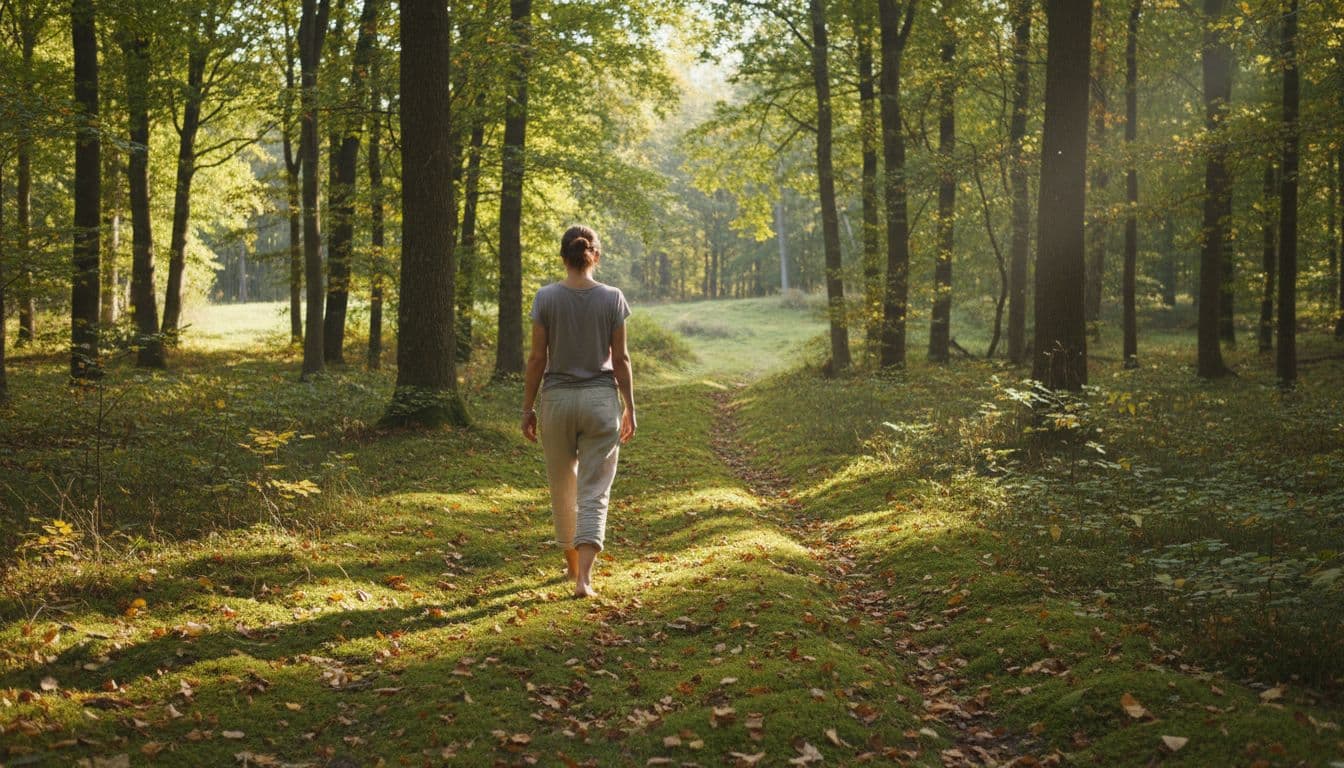
Treat barefoot ecotourism like slow travel, not a dare. Check the surface, carry sandals, avoid hot ground or hidden hazards, and stop if your feet feel sore.
Just as important, follow sustainable tourism practices. Stay on marked paths where needed, avoid fragile habitats, and leave the place exactly as you found it. The best nature connection through barefoot walking comes from moving lightly, both on your feet and on the land.
Conclusion
Barefoot ecotourism brings travel back to the ground. When you are walking barefoot in nature, even a short stretch of grass, sand, or soft earth can sharpen your senses and make a place feel more real. That is the heart of it, a stronger connection to the land through slower, safer, more respectful movement.
The point is not to go barefoot everywhere, or to prove how tough you are. It is to notice more, tread more gently, and let simple barefoot travel experiences restore some care to the way you move through the world. That is why this kind of low-impact travel feels so alive.
So start small. Take one careful walk on clean grass or firm sand, pay attention to each step, and see what changes when nothing sits between you and the earth.