
The 4&2211air is warm, wild thyme scents the11_jkh path, and a low hum rises from the edge of a field. A beekeeper lifts a frame, sunlight catches fresh honey, and the whole place feels alive. That is the pull of apitourism, a form of bee-centered travel built around hive visits, tastings, workshops, and farm stays.
For travelers who want more than a hotel pool and a photo stop, this kind of trip feels different. It ties food, nature, and local work together, and it leaves a lighter footprint than many high-volume tours. That mix is why apitourism is starting to matter in 2026.
What apitourism is, and why travelers are drawn to it now
Apitourism sits where bee tourism and sustainable travel experiences meet. In simple terms, you travel to places where beekeeping shapes local life, then join activities that help you understand it. That might mean visiting an apiary, tasting single-origin honey, sleeping on a farm, or learning how wax becomes candles and balm.
Travelers are drawn to it now because many want trips they can feel in their hands. They want to meet the person behind the product. They want rural stays with a purpose. They also want travel that gives something back, especially in areas where farming and nature depend on each other.
That shift fits a bigger trend in 2026. Nature-based travel is still growing, and people are choosing small-group, low-impact experiences over packed sightseeing schedules. Bees offer an easy entry point because they connect so many things at once: food, farming, craft, climate, and local identity.
The experiences that make bee tourism feel personal
A good bee tour doesn't feel staged. You pull on a veil, listen to a beekeeper explain the mood of the hive, and watch careful hands lift a honeycomb frame. Later, you taste honey that carries the flavor of orange blossom, chestnut, or mountain herbs.
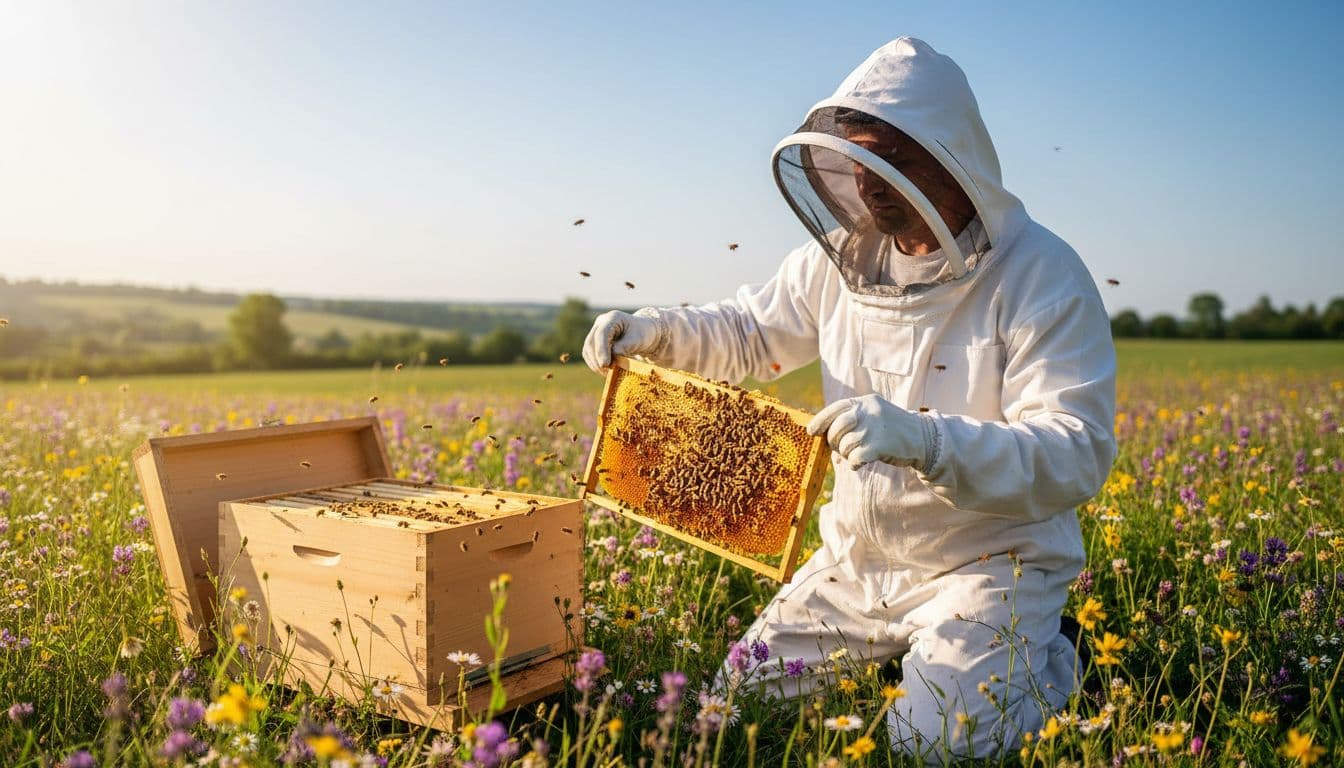
Some places add beeswax candle making, soap workshops, or a "beekeeper for a day" session. Others offer quiet farm stays built around the rhythm of the apiary, such as the Kr'Bee apitourism estate. These moments stick because you're not watching from a bus window. You're part of the story for a few hours.
How local communities benefit from every visit
Each visit can spread money through a village in useful ways. Beekeepers earn from tours as well as honey. Guesthouses host overnight visitors. Guides, drivers, cooks, and small food shops all benefit when travelers stay longer and spend locally.
That matters in rural areas where income can be seasonal. Bee-centered tourism also works well for small family farms because it doesn't require massive buildings or heavy traffic. In some places, it can open doors for women-led craft businesses, food producers, and community groups tied to honey, wax, herbs, and farm hospitality.
How beekeeping supports biodiversity, farms, and healthier landscapes
The strongest case for apitourism is environmental. Bees don't only make honey. They help plants reproduce, which helps farms stay productive and wild places stay varied and alive.
Around three-quarters of flowering plants rely on animal pollinators, including bees. Many fruits, nuts, vegetables, and seed crops depend on that work. When bee health drops, the loss ripples across fields, gardens, and habitats.
Why bees matter far beyond honey
Healthy bee populations support more than a single product on a market stall. They help orchards fruit, herbs flower, and meadows seed themselves for the next season. That means more food diversity and stronger ecosystems.
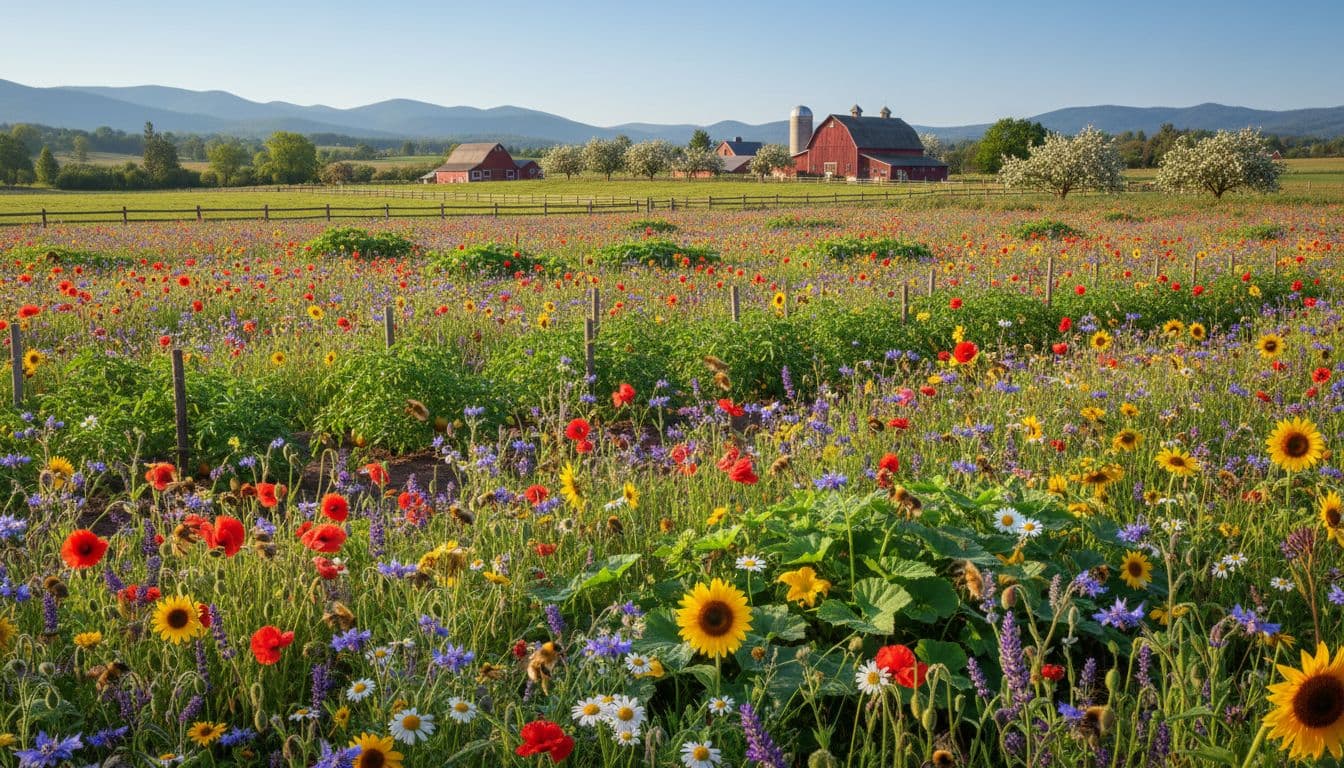
For travelers, this makes bee tourism easy to grasp. You see one hive, then you start to notice the whole landscape around it. Suddenly, a patch of wildflowers or an unsprayed field edge means more than scenery.
What responsible apitourism does for conservation
Responsible apitourism teaches that bee health depends on habitat, weather, disease control, and careful farming. Good operators keep groups small, follow hive safety rules, and avoid anything that puts stress on colonies. Some apiaries now use digital hive monitoring to spot heat changes, pests, or weak activity early.
Tours can also fund habitat planting, support small apiaries, and explain the risks of pesticide overuse. Across Europe, projects highlighted by the Bee Our Guest apitourism network show how education and low-impact tourism can work together. When visitors leave with better habits, such as buying local honey or supporting bee-friendly farms, the trip keeps working after it ends.
What successful apitourism looks like, from Slovenia to Morocco and North Africa
Some countries already show what this model can do. Others have the land, traditions, and rural talent to build it in their own way. The lesson is clear: apitourism works best when it grows from local culture, not from copied travel trends.
Why Slovenia is the model many destinations study
Slovenia is the name that comes up most often, and for good reason. As of 2026, it has 45 certified providers and remains the only country with trained beekeeping tourist guides, according to the Slovenian Beekeeping Academy's apitourism program. Visitors can tour apiaries, taste regional honey, visit museums, and learn how beekeeping became part of national identity.
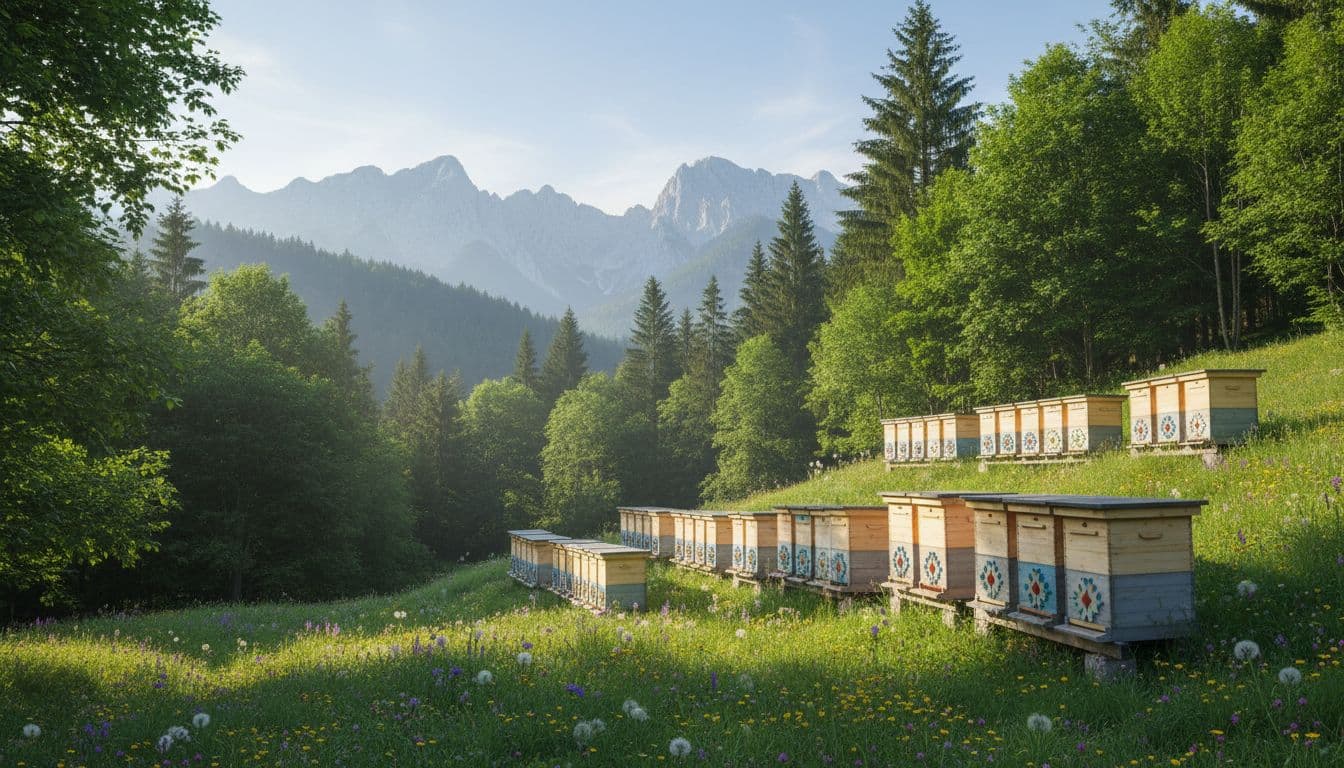
The model works because standards are clear. Guides are trained. Conservation and tourism support each other. A traveler gets something memorable, and the place keeps control of its own story.
How Morocco and North Africa could build bee-centered travel
Morocco and the wider North Africa region have strong potential, even if the sector is still early. The landscapes already tell a rich story: mountain apiaries in the Atlas, herb-covered hills, argan country, oasis farms, and old honey markets where local varieties carry the taste of place.
A good model here would stay small and local. Travelers could visit village apiaries, taste thyme or orange blossom honey, join beeswax craft workshops, and sleep in rural guesthouses run by farming families. In North Africa, that kind of trip could pair well with bread baking, herb walks, and market visits, because bees sit at the center of those food traditions too.
The opportunity is real, but it should grow carefully. Hive welfare, guide training, fair pay, and simple visitor rules matter as much as marketing.
The soft hum near the flowers means more when you know what supports it. Apitourism gives travelers a rare kind of trip, one that feeds curiosity while helping local people and the land they depend on.
If you book one, choose an ethical small-group tour, respect hive rules, and buy from local beekeepers when you can. That way, the sweetness you take home supports more than a souvenir.